Life Savers

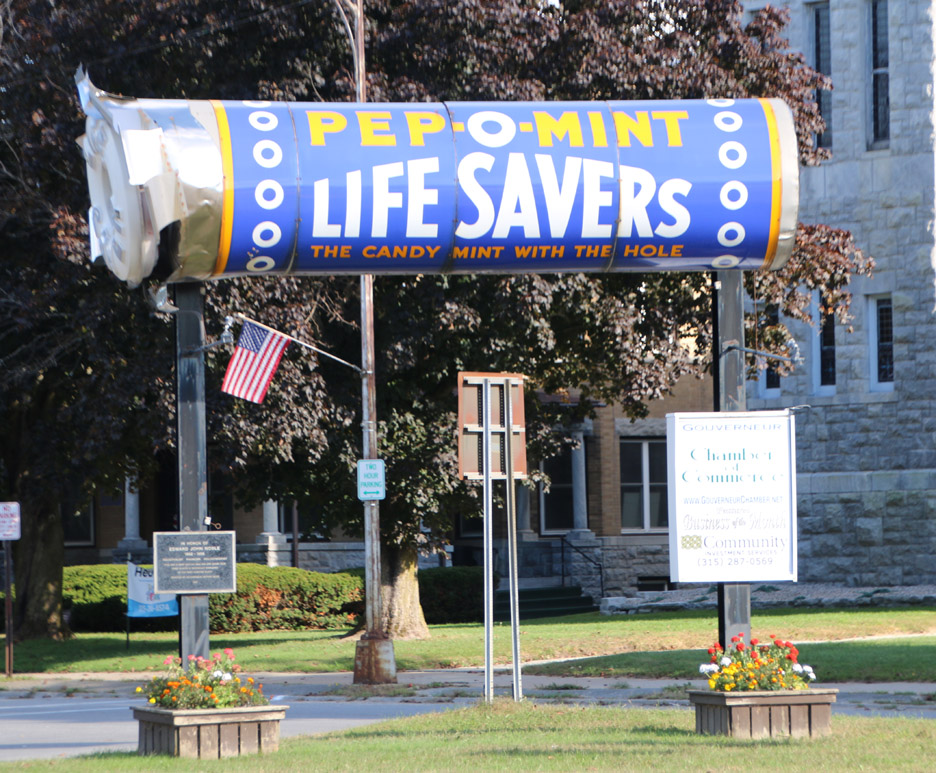
Wandering through Gouverneur, New York, a while ago I happened across this interesting monument along East Main Street in the center of town.
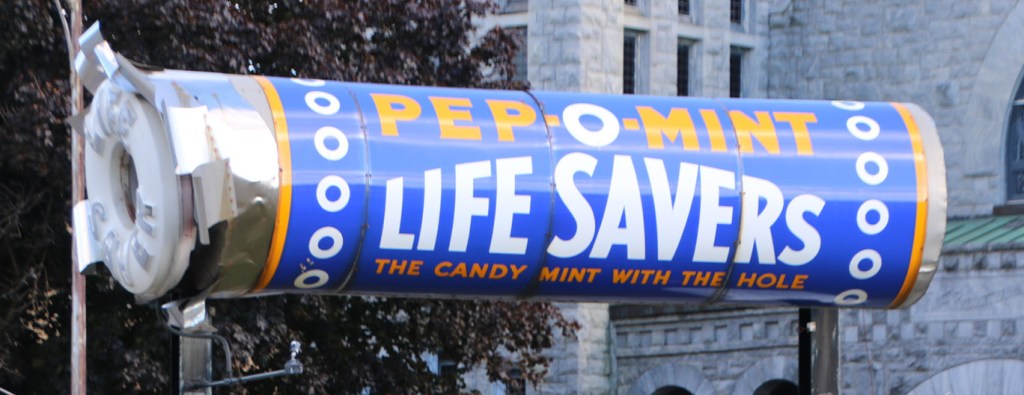
Gouverneur isn’t exactly a manufacturing hotspot.  A tiny place of some 6,500 people, it’s on the western fringes of the Adirondacks, not very far from the St. Lawrence River in way, upstate New York.

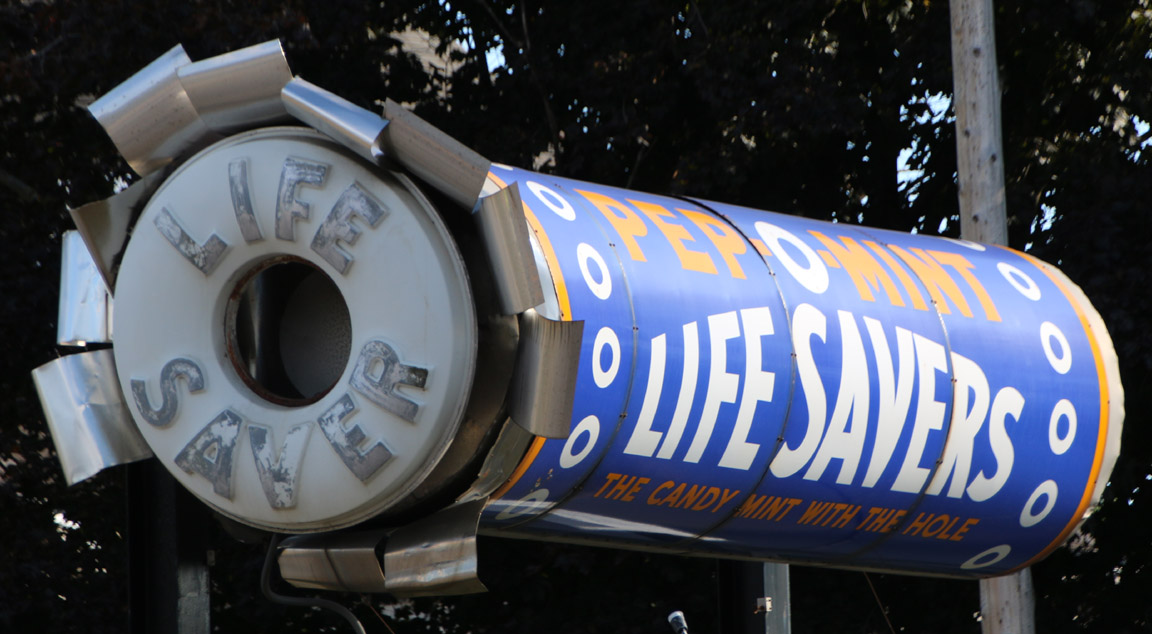
So, what’s that monument on Main Street all about?  Turns out it’s there because Gouverneur is the birthplace of Edward John Noble, the man credited with putting Life Savers on the map.  It used to adorn the headquarters of the Life Savers Candy Corporation in Port Chester, on Long Island Sound, some 350 miles south.

The candy was actually invented by maple syrup producer turned chocolatier Clarence Crane of Garrettsville, Ohio.  Crane, the father of American poet Hart Crane, was looking for a “summer candy” that would hold up in the heat better than chocolate.

To do that he used a machine that pharmacists used to manufacture round flat pills. He then punched a hole in the middle of the candy, making it resemble a life preserver and dubbed the result “Life Savers.”

They came only in mint flavor and were packaged in cardboard and marketed as breath mints.  The product remained only locally distributed until businessman and industrialist Edward Noble came along in 1913.

Noble bought the Life Savers business and trademark from Crane for $2,900.  He replaced the cardboard with tin foil to improve freshness. 
He significantly expanded the market for the product by installing Life Savers displays next to the cash registers of restaurants and grocery stores. He also encouraged the owners of the establishments to always give customers a nickel in their change to encourage sales of the five-cent product.

Sounds a bit like the 1970s tabloid wars for rack space at the supermarkets to me.

The brand exploded nationally when Noble brought aboard his engineer-brother, Robert Peckham Noble, who moved Life Savers from a handmade product into a modern automated manufacturing facility in Port Chester that churned out a variety of flavors and offshoots.  Robert remained chief executive until he sold the company in the late 1950s.

As with nearly all of the products that are still around from the early 1900s, Life Savors went through a dizzying array of corporate mergers and acquisitions through the mid-century.  Today it is part of Mars, Incorporated.

One interesting note is that during World War II other candy manufacturers donated their sugar rations to keep Life Savers in production so that the little candies could be shared with Armed Forces as a tasty reminder of life at home.  How quaint, and how foreign to the way we do things these days!

Edward Noble went on to become the first chairman of the Civil Aeronautics Authority and the nation’s first Under Secretary of Commerce. In 1943 he founded the American Broadcasting Company.

The Port Chester, New York, Life Savers headquarters building that his brother developed is now on the National Register of Historic Places.  Manufacturing there was discontinued in 1984 and it is now an apartment building.

The oversized roll of Life Savers that I encountered on Main Street in Gouverneur was one of several that decorated the headquarters building in Port Chester.

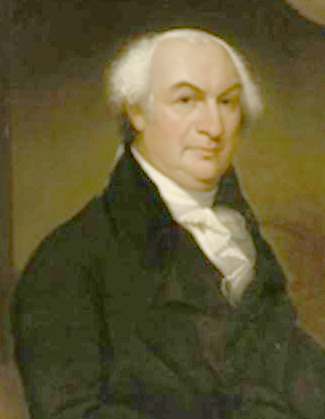
Gouverneur, by the way, was named after Gouverneur Morris, one of the signers of the Articles of Confederation and the United States Constitution, author of the preamble to the Constitution, one of the most outspoken opponents of slavery at the Constitutional Convention, and a United States Senator from New York from 1800 to 1803.  Most sources call him a Founding Father.

His first name, from the French for “governor,” today does not even rank among the 1,000 most popular boys’ names.  I have no idea where it ranked in 1872, when he was born.  It was his mother’s last name.

The family kept the name alive though.

His son was Gouverneur Morris, Jr., and a great-grandson, also named Gouverneur Morris, was an author of pulp novels, one of which was turned into the famous Lon Chaney film, “The Penalty,” in 1920.

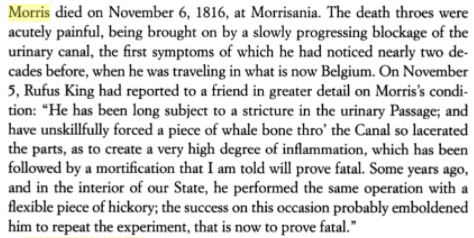
My sometimes dark sense of humor compels me to inform you of how he died, in 1816:  He attempted self-surgery with a whalebone to clear a blockage in his urinary tract and died of internal injuries and infection.

Here’s a more complete account, from “Gouverneur Morris, author, statesman and man of the world,” by James J. Kirschke, 2005:
Aren’t you glad you read this all the way to the end?

Posted in Uncategorized | 3 Comments

Farm accident

A farm accident spotted along a Minnesota highway a few years ago…

Posted in Uncategorized | Leave a comment

Deadwood

Every once in a while a traffic backup in a small town isn’t simply an annoyance, it’s also a bit of entertainment.

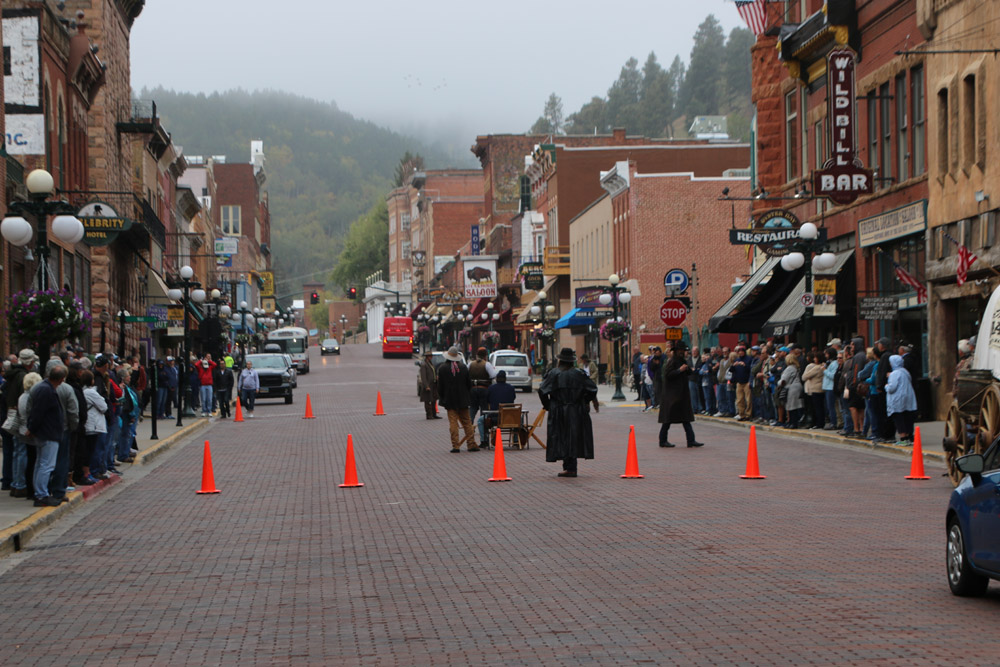
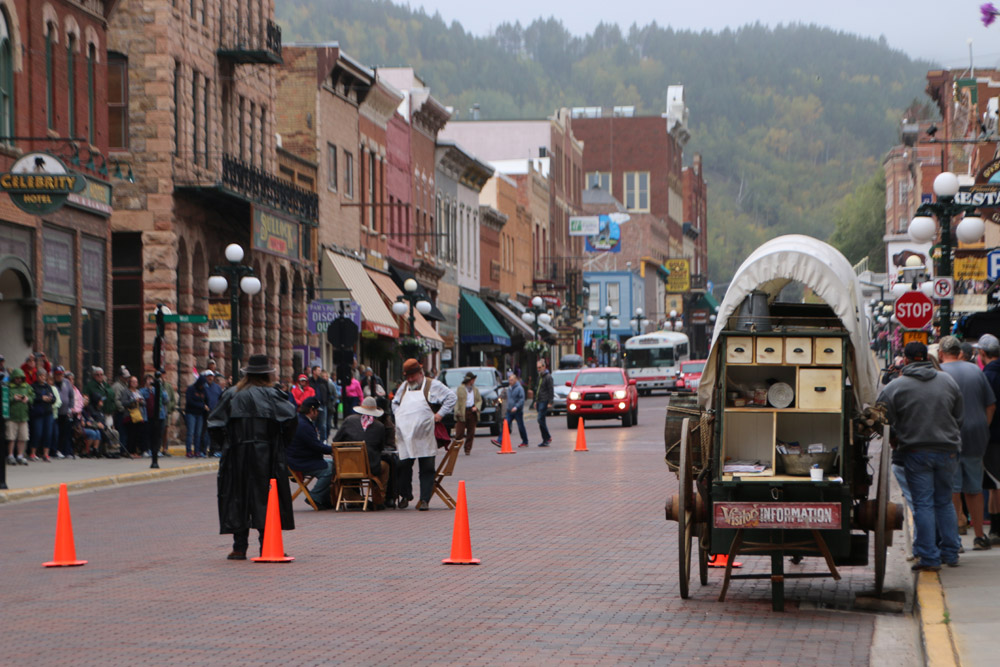
One such happenstance for me was in Deadwood, South Dakota, a now small, tourist-driven hamlet that drew its name from the quantity of dead trees the founders came across in the valley. 

In its heyday during the Black Hills gold rush of the 1870s, it was home to some 25,000 people and was the epitome of American west lawlessness.  It was visited by the likes of Wyatt Earp, Calamity Jane and Wild Bill Hickok (both Wild Bill and Calamity Jane are buried there). 

Today it contains about 1,200 folks and the entirety of the place is designated a National Historic Landmark District for its well-preserved buildings.  Throngs of tourists clog the streets and sidewalks.

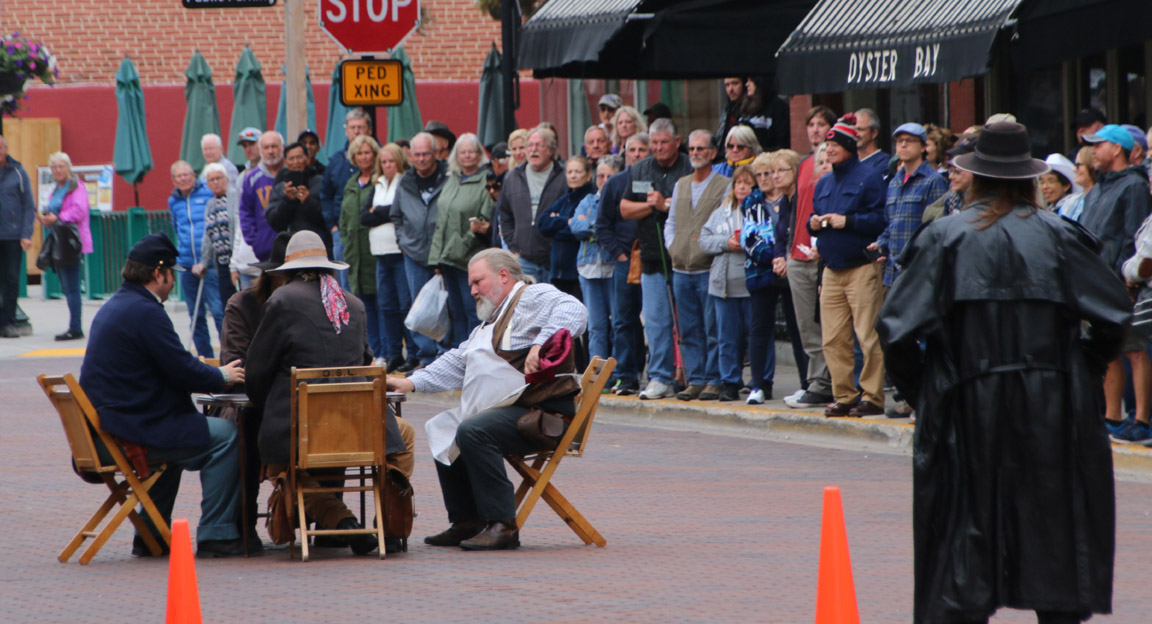
An argument during a card game in a Deadwood saloon spelled Wild Bill’s demise in 1876. The hand he held at his death, two pairs; black aces and eights, is now known as the dead man’s hand.

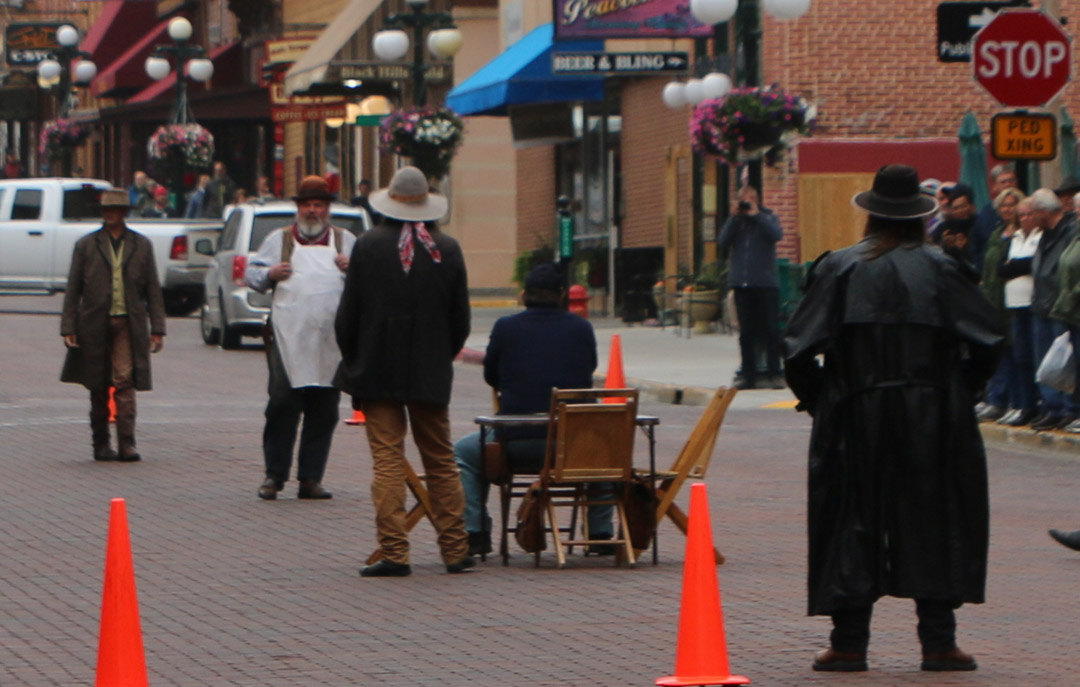
It was a reenactment of his death that stopped me dead on my wheels in downtown Deadwood a few years ago.  There in the middle of the street, safely behind the orange cones that stopped the traffic, was a card game and some shooting and lots of shouting. 

The whole play took only a few minutes and happens several times a day.

Posted in Uncategorized | Leave a comment

The Popeye I never knew

I have always thought of Popeye as a cartoon character originating in my youth who started life as muscled, spinach-eating hero who always ended up with Olive Oil while rejected Bluto sat in the wings.

Not so.  He was basically a spinoff from a cartoon series that started way back in 1919, about the time my father was born.  He was a minor character who appeared in a couple panels and disappeared, but popular acclaim brought him back.   He’s been around ever since.

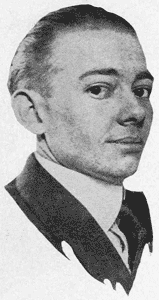
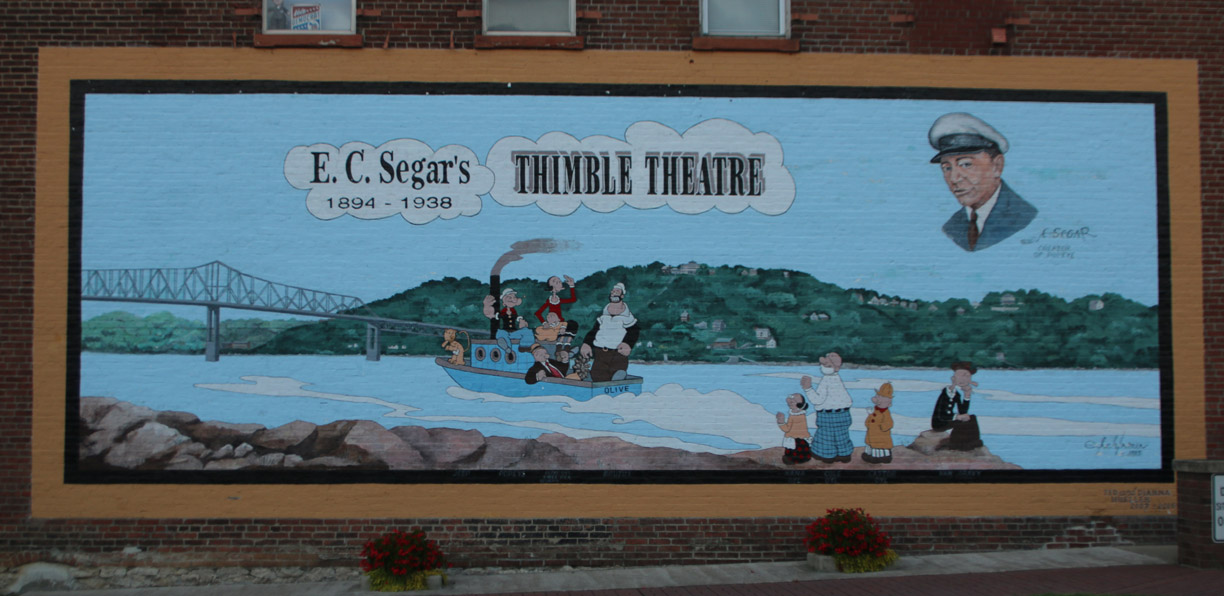
That 1919 series, published by King Features Syndicate, was called “Thimble Theatre,” the creation of cartoonist Elzie Crisler Segar, who was born in the Mississippi River town of Chester, Illinois. He was born in 1894 and died in 1938.   

In his teens Segar worked backstage and sometimes performed at the Chester Opera House. He took a correspondence course in cartooning from W. L. Evans, a former art director and cartoonist at the Cleveland Leader in Ohio, and at 18 he decided he wanted to become a cartoonist.

He moved to Chicago to follow his dream.  There he created two strips with newspapers before hooking up with King Features and moving to New York.

Segar was 25 in 1919 when “Thimble Theatre” started.  It featured slacker Harold Hamgravy, his flapperish girlfriend Olive Oyle and her brother Castor Oyle, and a variety of comedic misadventures.  It wasn’t a widely distributed comic strip but did OK.

A full ten years later, in 1929, the Popeye character made an appearance.  He was a mariner hired by Castor Oyle to sail him and Olive and Hamgravy to a crooked gambler’s island casino.

That adventure ended and Popeye exited the series.  But readers liked the guy, they wanted him back and they let King Features know.  He was brought back and as his role became larger the strip was picked up by more and more papers.

A star was born.  Popeye ended up with Olive Olye, Harold Hamgravy disappeared, and Popeye’s been a ubiquitous fixture in our culture ever since.

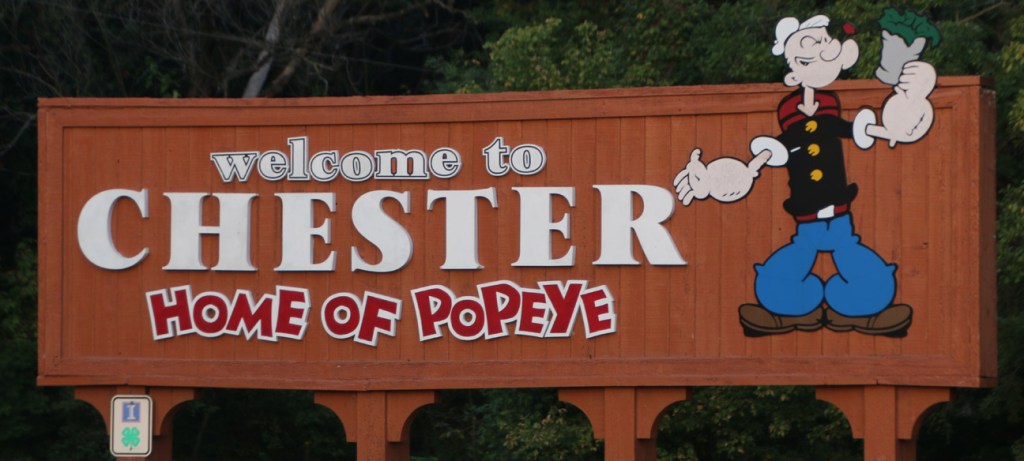
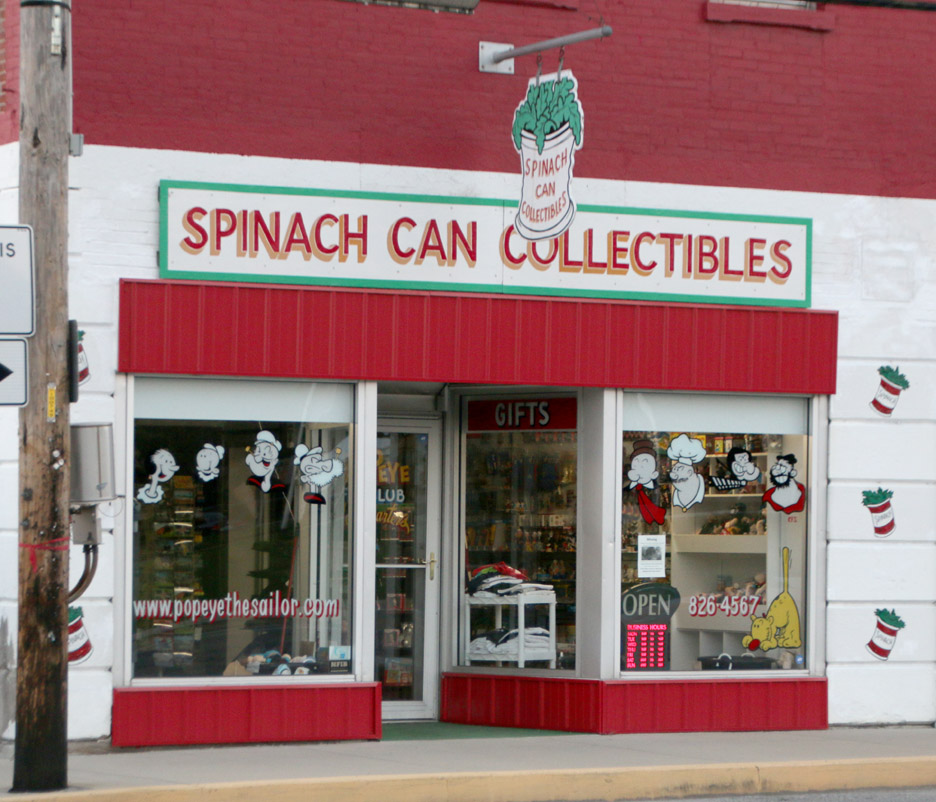
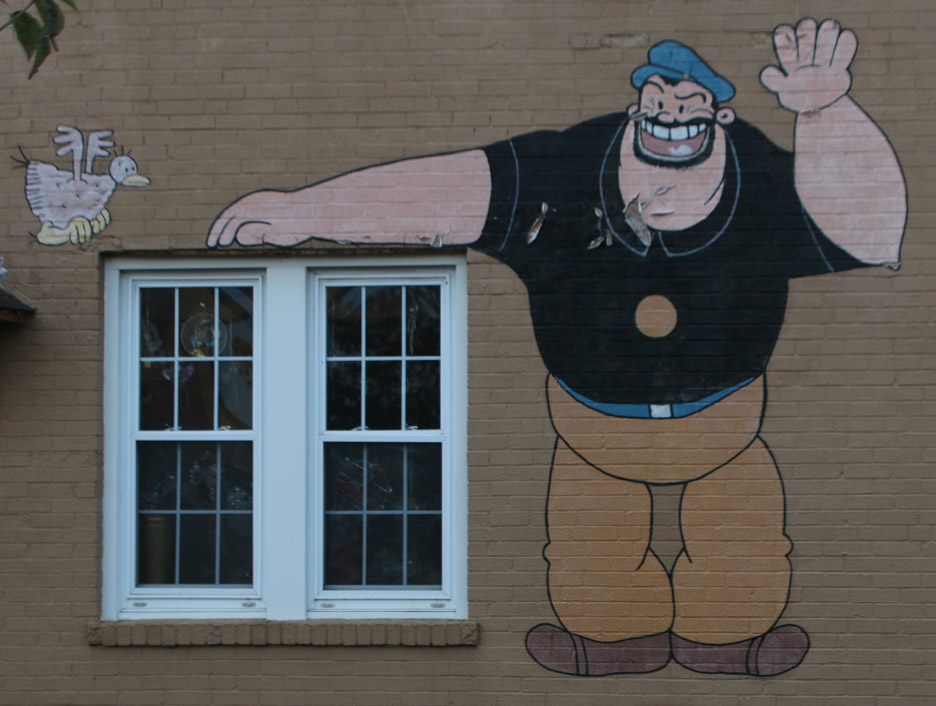
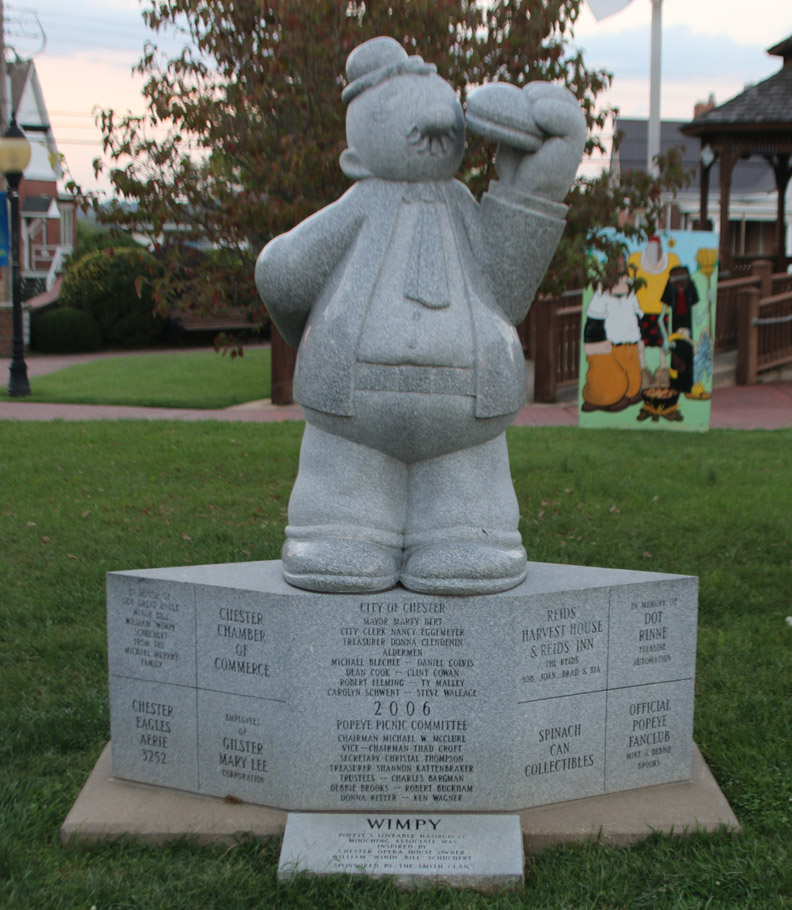
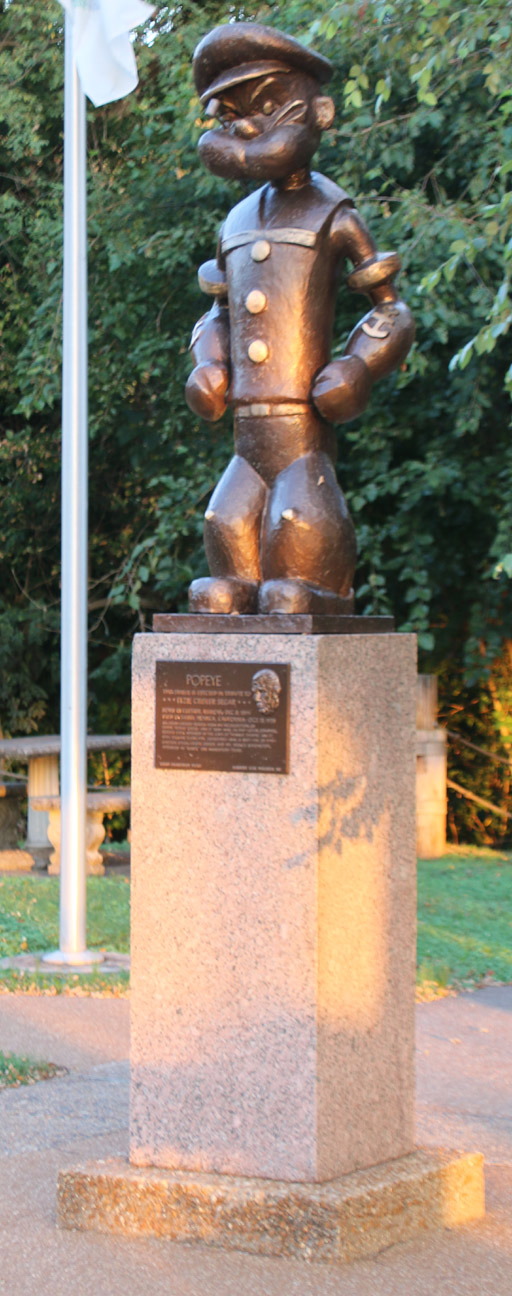
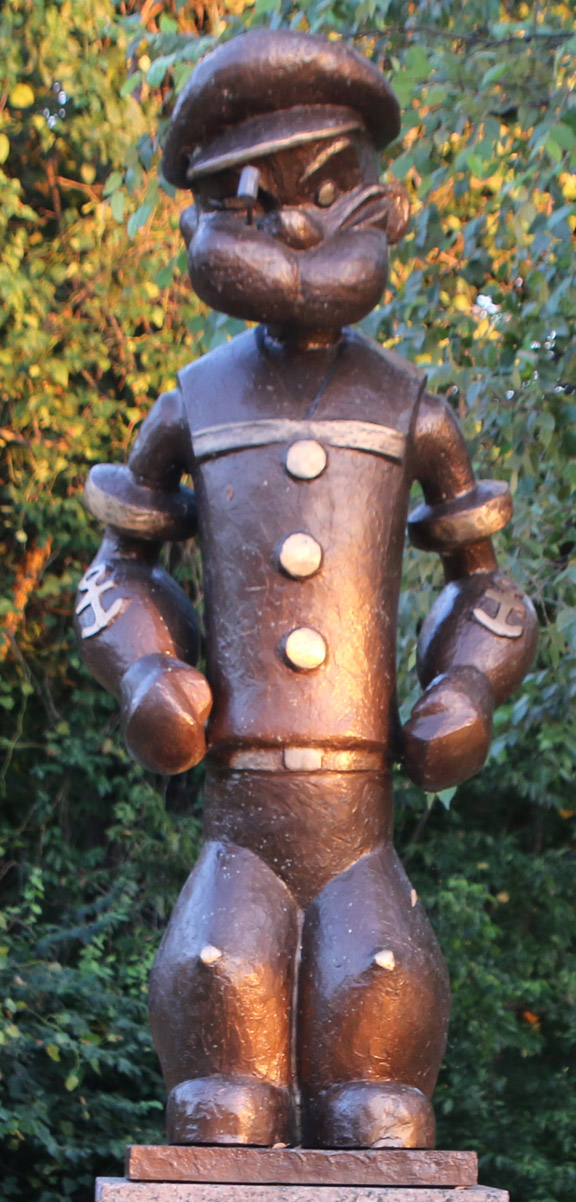
Chester has certainly done its bit to keep the character alive.  The annual Popeye Picnic and Parade the weekend after Labor Day draws folks from all over the world.  They can take the Popeye and Friends Character Trail, a series of statues of various “Thimble Theatre” characters.  The trail started in 1977 with a bronze of Popeye in a park by the river and now includes 16 figures around town.

Chester resident Frank “Rocky” Fiegel (1868-1947), a bartender and day laborer, was Segar’s inspiration for the Popeye character and William “Windy Bill” Schuchert, owner of the Chester Opera house, was the model for Wimpy.

Here are some photos from around town. Just click on one to see larger images.

In the Saving The Best For Last category, there is one final Chester claim to fame: 

It was a stop for yours truly in 2003 on my solo canoe trip down the Mississippi River. 

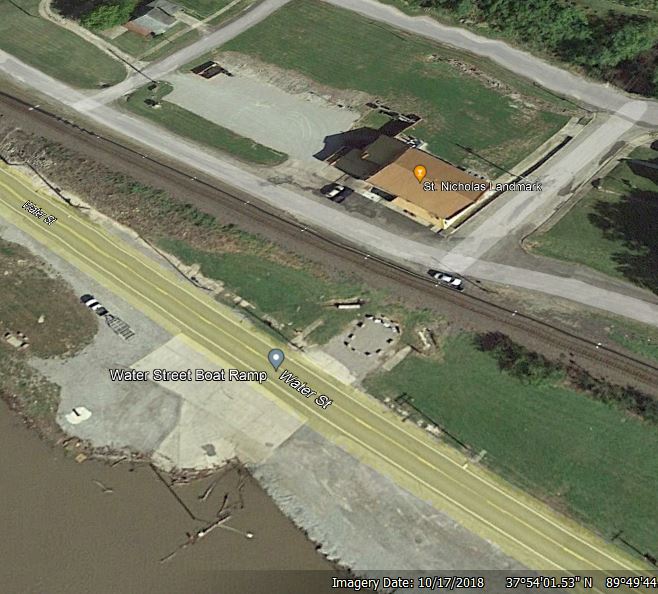
On the afternoon of October 6, I put ashore at the town’s Water Street boat ramp and walked up the steep incline to the railroad tracks at the top of the hill, expecting to find a town.

There wasn’t one. 

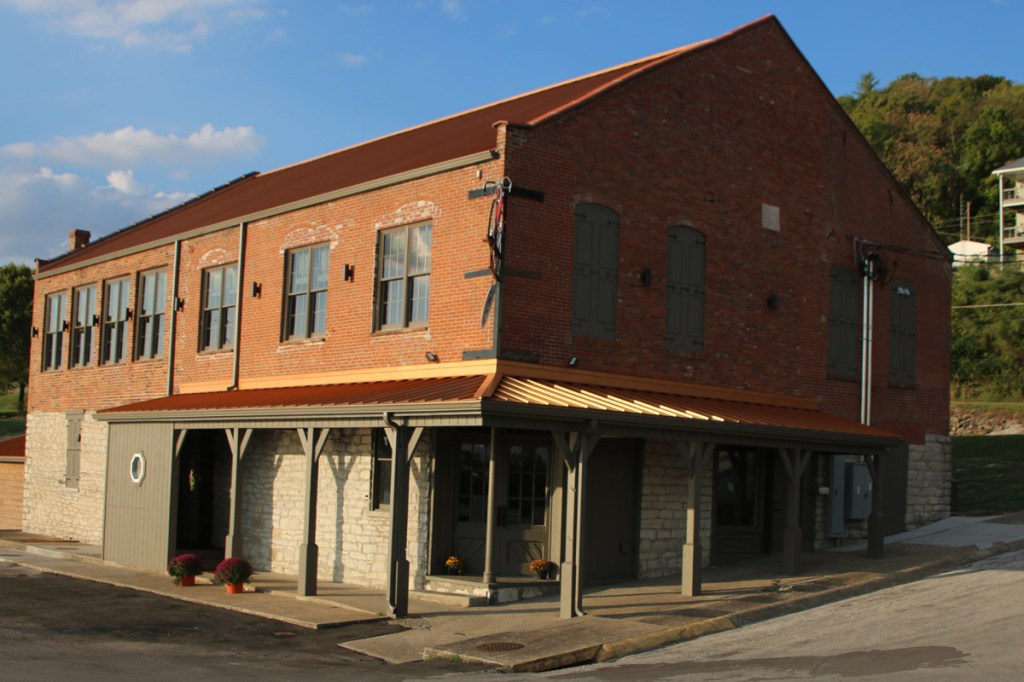
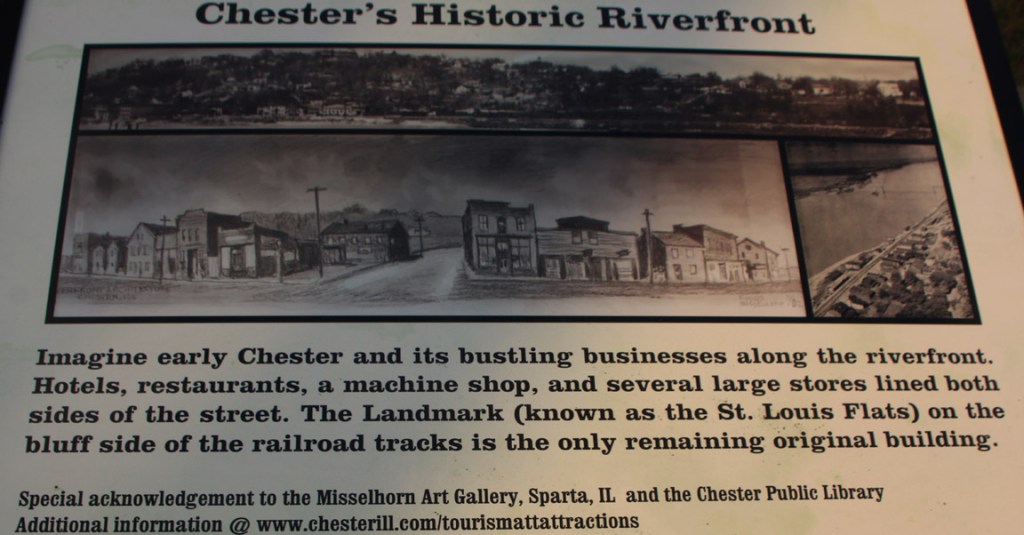
Repeated floods over the years had forced the town to abandon its 1800 riverside location and move further up the bluffs.  About all that remained near the river when I dropped in was the only part of the original town still standing, an 1830 building called the Landmark. 

In 2003, Pam Haley and her husband operated Ye Olde Landmark Inn in the building.  (It’s now the home of St. Nicholas Landmark, the second location of the St. Nicholas Brewing Company, headquartered in Du Quoin, Illinois.)

It was a Monday and the place was officially closed, but the river gods were with me. 

Pam was inside, doing some paperwork, and once she knew I was a river traveler she happily opened a couple beers, cooked me a great ribeye dinner, and insisted I use the small grassy patch behind the building to set up my tent for the night.

So I got to drink, eat and sleep in the only building left standing from the Chester of the 1800s!  As a bonus, Pam and her husband came by in the morning to make me some coffee and see me off.

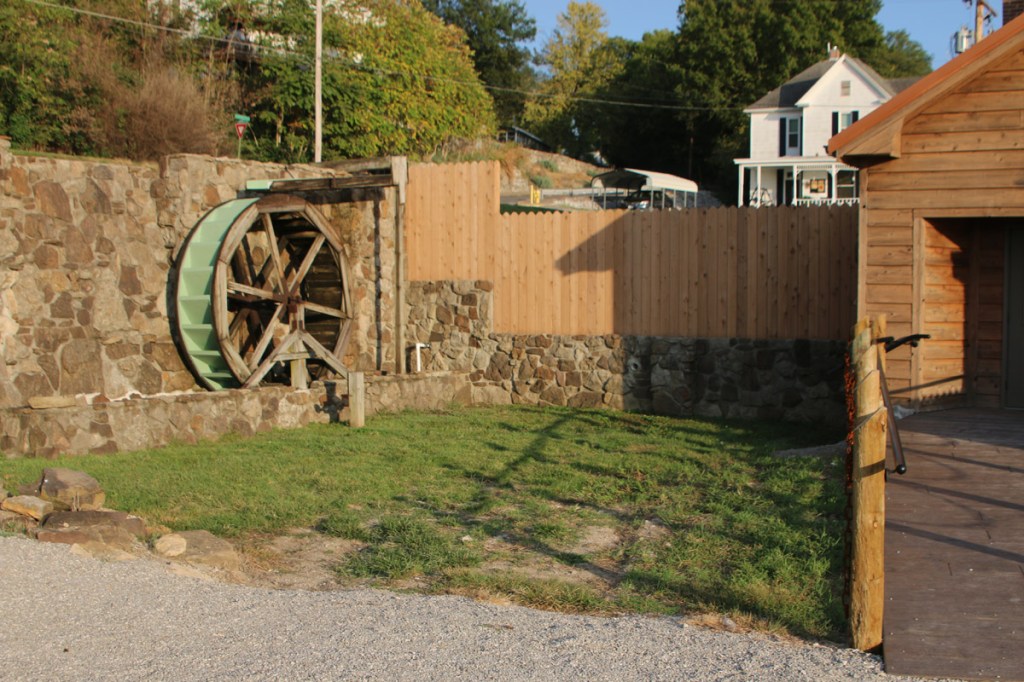
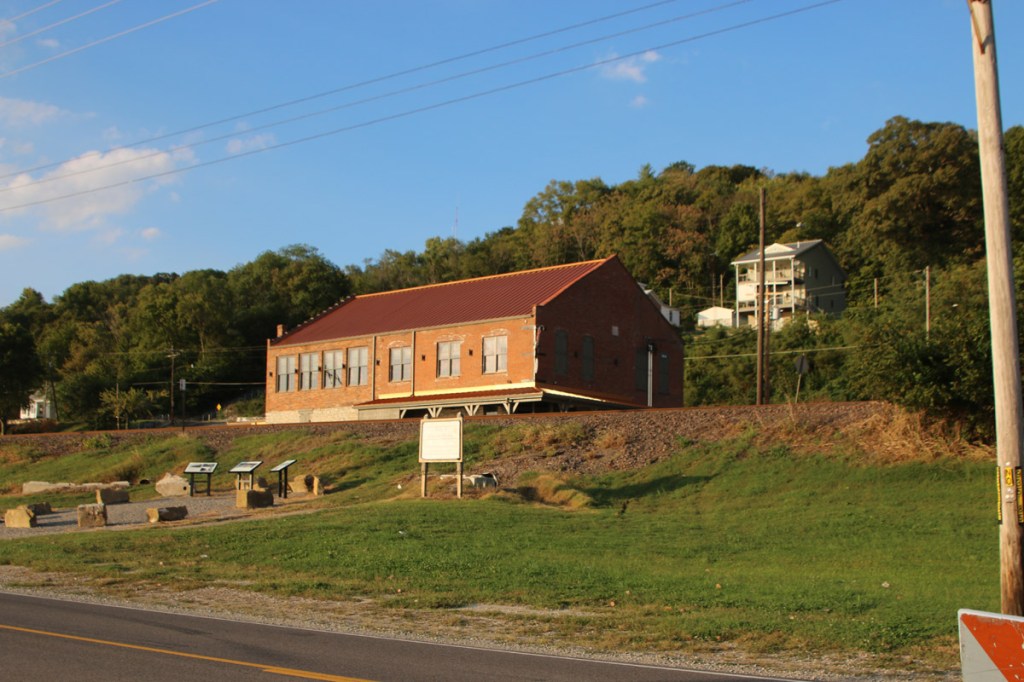
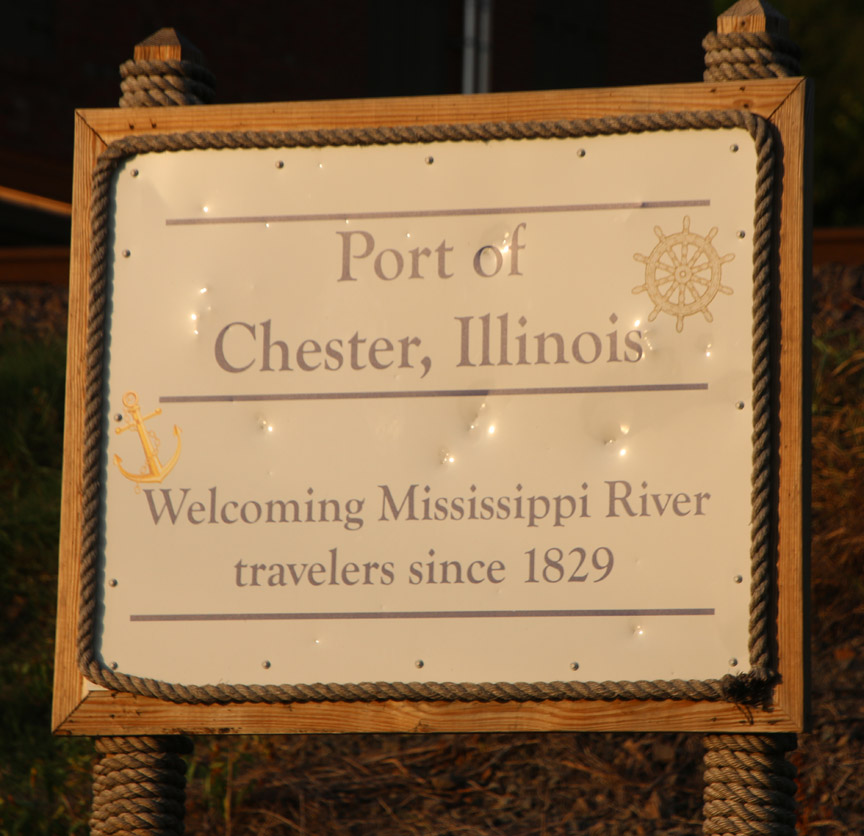
Here are some photos of the building and surrounding area:

One last Popeye tidbit before I wrap this up.  “The Popeye” was a dance craze in the 1960s, one that fortunately I was completely unaware of.  

It originated in New Orleans around 1962 and was performed, according to Wikipedia, “by shuffling and moving one’s arms, placing one arm behind and one arm in front and alternating them, going through the motion of raising a pipe up to the mouth, and alternate sliding or pushing one foot back in the manner of ice skating, similar to motions exhibited by the cartoon character.”

I am glad I missed it.

Posted in Uncategorized | 6 Comments

Worse for wear

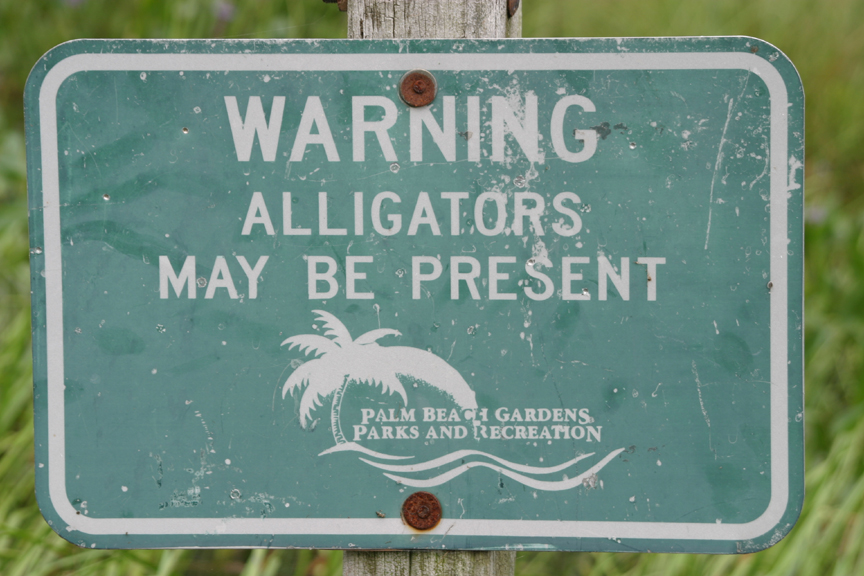
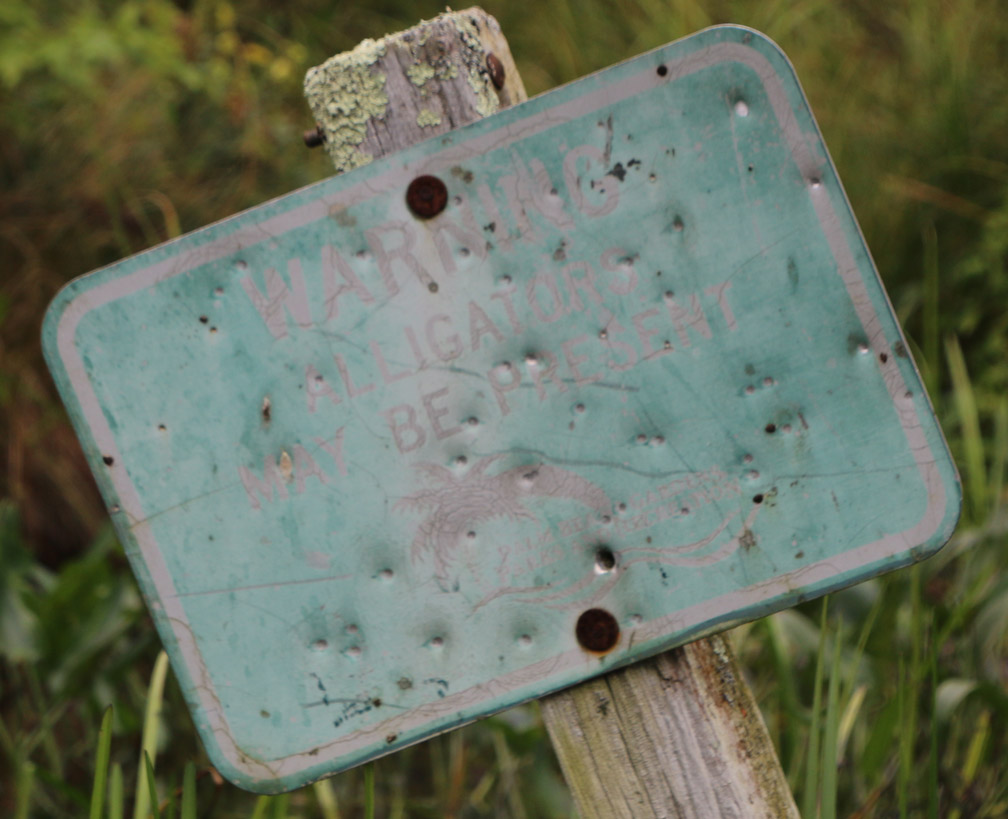
This Florida sign, kidnapped long ago from its nice warm home in Palm Beach Gardens and taken to Belchertown, Massachusetts, is not handling the harsh winters very well. I first spotted it in 2013 during a paddle on the Swift River.

I’ve been back to the Swift many times since then and have watched it getting older and older.

The top photo is from 2013 and the bottom photo is from this year.

Posted in Uncategorized | 2 Comments

Say again…

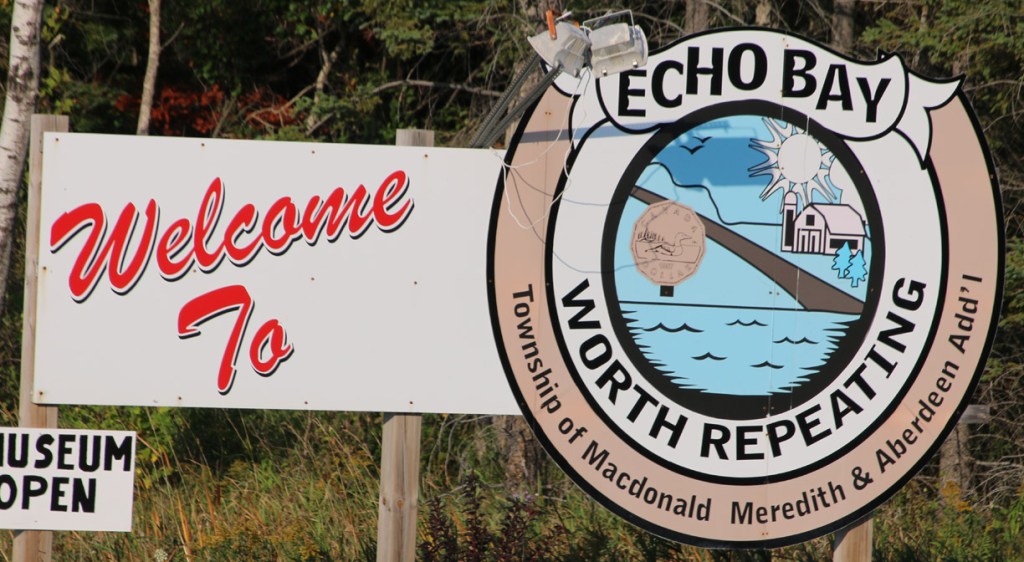
This is one of the cleverest town signs I’ve seen in my travels.  It welcomes one into Echo Bay, Ontario, a small Canadian hamlet on Lake George.

It’s situated near where lakes Huron, Michigan, and Superior almost meet. 

I passed through there about three years ago on my way from Connecticut to Colorado. Yes, I am just now finally going through the many photos I took on that trip.

Echo is in the awkwardly-named township of Macdonald, Meredith and Aberdeen Additional (a consolidation of three different townships).  It started life as many small towns did in the 1800s, as a railroad station serving the small mining industry.  It has since evolved into a lumber and agriculture area.

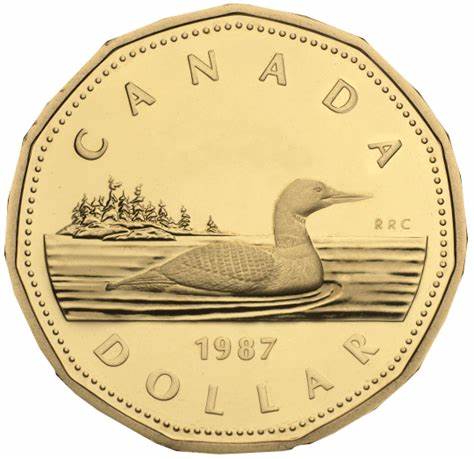
Echo is also the birthplace of Robert R. Carmichael, the artist who designed Canada’s “loonie,” the one-dollar coin introduced in 1987.  It replaced the paper version of the Canadian Dollar and the nickname became so popular that Canada trademarked it in 2006.

Meanwhile, the best real echo I’ve found lately is the one I discovered in the covered entryway at Manchester Memorial Hospital in Manchester, CT.  The first time I was there with granddaughter Margeaux and we passed under it I stopped, and said to her, “Listen to this,” and demonstrated.

She was impressed.

Posted in Uncategorized | Leave a comment

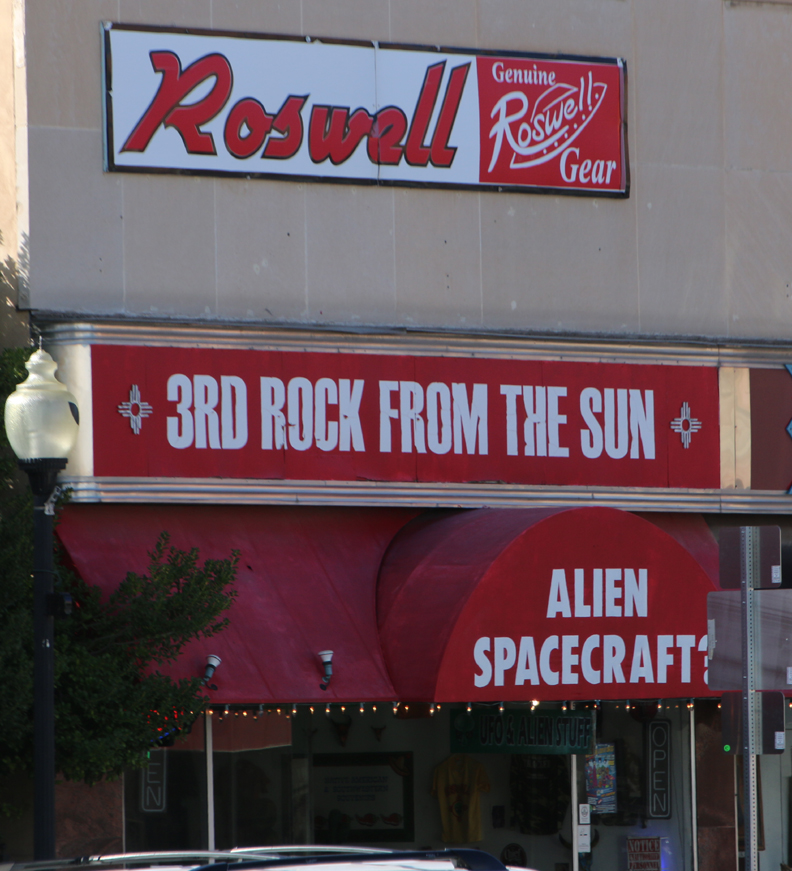
Roswell, New Mexico

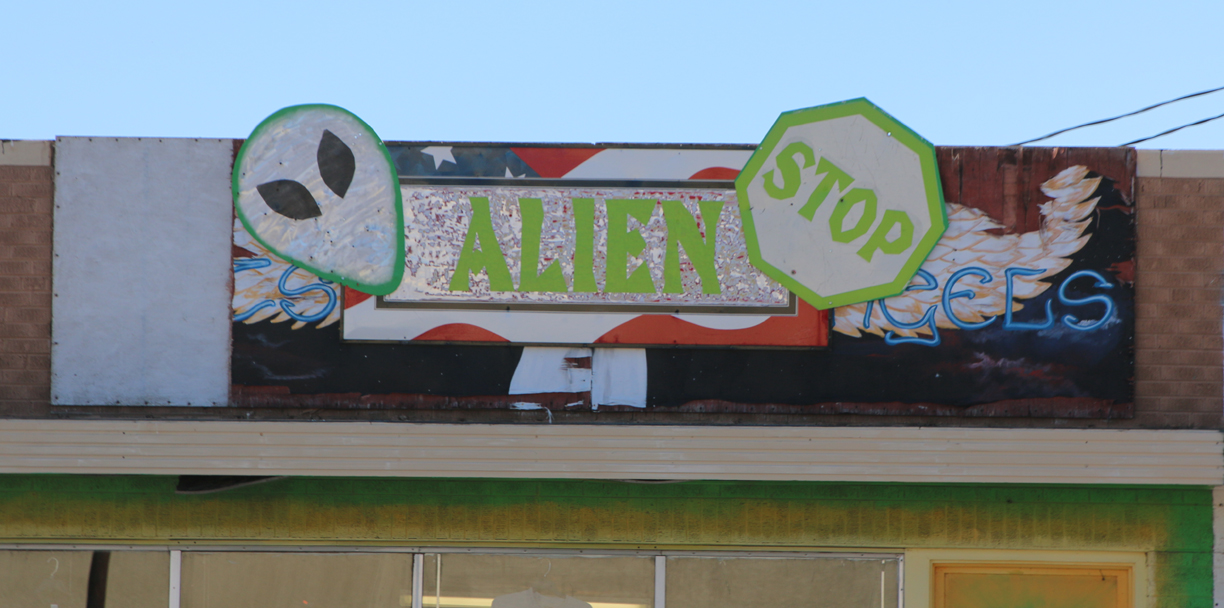
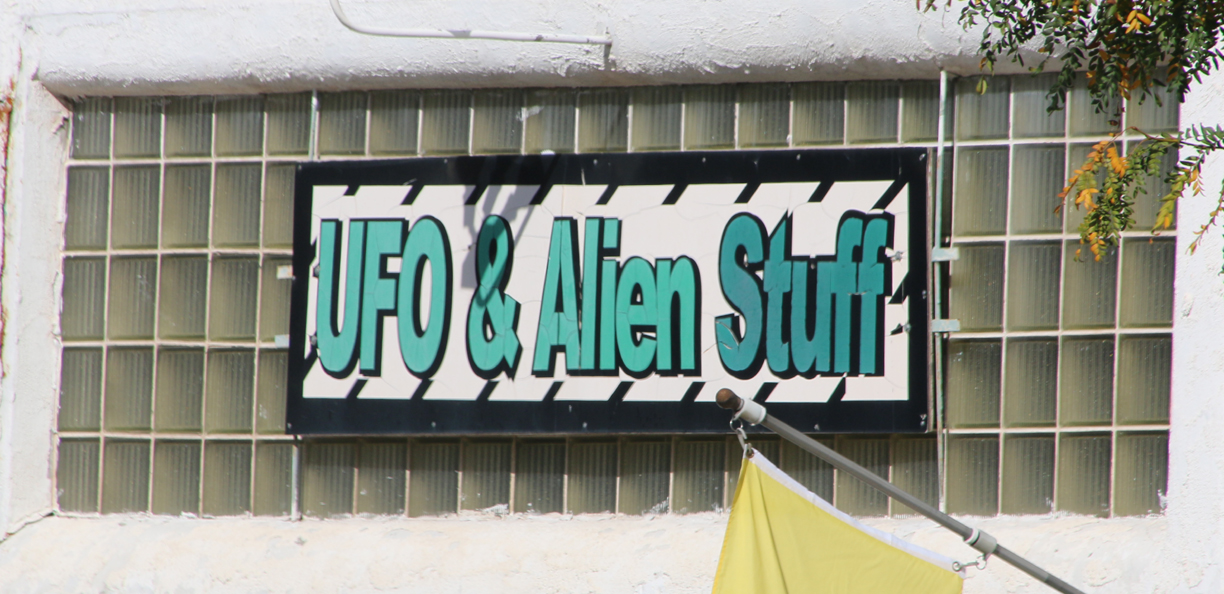
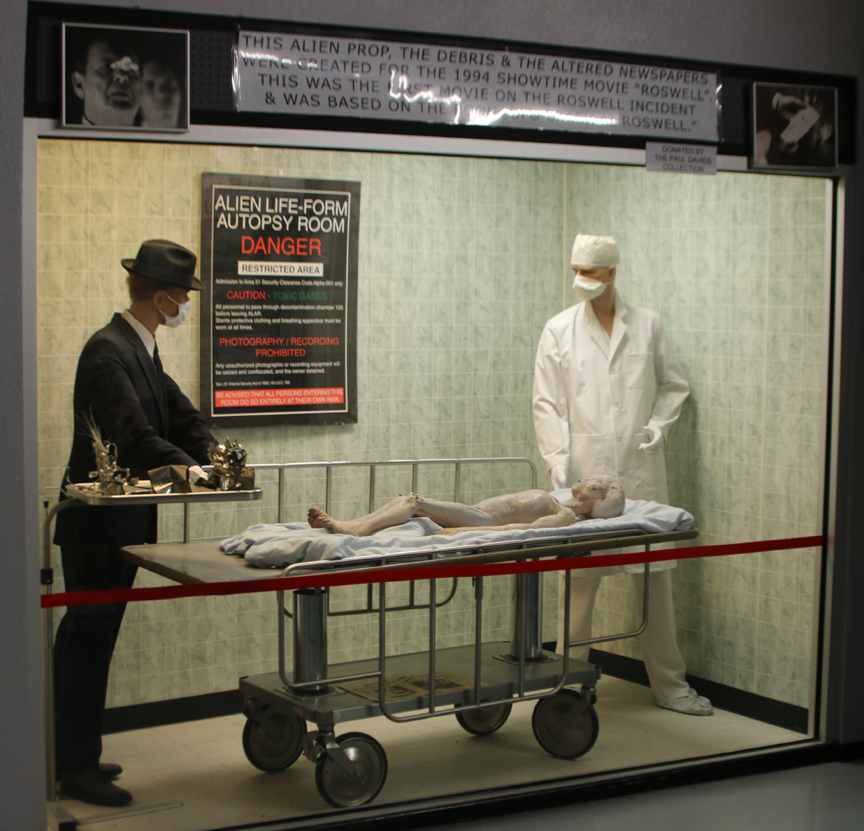
Roswell, New Mexico, was a couple hours out of my way.  But something drew me there…

No, it wasn’t my tabloid background.  As a reporter for the National Enquirer in the late 1970s, I did work alongside many of the real reportorial talents on the alien front, but my meagre experience in that field consisted of a few wasted evenings in an Ohio reader’s backyard waiting for the UFO to show up.  It never did.

So, what supernatural force was drawing me….

It wasn’t on my way, that’s for certain.  It was two hours or more south of old US Route 66, the path I was taking eastward through New Mexico on my way back to Connecticut.

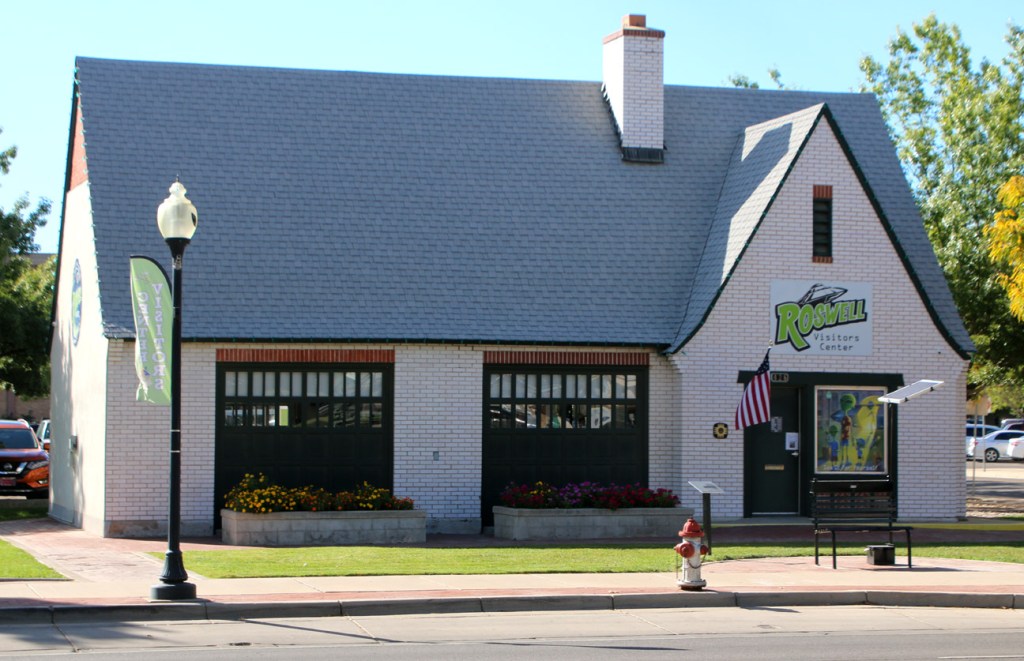
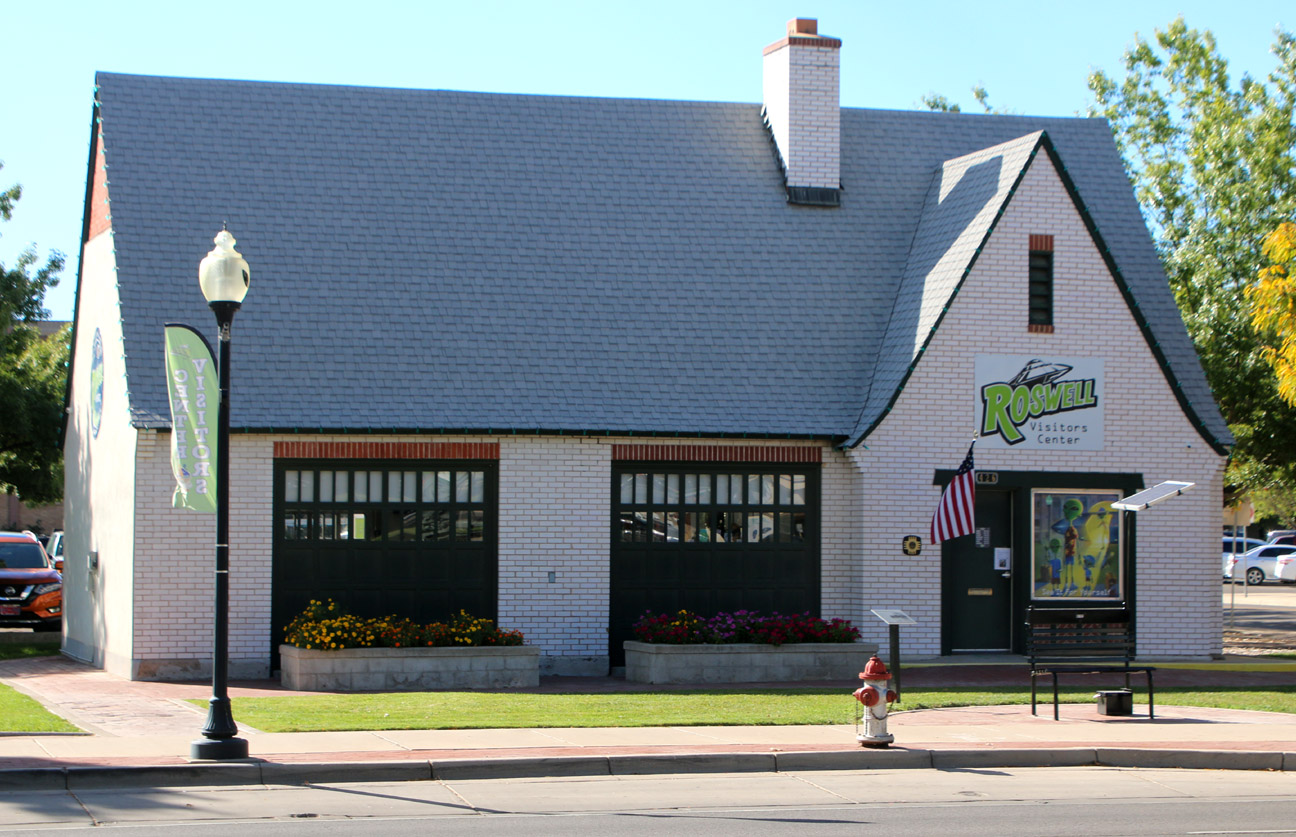
It was only when I got there that I realized the power that had pulled me: the town’s visitor center was in a very nicely recycled gas station!  Another one for my collection!

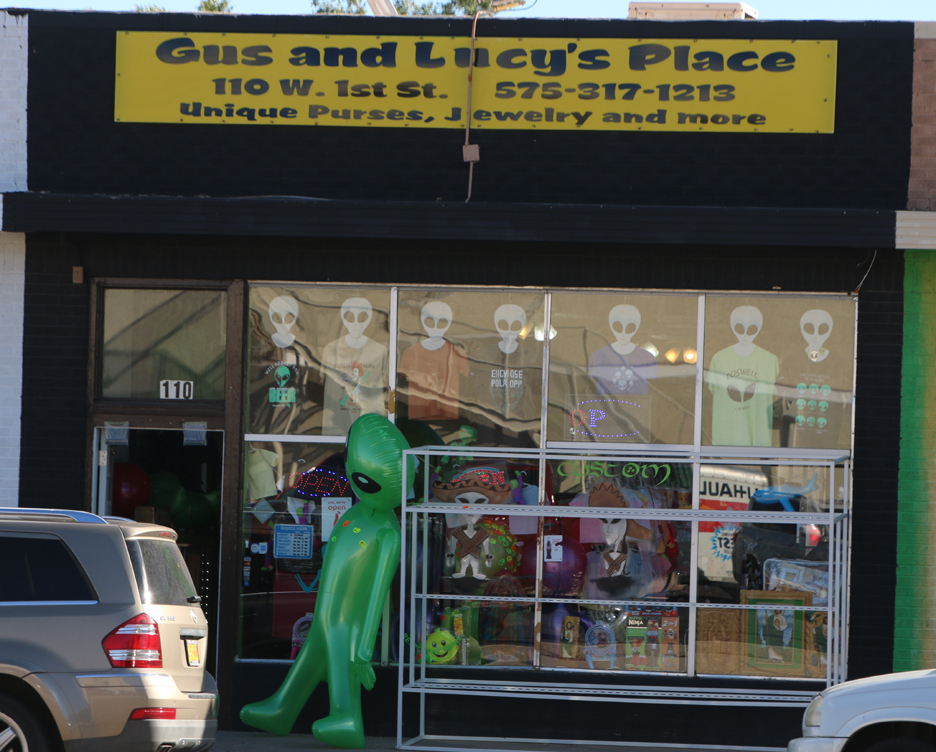
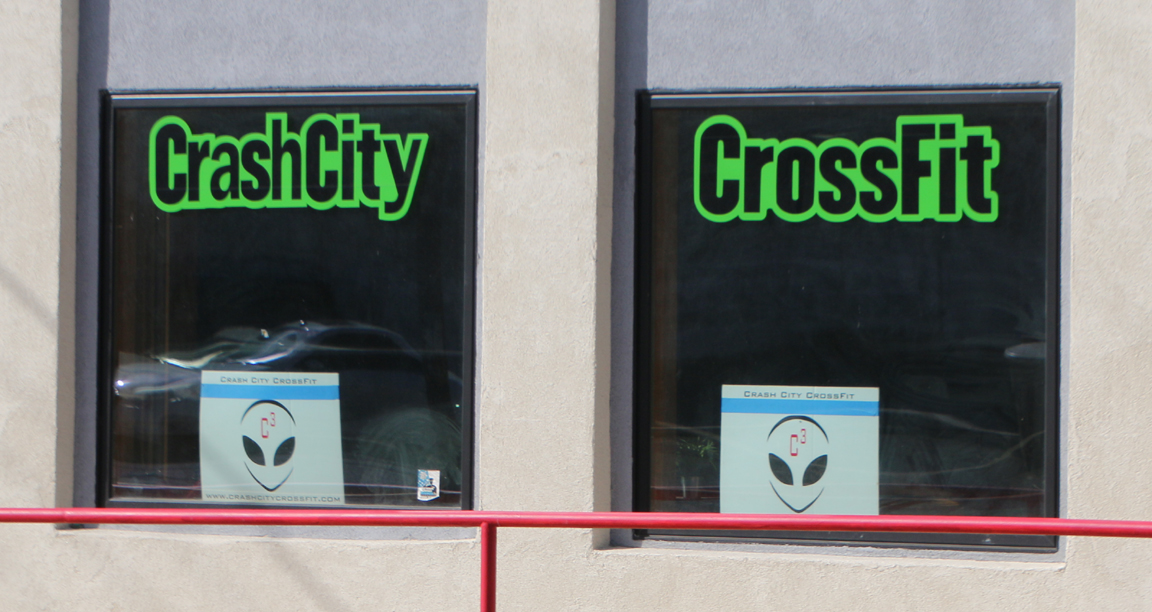
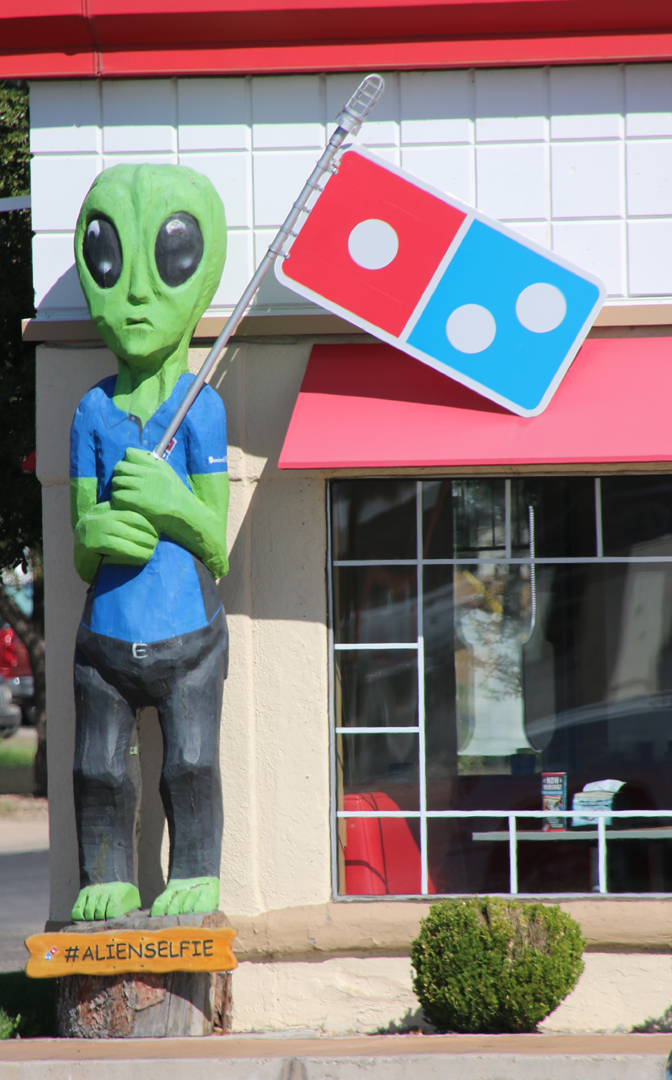
But seriously, Roswell was All Things Alien, as I had hoped.  A day on the road for me is complete only with a stop at an interesting town.

Even staid Wikipedia sums it up thusly: “Roswell’s tourism industry is based on aerospace engineering and ufology museums and businesses and well as alien-themed and spacecraft-themed iconography.”

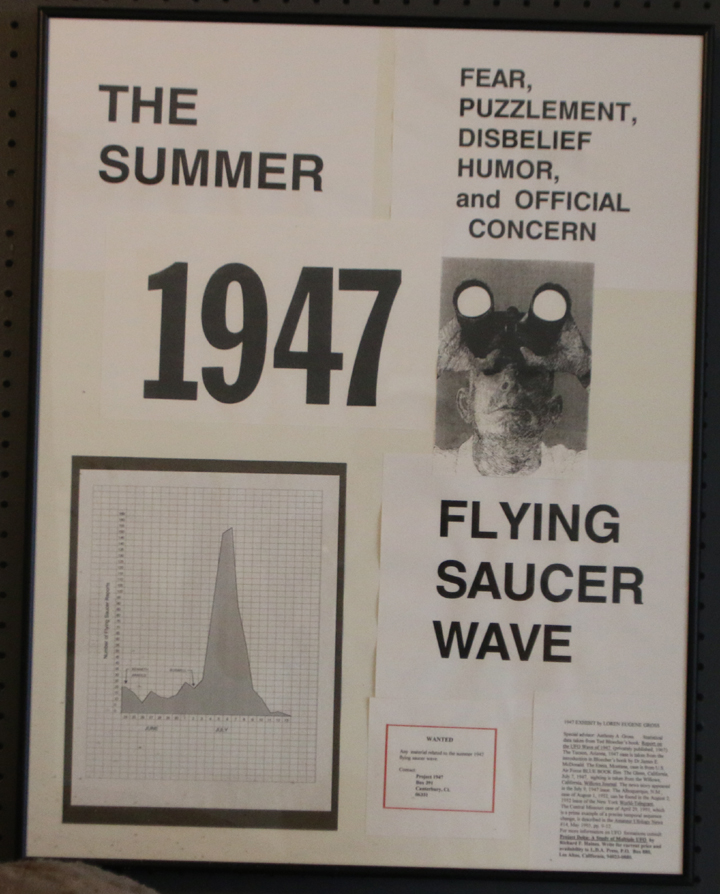
Roswell, of course, is famed for the reported crash of a flying saucer on the Foster ranch, about 30 miles outside of town, in 1947.   

Briefly, here’s what happened back then: On July 6, a ranch foreman reported debris on the property to the local sheriff, who notified the Roswell Army Air Field (RAAF).

The next day RAAF officials went to the ranch and brought the debris back to Roswell and on July 7 announced they had recovered a “flying disc,” but the Army quickly retracted the statement and said instead that the crashed object was a conventional weather balloon.

And there the story died, basically.  It was off the national scope for nearly 30 years, until the 1970s, when a retired lieutenant colonel stated that the weather balloon account had been a cover-story.

The “Roswell Incident” then blew up, blossoming over the ensuing years into a full-fledged media extravaganza, with enough conflicting theories to suit every UFO conspiracy theorist and naysayer in the land.  The circus included countless experts, real and self-described, and an official government investigation.

To simply read Wikipedia’s digest of all the claims and counterclaims from the 1970s to today is exhausting and confusing. 

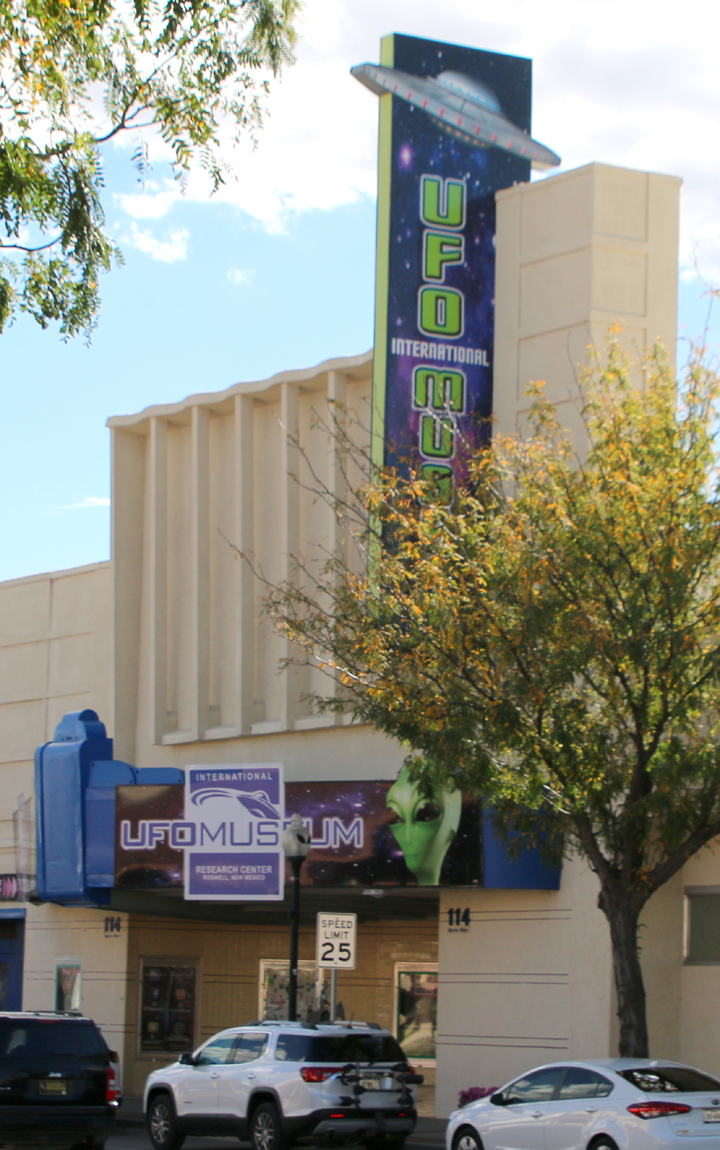
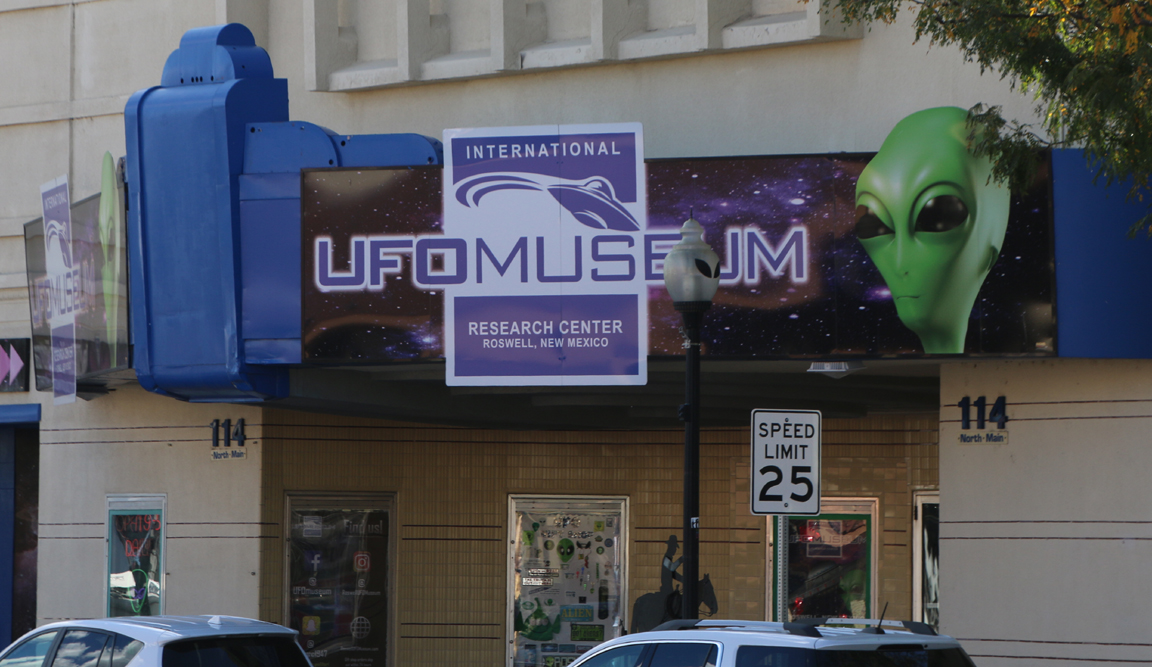
I am not going to attempt to summarize it all, so let’s move right on to the photos.  Clicking on one will open up the slide show.

Visitor’s Center

Around Town

International UFO Museum and Research Center

Posted in Uncategorized | 2 Comments

Head’s up, Dick Tracy fans!

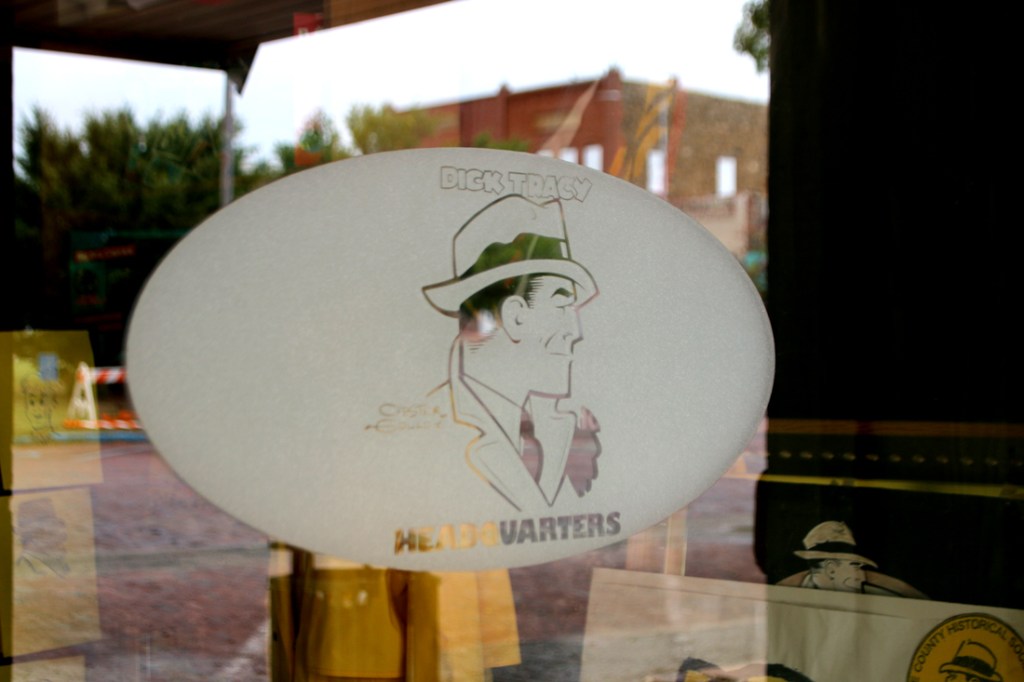
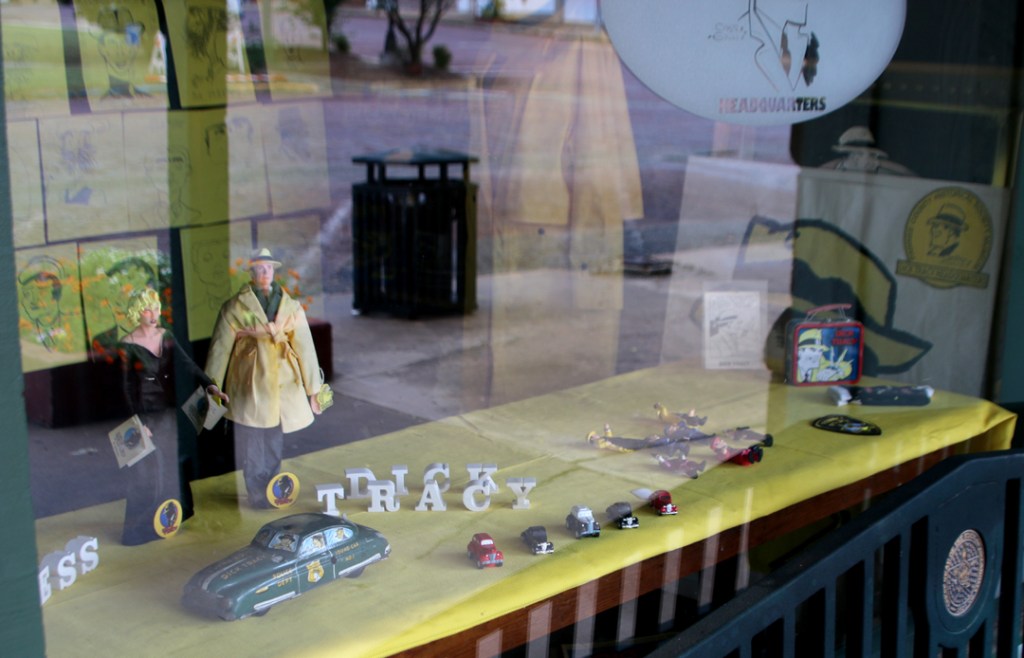
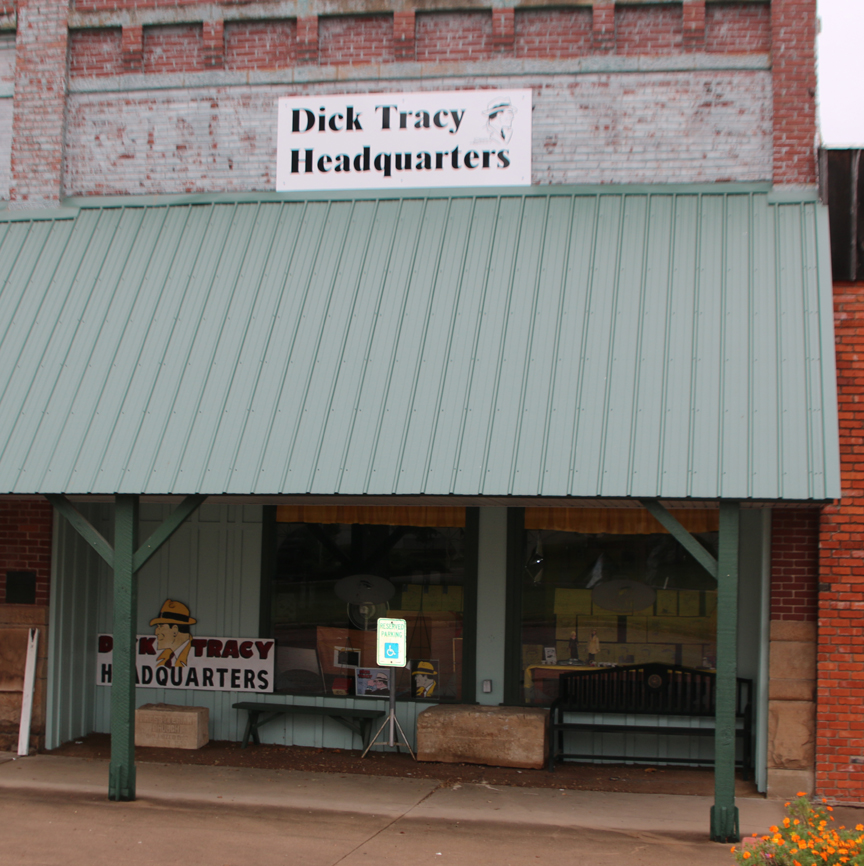
I stumbled across this Dick Tracy Museum a few years back in Pawnee, in north central Oklahoma.  The place wasn’t open the day I drove by, so I had to content myself with a few outside shots.

Connection?  Pawnee is the birthplace of Chester Gould, the creator of the Dick Tracy character. 
Born in 1900, Gould moved to Chicago in 1921 to pursue his dream of becoming a cartoonist with the Chicago Tribune.  It took ten years, but finally the paper accepted one of his many cartoon strip ideas and Dick Tracy was born. 

Gould authored the strip from 1931 to 1977.  The franchise continued after that with various artists and writers.

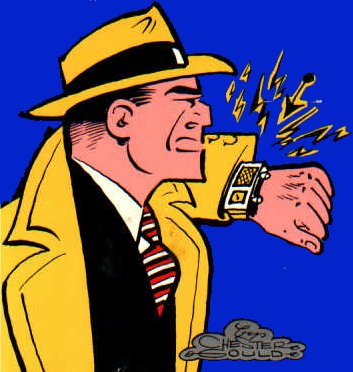
I cannot look at an Apple Watch without thinking of the famed cartoon detective.

I will admit that although I read the comic pages avidly in my youth I only once in a while read an entire Tracy installment.  My aversion to continuing storylines, be they in print or on TV, continues to this day.

There’s also a Dick Tracy Museum in Woodstock, Illinois, where Gould lived after retirement and died in 1985.

Posted in Uncategorized | 2 Comments

A quiet Fourth of July in 2021

I like to spend July 4 in Contoocook, New Hampshire, the home of Brother Rick and his family.

The tiny town is also home to a nice, all-inclusive kids’ holiday parade and a comfortingly traditional regular parade, complete with a local band, fire engines, a few antique cars and the throwing of candy to onlookers in lawn chairs along the route.

It’s a pleasant, comfortable routine I have been in for about the last decade, ever since I started spending summers in Connecticut, where daughter Jennifer and company live.  New Hampshire’s just a couple hours away. 

The parade was cancelled in 2020 because of Covid, and I ended up staying in Florida anyway, so I didn’t miss much.

I went to Contoocook for the Fourth this year, but it was very different. 

There was no parade, a victim once again of the uncertainties of Covid, but there was something even more significant missing.

There was no brother Rick. He left us earlier this year.

He was not there, sitting in his chair by the window looking out at the trees and the fields and the pond he so enjoyed.  He was no longer there to explain to us what happens to those trees, fields and pond in the harsher months, when we’re not there to witness it.

He was not there to chat with about the many things we have talked about over the years. I couldn’t watch him as he patiently explained various kinds of berries to my grandchildren.  I could no longer watch him interacting with his own children and his granddaughter. 

And I couldn’t watch him meet his newborn grandson.

But it’s not that simple. He was absent but he wasn’t.  He wasn’t NOT there this year.  He was just sort of somewhere else. 

He was still very present in the home that he and his partner, Ginni, built and he was present most definitely in the family they created, and for that I am grateful. 

But I just wish I could call him up and ask him how he’s doing and what things are like where he is.  Maybe he will leave a comment below….

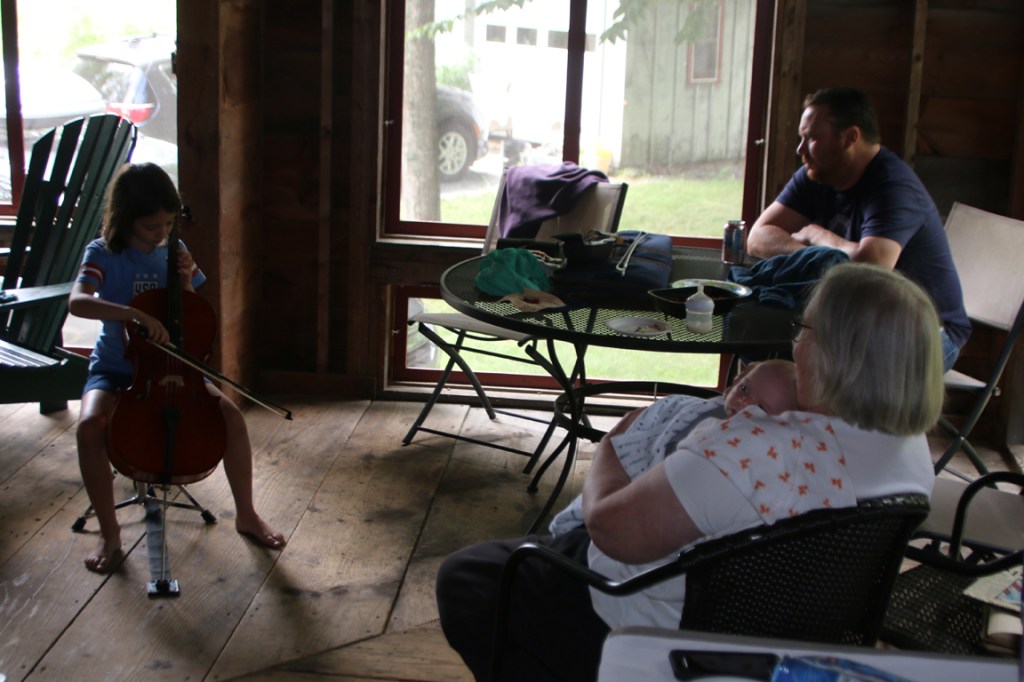
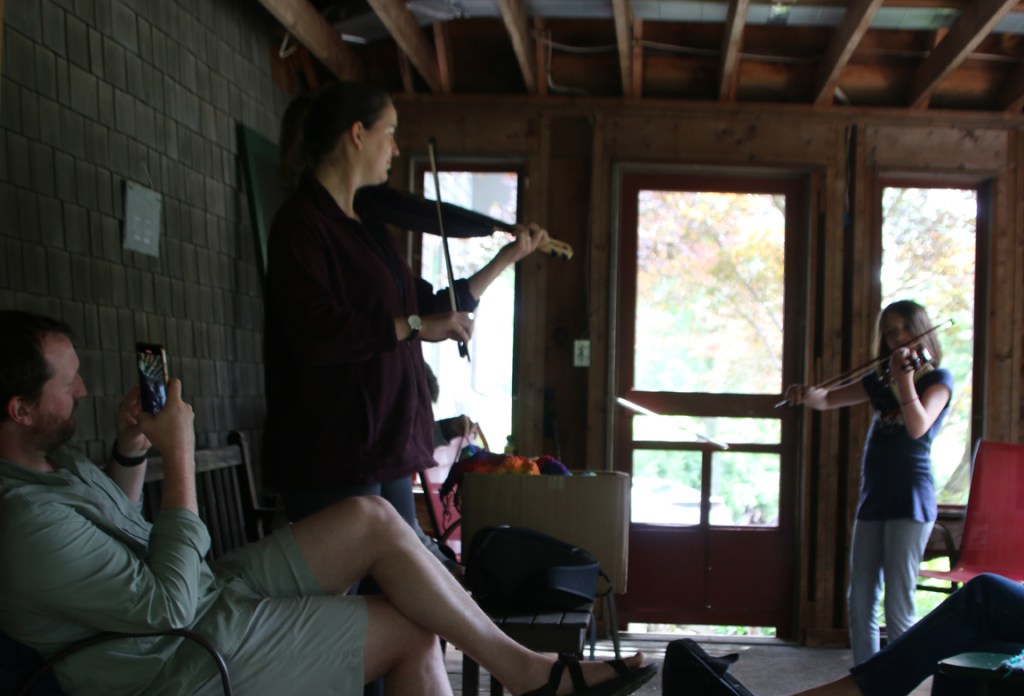
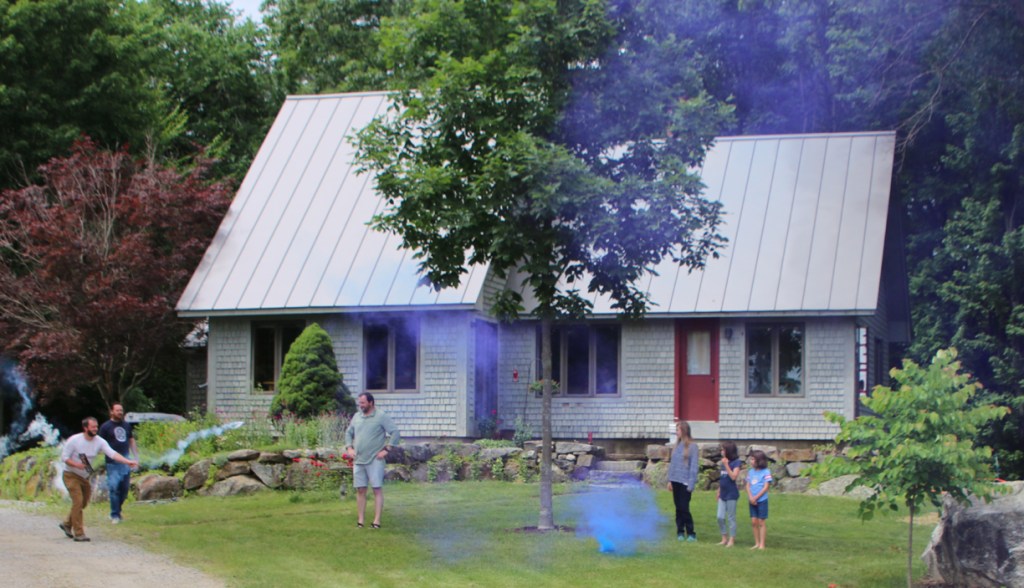
Here are some photos from this year’s Fourth.  It wouldn’t be a Fourth in Contoocook without some stringed instruments, would it?

And some photos from other years are here, here, here and here.

Posted in Uncategorized | 7 Comments

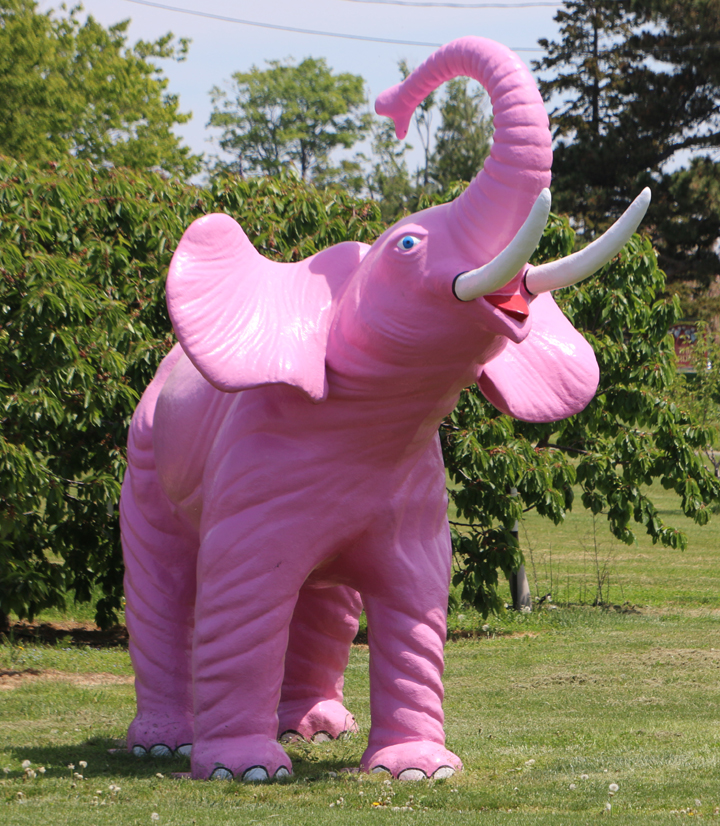
Another pink elephant

Dubbed Ella, this statue was acquired by 21 Brix Winery in Portland, NY, way back in 2011, and placed at the entrance to the parking lot on Highway 20 to make it easier for customers to find the place.  

She was originally grey, and the plan was to paint her a different hue every few months.  Before she became pink she was yellow, to match the winery’s grape harvester.

In 2012, however, the winery launched a pink catawba wine and ran a naming contest for it on Facebook.  “Ellatawba” was the winner. 

Ella went in for a paint job, came out pink, and has been pink ever since!

For more pink elephant trivia go here.

Posted in Uncategorized | Leave a comment