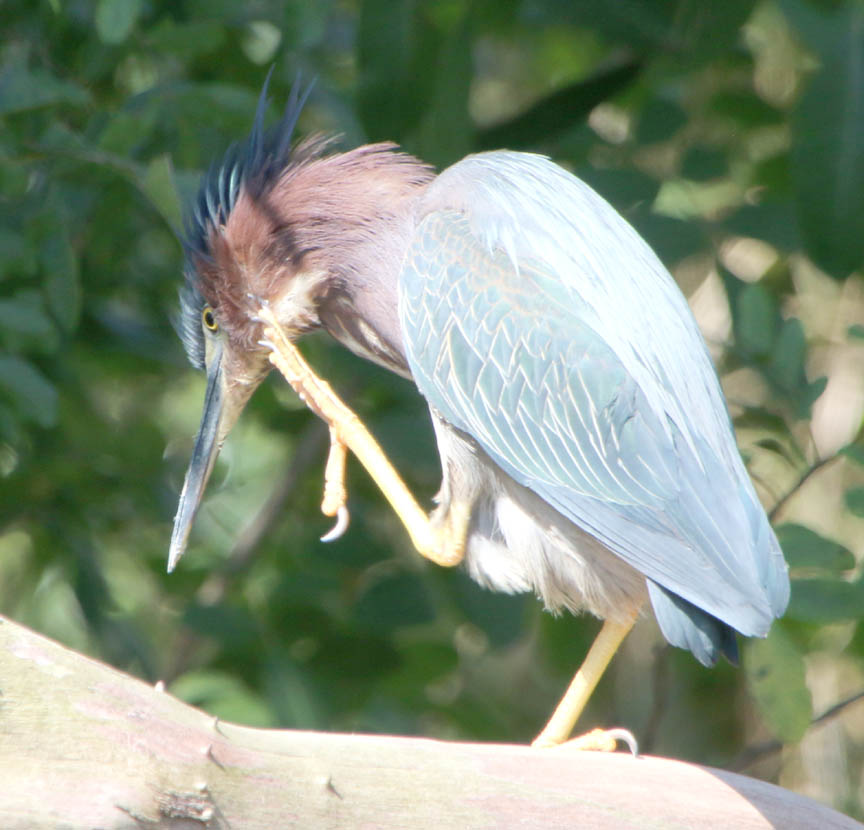
I haven’t added to this series lately. Here’s one from several months ago. Ran across it today when I was cleaning up some computer files. It’s a green heron.
For previous Itches, start here and go backwards.
I haven’t added to this series lately. Here’s one from several months ago. Ran across it today when I was cleaning up some computer files. It’s a green heron.
For previous Itches, start here and go backwards.

This could happen, if all goes well.
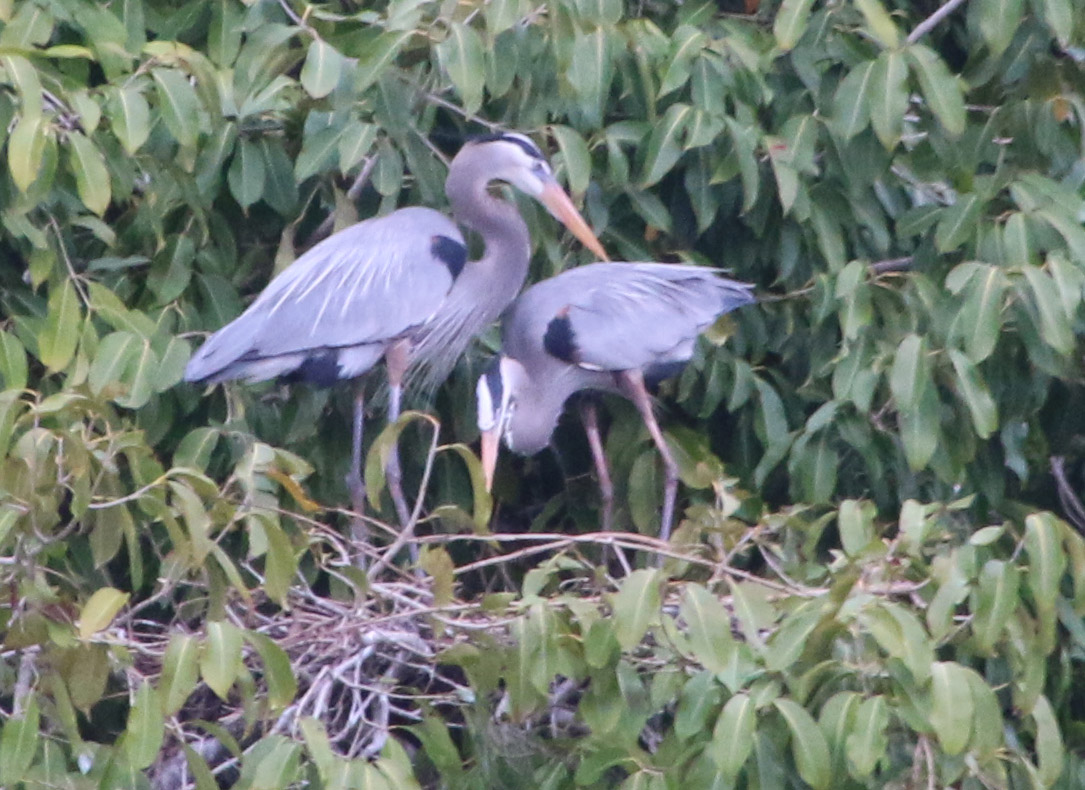
A few days ago I noticed a big blue heron in the next door yard picking up some sticks and flying off. I figured he or she was just refurbishing one of the big existing blue heron nests I’ve seen over in nearby John Prince Park for a couple years.
Not so! I soon realized this one was just making a short flight to the top of small tree just across the water behind my house. I looked closely and sure enough there was another adult over there also.
It’s visible with the naked eye and within long-lens range for photos. Two blue herons are building a nest in that tree.
So I have watched for several days and the activity continues. There is some obvious nest building going on over there.
Time will tell if it becomes a happy home with youngsters. I’ll keep you posted.
Some photos from today are below. I’ll have to do some manual focusing in the future, I see.



I realized today that I ‘follow’ only two eating establishments on Facebook. Both of them have handwritten menus.
I don’t go out to eat much, but when I do I like to see the writing on the wall.
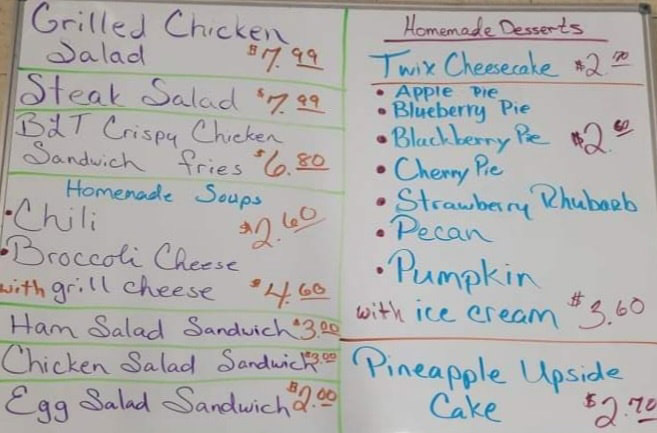
Cool Springs Park, Rowlesburg, WV.
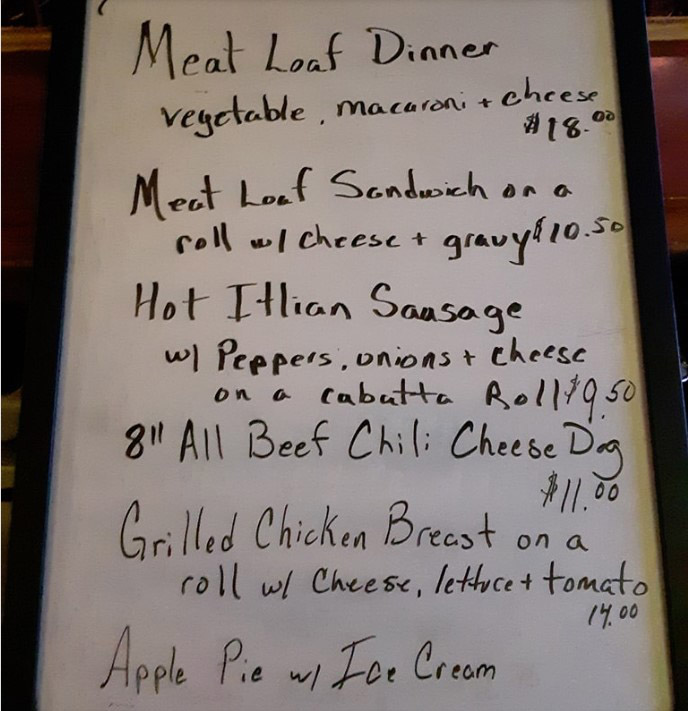
Grady Tavern, Manchester, CT.

A couple years ago I noticed that a bunch of the old shade tobacco barns on some acreage near Bradley Airport in Windsor Locks, Connecticut, were being torn down.
Here’s a portion of the huge Amazon shipping terminal that has taken their place.
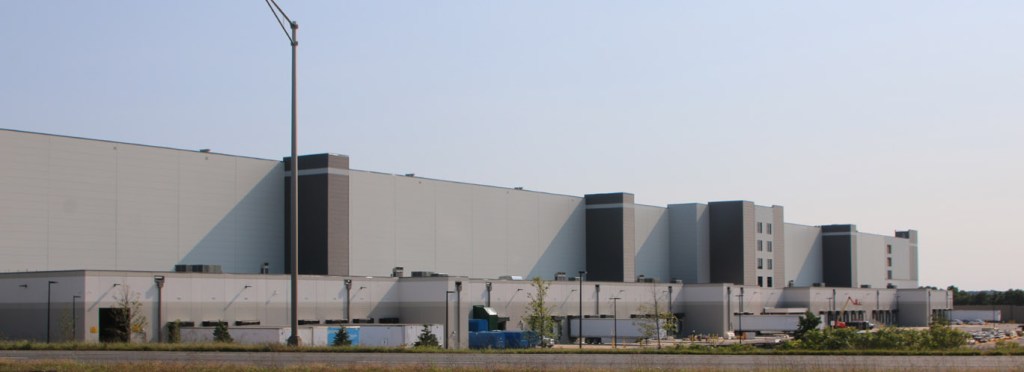
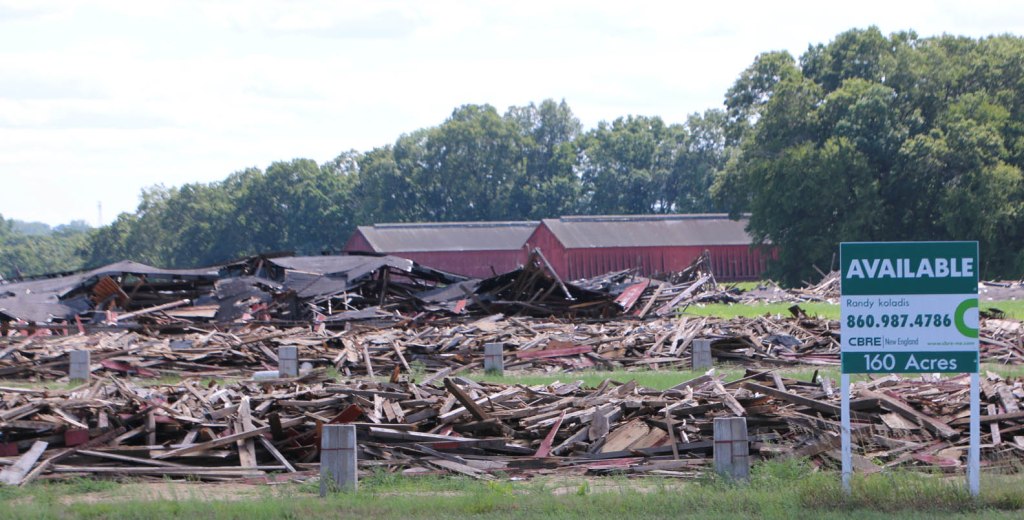
Click here for more than you wanted to know about Connecticut’s shade tobacco industry.

It’s been an atypical October for me in Connecticut. For my final month of the season here I can usually count on at least a few warmish, bright days with fall colors to make some paddling still possible, and interesting, as my date for fleeing to the south approaches.
Yes, I am a weather wimp.
This year someone flipped a switch at the beginning of the month and since then the temperature has struggled to get above 60.
This is hibernation weather for me, not paddling weather.
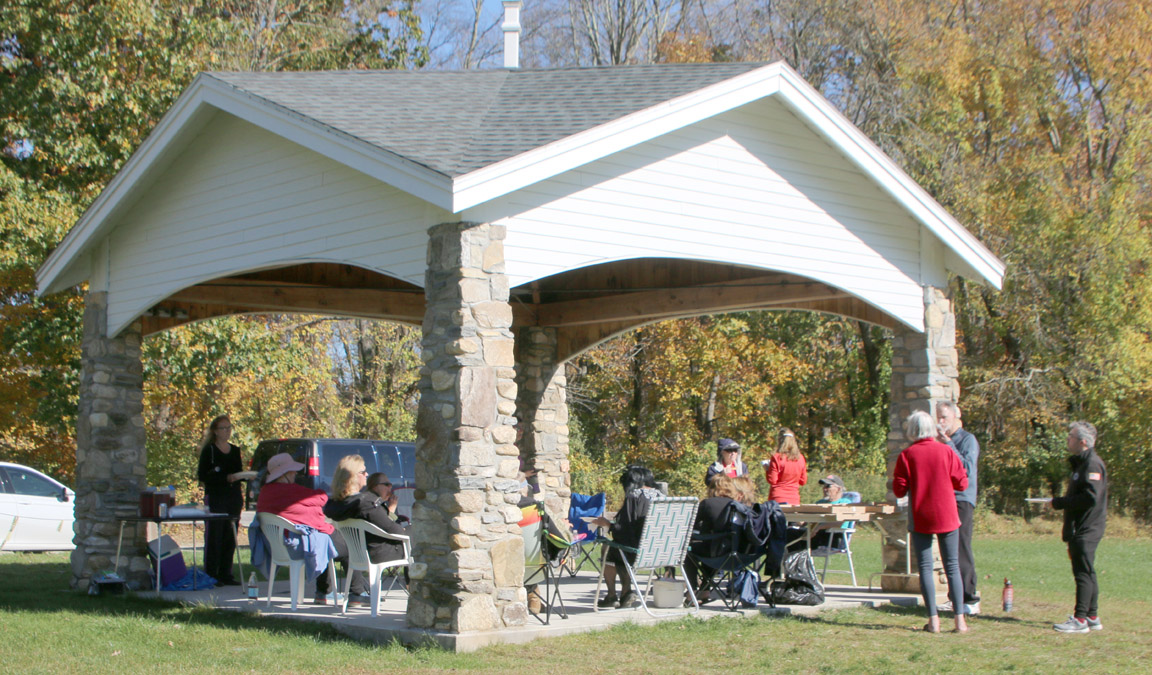
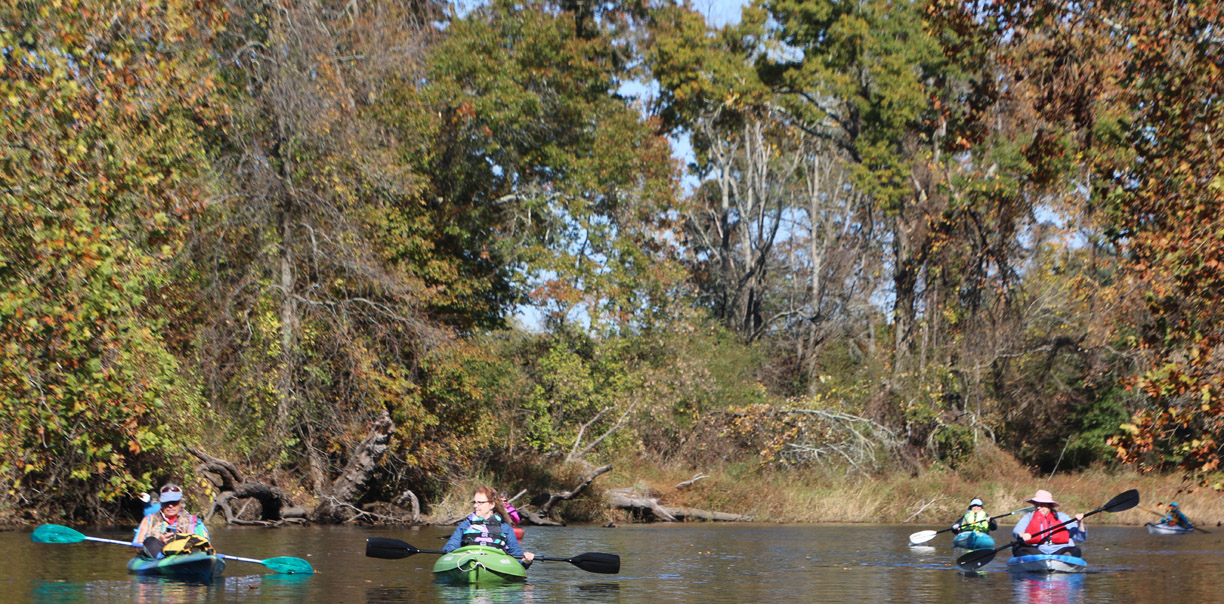
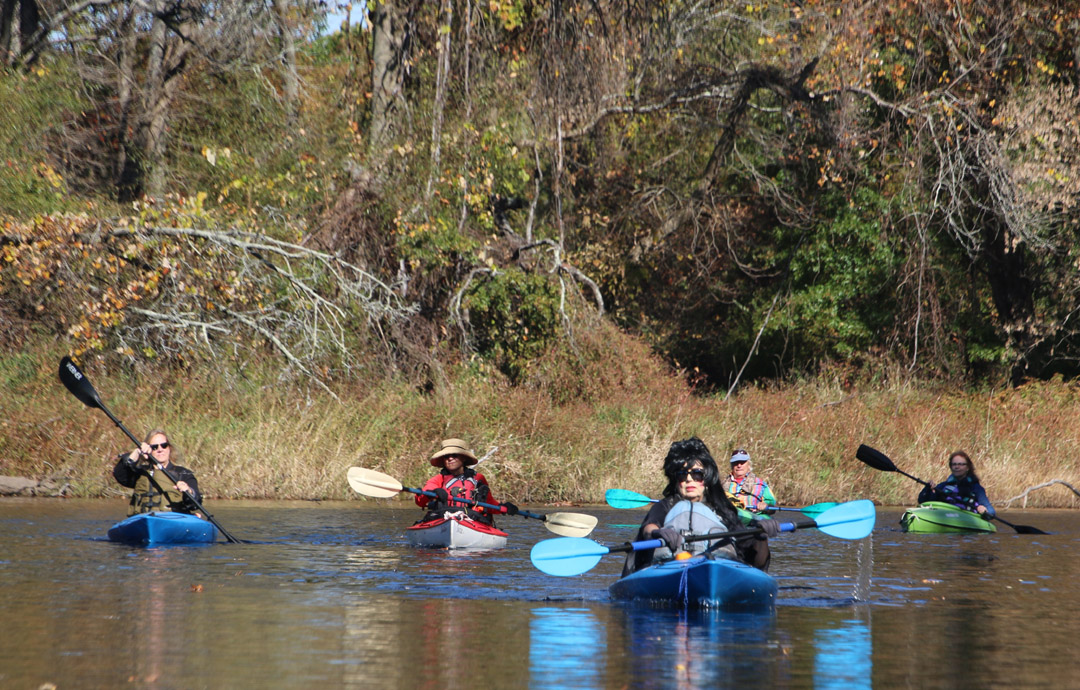
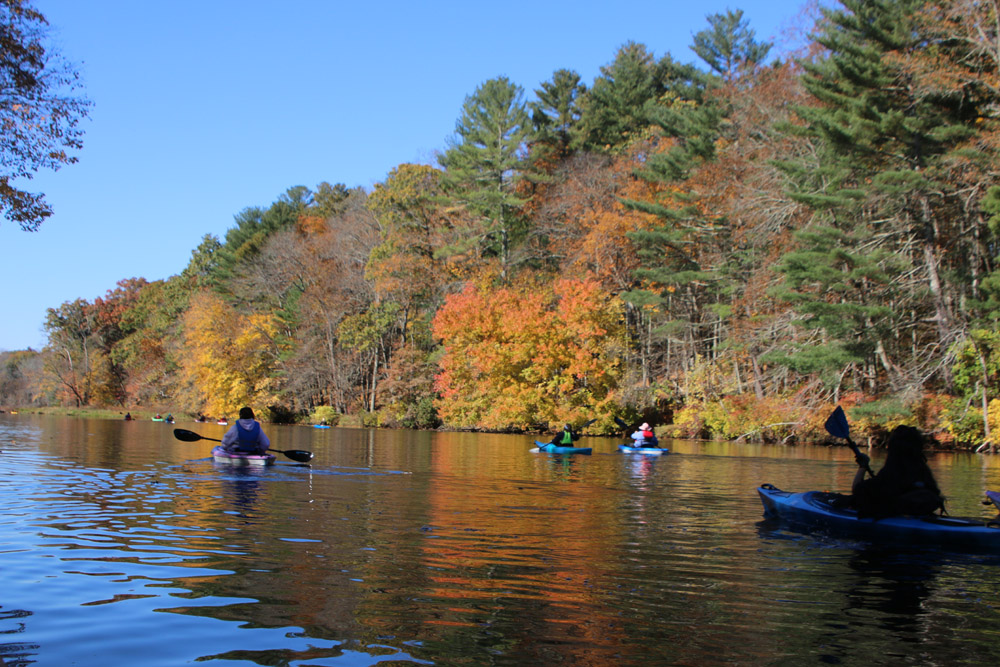
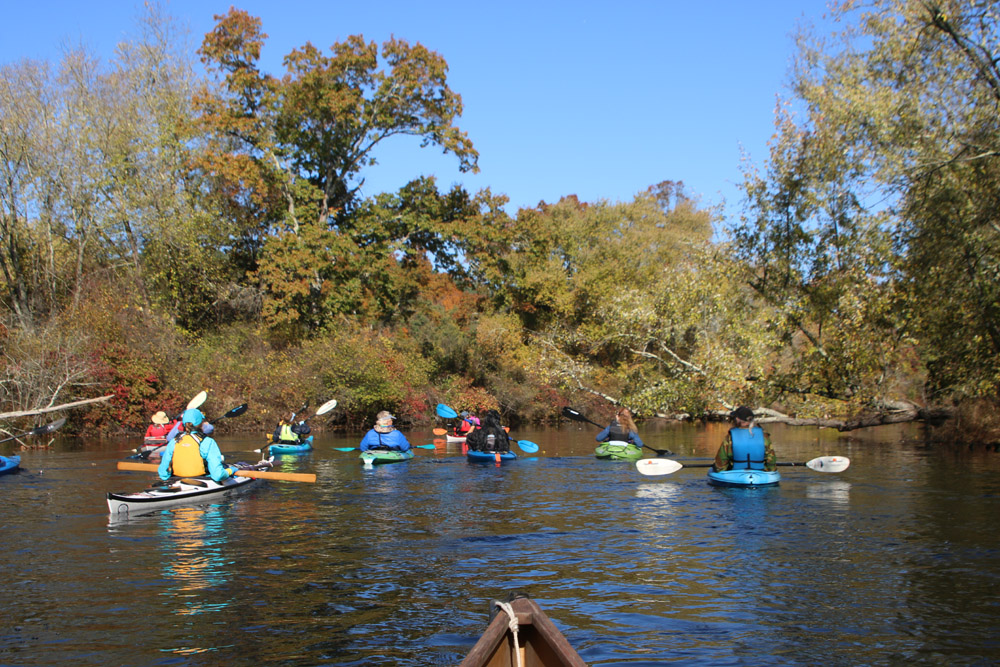
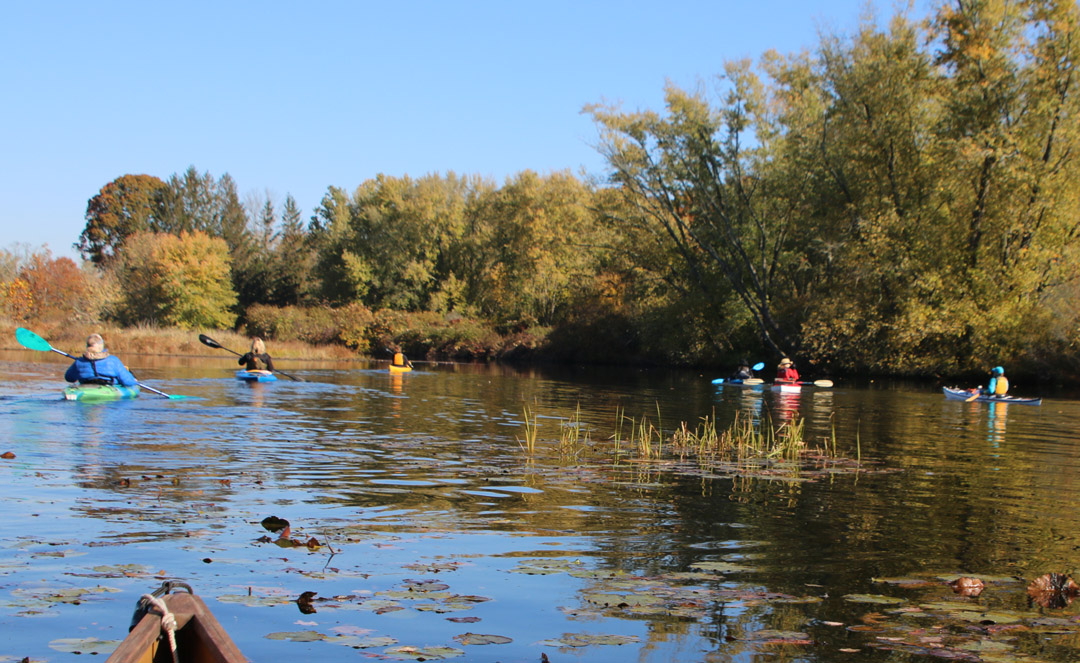
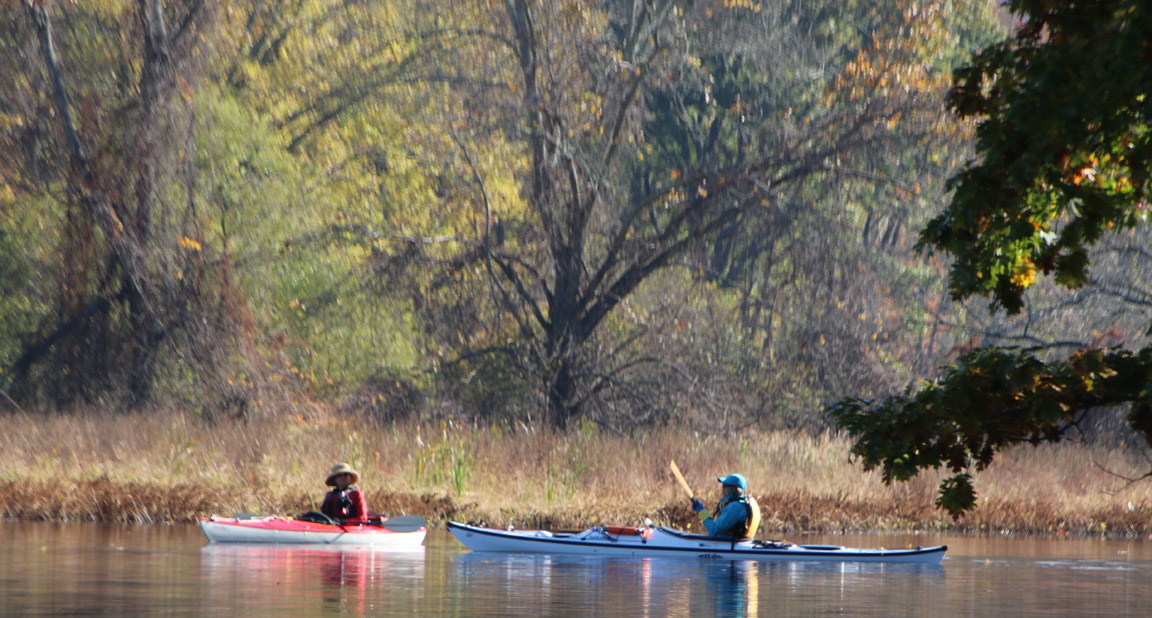
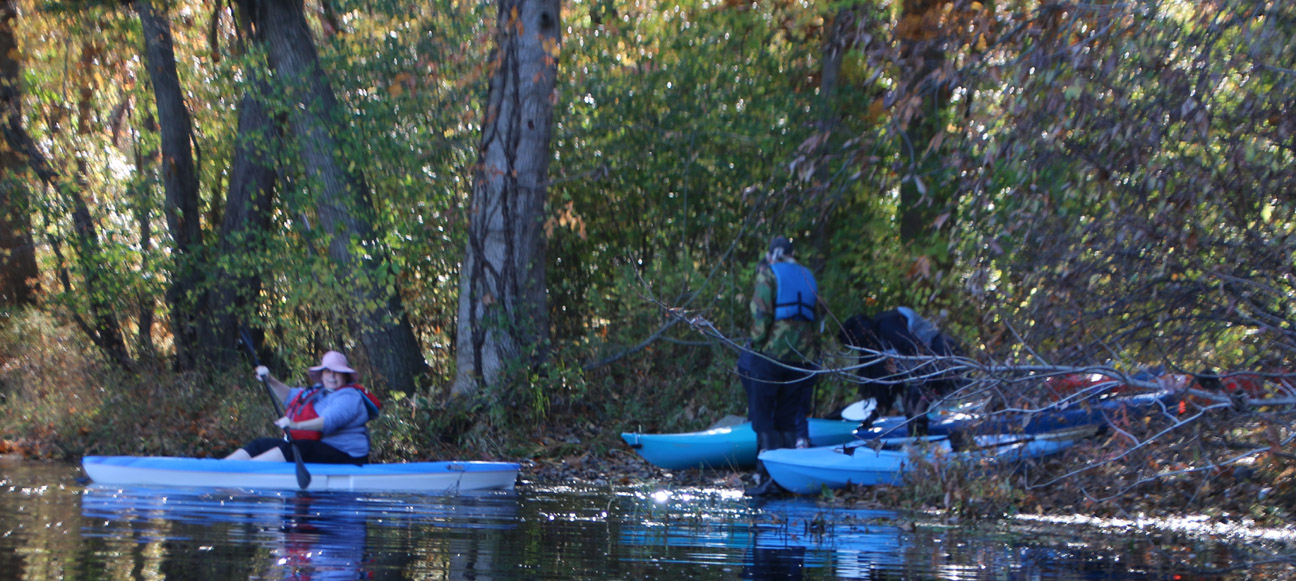
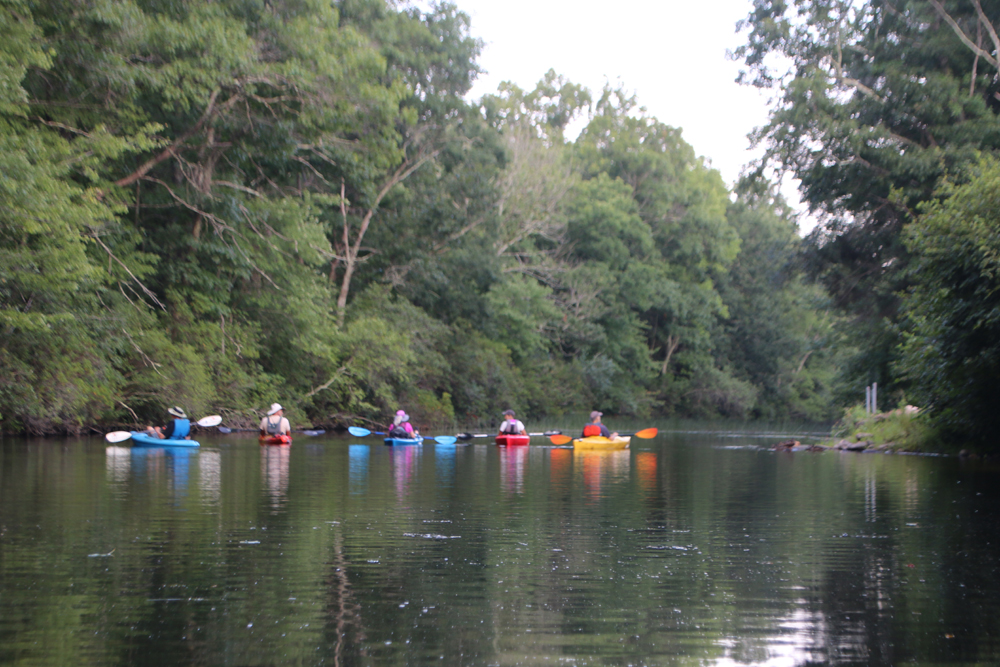
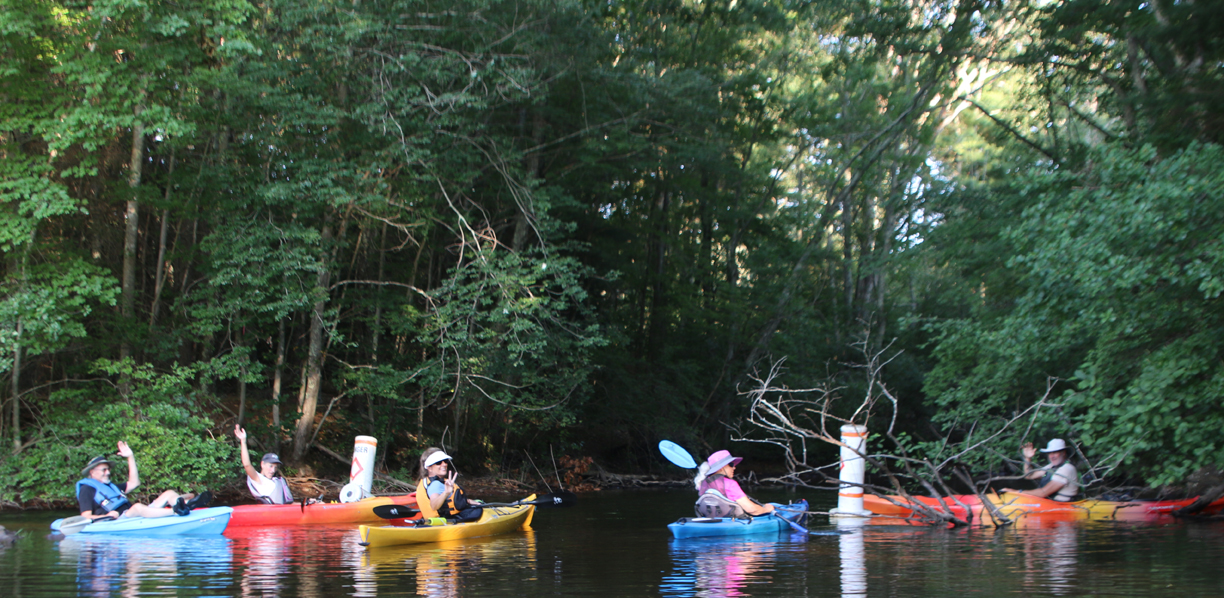
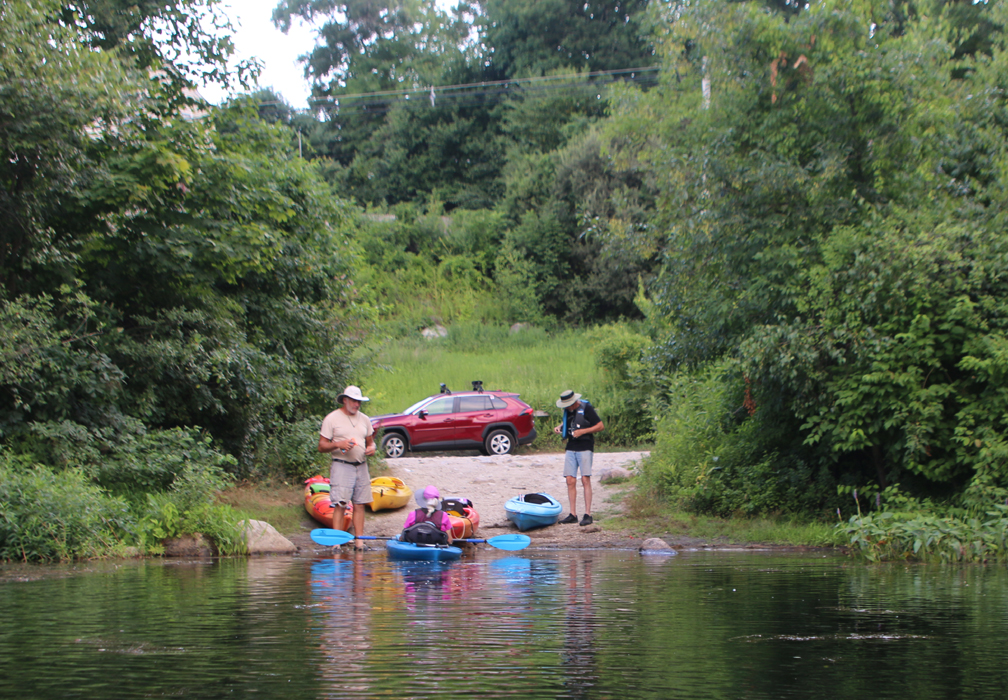
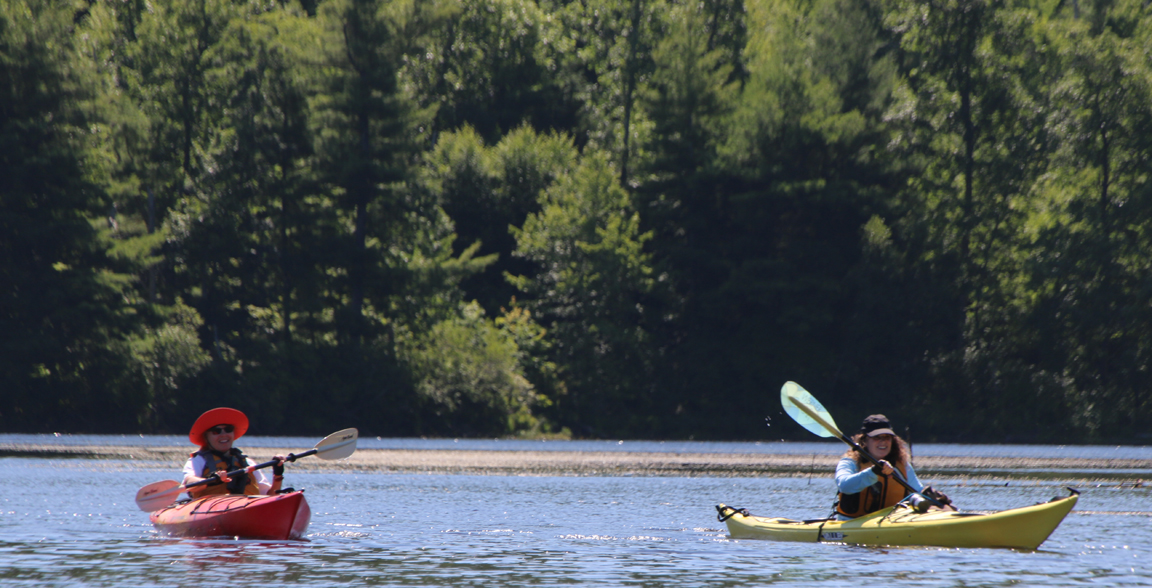
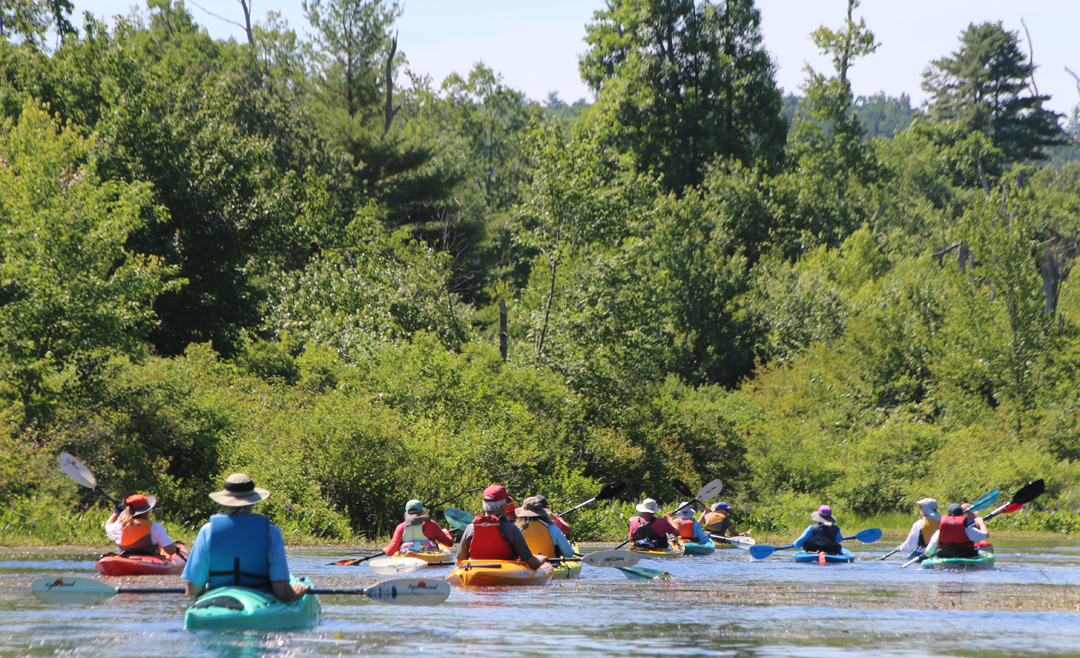
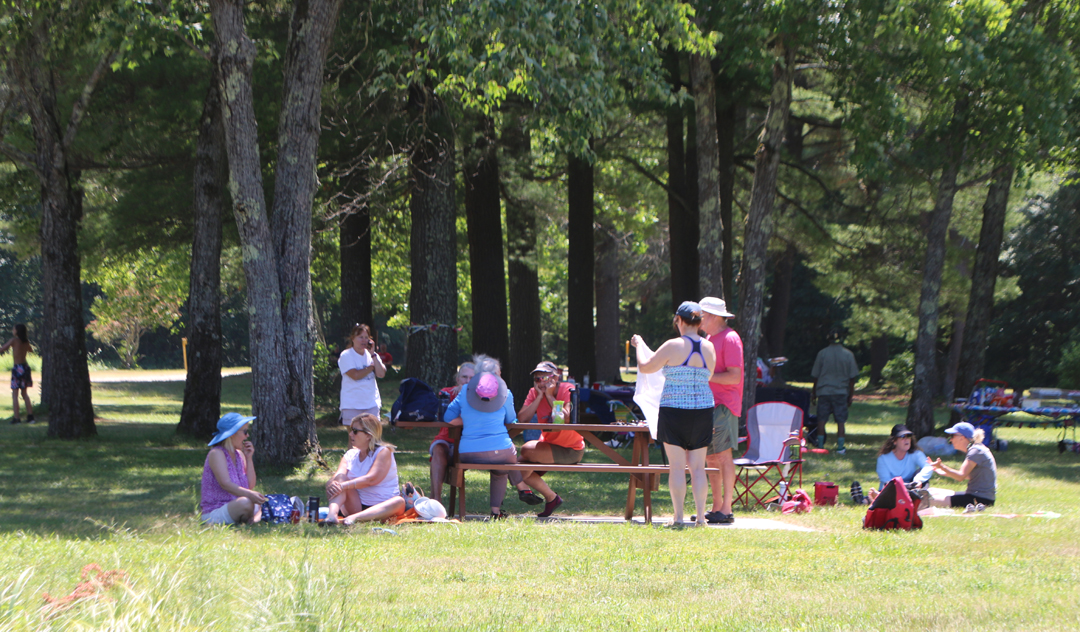
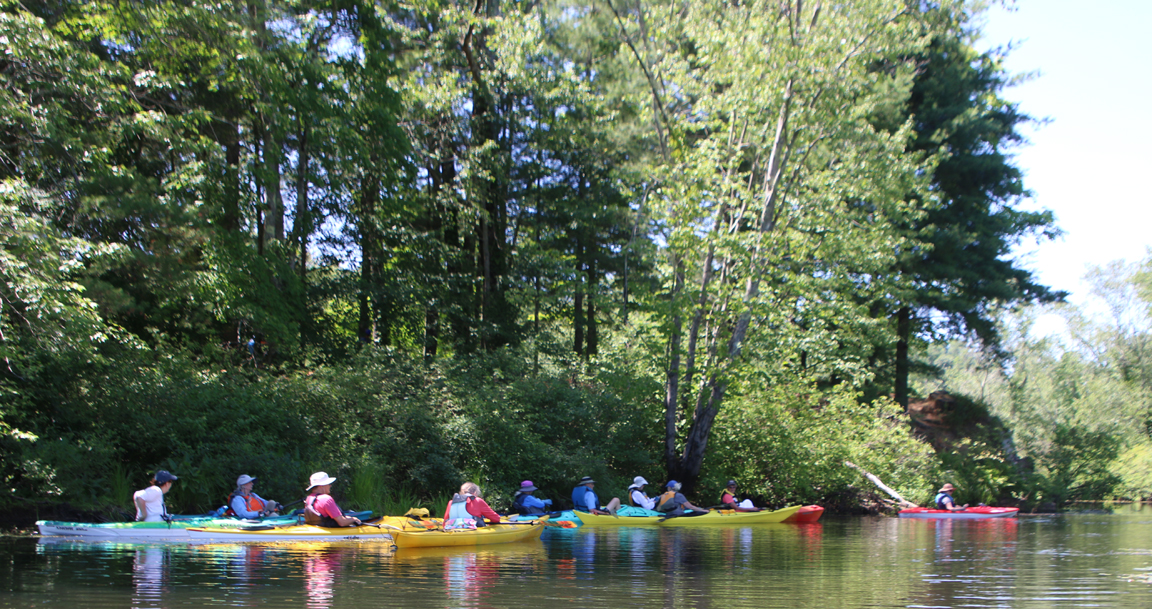
Until yesterday, fortunately. Bright, sunny and 70, albeit briefly. Good timing, too, as it was the season-ending Paddle and Pizza Party with my friends in the Paddle Killingly Meetup Group over in Eastern Connecticut. We paddled a few hours on the Quinebaug River in Brooklyn before ordering takeout at the nearby Classic Pizza for riverside dining.
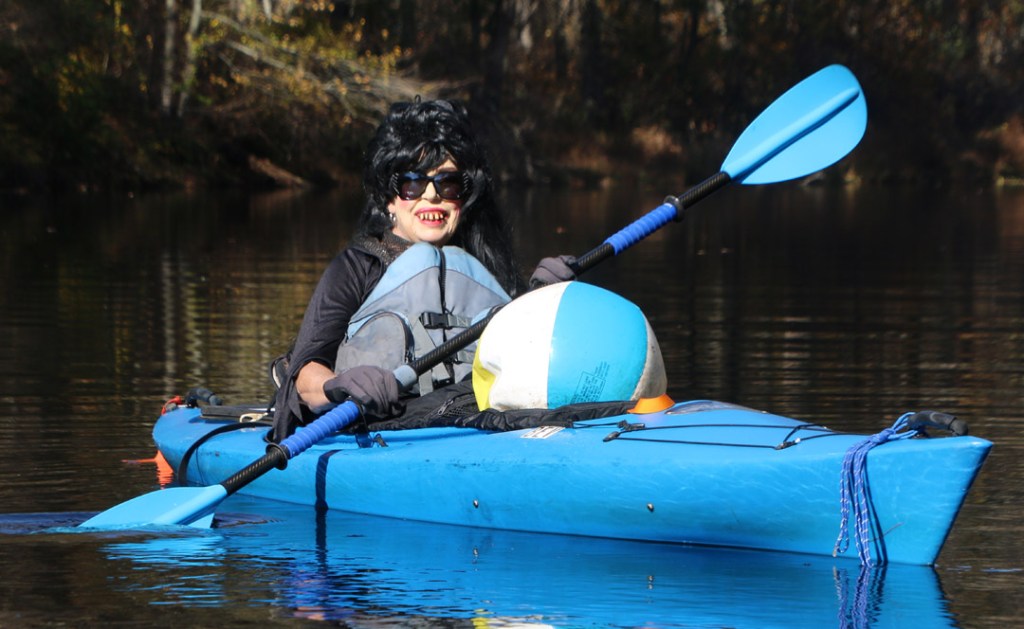
And Elvira (AKA Bev Champany) came along. Some photos below.


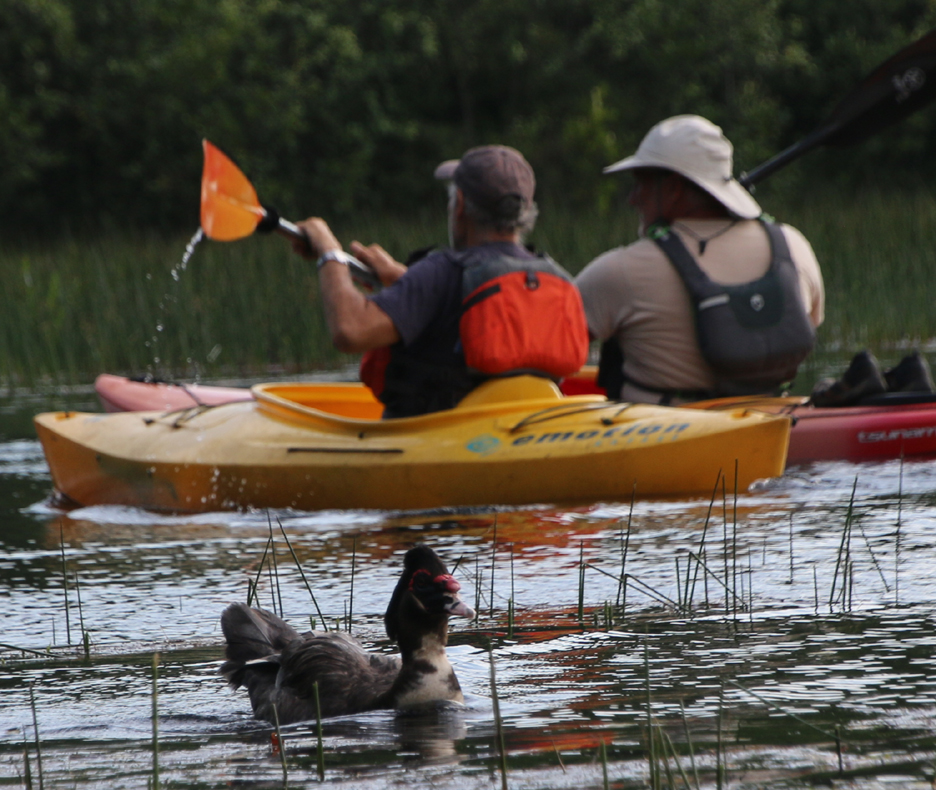
I spotted this Muscovy duck the other day on the Pawtuxet River in Rhode Island.
It couldn’t be the political climate that’s driving folks out of Florida, could it? Nah, probably just the heat and hurricanes.
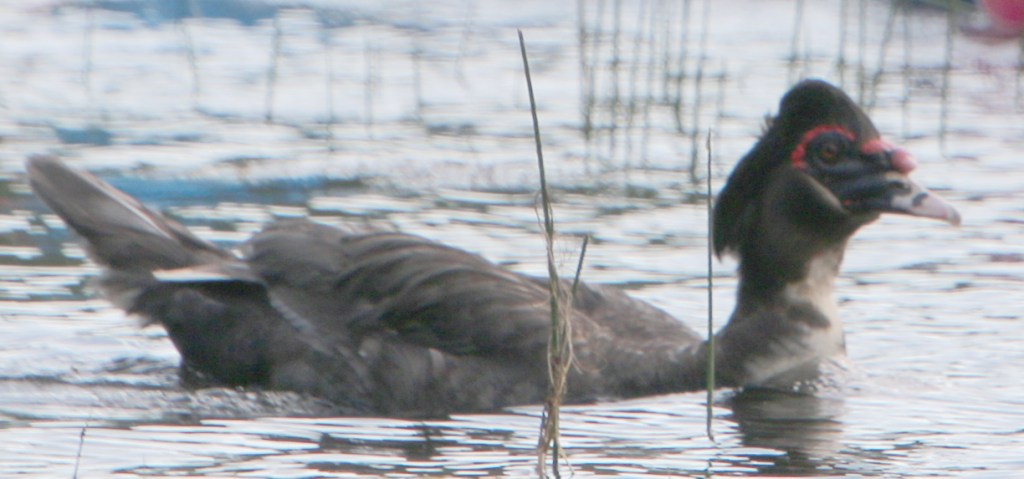
Muscovys are lovers of the tropics, usually, and this is the first one I’ve seen in the northeast in a decade of steady paddling in the waters of five states up here. From the little research I have done, however, they do adapt well to colder climates and have been known to be around here.
They’re a wild duck species native to Mexico as well as Central and South Americas. And prolific shitters and beggars. They rule the roost in John Prince Park near my house in Florida.
Once, on a first-time visit to my abode there, my Illinois-native parents came back from a walk in the park with a tale of stealthily creeping up on a family of Muscovys (10 ducklings at a time is not unusual), hoping for a closer look at them. When the ducks spotted them, they laughingly related, the whole family came speed waddling over for an expected handout.
They are so common around me in Florida in fact, that I don’t even bother taking photos of them, so the only picture I have of a Muscovy is the one above from Rhode Island.
Theories about how it got its name run the gamut from Muscovy being the name of the current Moscow region to a firm called The Muscovy Company that traded in them to a native American nation in today’s Columbia called Muisca to the Miskito Indians off the coast of Nicaragua and Honduras.
You can go to Wikipedia and add your own theory I am sure. But I will warn you that the theory involving the musky odor they put off is already taken.
I will leave you with one more factoid to ponder: male Muscovy ducks have helical penises that spiral when erect and females have vaginas that coil in the opposite direction. Females appear to have evolved to limit forced copulation by males.
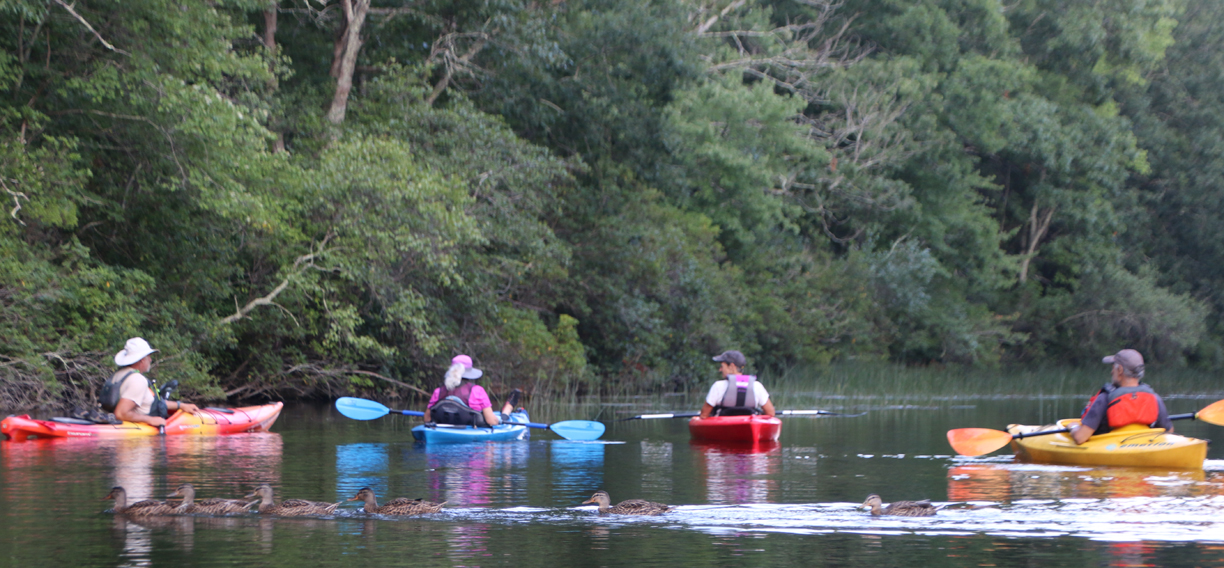
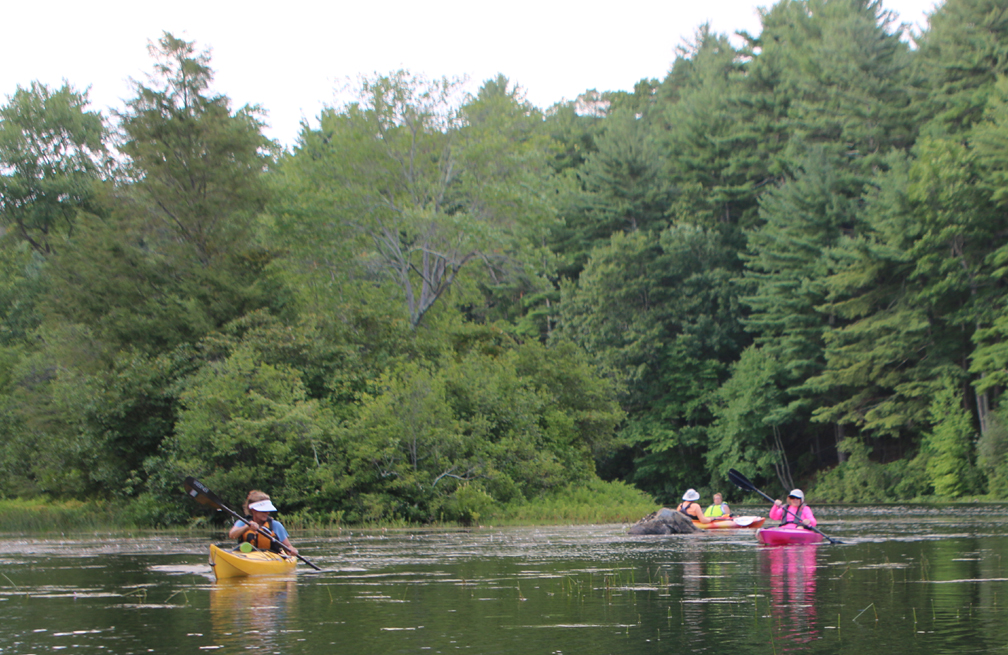
Here are some more photos from my paddle on the Pawtuxet in case you’re interested. Clink on any one and you can scroll through the larger versions.
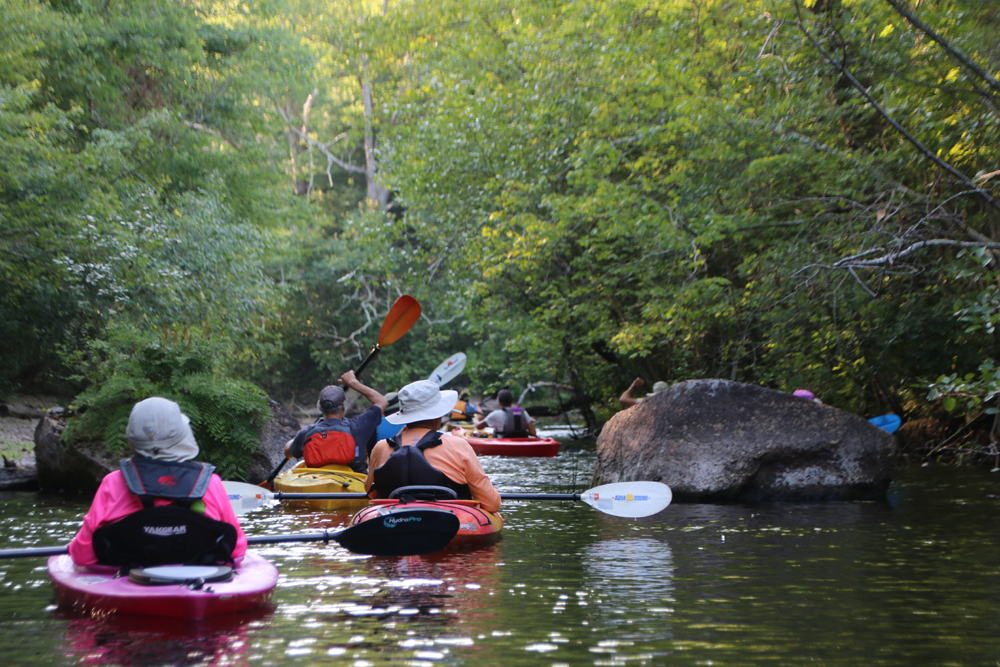
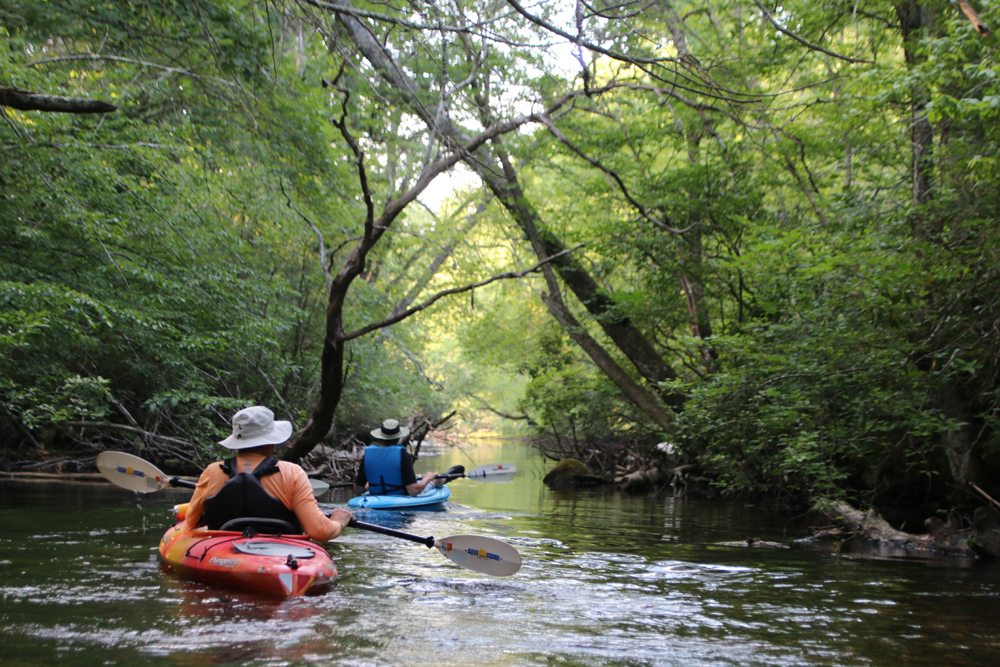
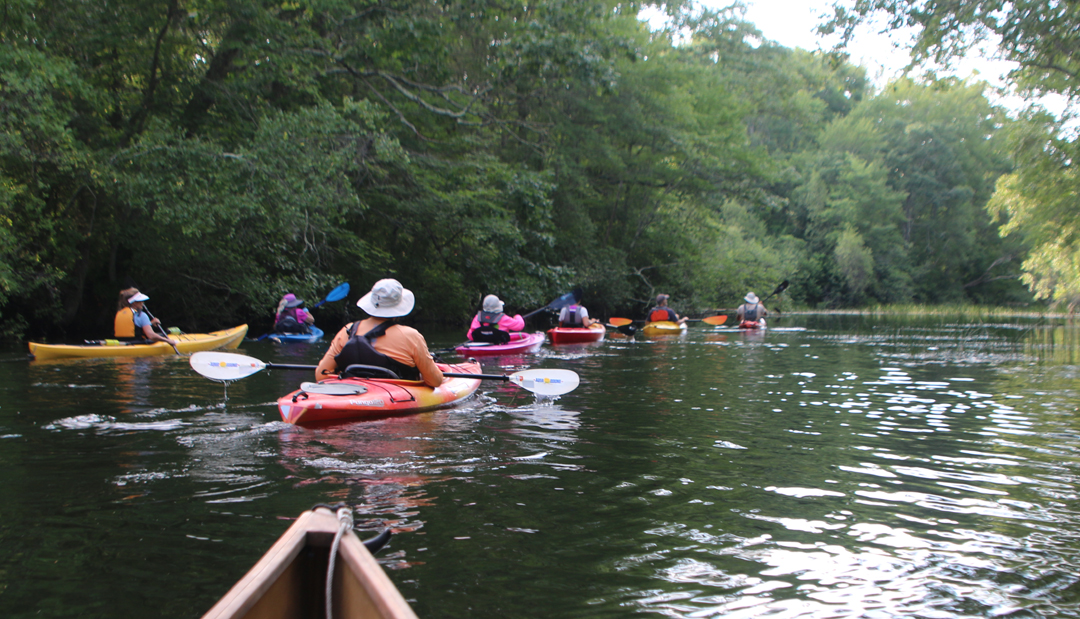
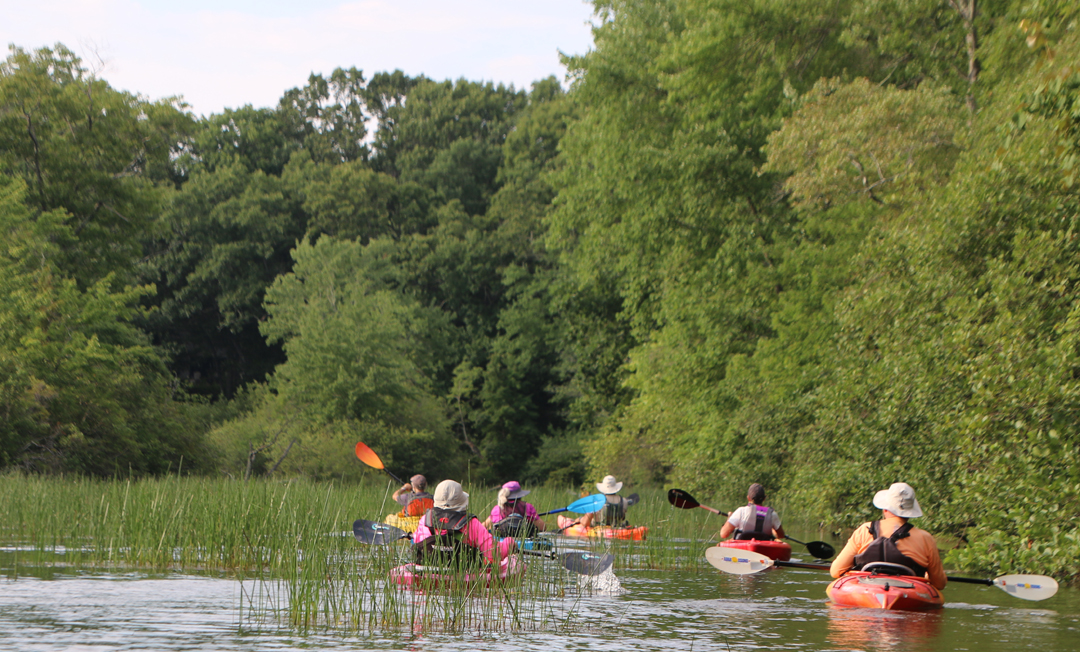
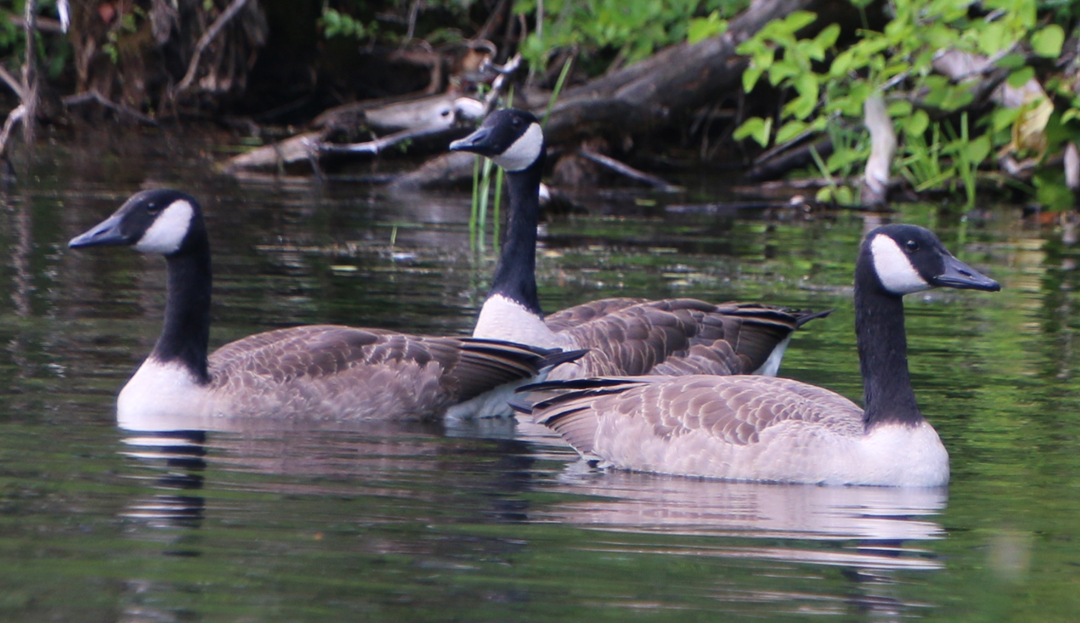
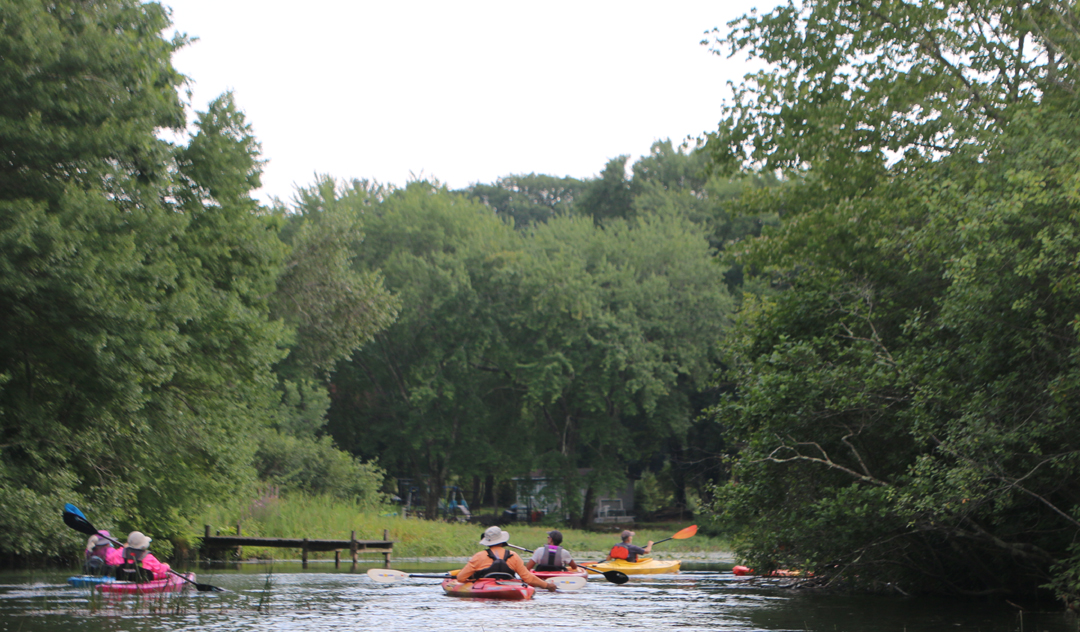

I finally got a halfway decent photo of a water strider on the surface of the water the other day on the Quinebaug River at Brimfield, MA. It was one of those pleasant paddles where I had plenty of time to sit and just wait for nature to happen close enough to me to get some photos.
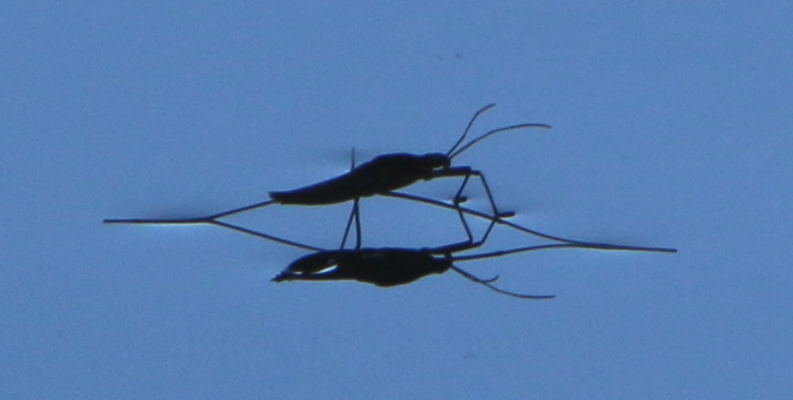
The water strider, also known as the pond skater, is an insect of the family Gerridae. It can run across the surface of water. It lives on ponds and slow-running streams and rarely goes underwater. The underside of the body is covered with water-repellent hair.
Another nickname is the Jesus Bug, for obvious reasons. There are about 500 different species of these things.
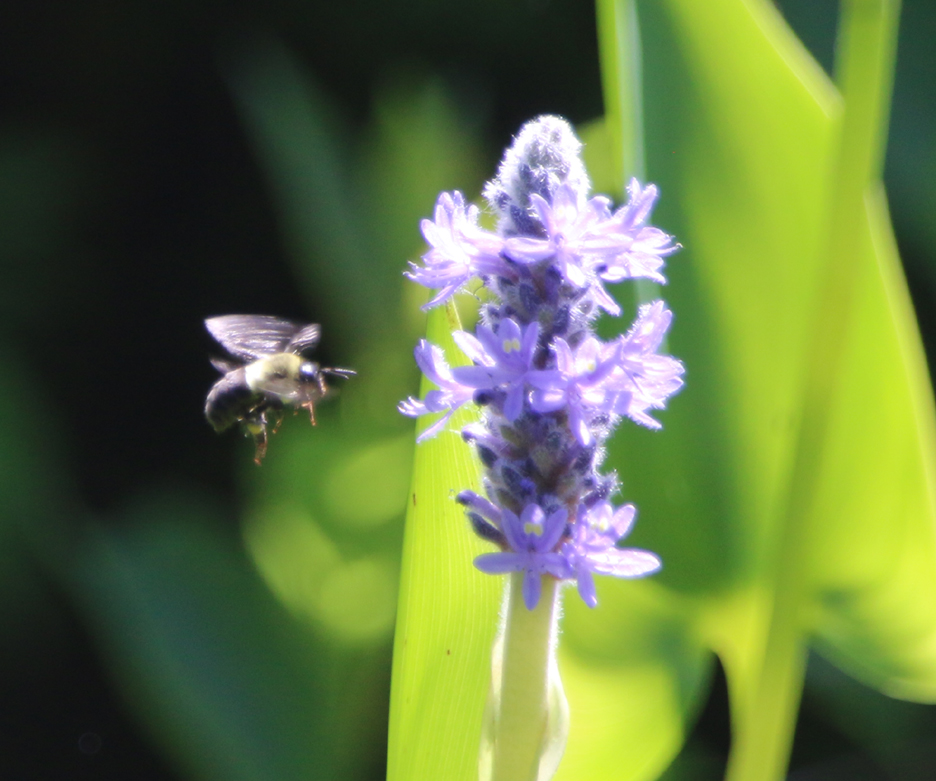
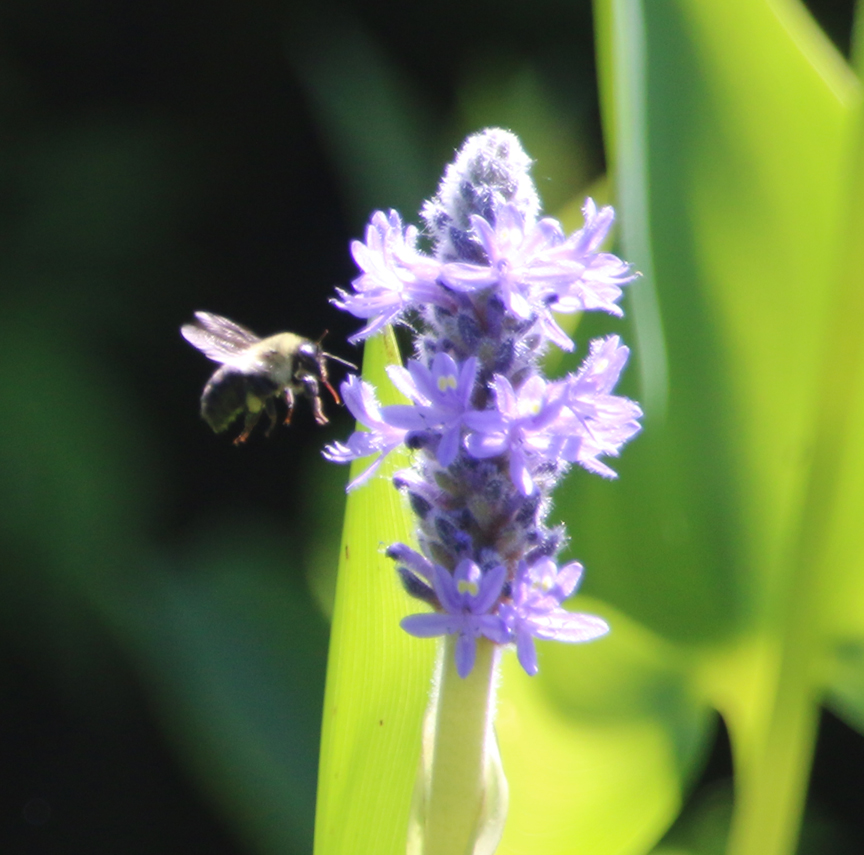
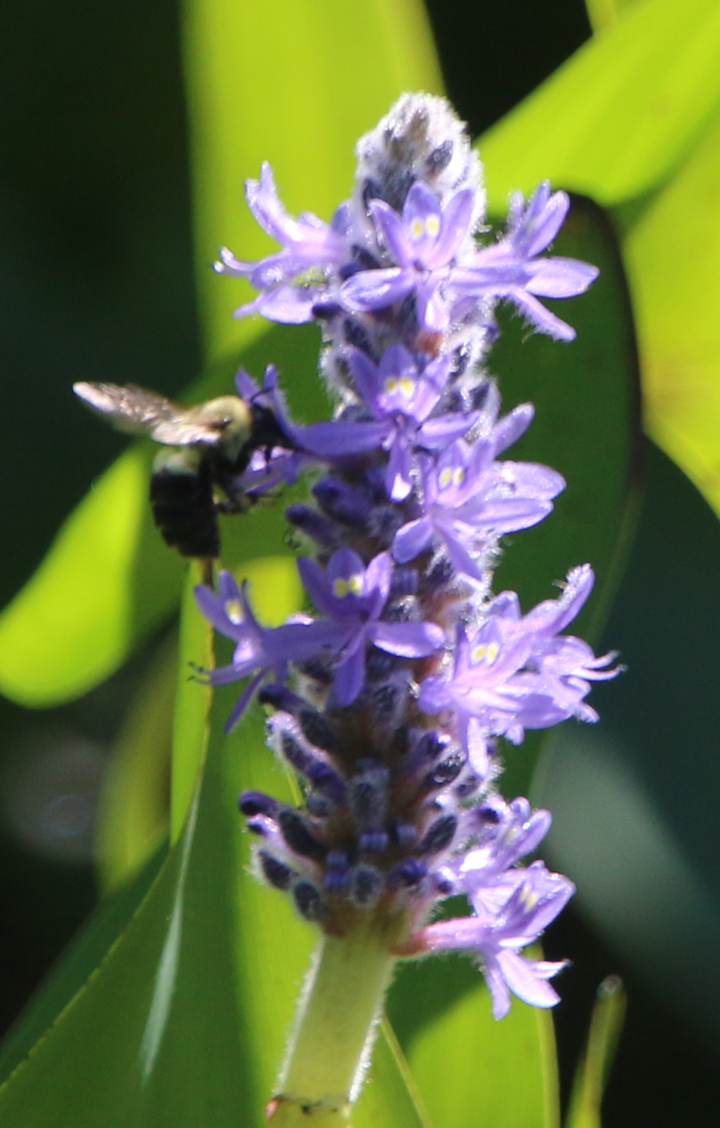
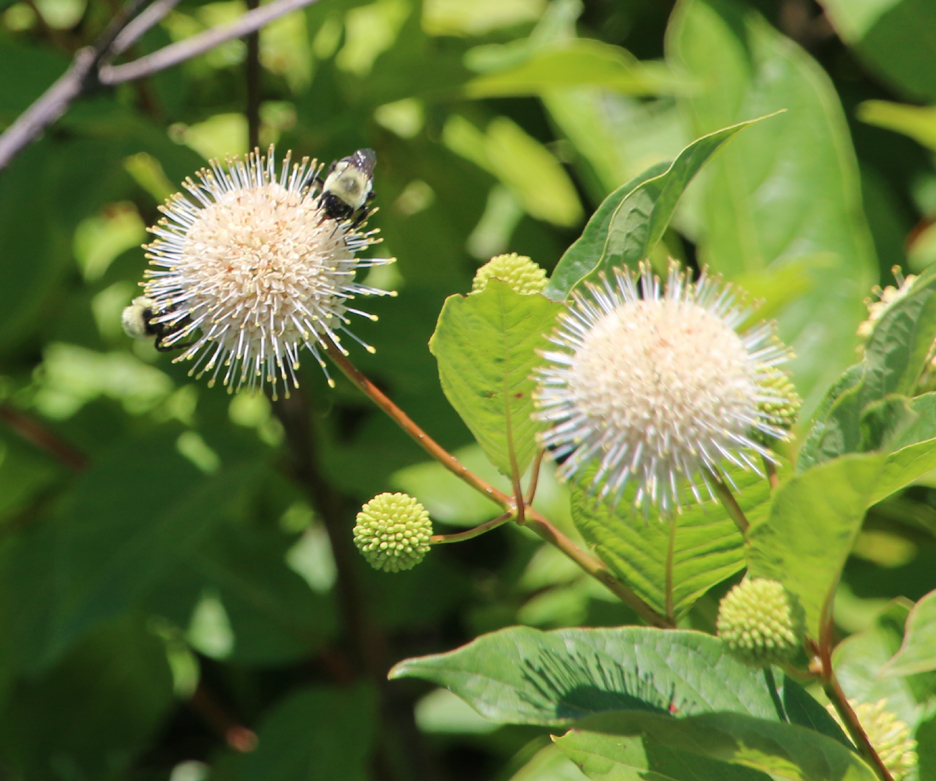
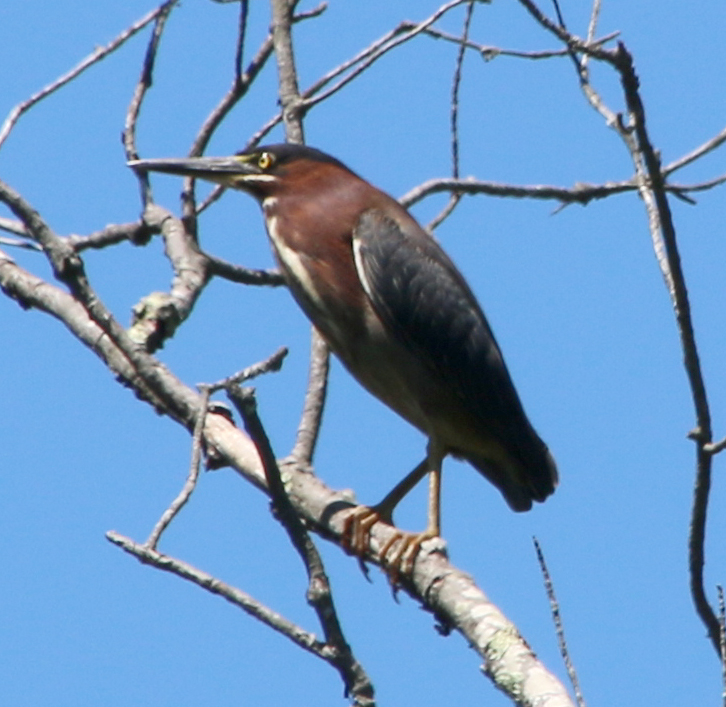
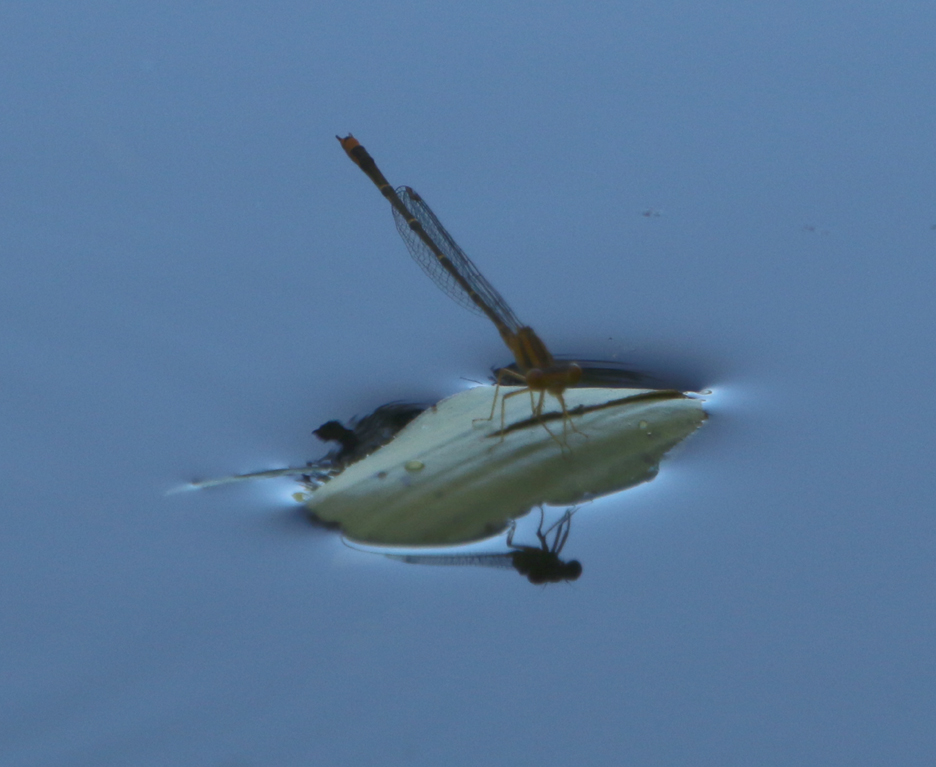
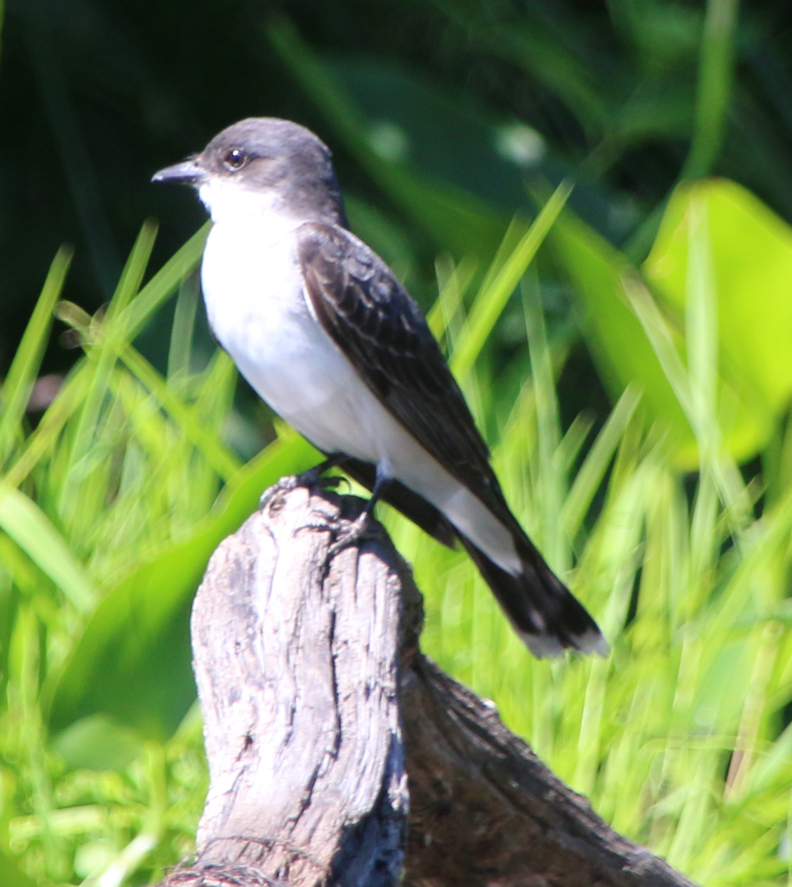
I also played around with grabbing a dragonfly on a floating leaf, some bumblebees doing their job, an eastern kingbird posing nicely and a green heron way up in a dead tree. All the photos are below, just click on any one to see the larger versions.
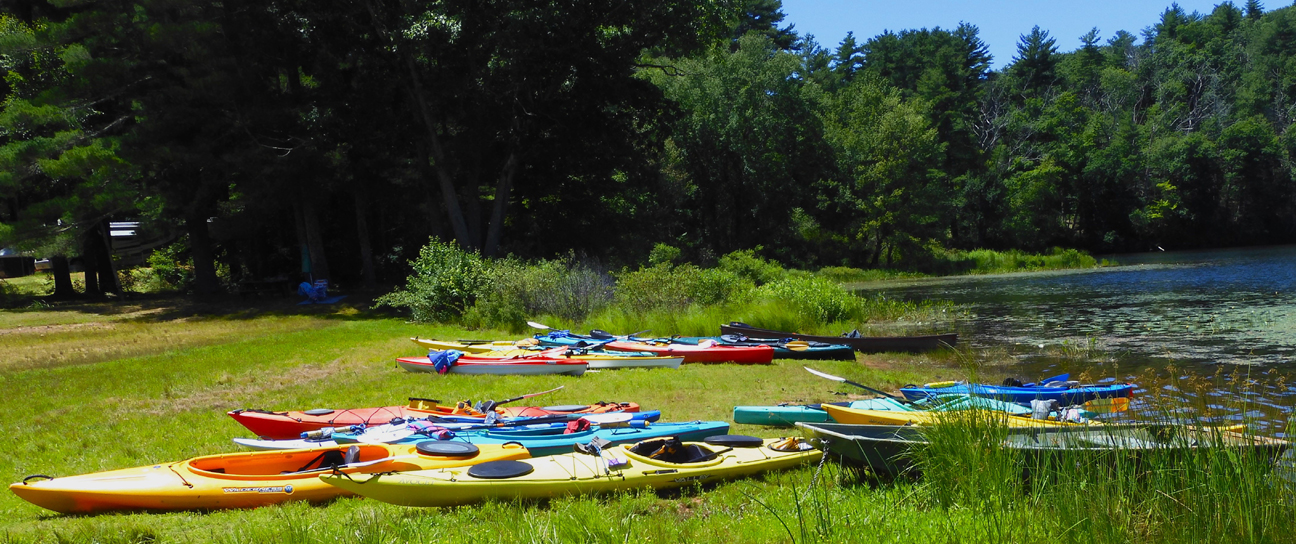
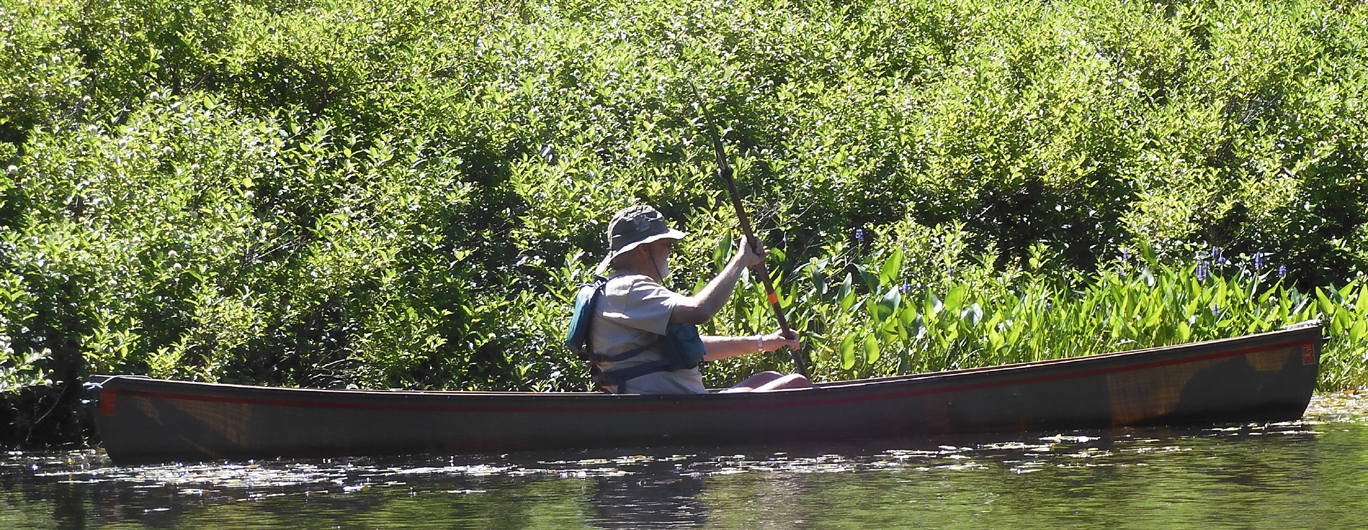
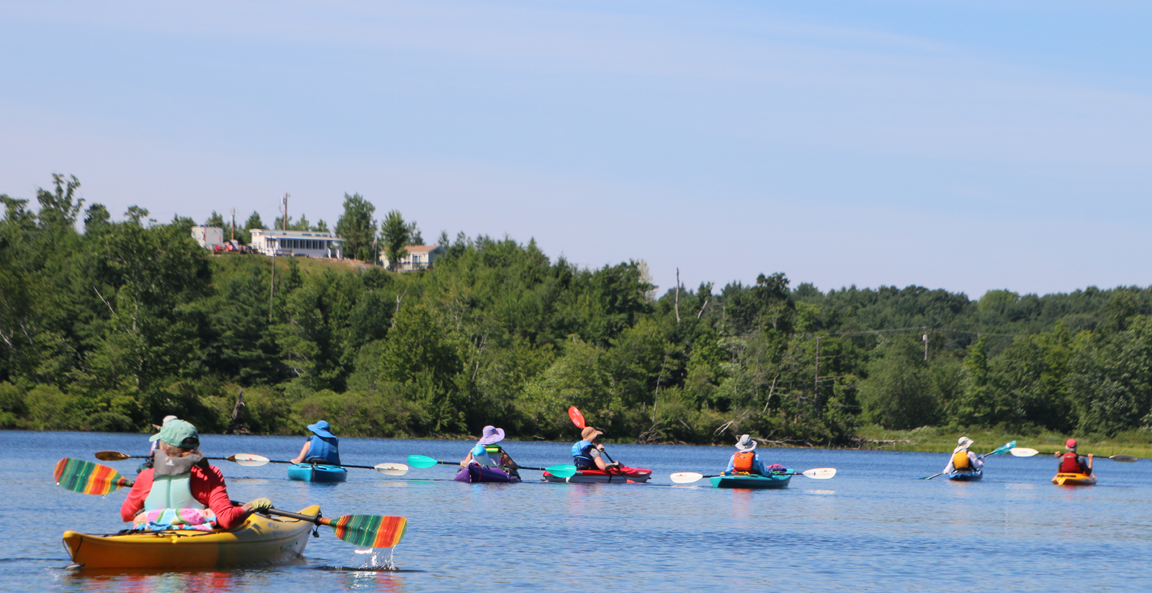
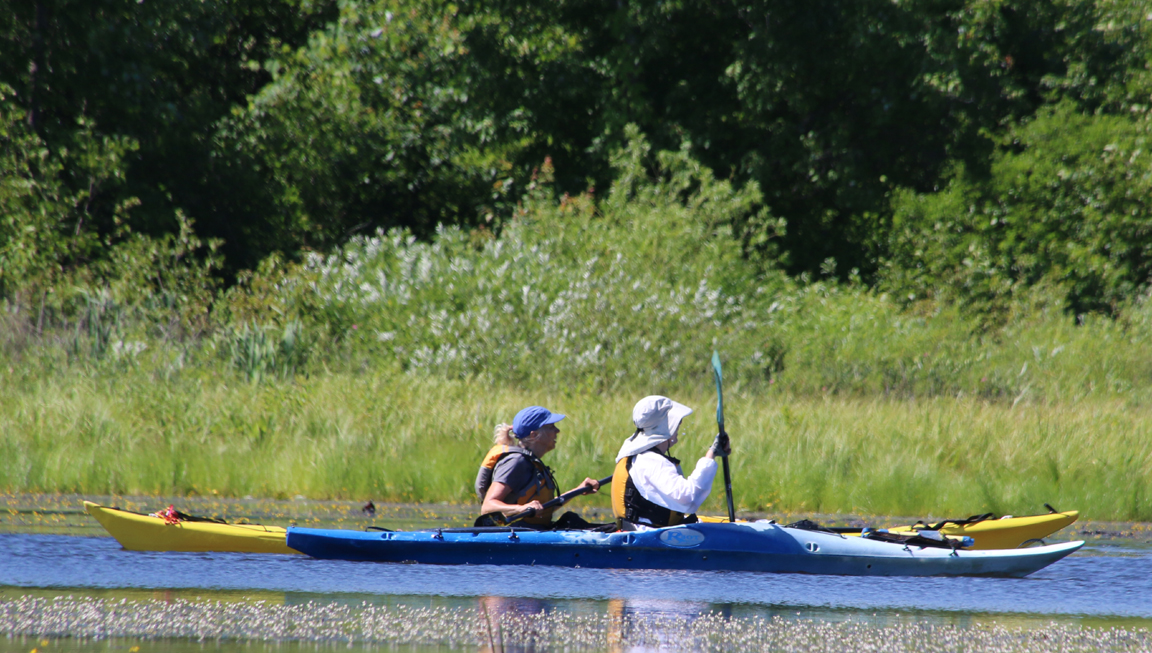
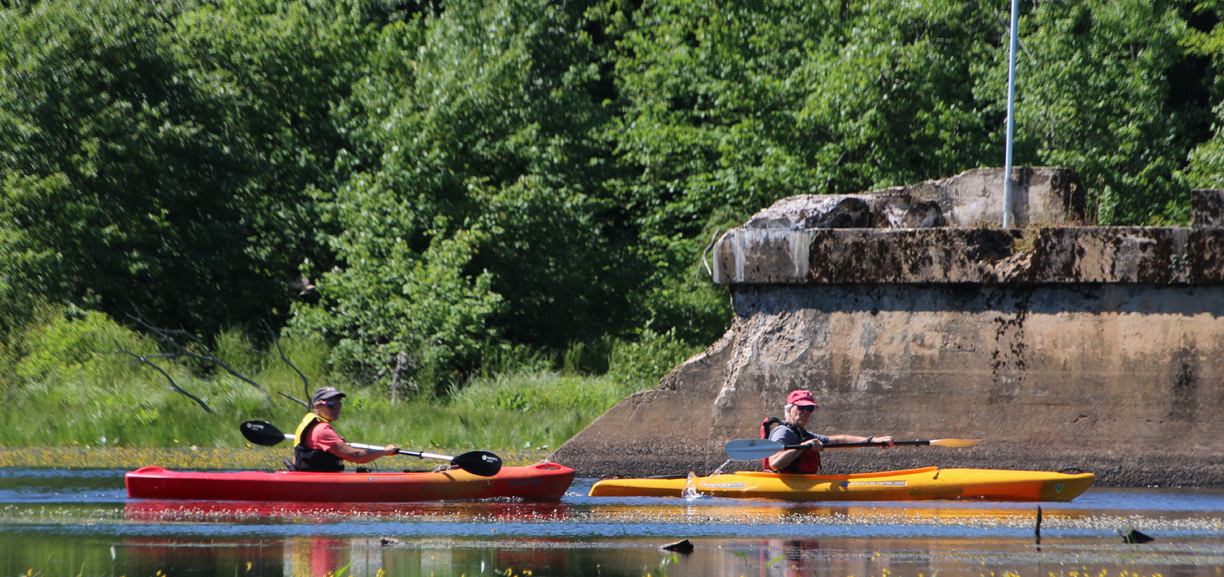
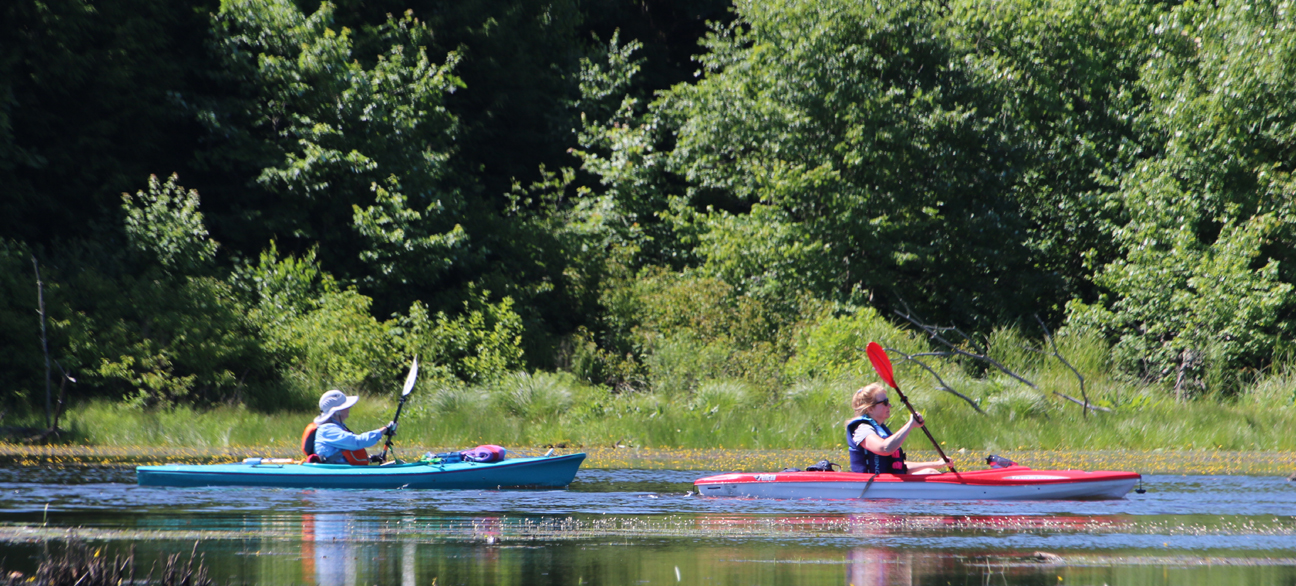
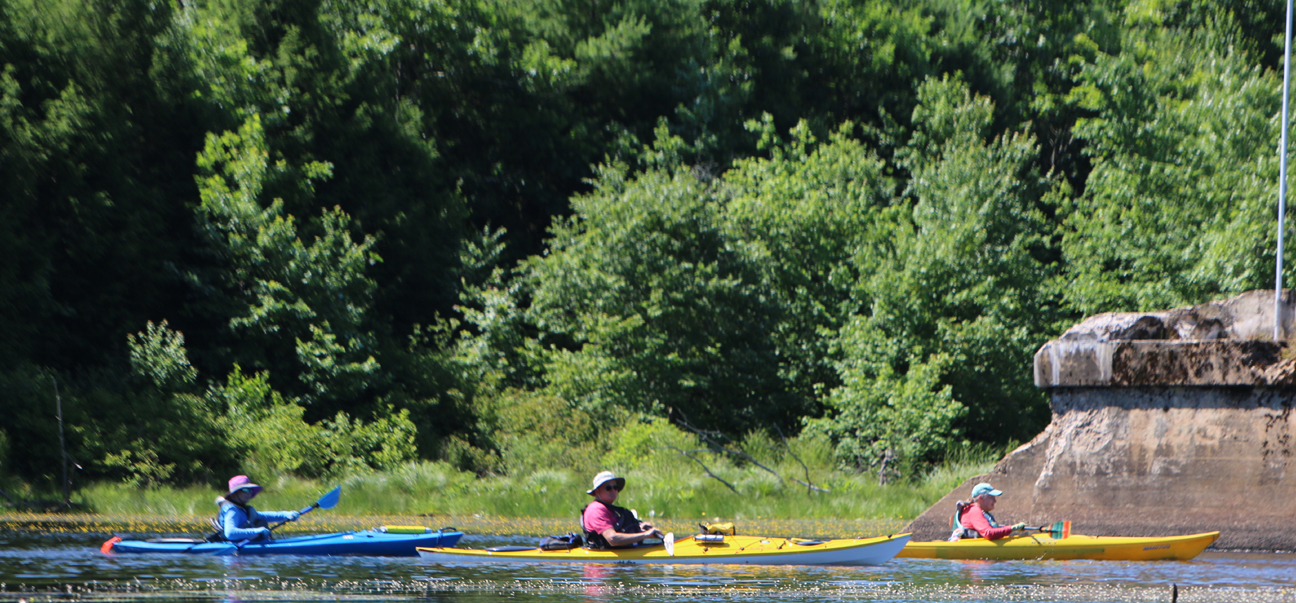
And below are some people photos from the day, including one of me, courtesy of friend John Messier.




And I sold my GPS!
It was three days well spent.
And added to the gas stations, the lakes and the museum were several hours of nice backroads meandering in New Hampshire and Vermont.
It happened like this:
I had a hand-held Garmin GPS unit I bought a year or so ago and never really used so I wanted to sell it. No one in Florida seemed interested, with the exception of a couple of low-ballers, so I brought it up to Connecticut with me this year and posted it a few places.
Greg in Burlington Vermont responded to my Facebook Marketplace post and agreed to my price. He wanted it for a trip to Iceland later this summer.
He would have done a pay first and ship deal, but I smelled a road trip. I hadn’t been up in Vermont in years and I had never visited the northern New Hampshire home of Leslie, my Florida paddling buddy.
So a trip was born; leave Sunday for Bethlehem, NH, two overnights there and on Tuesday swing over to Burlington and head back to Hartford.
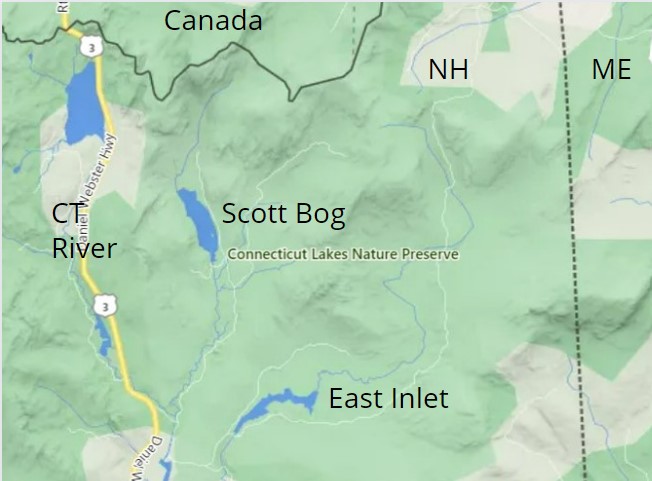
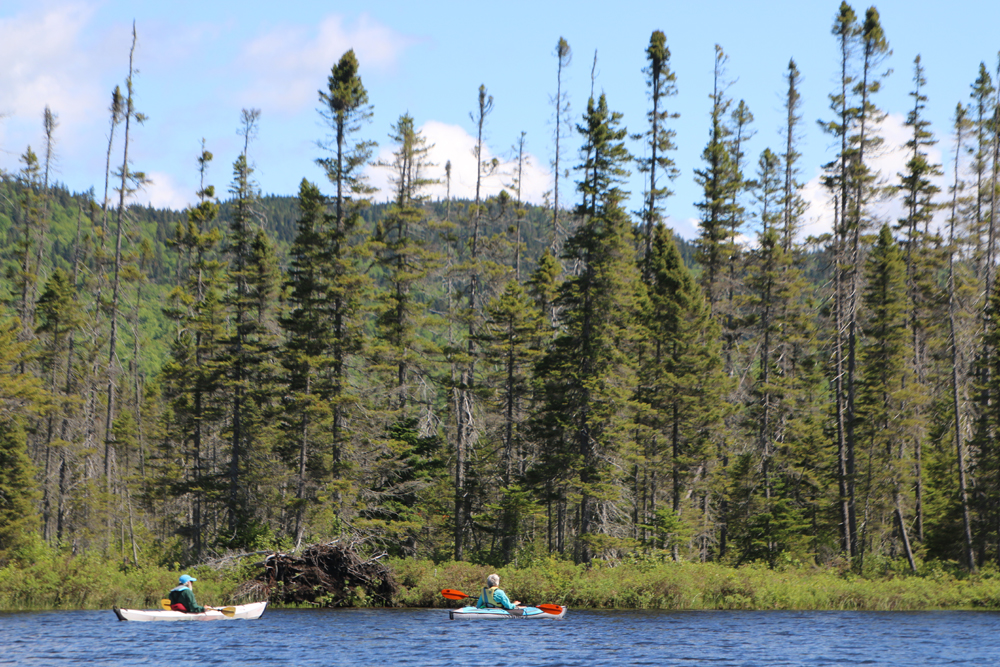
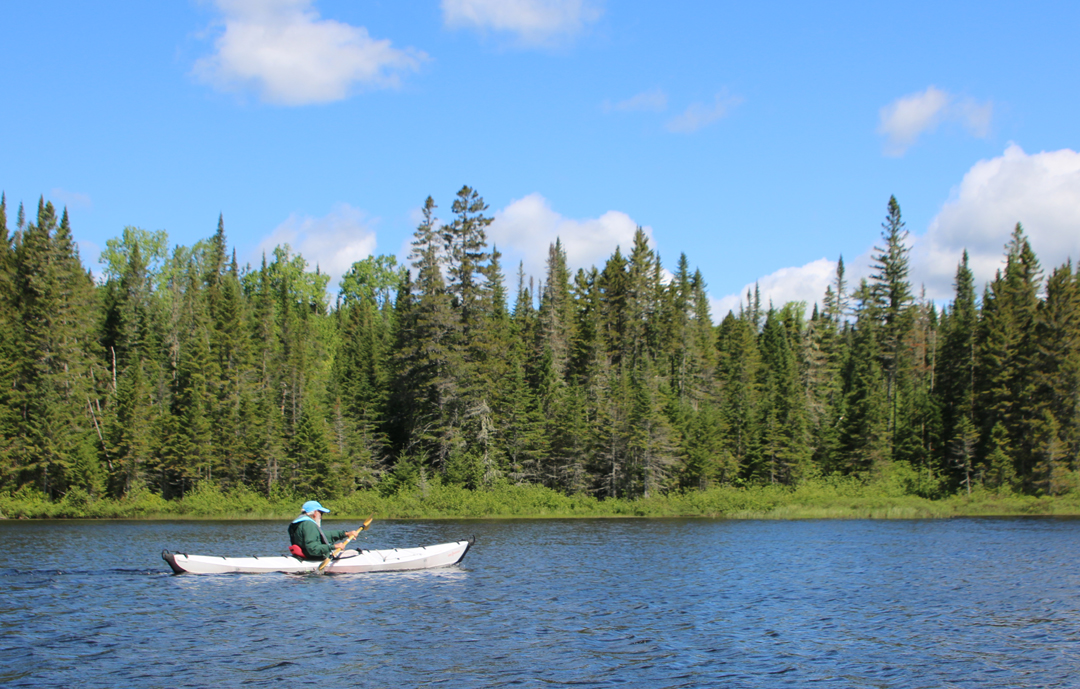
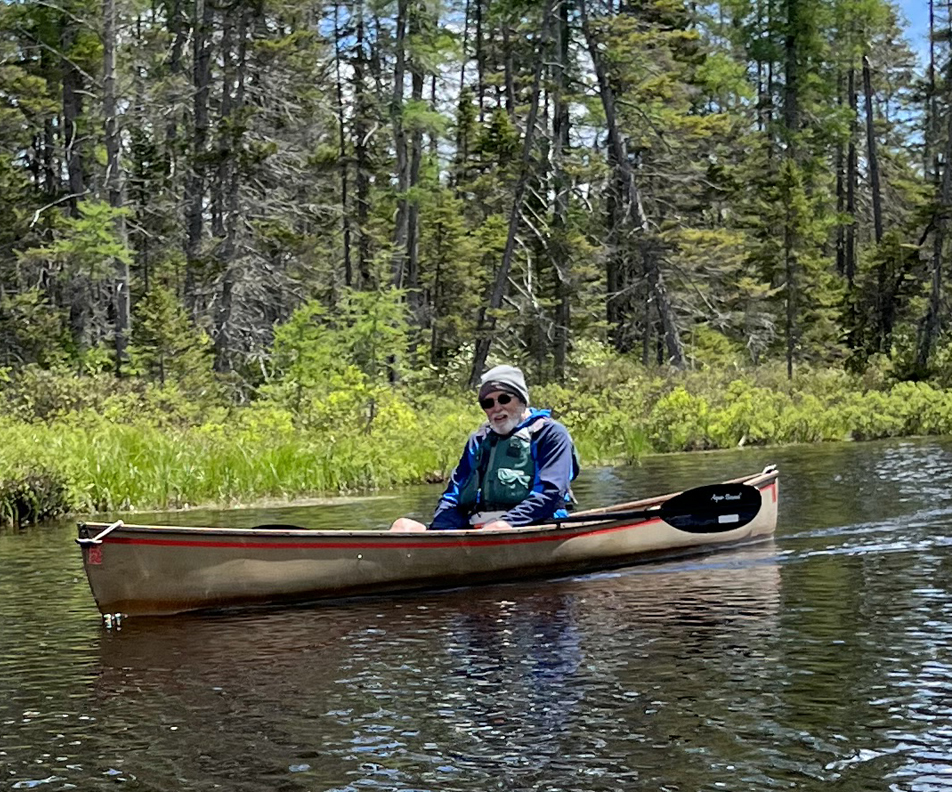
Leslie and I and a friend of his used Monday to paddle a couple small lakes up by the Canadian border; East Inlet, where I saw my moose way back in 2016, and nearby Scott Bog.
It was great seeing Leslie in his native habitat, revisiting East Inlet and meandering along delightful two-lane roads in rural Vermont and New Hampshire. And the ice cream stops were good too!
The Paddle
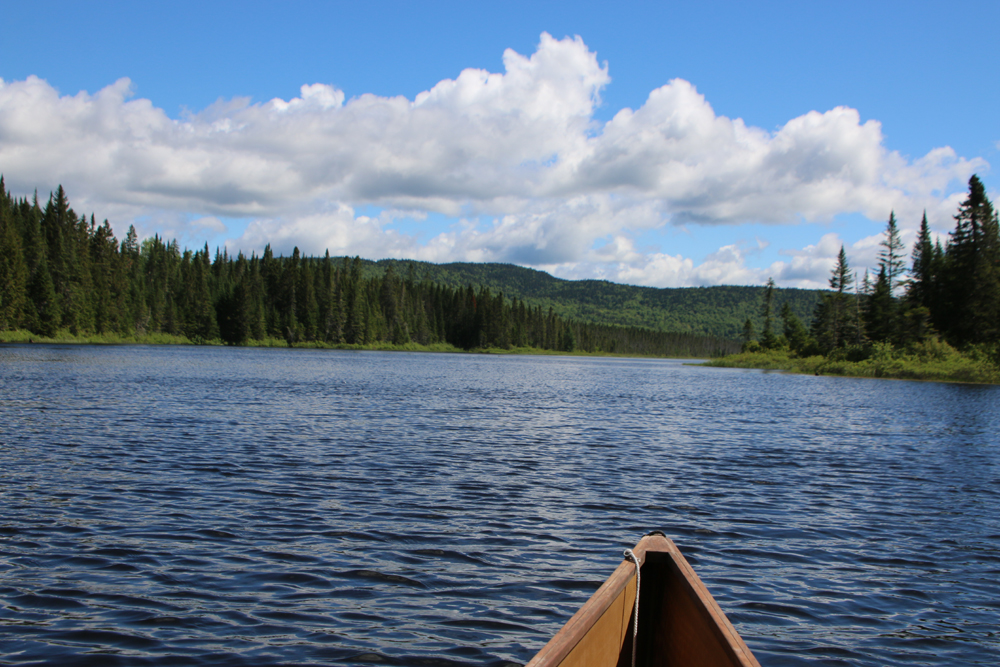
East Inlet and Scott Bog are a pair of small lakes in New Hampshire up near the Canadian border. They are both dammed up sections of small creeks that feed into the Connecticut River, which begins just 300 yards south of the border and runs 406 miles to Long Island Sound.
A messy boundary dispute in the early 1800s involving the source of the river resulted in formation of a little-known independent republic, the Republic of Indian Stream. It lasted just three years and covered an area now known as Pittsburg, NH.
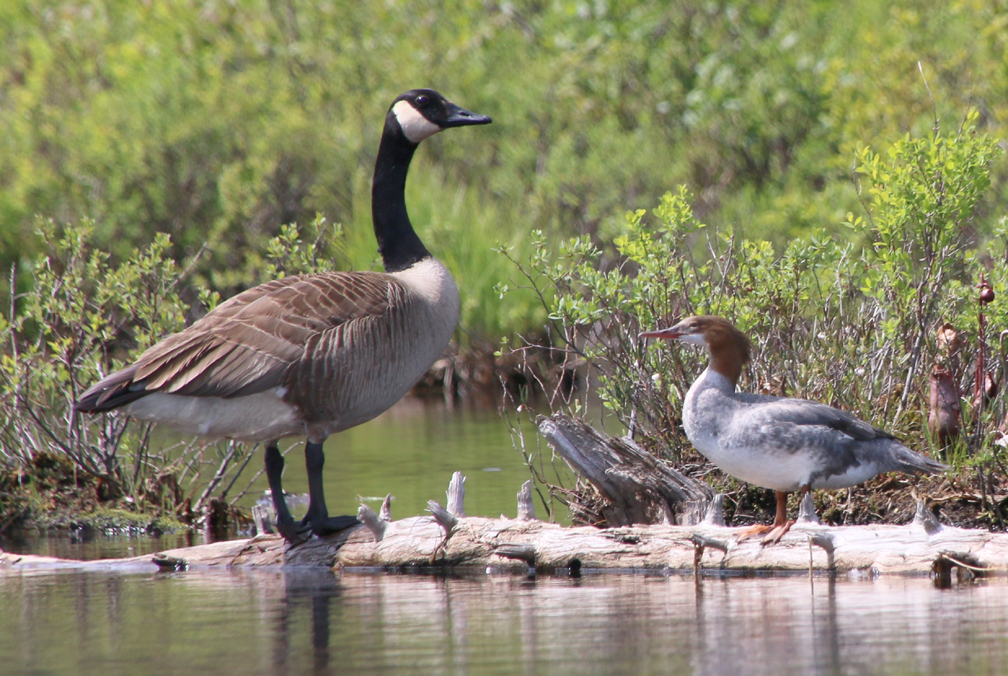
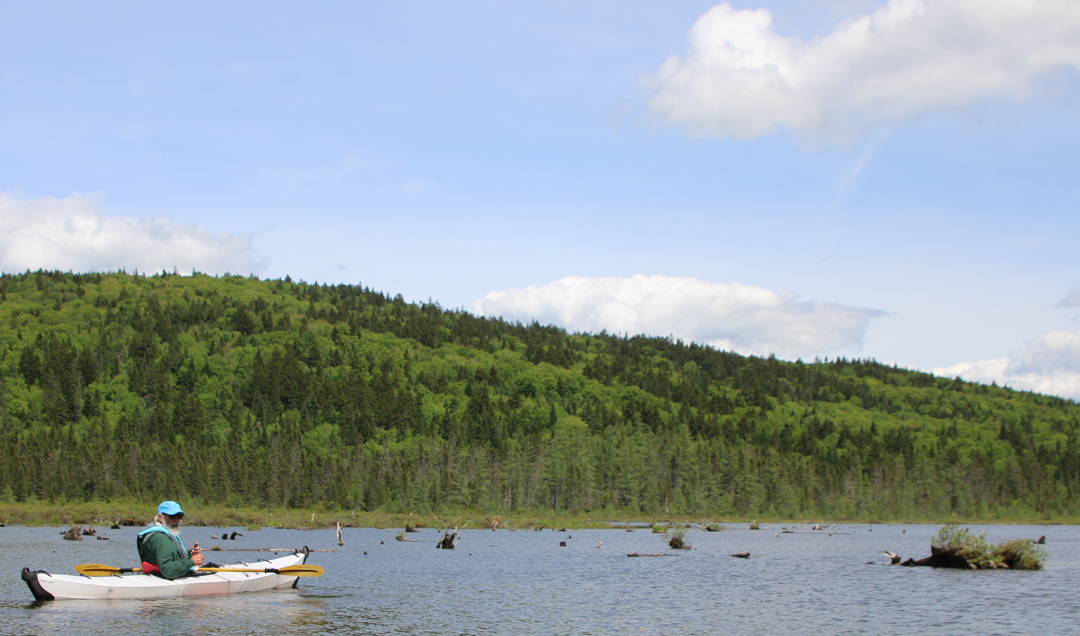
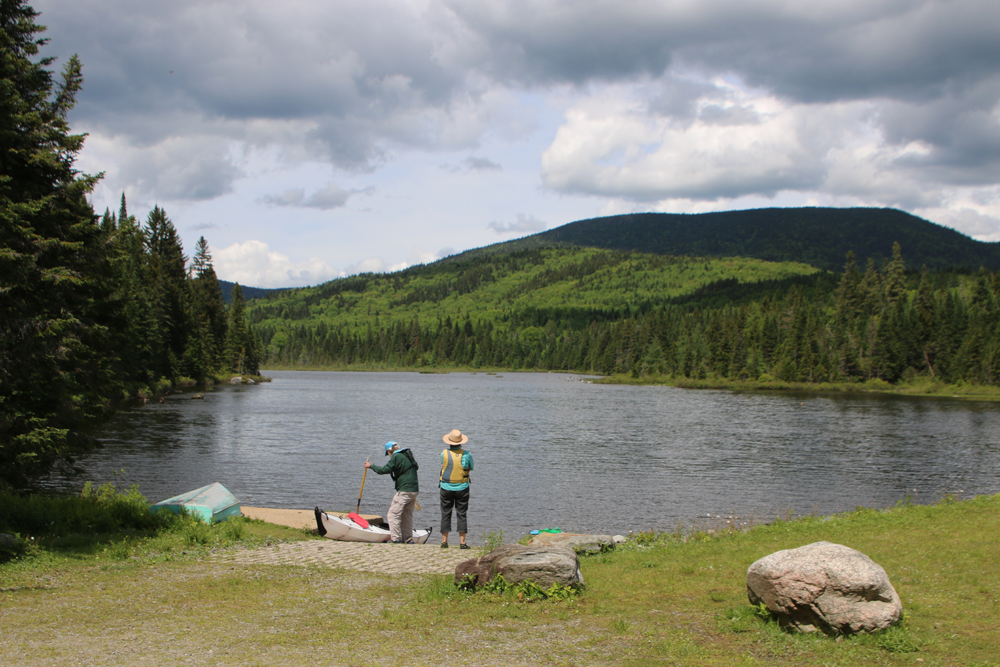
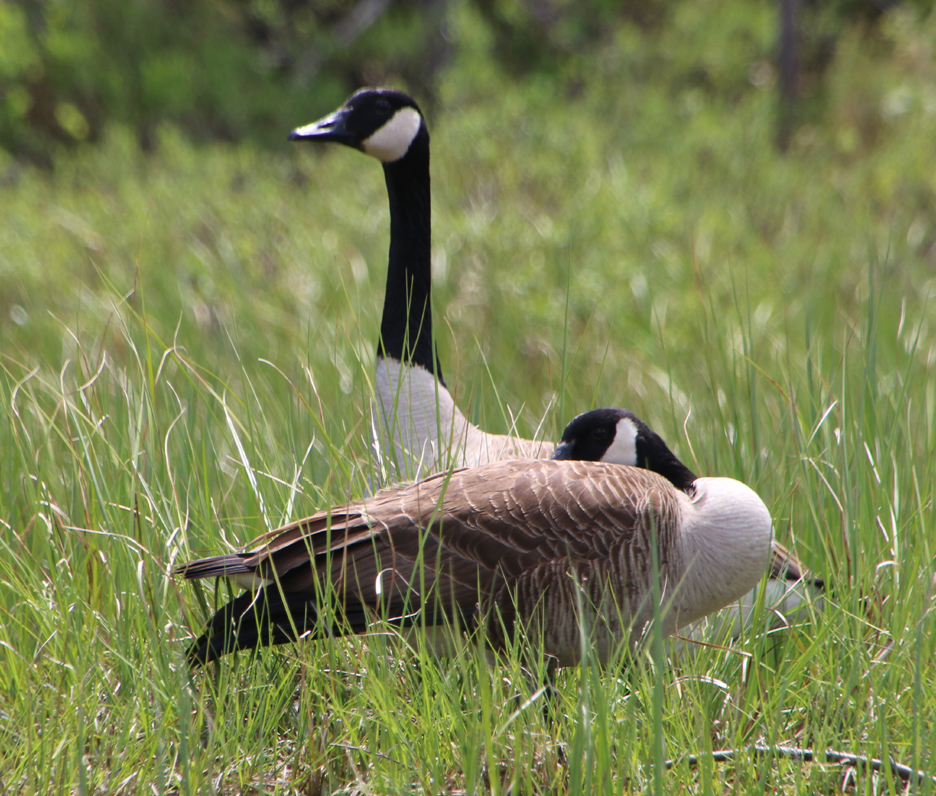
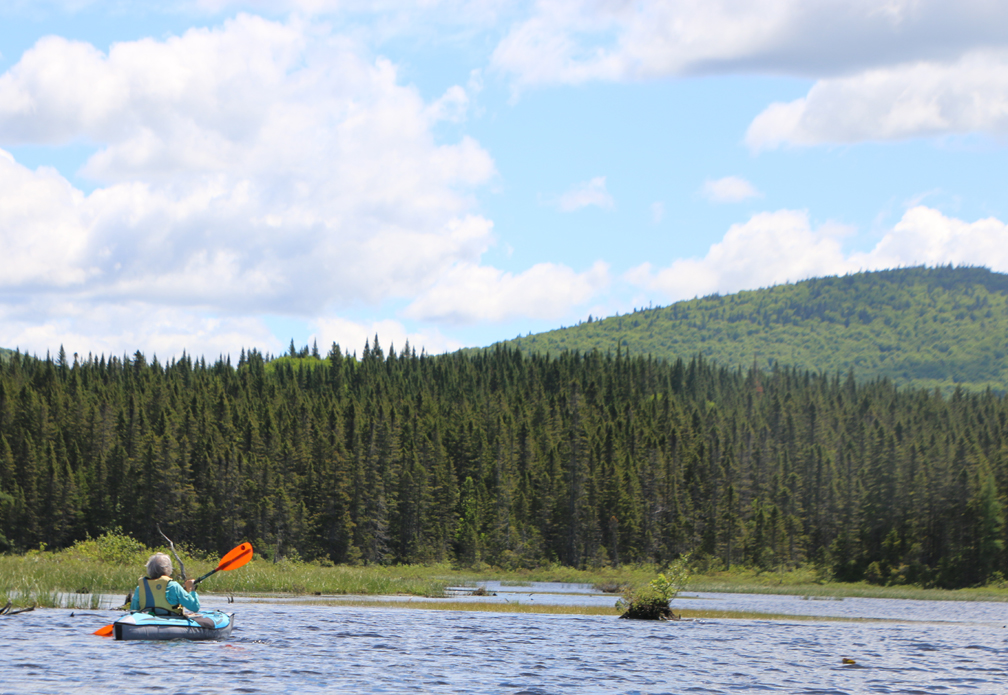
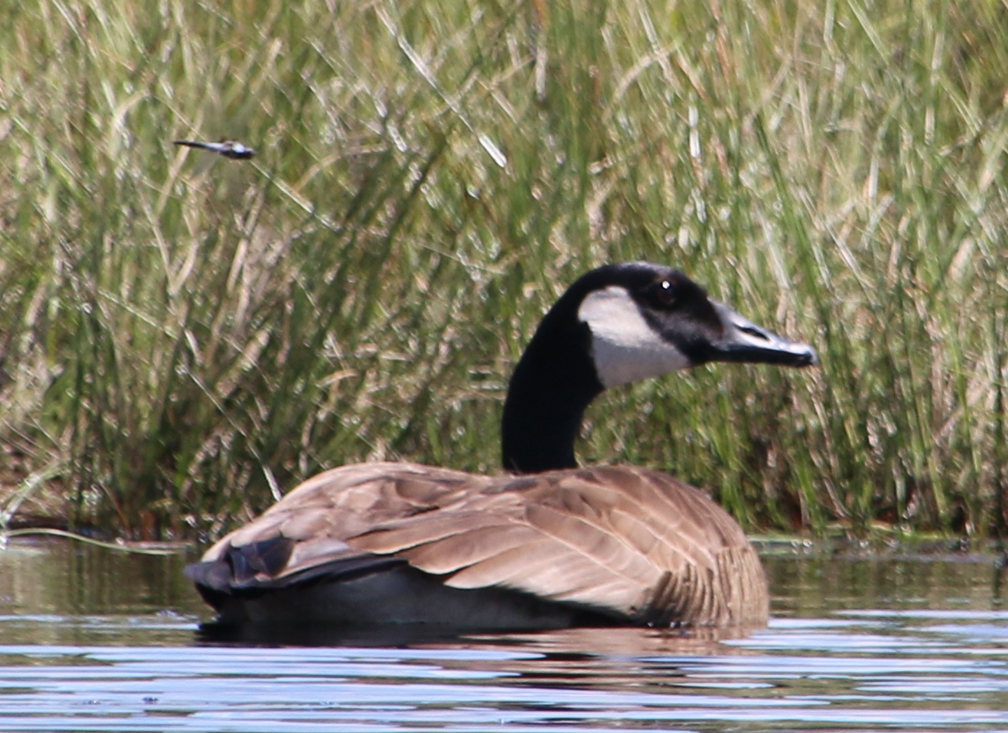
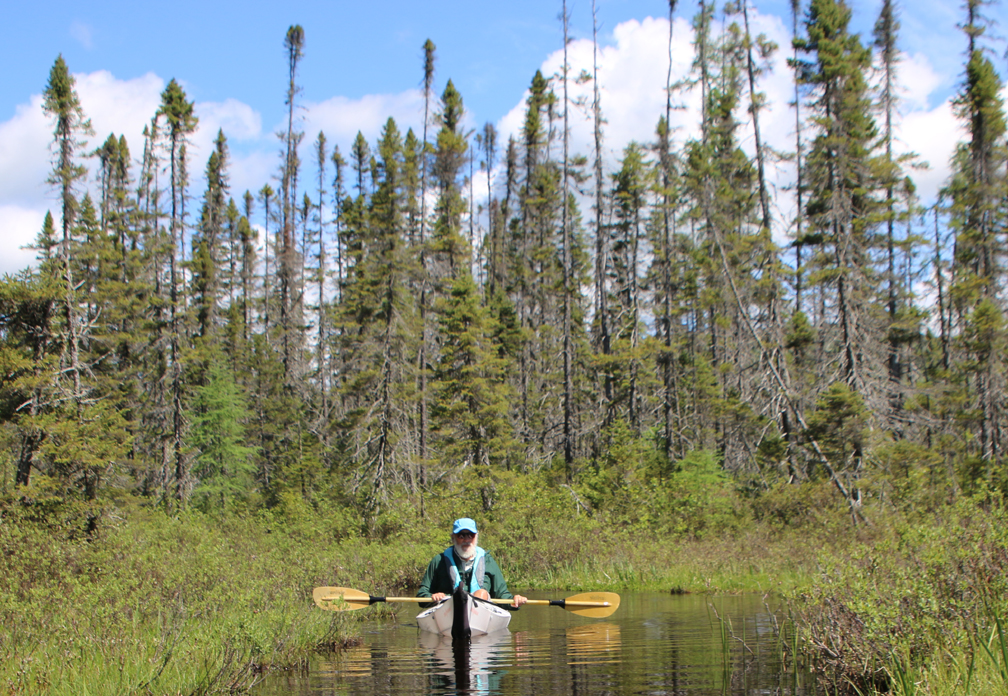
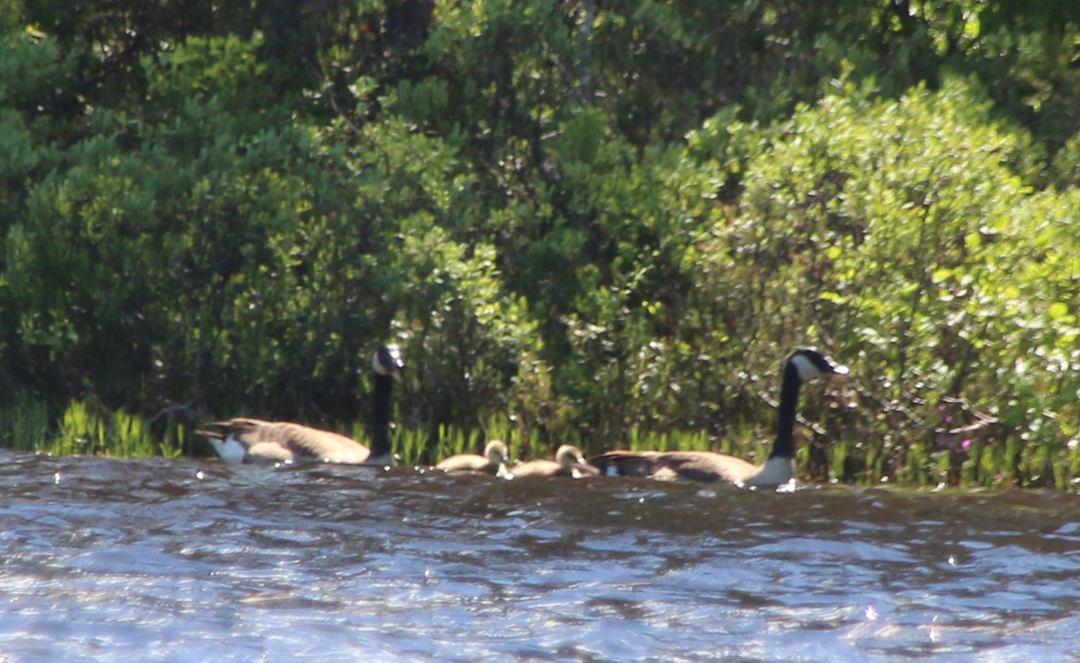
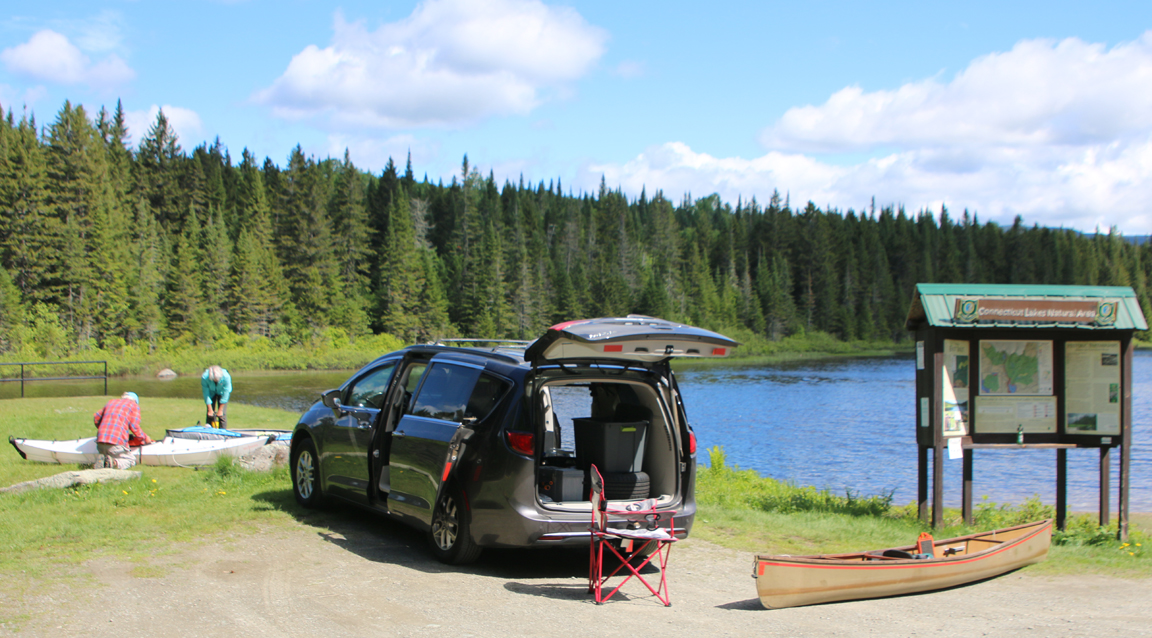
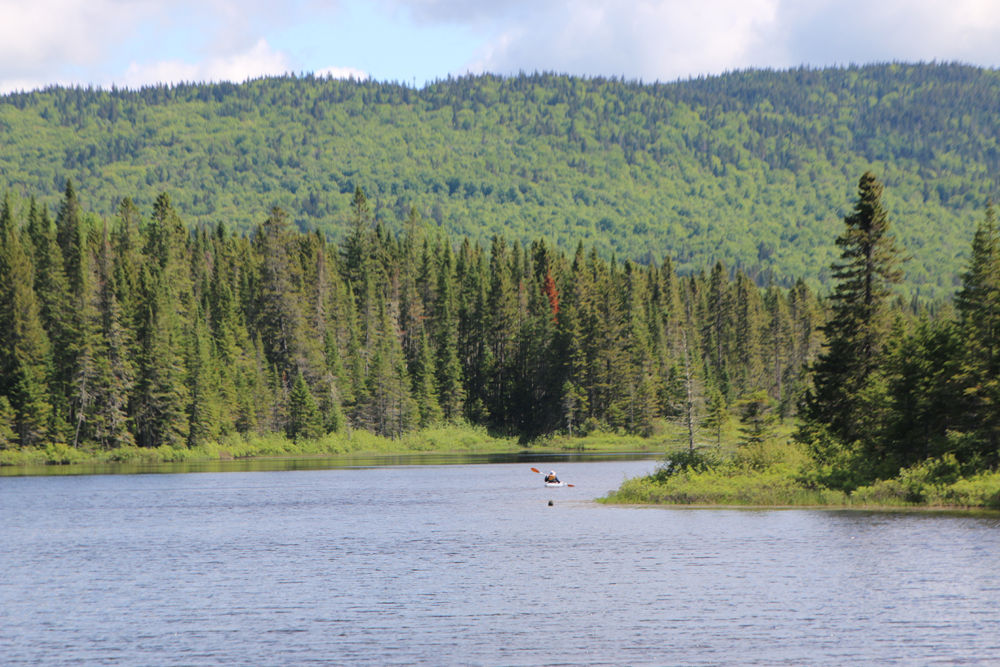
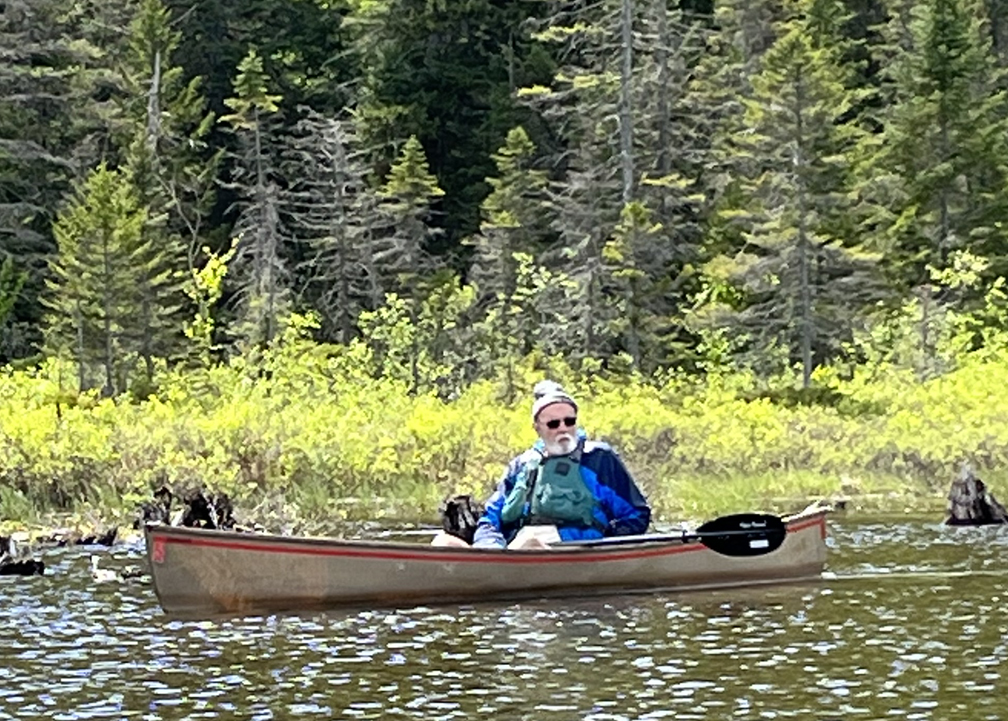
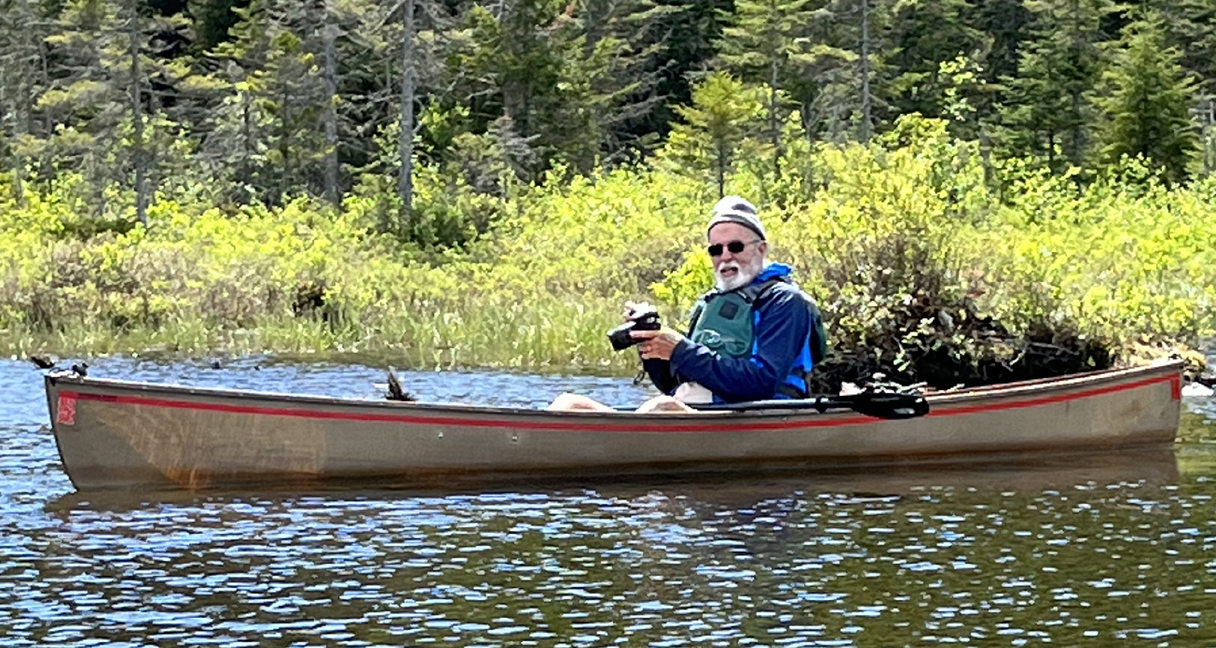
Here are some photos from our paddle day and a map of the area. Click on any image to see them all full size.



The Museum
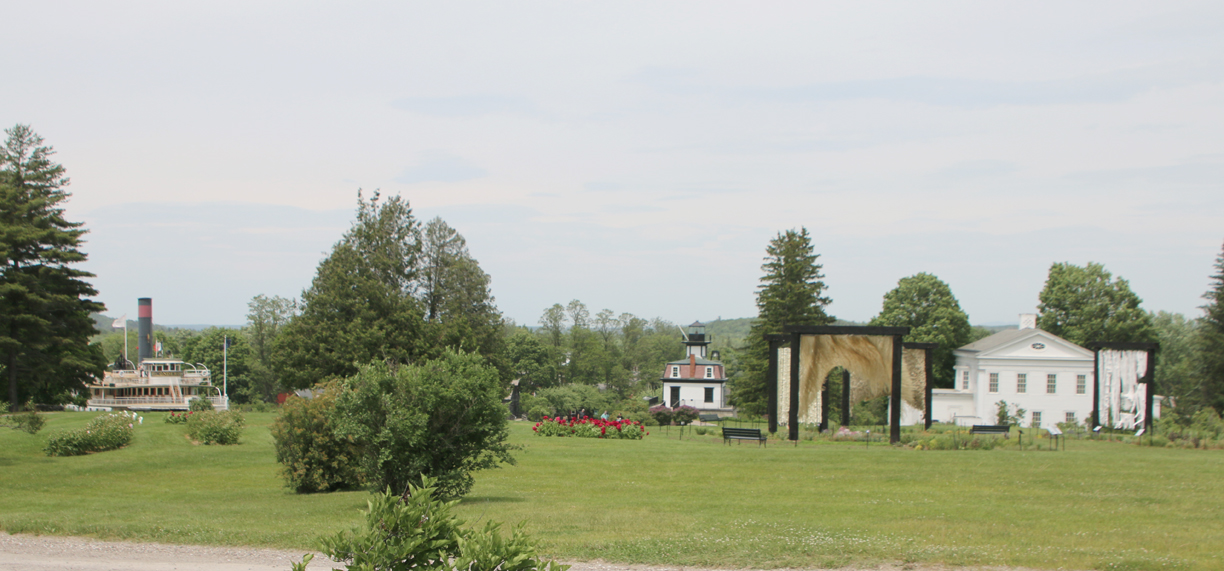
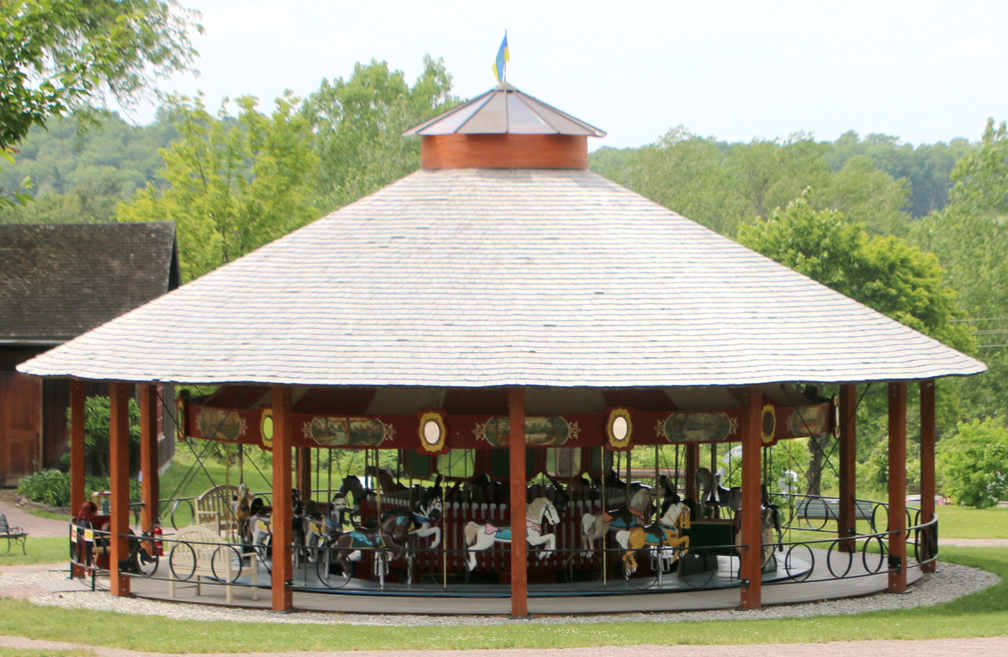
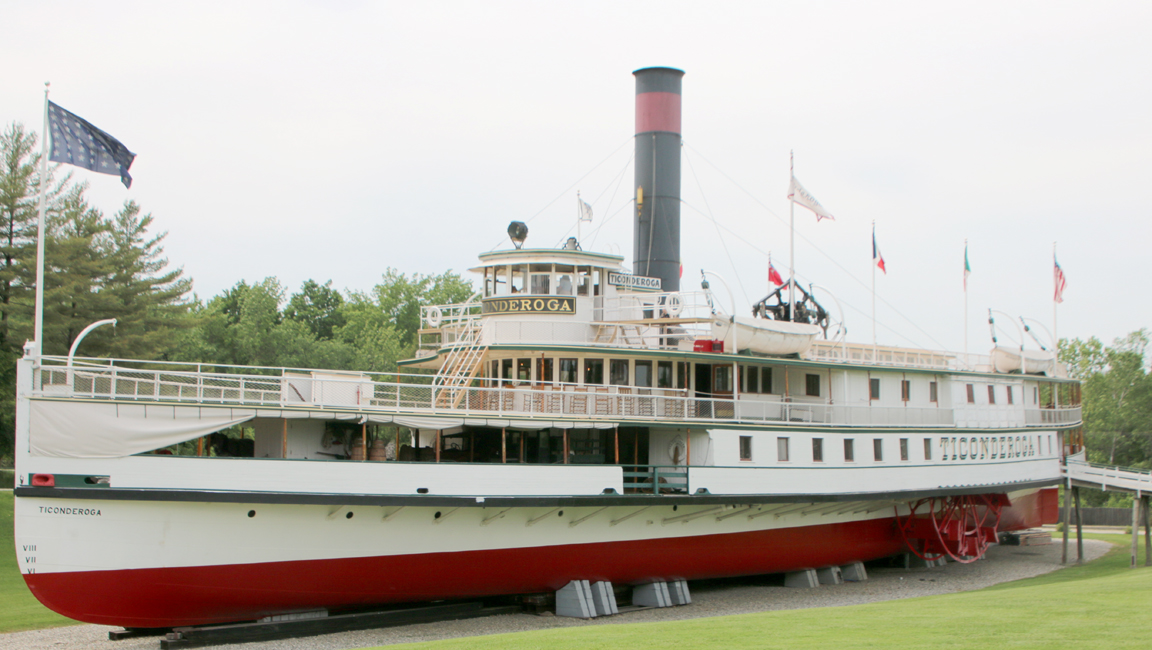
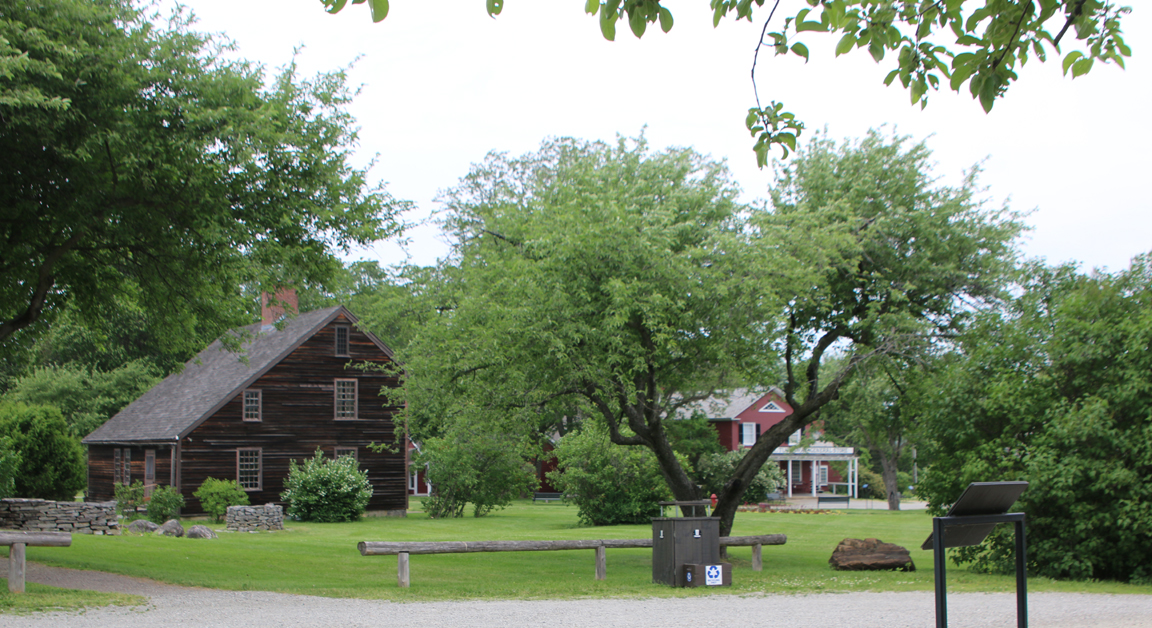
The eclectic Shelburne Museum in Shelburne, VT, is worth a stop. My photos don’t do it justice I’m afraid, and I did not tour the whole place. It’s a large, 45-acre campus and includes 39 exhibit buildings, 20 of them are 18th and 19 century structures of historical importance that were relocated to the museum from elsewhere in New England and New York.
Be prepared to walk and go on a nice day.
It was founded in 1947 by Electra Havemeyer Webb, a pioneering collector of American folk art. Impressionist paintings, folk art, quilts and textiles, decorative arts, furniture, American paintings, and an array of 17th- to 20th-century artifacts are on view.
Shelburne’s collections are exhibited in a village-like setting of historic New England architecture, accented by a landscape that includes over 400 lilacs, a circular formal garden, herb and heirloom vegetable gardens, and perennial gardens.
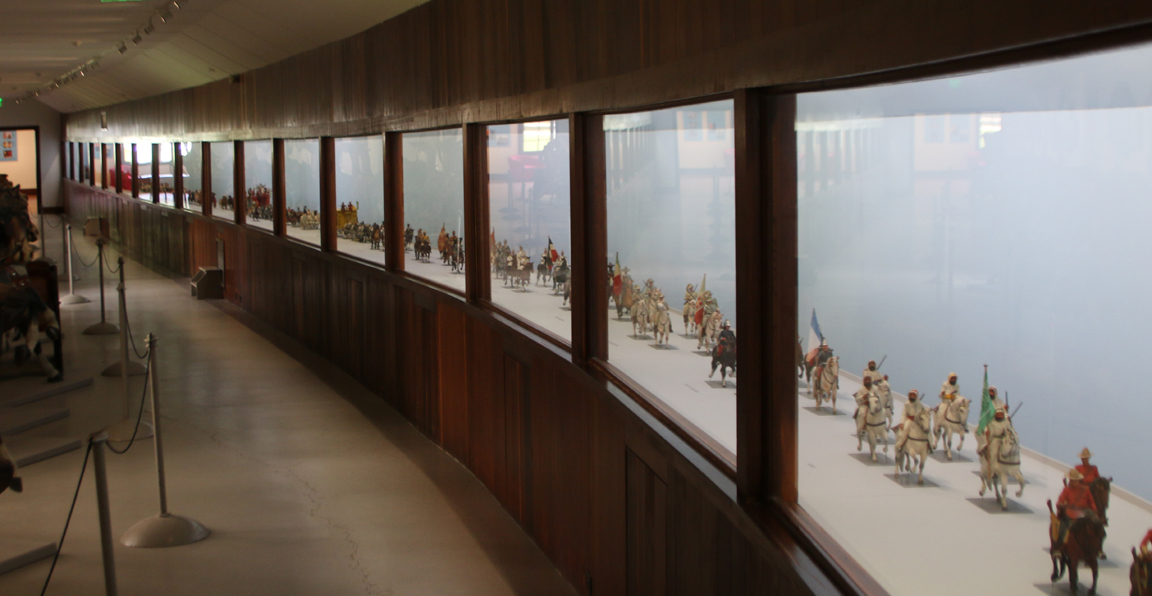
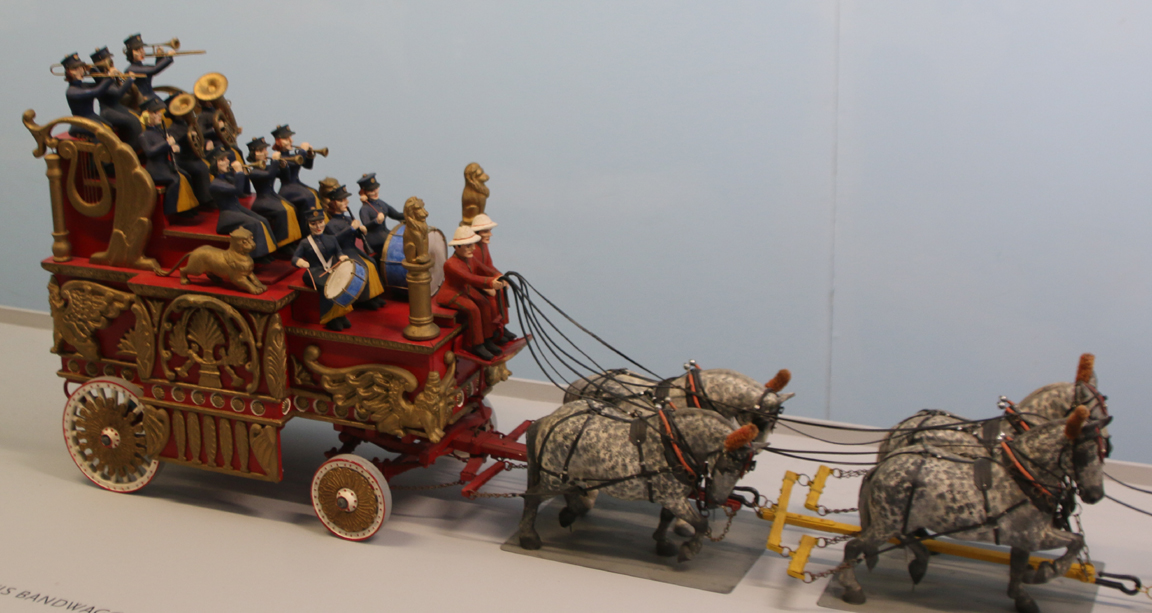
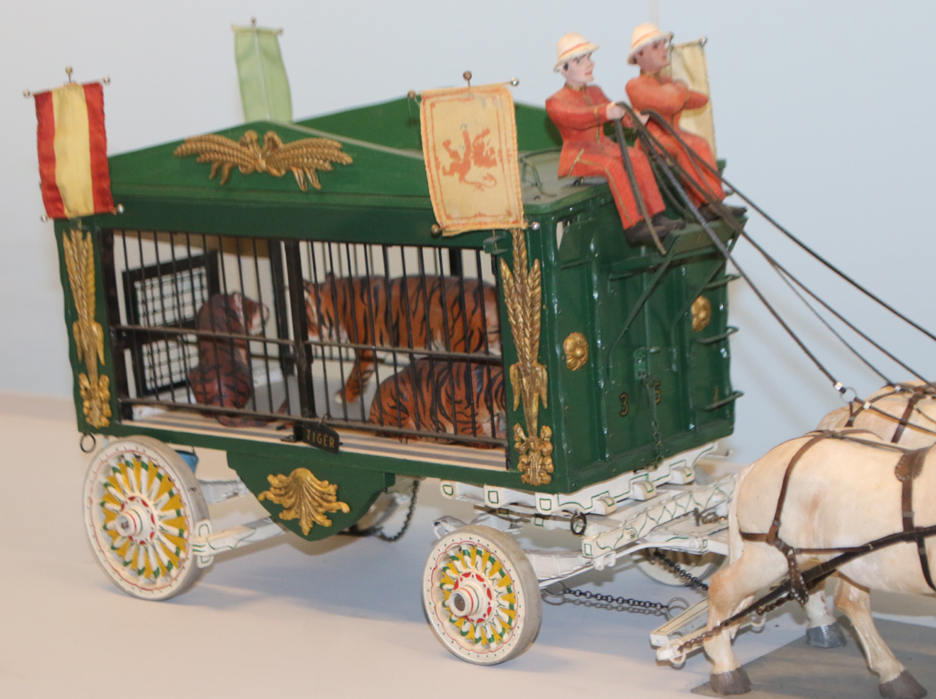
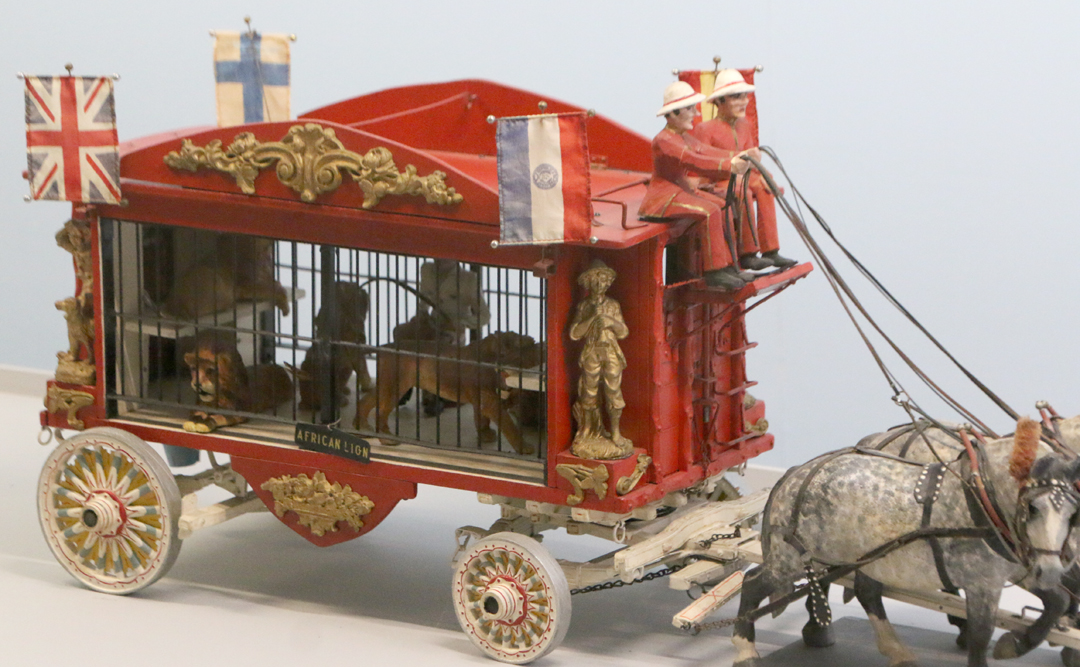
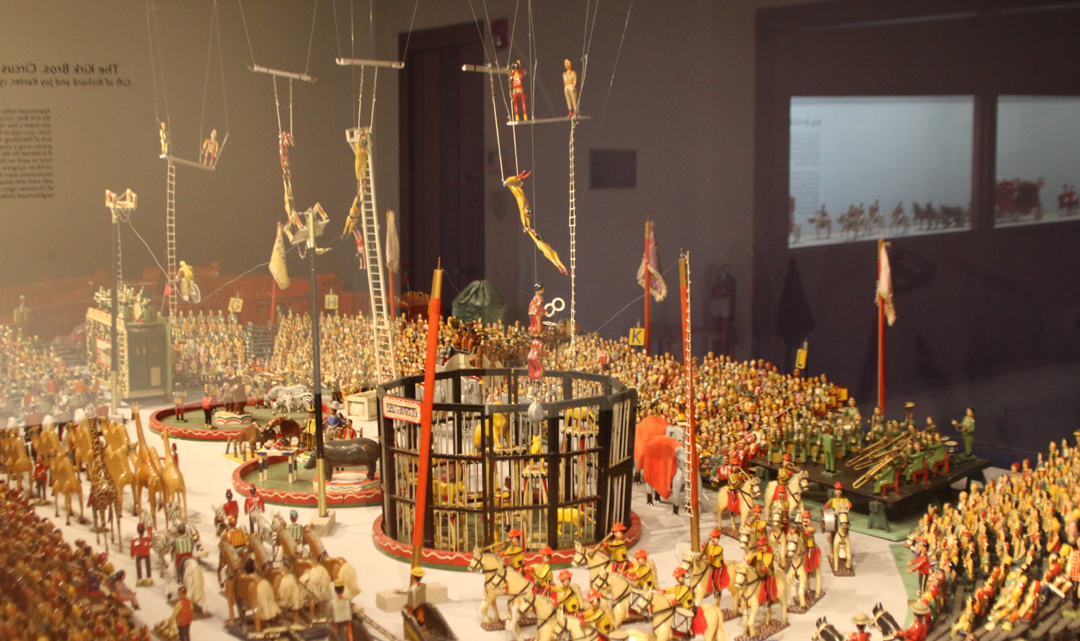
I perused the brochure at the entry building and decided to walk to the circus display and the toy museum and call it a day. The place has two hand-carved wood circus models. The Arnold Circus Parade was made between 1925 and 1955 and forms a parade more than 500 feet long, with 4,000 one-inch-to-one-foot scale figures, including clowns, acrobats, animals, and circus wagons. The Kirk Brothers Circus is a miniature three-ring circus, complete with an audience, comprised of more than 3,500 pieces. Edgar Kirk fashioned the figures over a period of forty years using only a treadle jigsaw and penknife.
I found the toy collection pretty uninteresting and to add insult to injury it was at the far end of the property. By the time I finished seeing it I was tired and ready to hit the road again, but it was a long uphill walk to the exit.
One highlight of the place, and visible from just about anywhere, is the Ticonderoga. This restored 220-foot steamboat is a National Historic Landmark and the last walking beam side-wheel passenger steamer in existence.
Built in Shelburne in 1906, it operated as a day boat on nearby Lake Champlain, serving ports along the New York and Vermont shores until 1953. In 1955, it was moved two miles overland from the lake to its present home.

The Gas Stations and a Couple of Oddities
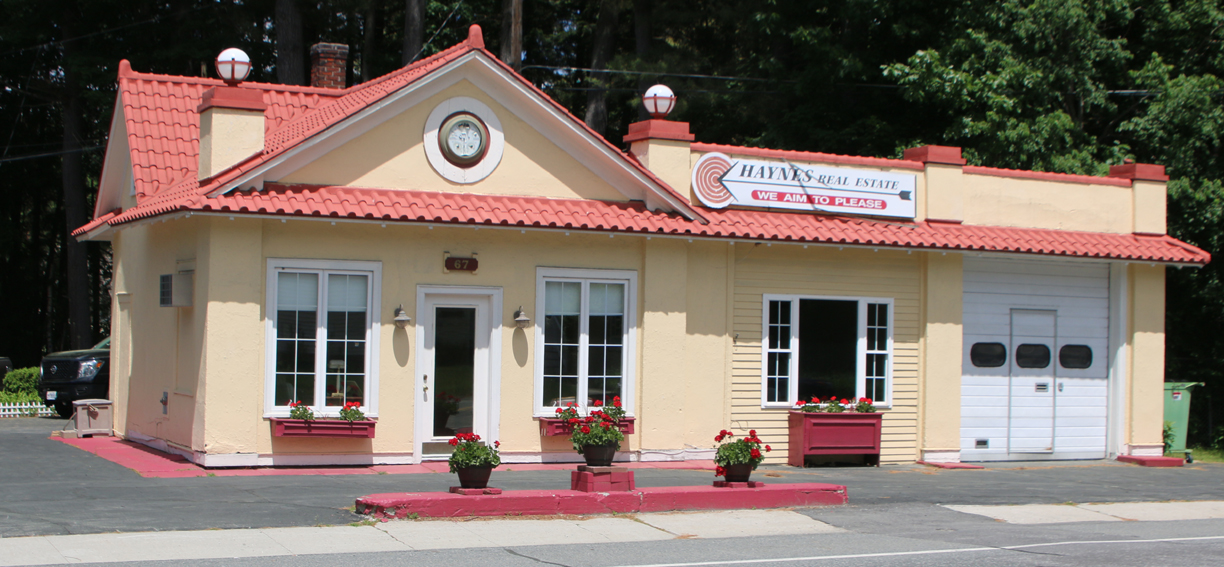
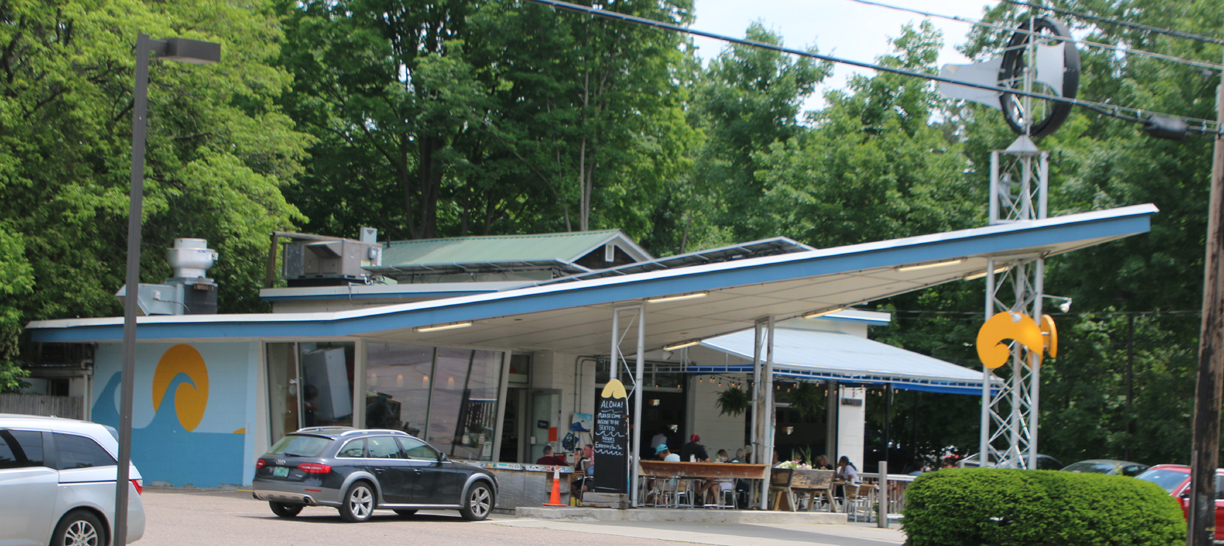
My meandering also took me past two classic recycled gas stations, one housing Haynes Real Estate in Claremont, NH, and another home of The Spot Restaurant in Burlington, VT. And yes, these photos are now part of my collection.
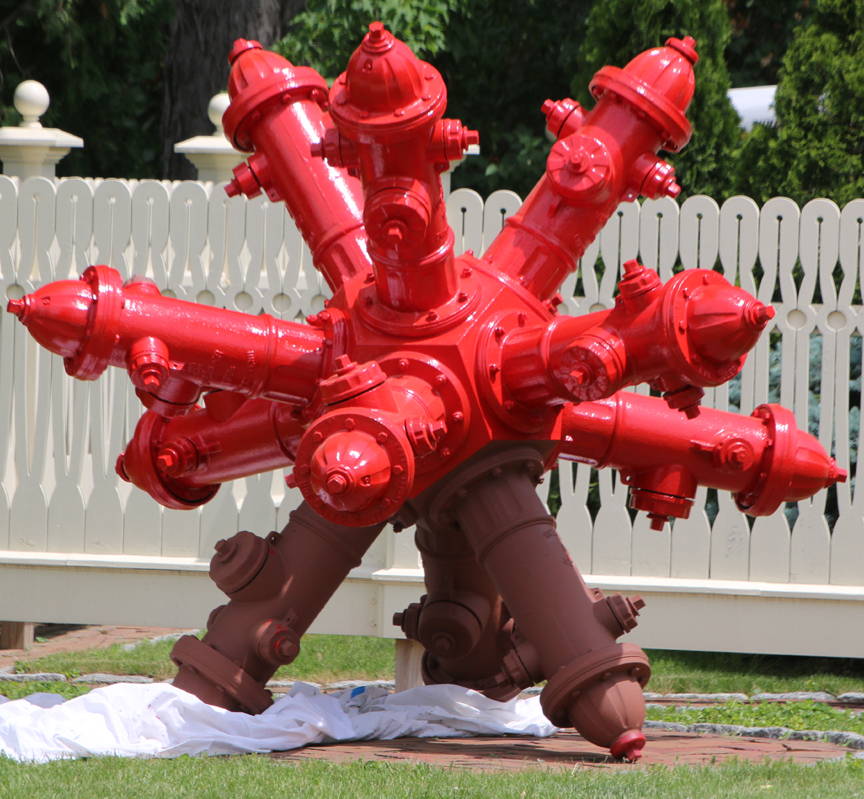
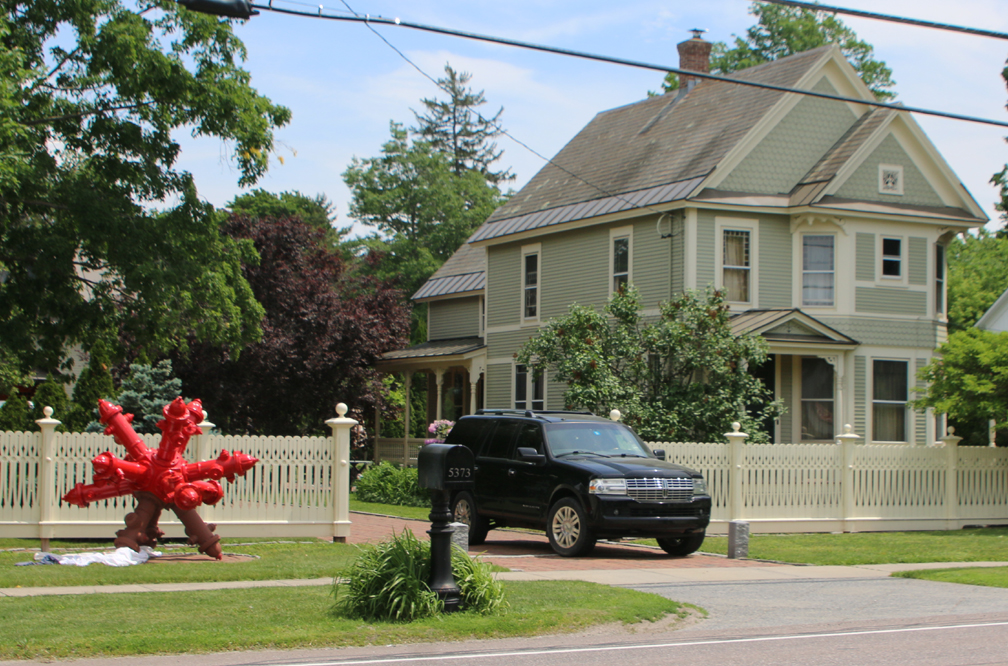
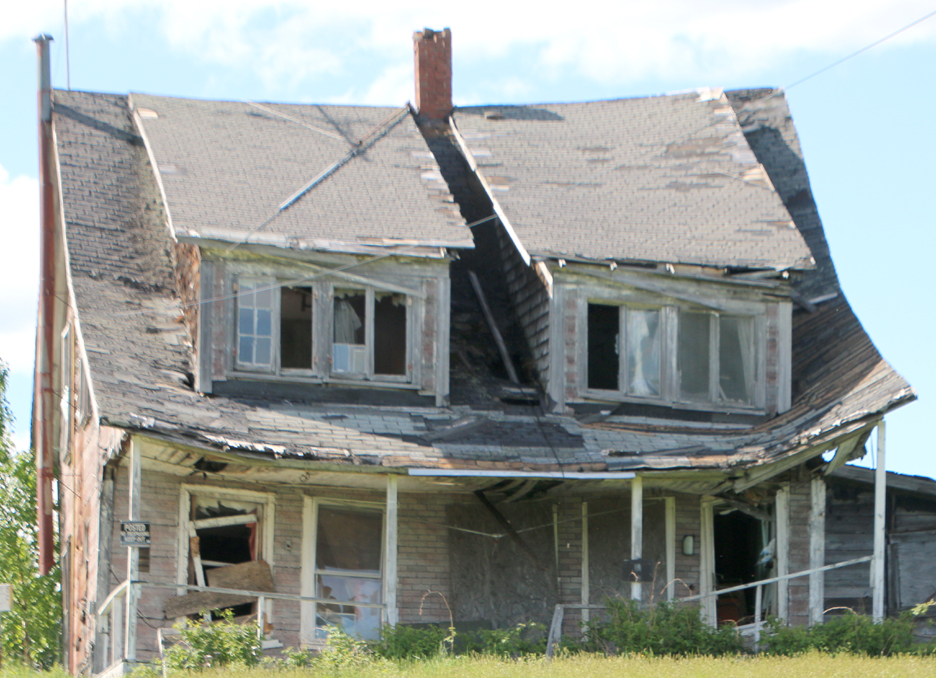
I also drove past the sad face of a dilapidated home in Pittsburg, NH, and a freshly-painted piece of yard art made of old fire hydrants in Shelburne, VT.
All in all a very nice trip. Everyone should get out of town once in a while.

I couldn’t pass by this yard art in Shelburne, Vermont, without a second look. A bunch of water hydrants on display.
I was a bit sad that I happened by before the owner finished up the paint job. It would have made the three legs pop out better. He was out there with paint and brush when I went by the first time, but when I returned, only the drop cloth was left.
I guess it works. The definition of Hydra, after all, is “a many-headed serpent or monster in Greek mythology that was slain by Hercules and each head of which when cut off was replaced by two others.”
And seeing it reminded me of my encounter years ago with a new model of fire hydrant.

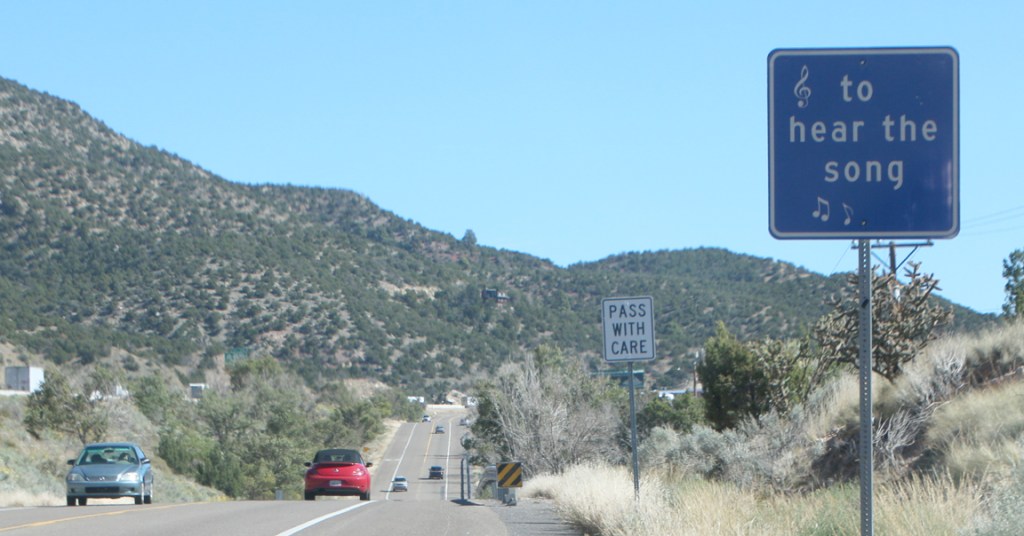
I was just moseying along on old, two-lane Route 66 east of Albuquerque, New Mexico, a few years ago and I encountered this sign.
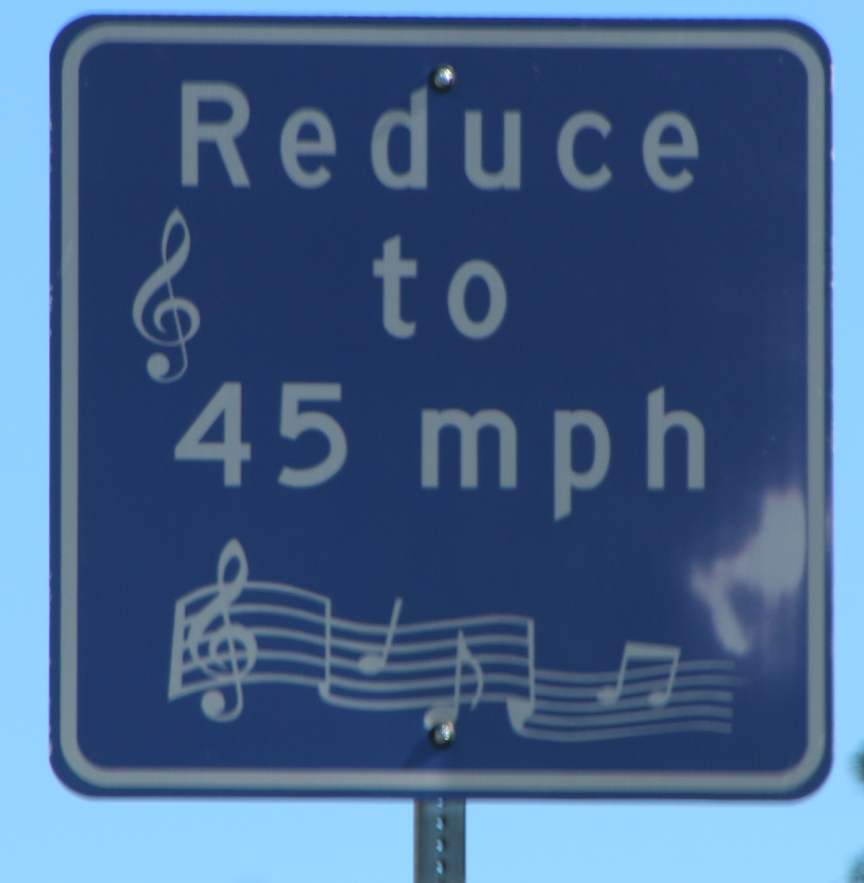
And then just past it, this one.
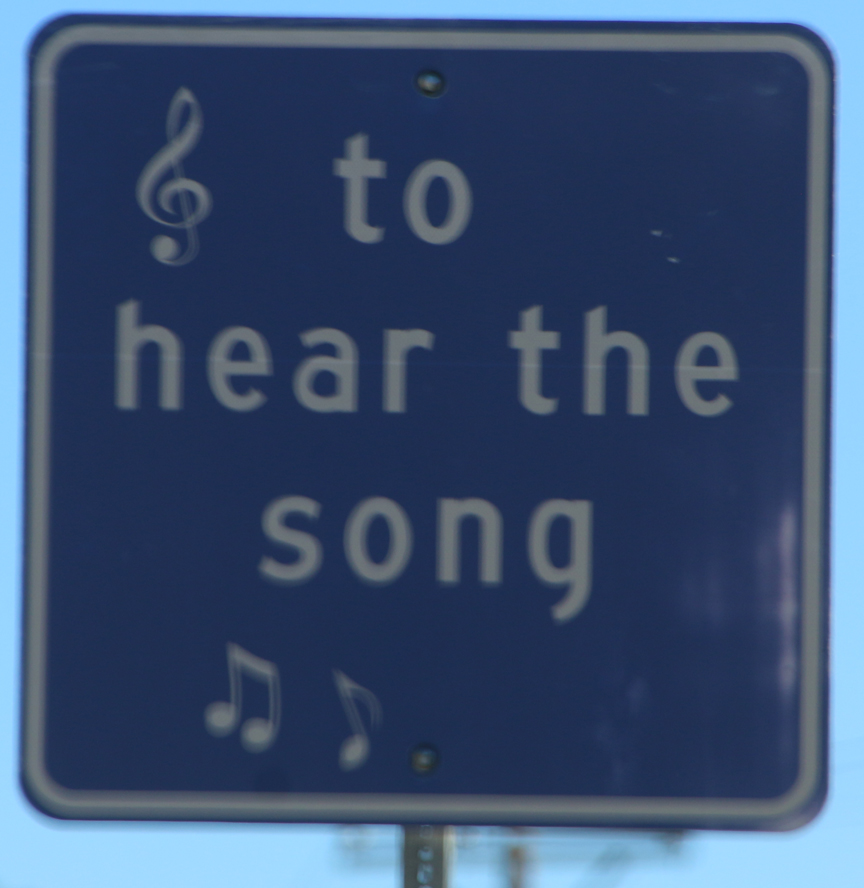
And then they were in my rearview mirror.
I took a u-turn.
On the way back I noticed some ridges in the pavement on that lane just past the signs and quickly realized what I had nearly missed.
A musical highway! So I did as the sign said. Drove a steady 45 mph with the right hand tires on the long strip of rough pavement, and my wheels drummed out the notes of the National Anthem!
Technical description: A musical road is a road, or section of a road, which when driven over causes a tactile vibration and audible rumbling that can be felt through the wheels and body of the vehicle. This rumbling is heard within the car as well as the surrounding area, in the form of a musical tune. Musical roads are known to currently exist in Denmark, Hungary, Japan, South Korea, the United States, China, Iran, Taiwan, and Indonesia.
And here’s how it all happens, in case want to know: Each note is produced by varying the spacing of strips in, or on, the road. For example, an E note requires a frequency of around 330 vibrations a second. Therefore strips 2.4 in apart will produce an E note in a vehicle travelling at 45 mph. (I lifted that straight from Wikipedia, and no, I do not understand it)
The first known musical road, appropriately called the Asphaltophone, was created in 1995 in Denmark.
Unfortunately, the musical stretch I encountered in tiny Tijeras, New Mexico, back in 2018 is silent now. Funded by the National Geographic Society and coordinated by the state department of transportation as an effort to get folks to slow down, it was not maintained well. Over the years, the ridges wore down or were paved over and the signs have been removed.
But it lives on. Here’s the YouTube link.
PS. The one remaining musical road in the US that I am aware of is on South Donahue Drive in Auburn, Alabama, and plays “War Eagle,” the fight song of the Tigers of Auburn University.

I love a person, it's people I can't stand
History, Travel, Sports, Art, and Nonsense
Improvise, Adapt, Overcome ... and never ever give up.
Traveling one day at a time
Mississippi River - Source to Sea - Solo … but never alone.
Horses & Other Interests
Hear it straight from a self published author: A new post every Saturday!
Family, Running, Paddling, Life
...and where it's taken me.
...and where it's taken me.
Fitness, Adventure and Art on the High Seas!
...and where it's taken me.
...and where it's taken me.
Notes, thoughts, excerpts
. . . at least from where I'm standing.
News for those who served with the Peace Corps in Eritrea and Ethiopia.
A little red pen goes a long way.
News, Tips & Website Tutorials

