Blame it on the reporter

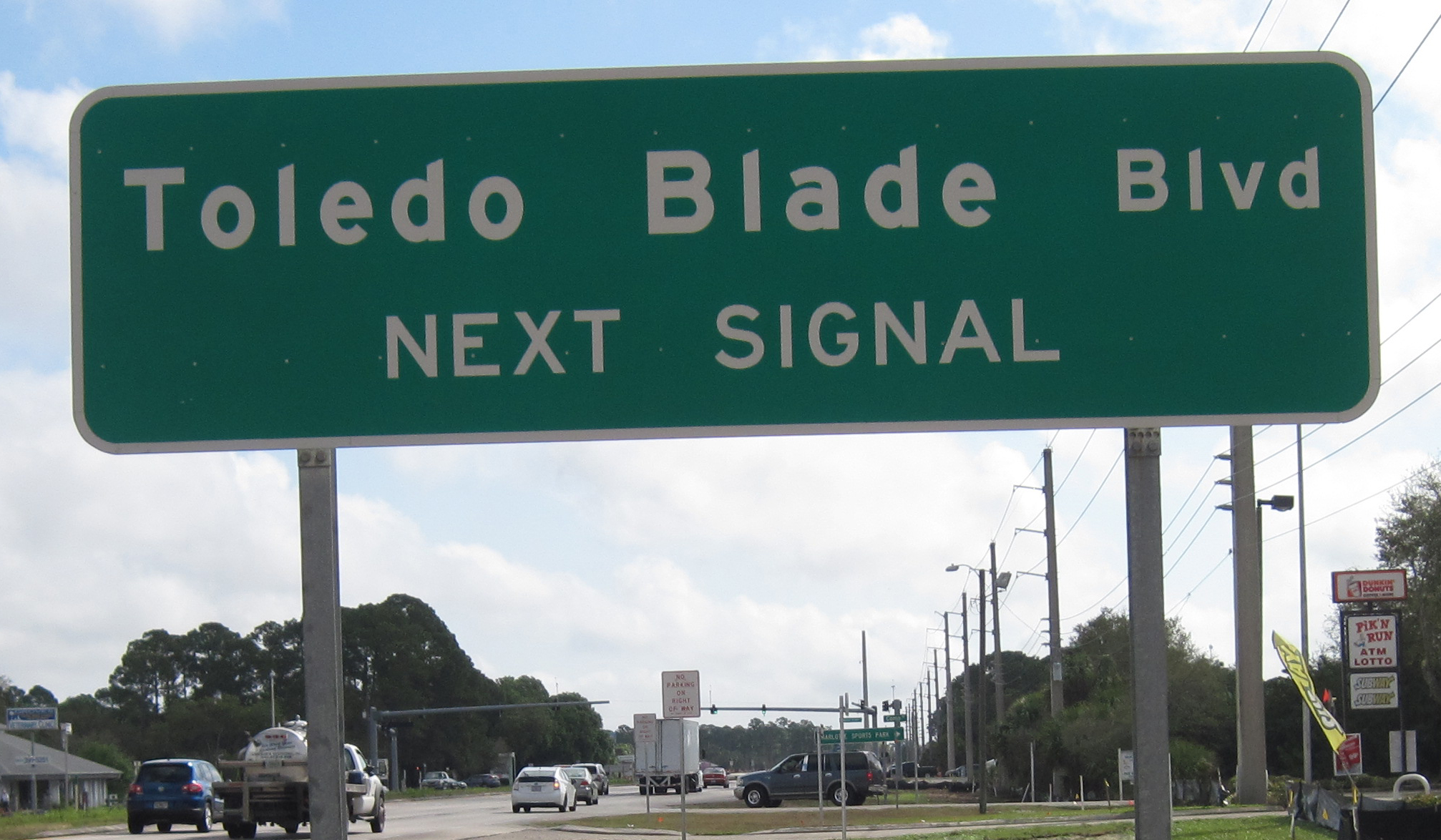
This sign caught my eye the other day as I drove along Tamiami Trail (US 41) through the greater Port Charlotte metro area over on the west side of Florida.IMG_1360cI spent my career dealing with professional photographers all over the world so I knew the Blade was the daily paper in Toledo, Ohio, and not a sharpened piece of metal in the town of Toledo, Spain. (Digging even deeper, I can also recall that the Blade was one of the hundreds of papers in the Midwest I sent resumes to in my tough journalism job hunt in the early 1970’s)
And I knew the west coast of Florida has been heavily settled by retires from the Midwest (as opposed to the east coast of the state, where the migrating population comes traditionally from the Northeast.) So an Ohio impact on the nomenclature wasn’t surprising.

I was curious, though, about how it happened. Following my motto of Why Do My Own Research When I Can Find Someone Who’s Already Done It, I tripped over one account of it all by editorial writer Lindsey Williams.

One has to delve into ancient Florida history. Go back all the way to the 1950’s. That was when swampy land was being gobbled up, drained, surveyed and divided into small lots all over the state to sell to Northerners. A company called General Development Corporation was in full charge of tens of thousands of acres of prime real estate along Tamiami Trail on Florida’s west coast, and they touted lots for sale heavily in Midwestern newspapers, with the Toledo Blade getting the lion’s share of the advertising dollars. (Explains the heavy influx of Ohioans into that area of the state)

At the same time, all those streets being plotted out needed names. ‘Easy Street’ was taken quickly of course (I saw that sign too, but traffic was too heavy for me to stop for a photo). As all the likely candidates (think plants, animals, places, etc) were being used and the need for more names continued, General Development encouraged its employees to make suggestions.

One man, Thomas A. Ferris, who was an executive of one of the companies General Development used to be and who went on to become a General Development director, pushed hard for the name Toledo Blade for a long winding street that ran through two counties. He had also lobbied earlier for the company to spend a lot of advertising money with the Blade.

And Toledo Blade Boulevard came into being. Who was Tomas A. Ferris and why the newspaper connection? Well, at one point in his life he was a reporter for the Toledo Blade.  The Lindsey Williams account of all this has him beginning his “successful career” there at the paper.

But, as with all tales involving reporters, there is an unvarnished version. This one was penned by Associated Press writer Ben Funk and appeared in the February 15, 1959, issue of The Miami News under the headline, “Publicist Preys on Vanity.”

In this account, Ferris started his career as a hand on seagoing freighters and then moved on to the Newark Ledger, Toledo Blade and the Associated Press, before hooking up with a publicity firm in Miami Beach. He soon opened his own firm, made enough to retire, lost his money in lousy investments, bounced back, then fell again, ended up jobless in Pompano Beach, FL, drove a cement truck for a while and then landed a job at a small development company called Mackle Brothers in Miami. Sounds like a reporter to me.

Mackle Brothers grew fast and became General Development Corporation, and Ferris’s publicity skills blossomed, according to Funk in the Miami News article. In it, he describes Ferris as a publicity genius ‘whose wise counsel can be worth millions to his employer.’

He says Ferris came up with a scheme to send letters to newspaper publishers, editors, columnists and reporters, advising them that a street in Port Charlotte was going to be named after them.

Soon there was a rash of stories in papers all over the country praising Port Charlotte. As one editor explained: “If you think I am going to say that a street named after me is not in a desirable place, you’re crazy.”

As Funk put it: “It was the kind of publicity windfall every business concern dreams about but rarely gets—unless it happens to have a public relations man with the ingenuity and know-how of one Thomas Addis Ferris.”

Well done Mr. Ferris.

Posted in Offbeat, Road trip, Signs | 8 Comments

It’s no fun being a plastic duck…

…Other birds just walk all over you.

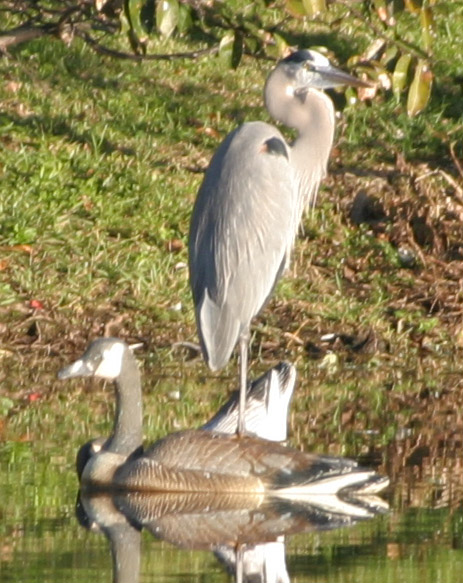
Anchored in place to mark the presence of an irrigation pipe, this plastic duck makes a good perch for his living counterparts on Lake Osborne near Lantana Road.

IMG_6135c IMG_6120c

Posted in Nature, Offbeat, Photos mostly | 1 Comment

Lunch anyone?

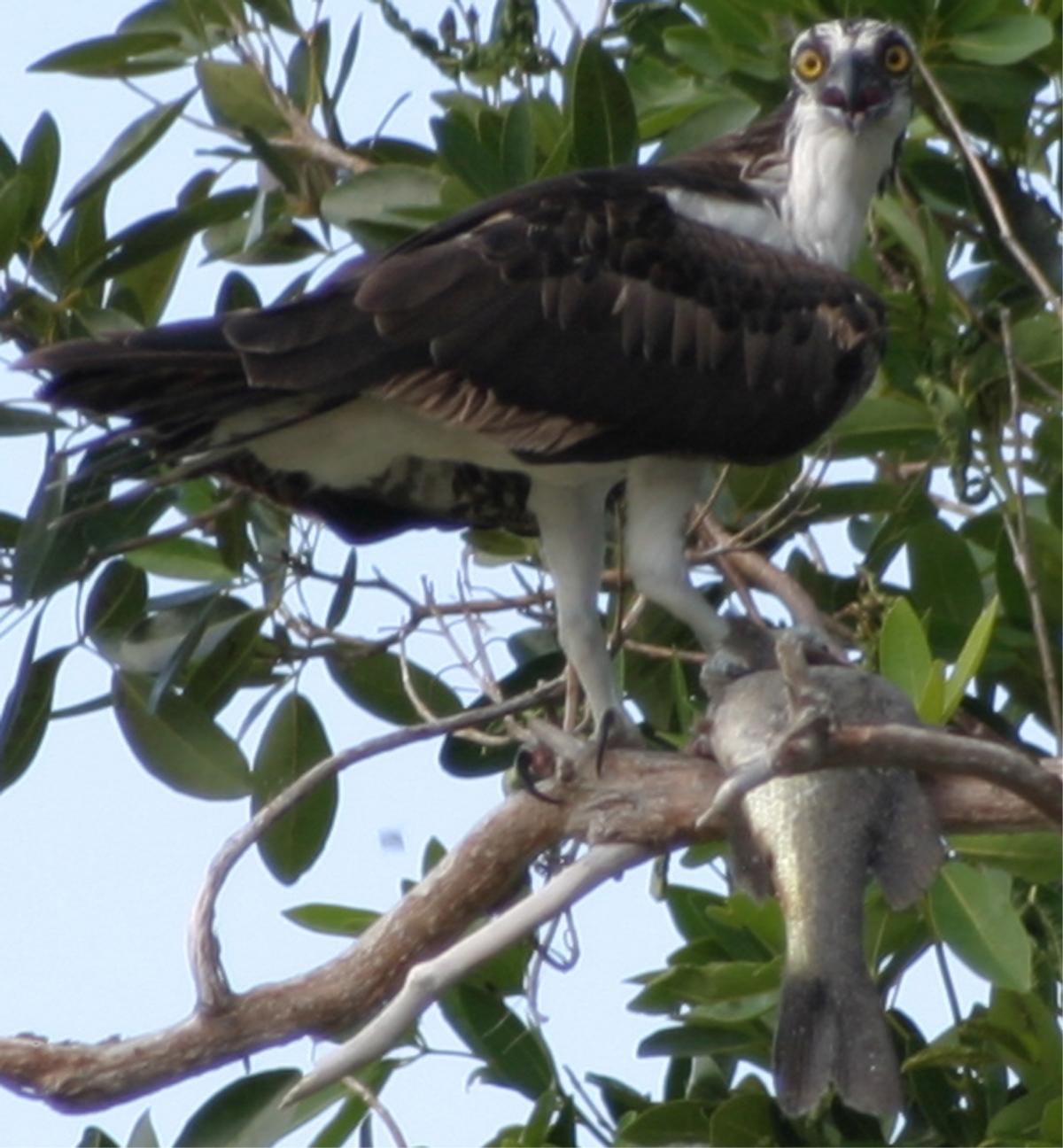
This Osprey was kind enough to pose for me today near Munyon Island at MacArthur Beach State Park in North Palm Beach, FL.

IMG_5824cc

Apparently this is a pretty common osprey ‘pose,’ as evidenced by the photo below, taken in my backyard in 2005:115_1543crop

Posted in Nature, Photos mostly | 3 Comments

They’re back!

The south Florida population of iguanas is rebounding robustly from a major Mother Nature push back at the turn of the decade. Cold spells in 2008 and 2010 killed off a lot of them and for several years I hardly saw any (Go here and here to see video of cold-zapped iguanas falling out of trees).

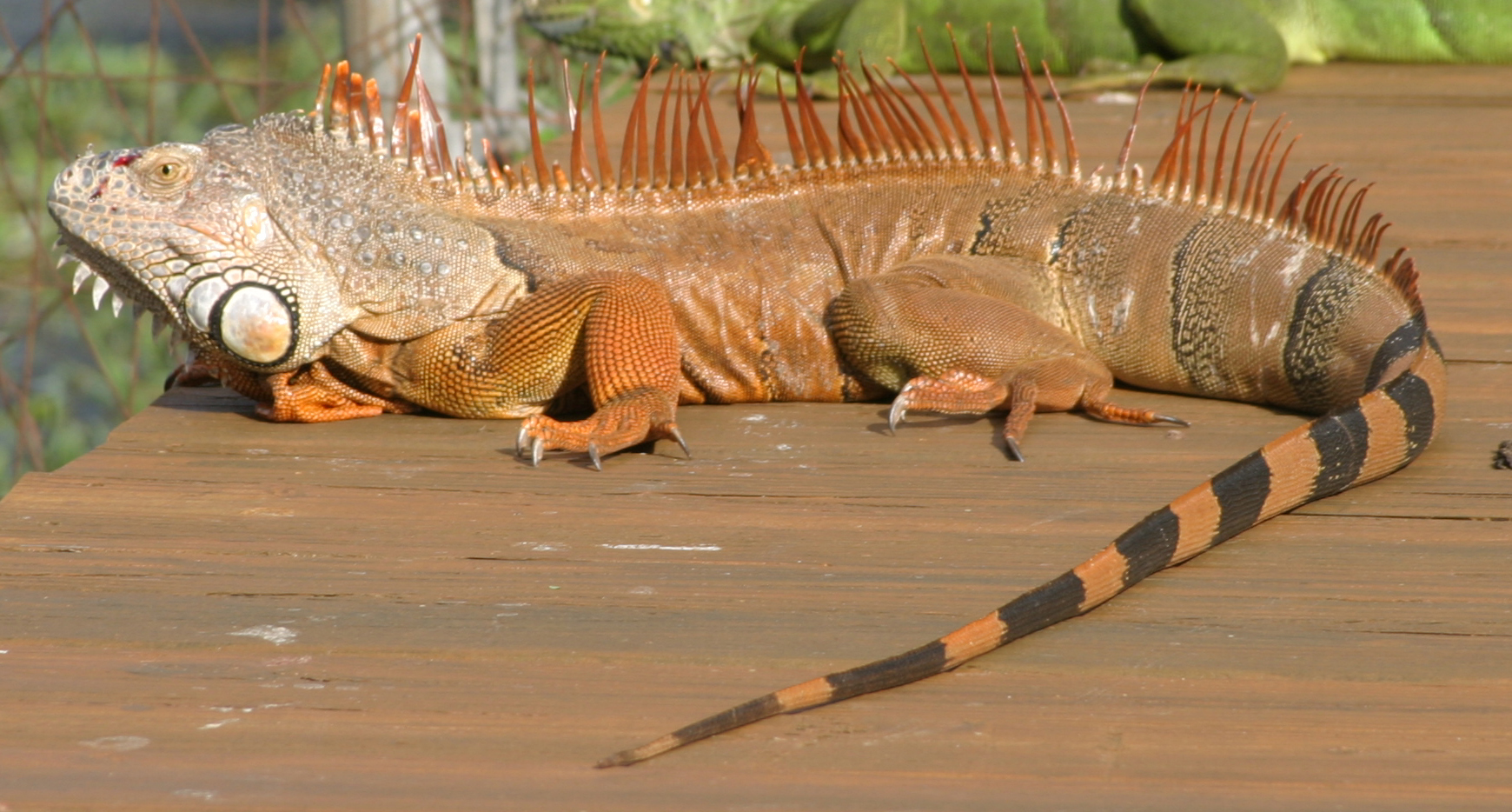
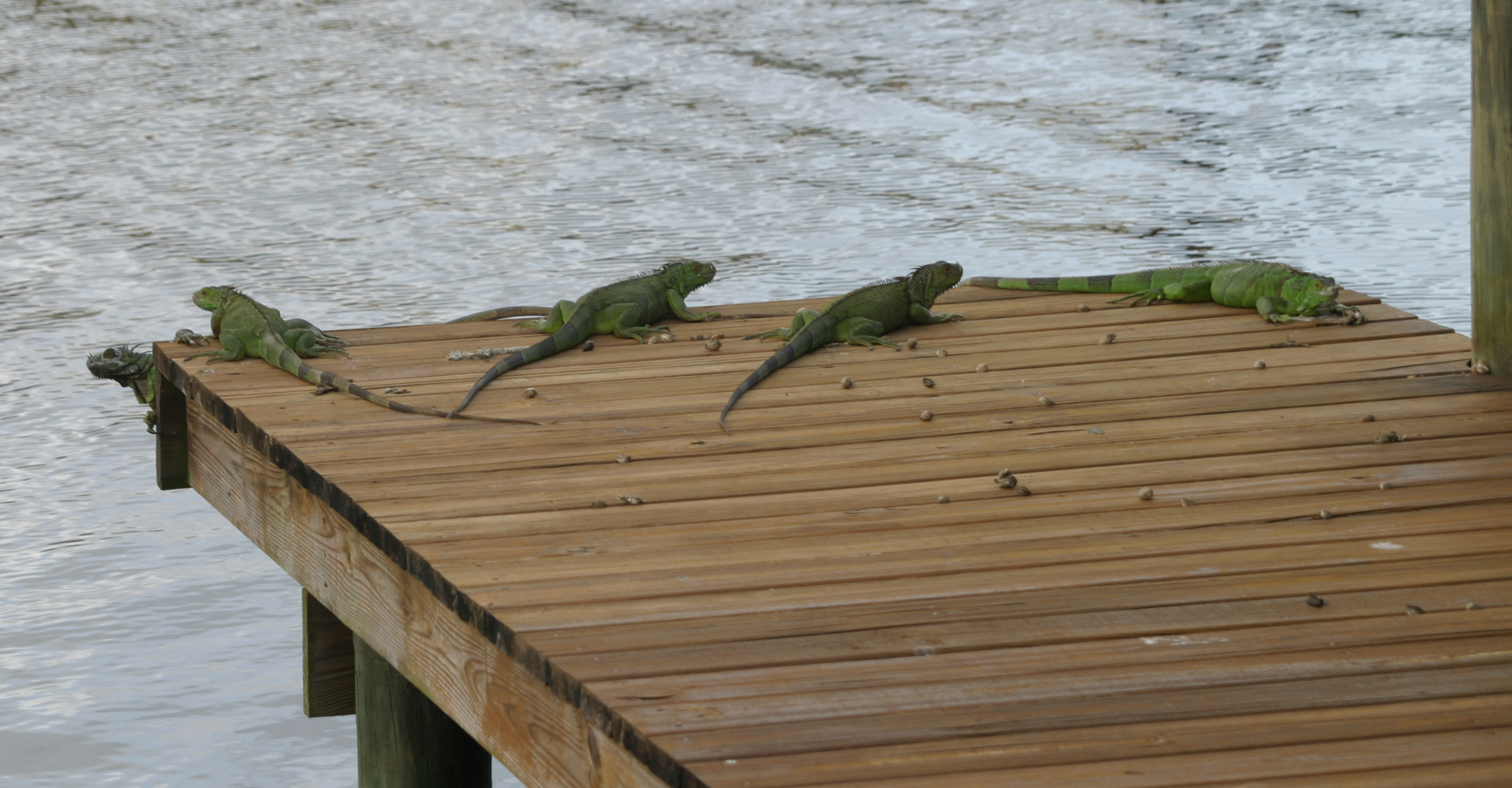
IMG_5554cBefore 2010 it was common to see nearly a dozen at a time lounging on my dock. We’re almost back to that volume now, as we move into 2015.

Why are they here? The pet trade mostly. They’re nicely disposable when they wear out their welcome; just let it go, it’ll survive. Here they have plenty to eat, lots of places to live unchallenged and, most years, a great climate. They get up to five feet long (including tail), live 15 to 20 years in the wild, breed more than once a year, and, with sharp teeth and claws, have few predators once they become adults. The only thing that slows them down is an unusually long spell of cold in the winter. Cold puts them in a stupor for a while and can kill them. In the West Palm Beach area, I am about at their northernmost Florida range. but that has happened only gradually.  In the mid-80s they weren’t around my house, but they were being spotted in Boca Raton, where I worked, just 15 miles south. Native to Central and South America, there are feral populations now in South Florida (first reported in Miami in 1964), Hawaii and the Rio Grande Valley of Texas.

IMG_5577ccWhat to do about them? Basically just get along and hope for cold spells once in a while I guess (and don’t grow hibiscus, which they dearly love). They skitter fast, well…like lizards, swim like fish and climb trees like squirrels. They mostly live in tunnels along the banks of waterways. They’re edible, but there’s not enough of a market for them in the US to put a dent in the supply. Here are some recipes, by the way.

They mainly stay out of my way, living down on the dock and only rarely venturing past the chain link fence into the yard. They scatter when approached and flee when I bat a stick around in the rafters of the boathouse prior to using the lift.

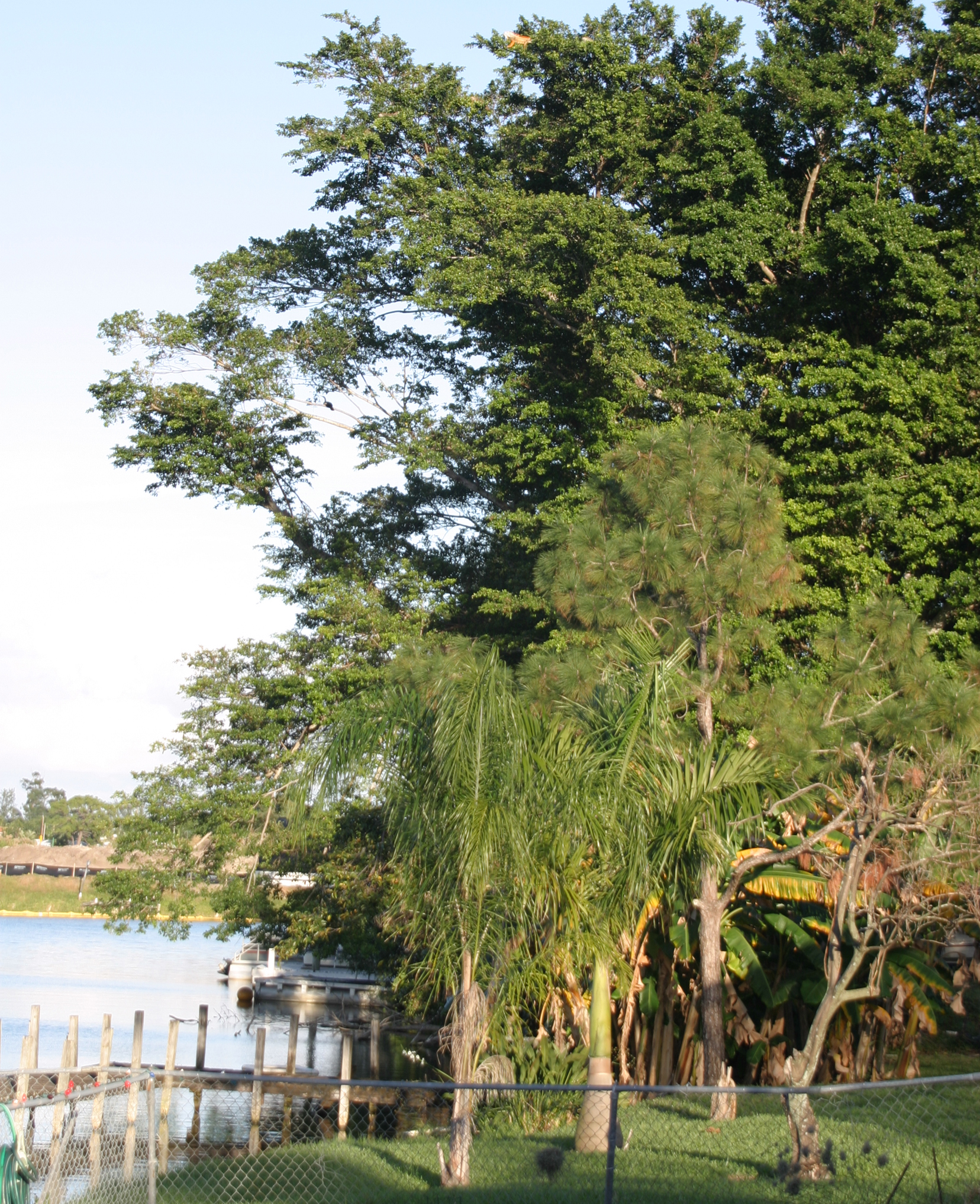
There is a small orange dot in the top center of this image, up about 30 feet in this ficus tree in my neighbor's yard...

There is a small orange dot in the top center of this image, up about 30 feet in this ficus tree in my neighbor’s yard…

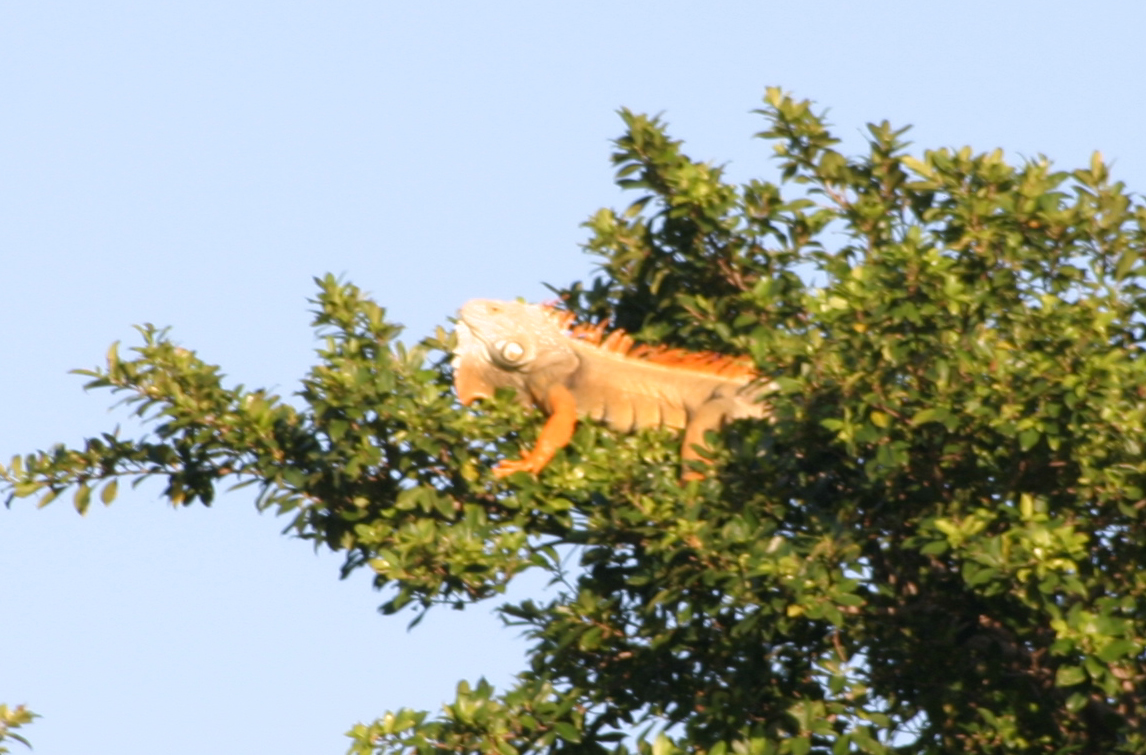
...zoom in and there's a very large iguana. Yes, they can climb.

…zoom in and there’s a very large iguana. Yes, they can climb.

Garlic oil or neem oil is said to repel them. I haven’t tried either. A commercial repellant called Iguana Rid is a mix of neem oil (pressed from the fruits and seeds of the neem, an evergreen tree endemic to the Indian subcontinent), red pepper and garlic.

Like their smaller cousins, they’ll drop a tail if necessary and regrow it. I have not seen that happen. And, to explain why it’s hard to sneak up on them, they have not only excellent vision in their standard two eyes, but possess a ‘third eye,’ a white photosensory organ on the top of their heads. This primitive feature has only a rudimentary retina and lens and cannot form images, but is sensitive to changes in light and dark and can detect movement.

On the other hand…I don’t have to shovel snow here!

Posted in Iguanas, Nature, Offbeat | 2 Comments

When you’ve got an itch…Part 2

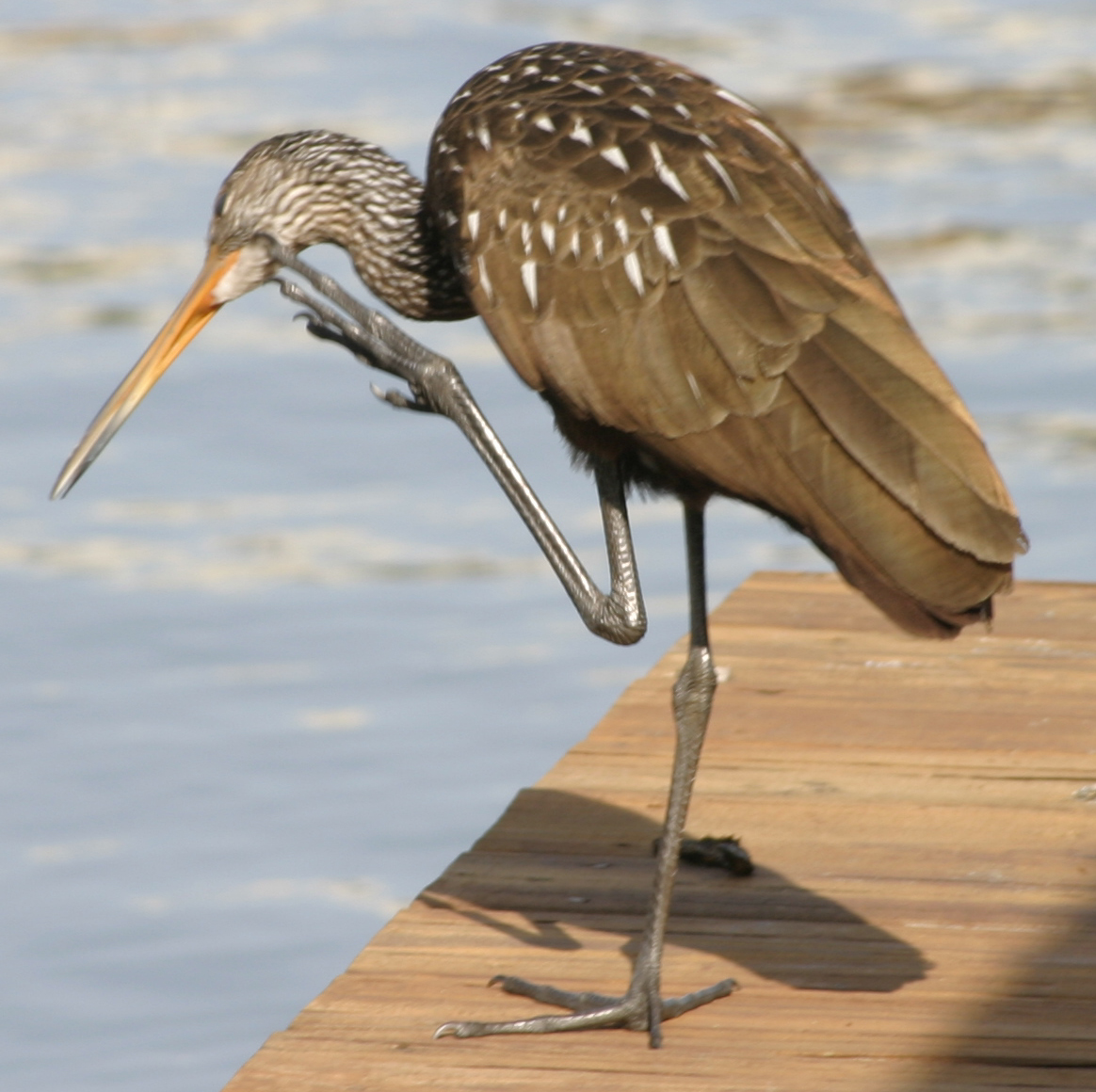
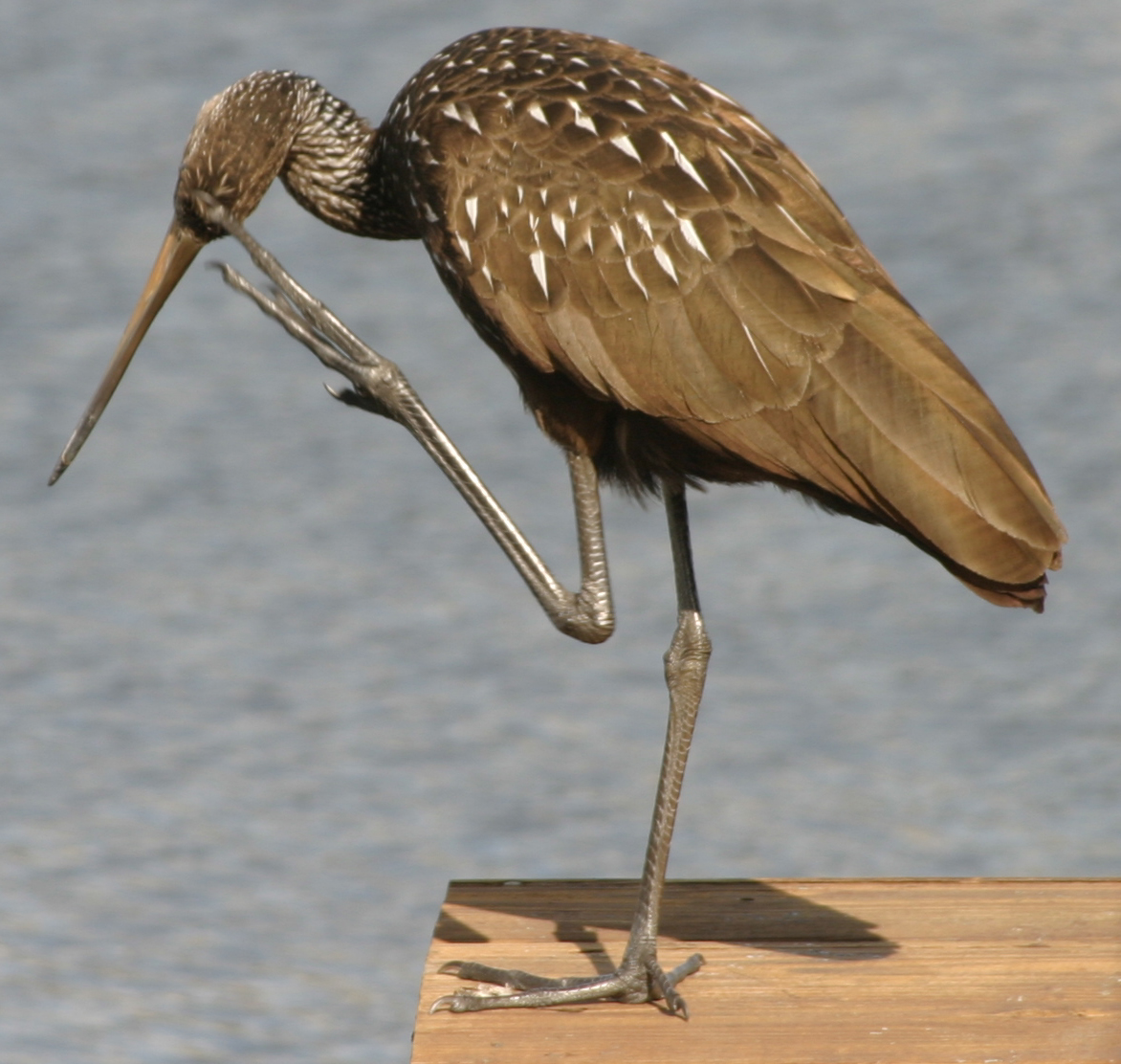
A limpkin on my dock satisfies the urge. See here for Part 1 in the series.

IMG_5528c IMG_5539c

Posted in Nature, Photos mostly | 1 Comment

San Francisco hills and some award musings

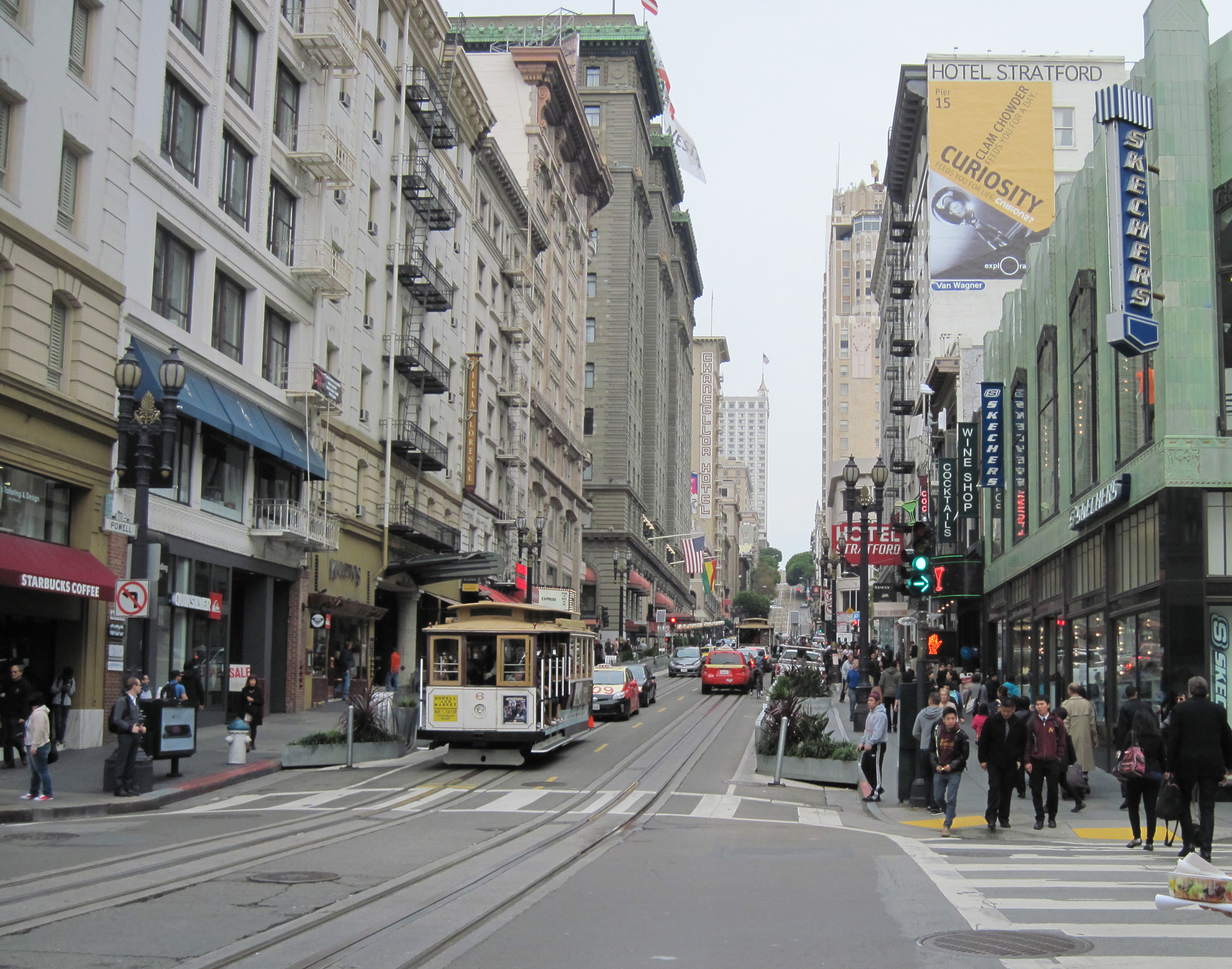
Could the hills of San Francisco have gotten steeper? Maybe it’s just me, but it seems like it. I was last there decades ago. I was younger and had more energy. And I was on an expense account every time, so had a car or took taxis.
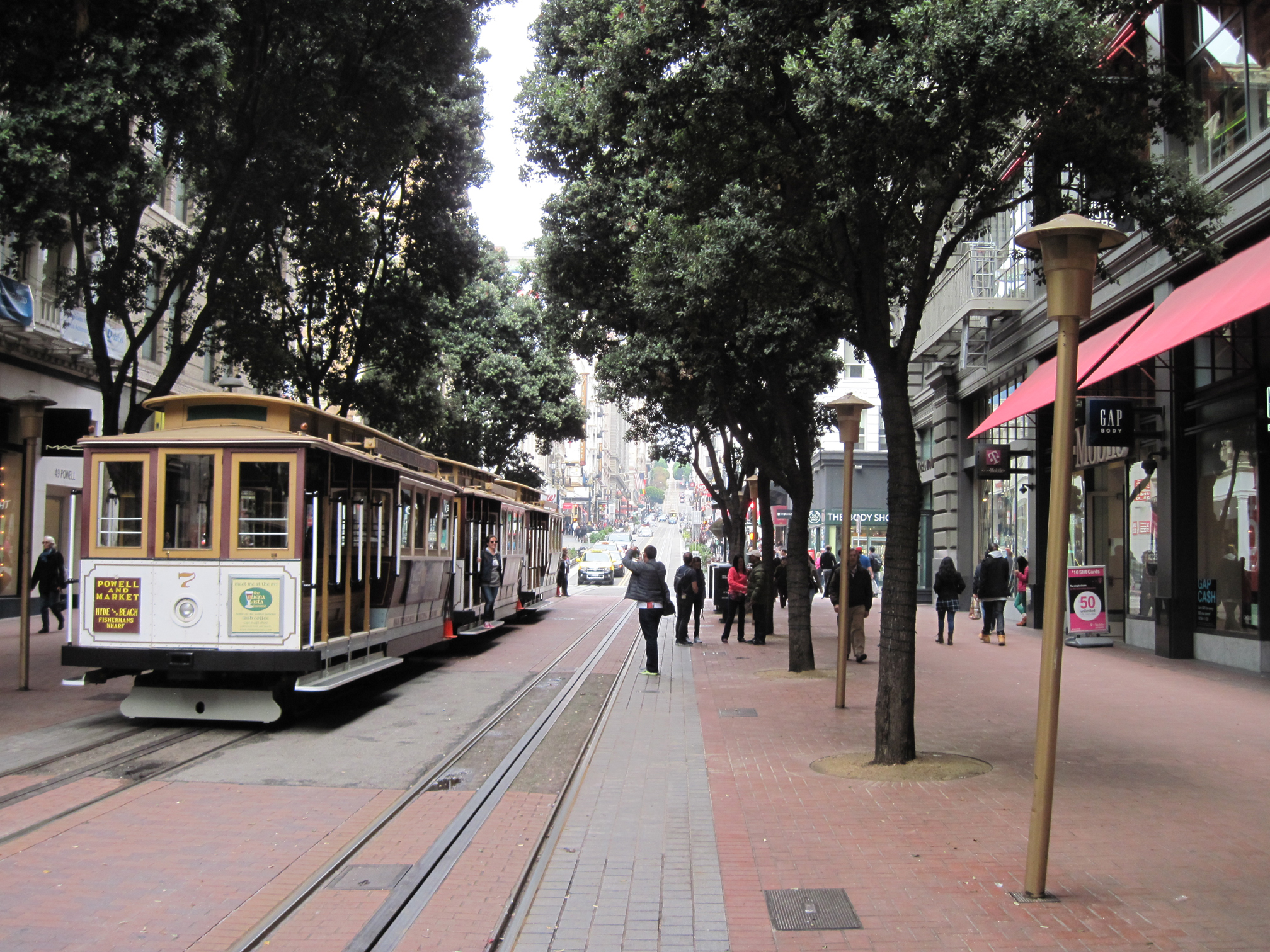
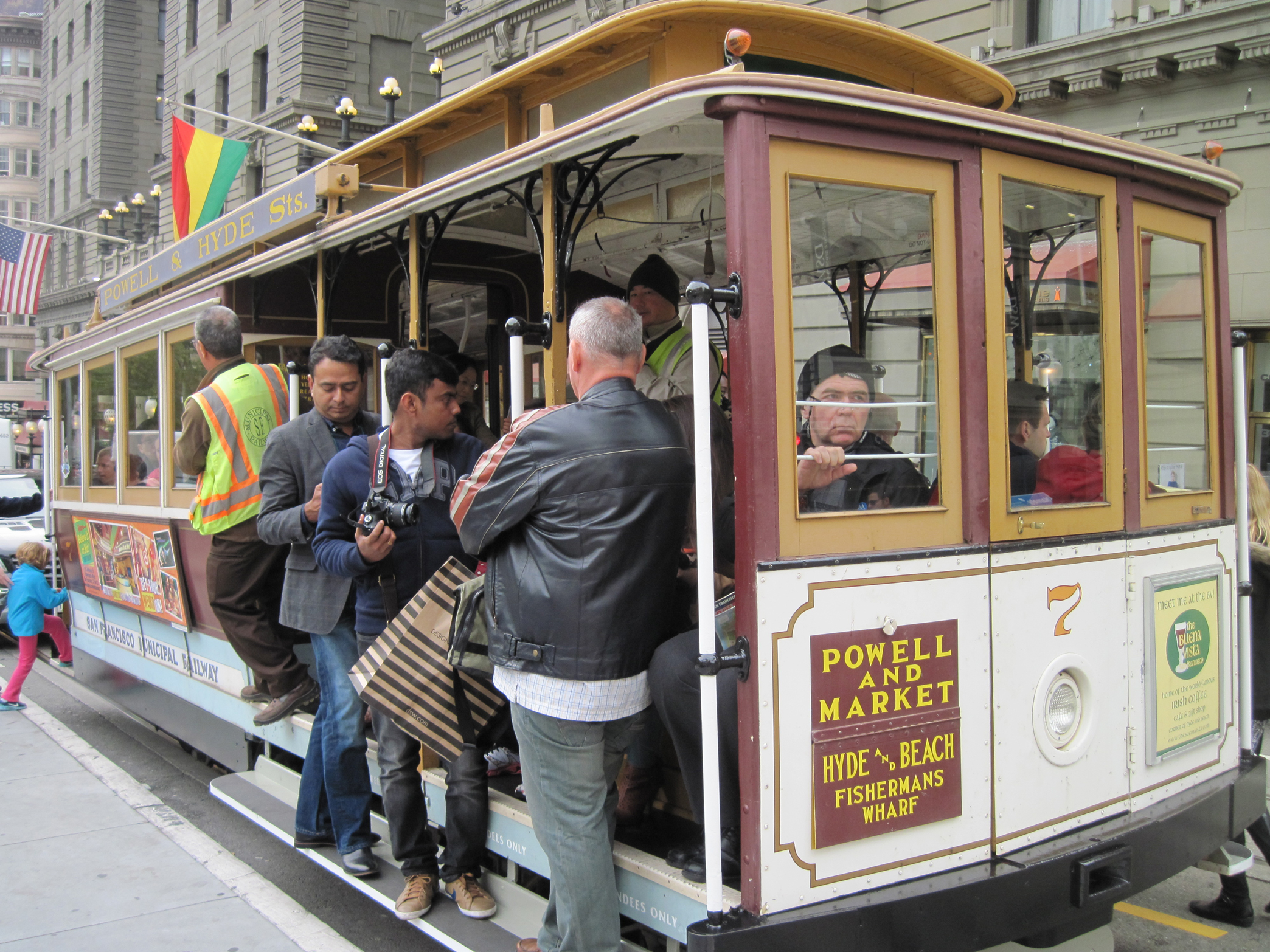
This time around no one was paying for wheels and I didn’t have much time, so a walking tour after my plane landed was the extent of my exploration. And the first trek was from the Powell Street BART station up the hill to my hotel, at Sutter and Mason. The scene outside the station was cool, a cable car turnaround and a tree-lined street.  But then I looked up and there it was, a hell of a hill.  Call it more of a stroll, with lots of mini-breaks. After stashing the luggage at the hotel, it was on to Nob Hill, around past the Mark Hopkins and the Fairmont, where I used to stay on my expense-account trips, and on to Union Square, all on foot. And all the while making sure I was UPHILL from the hotel. By 4 I was back at the hotel, ready for a nap!
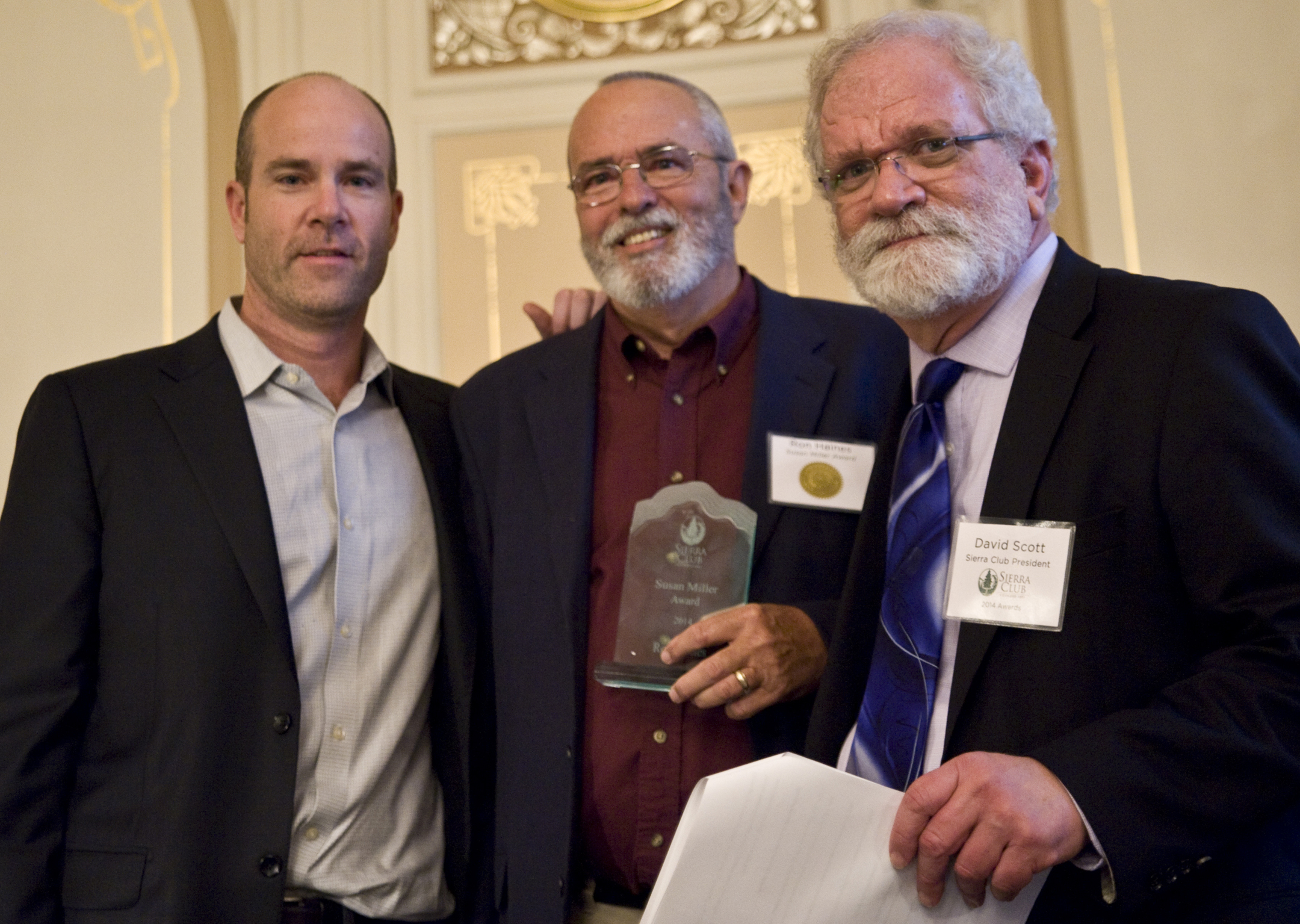
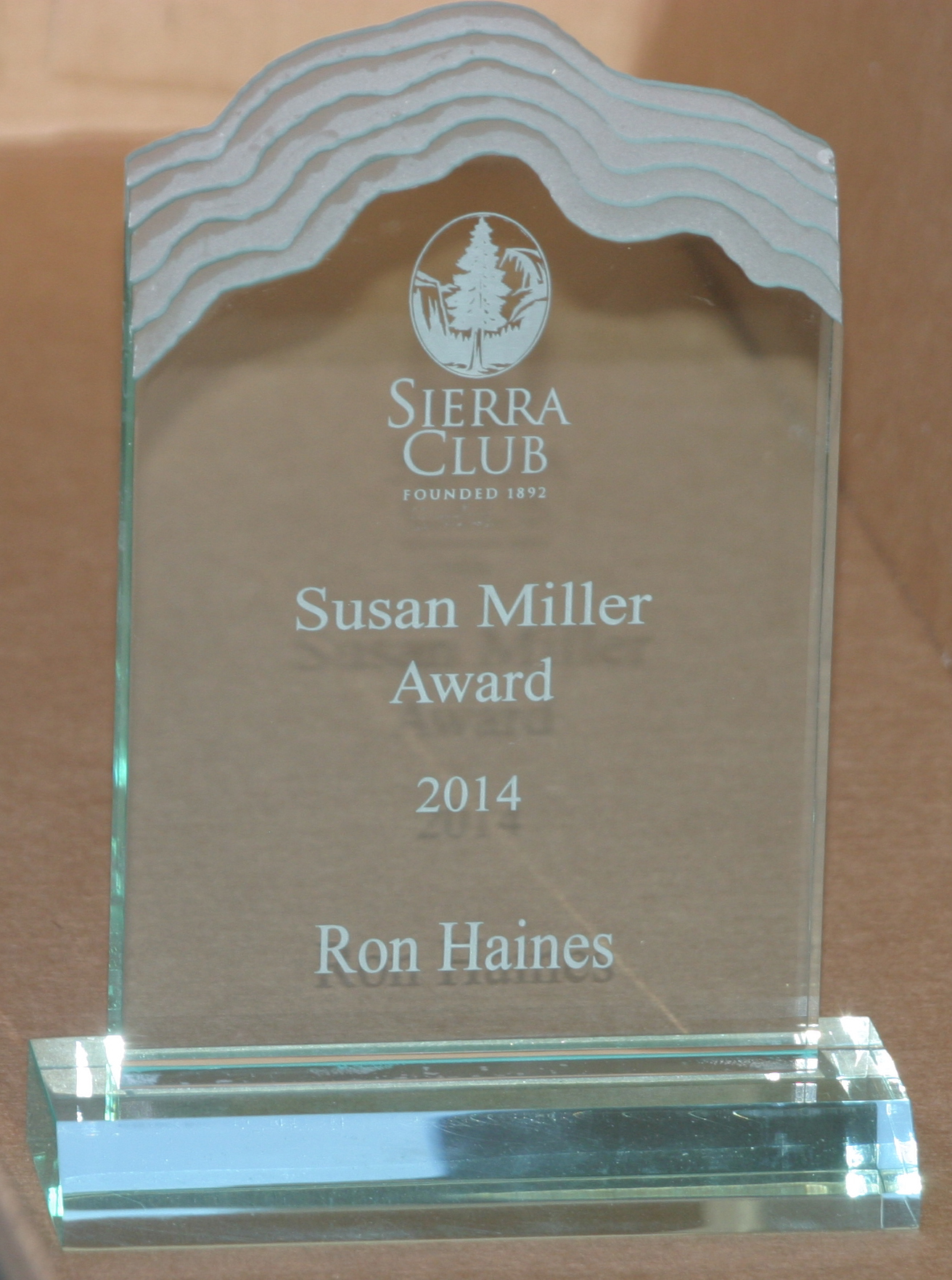
This was a quick there-and-back trip. Left at daybreak one day and was back at midnight the next. The Sierra Club picked up air fare and a night in a hotel and I obliged by showing up on time for a reception and ceremony, where I picked up a National award for my many years of volunteer administrative work for the Loxahatchee Group and the Florida Chapter.

The recognition was nice, after years of supporting the ‘dull’ non-conservation activities of the club, things like newsletters, email listservs, meetings, award shows, new-member letters, advisory committees, strategic planning sessions, and the like—the things that need to get done if the more visible, conservation oriented work is going to happen. Things like the lawsuits, which are very nice when you win. And the good environmental candidates who occasionally get elected.  And the Loxahatchee River, which is now a protected, federally-designated Wild and Scenic River.   Yes, a pat on the back helps the attitude. And, after putting in 15 years of handing out awards annually in the Florida Chapter, it was nice to be on the receiving end!

IMG_1222c

The scene outside the Powell Street BART station

IMG_1224c

The view up Powell Street

DSC_7487Ron HainesC

Sierra Club Executive Director Michael Brune, on left, and National President David Scott, right, presented the award to me.

IMG_5518c

IMG_1242c

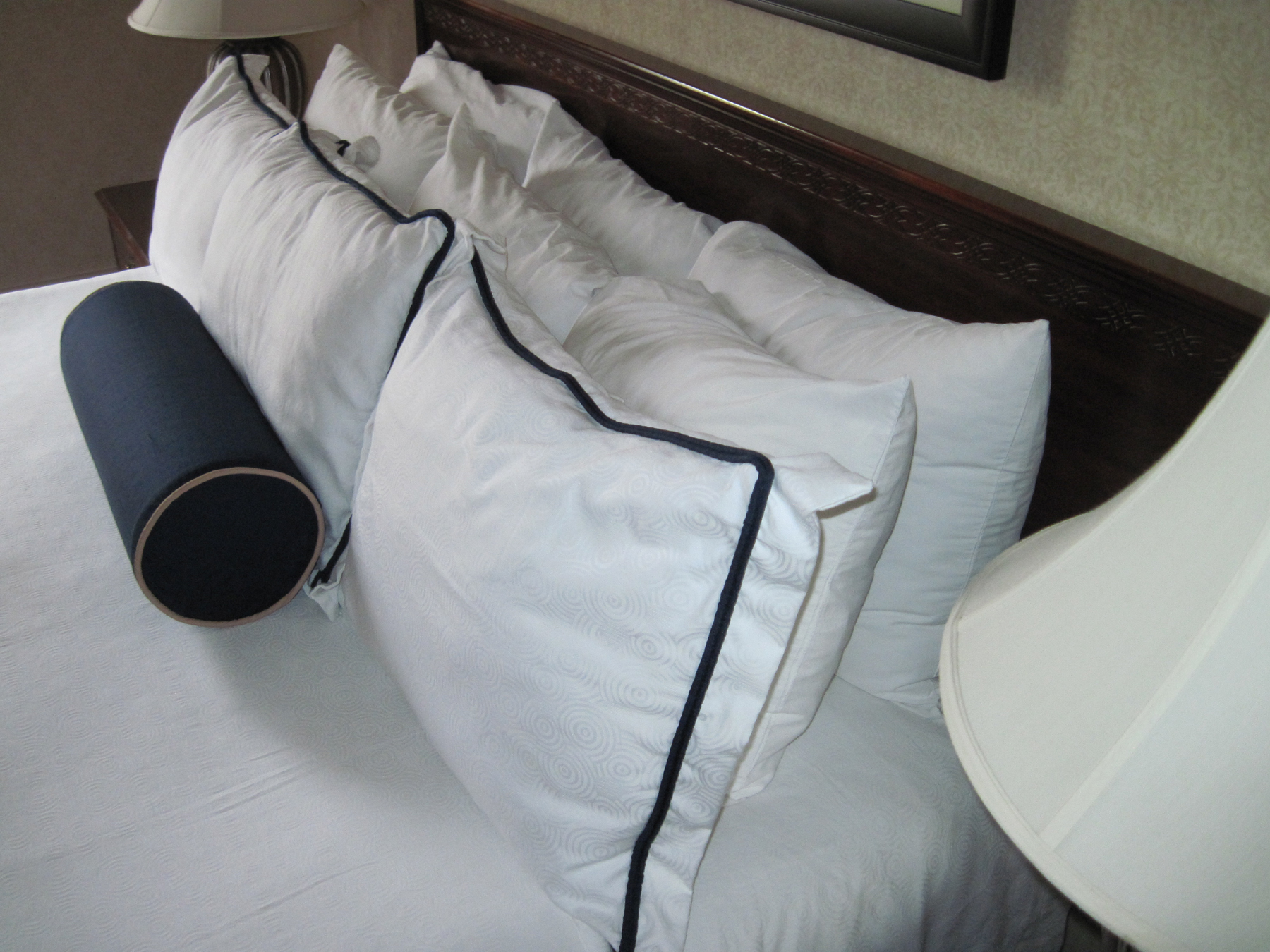
So what does one do with ten pillows? And I guess all those pillow cases get changed after I leave.

IMG_1241c

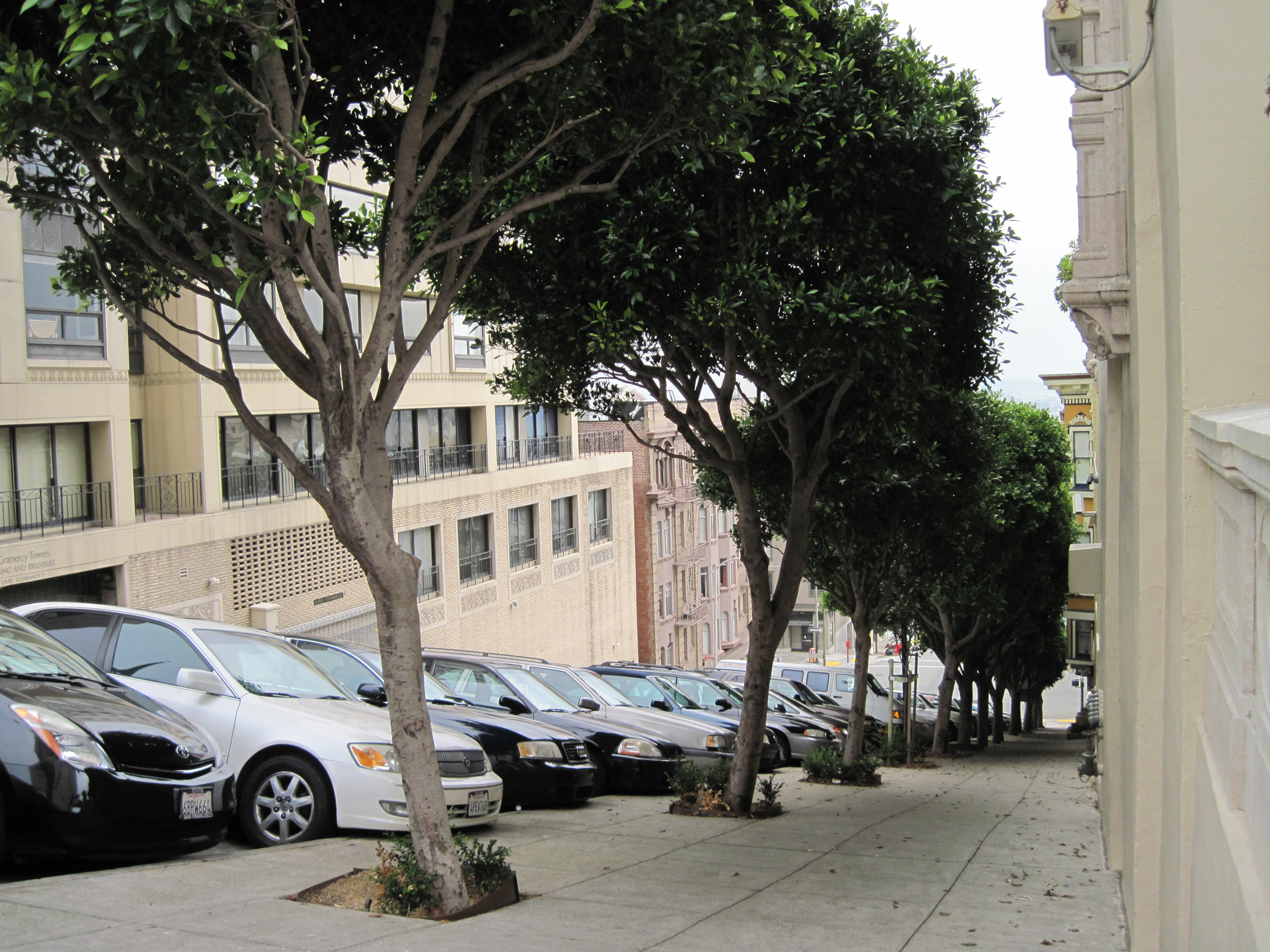
I was leery of walking DOWN this street

IMG_1237c

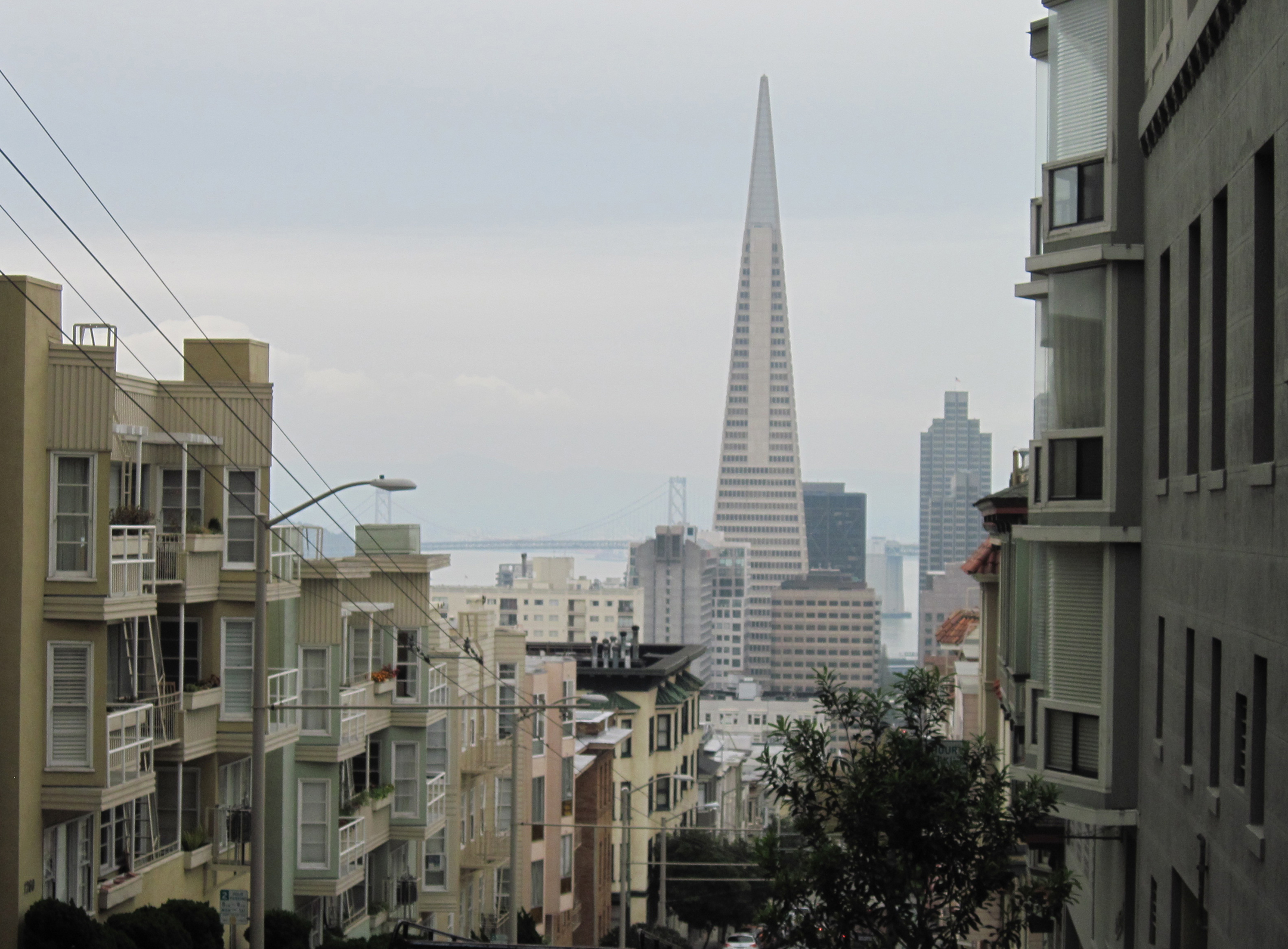
It was foggy and overcast, but the bridge was still visible in the distance

IMG_1232c

This is one of the many great old buildings I saw. Too bad they are slowly, or in some places not so slowly, being torn down and more modern stuff put up

IMG_1228c

Posted in Sierra Club | 5 Comments

UnBEElievable!

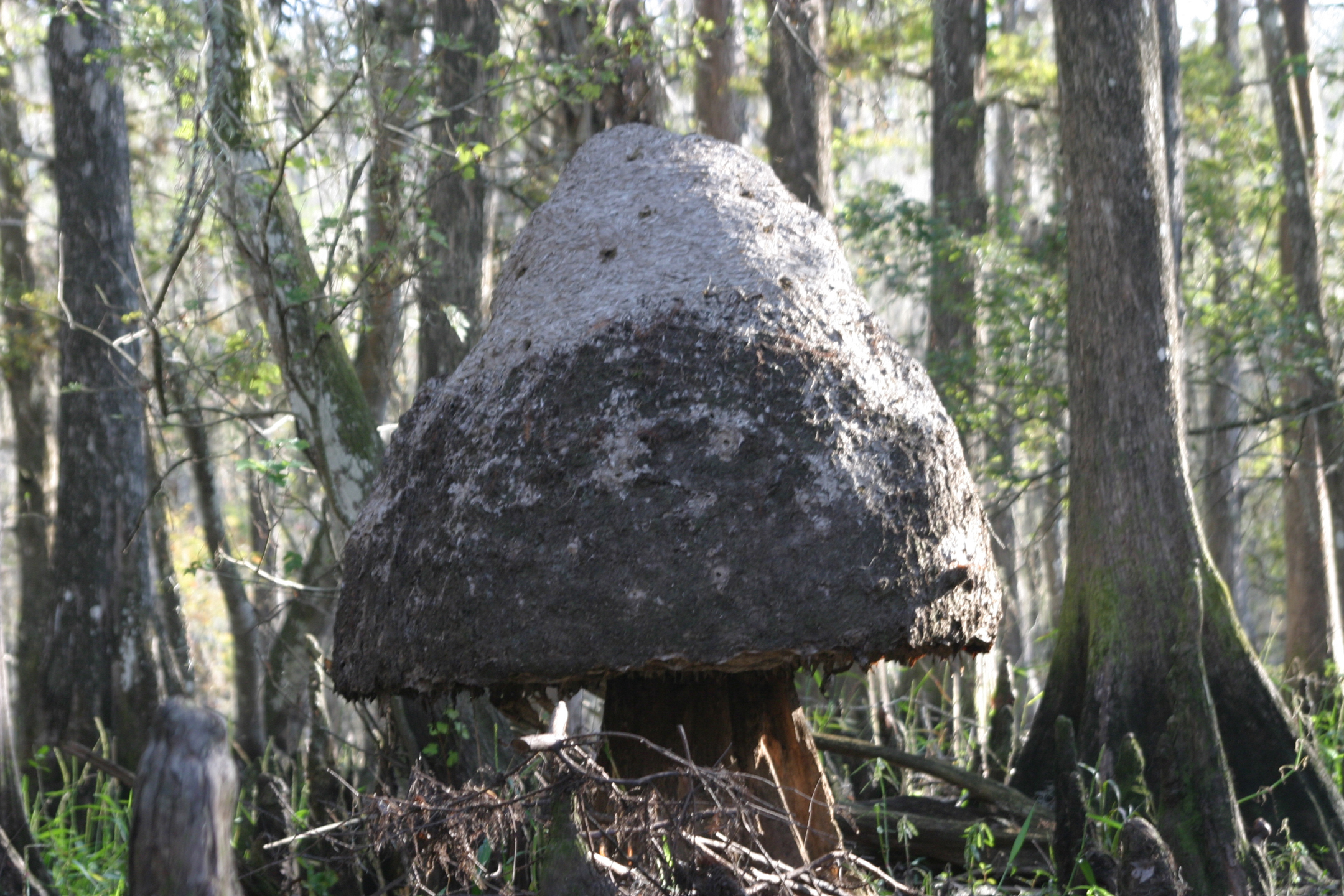
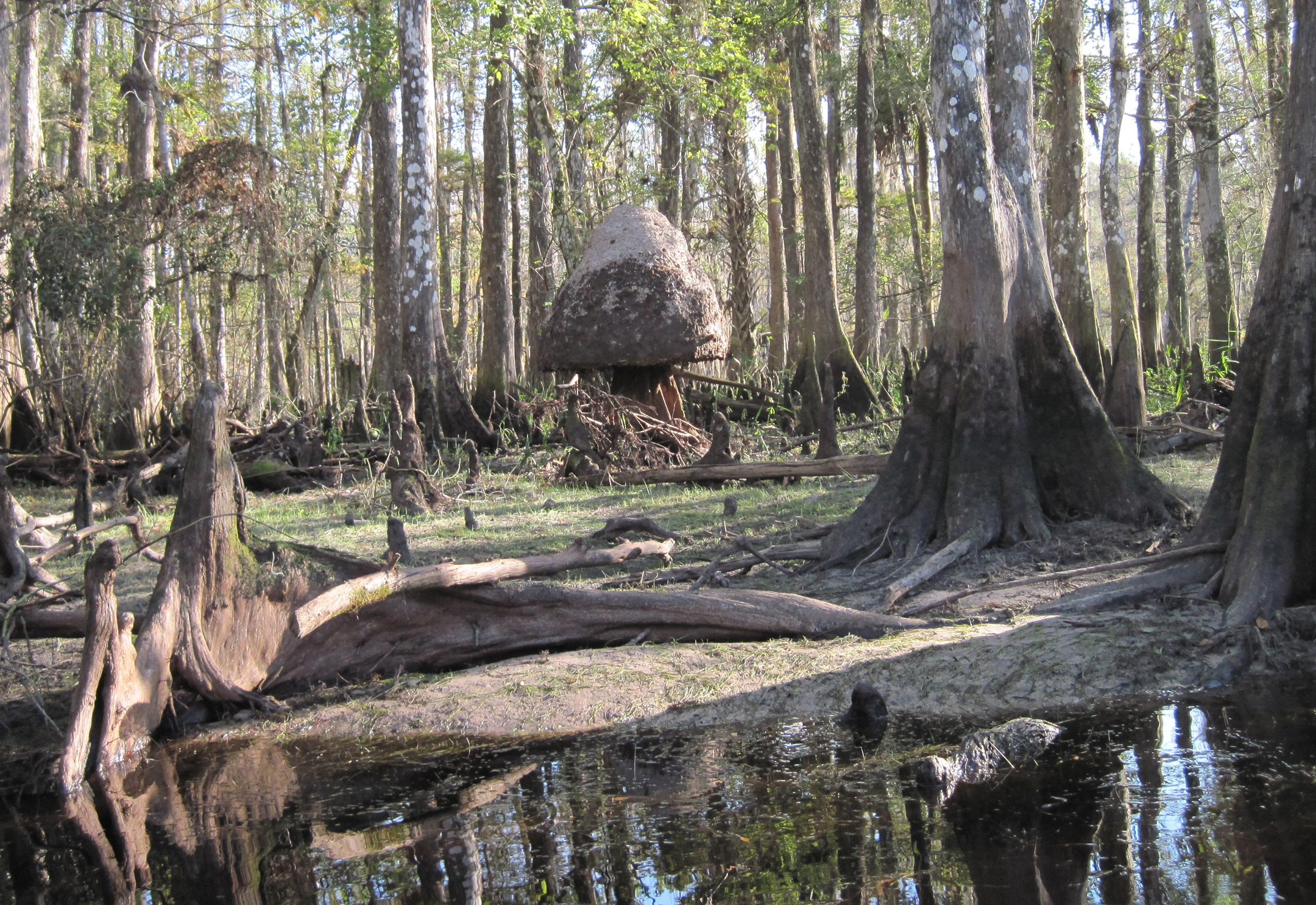
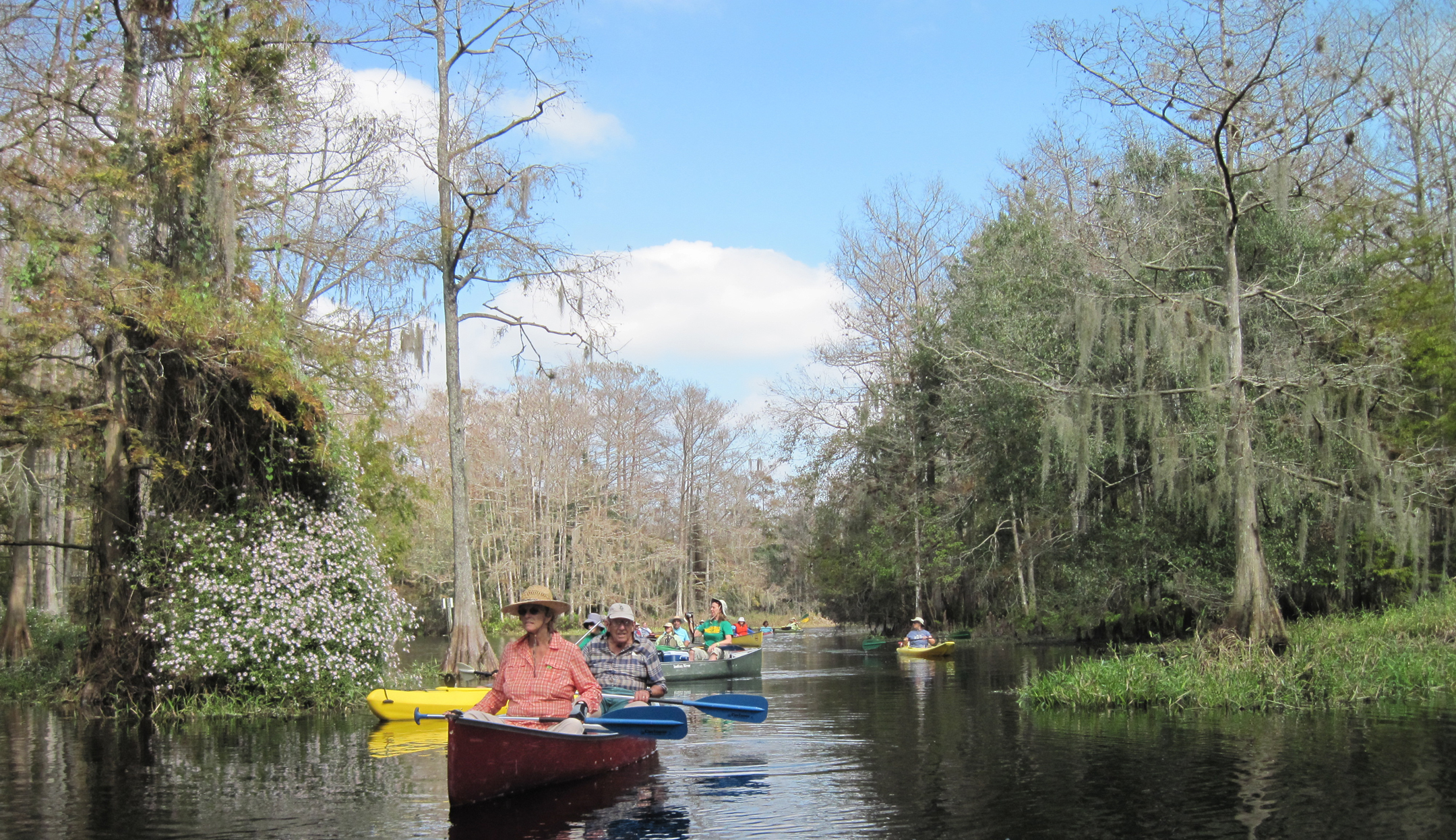
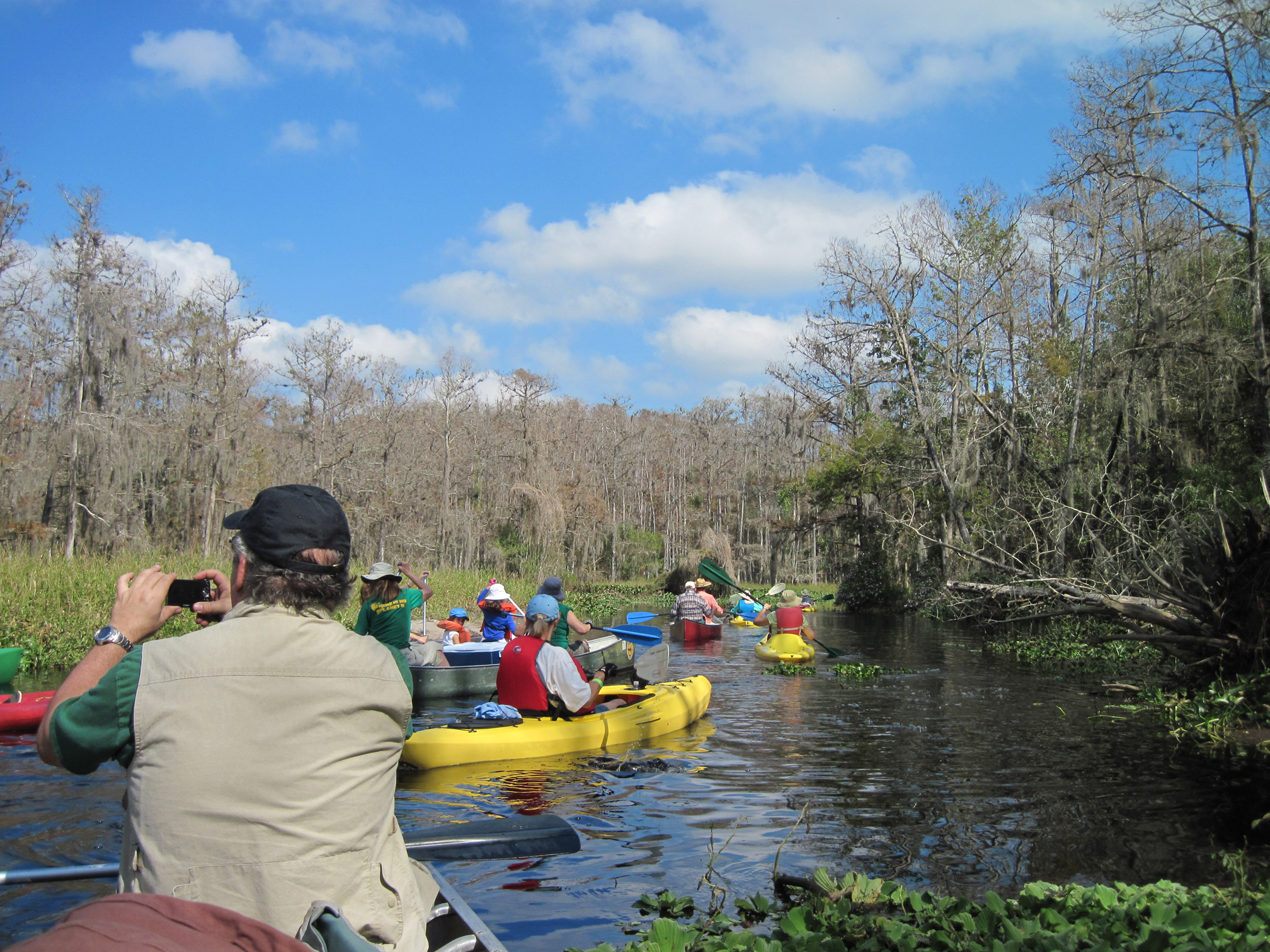
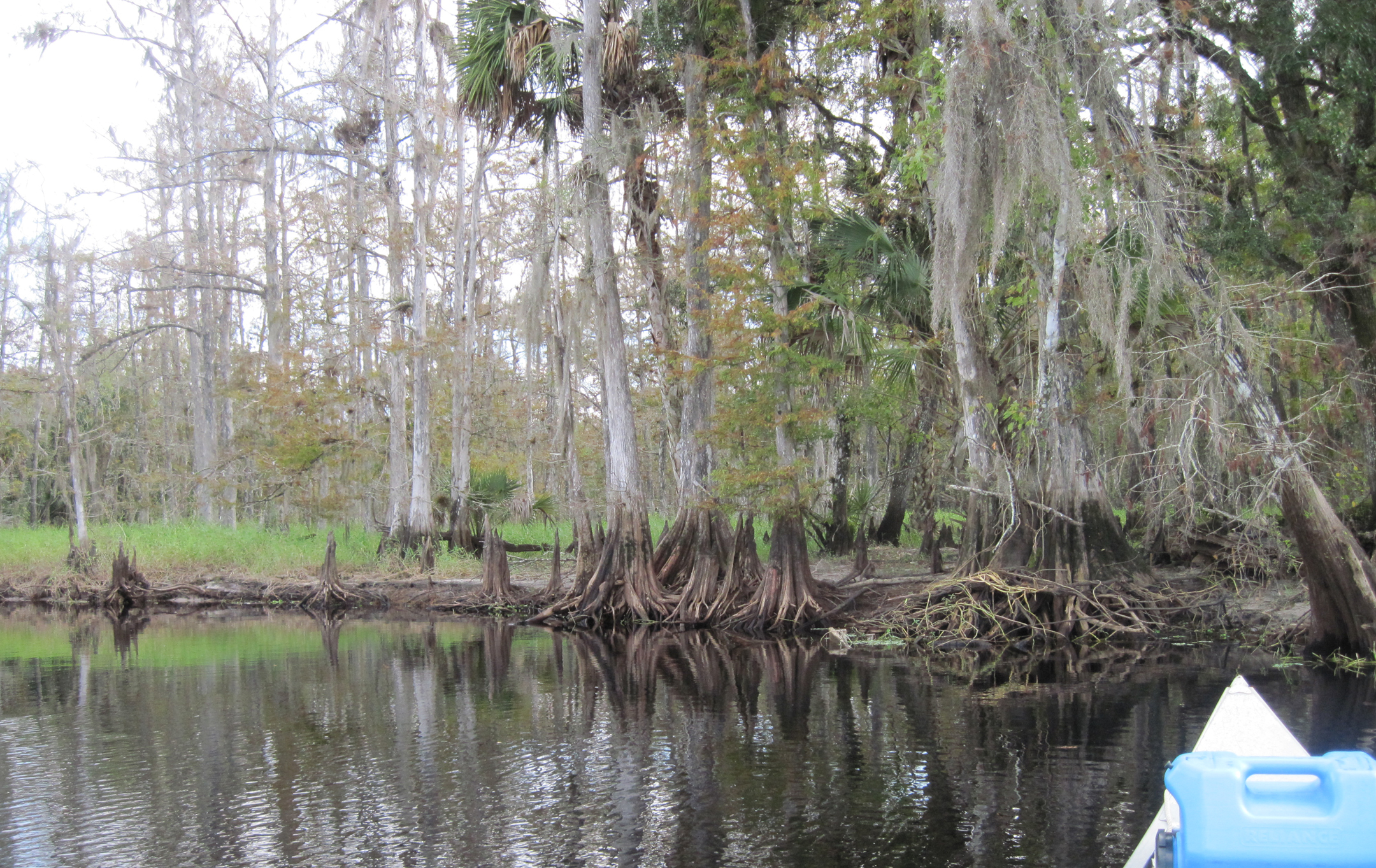
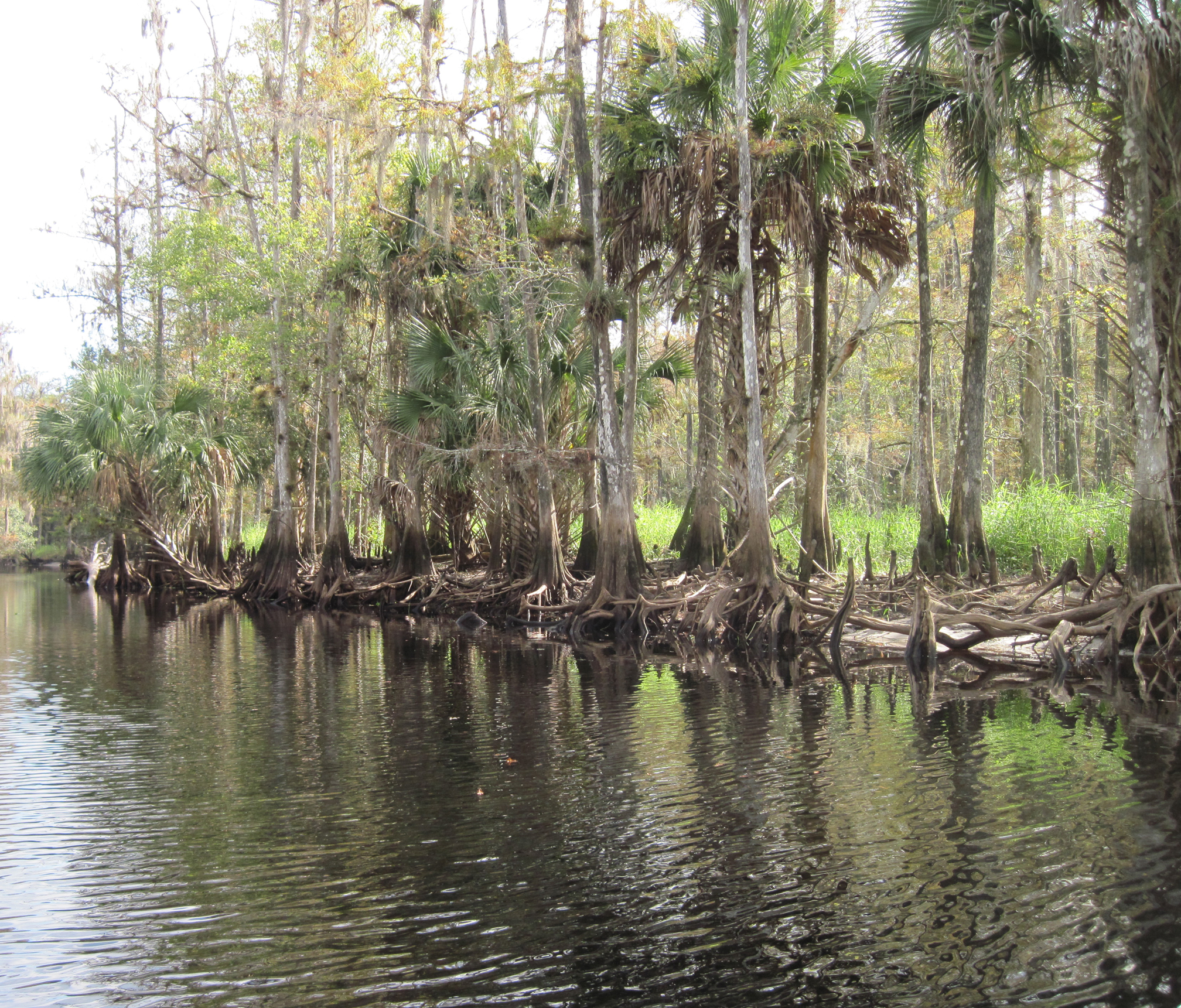
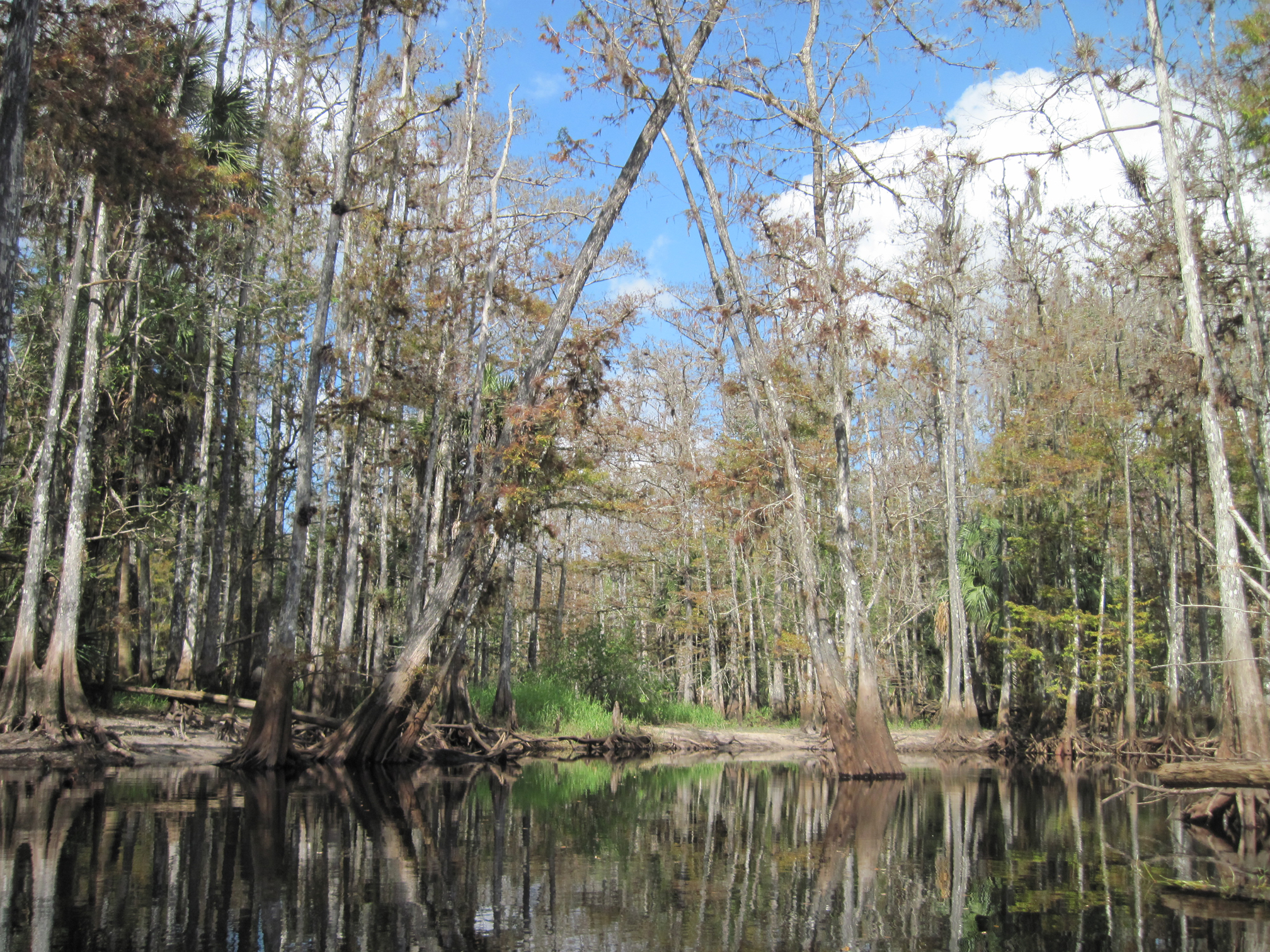
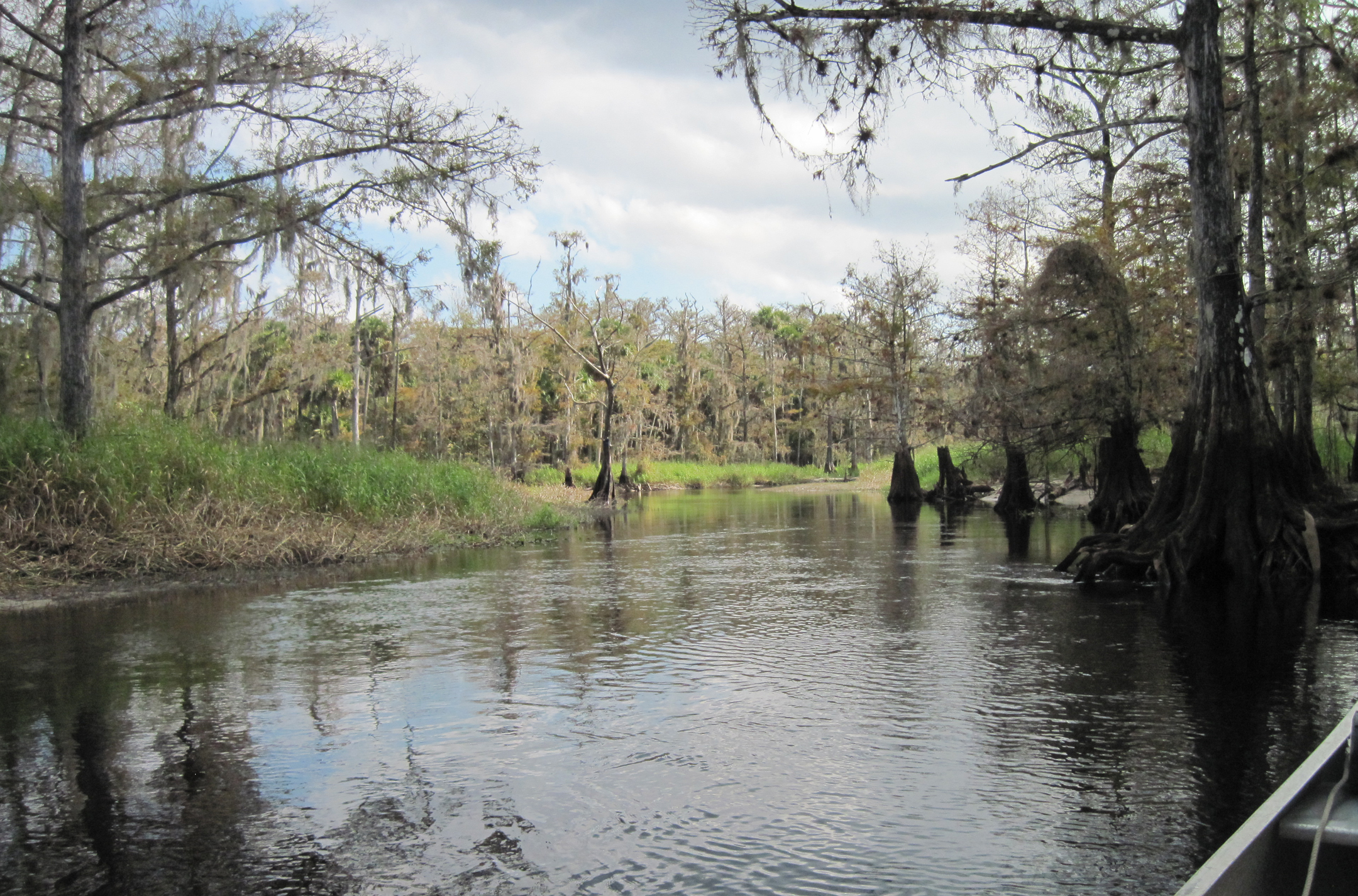
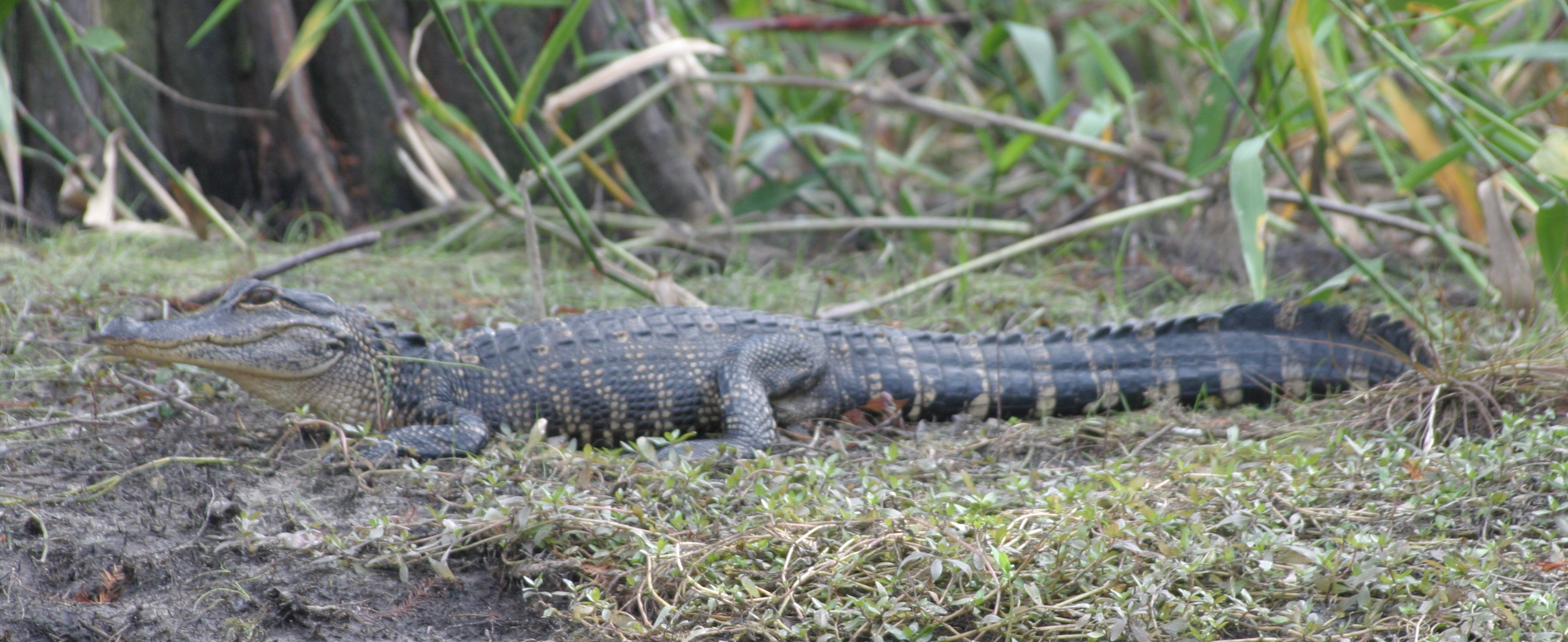
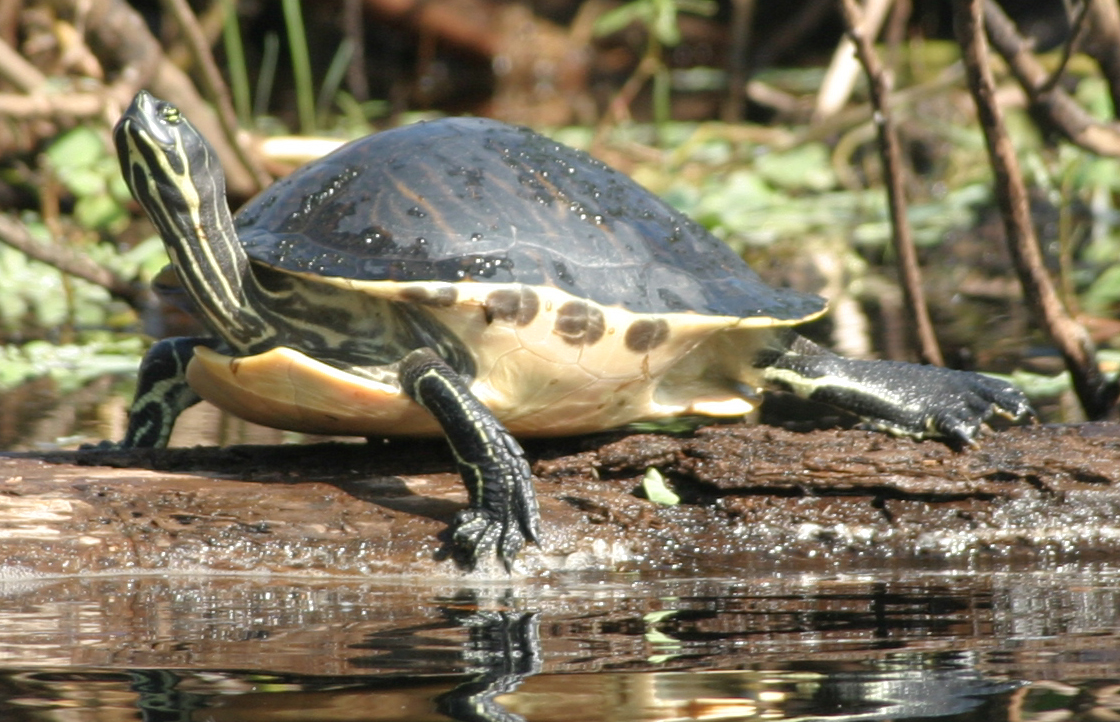
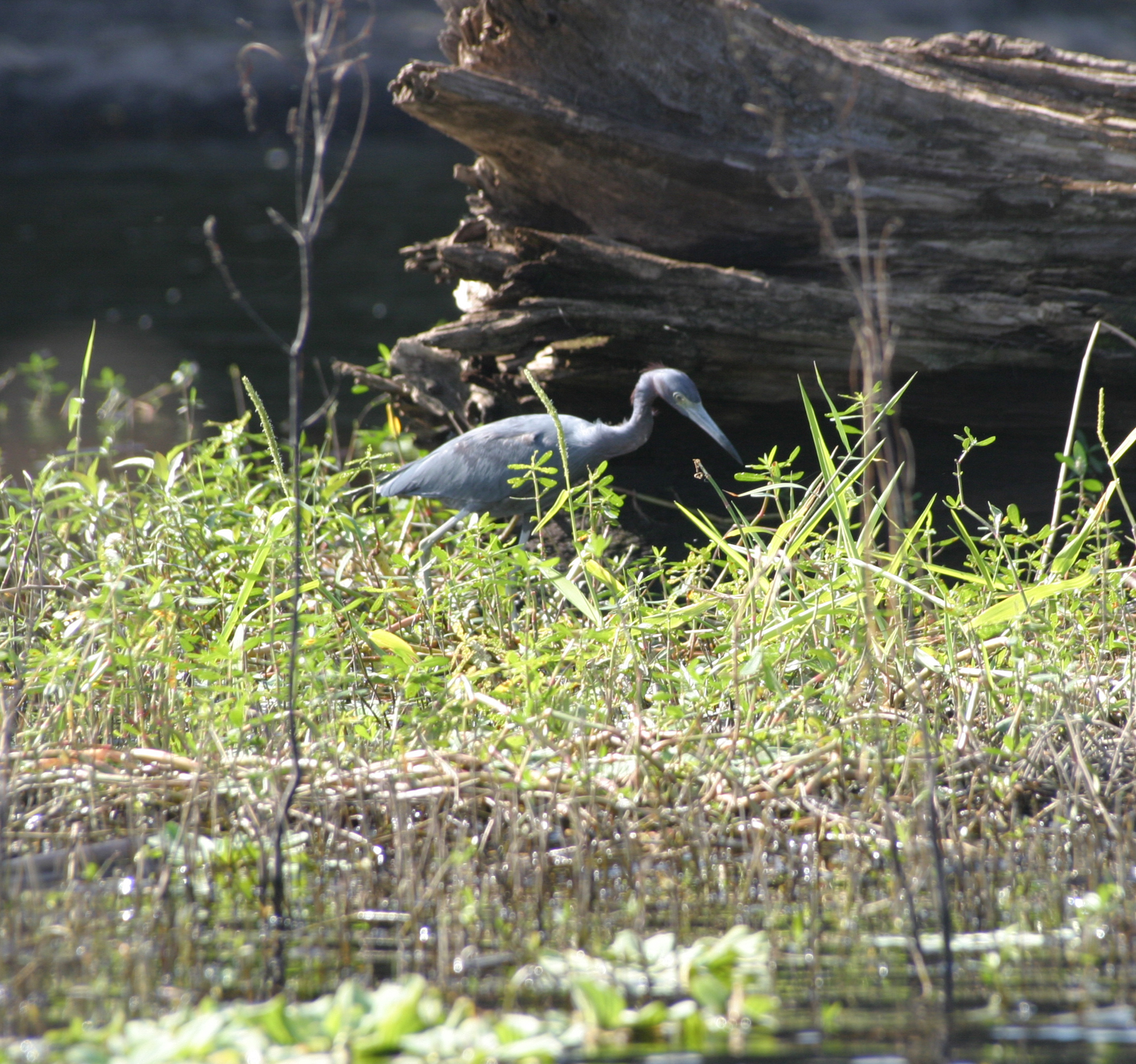
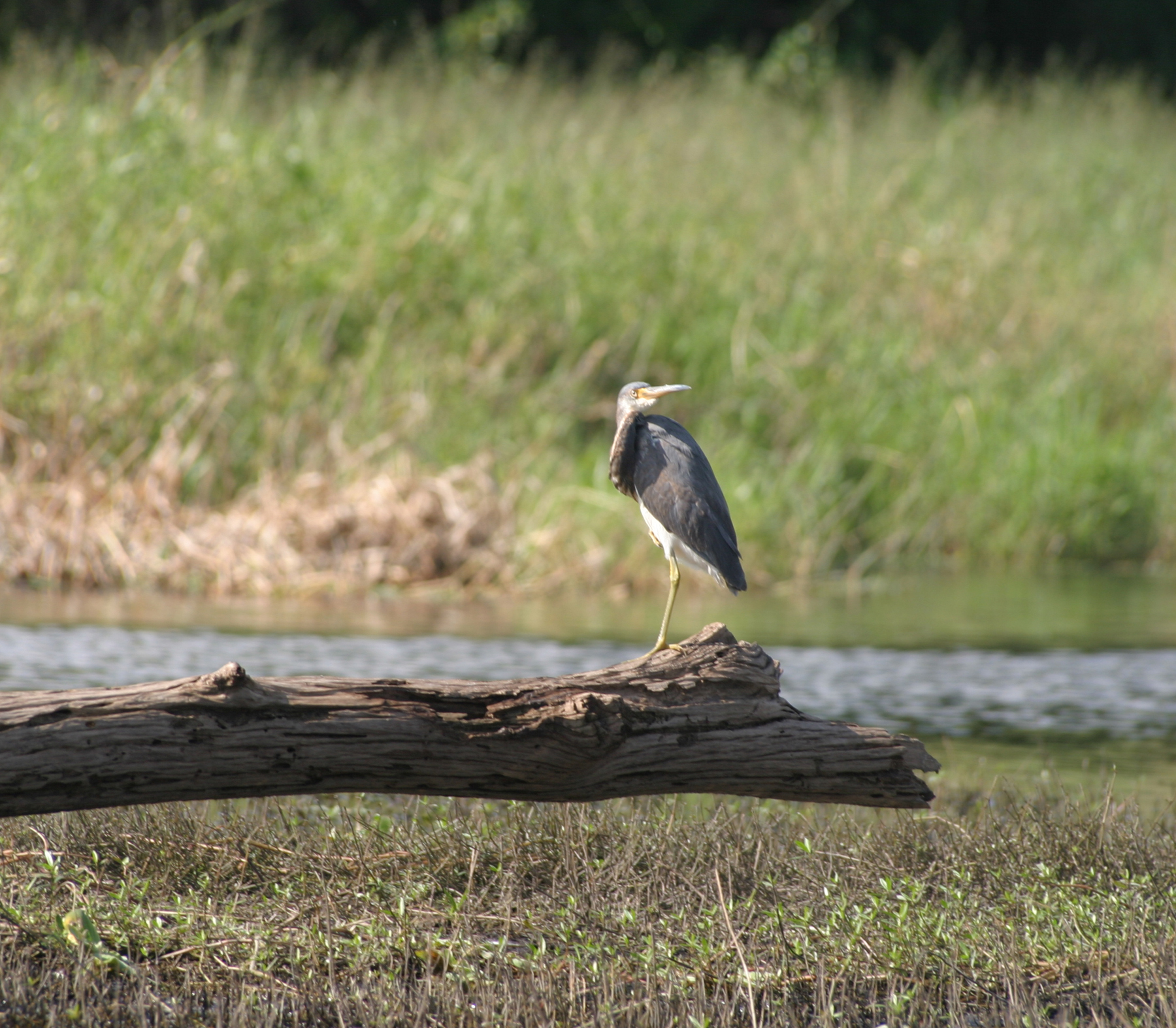
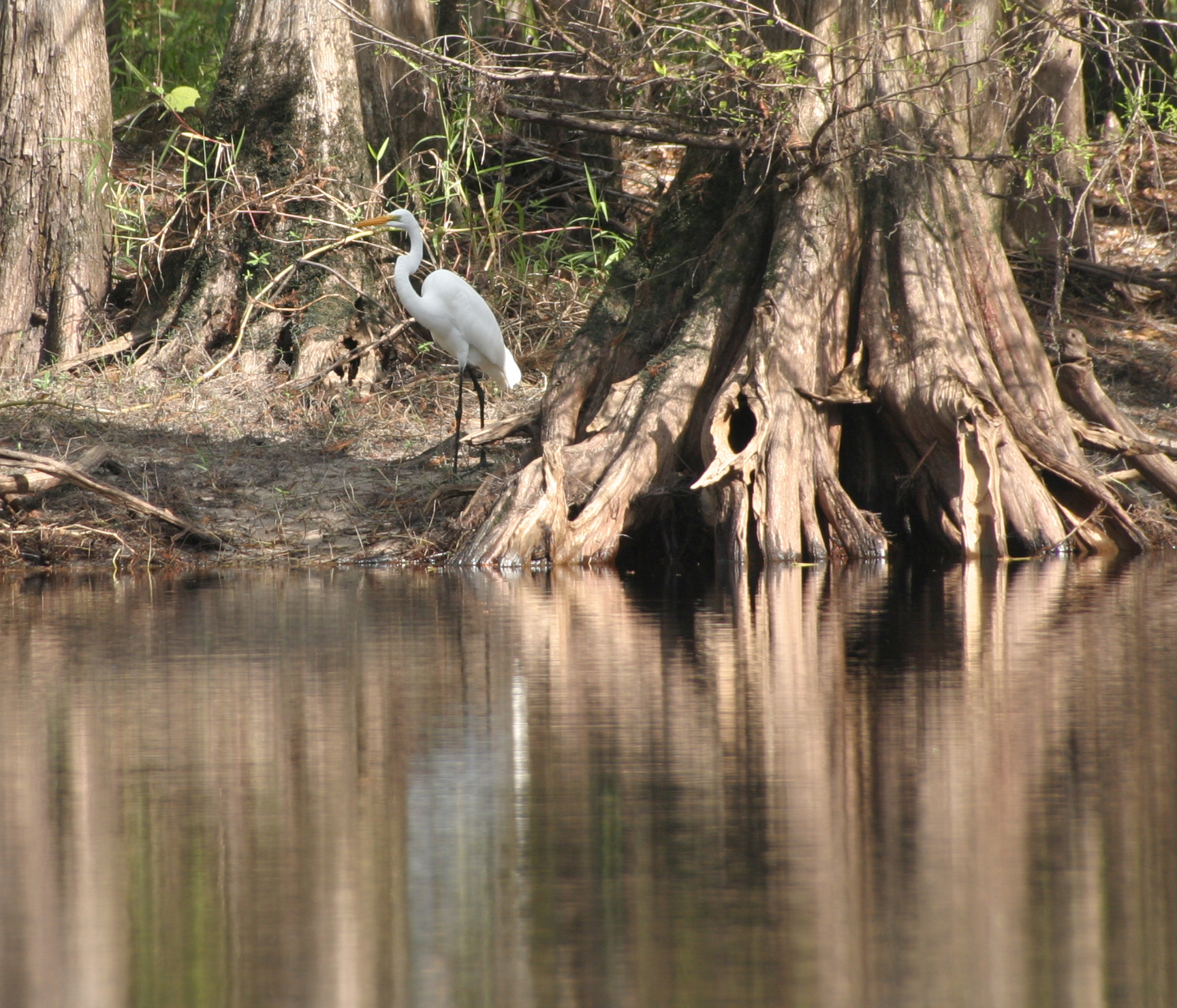
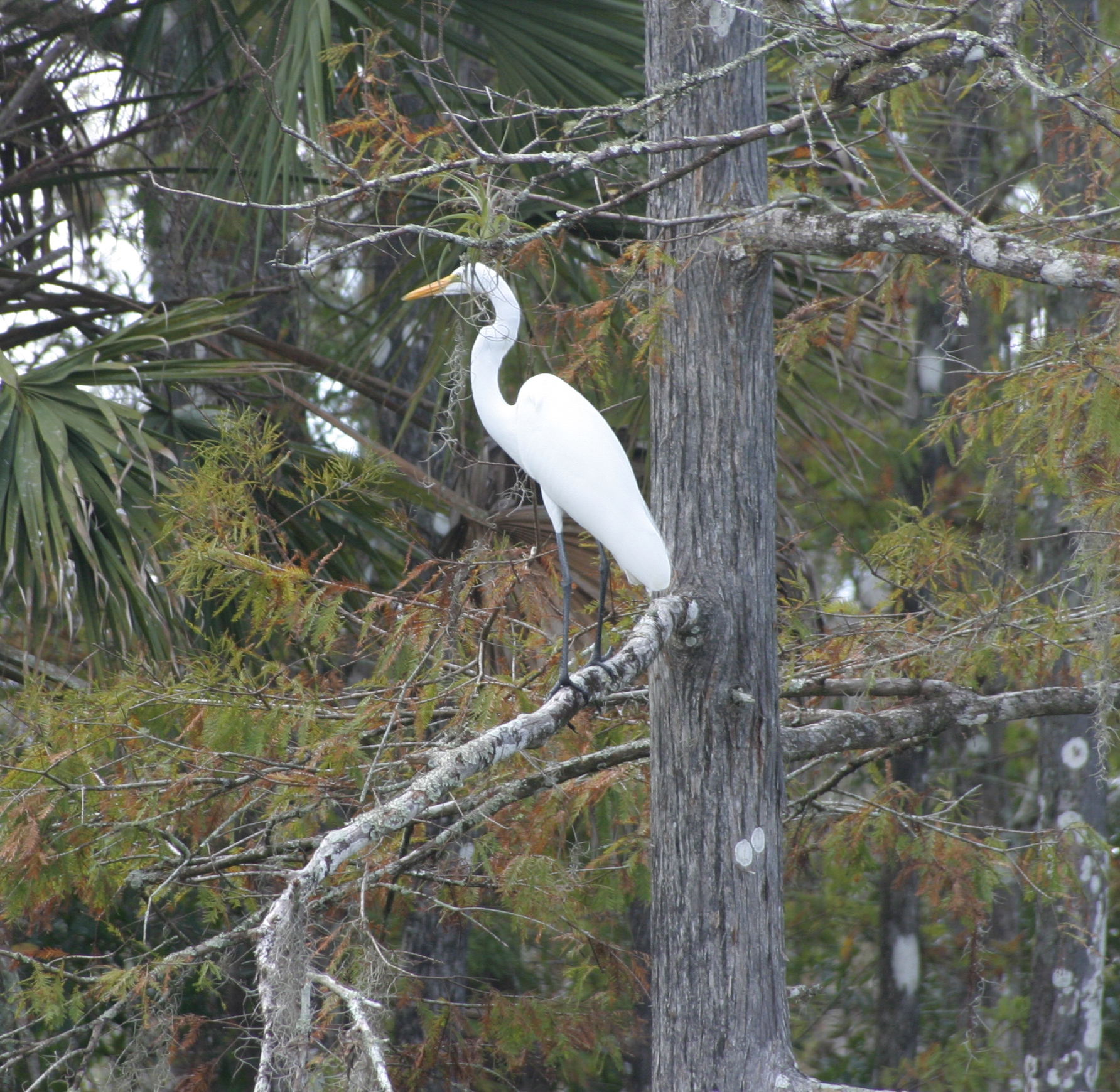
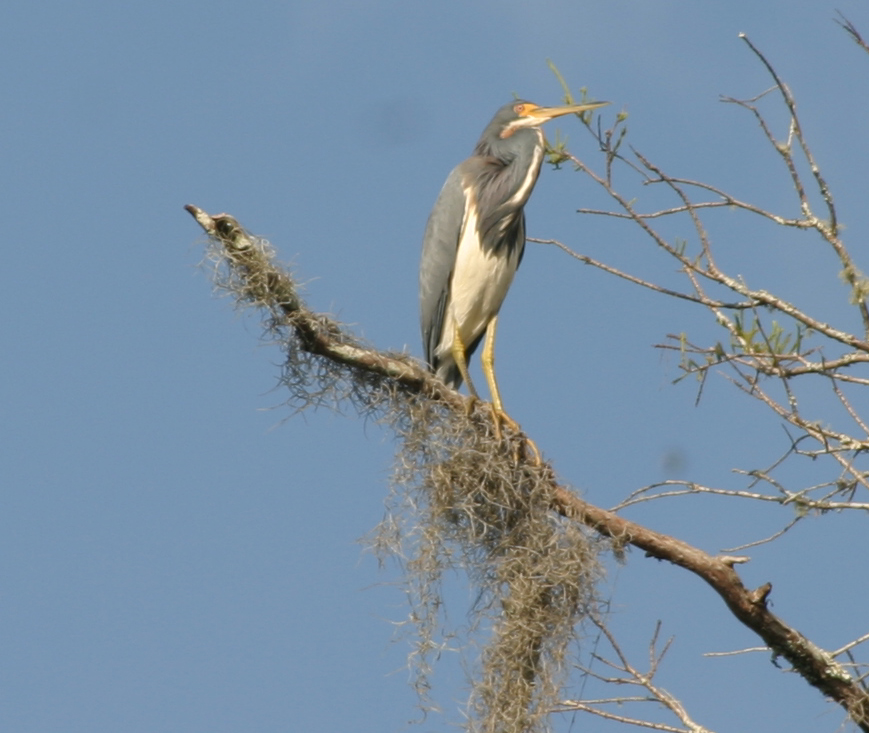
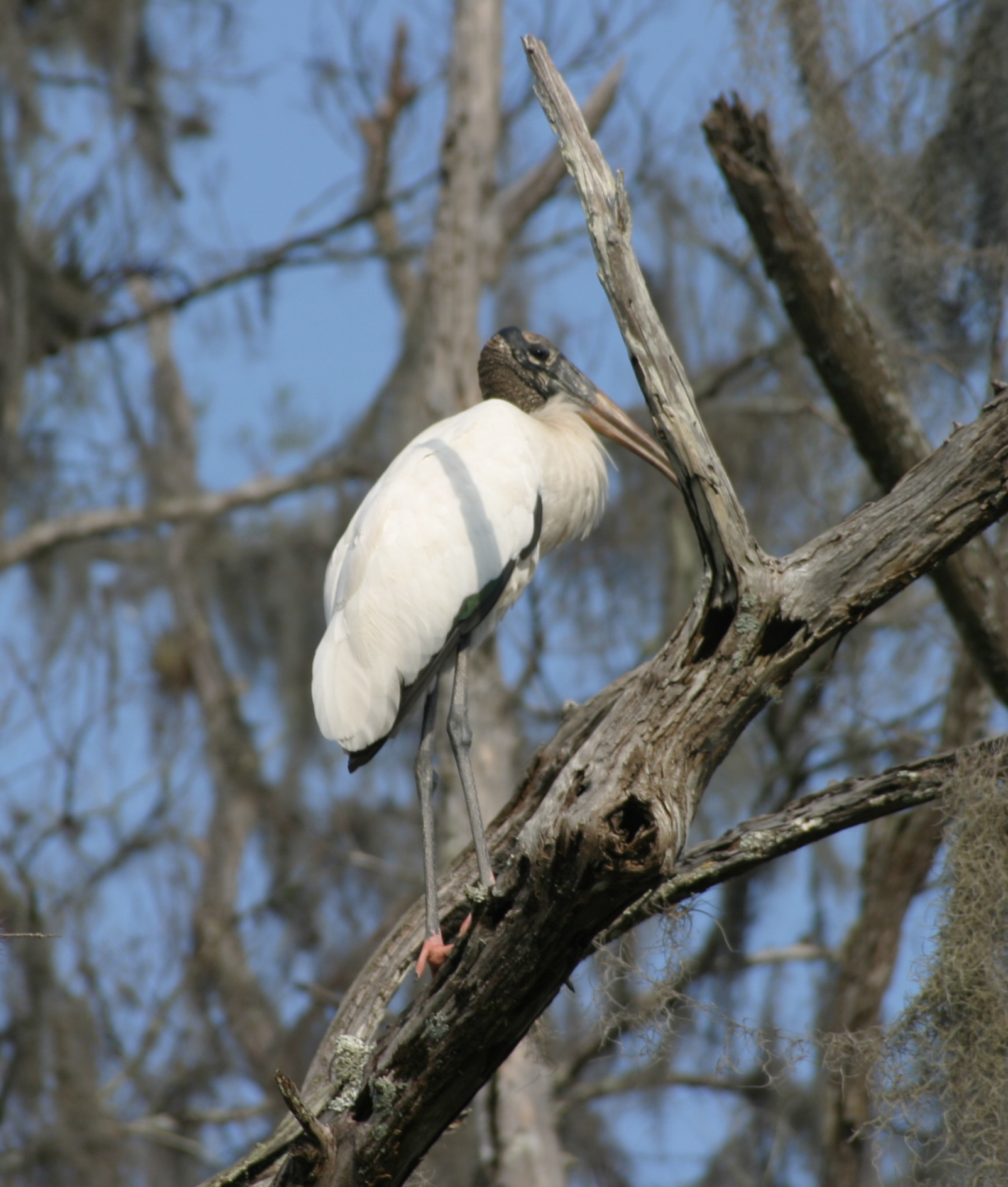
This massive beehive, complete with buzzing inhabitants I didn’t get close enough to for you to see in the photo, was along the shore on Fisheating Creek, a lovely waterway that winds through extensive cypress swamps and hardwood forest hammocks in rural Florida west of Lake Okeechobee. It’s just south of Palmdale (blink and you’ll miss it). The two youngsters in our group counted 40 alligators during our four-hour paddle (hey, it kept them busy). Birds were plentiful: wood storks, great blue heron, yellow-crowned night heron, anhinga, osprey, kingfisher, little blue heron, tricolored heron, and egrets of all sizes. And a huge flowering bush full of Monarch butterflies.

It was good to get back out into Florida nature after a season in the Northeast, but I was reminded it is not advisable to paddle too close to shore, as I do in the north. As I rounded a bend with the left side of the canoe brushing the weeds there was a tremendous thrash, crash and splash just in front of me and the boat rocked with the waves that were kicked up as an alligator scrambled to get into the water and out of my way. I was glad I was moving slowly and I was glad I didn’t have a bow partner along when it happened.

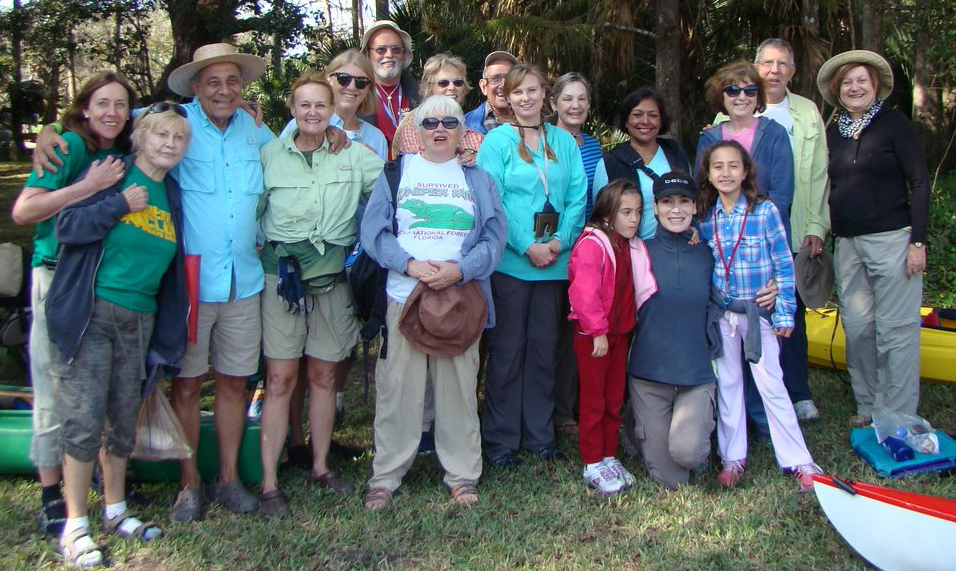
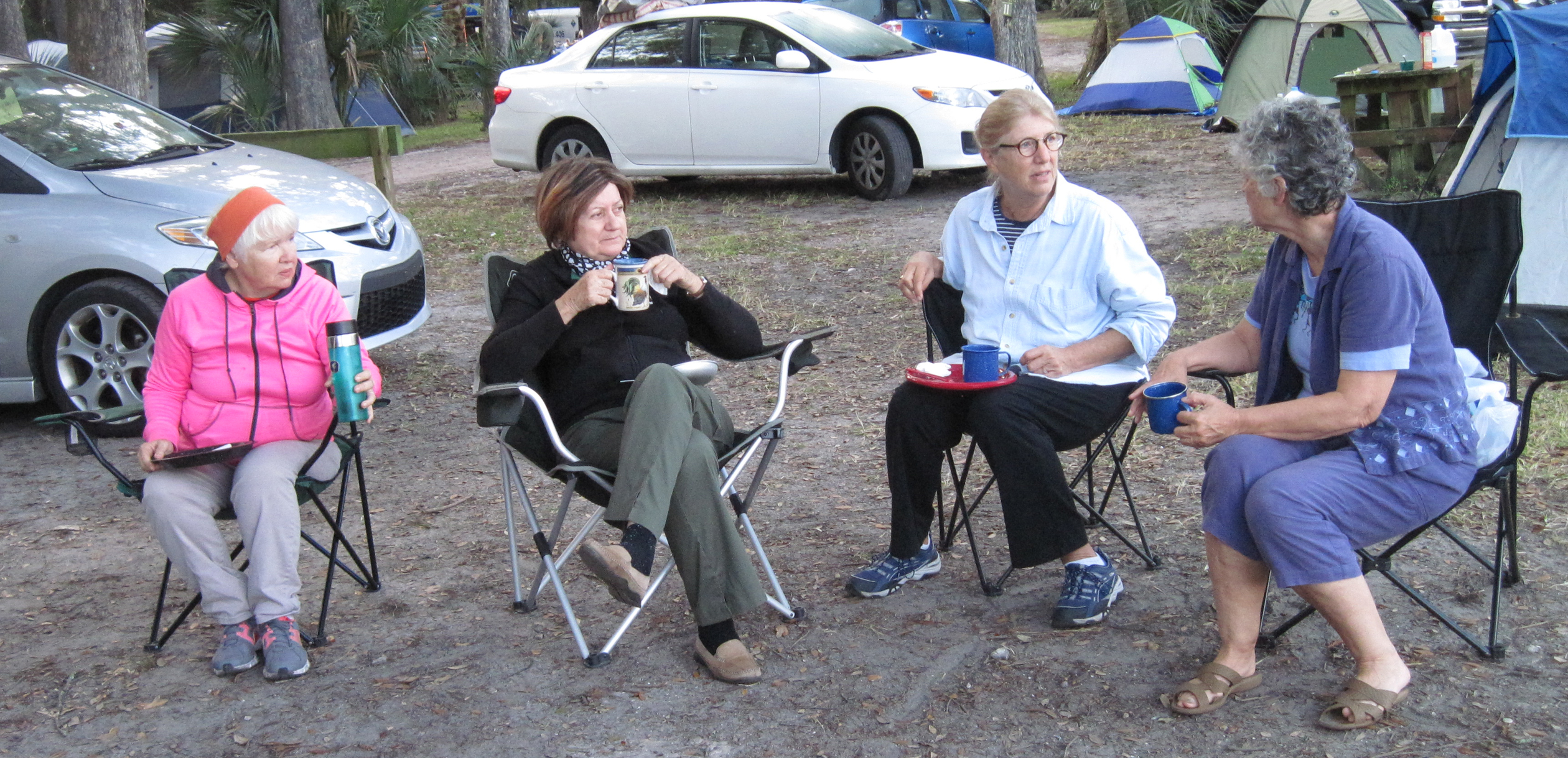
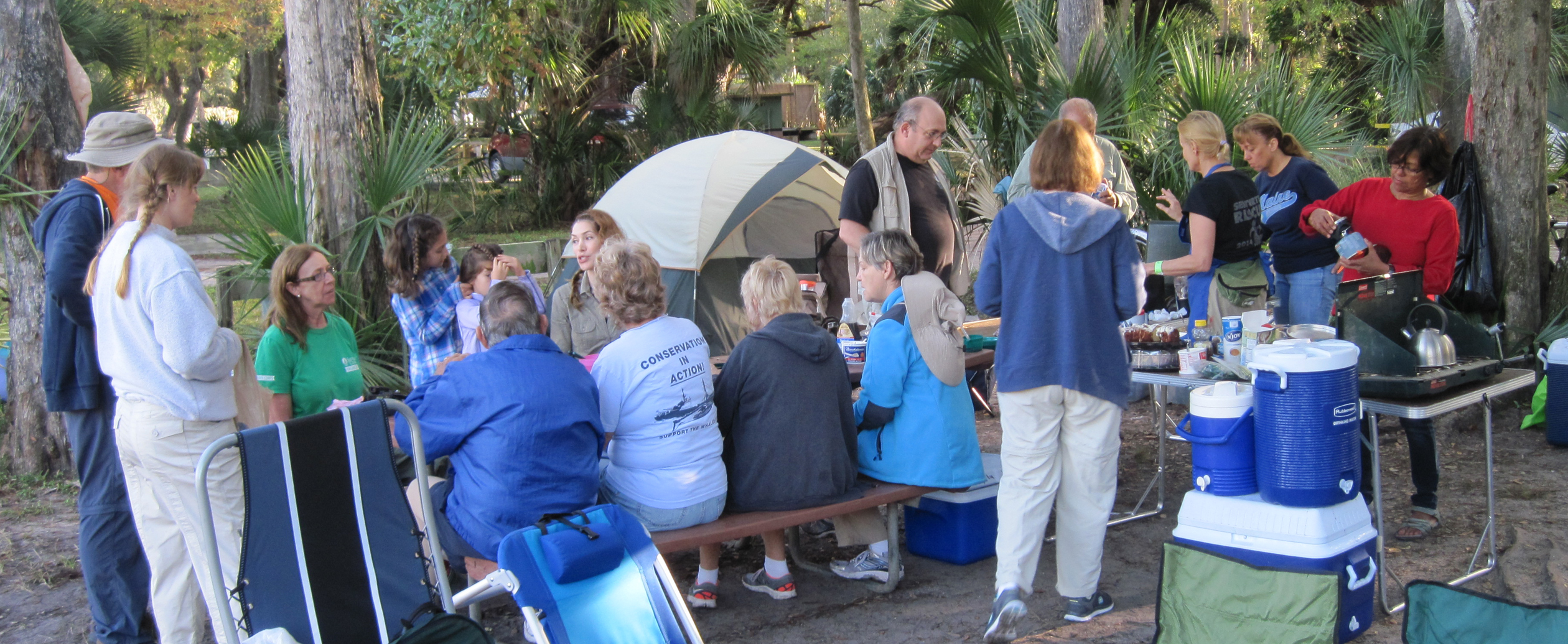
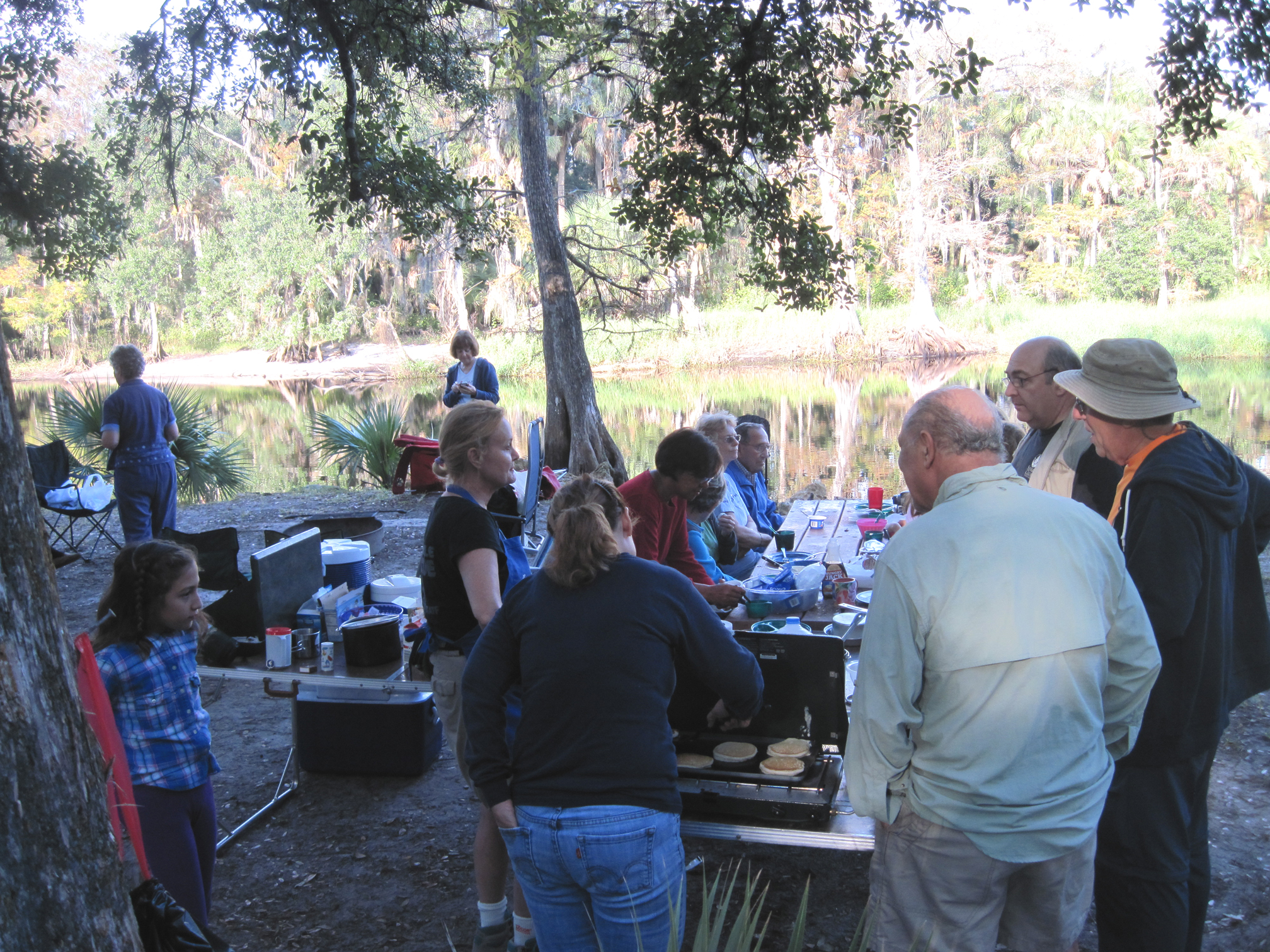
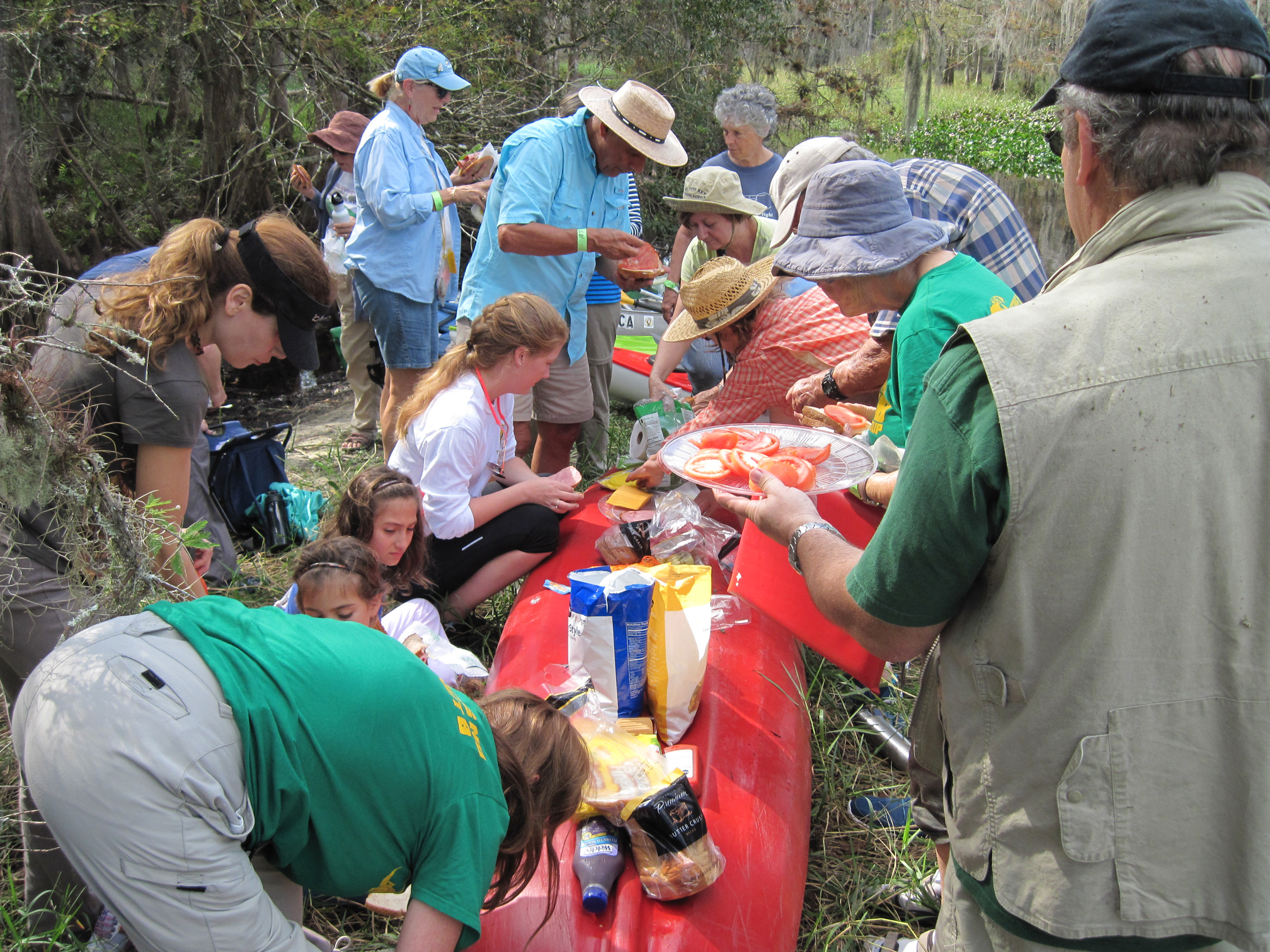
This trip was put together by Sierra Club outing leaders from three different groups here in South Florida, the Loxahatchee Group, the Broward Group and the Miami Group. We were joined by a couple of folks from the Suwanee-St. John’s Group, up in Gainesville.

IMG_5489c

IMG_1198c

DSC05714c

I’m the tall one in the back of course.

IMG_1193c IMG_1194c IMG_1211c IMG_1206c IMG_1214c IMG_1215c IMG_1219c IMG_5466c IMG_5475c IMG_5482c IMG_5485c IMG_5499c IMG_5502c IMG_5505c IMG_5508c IMG_5515c IMG_1207c IMG_1205c IMG_1196c

Posted in Nature, Paddling, Sierra Club | 2 Comments

Back in the warmth!

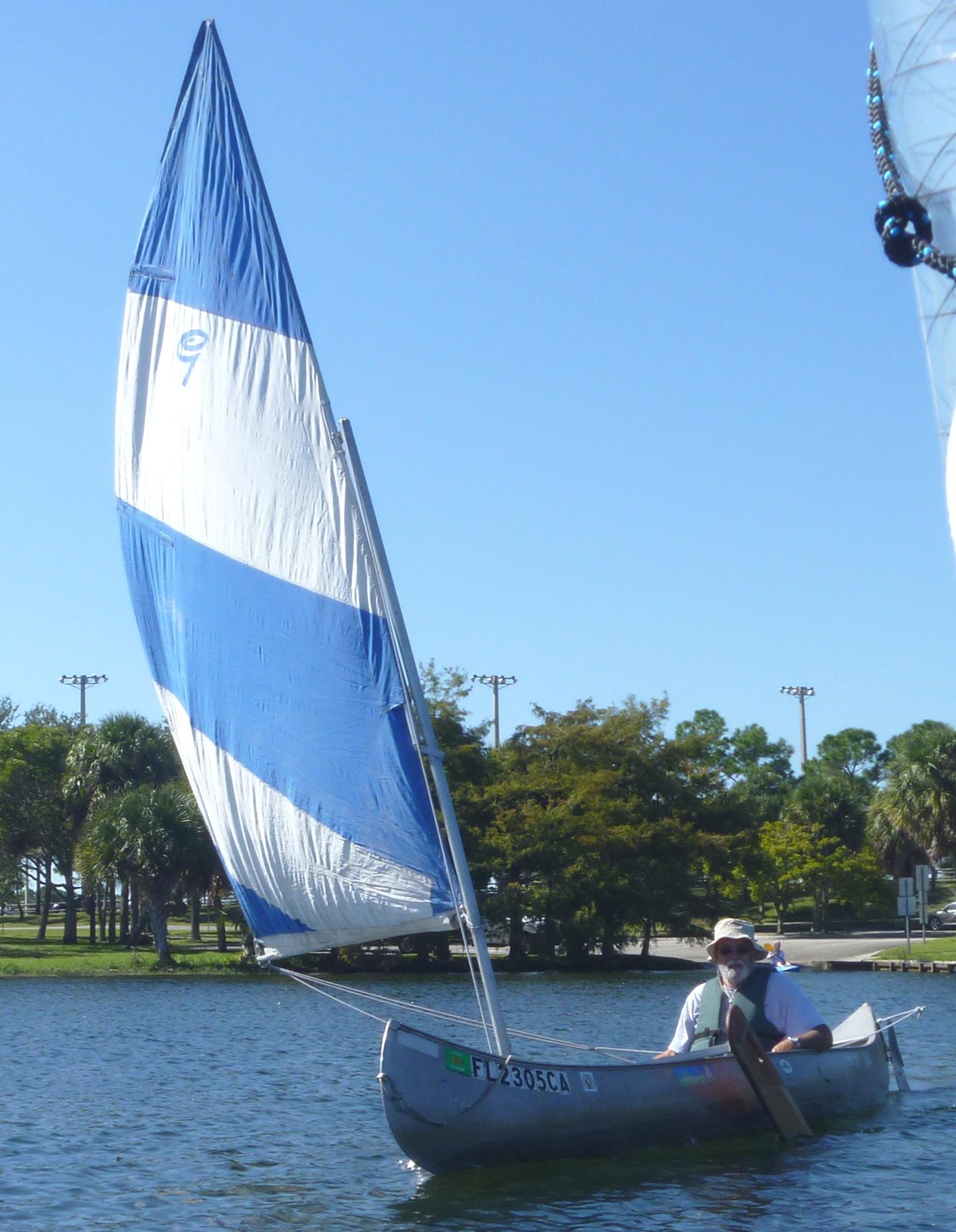
I’m back in into shorts and T-shirt mode, having left the chilly Northeast where it belongs…up there. In the summer, the lovely byways and nice waterways of New England have Florida beat hands down, but in winter I will take being able to walk outside barefoot whenever I want to over the bundling up necessary to deal with the elements to the north. Amazing what a difference 1,400 miles makes!

Here I am today….

highres_431475128.jpegcc

Posted in Grumman canoe, Photos mostly, Sailing | 3 Comments

More recycled gas stations

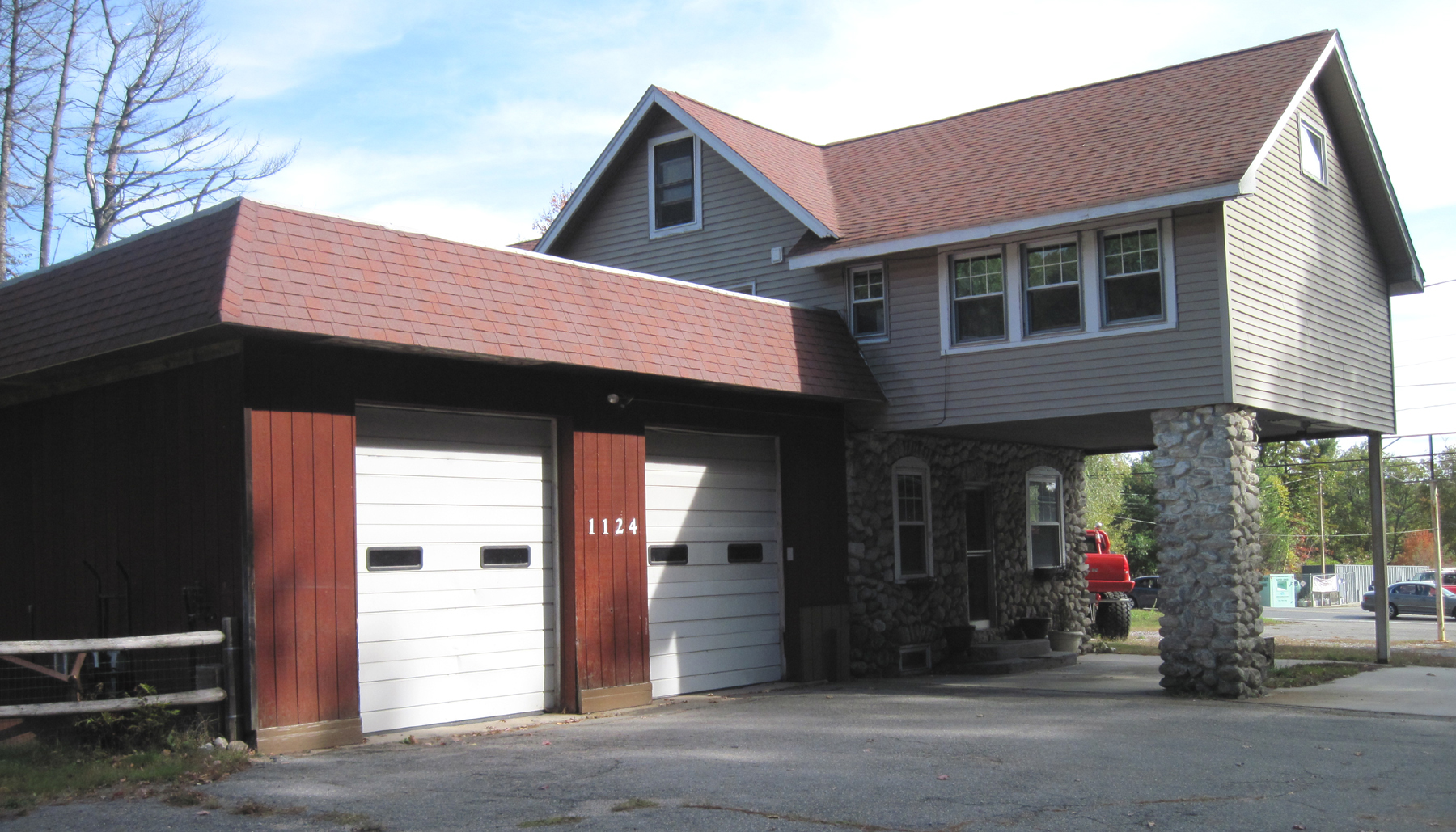
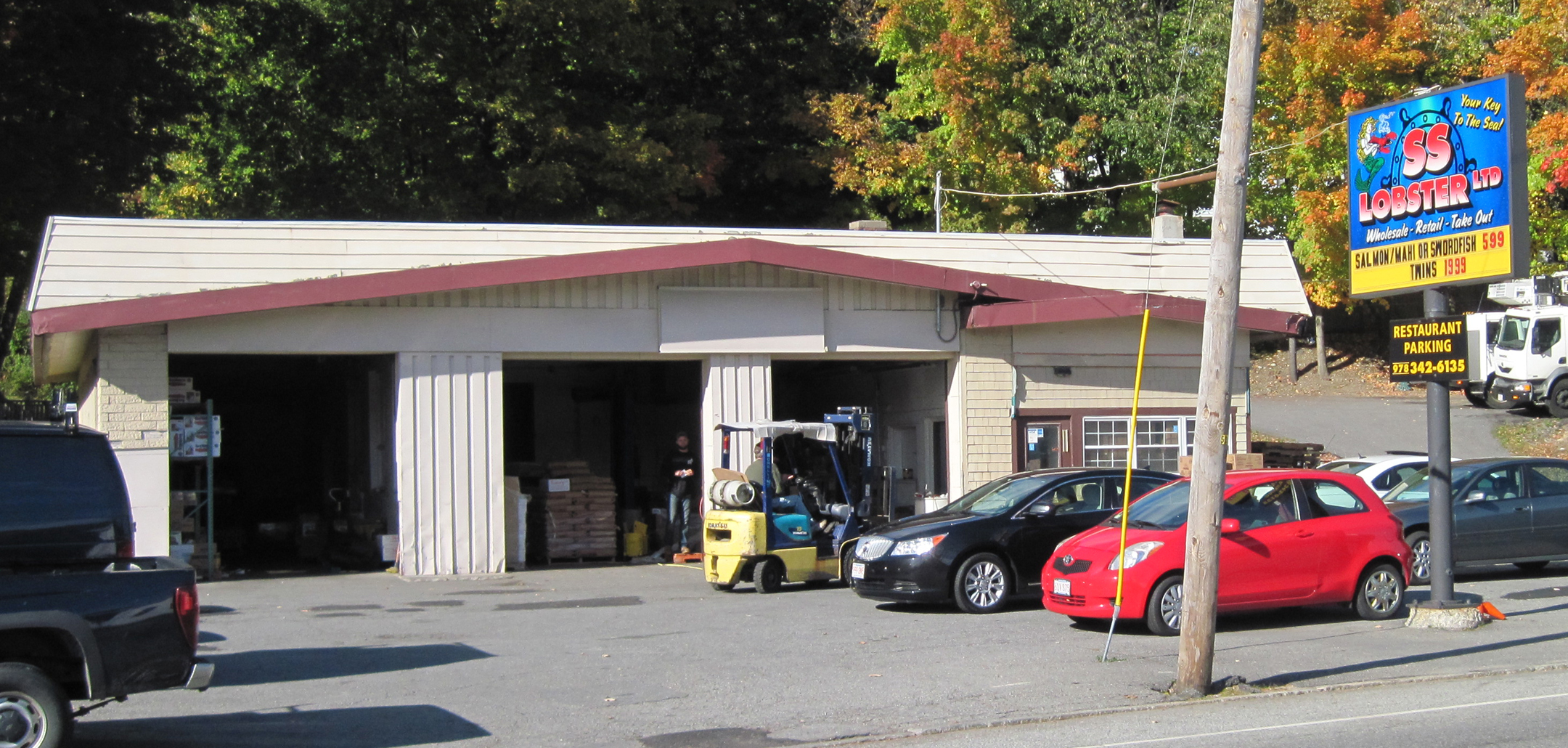
On a recent trip through rural Massachusetts I found a couple more recycled gas stations for my photographic collection.   In the tiny crossroads town of Quinapoxet, there was this two-story gem, now a private residence.  And a little further along, in Fitchburg, was SS Lobster Ltd, a wholesale and retail seafood depot located in a former station.

Quinapoxet, MASS Lobster Ltd. in Fitchburg, MA


Posted in Gas stations, Road trip | 2 Comments

Japanese denim? When did that happen?

blue japanThis advertisement caught my eye.  Japanese denim?  That’s like a Chinese Cadillac or something, isn’t it?  I decided to find out.  And discovered there is a whole lot about blue jeans I don’t know.

My memories are that the popular blue clothing known as jeans was a purely American invention, made for workers, picked up and popularized by our youth, becoming incredibly popular and in high demand abroad, ironically especially so among Japanese teens, who for a time gobbled up all things American, and then finally becoming so fashionable that one could spend hundreds of dollars for a brand new pair of pants that looked like they’d been run through a Goodwill store five or six times.

But even cursory research reveals claims that Genoese Navy sailors in Italy were wearing denim back in the 1500’s. Indeed, if one can believe the internet, the word “jeans” is derived from the French word for Genoa, and the fabric itself originated in Nimes, France—the word “denim” derives from the French serge de Nîmes, referring to the city. (Basically the phrase means a type of twill fabric from Nimes)

So much for my American-centric memories I guess. I suspect at least the Levi Strauss publicity machine would agree with me, and most certainly that firm’s production and marketing of riveted denim clothing made jeans an American icon in the 1900’s.

So, fast-forwarding, when did Japan and denim happen? Apparently in the ‘80’s and ‘90’s, while I was busy living and working in Florida, where jeans, in my opinion, are just too hot to wear. South Florida’s for shorts.

The Japanese denim industry began in the 1970’s with the use of expensive, Japanese-made selvage denim and modern, efficient looms developed by a man named Sakichi Toyoda, founder of the Toyoda Automatic Loom Works, a company that later became known as, you guessed it, the Toyota Motor Corporation.

The best summary of it all is this passage from http://www.highsnobiety.com/2012/11/16/japanese-denim-a-history-of-the-worlds-best-denim/ :

“In short, Japan’s obsession in recreating the American jeans they crazed over led Japanese denim manufacturers to become the world’s best in terms of knowledge and production. From then on it was only a matter of time before the rest of the world caught on to the craftwork behind Japanese denim. Now, the jeans market is saturated with Japanese denim leading to a dizzying amount of “Made in Japan” jeans.”

And you have learned all this from a fellow who last wore denim in the 1960’s.

Posted in Offbeat | 3 Comments