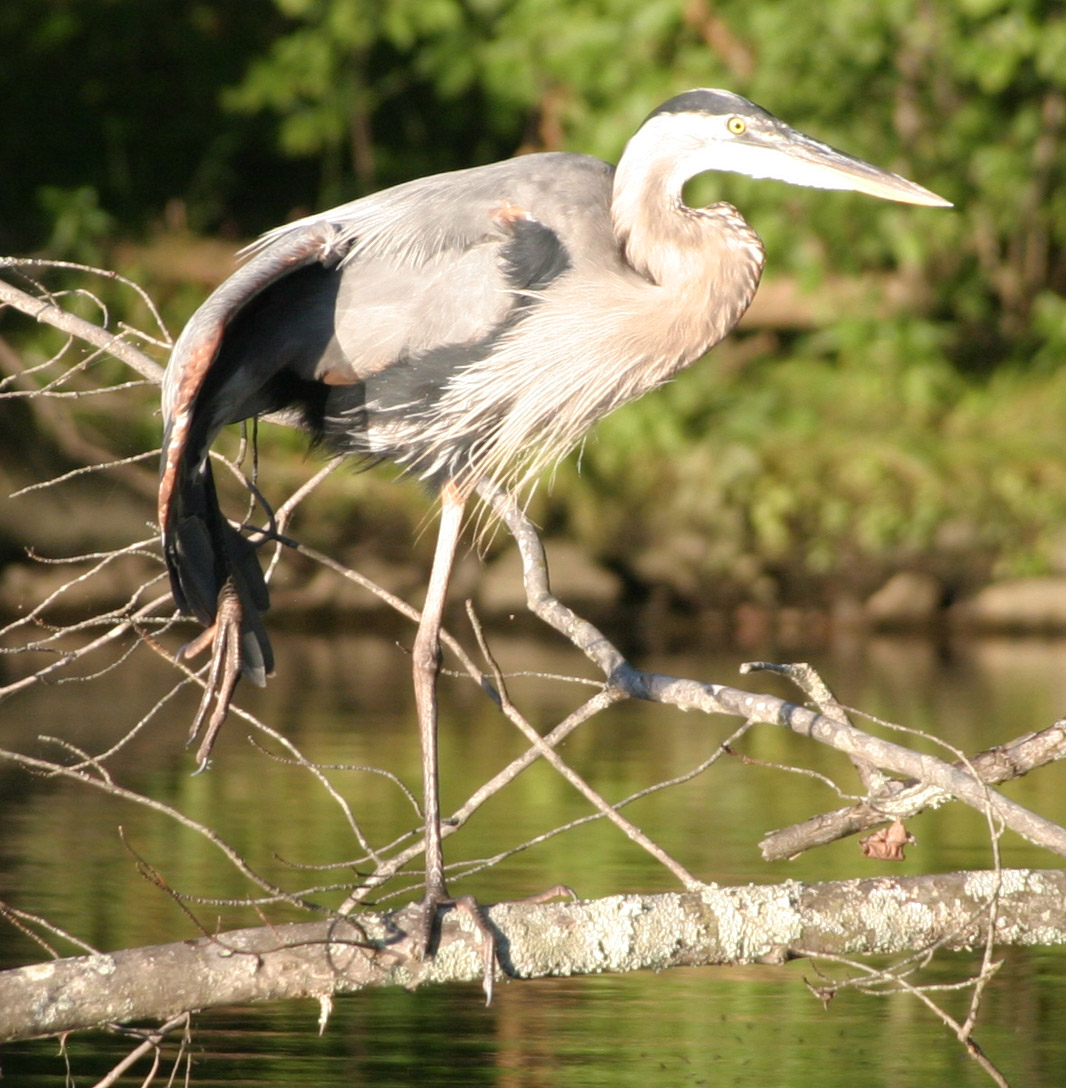
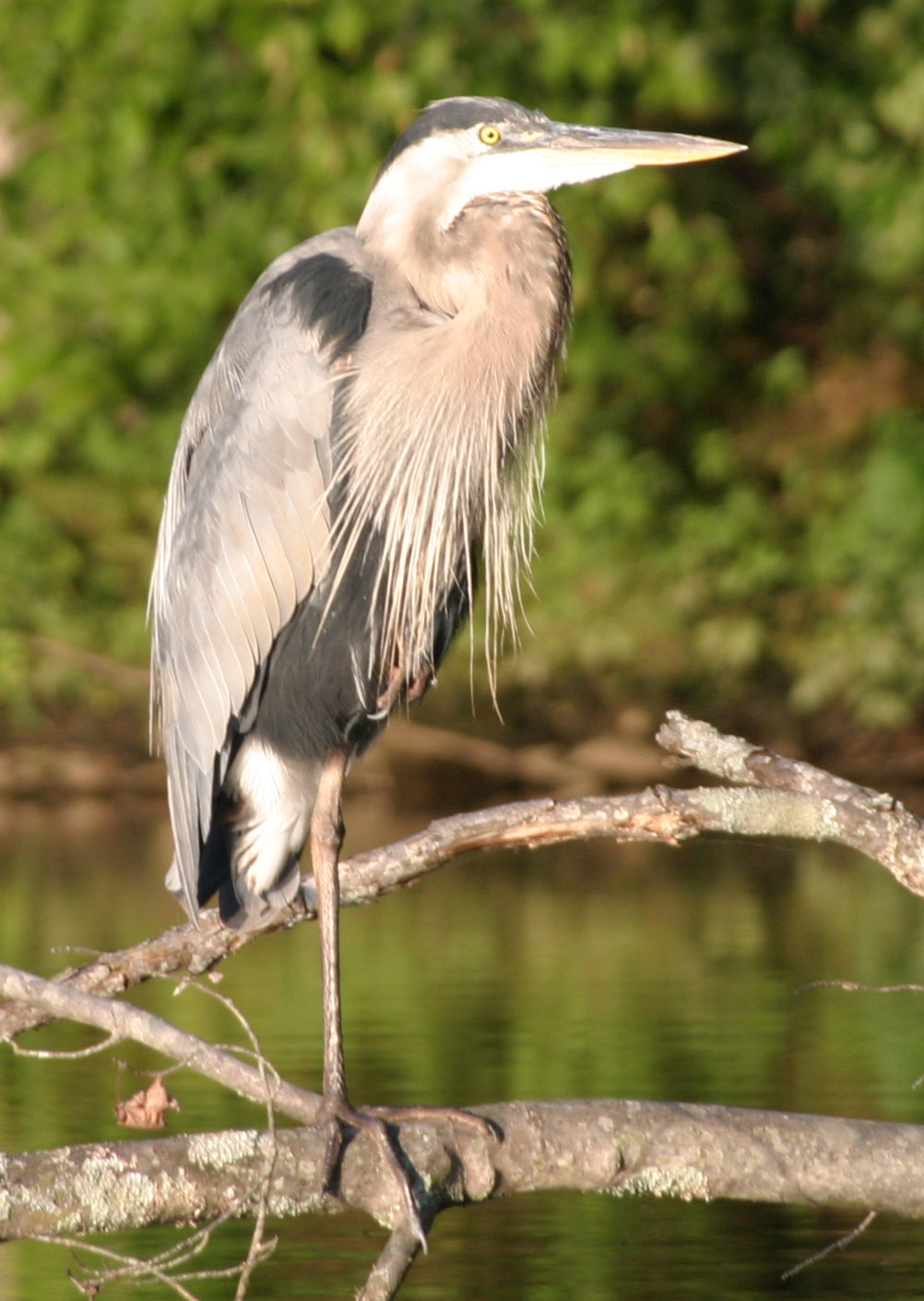
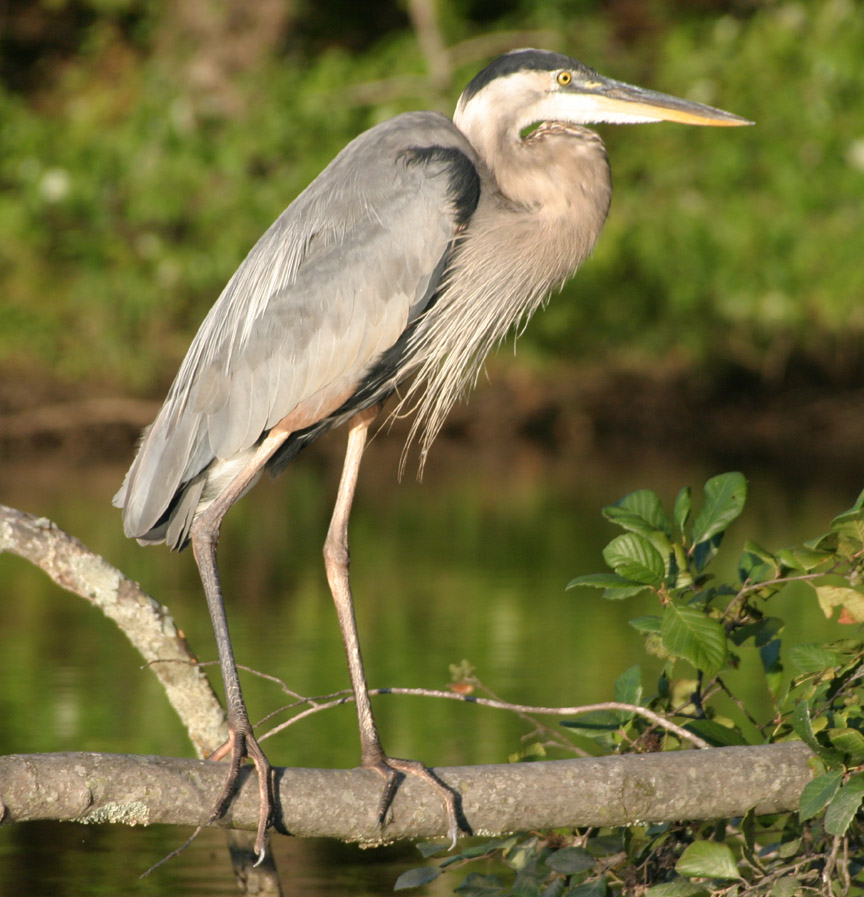
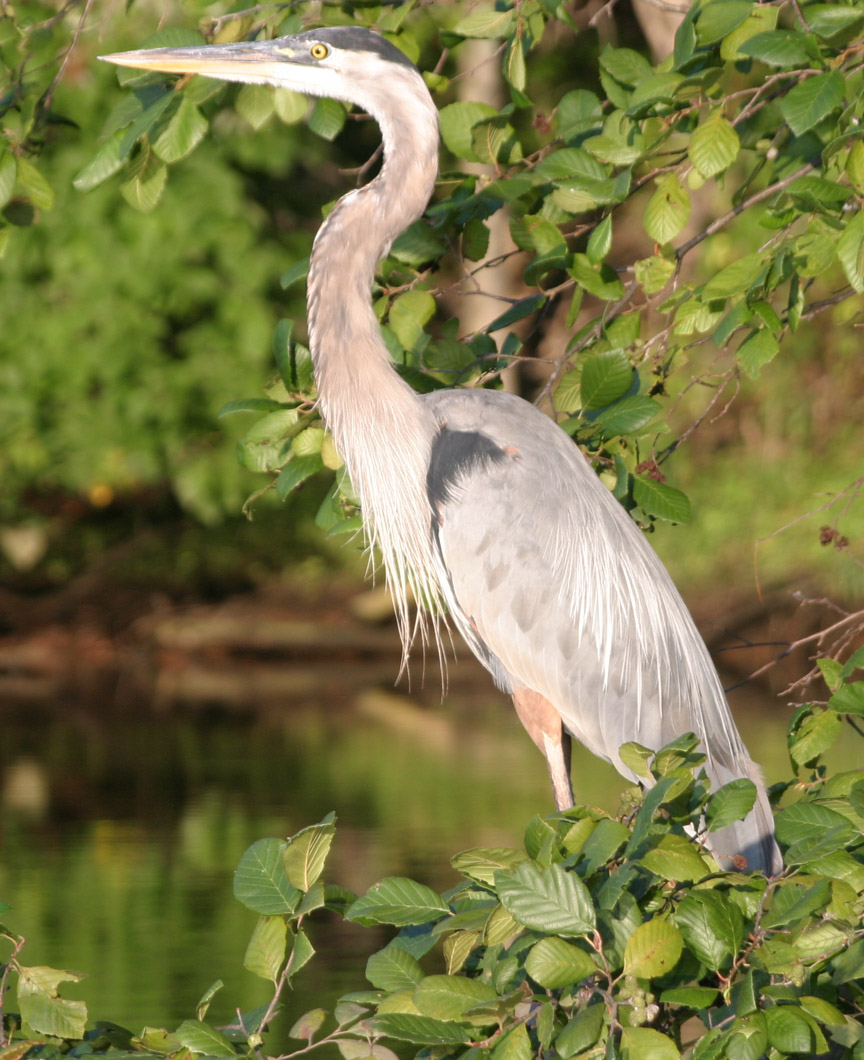
Paddling the Dedham Trail (without the rain this time)

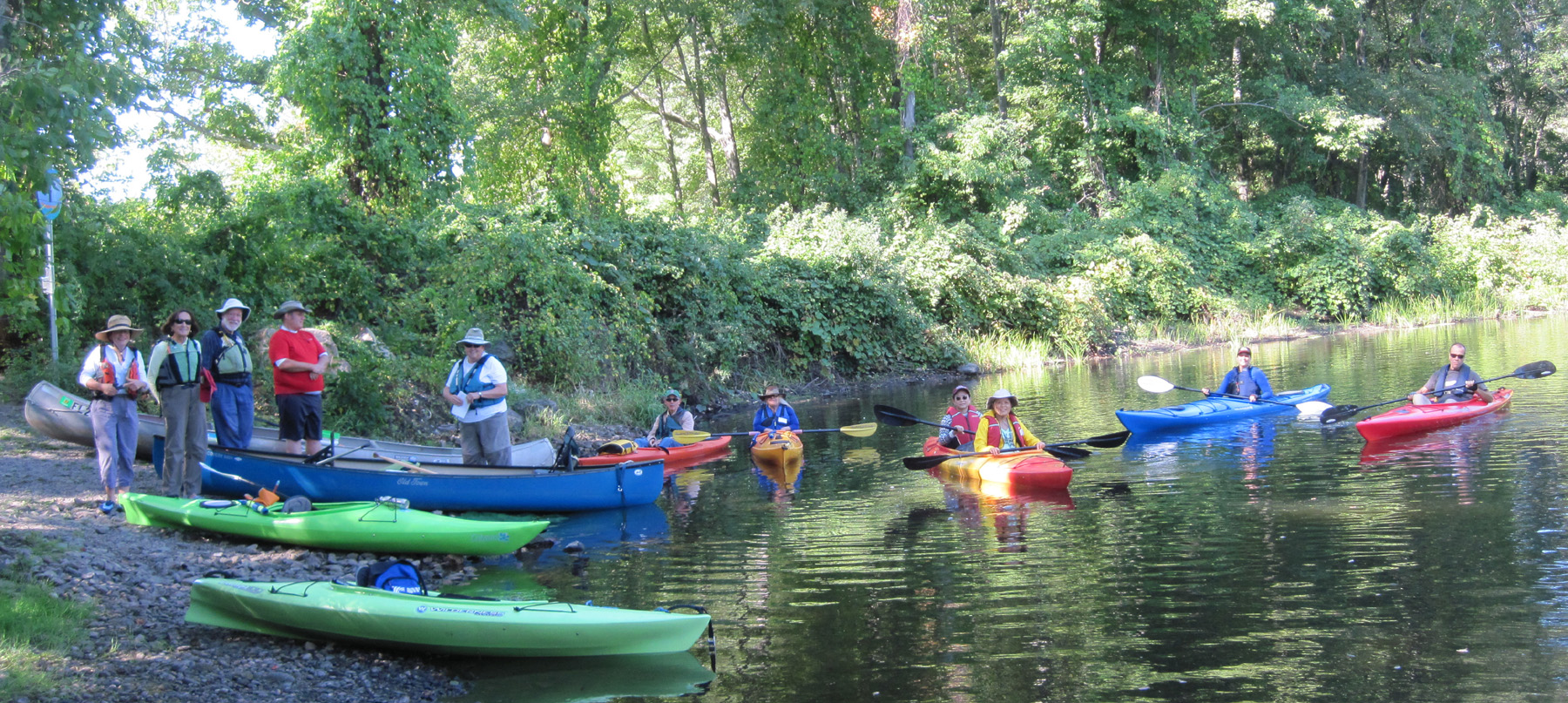
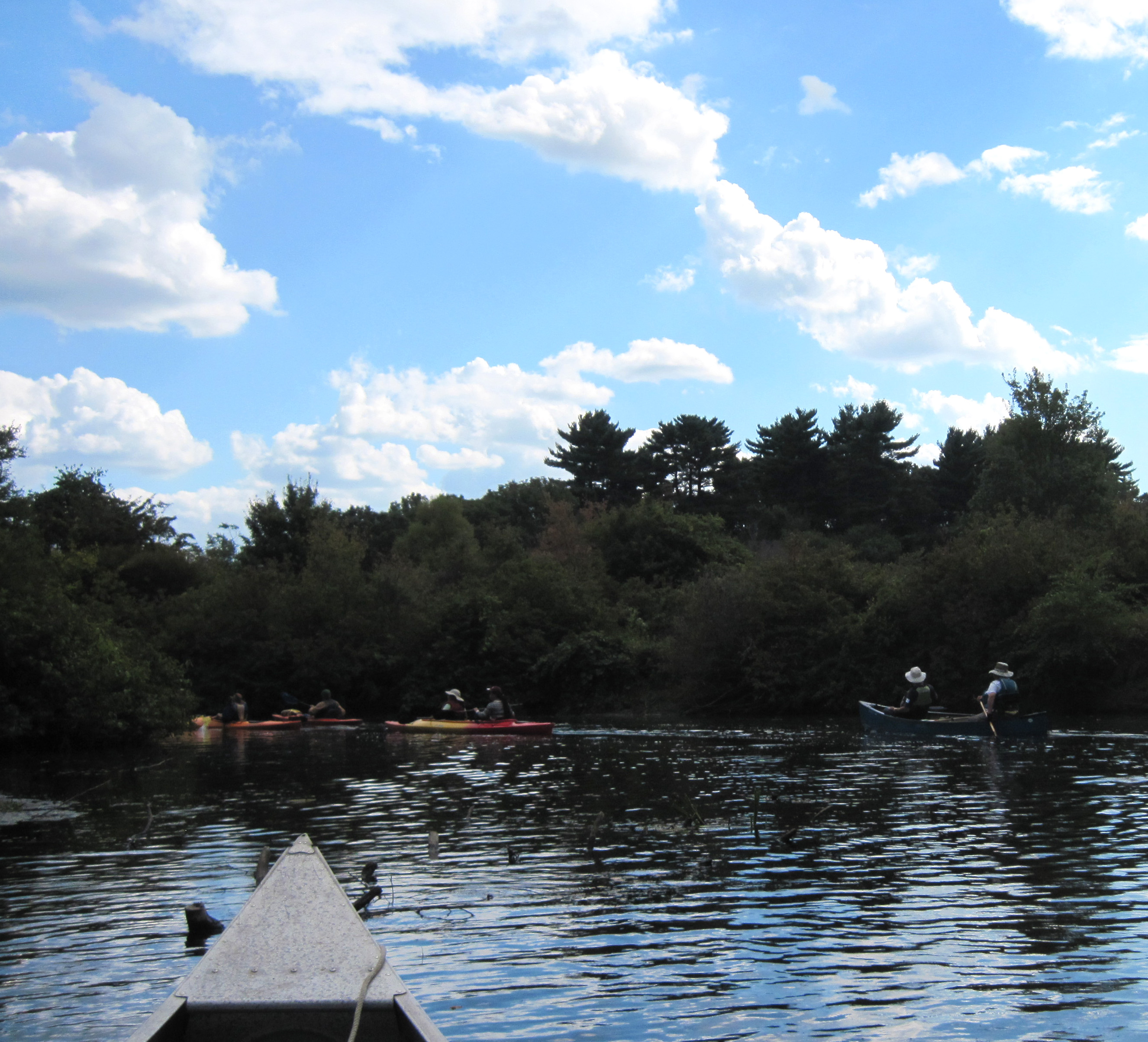
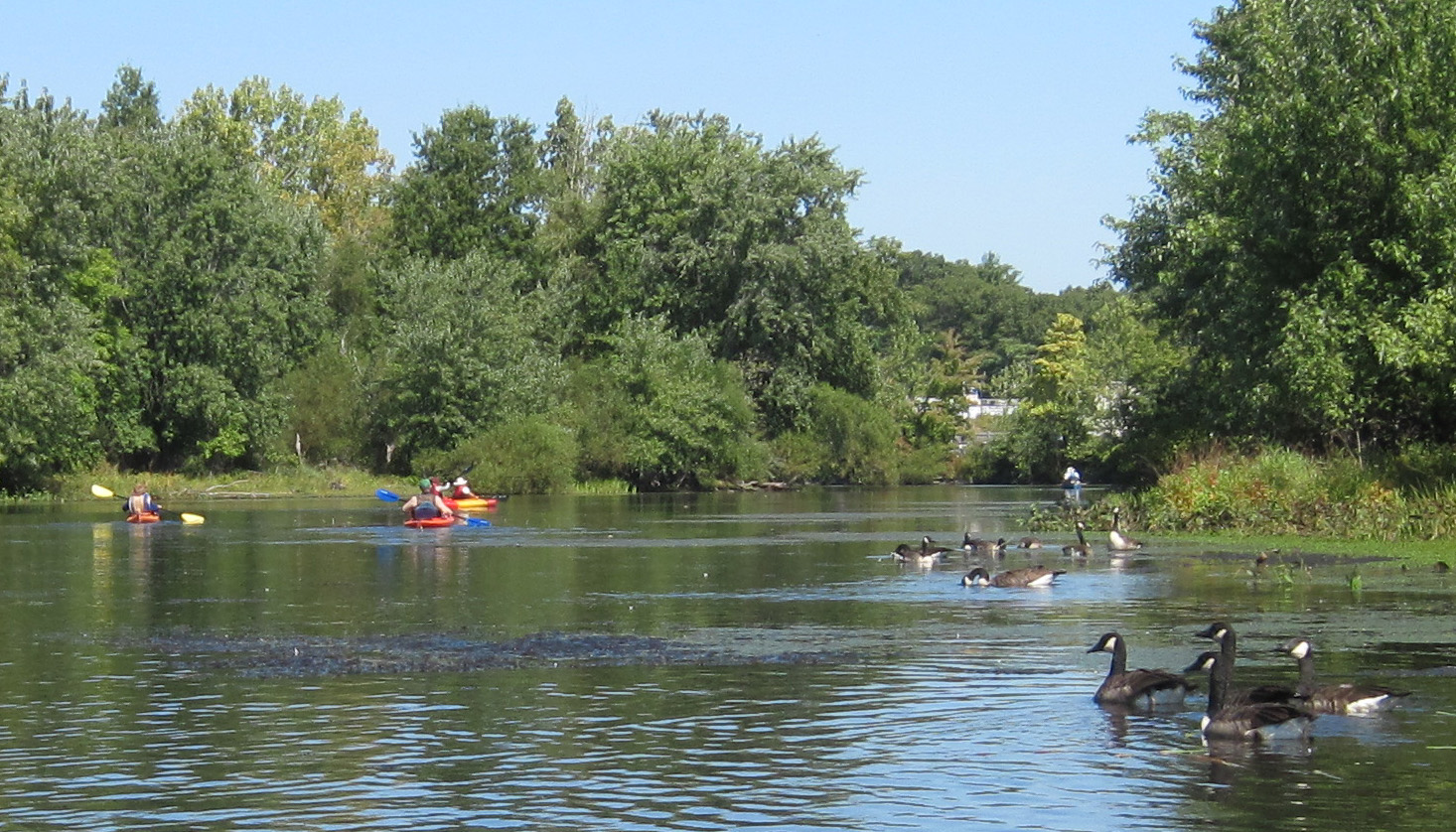
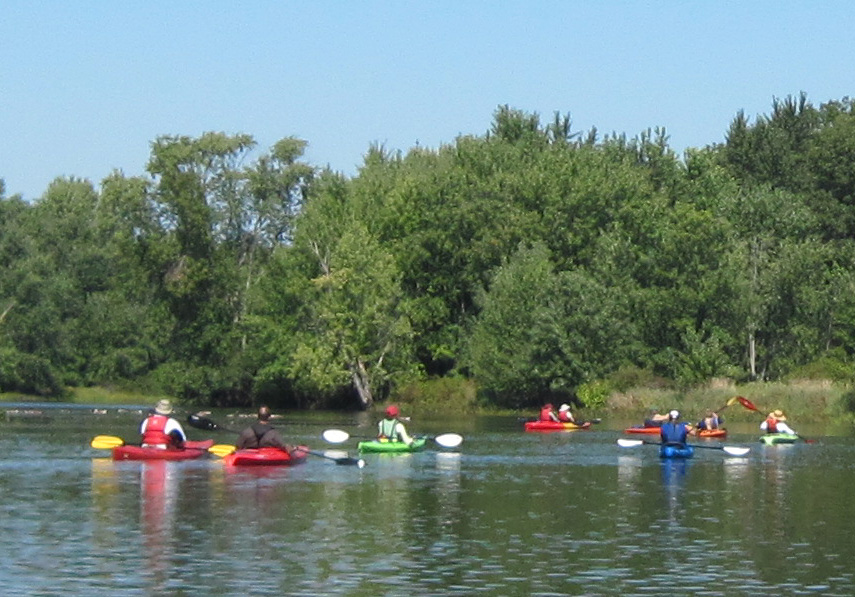
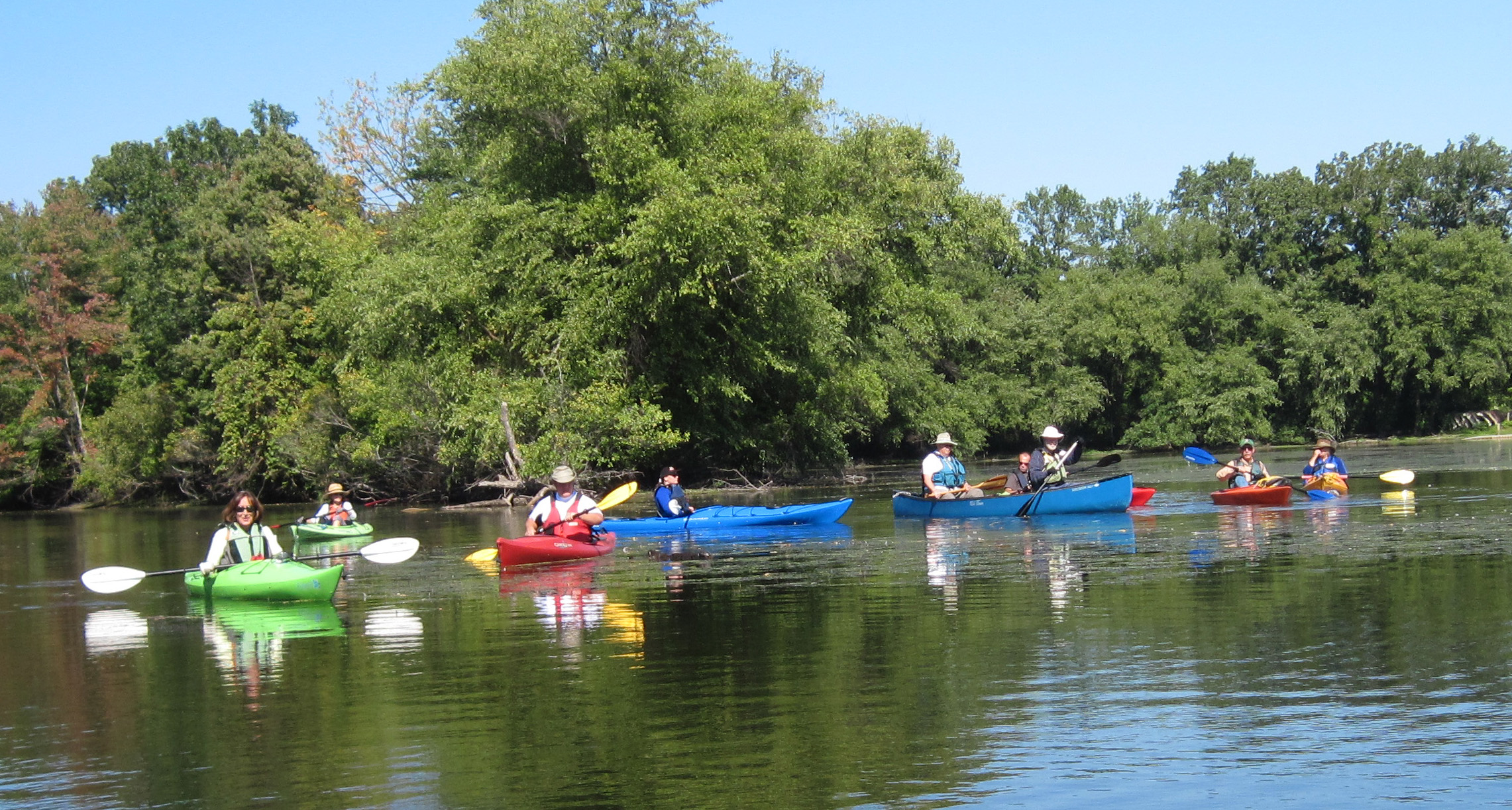
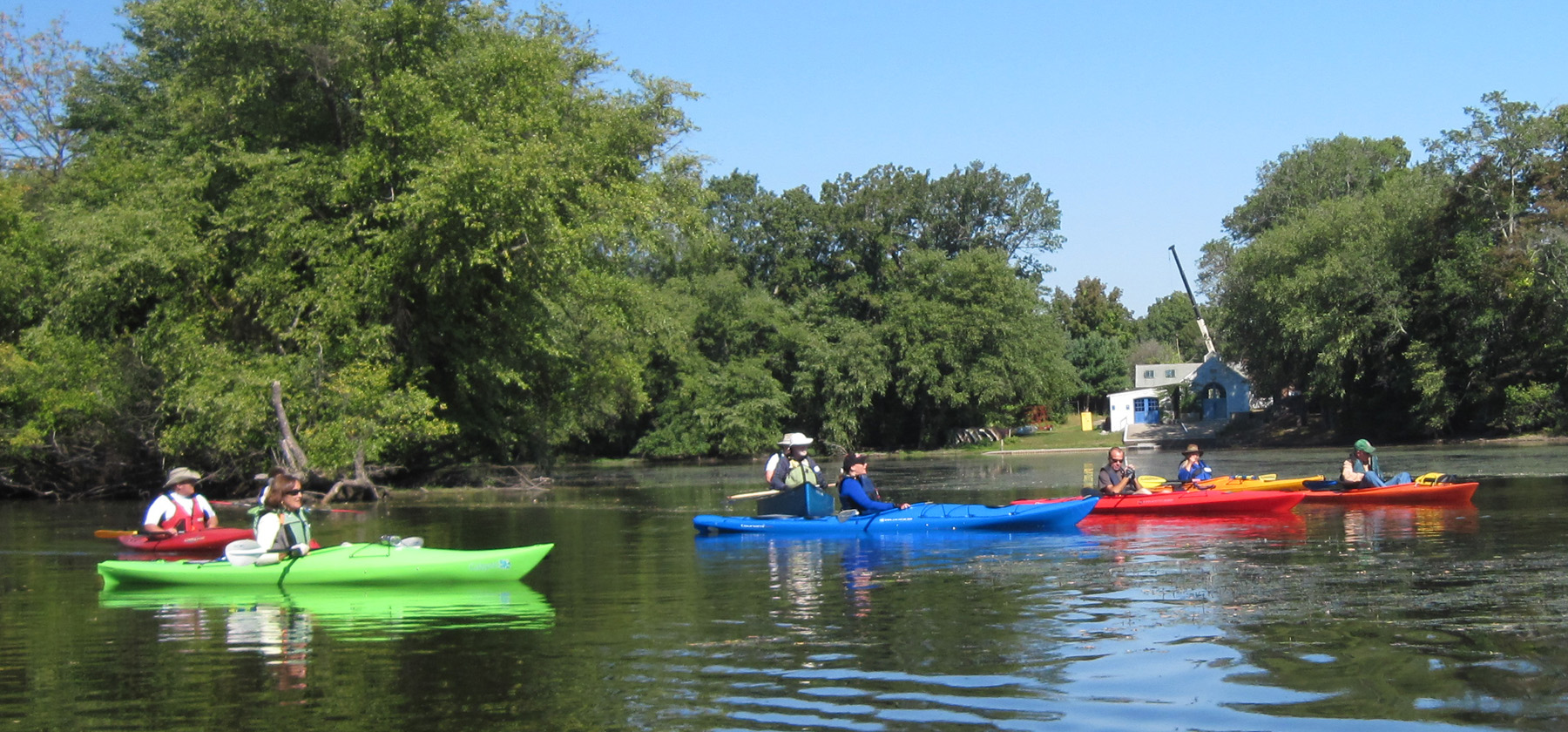
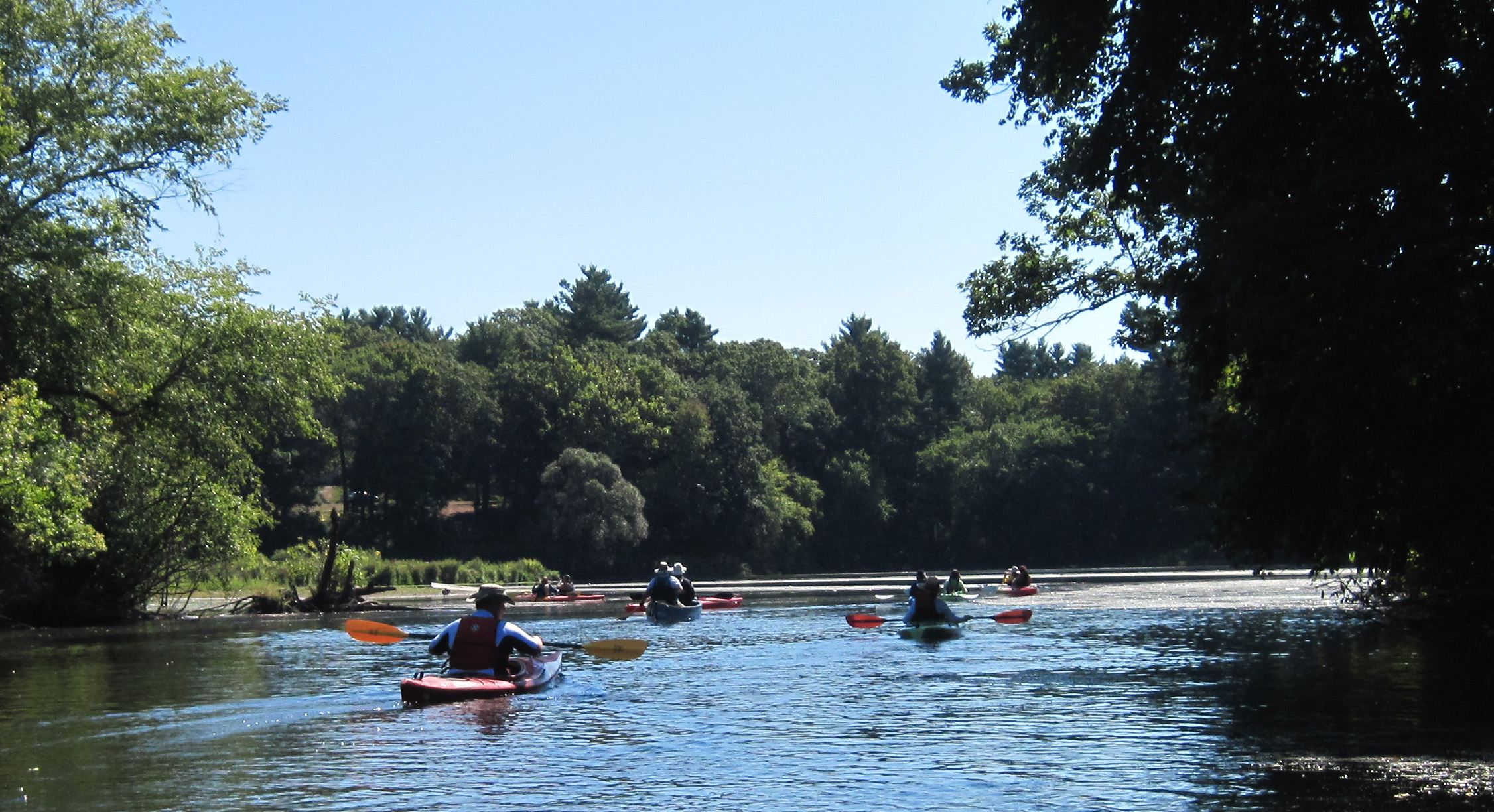
Yesterday 12 of us paddled the Dedham Water Trail in Dedham, MA. The sky was blue, the sun bright, temps reached the ‘70’s and IT DID NOT RAIN.  (It was a great contrast to my soggy trip around the loop last month.)

I advertised it in four of the Meetup.com paddling groups I belong to: Paddle Killingly, Western Mass Kayak, Worcester Paddling, and Boston Paddling. A few from each group signed up and we ended up with a nice flotilla of ten boats filled with nice people.

The water level at Dover was near .6 feet, down slightly from the .8 that it was last time, but there was still only the one portage necessary, at the Needham Street bridge. Some photos:

highres_411249382.jpegcIMG_1045cIMG_5185c IMG_5160c IMG_5147c IMG_5131c IMG_5141c IMG_5145cIMG_1058c IMG_1055c IMG_1053c IMG_1051c IMG_1049c IMG_1048cIMG_5192c

Posted in Charles River, Grumman canoe, Nature, Paddling | Leave a comment

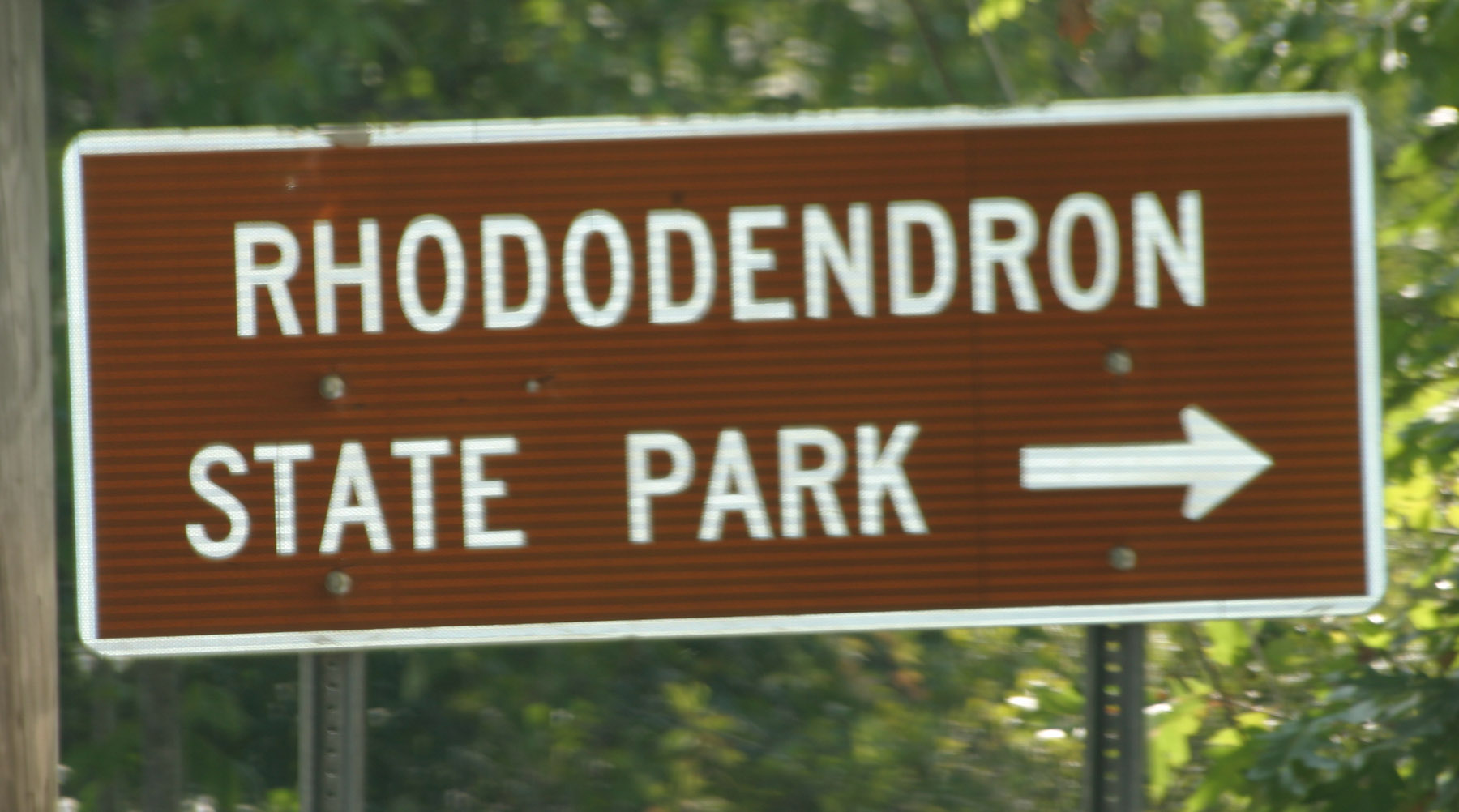
Some words just look silly in print…

IMG_5085c(And they also look out of focus, darn it!)  This park is in Fitzwilliam, NH, and best visited in mid-July, when the 16-acre grove of Rhododendron Maximum bursts into fragrant clusters of pink blossoms.

Posted in Nature, Road trip, Signs | 1 Comment

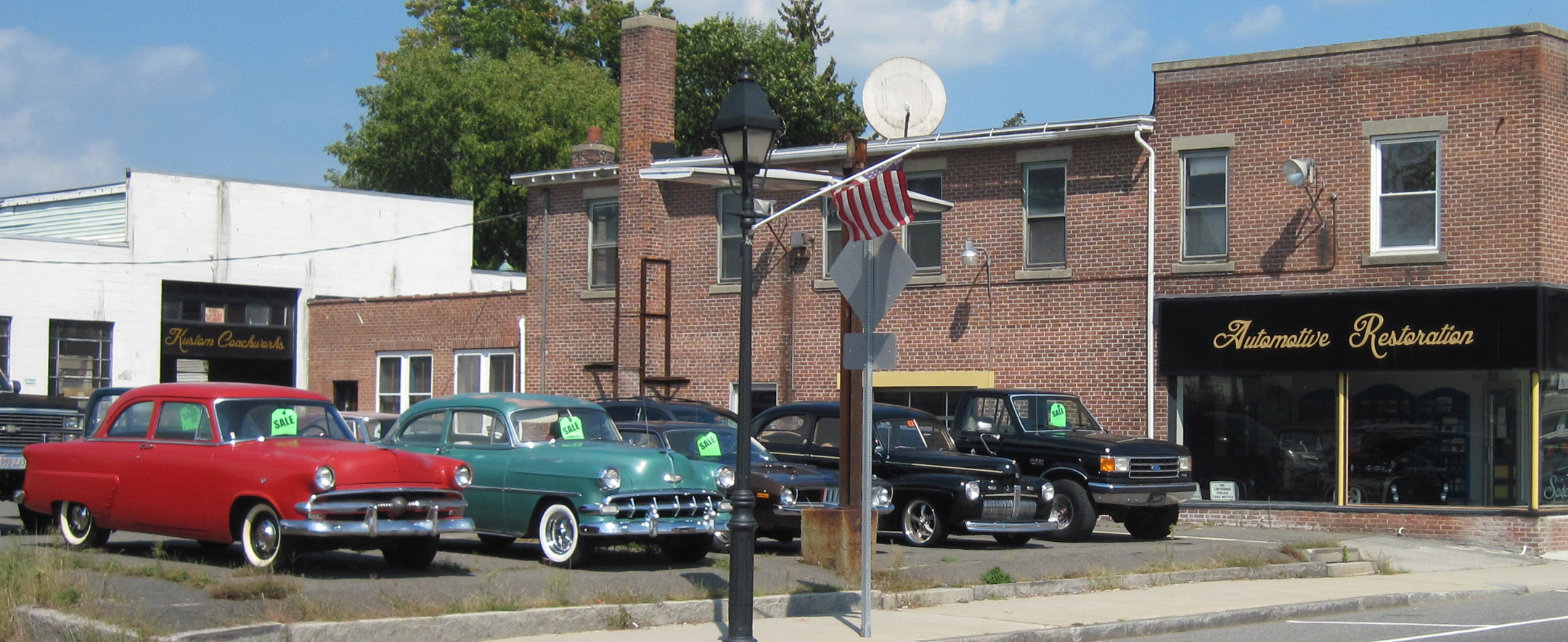
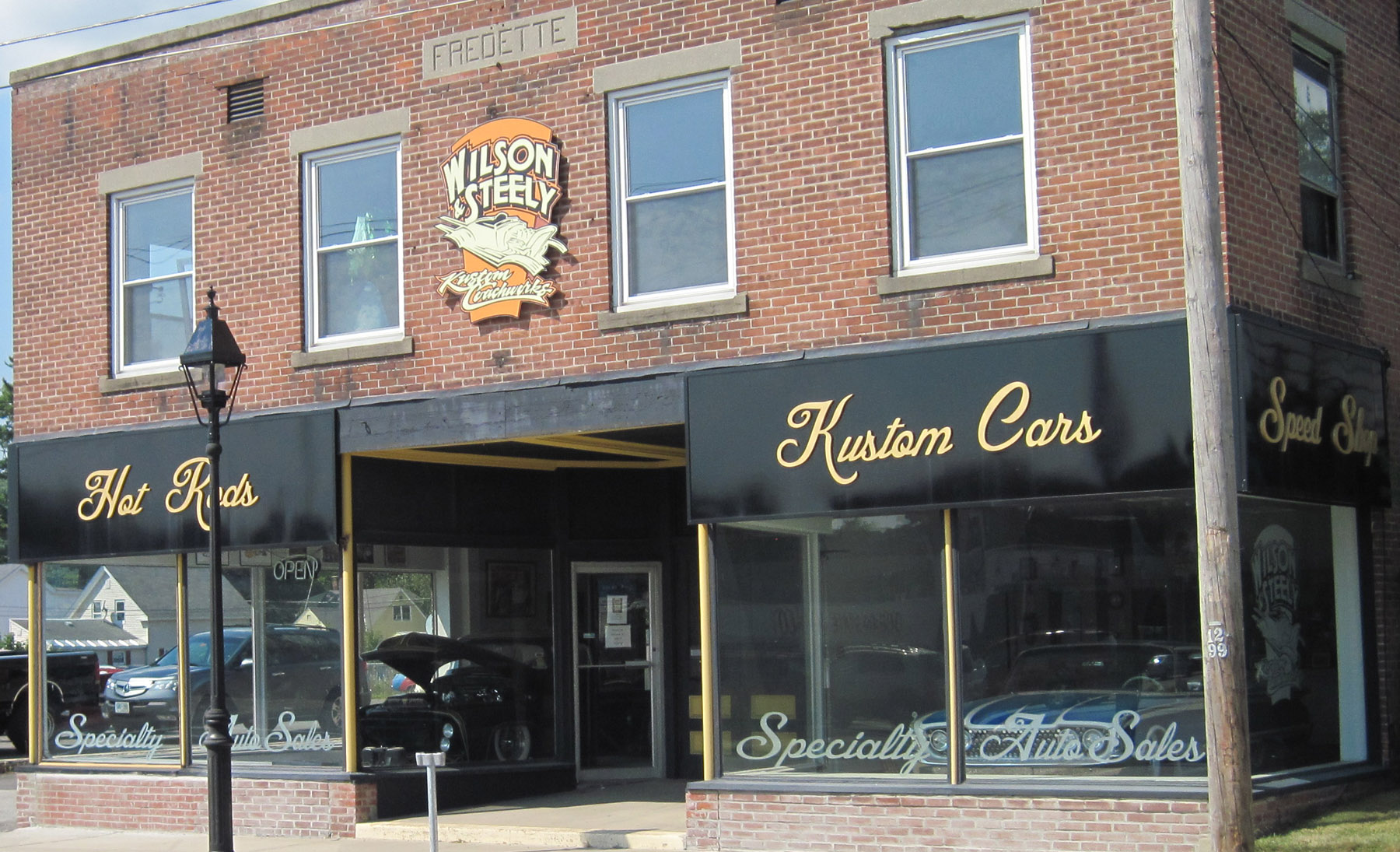
A well-used car lot

I find some interesting places in my meanderings.  Happy to share this one, the Wilson and Steely Kustom Coachworks in Athol, MA.

IMG_0971cWilson and Steely Kustom Coachworks, Athol, MA

Posted in Photos mostly, Road trip, Signs | 1 Comment

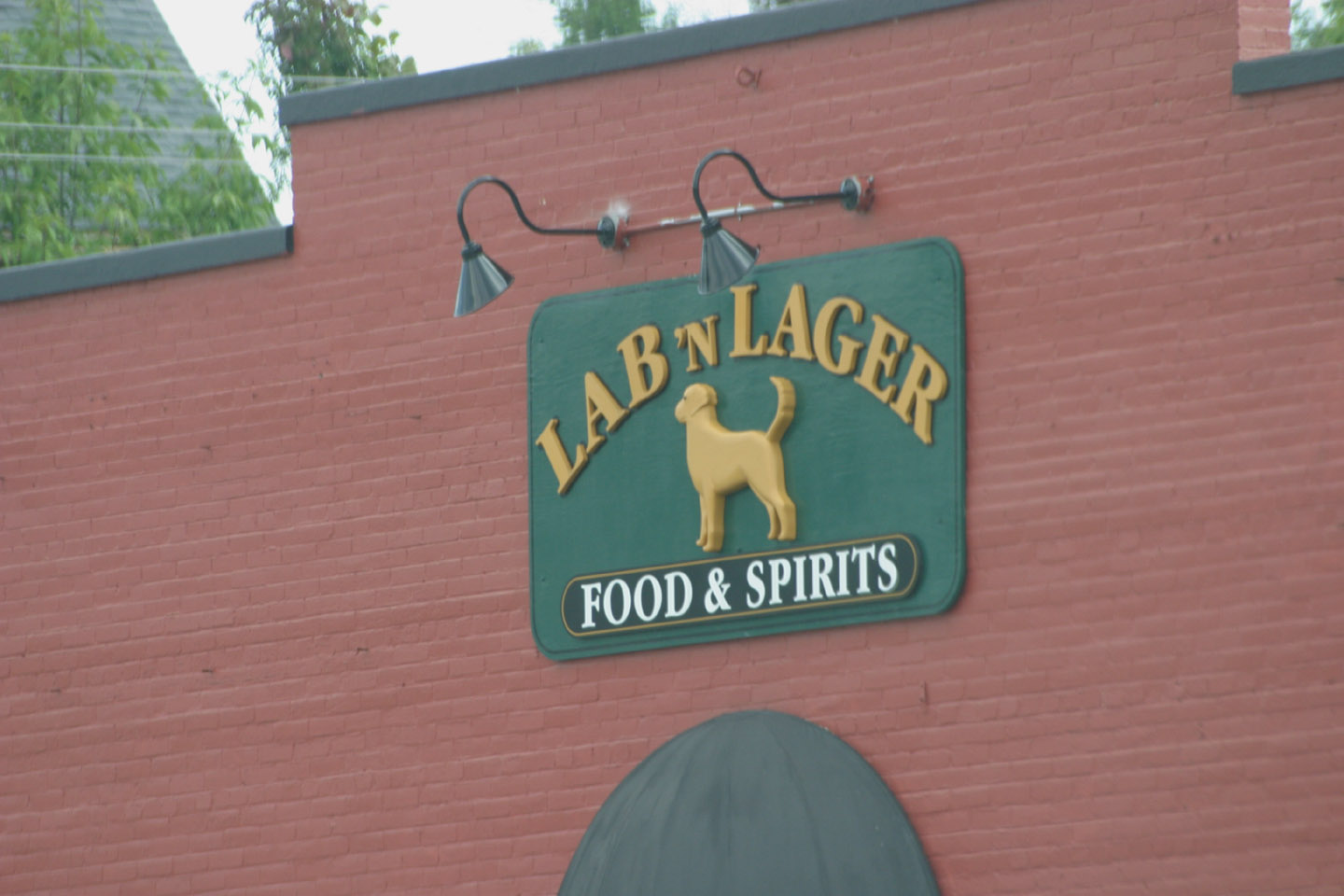
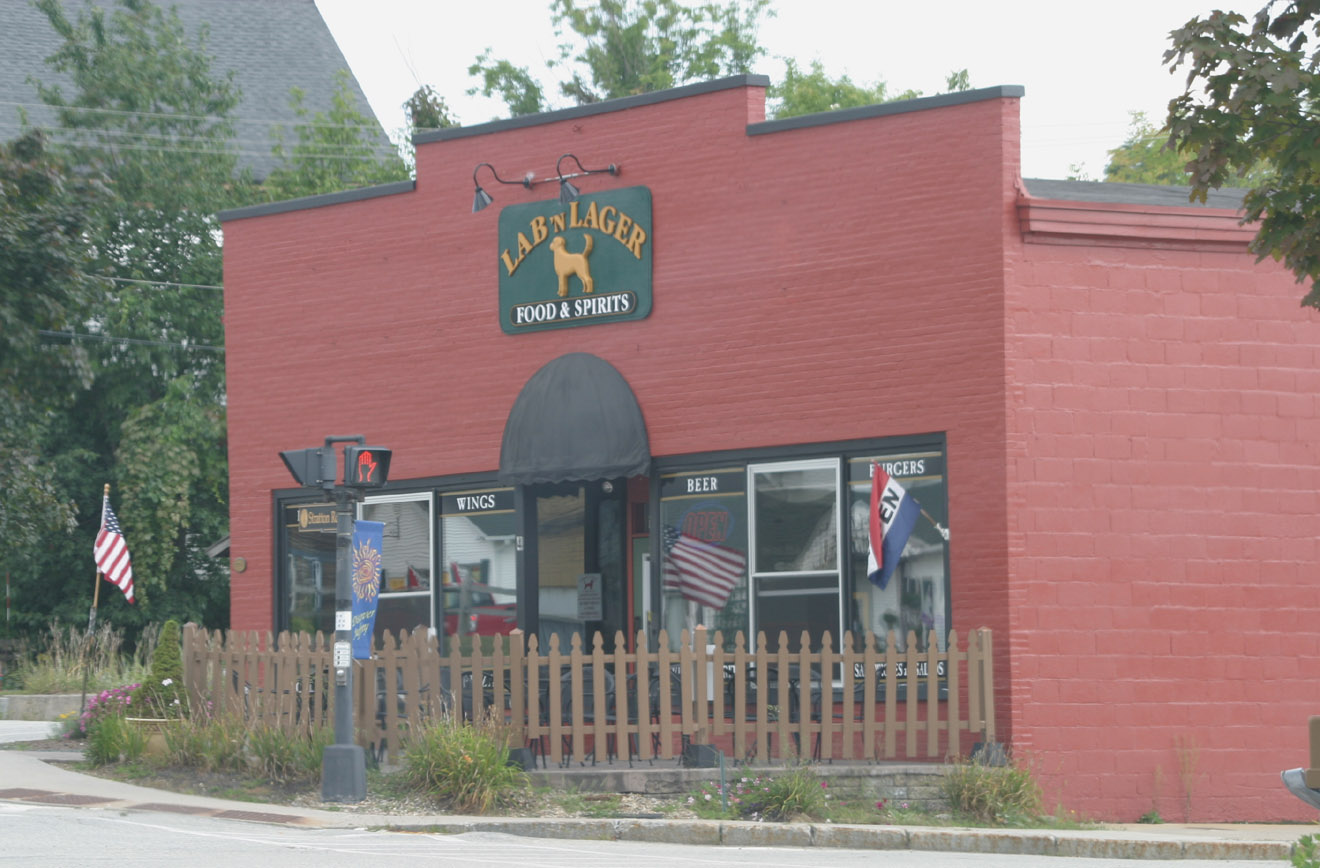
Anything’ll go with beer…

New Hampshire’s answer to Wisconsin’s brats and beer I guess. Locations in Keene and Jaffrey (in photo).

IMG_5086cIMG_5087c

Posted in Photos mostly, Road trip, Signs | 2 Comments

One man’s trash…

Sometimes another man’s trash is my treasure. Other days it’s just trash. Today was one of those days.

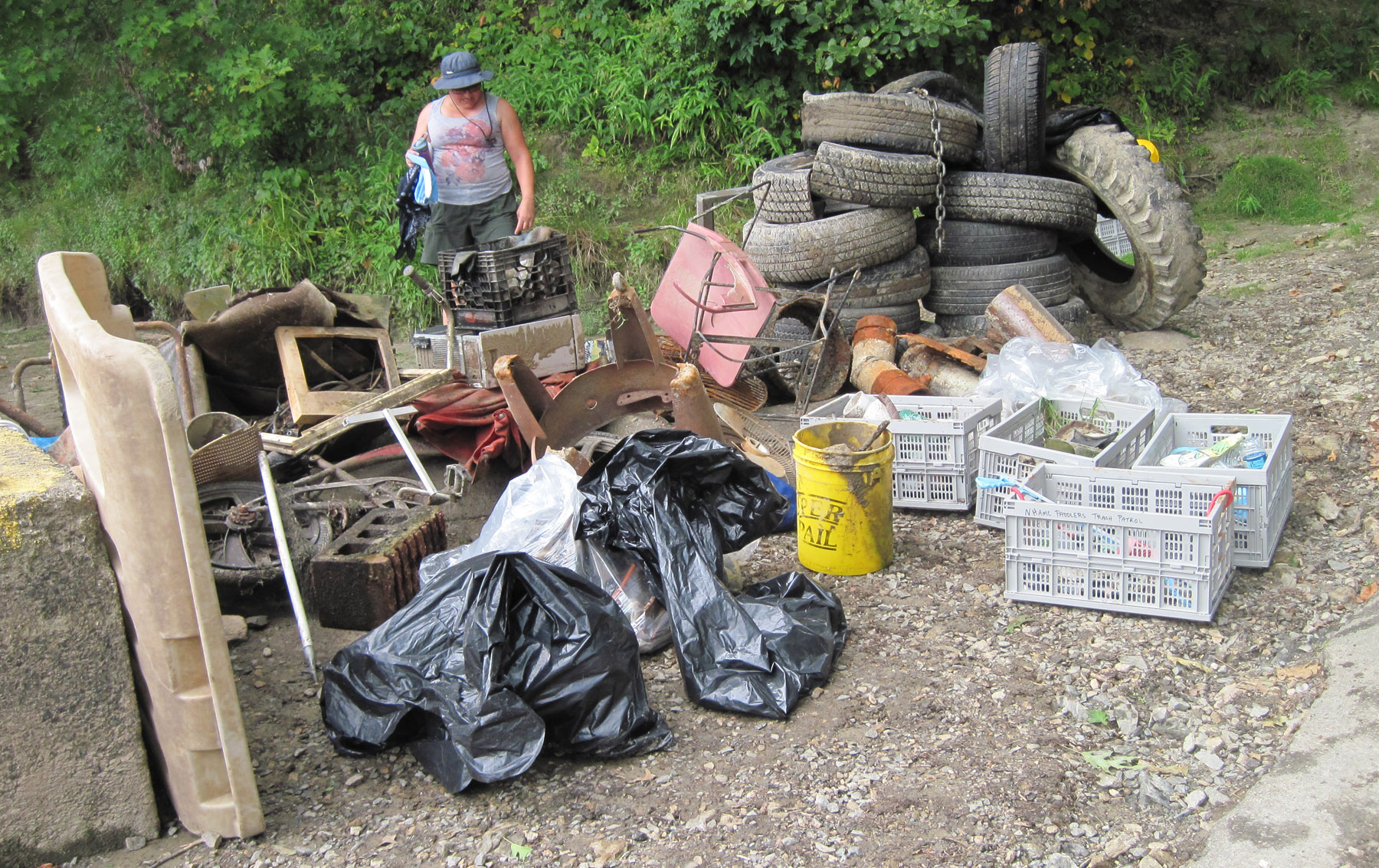
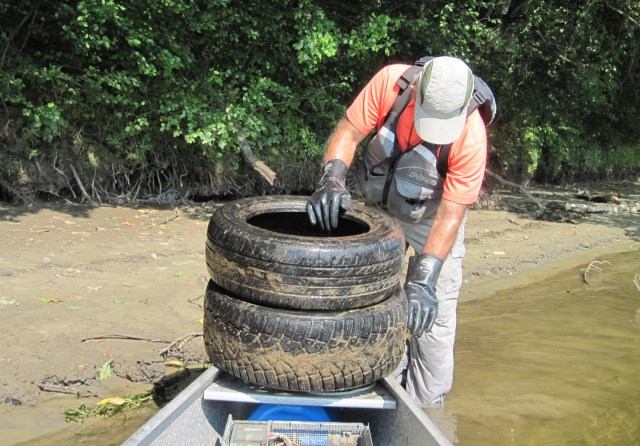
It was the first Saturday of the month and I was in New Hampshire once again for a Trash Patrol, organized by Denise Hurt, a paddling leader in the Appalachian Mountain Club’s New Hampshire Chapter.  She started these paddles in 2013 and they’ve been a resounding success.Above, group shot with the pile of trash we picked up. I am third from left in back row. Below, still life of the trash.
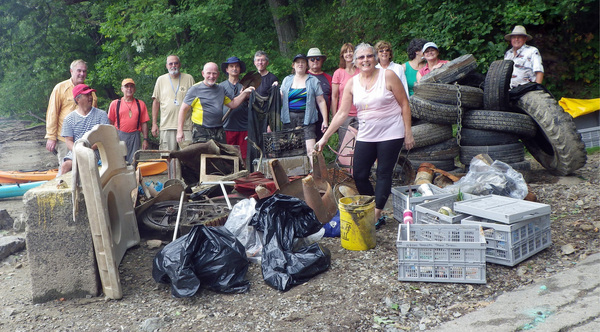
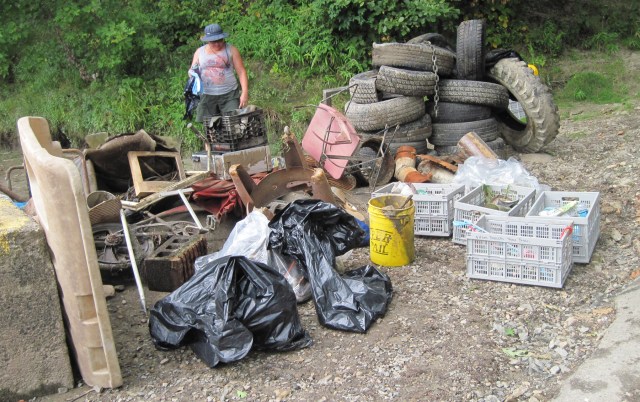
Above, group shot with the pile of trash we picked up. I am third from left in back row. Below, still life of the trash.

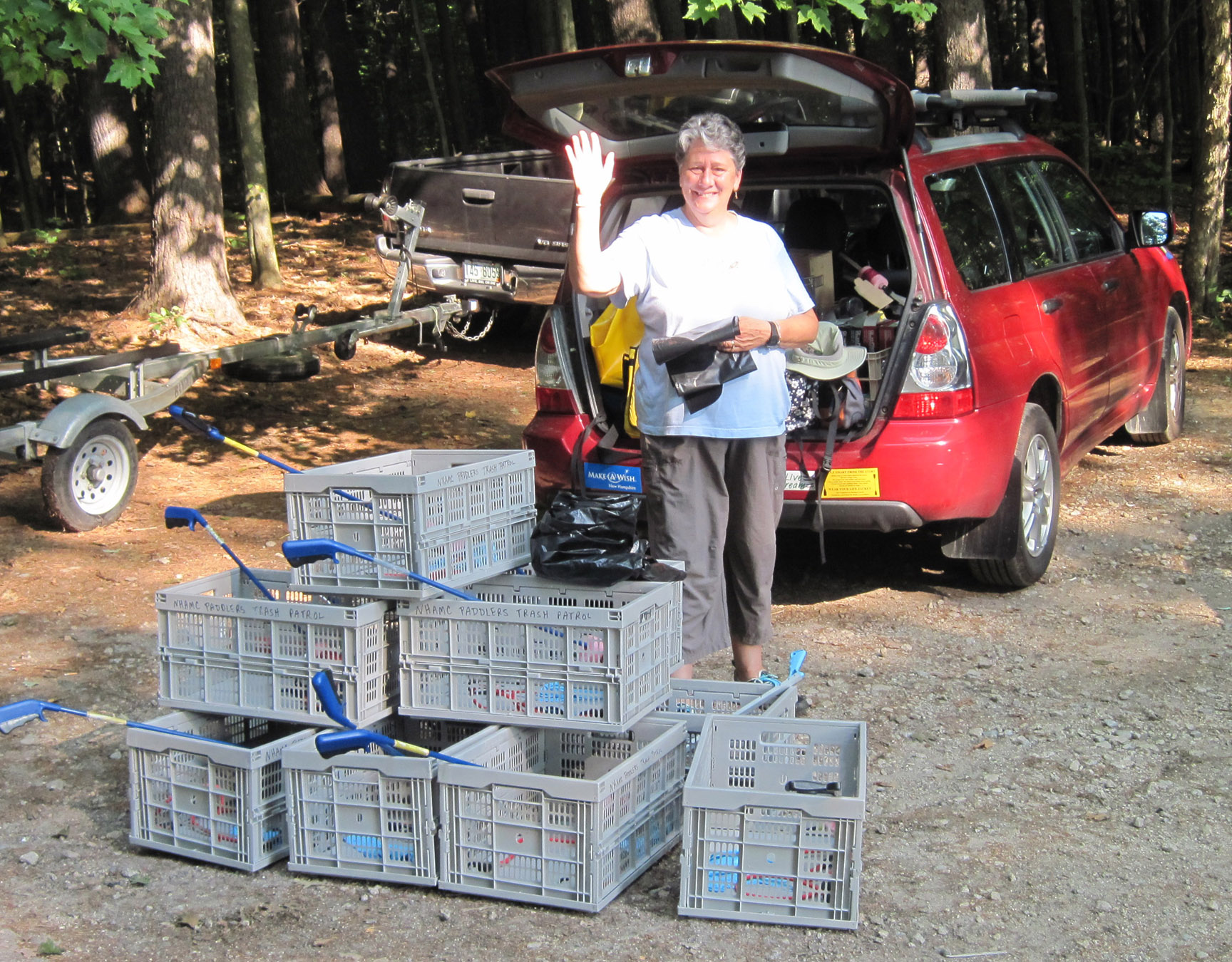
IMG_0994cDenise is a great organizer, ready every time with crates to tie to the top of the kayaks, grabbers to pick up things, gloves, water, plastic bags, and, this month, lunch provided by Subway!

We were on the Merrimack River off Greeley Park in Nashua. The water level was low, and the trash was plentiful and right there in plain sight, as the photos below show.

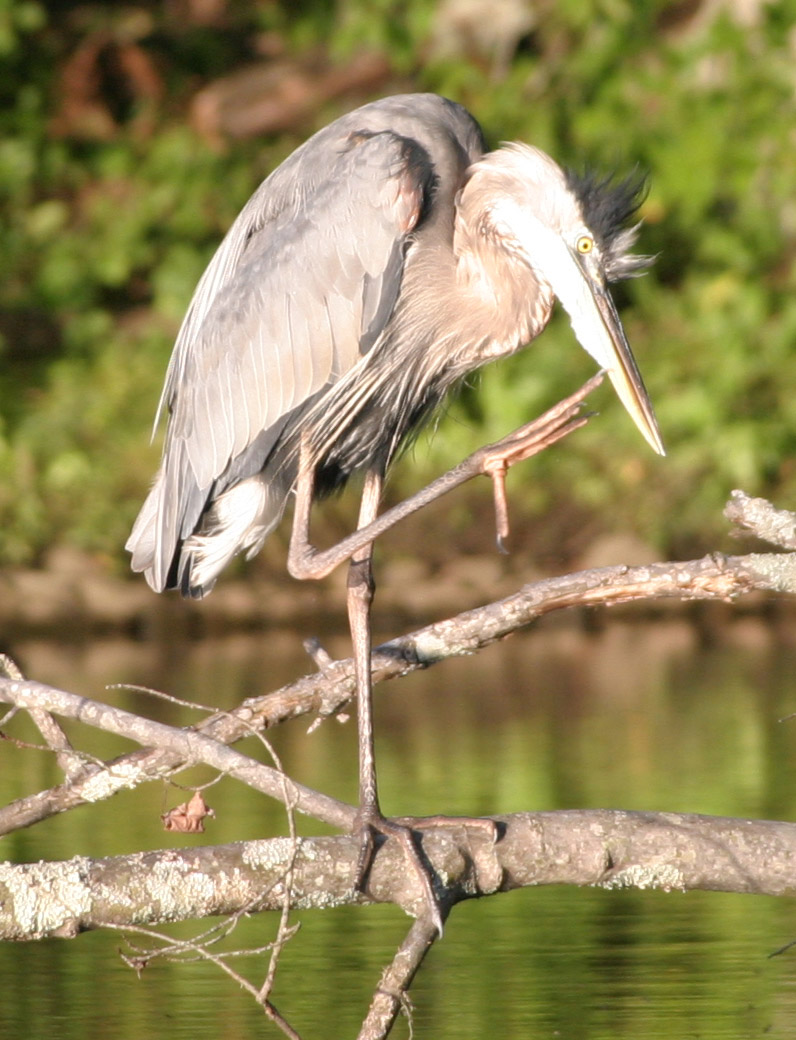
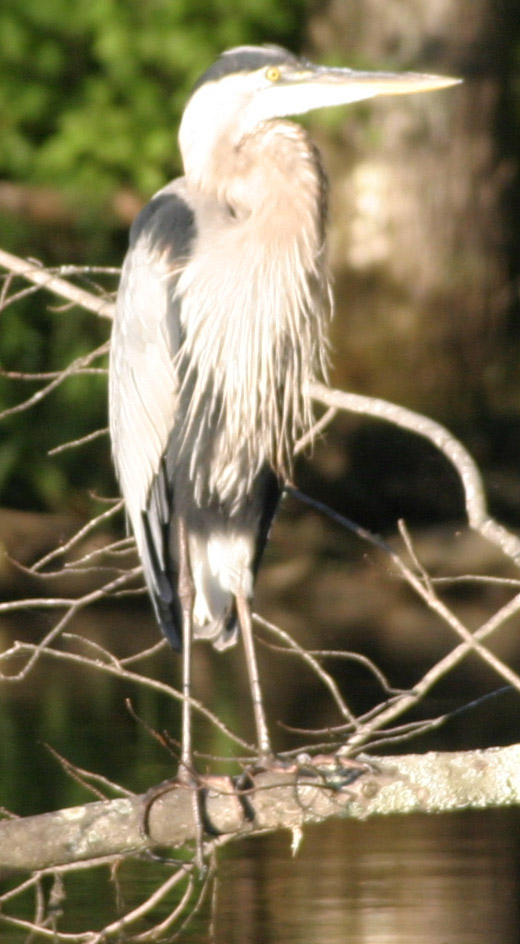
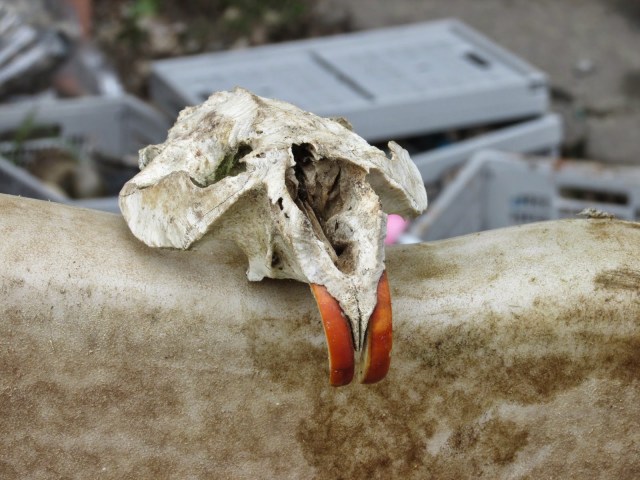
I’ll let Denise report: “We collected a record 13 tires, a couple tire rims, 3 chairs, 2 computers, a bicycle, large insulators, the side off of a piece of play yard equipment, a window frame, several sheets of glass, the grill from a BBQ, a patio umbrella, ceramic pipes, 160 assorted trash items, 110 recyclables, and a beaver skull! All this in approximately 2 miles of river! The Great Blue Heron sighting was a value added event!”

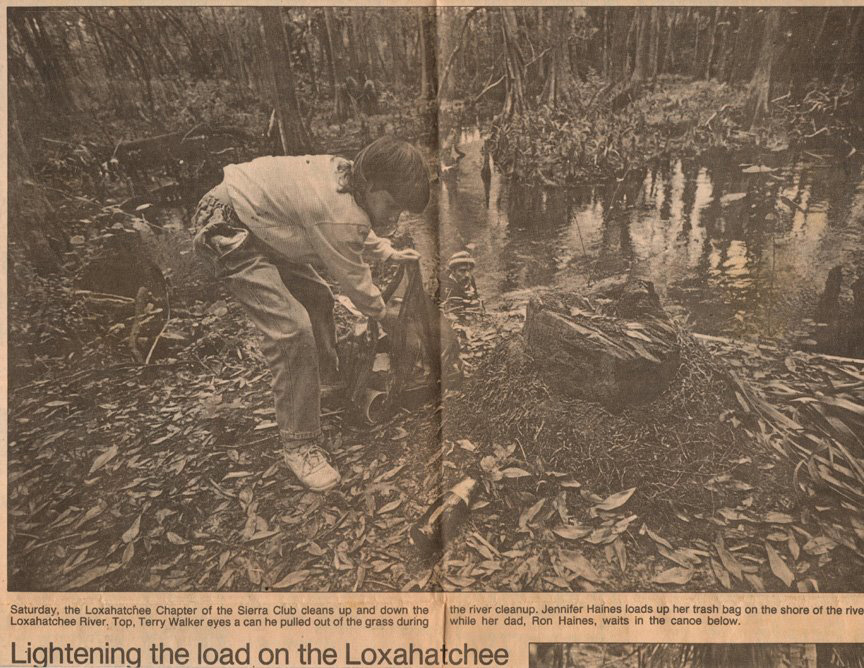
I could go on and on about the stupidity of people who throw trash in our waterways, but I’d be preaching to the choir I am sure, especially those of you who participated in the Sierra Club’s annual Loxahatchee River cleanup trips in the 1980’s in Florida.

Speaking of such, for laughs I have thrown in a 1988 newspaper clipping of my daughter on one of those trips. My head is creepily visible in the center of the photo. I was waiting in the canoe while she scoured the bank on foot. It must have been chilly that day, judging by the way we were dressed. Probably in the 60’s.

To see how a really serious trash paddler does it, don’t forget to see my friend Al’s blog.  He wraps history, geography, anthropology and humor around picking up trash and makes it all very interesting.
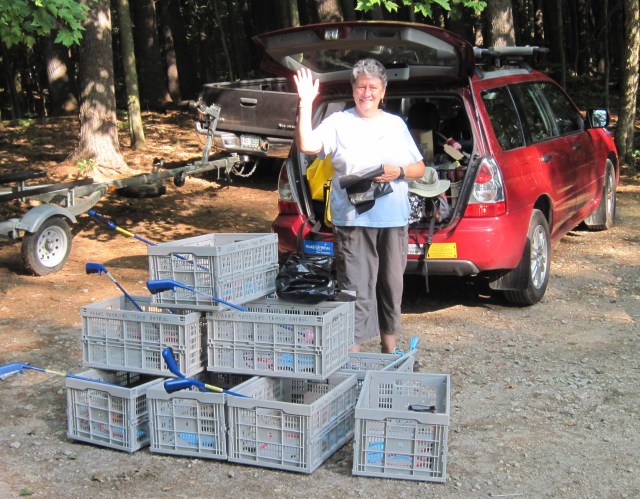
Above, Denise with all the gear needed for a successful clean up trip.
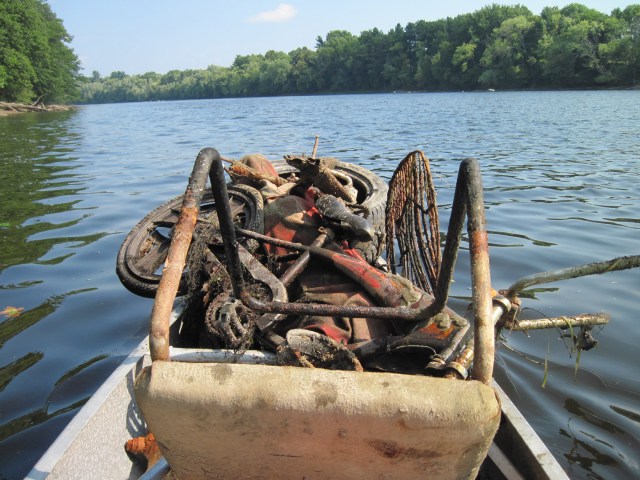
IMG_0991c

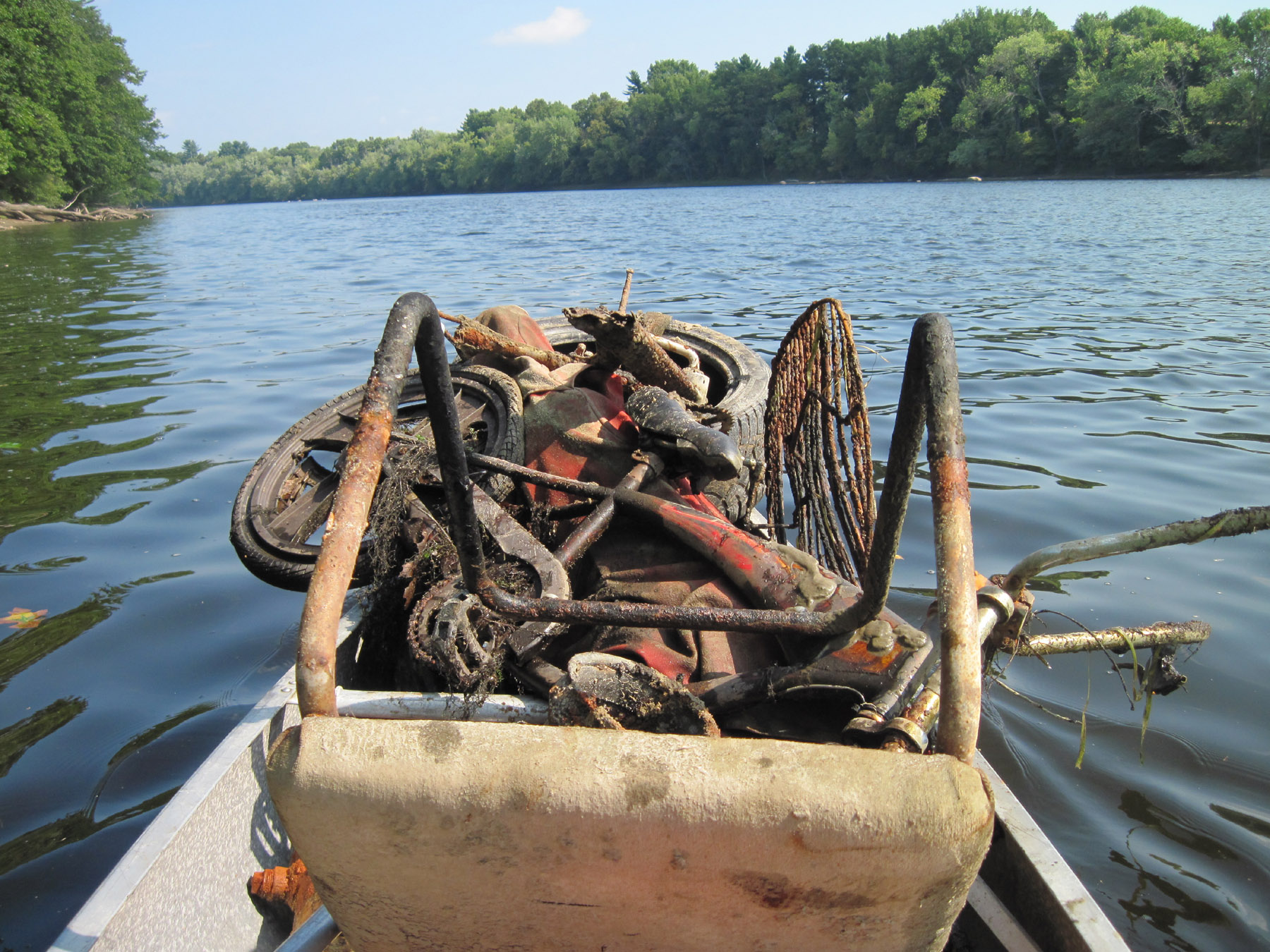
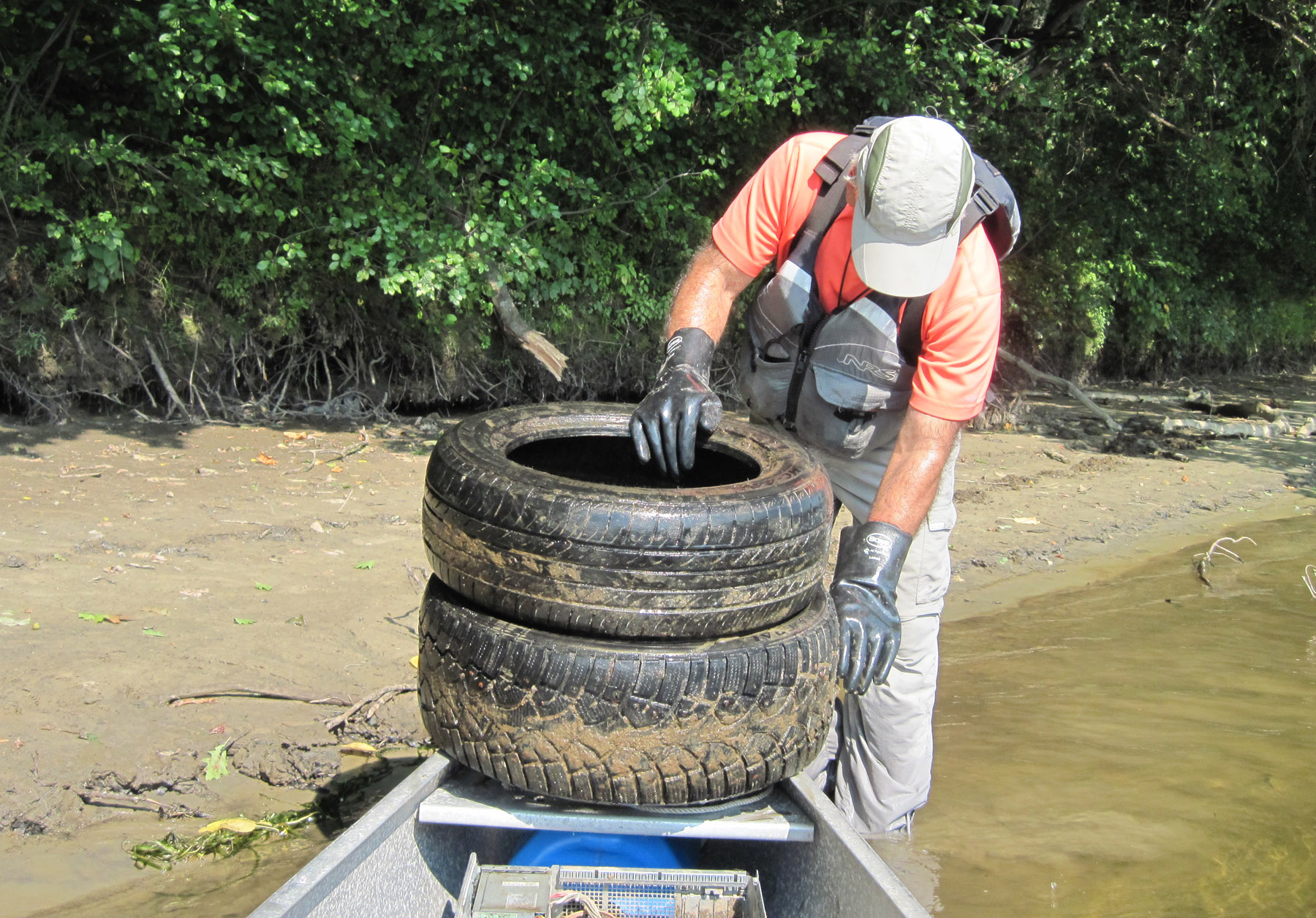
Above, the view from the stern of my canoe. I was headed back to the launch point to empty the boat so I could head back out for more. Below, Al puts some tires in the front of the canoe.
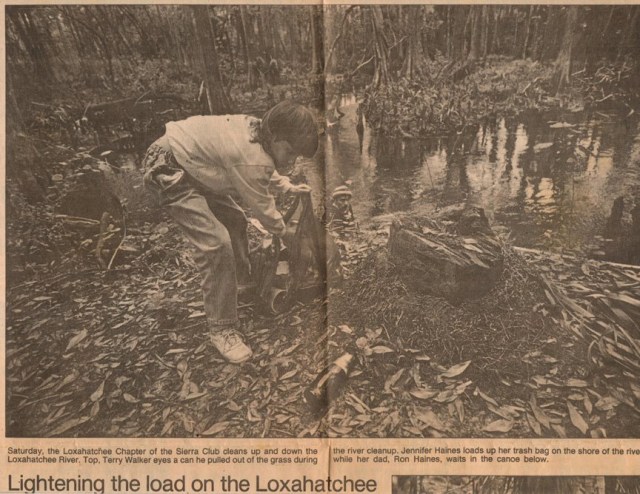
 

IMG_0988cPalm Beach Post, 1988. Article features the Sierra Club cleanup trip down the Loxahatchee River. My daughter fills a bag while I watch from the canoe.
Palm Beach Post, 1988. Article features the Sierra Club cleanup trip down the Loxahatchee River. My daughter fills a bag while I watch from the canoe.

This beaver skull was a treasured find on the trash paddle.

This beaver skull was a treasured find on the trash paddle.

Posted in Appalachian Moutain Club, Grumman canoe, Paddling, Trash Patrol | 2 Comments

Back to the grind for these two…

…while I continue with my aimless meandering.S school M school


Posted in Grandchildren, Photos mostly | Leave a comment

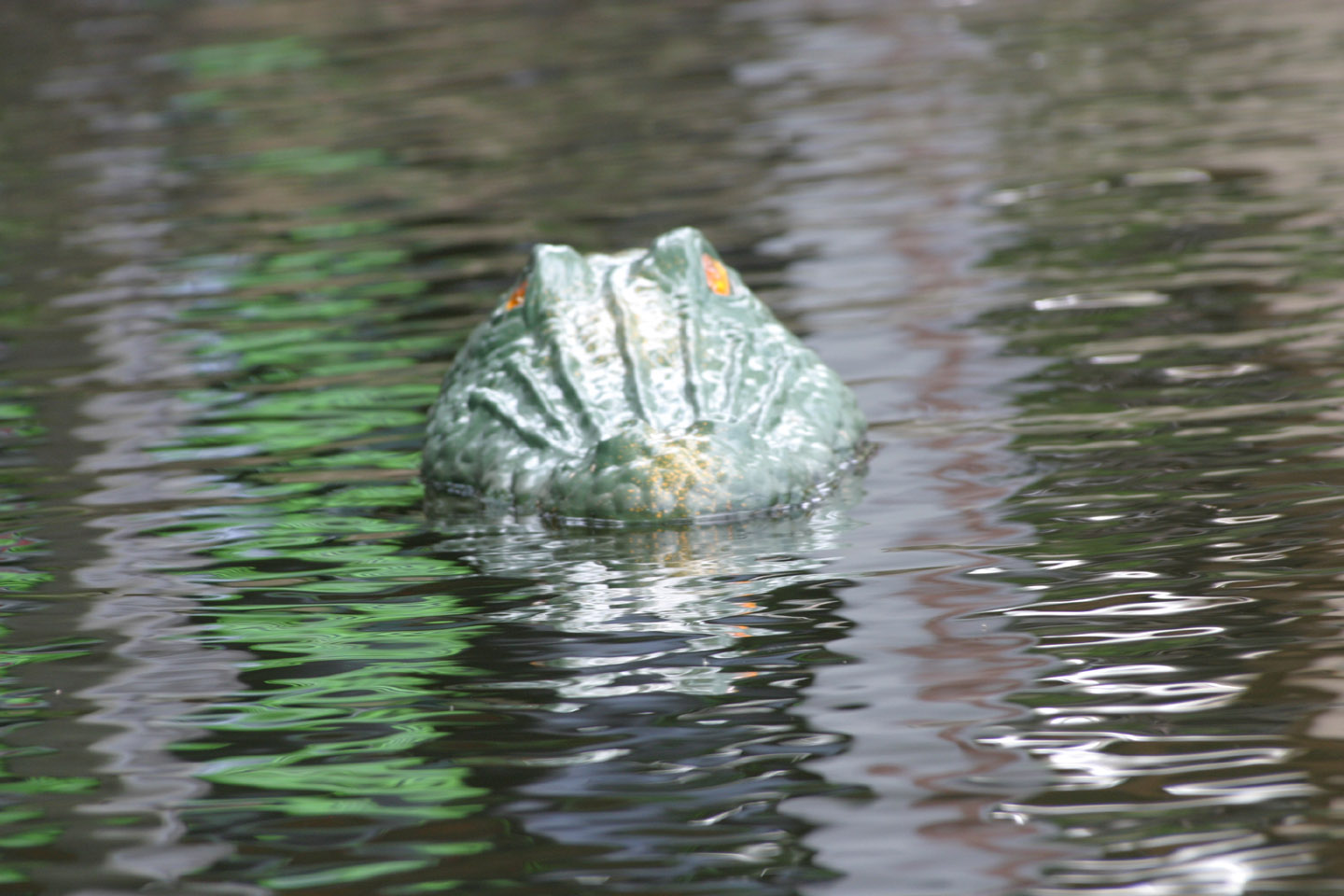
The alligators in Connecticut are made of plastic

IMG_5035cSpotted today on Lower Bolton Pond, Bolton, CT.

Posted in Nature, Offbeat, Photos mostly | 1 Comment

Revisiting “Make Way For Ducklings”

The last time I visited the Boston Public Garden with a four-year-old to view the setting of the book Make Way For Ducklings was with my daughter, Jennifer, and the year was 1984.IMG_0789cThere was a lot of me invested in that trip, as I dimly recall, because I had read that book over and over and over again to her for months. It was her favorite at the time, completely memorized. My parental mind told me she was wildly excited at seeing the real thing. The reality more likely is that I was way more excited about it all than she was. I don’t know if I have any photos from that visit. My memory tells me it went well.

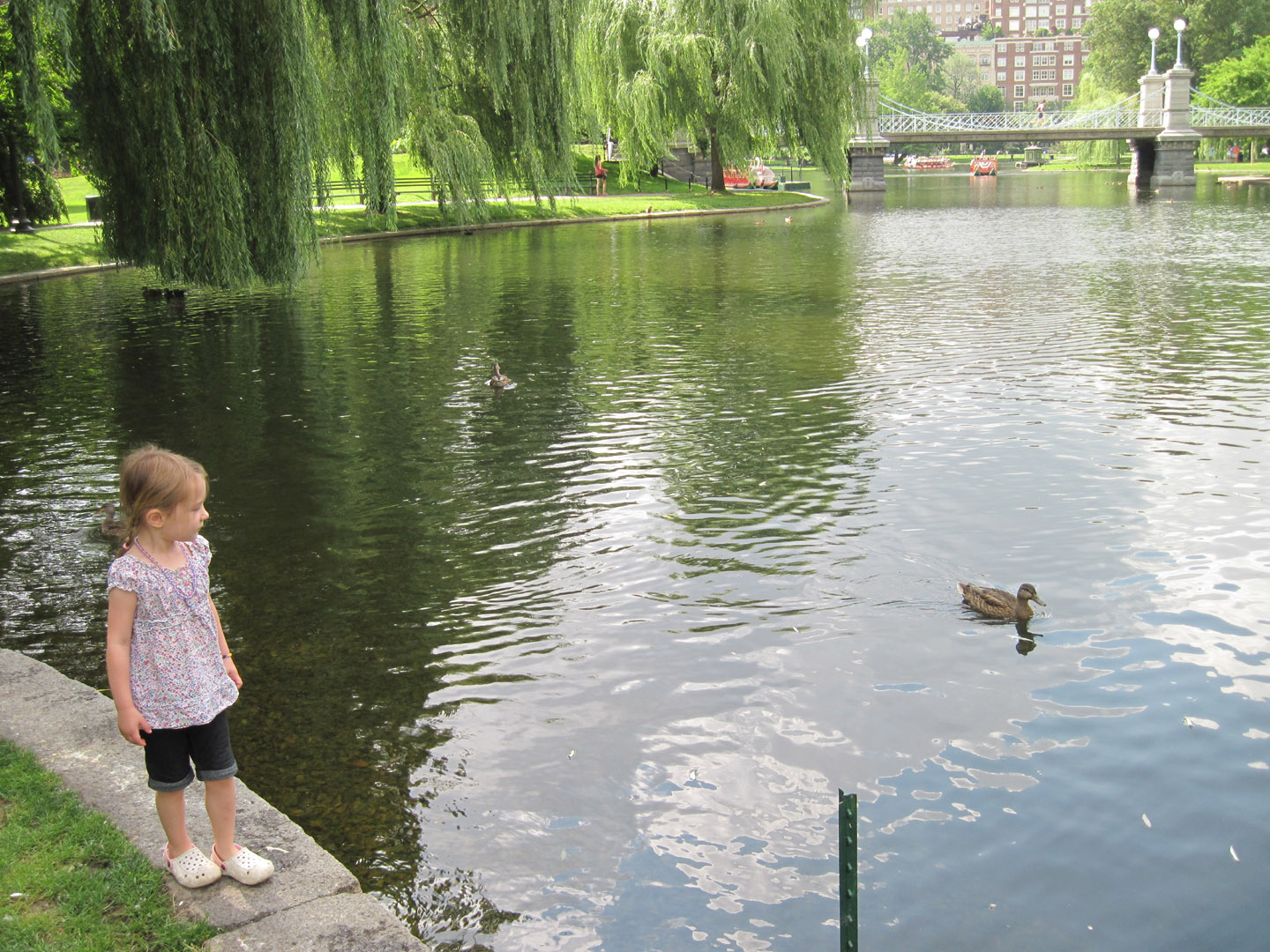
I revisited the Garden this summer, with my daughter and Margeaux, HER four-year-old. For me it was mentally perfunctory by comparison to the original trip. The book, read to Margeaux a few times by her grandma and mother, had only been in the house for a day or so. I hadn’t even read it to her yet myself.

I am happy to report that thirty years later, 73 years since Make Way for Ducklings was first published, it’s all still there, sort of.

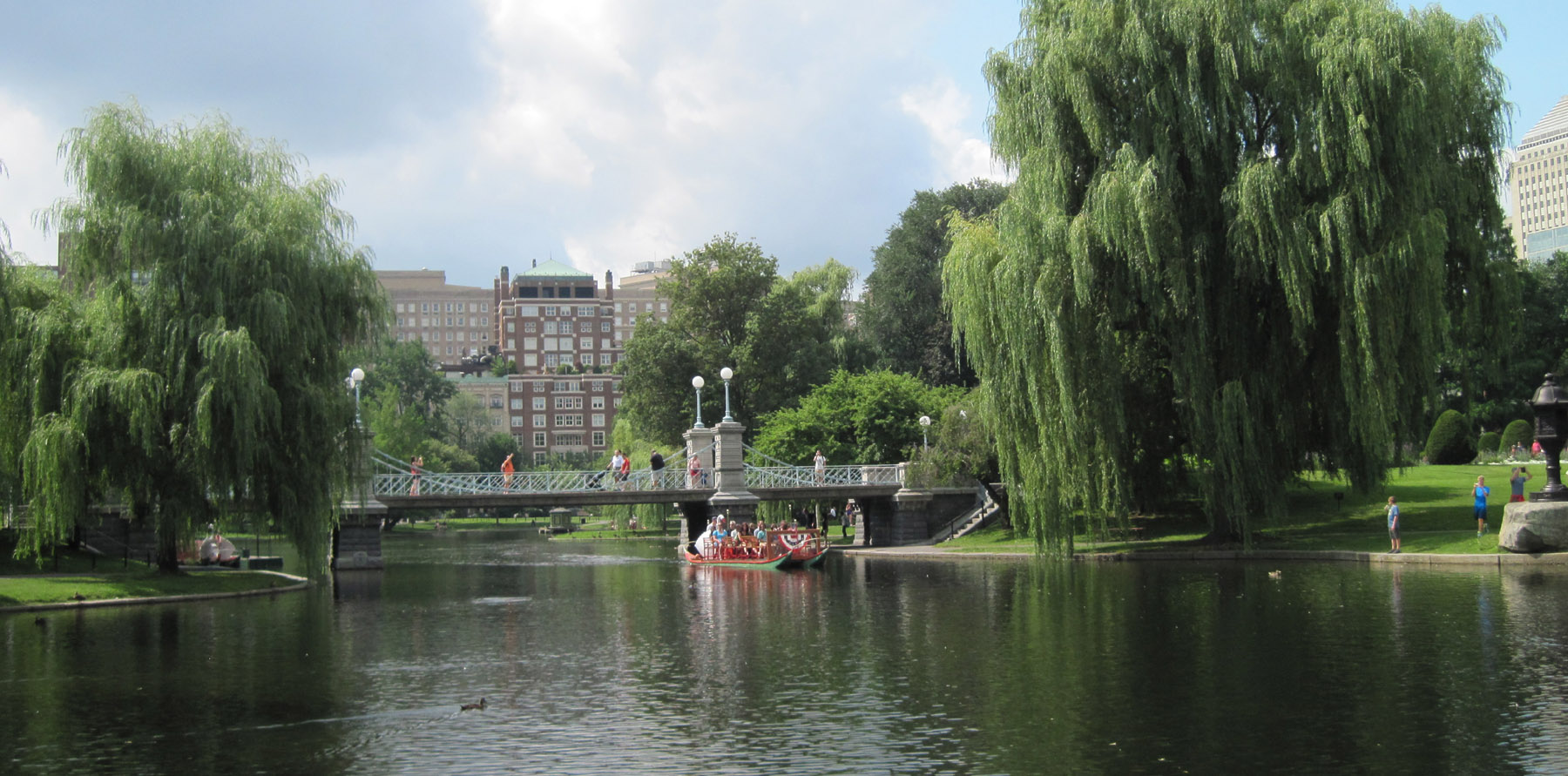
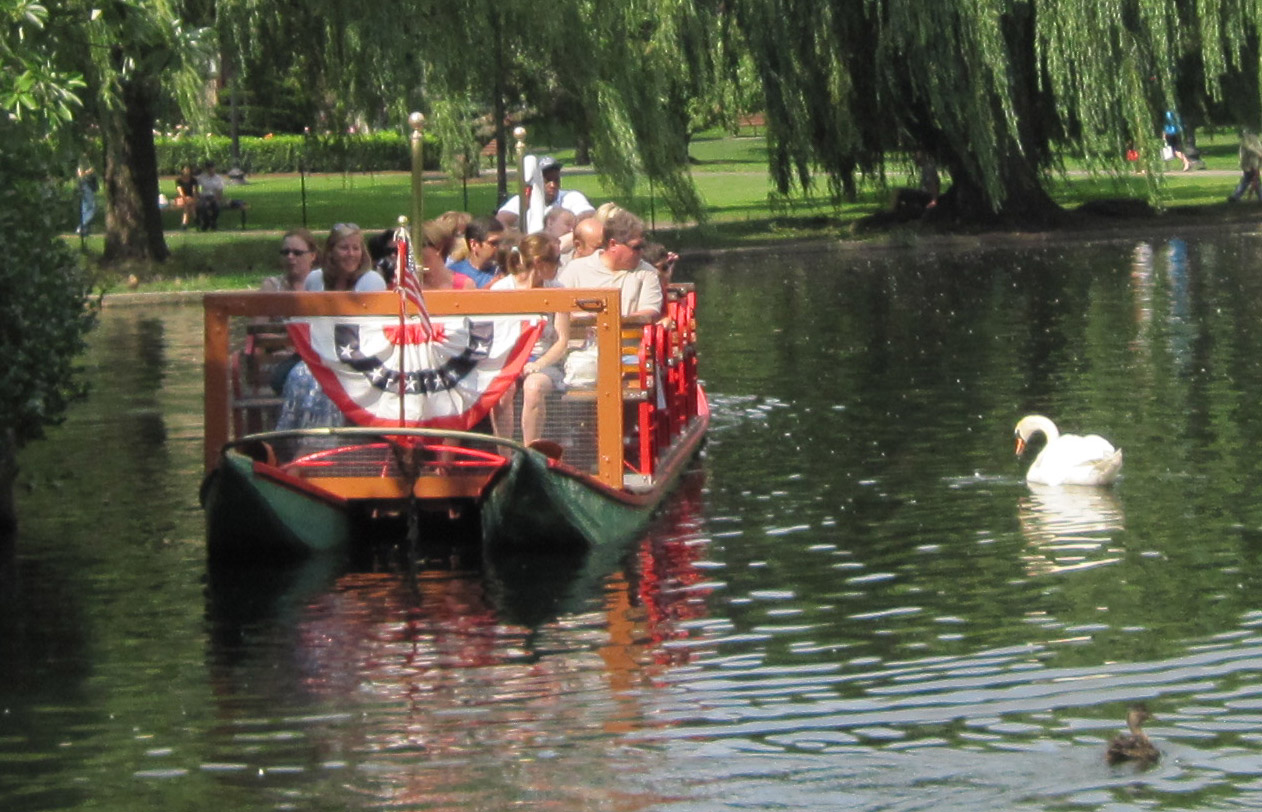
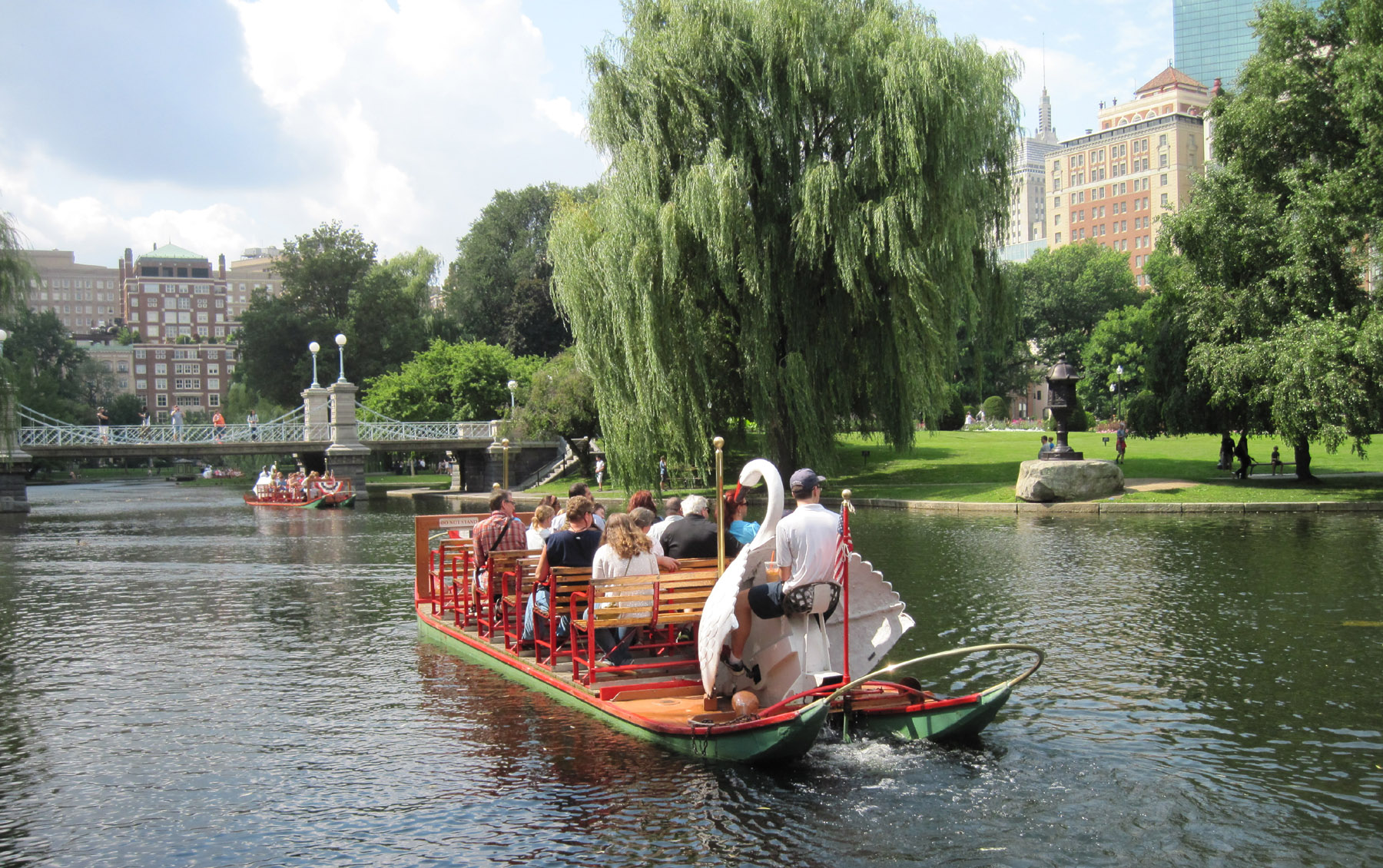
Sure, the swan boats, started in 1877 by Robert Paget and still run by his family, continue to ply the waters regularly. And the island the ducks finally called home is still right there in the lagoon. (And of course the Cheers bar is still there across Beacon Street.)IMG_2740cBut the duck tracks on the sidewalk tracing the walk up from the Charles River that I recall from my first visit are gone. Taking their place I suppose is the very nice, and terrifically photogenic, Nancy Schon sculpture of the parents and their eight offspring. It’s at the corner of the park they would have entered after the walk up Charles Street.  In the photo above, granddaughters Margeaux and Simone are doing what all kids do when they see them. (Cheap way to keep them shiny I guess)

A bit of a mystery, however, are the bicycles that scared the ducks, described in that fearful illustration of spinning wheels and scattering feathers. Biking is prohibited in the Gardens, and the ban seems to be effective, as I saw none there. I can’t remember if it was allowed when I was there before, or even at any time in the past, to explain the mention in the book, so I queried the City of Boston Parks Department. I asked when the ban was instituted and added that use of bicycles there was mentioned, and illustrated, in the book. I was told flatly and humorlessly that bicycles have NEVER been allowed in the Garden, period.

I found no reference to the presence of bikes in the book being a factual error, but did discover that it has been criticized for having a loose plot, as well as poor characterization. Hey, it’s a children’s book, people!

And a pretty good one, I think. (if you know about the bicycles, please share…)

MakeWayforDucklingsBookCover IMG_0793c IMG_0792c IMG_0788c

Posted in Grandchildren | 1 Comment

Made in the shade

I’ve been flying in and out of Hartford, CT, for a decade now. Oddly enough it all began about the time my daughter moved to Connecticut from Florida.

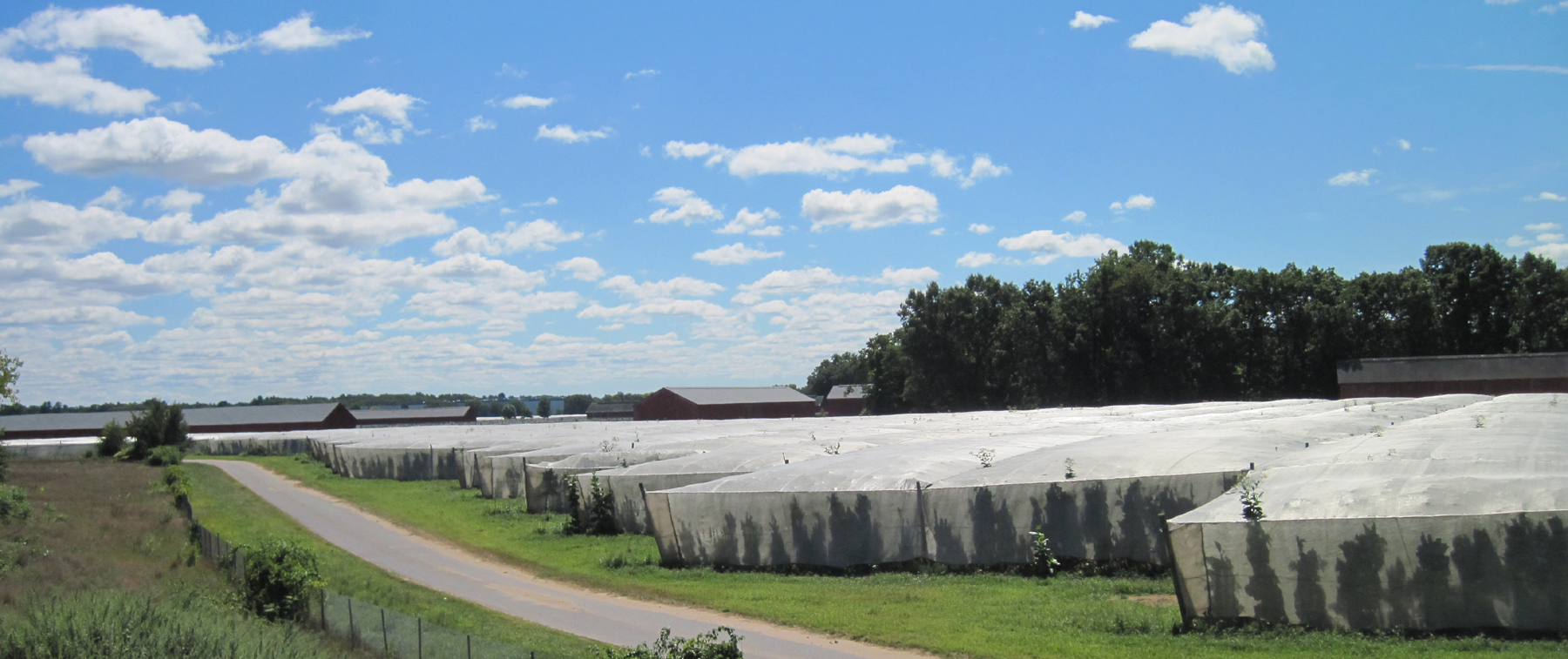
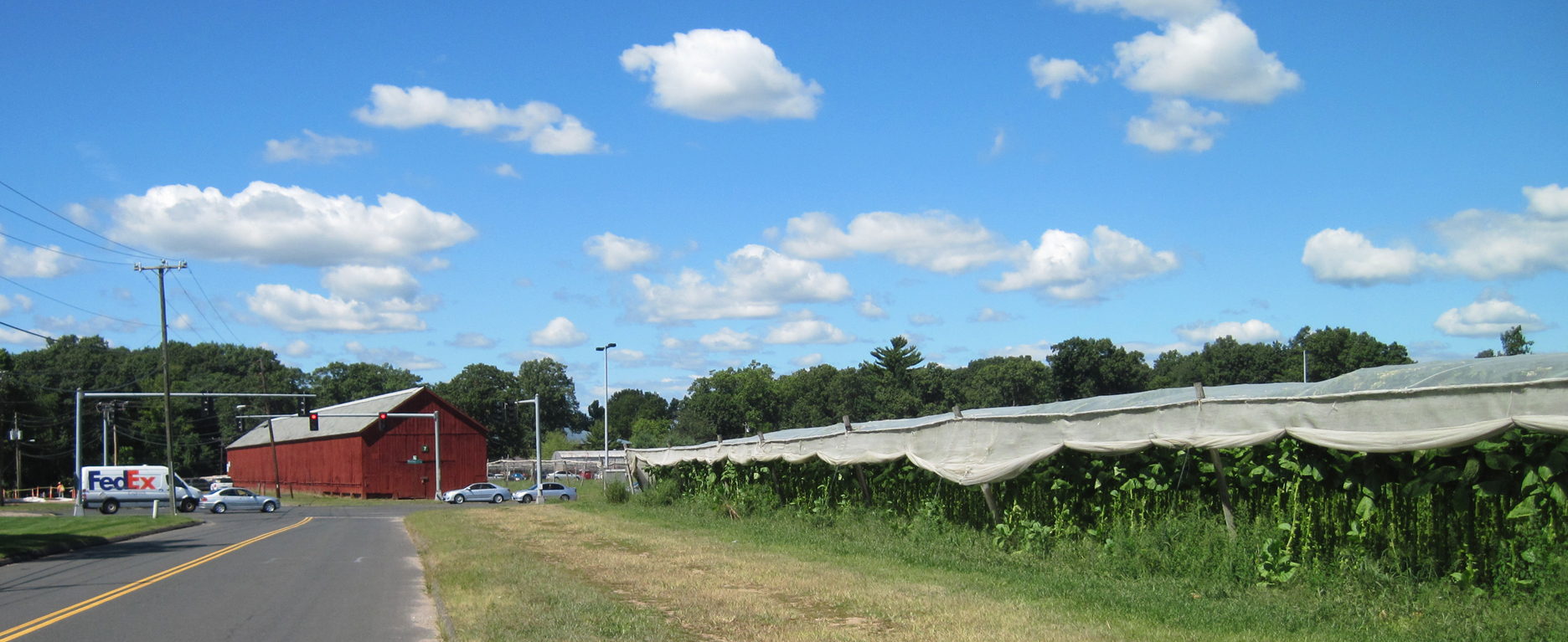
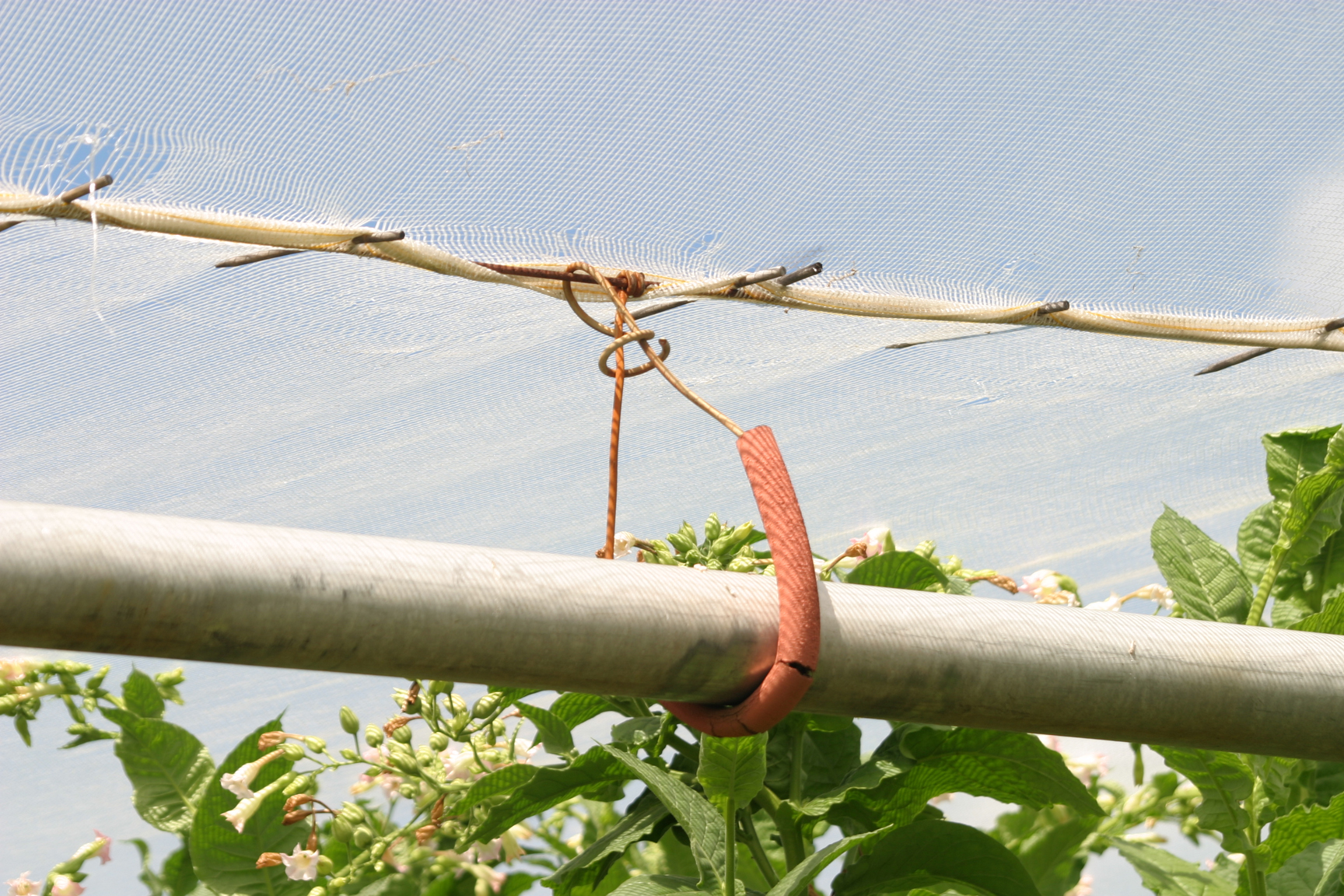
From nearly day one I wondered about the cloth-covered growing fields and big red barns I see when taking off and landing. (The airport, called Bradley International Airport, is actually located in semi-rural Windsor Locks, some 13 miles north of Hartford)IMG_0930c‘It’s tobacco,’ someone told me, but that never made complete sense. Why would an unlikely region in the Connecticut River valley be growing tobacco on such a seemingly small scale when there surely must be huge fields in the southern US somewhere to feed the smoking habit?

So I finally took the time to hit a few internet buttons and found the answer: Connecticut Shade Tobacco.

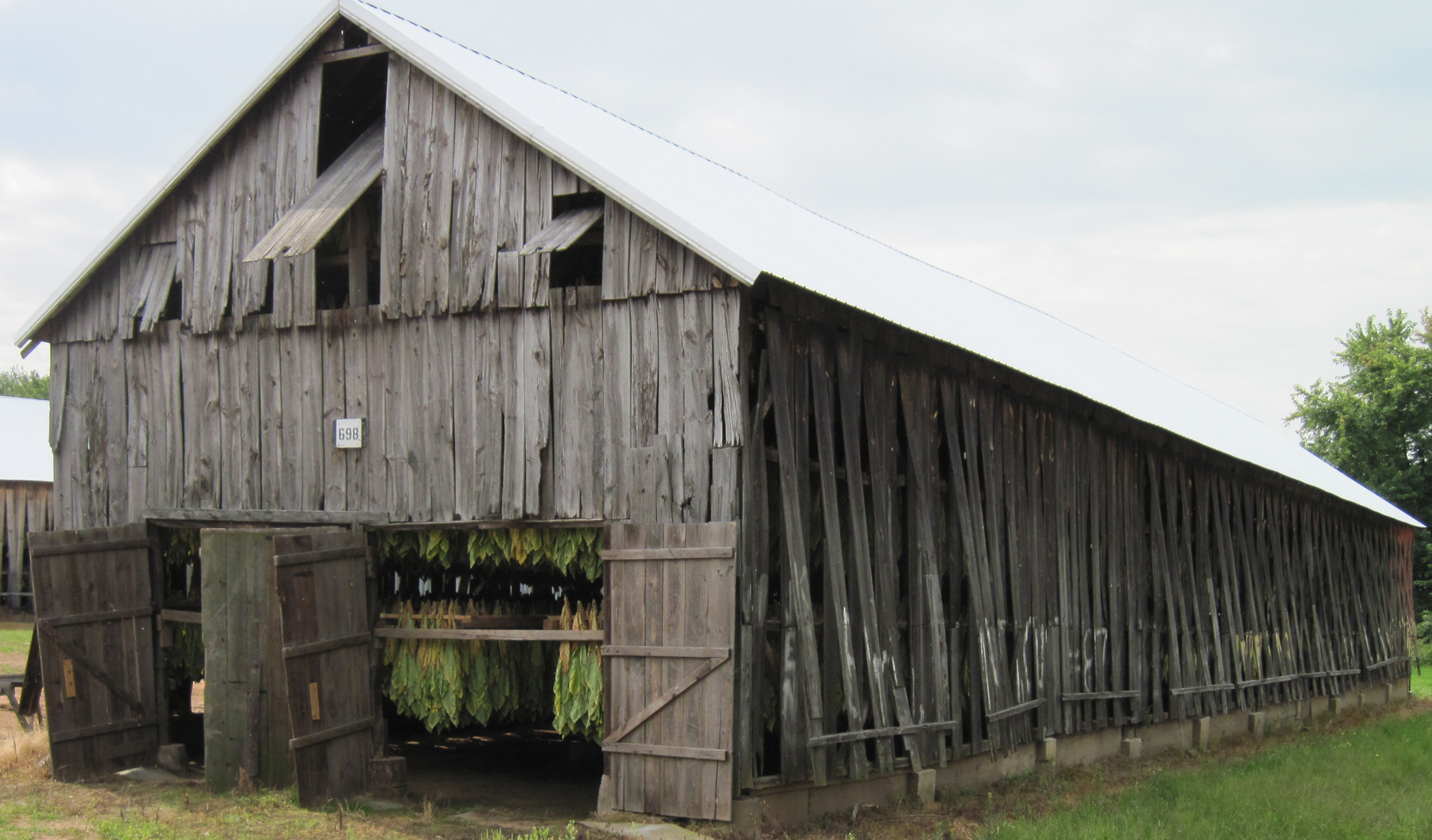
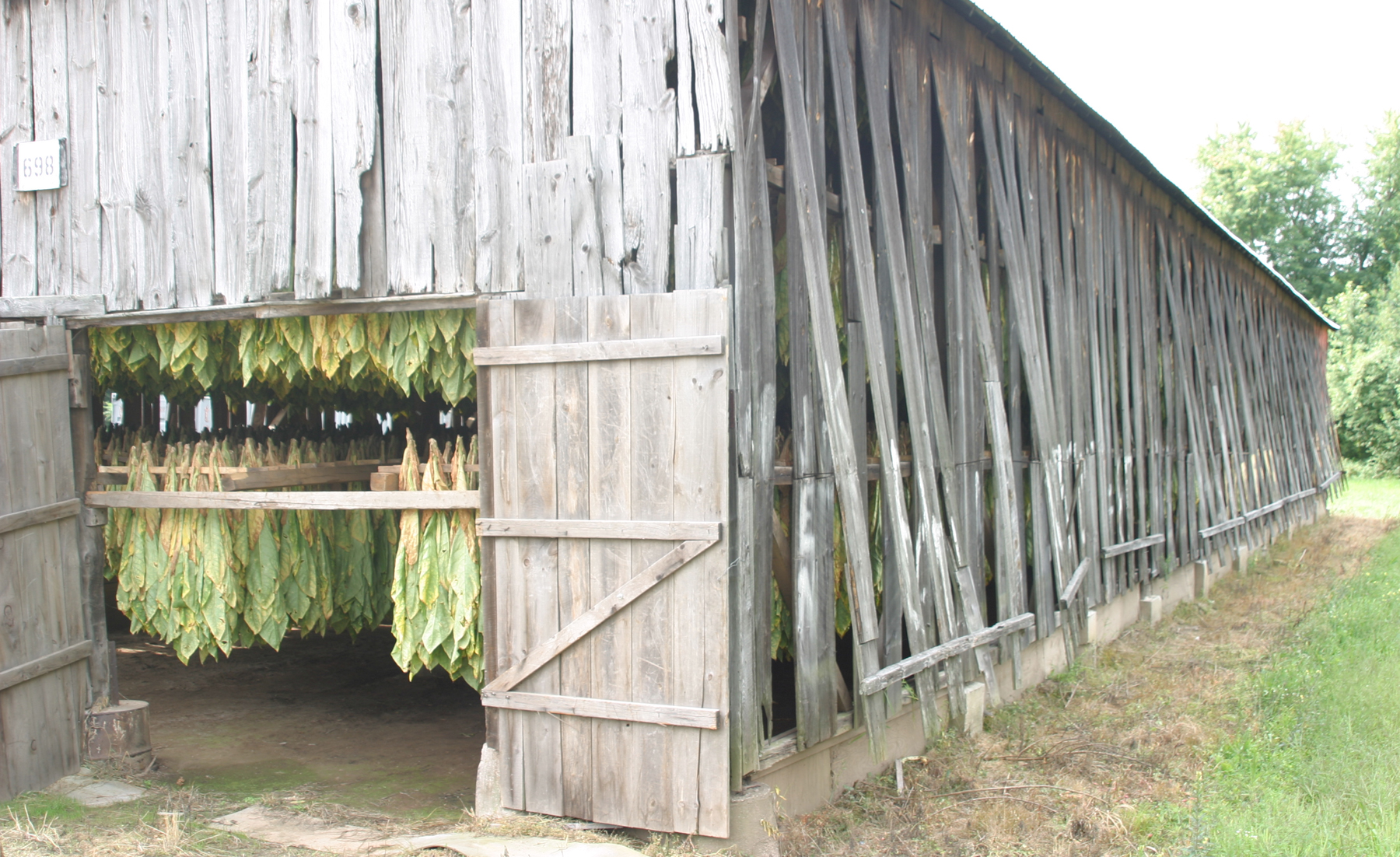
It’s used for the two outside layers of cigars, the binder and the wrapper. The crop is grown in the shaded fields and cured in the red barns.

Blessed with desirable ‘Windsor Soil,’ the upper Connecticut River Valley (roughly from Hartford to Springfield, MA) was already being used by the native population to grow tobacco when settlers descended in the 1600’s, and by 1700 the crop was being exported to Europe.

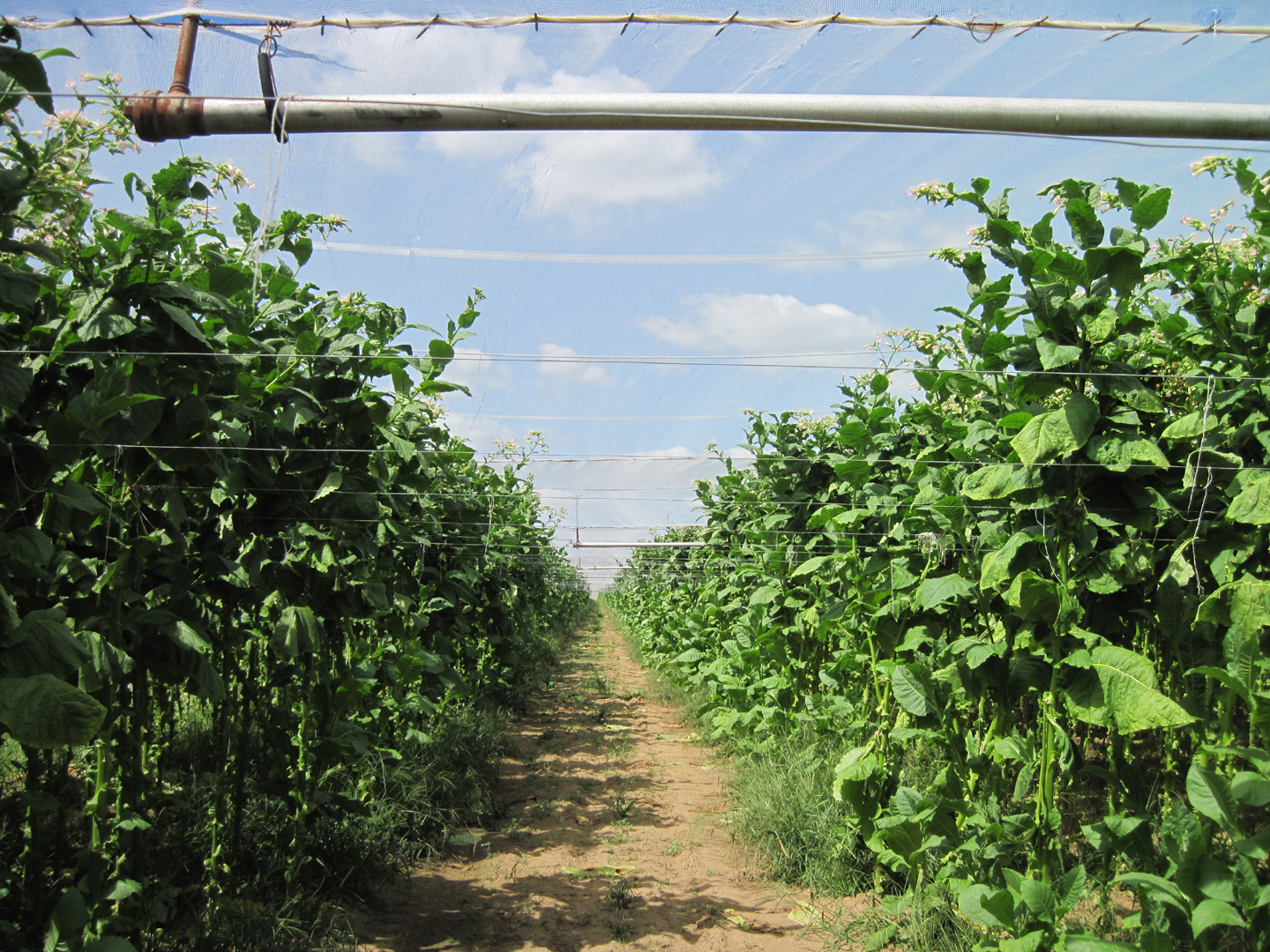
Connecticut tobacco became popular for wrapping cigars in the 1820’s, but the ‘Shade’ part didn’t come into play until the late 1800’s, when a strain from Sumatra began replacing the Connecticut plant in the cigar industry. Using shade houses made of white cotton cloth, and later synthetic materials, to diffuse the sun and increase the temperature and humidity around the plants enabled Connecticut growers to match the quality of the fine-grained Sumatran leaf.

A process change in the 1950’s that resulted in using fewer broadleaf plants as filler and a decreasing demand for cigars has meant falling acreage given to shade tobacco in Connecticut, from a high of 30,000 acres in 1921 to some 2,000 now, and the big red drying barns and the shaded fields have been disappearing, giving way to suburban housing developments and industrial parks.

The industry is well on its way to museum status, and the Connecticut Valley Tobacco Historical Society is playing a huge role in that. This society became the beneficiary of a trust fund set up by John E. Luddy, who earned his money from selling shade cloth and other items needed by growers during the heyday of the shade tobacco industry. The society’s grant to the town of Windsor resulted in establishment of a tobacco museum at Northwest Park.

Not surprisingly, it is called the Luddy/Taylor Connecticut Valley Tobacco Museum. Gordon S. Taylor was a plant pathologist who was instrumental in saving the shade tobacco industry from weather fleck and other diseases in the mid-1900’s.

IMG_0912c

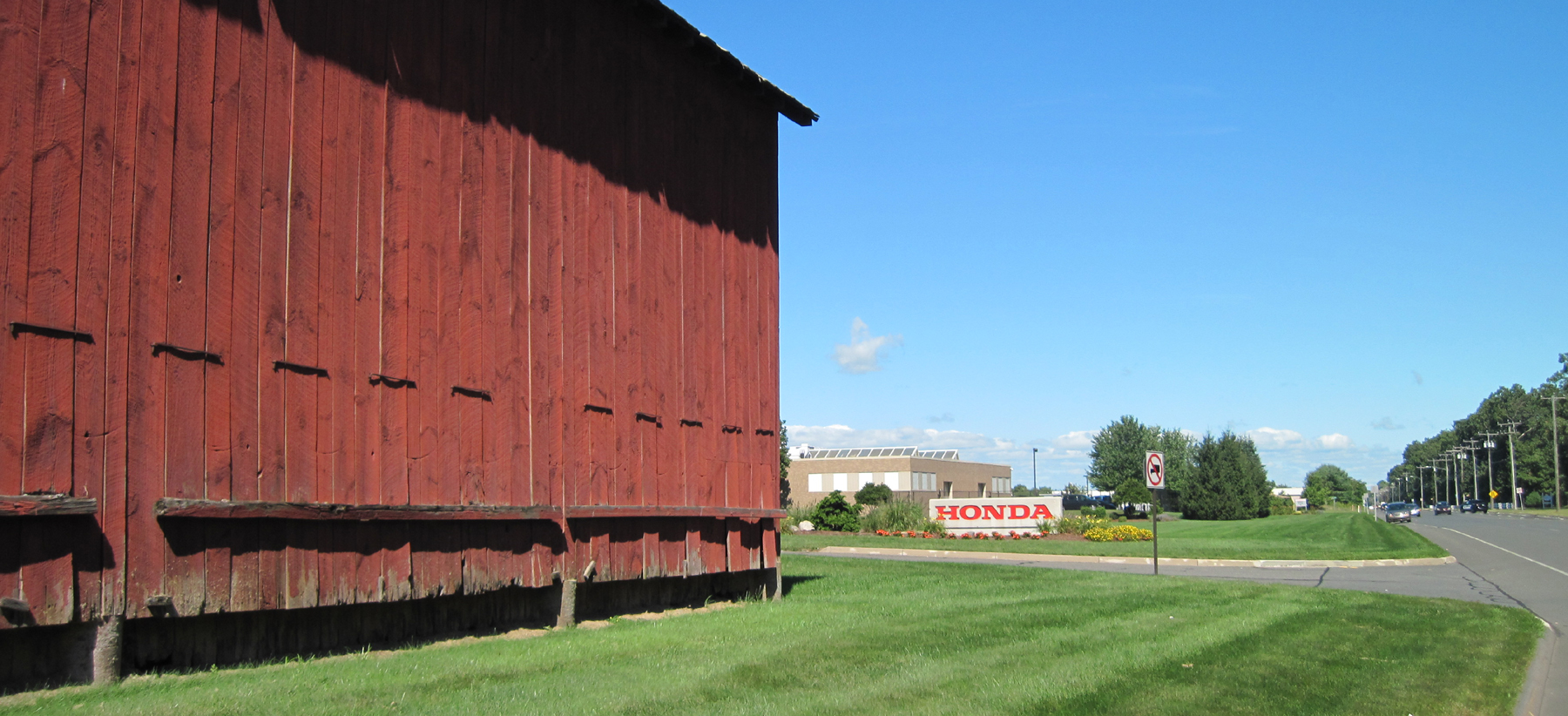
Above and below, the surviving barns and fields of a once-huge industry are now a part of suburban Hartford, taken over by traffic, houses and business parks.  The one adjacent to the Honda plant even gets a finely-mowed lawn.  (See 2017 update)

IMG_0920cThe curing barns, the one below a weathered grey, boast sides that open up.

IMG_0861c IMG_4922c Inside the white cloth, the ‘shade’ isn’t as dense as it would appear to be from the outside.

IMG_0925c IMG_5033c

Posted in Offbeat | 3 Comments

When you’ve got an itch….

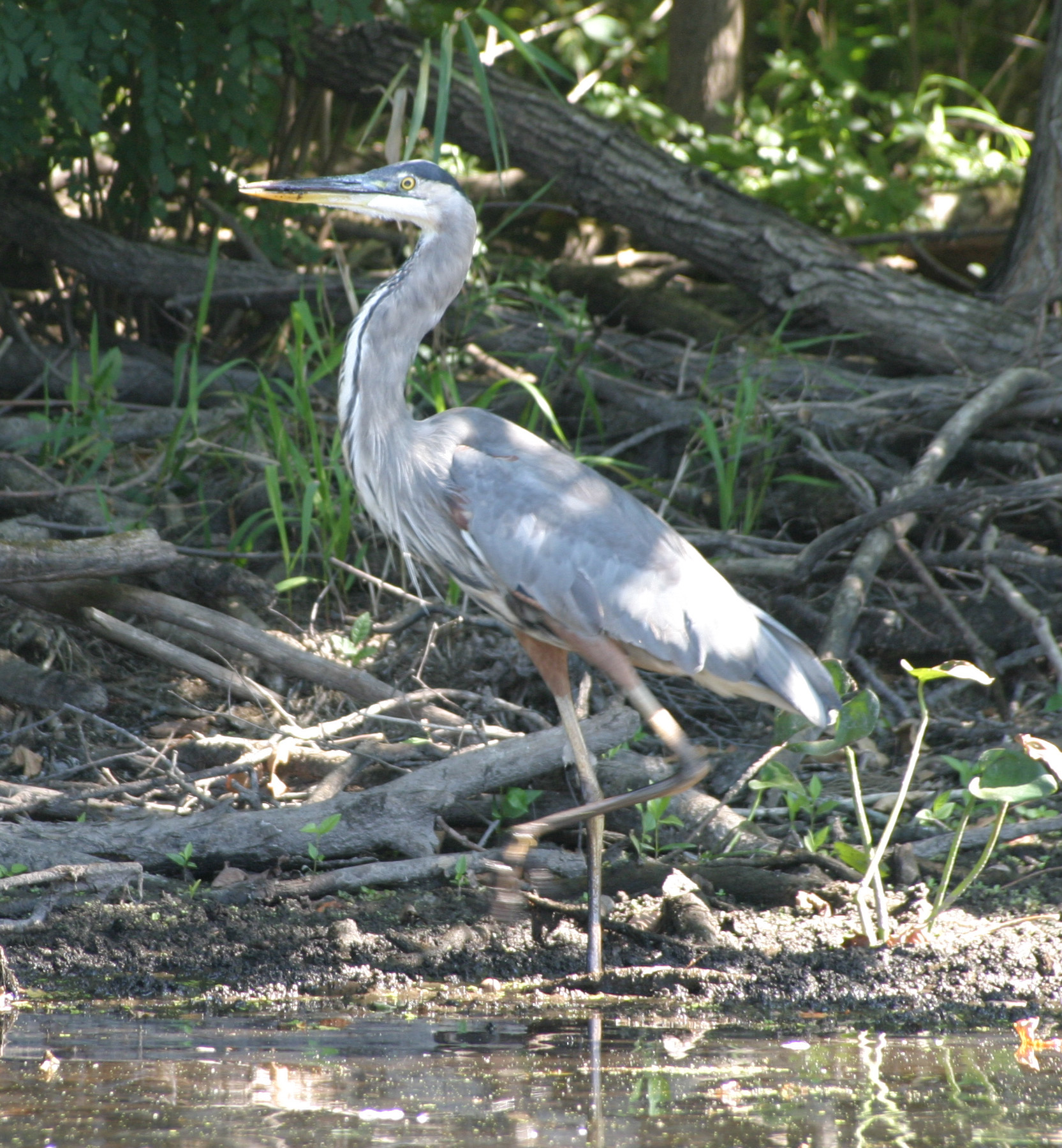
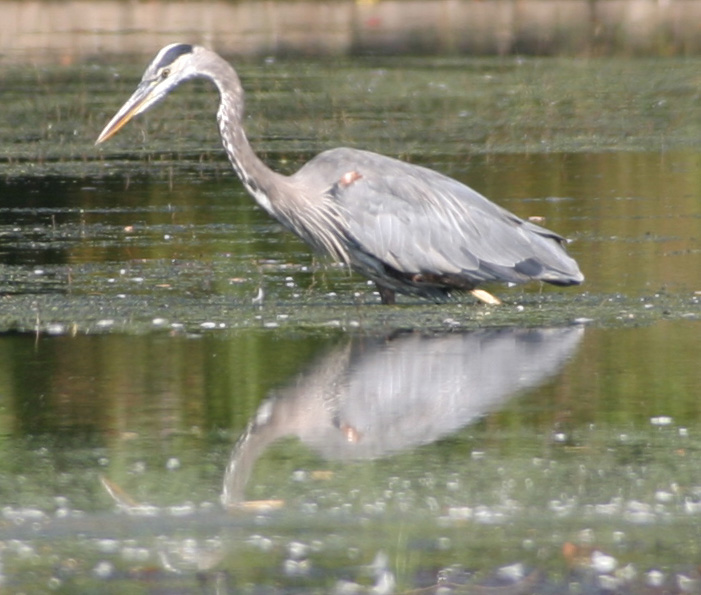
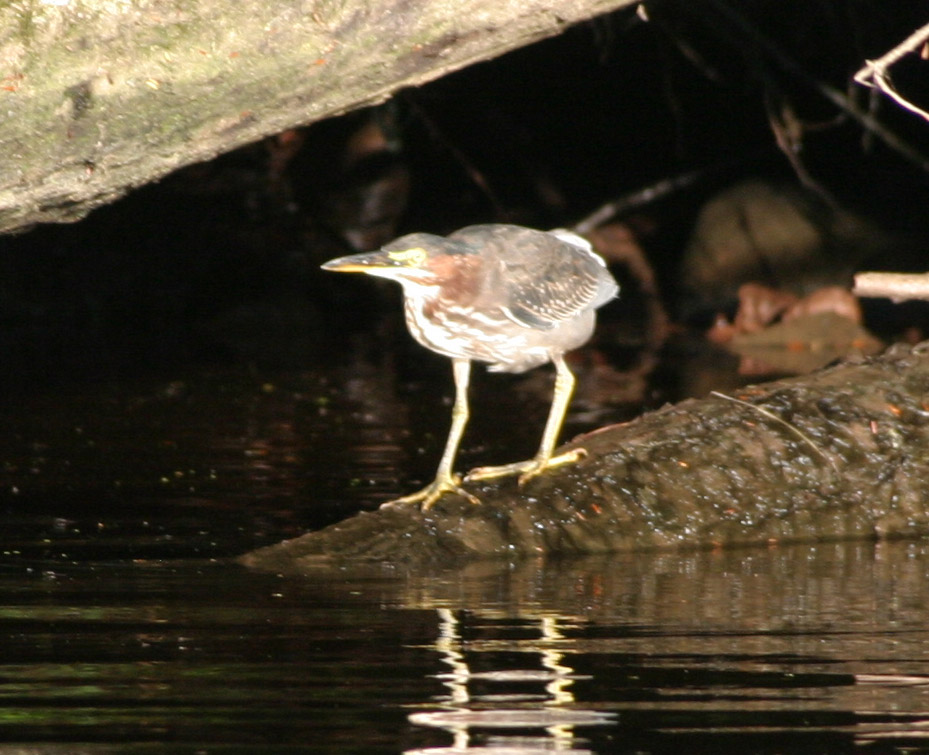
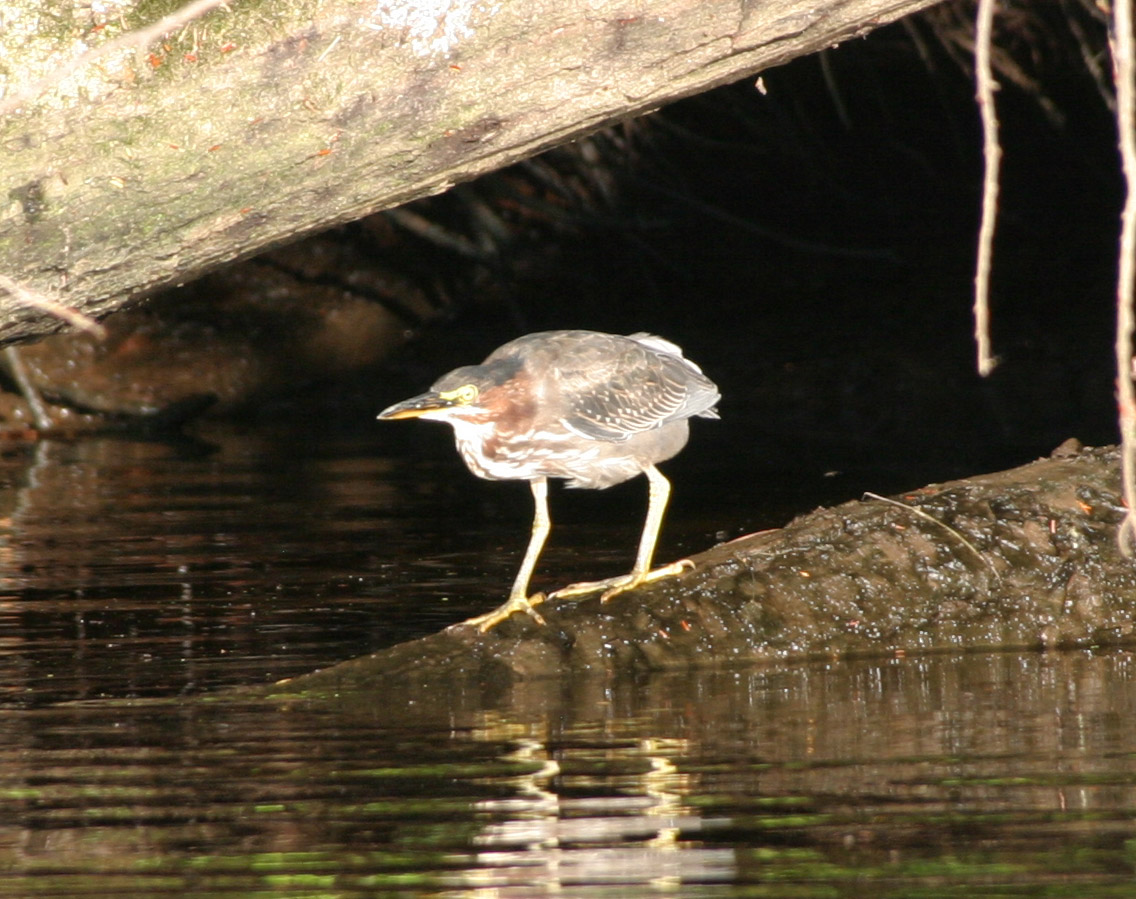
IMG_4885cAt Rainbow Reservoir on the Farmington River, Windsor, CT.   And a few more photos:

IMG_4843c IMG_4847c IMG_4854c IMG_4857c IMG_4858c IMG_4872c IMG_4876c IMG_4893c IMG_4895c IMG_4899c

Posted in Nature, Paddling, Photos mostly | 2 Comments