Eggs over easy please

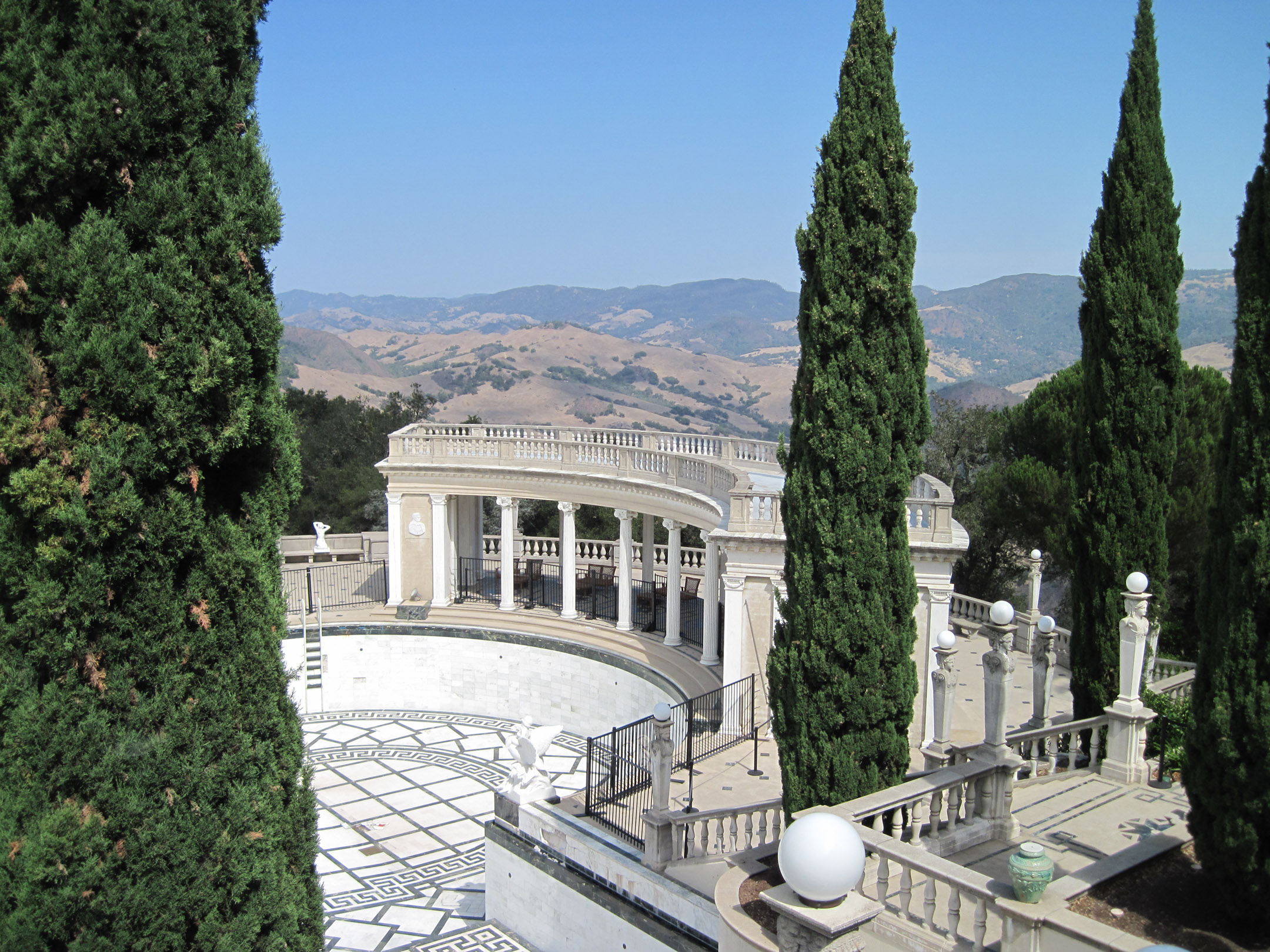
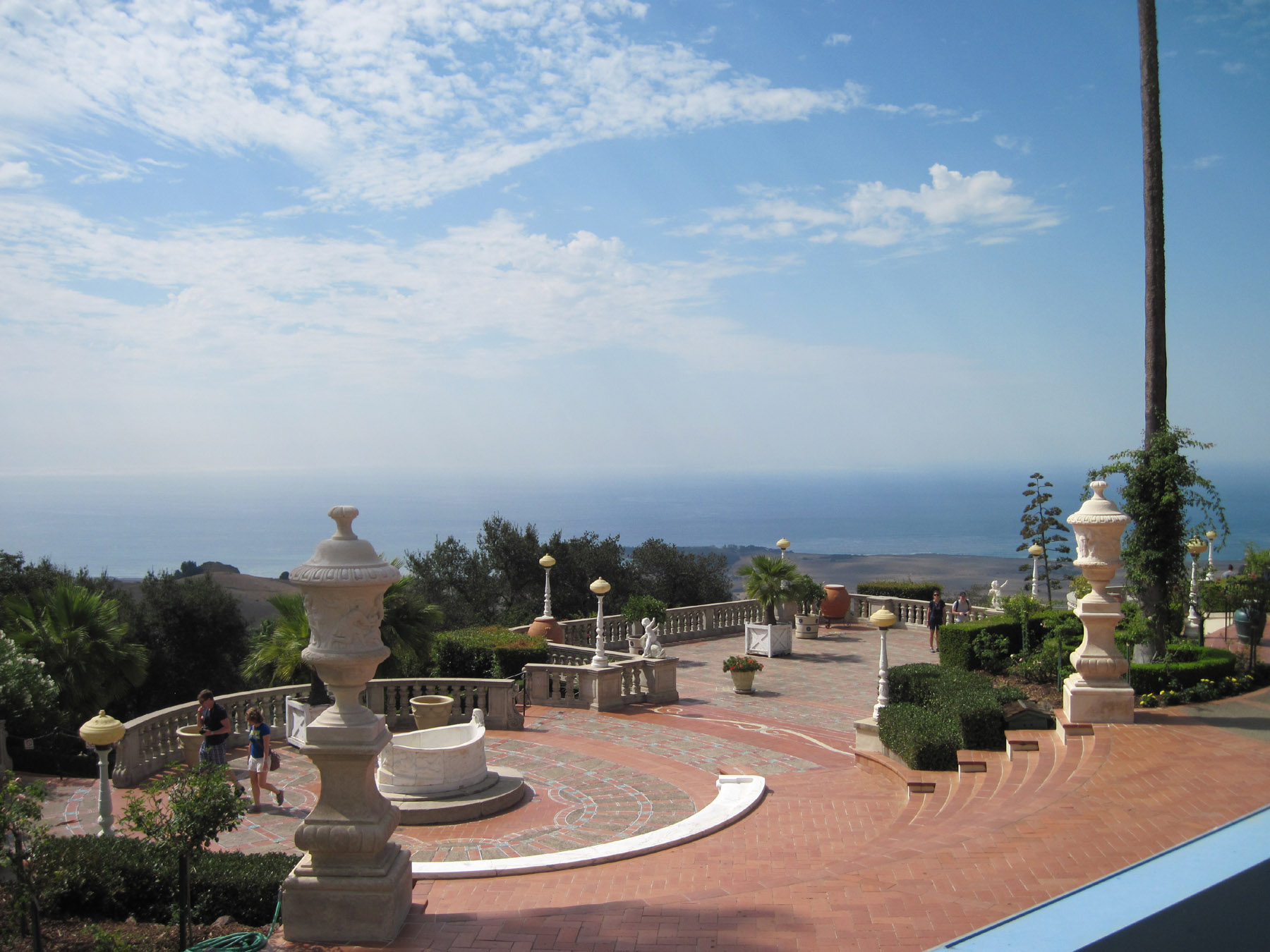
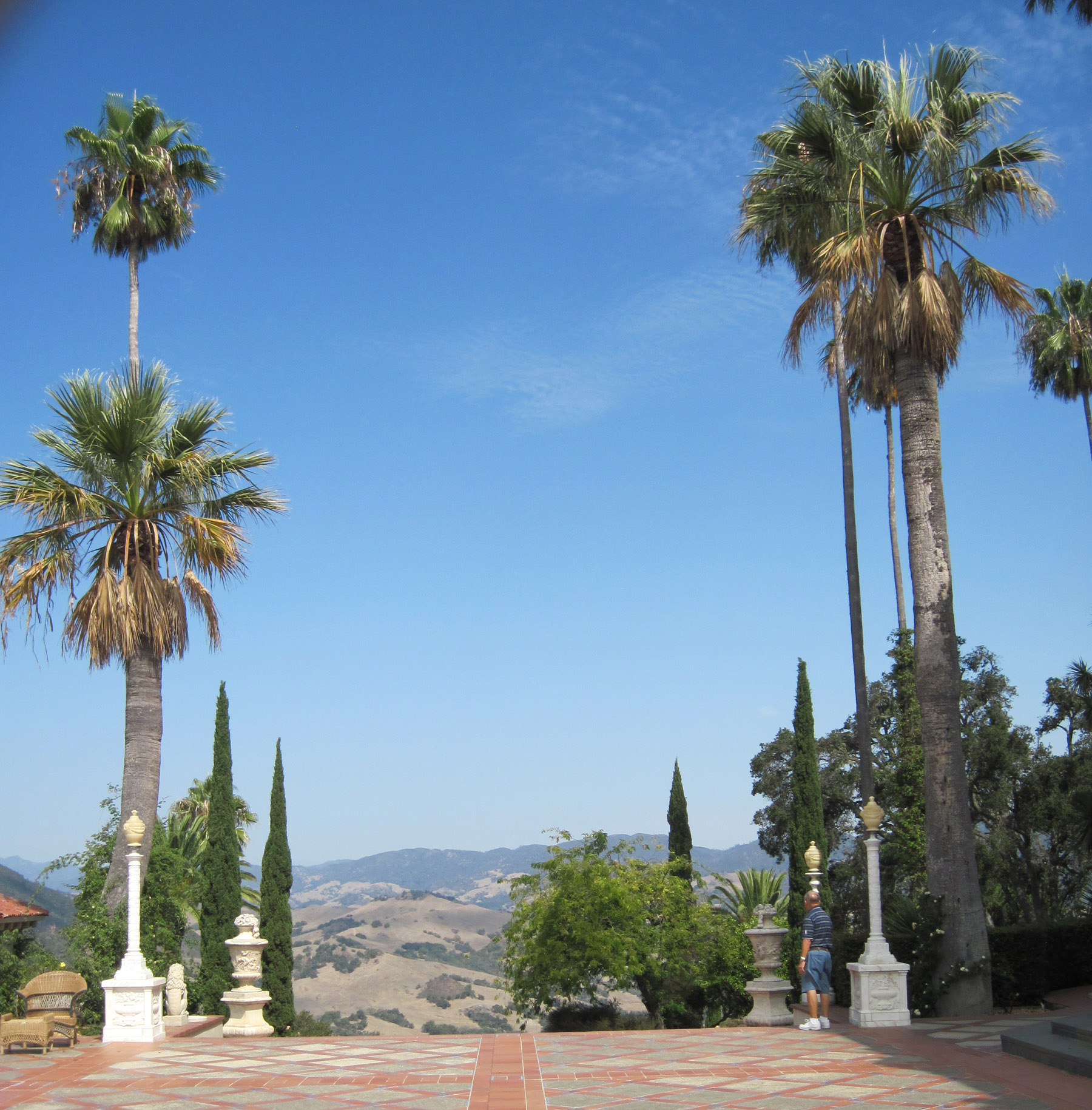
I visited the Hearst Castle in San Simeon, CA, today and saw lots of places where I’d like to be served breakfast as the sun rises on a cool summer morning. That’s the Pacific Ocean off in the distance.

If you’re out that way it is well worth a visit. It’s a popular place for tourists and booking a tour in advance is definitely necessary and easy to do on the website.

IMG_2184cIMG_2195c IMG_2188c IMG_2187cIMG_2192c(All photos by Ron Haines)

Posted in Photos mostly, Road trip | 3 Comments

Here’s Howe we got the sewing machine, the spring bed and a better bridge

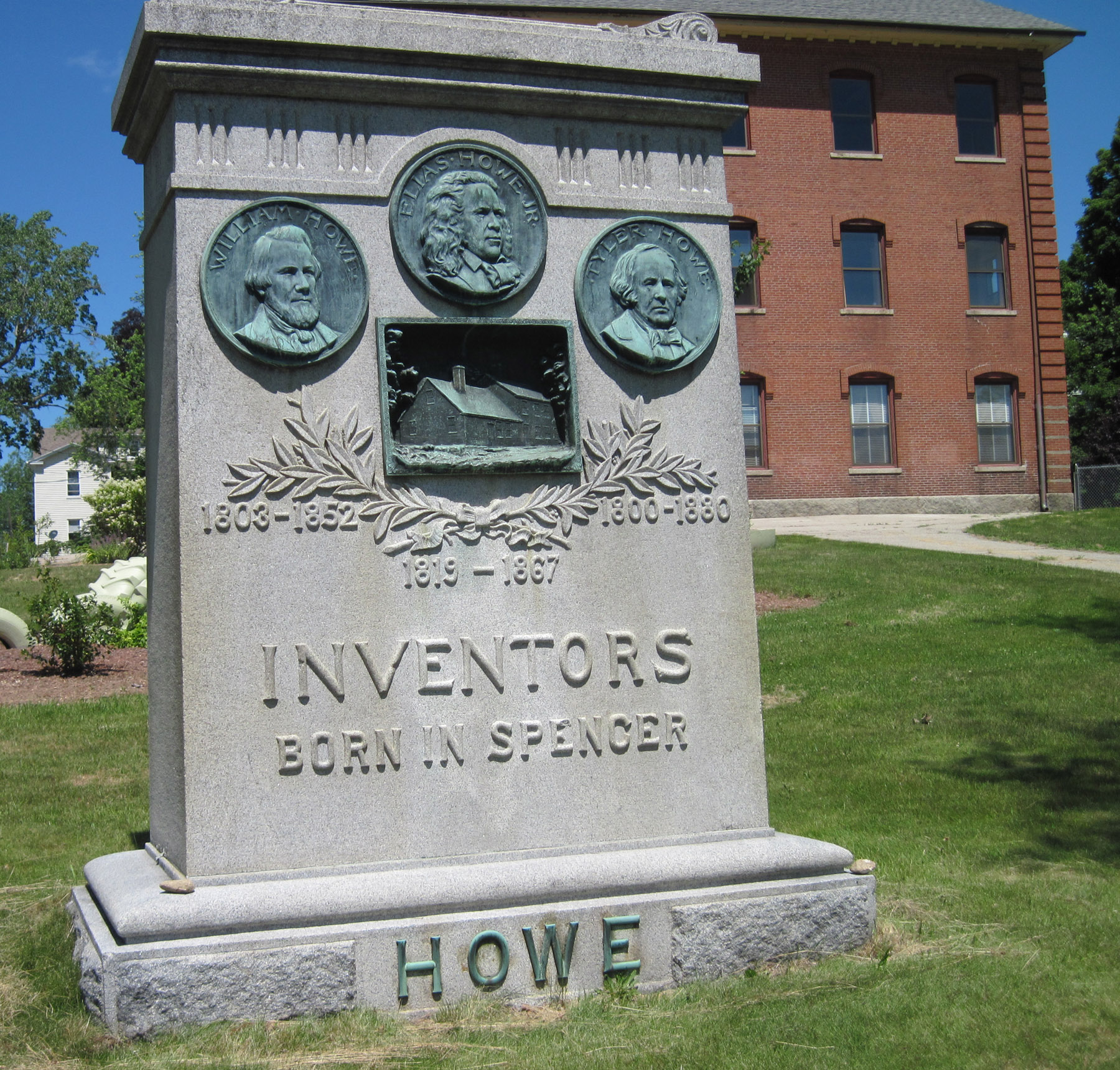
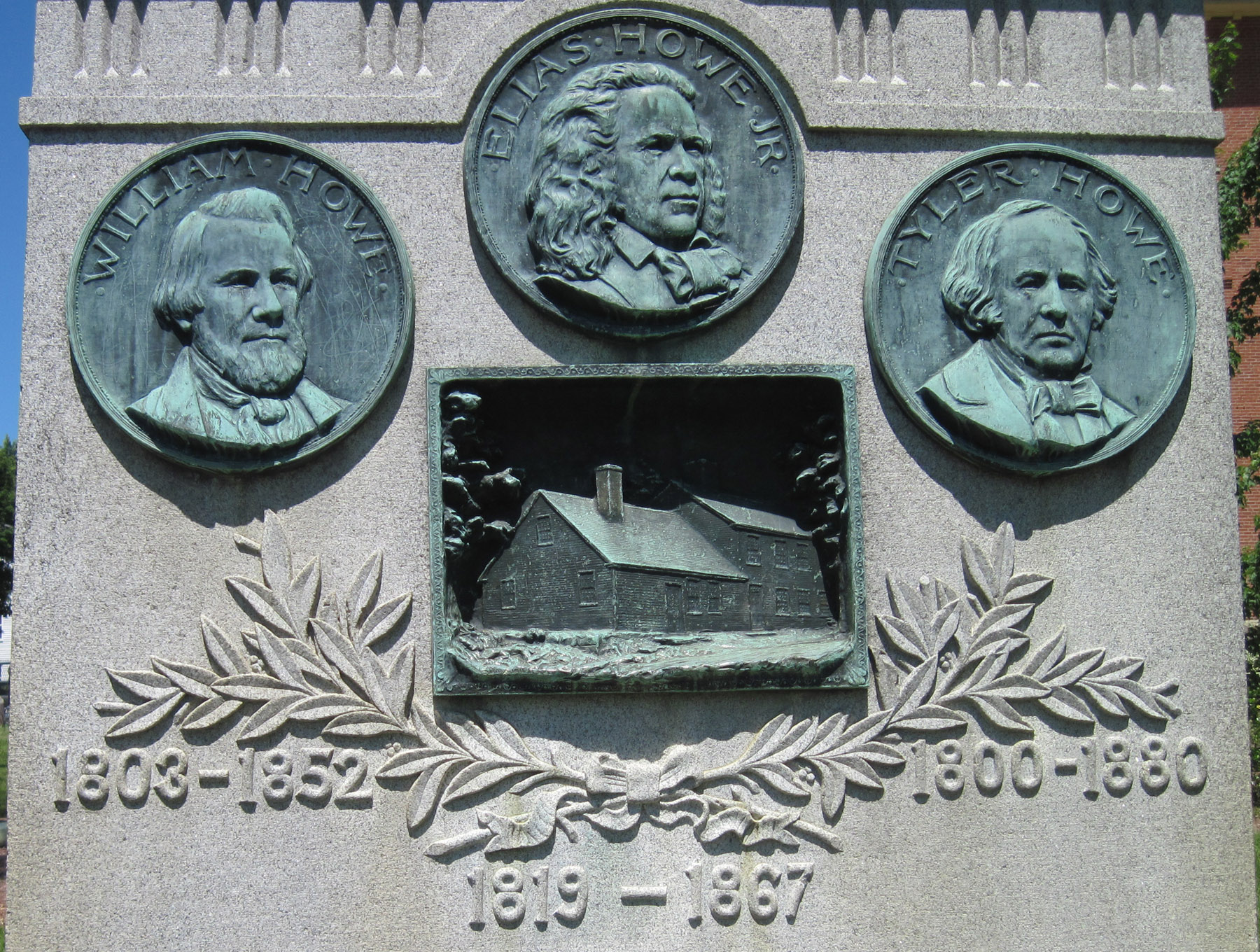
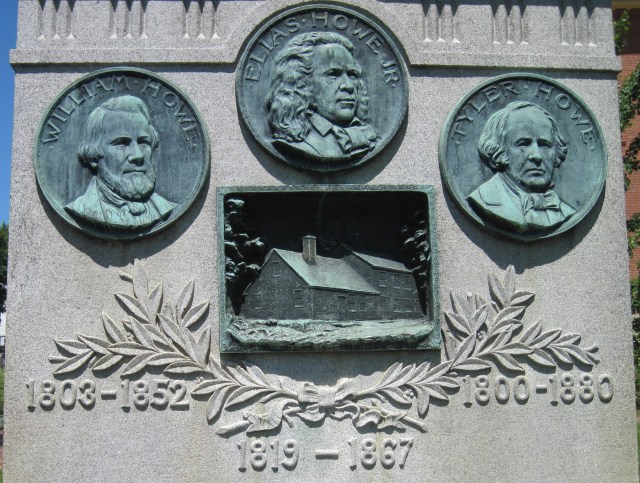
This monument caught my eye as I drove through the south-central Massachusetts town of Spencer. It was on busy two-lane Route 9 (Main Street) in the center of town, in a well-kept yard in front of a three-story brick building.
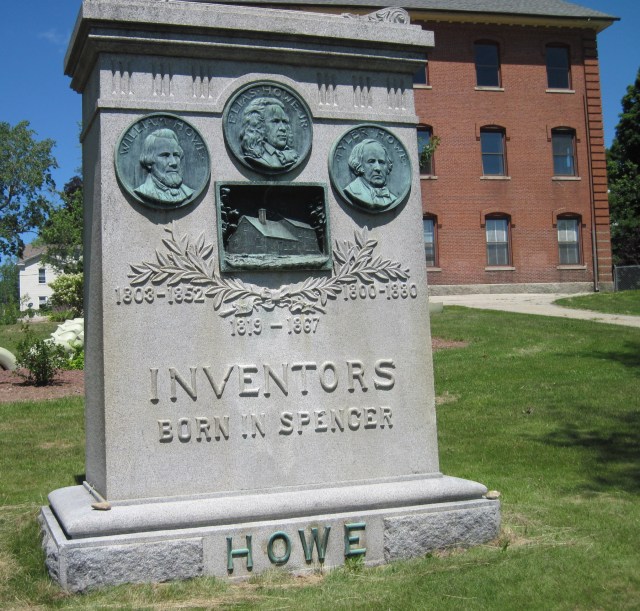
IMG_1895cUnveiled in 1909, the monument recognized the inventive minds of three Spencer natives: brothers William and Tyler Howe, and their nephew Elias Howe Jr. It was originally sited at town hall, about a half mile up Main Street from its present location. The building behind it, then the West Main Street School, is now a private residence.

Main Street through downtown roughly follows the path of the old Boston Post Road, which was the stagecoach route between Boston and Hartford, CT. In the late 1700’s, Spencer was a key stop on the route. It was where passengers changed stages, as one coach would come from Boston and connect with one coming north from Hartford.
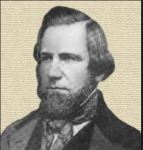
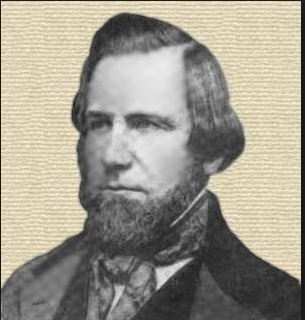
William Howe

William Howe

William was an innkeeper in 1840 when he designed a wooden truss bridge that set the standard across the nation, especially for railway bridges. It was of crossed wooden beams in an ‘X’ pattern, similar to that of Stephen Long, but he used adjustable metal rods instead of upright vertical timbers.   It’s reported that he got his inspiration from examining the structure of a church in nearby Brookfield, MA.   His patent withstood a challenge from Long and the design, with improvements patented by him in 1850, was used across the country and as far away as Russia until all-steel structures became the norm.
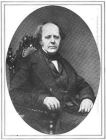
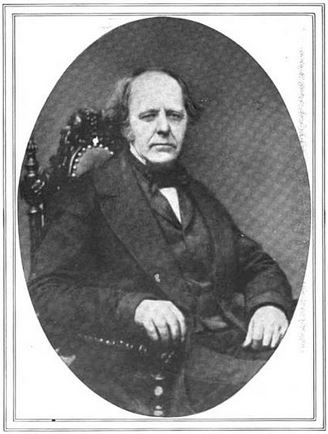
Tyler Howe

Tyler Howe

Meanwhile, his brother Tyler had headed out west for the Gold Rush. That didn’t work out so well and in 1850 he returned home the cheapest, albeit longest, way, by boat. He had such a lousy time trying to sleep on the hard, straw-packed mattress aboard the ship that he set about coming up with a more comfortable design. He patented a bed made of springs in 1855, an innovation that made him a very wealthy man.

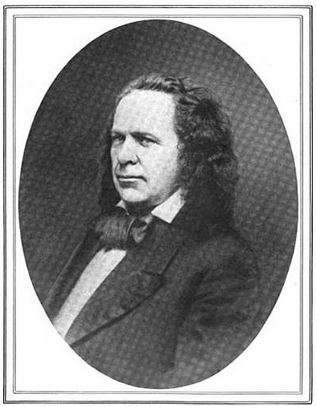
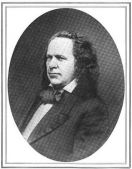
And at nearly the same time, Elias Howe Jr., nephew of William and Tyler, was trying to come up with improvements to the sewing machine, which had been around in various forms since the late 1700’s. His 1846 patent was the first for a sewing machine using a
Elias Howe Jr.

Elias Howe Jr.

lockstitch design and it contained the three essential features common to most modern machines: a shuttle operating beneath the cloth to form the lock stitch, an automatic feed, and a needle with the eye at the point, instead of at the top.

As he tried, and failed, to make his machine commercially successful, others started poaching his ideas. Does the name Isaac Singer sound familiar? He was among several who marketed machines that copied Elias’ design. In a massive court case that stretched from 1849 to 1854, he fought them and won, earning royalties from Singer and others.

It’s said by some that the placement of the ‘eye’ in the needle came to him in a dream: He was in a foreign country under the rule of a savage king, who gave him 24 hours to build a sewing machine. He was failing and the king called for the guards to execute him. He noticed that the guards carried spears with a hole at the tip. Fiercely begging for mercy in his sleep, he awoke from the dream at four in the morning. He remembered it all and by nine had built a rough working model, with a needle that had the eye near the tip.

But it’s murky: The dream recounted over at sewalot.com, and credited to Elias’ courtroom testimony, is this: It was all a dream… Elias Howe was in the middle of a dream where Red Indians were attacking another Indian camp. During the attack they were firing arrows. Some of the arrows pierced through wigwams made of stout cloth, not hide. As the arrows pierced the tents (the arrows had flint heads) some snagged threads, drawing the threads through with the tips of the arrows creating large loops of loose thread. Elias woke in the middle of his dream, rushed to his workshop, and put his ‘dream’ into practice.”

In case you’ve been paying attention to the dates and wondering why all these inventions by members of the same family in the same small Massachusetts town in the middle 1800’s weren’t recognized by that town until some 50 years later, there is this snide swipe from a 1909 issue of Munsey’s Magazine:

“The little town of Spencer, Massachusetts, which has long been famous but didn’t know it, will, on October 1 of the present year [1909], call upon the whole world to witness its tardy recognition of its own distinction by dedicating a monument to the cause thereof, the Howe family.”

And finally, this tidbit for my friends in the publishing industry, Munsey’s Magazine is credited with being the country’s first mass market magazine, selling in its heyday around 1900 some 700,000 copies a month. It was owned by Frank Munsey. Some of you old farts will recognize the name of one of his other publications, Argosy.
IMG_1896c

Posted in Offbeat, Road trip | 3 Comments

Made in the USA

Folks who know me are aware of my modest collection of yard art, mostly metal pieces found in my meanderings around the US.

I have long been disappointed that most of what I find is not made in the US. The popular place of origin is Mexico and, according to folks in the trade, there are four or five outfits down there churning out the same old stuff.

I always hope, when I pull up to a promisingly junk-filled store or browse through the booths at small-town events and fairs, that I will find yard art that’s actually made by the person doing the selling and that I will see pieces that do not look like the stuff I saw a couple hundred miles ago.

So when I stopped at the Bell Tower Festival on the square in tiny Jefferson, Iowa, early this summer I was pleasantly surprised.

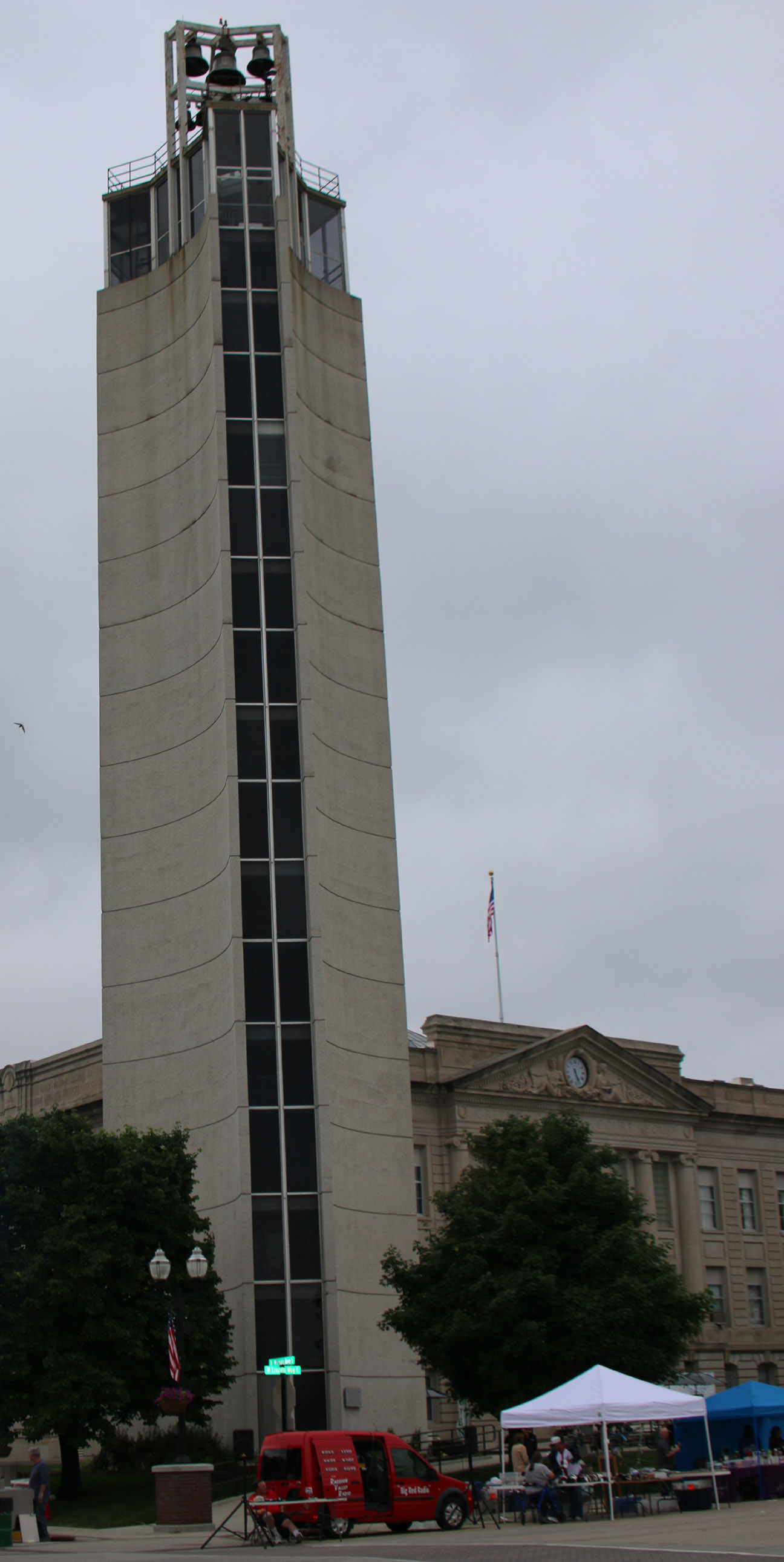
I was traveling the old Lincoln Highway, which bisects Jefferson, tracing a path through the square, around the Greene County Courthouse and the 168-foot Mahanay Memorial Bell Tower, named for Floyd Mahanay, a philanthropist and former resident.

Instead of following the detour signs around the festival I kept going straight and parked in front of a temporary barrier blocking vehicle access to the square and set off on foot.

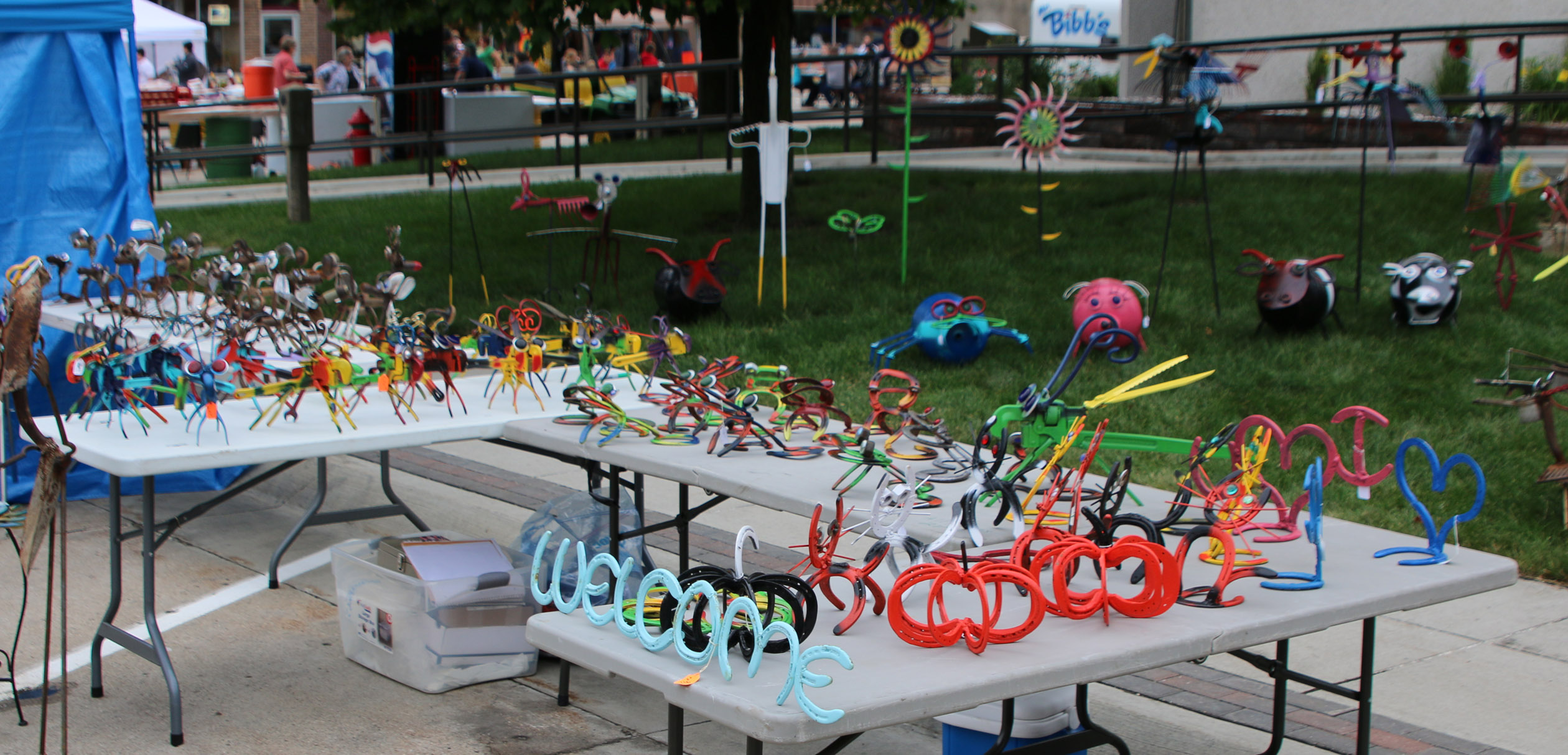
And there, in the shadow of the bell tower and next to the local radio station DJ’s red van and tent, was a colorful display of metal yard art. Promising, I thought, as I looked it over.

I saw immediately that this wasn’t the familiar collection of welded pieces of sheet metal bent to look like birds or pigs or cows or whatever, imported from Mexico.

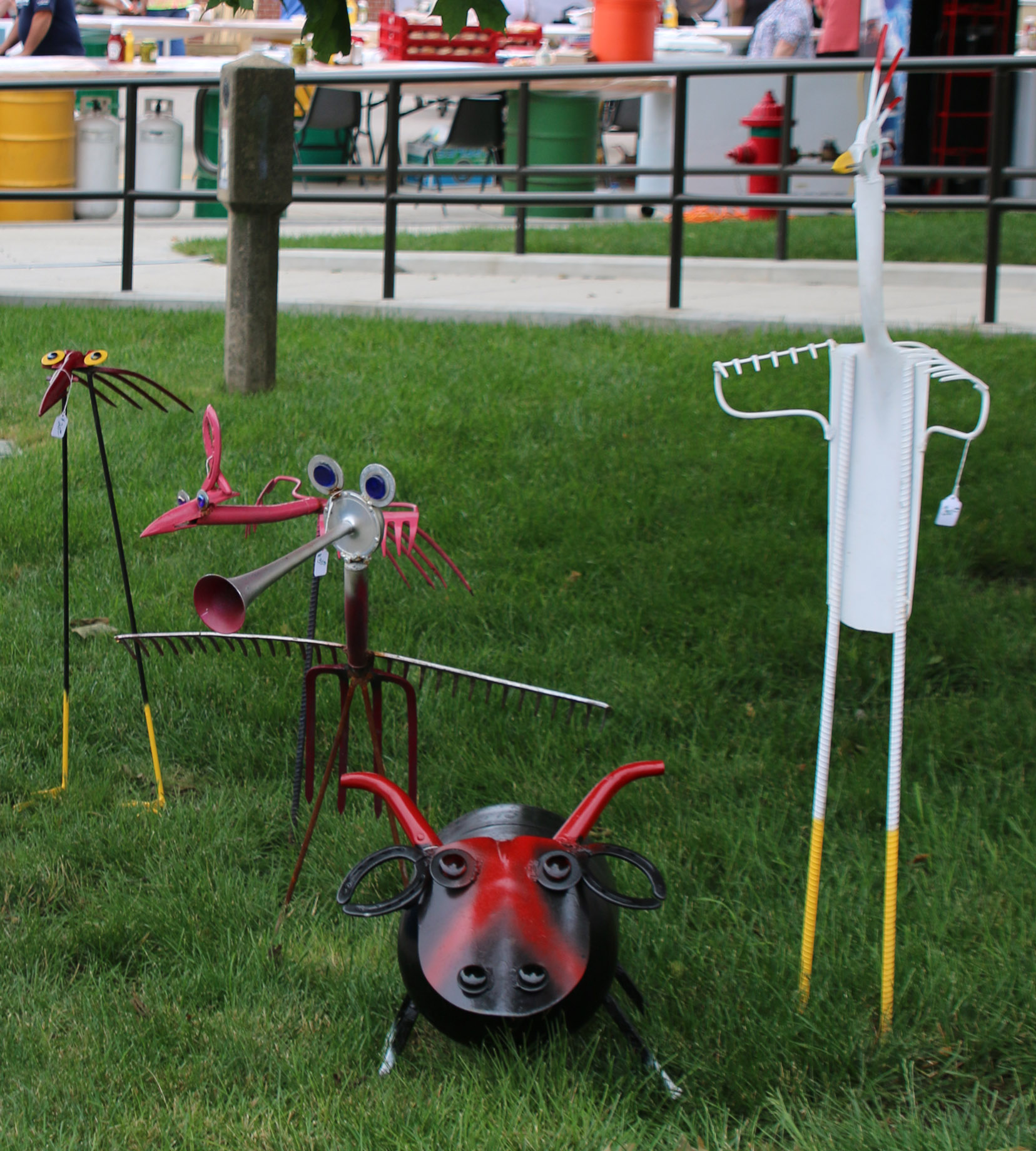
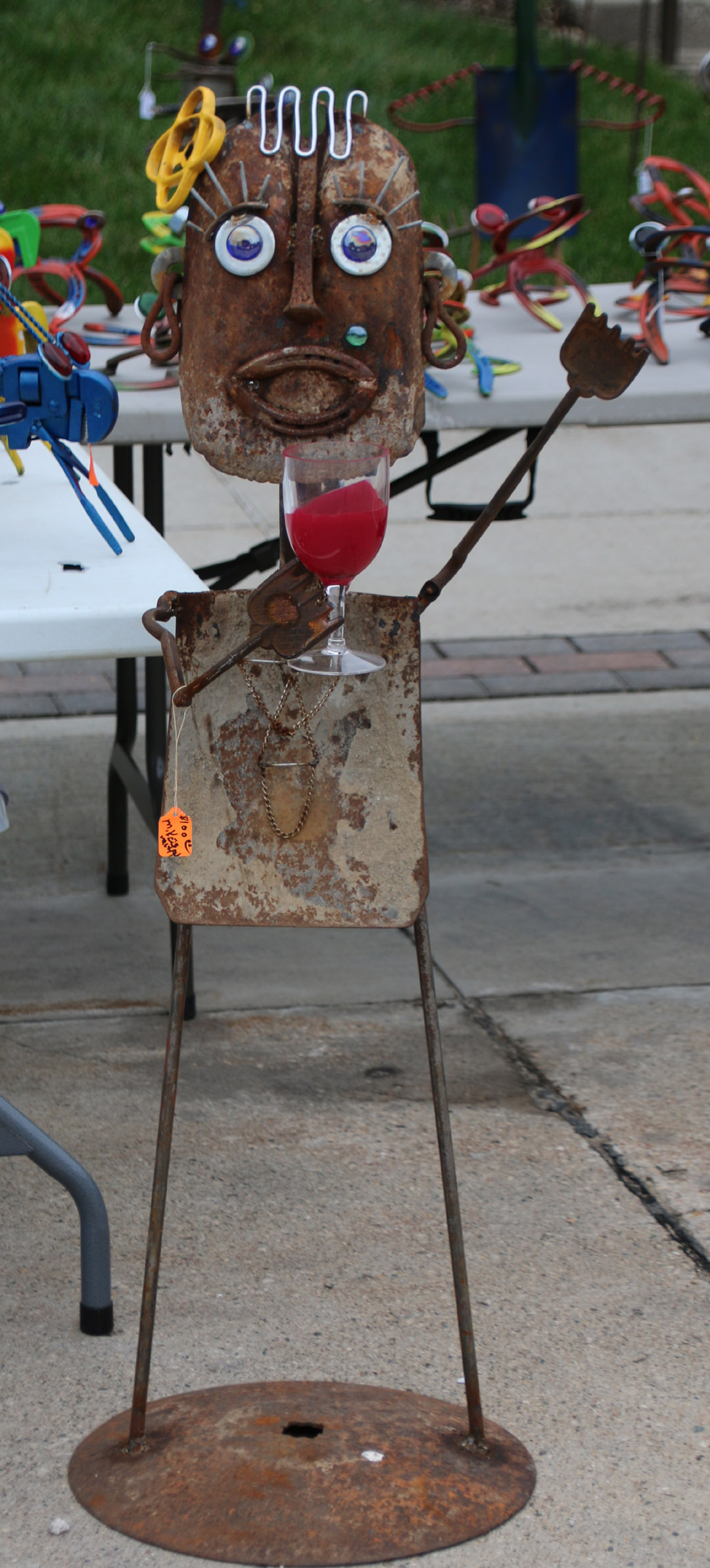
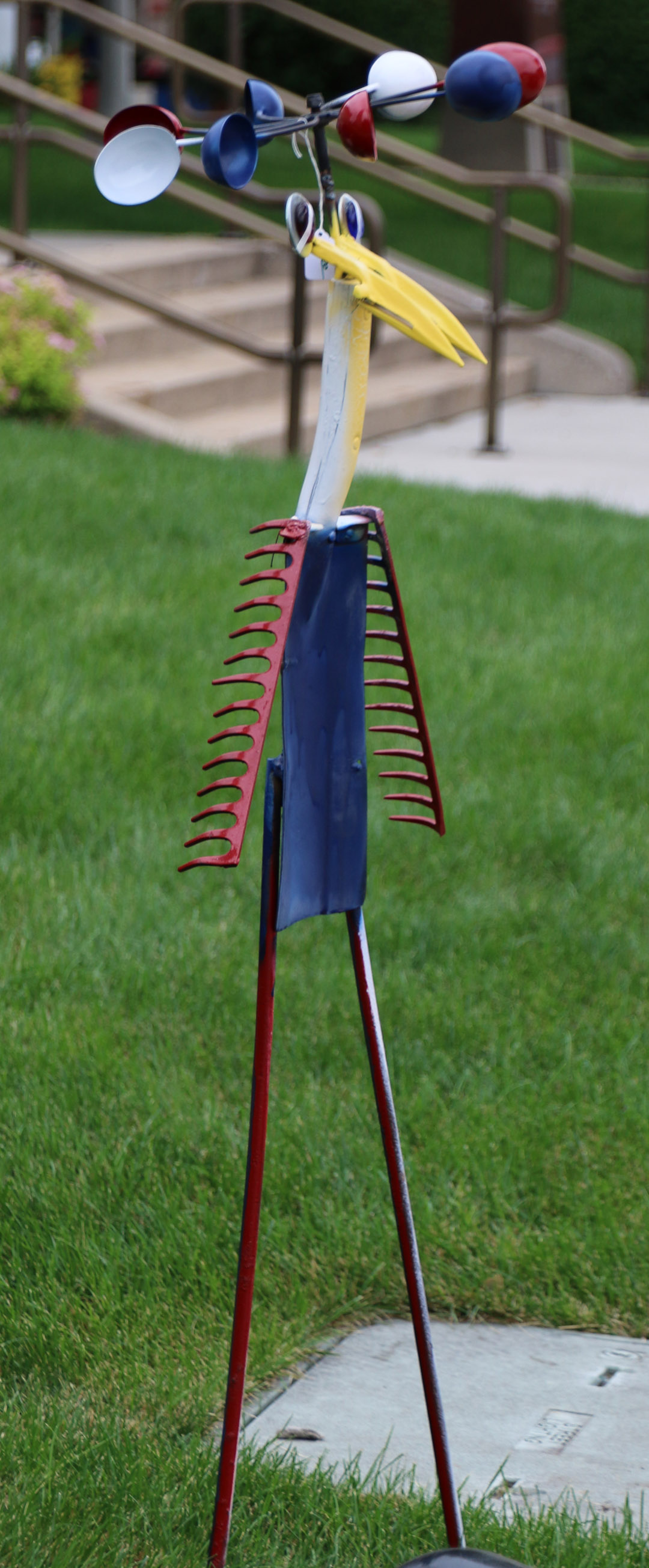
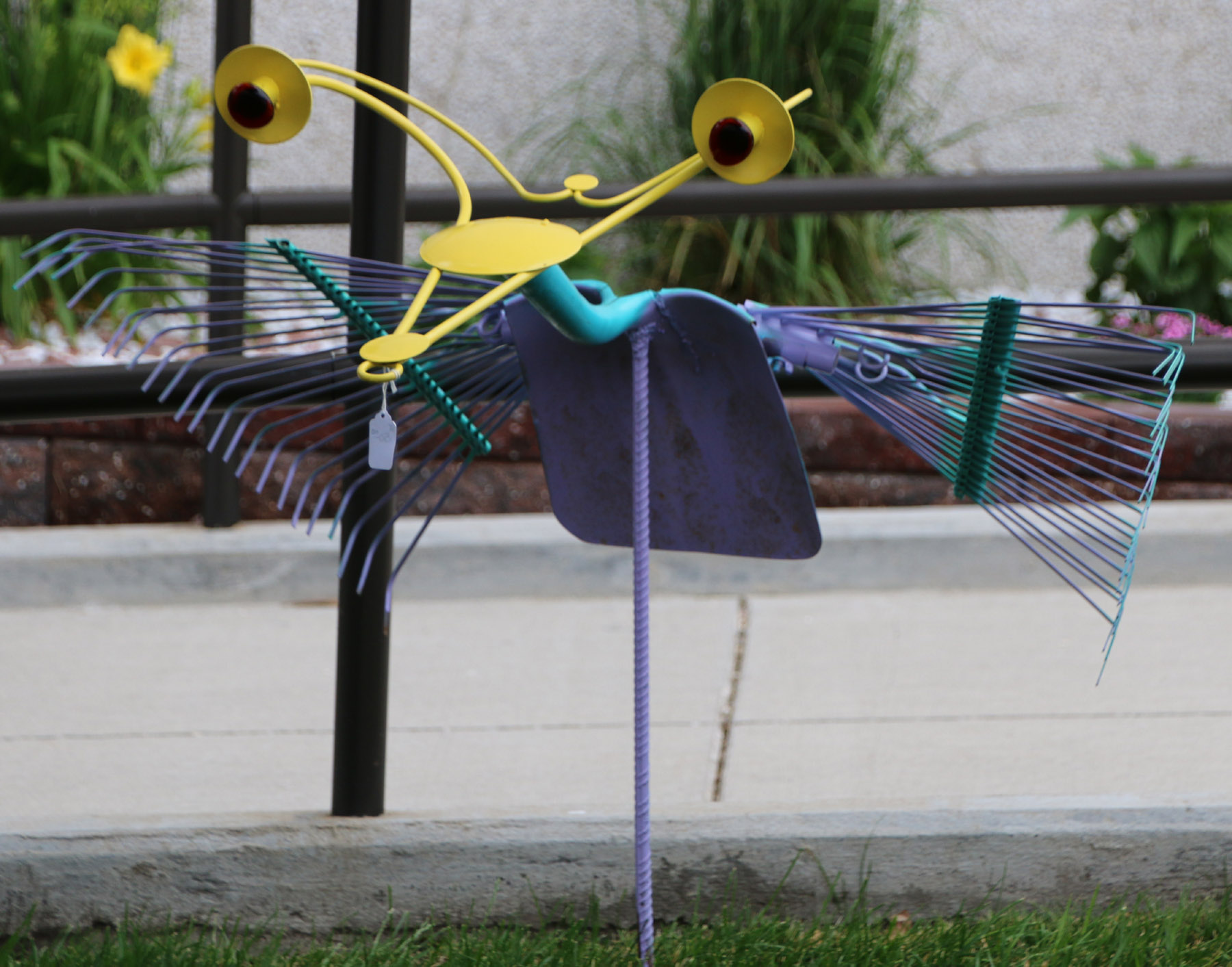
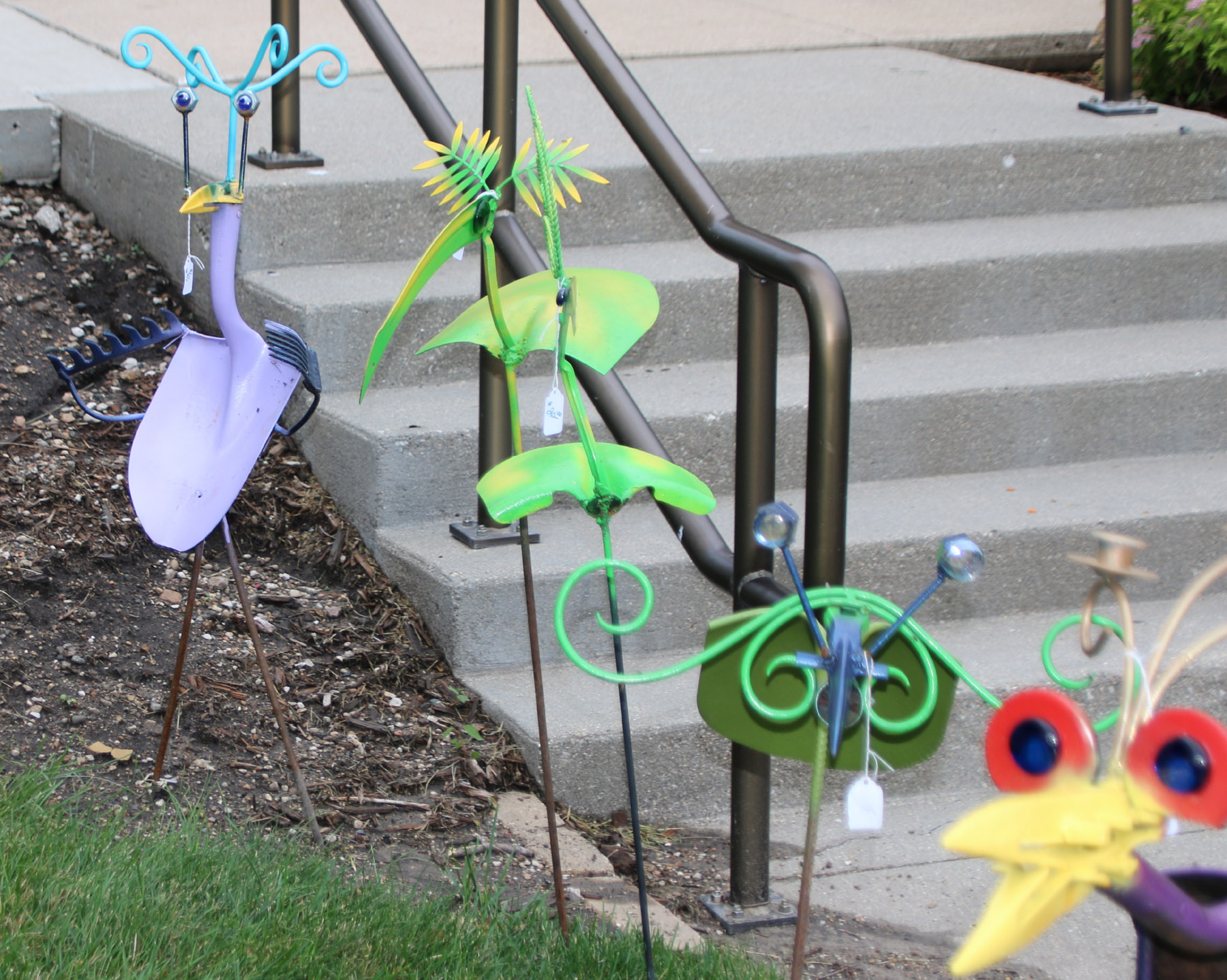
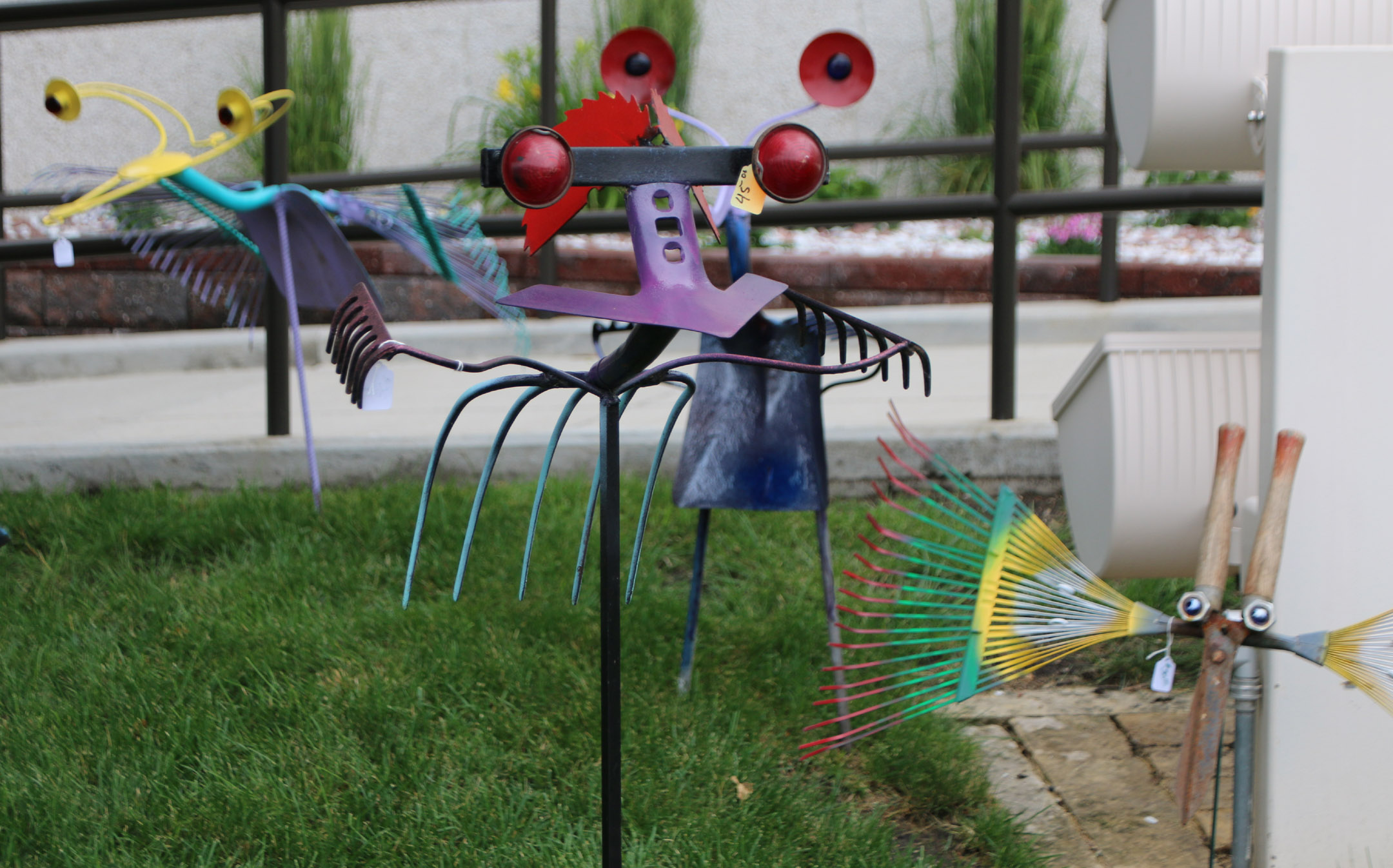
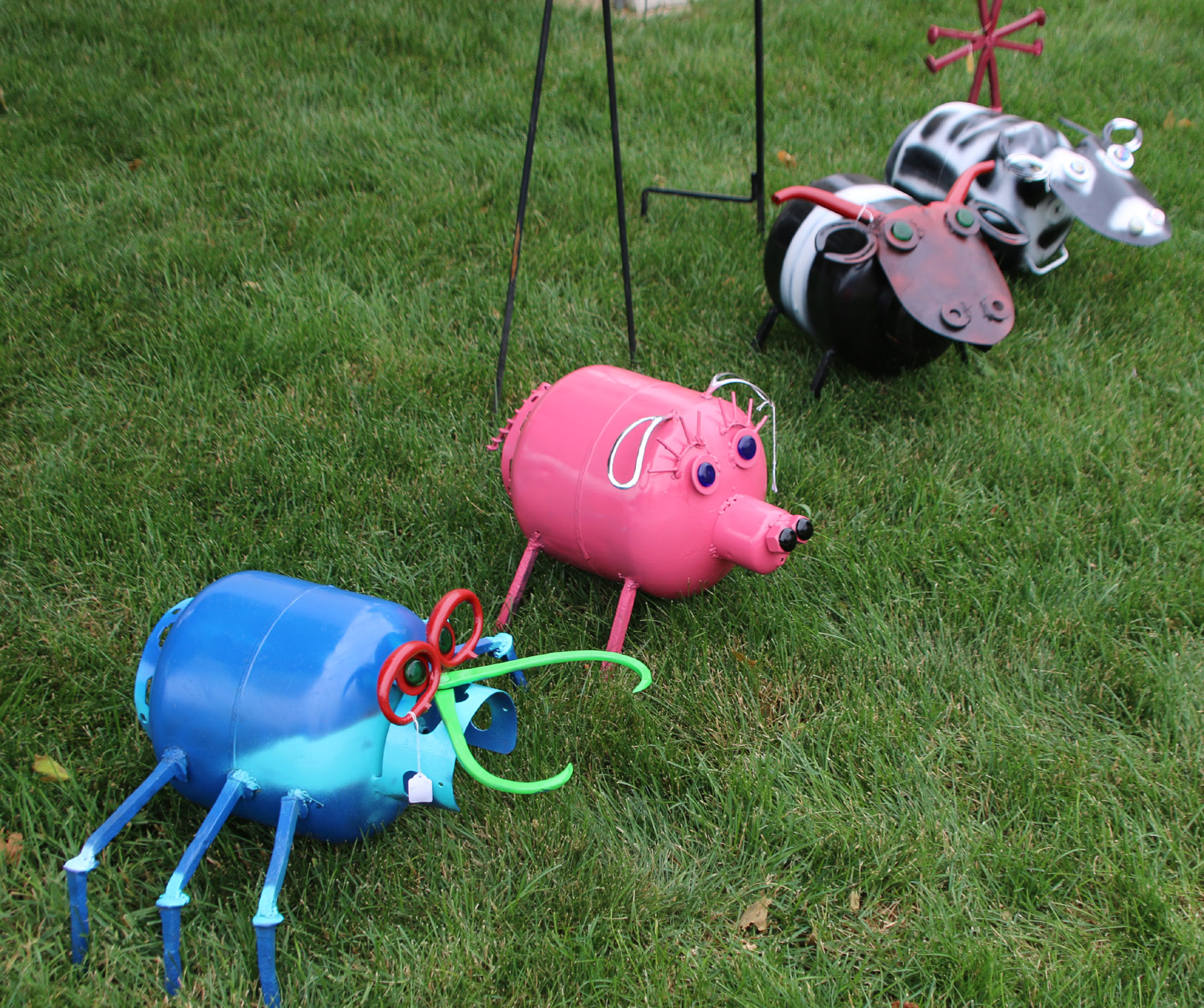
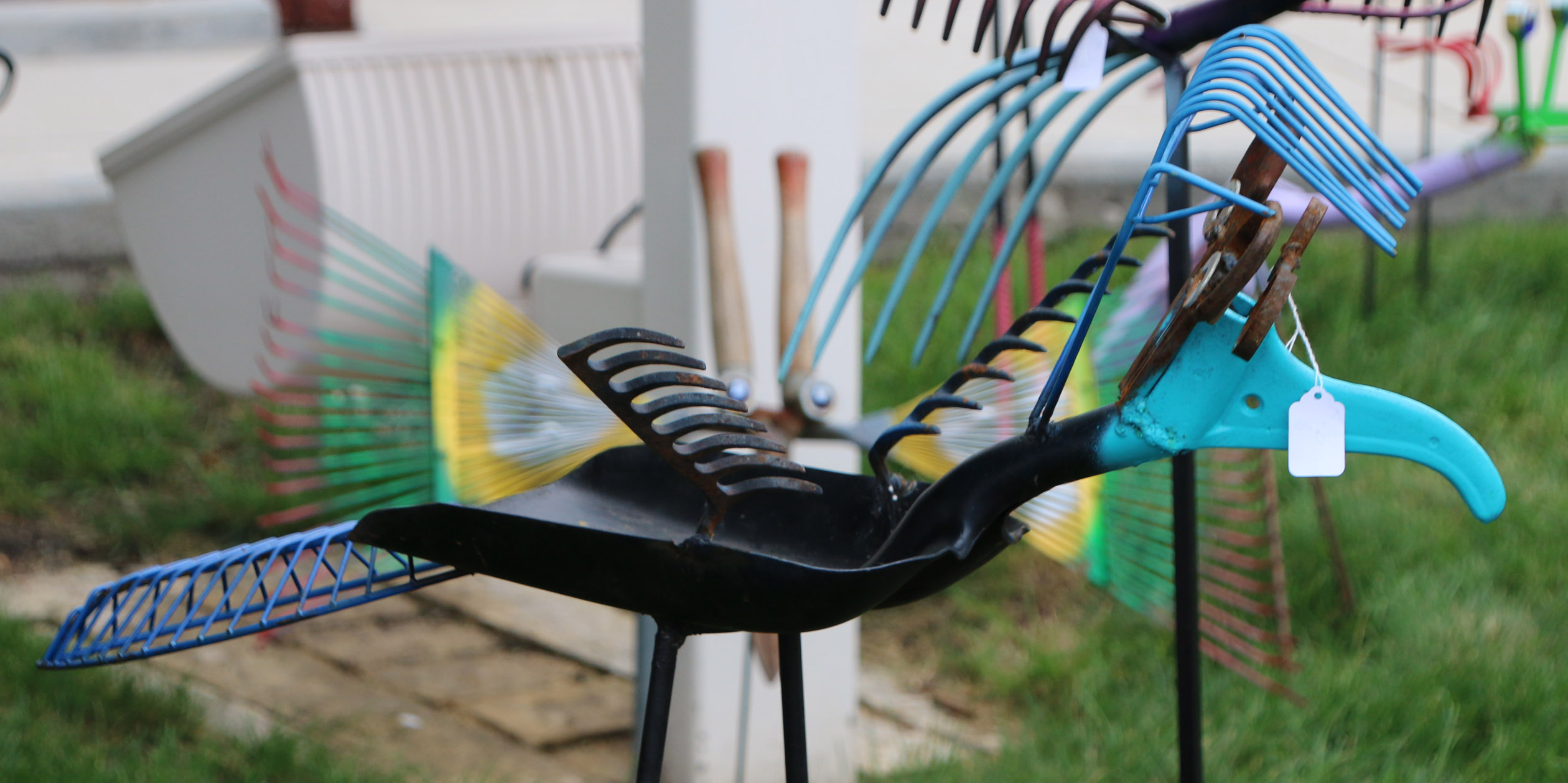
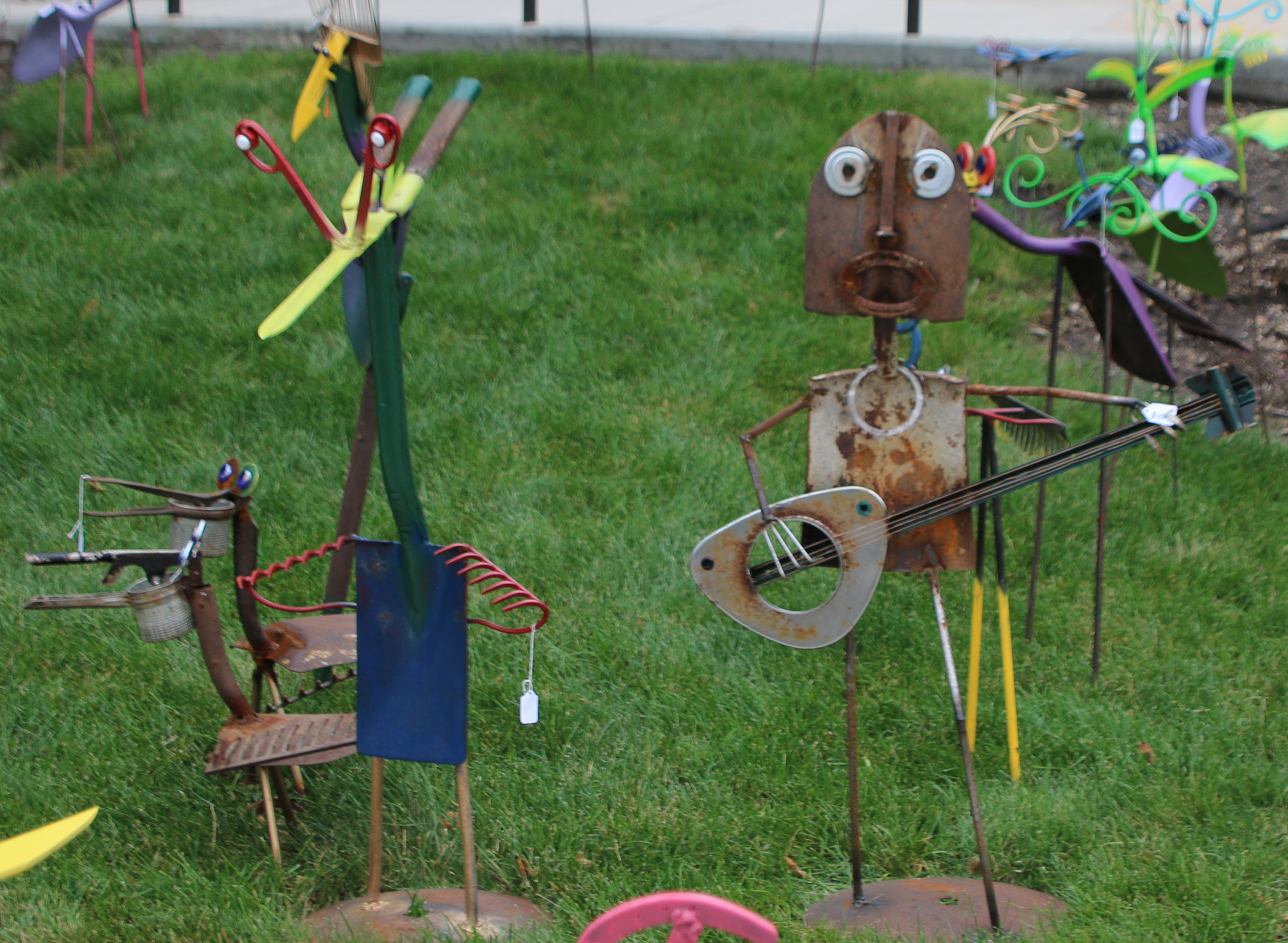
These were brilliantly colored and very imaginative sculptures, all made out of hand tools, garden implements and other recognizable metal castoffs. Wonderful stuff!

And, as I quickly realized while chatting with the proprietor, Mike Prince, IT WAS ALL MADE IN THE USA! Mike’s been making this stuff for only a year or so and told me his main problem is finding old shovel heads, rakes and other stuff, his raw material.

He lives in nearby, and even tinier, Churdan (population 376 in 2014, one person fewer than back in 1890). I can think of worse things to do with one’s time than spend it creatively repurposing discarded tools, and farm and garden implements into yard art and home decor. Visit his Facebook page and offer him some encouragement. I didn’t find out if he does much mail order or internet business, but it’s worth asking.

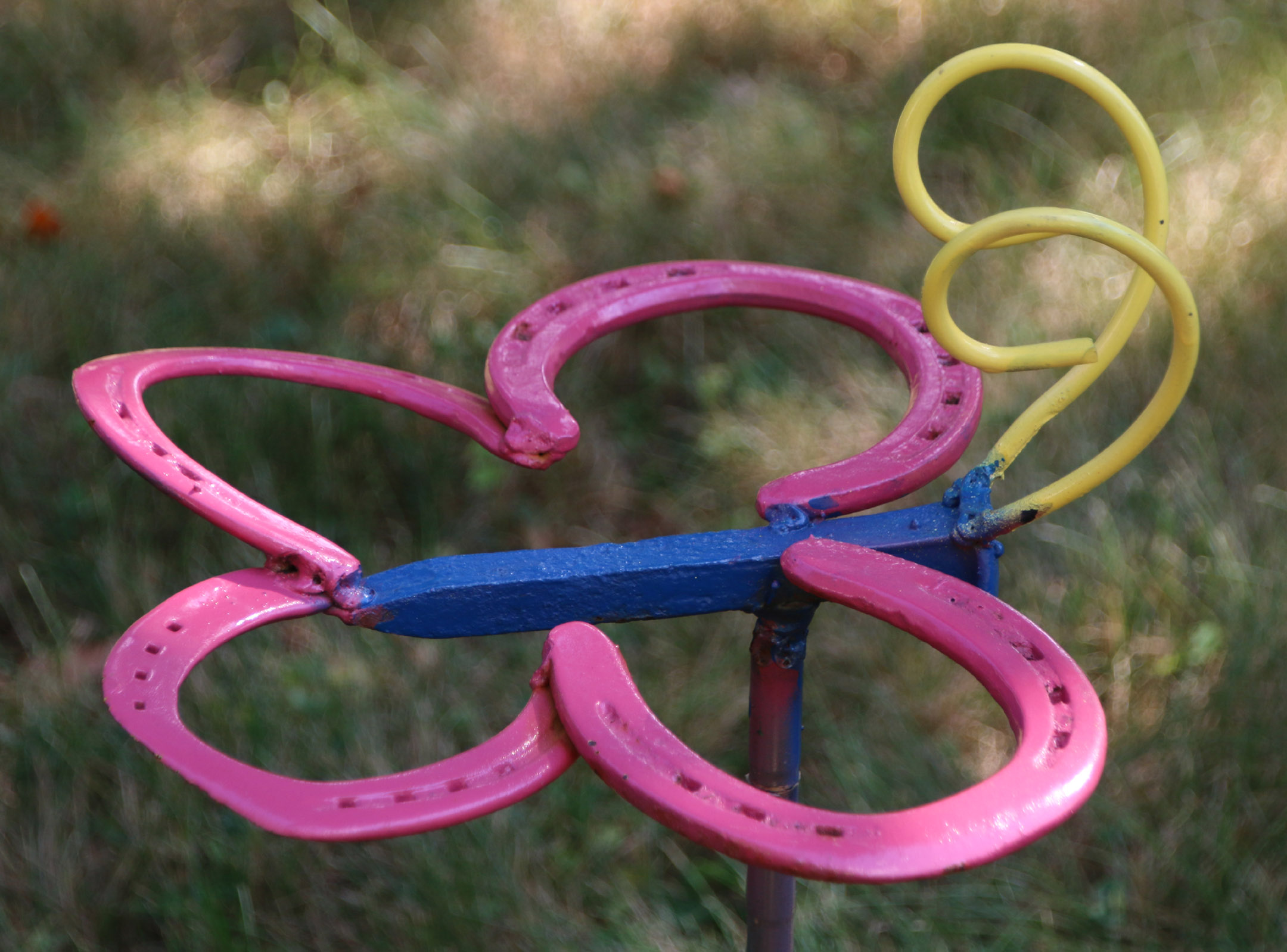
I’ll let the photos I took of his products speak to the creativity of his work. There’s plenty more on his page too.  This first one, the pink butterfly made from horseshoes, is what I bought the day of my visit.  (All photos copyright Ron Haines)

IMG_0142c

IMG_0119cIMG_0120cIMG_0118cIMG_0124cIMG_0117c IMG_0116c IMG_0122c IMG_0123c IMG_0114c IMG_0113cIMG_0129c

Posted in Road trip, Yard art | 5 Comments

New canoe on the water

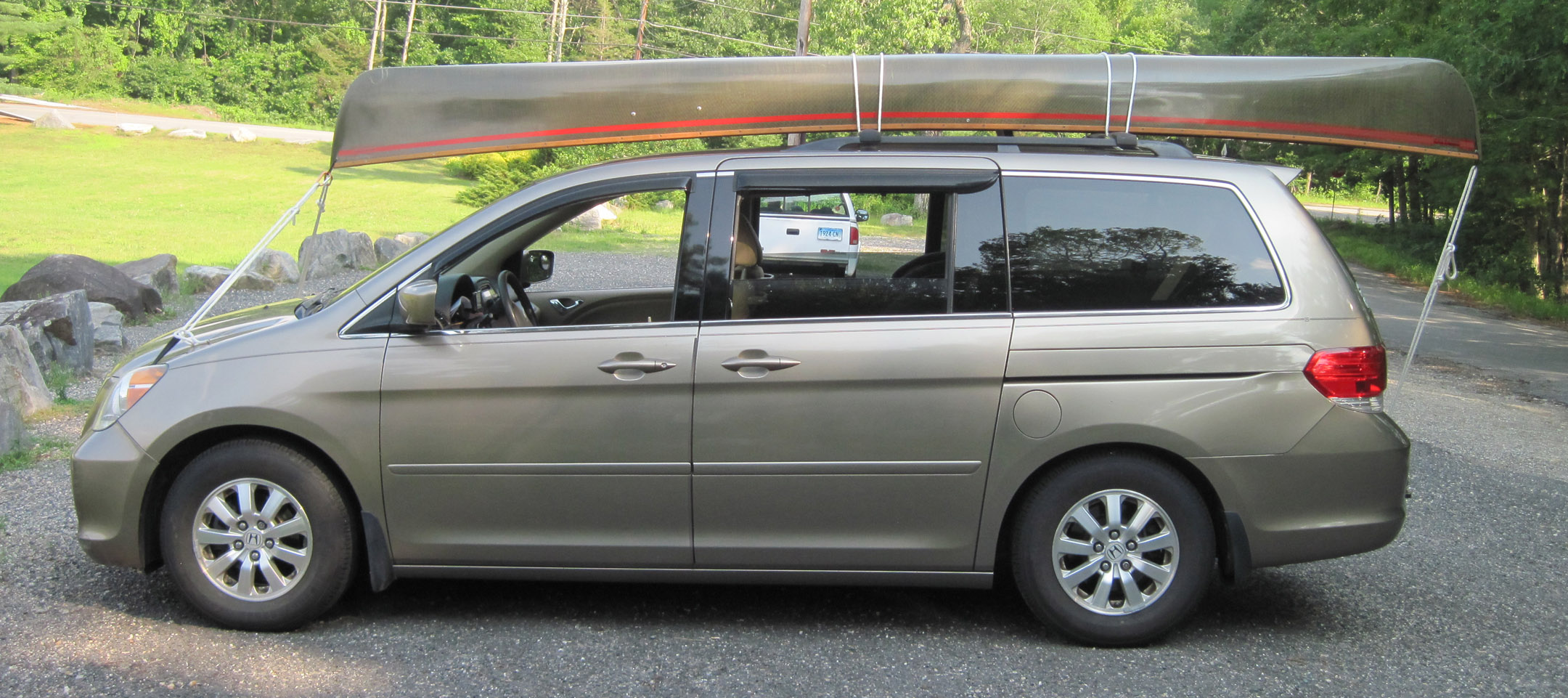
I finally got around to having a couple friends do photos of me out on the water in my new Hornbeck ultra-light canoe, 15 feet long, two feet at widest and a mere 24 pounds, way more portable than the 75-pound Grumman.  Related posts are here and here.

Taken at Mansfield Hollow State Park, Mansfield, CT. (Photo by John Messier)

Taken at Mansfield Hollow State Park, Mansfield, CT. (Photo by John Messier)

Taken at Mansfield Hollow State Park, Mansfield, CT. (Photo by Tom Ayau)

Taken at Mansfield Hollow State Park, Mansfield, CT. (Photo by Tom Ayau)

Posted in Hornbeck canoe, Paddling | 3 Comments

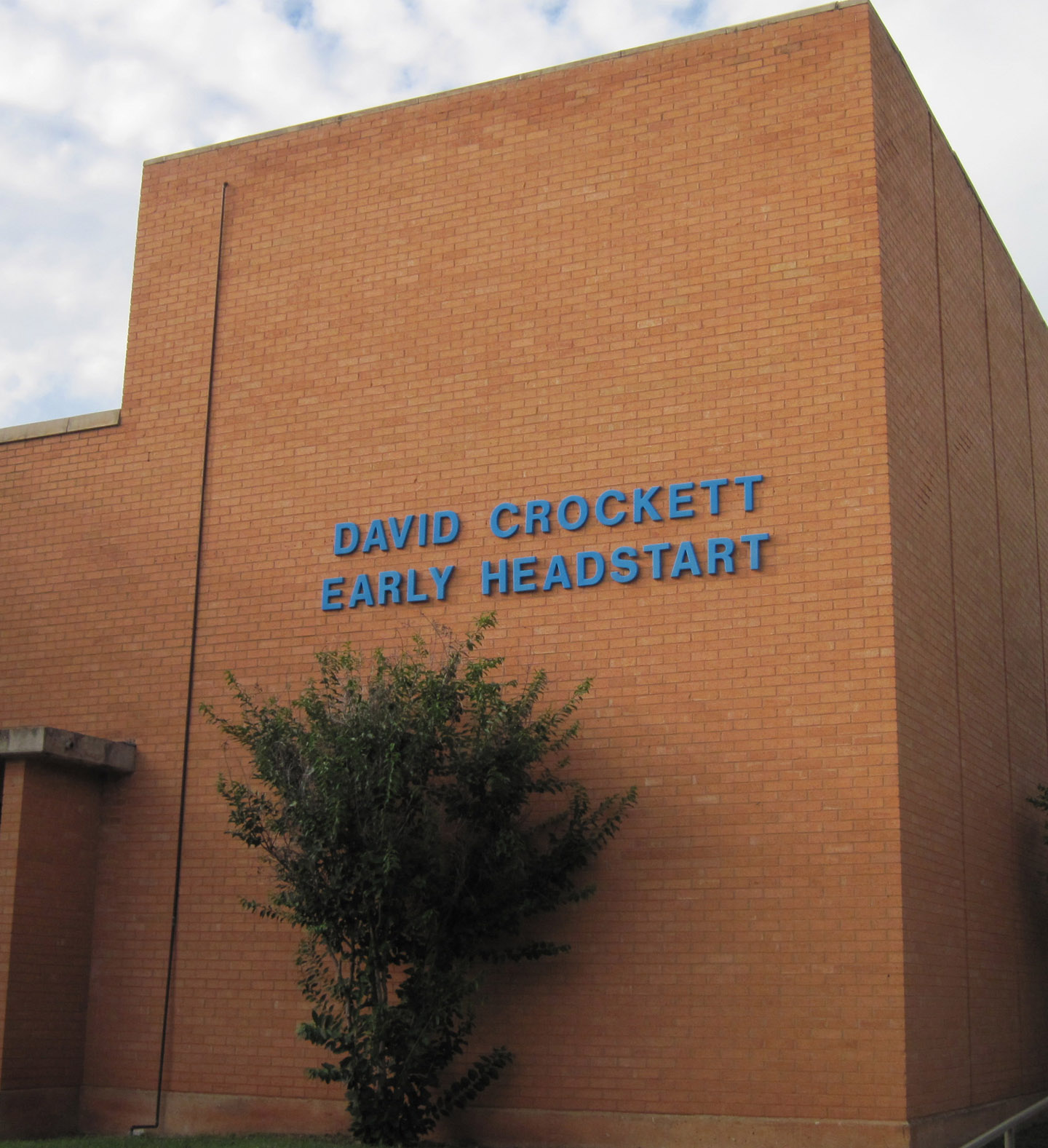
Who is David Crockett?

Abilene, TX

Abilene, TX

I drove past this building in Abilene, TX, earlier this summer. The name Crockett certainly rang a bell, but the first name, David, didn’t quite go with it.

Could this school be named after a man lodged in my brain from childhood who I knew as Davy Crockett? I snapped a photo to remind myself to find out.

Indeed it is. The man I knew from childhood as the Tennessee-born King of the Wild Frontier from song, movie and TV is indeed remembered in Texas on parks, buildings and monuments as David, a politician and Alamo hero.

All this formality is a bit jarring to a person who has gone through life with ‘Davy’ Crockett embedded in his brain.

I suppose the history books from my schooling called him David, in line with what he was called by his contemporaries, and covered his political career and his being killed at the Alamo and all that, but my formal education has taken a backseat to popular culture and in my memories he’s all about Tennessee and the coonskin cap, period.

This line from The Reader’s Companion to American History sums it up nicely: Crockett’s biographers often say there were actually two Crocketts: David, the frontiersman and congressman martyred at the Alamo, and Davy, the larger-than-life folk hero whose exploits were glorified in several books and a series of almanacs.

The same tome also says his actual career was so unremarkable that if it weren’t for the popular culture jumping on his bandwagon he’d hardly be remembered.

And then you wouldn’t be reading this and that damn song wouldn’t be in your head now. In case you’re having trouble with some of the verses, the lyrics are here.

Posted in Offbeat, Road trip | 1 Comment

Here it is!

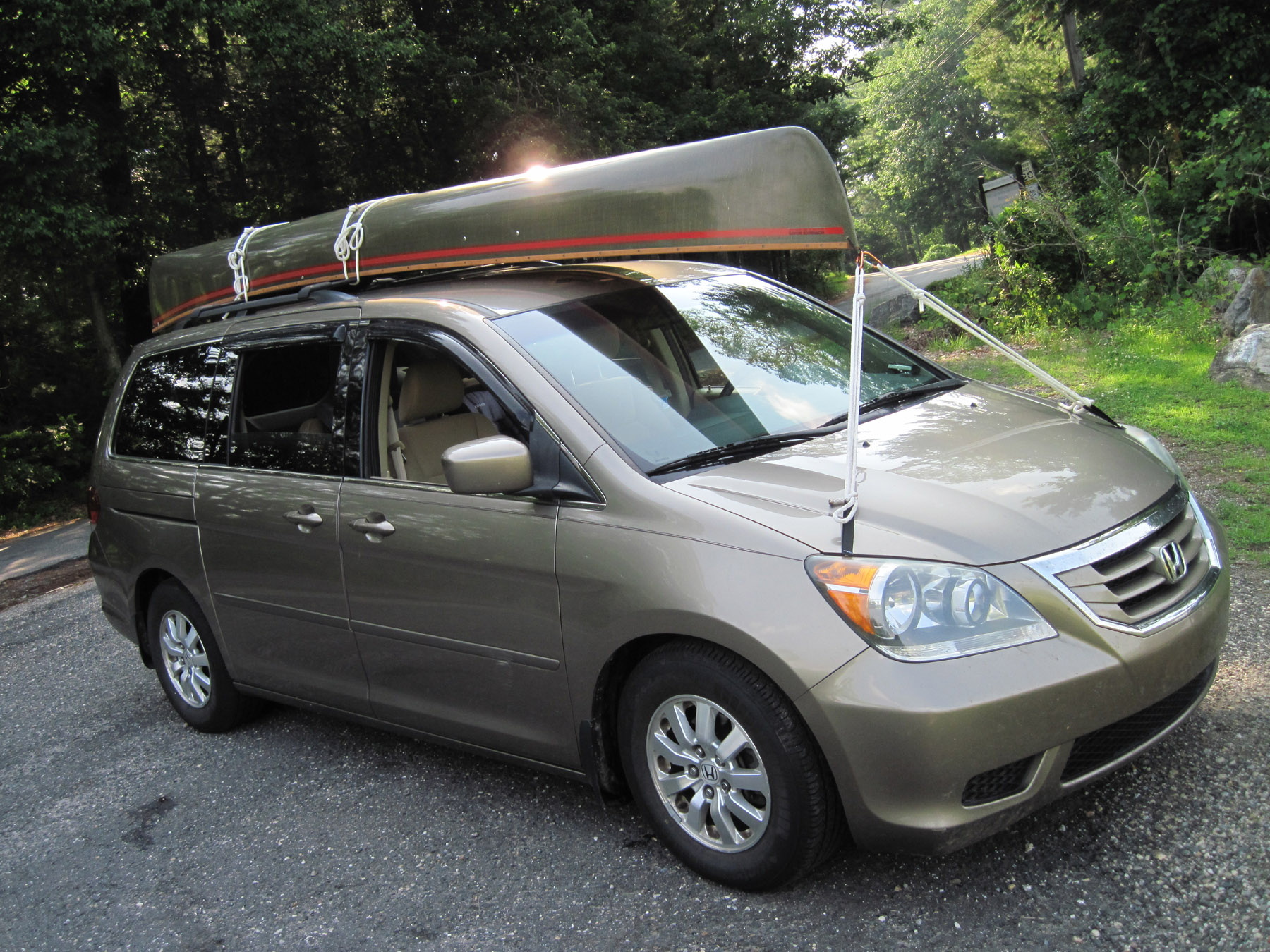
I’ve been using my new ultralite Hornbeck canoe a fair bit since picking it up last month in the Adirondacks on my way back to Connecticut from Texas. Read about the shopping trip here. It’s light, paddles fast and, as I had known it would, scratches far easier than aluminum. I am still getting the hang of getting into and out of it efficiently (it’s a matter of how old folks’ legs work).

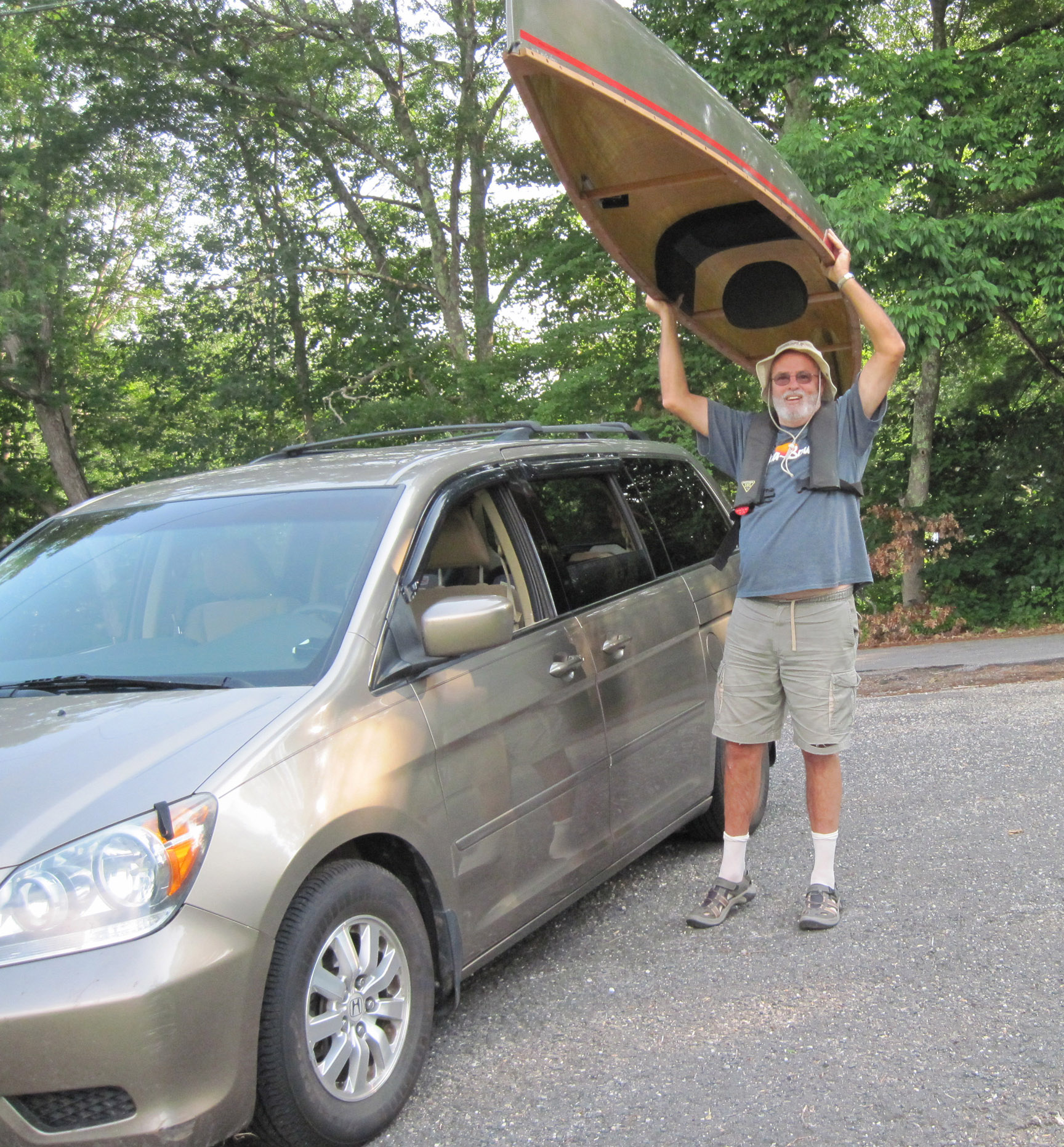
The whole point of getting a new canoe was to get something I can carry around.

The whole point of getting a new canoe was to get something I can carry around.

At 15 feet long, 24 inches at widest point, and weighing 24 pounds, it is a huge change from the Grumman at 17 feet long, 36 inches wide and 75 pounds. I miss the luxury of the super-stable, SUV-like Grumman, but I don’t miss pushing it around with a paddle. And I certainly don’t miss moving it around on land either! Keeping it for sailing, trash pick-up trips and when I have a passenger, of course.

So I now am a two-canoe family.

IMG_1881c IMG_1879c

Posted in Hornbeck canoe, Paddling | 4 Comments

Next time I’ll wear a hat

IMG_1699c

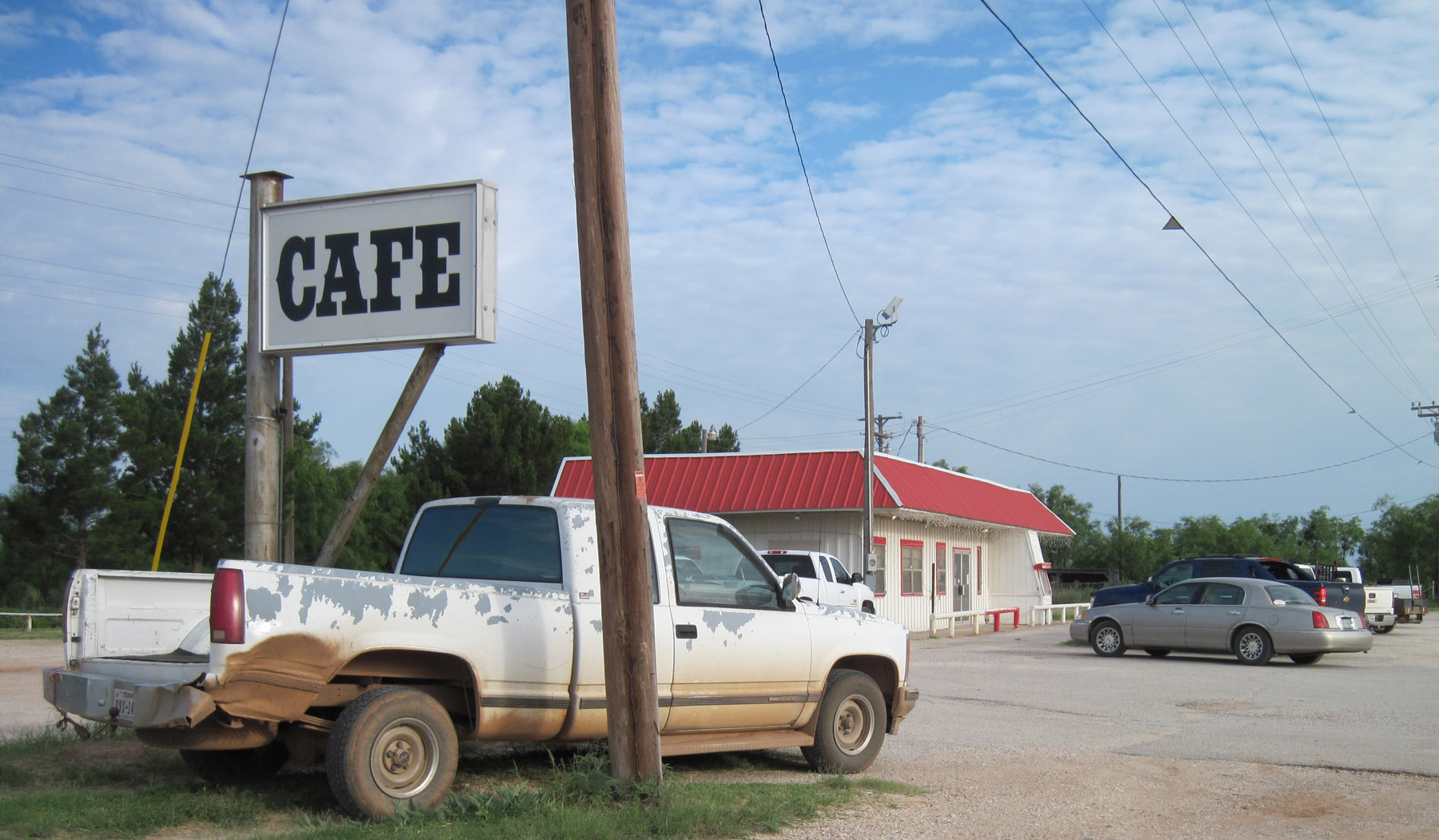
Pulled in to this place recently in tiny Hawley, TX, along US 83 north of Abilene, ready for a breakfast as only places like this can do them. Inside there were nine men, middle-aged or better, arranged around three nearby tables, all talking with each other. Each wore overalls, cowboy boots and long-sleeved shirts.

And each sported a well-worn baseball cap.

Dressed in my normal tennis shoes, shorts and T-shirt and carrying a book, I headed to a table at the back and settled in. They all looked my way.

Must have been because I didn’t have a hat on.

Posted in Offbeat, Road trip | 6 Comments

This Timex is going to stop ticking

Timexpo, the Waterbury CT museum that celebrates all things Timex, is going to close at the end of September.

w-outboard-motor-280

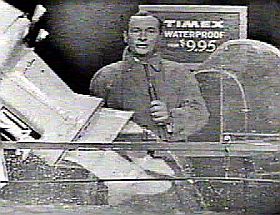
John Cameron Swayze in a Timex TV commercial.

Not enough people bother to visit, says the company, which is headquartered in nearby Middlebury.  Oddly enough, the facility has the largest elevator I have ever seen. According to the operating certificate posted inside it, the capacity is 7700 pounds. Figuring a mathematically tidy 200 pounds per person, that’s 38 people. I doubt that many people see it in a whole day.

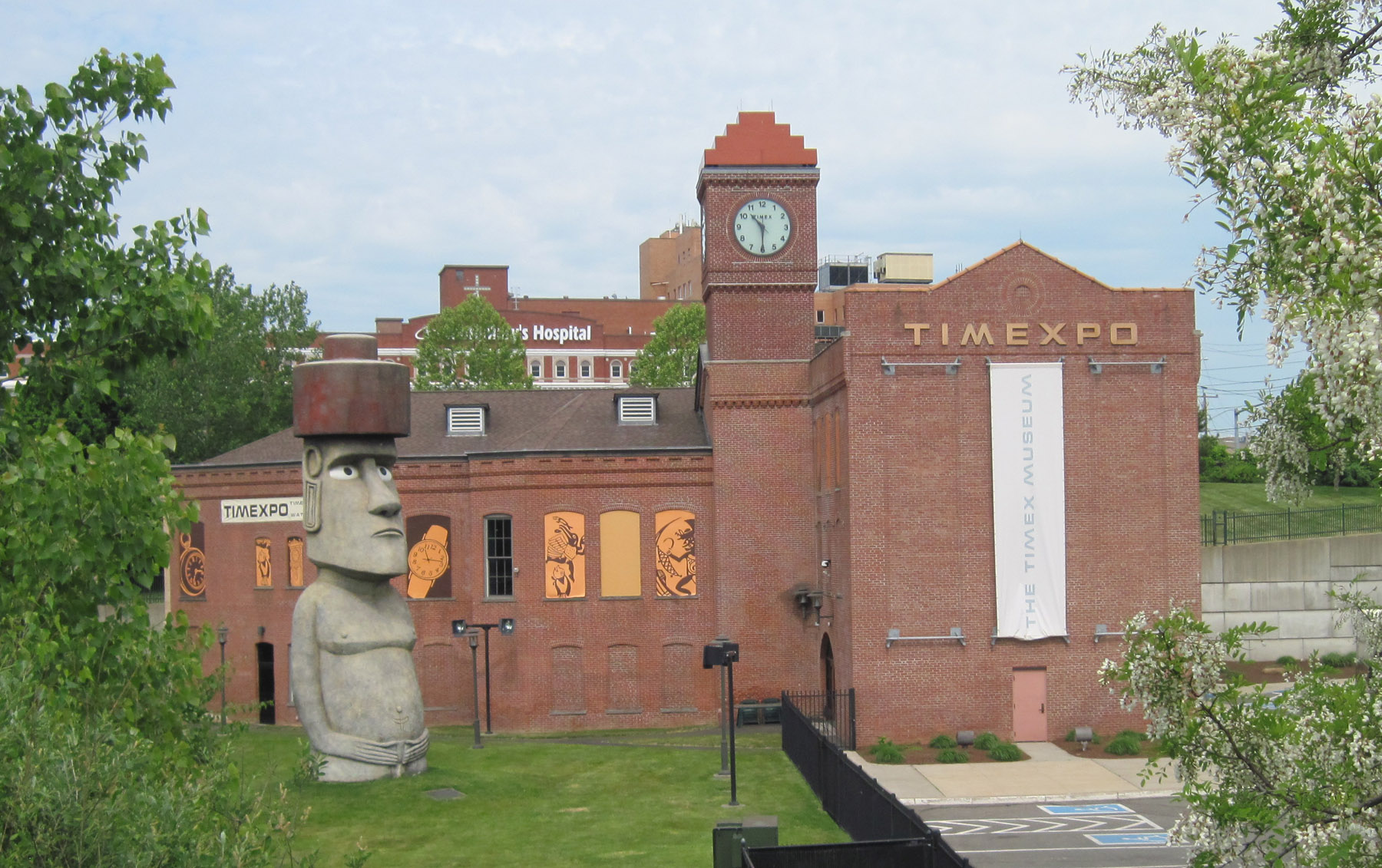
With its location, tucked up close to an elevated section of Interstate 84 in a seen-better-days shopping center in an un-trendy section of downtown Waterbury, I am not surprised that few people visit it. Even armed with an address, a GPS, and the specific intent to go there, I had trouble getting to it. Just seeing the building and the massive replica of an Easter Island moai statue that stands next to it from the Interstate isn’t easy. You need to be looking in that direction in the very short period of time it is visible as you speed by, especially when the trees are full of leaves.

The view from the highway (Photo by Ron Haines)

The view from the highway (Photo by Ron Haines)

And while having a 40-foot representation of a Pacific island inhabitant is helpful for visibility, it certainly doesn’t scream out Timex museum. Why is it there? Well, it’s because the Timex owners in Norway (the Olsens) were friends and financial backers of Thor Heyerdahl, the Norwegian adventurer most popularly known for his 5,000-mile voyage in 1947 across the Pacific in the Kon-Tiki from South America to the Tuamotu Islands to demonstrate that ancient people could have made long sea voyages.

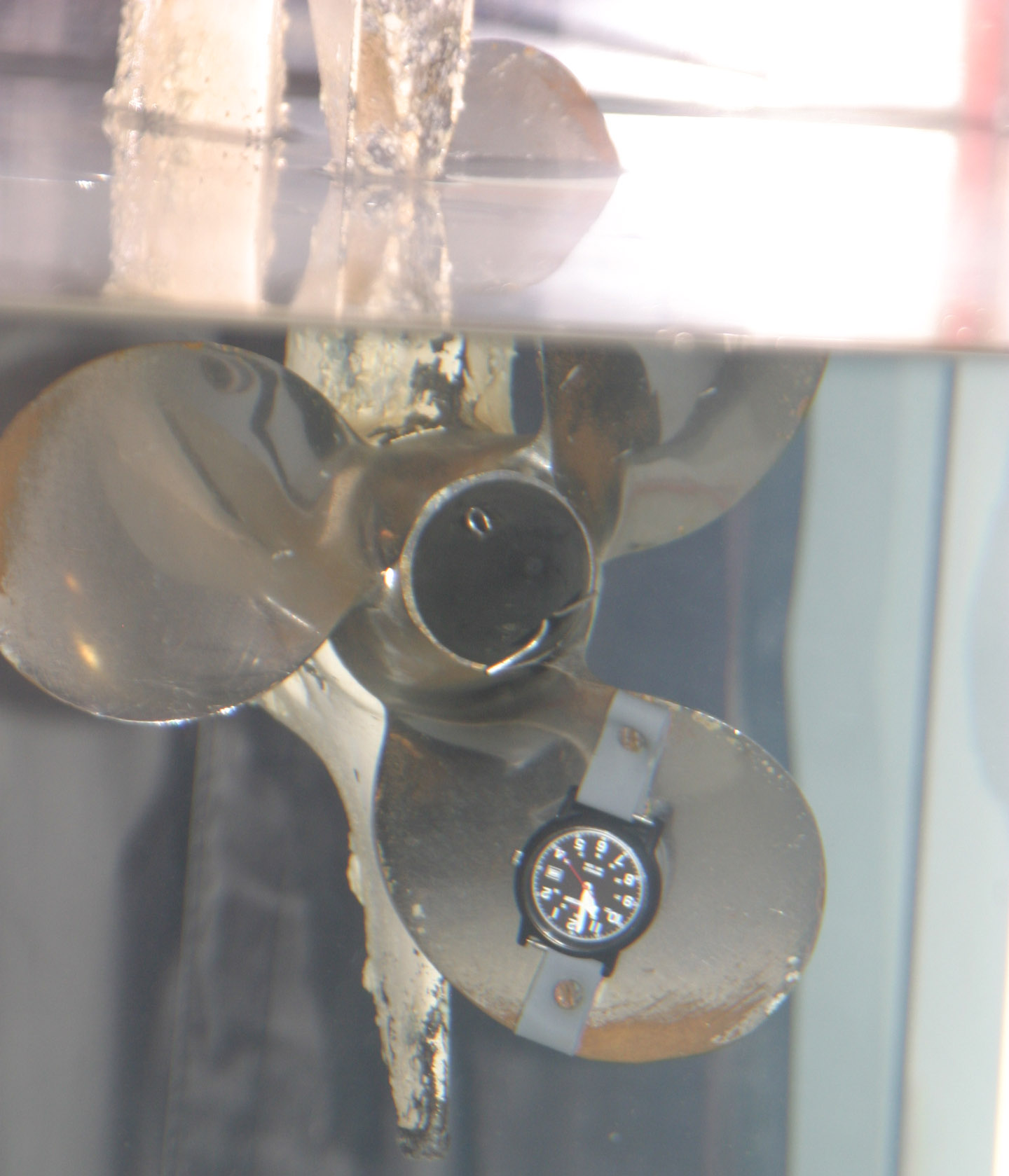
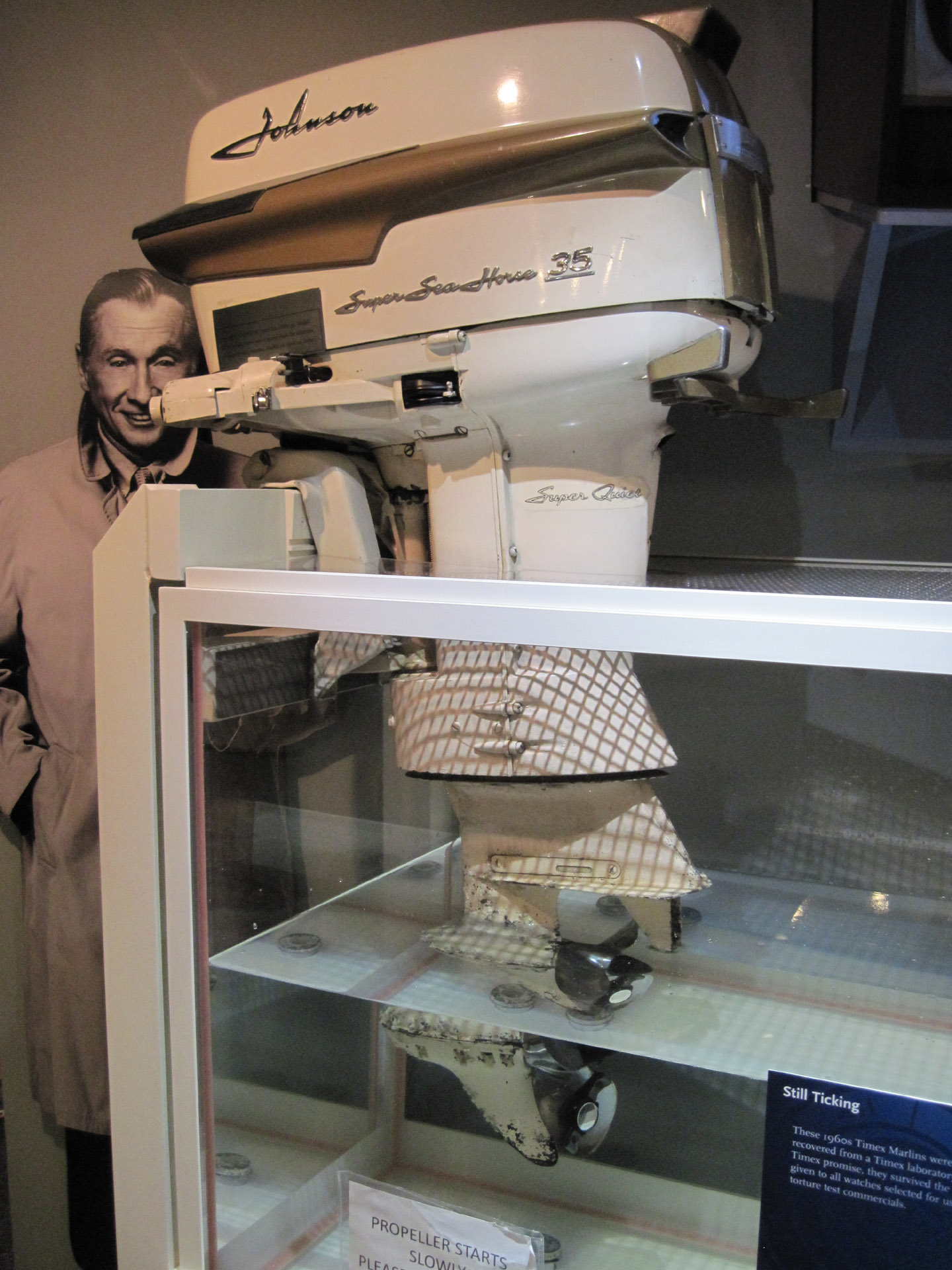
Nearly a third of Timexpo’s space celebrates Heyerdahl’s life and work, and it seems out of place. Fortunately, John Cameron Swayze’s famed tagline “It takes a licking and keeps on ticking” is well represented by what appears to be the actual water tank from the TV commercial, complete with the Johnson outboard with the Timex strapped onto one of the propeller blades. Mickey Mouse watches are displayed prominently too. And of course there is the obligatory store filled with watches, reminiscent of my visit to the Pez factory last year.

Mickey Mouse saved the company (Photos by Ron Haines)

Mickey Mouse saved the company (Photos by Ron Haines)

The history of the company is long, and a recounting of it is saved from being tedious only because Mickey Mouse came to its rescue during the Great Depression.

It began in 1857 as the Waterbury Clock Company, an operation designed to be a major user of brass produced by its parent firm, the Benedict & Burnham Manufacturing Company. It soon became a large clock producer and after 1890 it also became a major manufacturer of non-jeweled pocket watches, supplying R. H. Ingersoll & Brother, a major mail order firm (the famous ‘dollar pocket watches’). Expansions between 1900 and 1915 made it the largest clock manufacturing facility in America and in 1922, the Waterbury Clock Company purchased the Ingersoll operation.

But it began to slide. By 1929, with the company close to financial ruin, executives spent the then-enormous sum of $1,500 to Disney for the exclusive right to put Mickey Mouse on a watch. It was a risk. The mouse had only been introduced the previous year. But it paid off big time.

In 1933, Mickey Mouse watches were introduced at the Chicago World’s Fair.   According to the display at the museum, huge sales of Mickey Mouse watches were directly responsible for the re-employment of hundreds of former workers. The workforce grew from 300 to nearly 3,000 during the depression years of 1933 and 1935 and the company was saved.

After America entered World War II, the Ingersoll-Waterbury Company switched to manufacturing war products. In 1942, the operation was purchased by a group of Norwegian investors and in a couple years the firm became known as United States Time Corporation and introduced the popular “Timex” watch shortly after the war. In 1969, U.S. Time became Timex Corporation.

Disclaimer: I am a long-time Timex owner, having owned a series of nearly identical Indiglo models (they keep on ticking, but the knob on the winding stem gets worn down, necessitating a new one every decade or so). The clock in the tower of the former brass mill that houses the museum is actually the largest Indiglo clock face in the world.

The watch on the outboard propeller blade

The watch on the outboard propeller blade (Photo by Ron Haines)
The outboard engine display (Photo by Ron Haines)
The outboard engine display (Photo by Ron Haines)
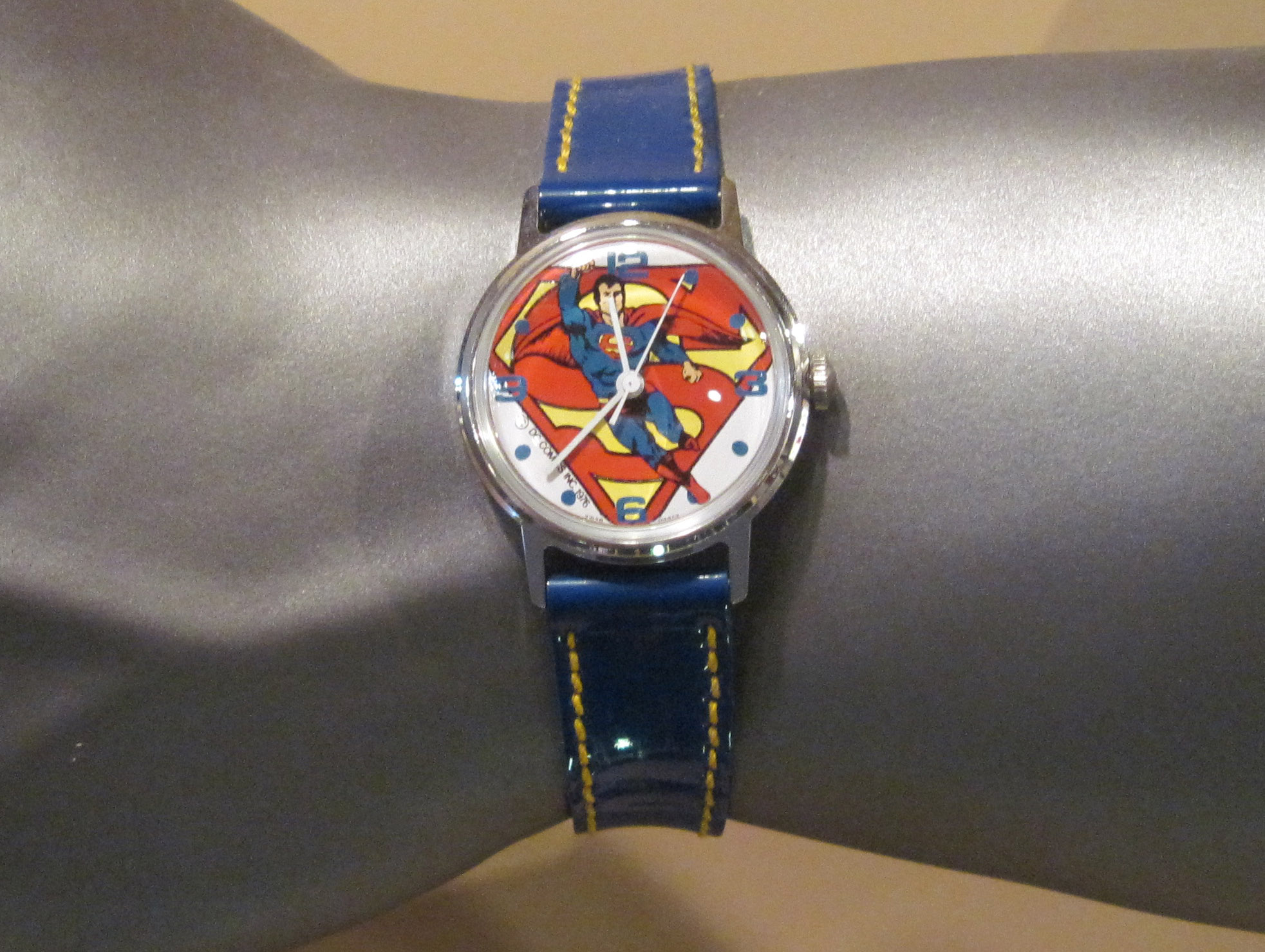
One of the many Mickey Mouse watches on display. (Photo by Ron Haines)

One of the many Mickey Mouse watches on display. (Photo by Ron Haines)
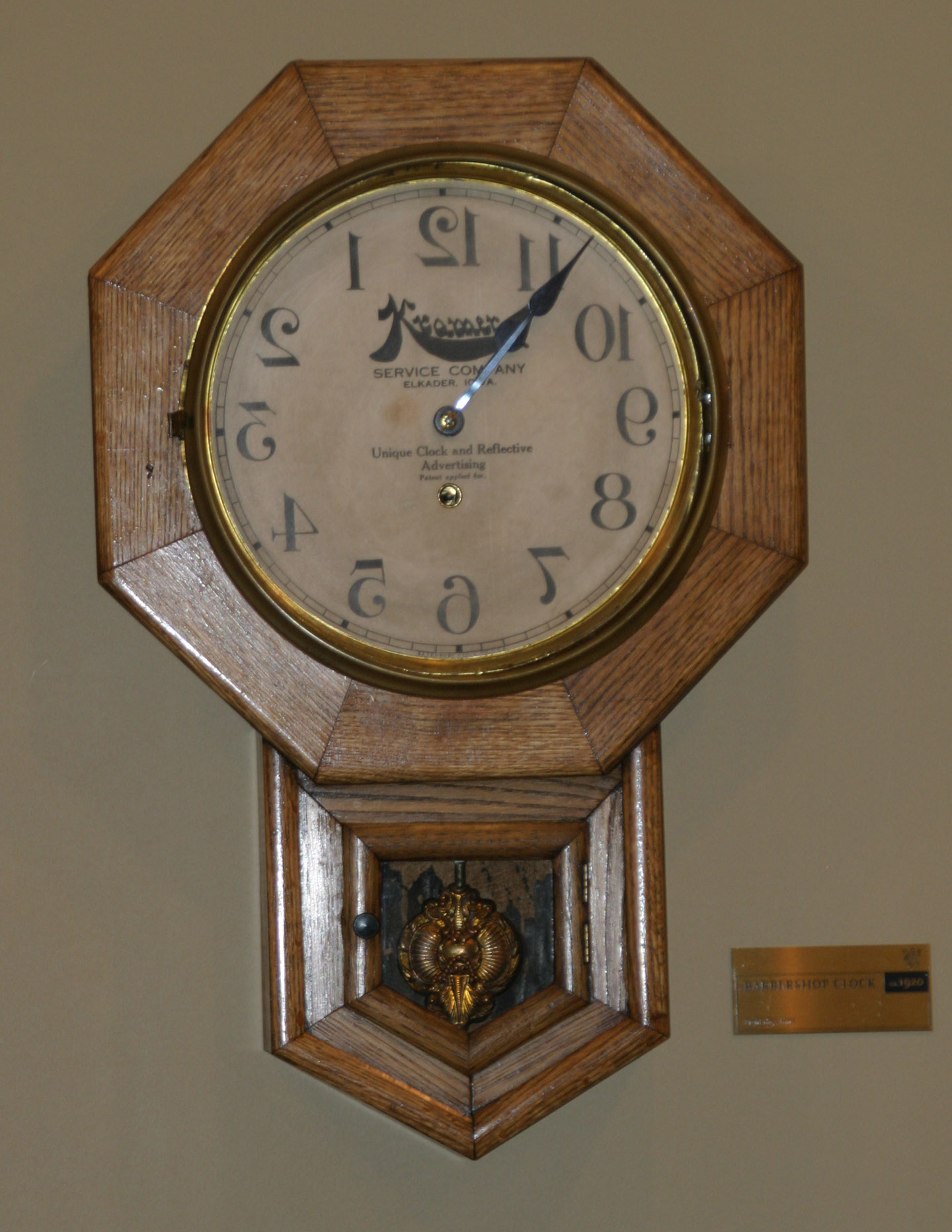
No, not a flopped photo. This is a real clock, labeled Barbershop Clock, circa 1920 (Photo by Ron Haines)

No, not a flopped photo. This is a real clock, labeled Barbershop Clock, circa 1920 (Photo by Ron Haines)
One of the many specialized watches on display. This one shown for the benefit of Jason Robinson. (Photo by Ron Haines)
One of the many specialized watches on display. This one shown for the benefit of Jason Robinson. (Photo by Ron Haines)

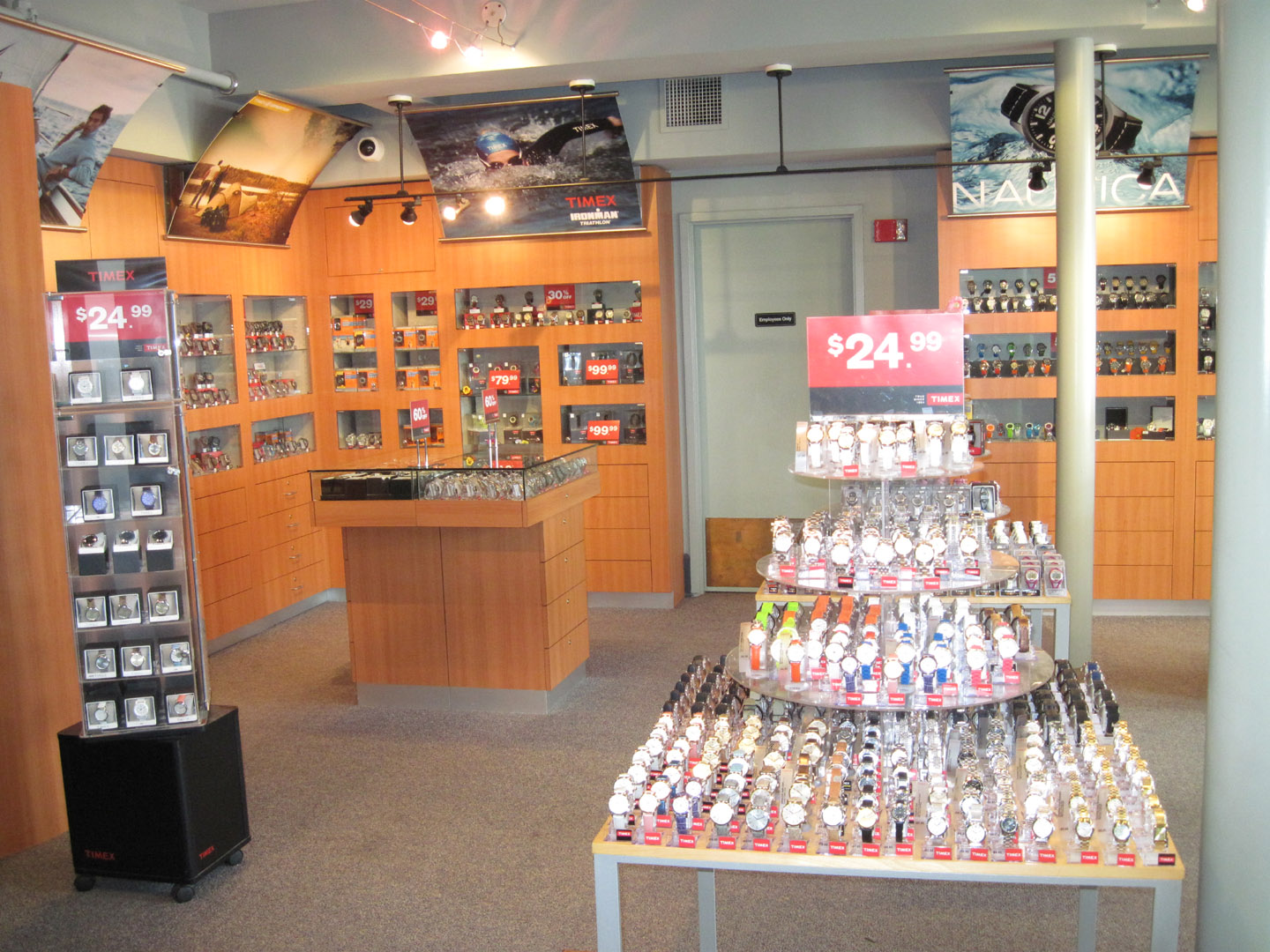
The store at the museum. (Photo by Ron Haines)
The store at the museum. (Photo by Ron Haines)
Posted in Offbeat, Road trip | 4 Comments

The grass is always greener…

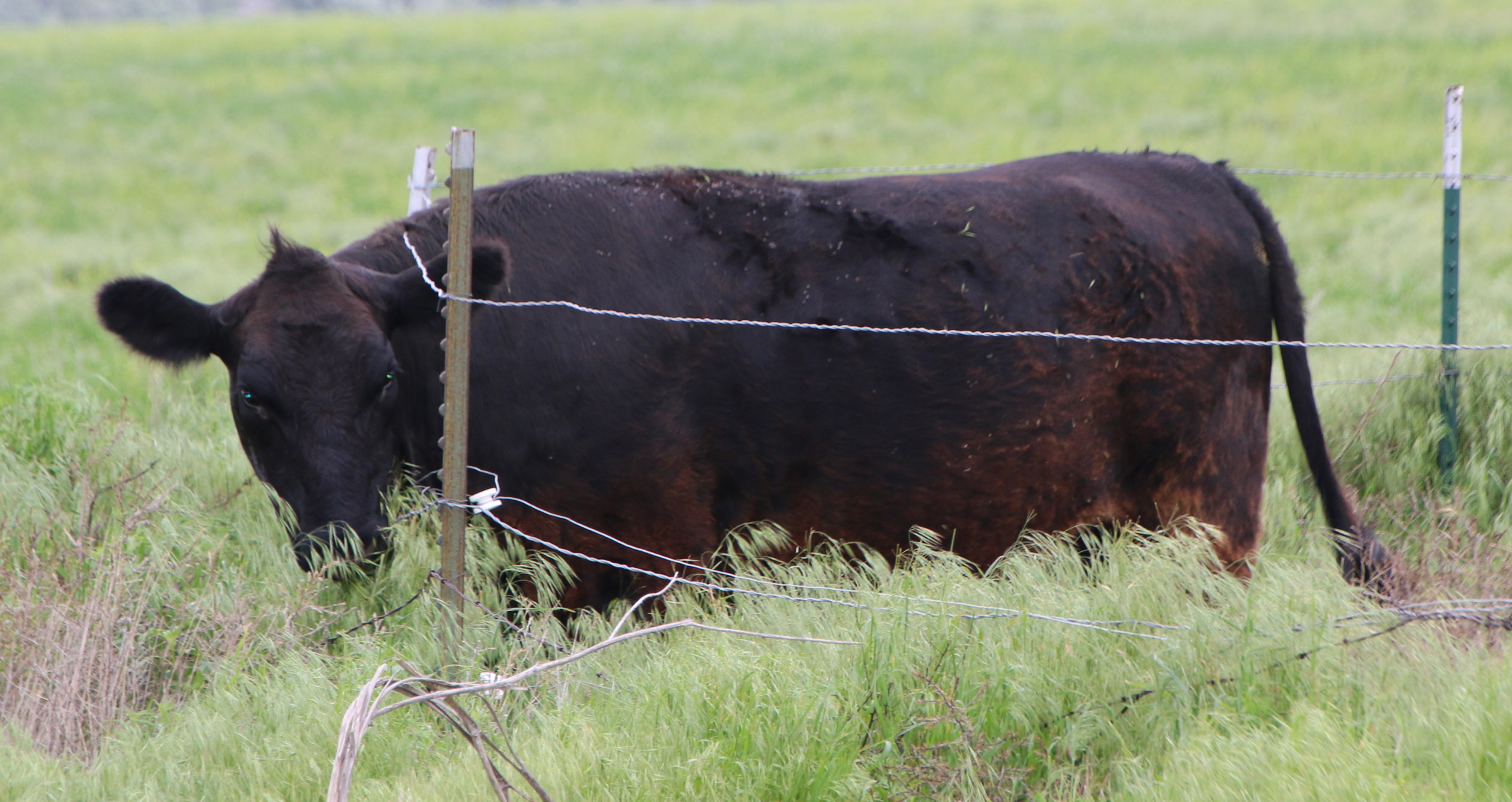
Or maybe it should be ‘The weeds are always greener on the other side of the fence.’  This through-the-fence eater was spotted along a dirt road between Scottsbluff and Alliance in Nebraska.

IMG_0032c

Posted in Offbeat, Photos mostly, Road trip | 1 Comment

Town of Many

I guess they didn’t want to bother with figuring out what the population is.  I would have named it Town of Not Very Many.

Many, LA

Many, LA

Posted in Offbeat, Photos mostly, Road trip | Leave a comment