The Oklahoma town that started as a lie and got bombed by the US in WWII

The way Boise City, Oklahoma, got started makes selling Florida swampland to northerners look downright ethical.

And then a US Army airplane dropped bombs on it!
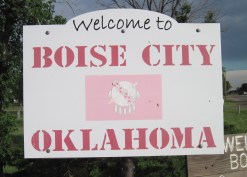
Boise City, OK

It began in 1908, when a trio of Oklahoma developers, J. E. Stanley, A. J. Kline, and W. T. Douglas, distributed brochures promoting the town as an elegant, tree-lined city, complete with paved streets, numerous businesses, railroad service, and an artesian well.

Some 3,000 folks followed their dreams and bought lots, only to find that nothing in the brochures was true!  And it turned out that the developers didn’t even have title to the property they were ‘selling.’

All ended well, however. Stanley and Kline were found guilty of mail fraud and sent off to Leavenworth Penitentiary (Douglas died of TB too soon to be punished) and the duped settlers got to work and formed an actual town, which became incorporated in 1925 as Boise (rhymes with voice) City.

Set in the heart of dustbowl territory near the western tip of the state, it had a tough time in the 1930’s but survived.

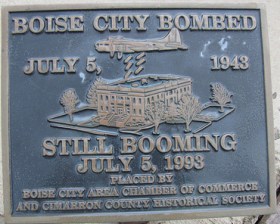
And even an attack from a US warplane in WW II couldn’t kill it.  Yes, the crew of an Army Air Corps B-17 Flying Fortress on a training run mistook the lights at the Cimarron County courthouse for a practice target that was actually some 30 miles away and dropped five dummy bombs on the town in 1943, puncturing the roof of a garage and leaving craters in the town square, which fortunately was empty at the time.

Oddly enough, the crew declined to attend the town’s 50th anniversary of the event. A 790_572cplaque unveiled at the anniversary event proclaimed that the town is ‘Still Booming.’
Boise City today is a pleasantly small (population 1,200) farming and ranching hub and an interesting spot for an overnight visit.  Wild Bill’s RV Park  is right along the main drag, Cimarron Avenue, for a convenient evening camping out.  It’s not far from the Angel Café and just a short walk from the Cimarron Heritage Center Museum.

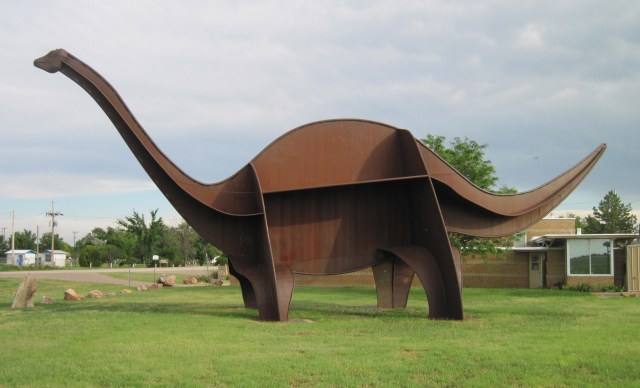
That museum attracted me like a magnet.  There’s no way I can drive past a huge statue of the Tin Man and a large iron dinosaur and not stop.Boise City, OK

The 13-foot, 750-pound replica of the Wizard of Oz character started life sometime before 1980 as an attraction for a restaurant in May, Oklahoma. It was later sold to a Pueblo, Colorado, resident, who stopped off at the Boise City museum while transporting it home.  The museum director told the purchaser he wished he’d known it was for sale and regretted not having had the chance to buy it.  Years later, the Colorado fellow, unable to keep the statue any longer, remembered that conversation and in 2012 the Tin Man moved to the Heritage Center Museum.

The dinosaur, nicknamed Cimmy, is a life-sized  model of an Apatosaurus, based upon bones that were excavated in 1931 about 30 miles northwest of town.  It is 65 feet long, 35 feet tall, and weighs 18,000 pounds.

A final note: Boise City is less than an hour’s drive to four other states, Colorado, Kansas, New Mexico, and Texas, but it took actress Vera Miles, who was born there, 20 years to get to Los Angeles.
Boise City, OK
Boise City, OK

Boise City, OK  (Photos by Ron Haines)


Posted in Offbeat, Road trip | 3 Comments

Oops!

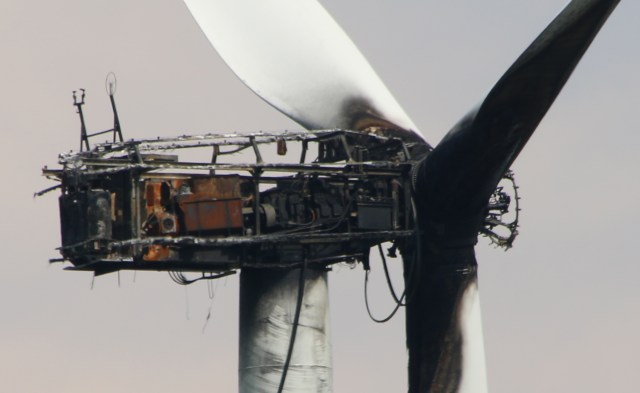
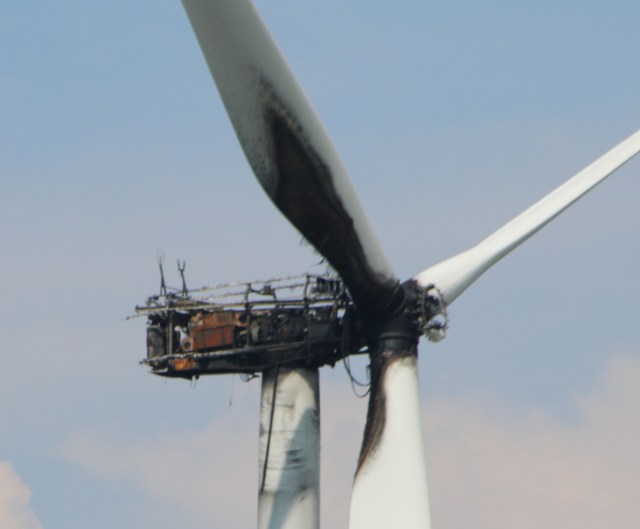
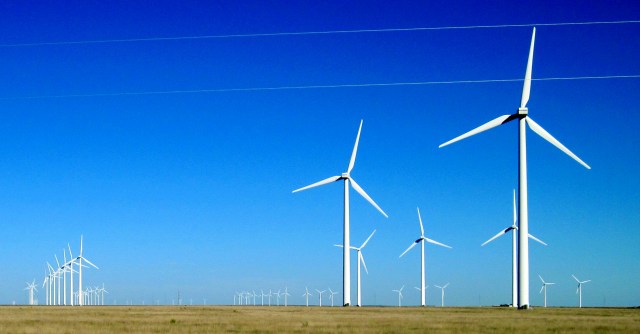
Out in Oklahoma a while ago I was driving along a flat, two-lane road admiring the rows of gleaming  windmills as far as the eye could see when I spotted one that just didn’t look as sparkling white as the others.

So I found some dirt road detours and got close enough to see that yes, something was amiss.  The whole hub had been gutted and the blades charred by what must have been one spectacular fire.  That hub is the size of a city bus.

IMG_0212c

IMG_0217c

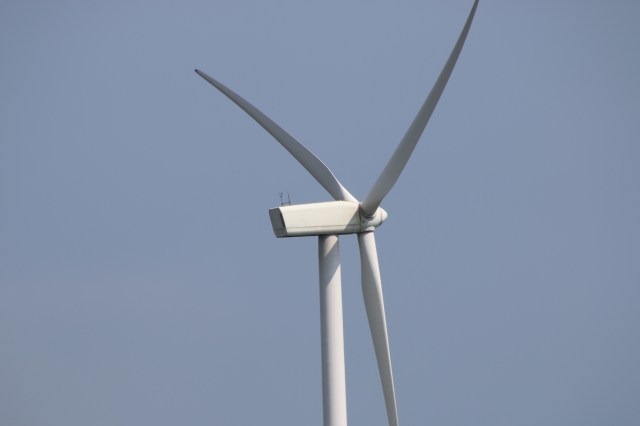
This is what it is supposed to look like:

IMG_0209c

IMG_1770c

Those blades look small in the distance, but up close and personal they are massive:

This slideshow requires JavaScript.

Posted in Offbeat, Road trip | 2 Comments

Creepy Barbi

My 2016 trash paddling season has begun.  The first Trash Patrol in New Hampshire was last Saturday on the Nashua River, led by the project’s founder, Denise Hurt of the Appalachian Mountain Club.  They are monthly through October.

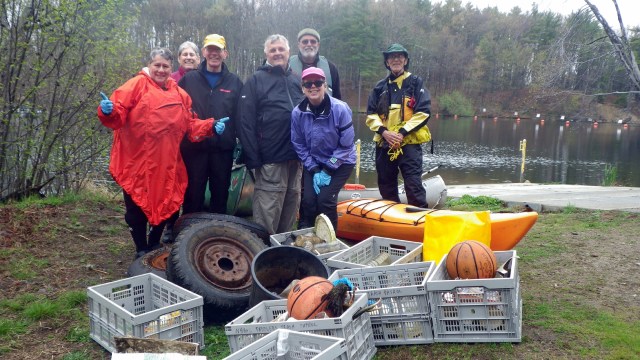
It was a modest haul by our standards, but the old tires and the two basketballs made the pile photogenic.

The Find-Of-The-Day was Denise’s creepy looking Barbi doll.  ‘Mud-Wrestling Deranged Barbi’ is my label for her.

The weather, as one can tell from the clothes we’re wearing, was chilly, with a heavy mist that verged on rain at times.

IMG_3633c

highres_449726727c

highres_449726661c

This slideshow requires JavaScript.


Posted in Appalachian Moutain Club, Grumman canoe, Paddling, Trash Patrol | 1 Comment

The town that can’t be licked

I usually take municipal slogans—the ones you see on the ‘Welcome To’ signs on the way into town—with a huge grain of salt, and rightly so.

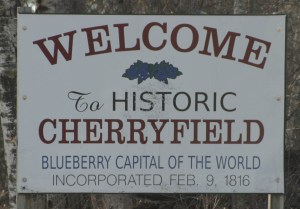
For example, I once found the Blueberry Capital of the World in Maine (Cherryfield)…IMG_1280c

Hammonton…only to discover later that two other towns, one in New Jersey (Hammonton) and one in Michigan (South Haven), made the same claim.
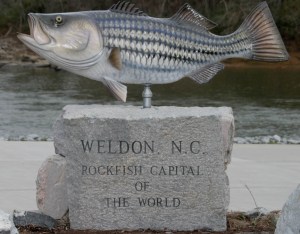
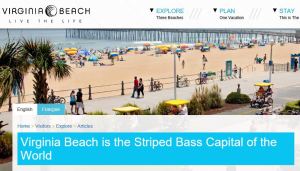
Ditto Sheldon, NC, and Virginia Beach, VA.  Yes, the former claims to be the Rockfish Capital of the World and the latter the Stripped Bass Capital of the World, but geez, they are the same fish!IMG_1424cVirginia Beach

IMG_3576c

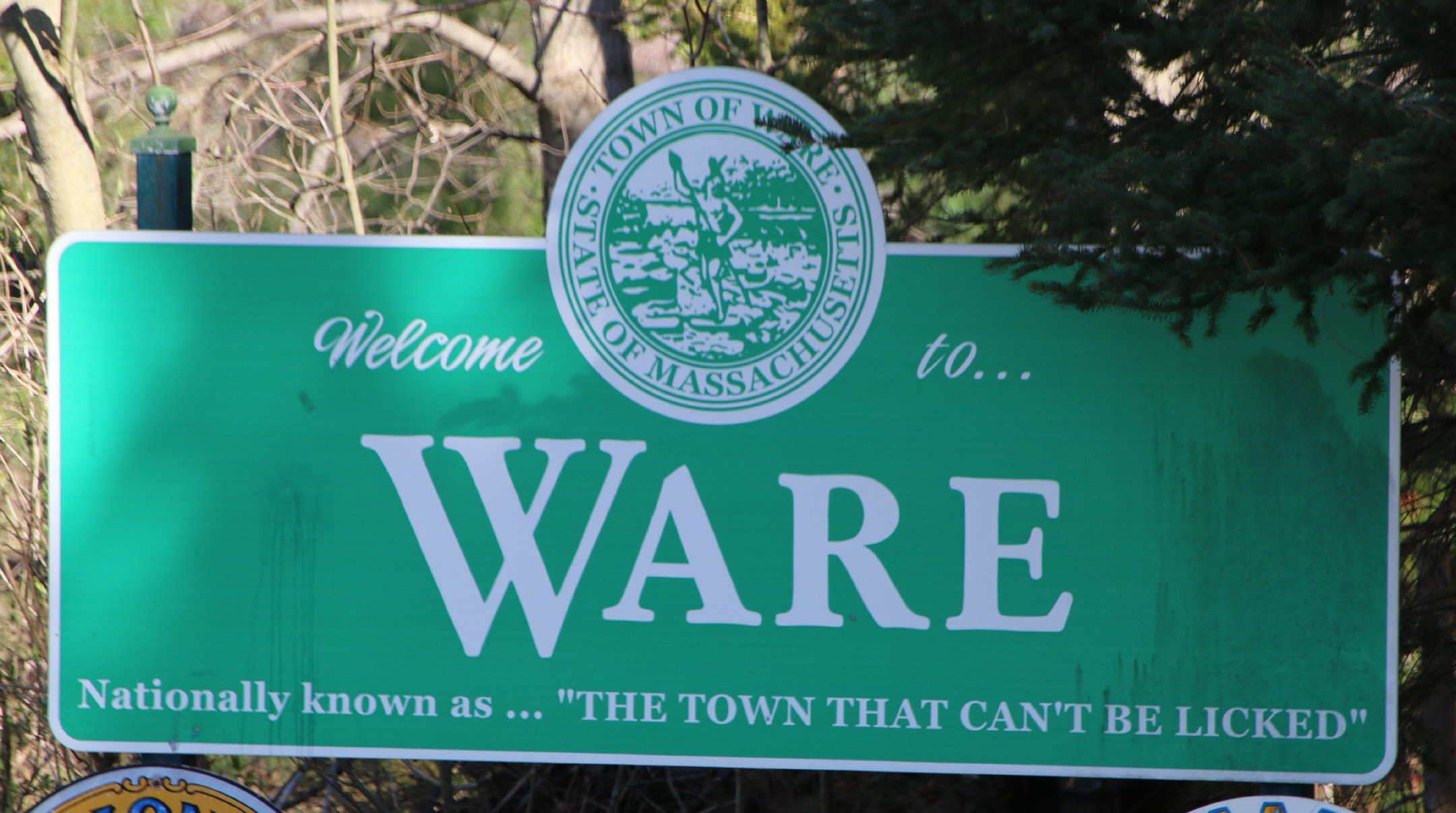
So, pardon my skepticism when I drove into Ware, MA, and saw this sign: “Nationally known as…’The Town That Can’t Be Licked.’”  Indeed!  I’d never heard of it.

Turns out it’s true.  Google “the town that can’t be licked” sometime.  Ware, and only Ware, pops up.

But it’s also true that the label was applied, and yes, known nationally, nearly a century ago.

It was back in the mid-1930s when the owners of the Otis company, a textile firm that had been Ware’s single largest employer for some 100 years, decided to call it quits in the face of competition from southern mills and lack of modern machinery.

They arranged a quiet sale to some southern interests and by the time the townspeople found out what was going on it was nearly a done deal.

Ware citizens rallied quickly and with the backing of the Ware Trust Company bought the mills, which became Ware Industries Inc., preserving the livelihood of thousands of families.

Police Chief Bartholomew Buckley coined a new phrase for Ware, calling it “The Town that can’t be licked!”   And townsfolk were so giddy with success they celebrated with an original musical entitled “We’re Happy About The Whole Thing,” which documented their victory and lampooned the mill’s former owners.

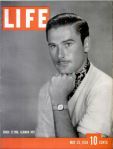
Capture1Life Magazine heralded the event in the May 23, 1938 issue with an article entitled Life Goes to a Party: Ware, Mass. Celebrates Comeback.  That was the 1930’s equivalent of going viral.

Click on one of the photos below to page through all of the article full-size.

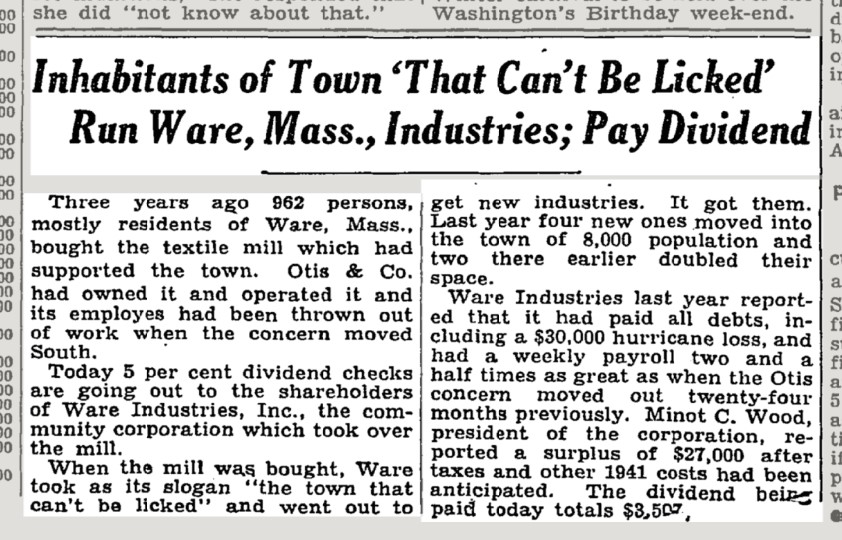
And here’s a followup story, from the New York Times on February 12, 1944:

Posted in Offbeat, Road trip | 2 Comments

First paddle of my northeast season

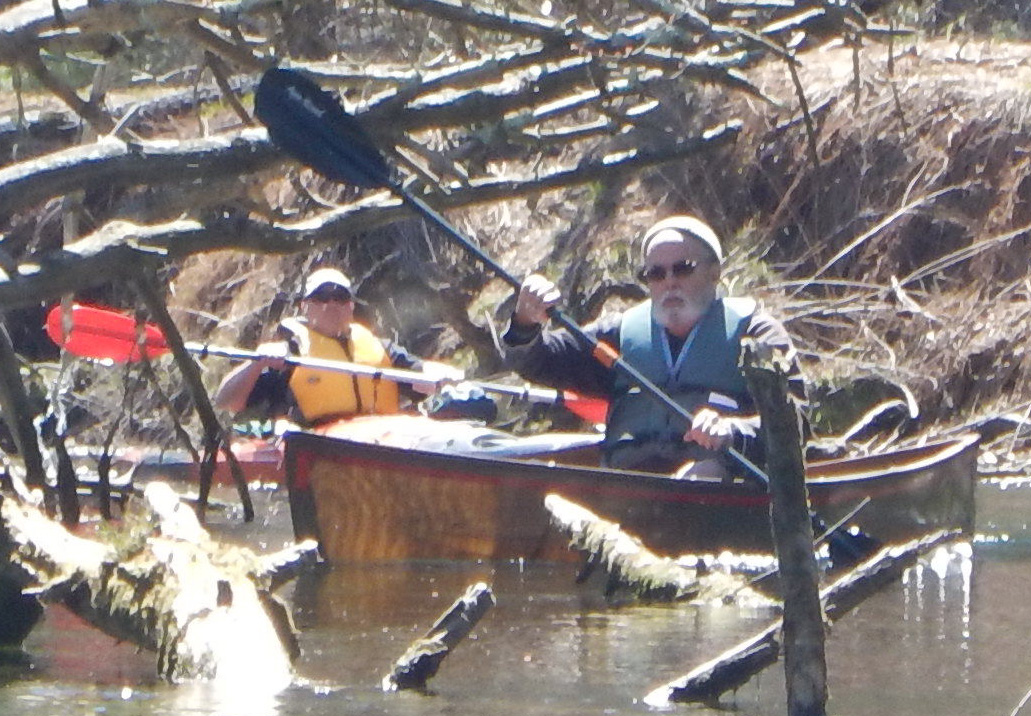
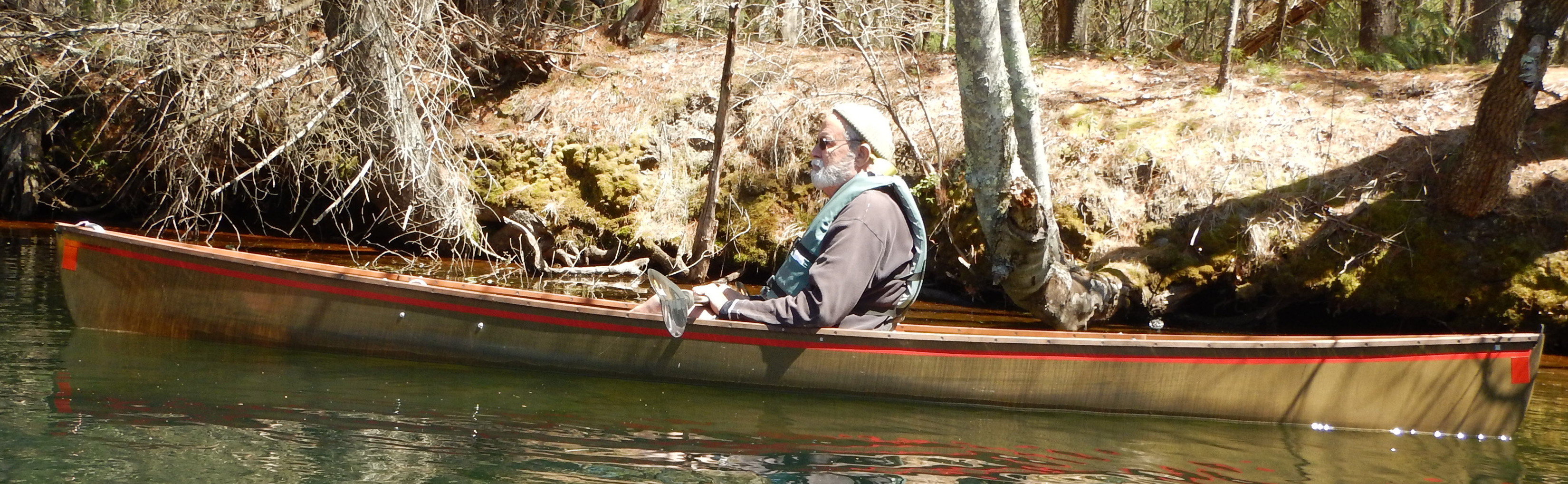
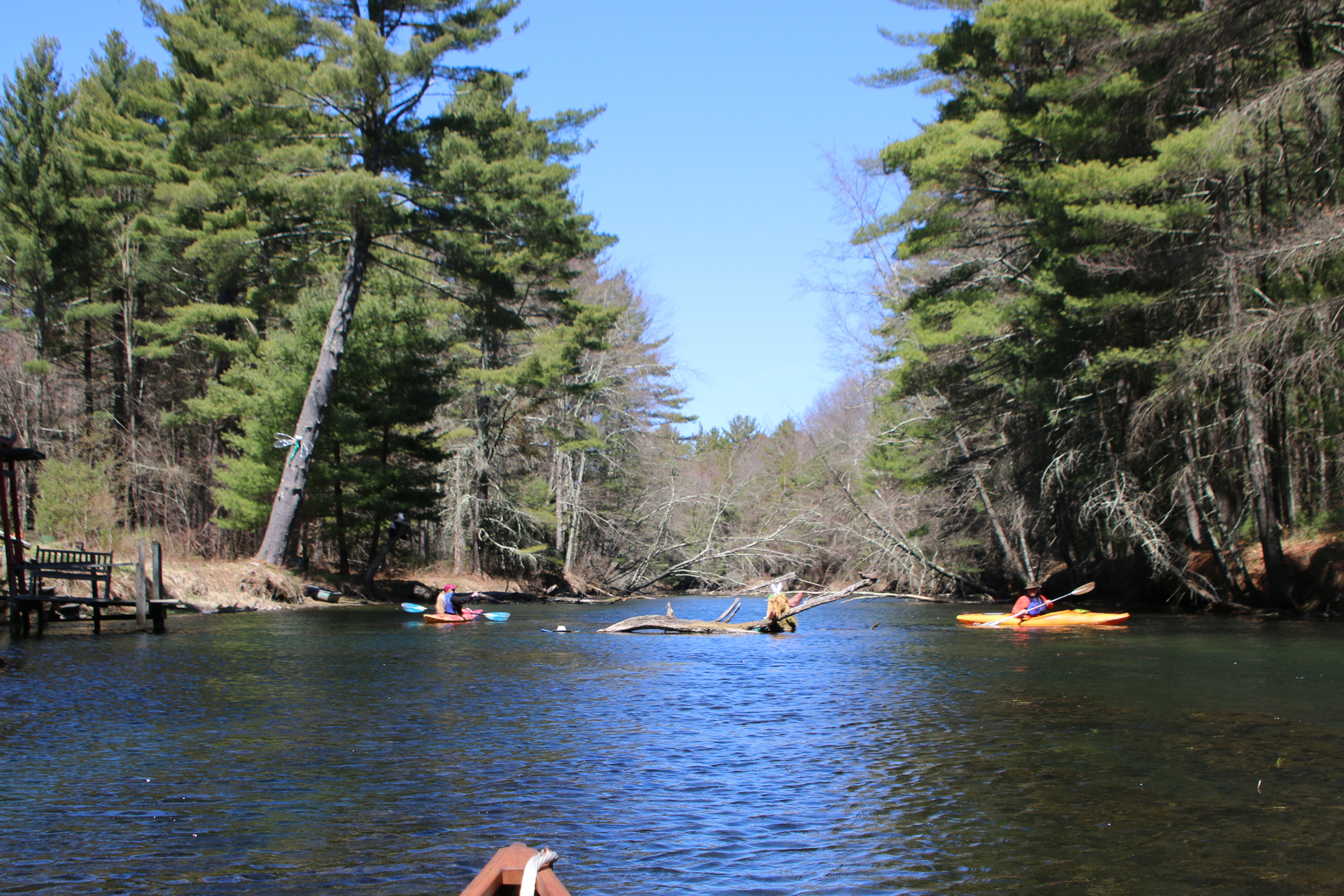
With temps hovering just below 60 and bright sunny skies I bent my Northeast paddling standards (I generally stay inside until it gets way closer to 70) and spent a pleasant few hours with some friends from the Western Mass paddling group on the beautiful Swift River in Belchertown, MA, the other day.

With the nice sunshine and the high banks shielding me from the wind it did not seem as chilly as the temperature indicated.  That and my two body layers, neoprene boots and a stocking cap helped a lot.  (Observant folks amongst you will notice it’s the same hat I wore on the Mississippi River when the weather got chilly)  I did wear shorts on the Swift though;  when it’s sunny and above 50 I can do that.

The Swift is a nice little river with a bit of current, wooded surroundings, and the occasionally house with quirky yard art.  Enjoy the photos.

highres_449139286cc

Winding through and around downed trees is part of the fun of the Swift River (Photos above and below by Dave MacLean)

highres_449139273c


IMG_2324c

This slideshow requires JavaScript.

This slideshow requires JavaScript.

IMG_3569cIMG_3552c

Posted in Hornbeck canoe, Paddling, Photos mostly, Yard art | Leave a comment

Right under my nose

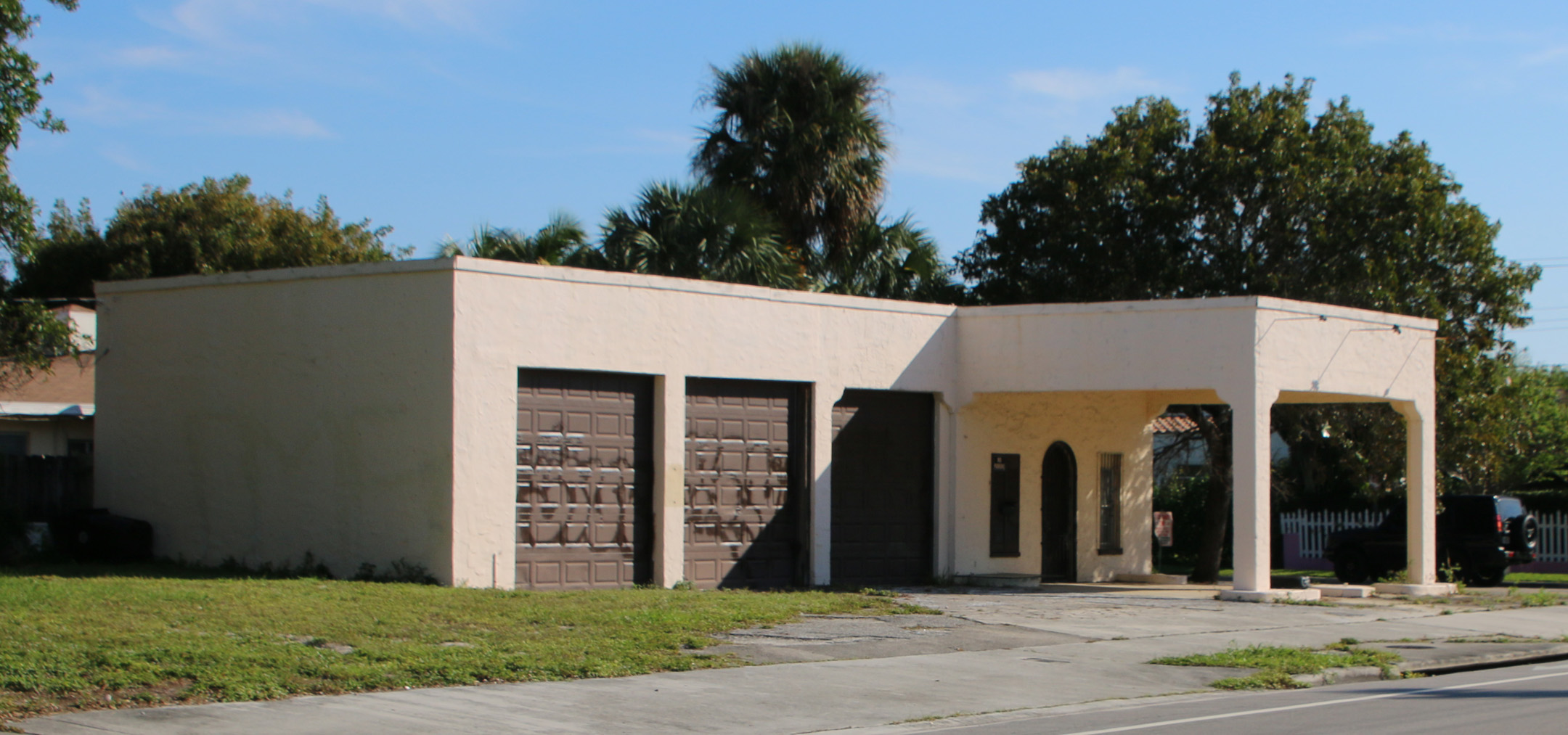
I’ve been all over the country the past few years photographing recycled gas stations, and those awaiting a new life.  And all along there was a really nice one I’d been overlooking, right here under my nose in West Palm Beach, FL.

IMG_2110cc

It’s at 3712 S. Olive Avenue, in the historic Central Park neighborhood.  When it was unveiled in 1918, the neighborhood was more glamorously called Estates of South Palm Beach and was billed as the city’s first all-round suburban neighborhood with beautiful homes, fine shops and great entertainment.

The brainchild of New York developer Alfred Wagg, the project promised street lights, garages, plenty of exciting retail, meticulously appointed homes, a pier, a clubhouse, and a modern water system.

Then along came the 1928 hurricane and the Depression.  By 1934, this gas station, at the corner of Lakeland Drive and South Olive Avenue, was the only business that had been built in the once-promising neighborhood.

Posted in Gas stations | 5 Comments

Pushing the season

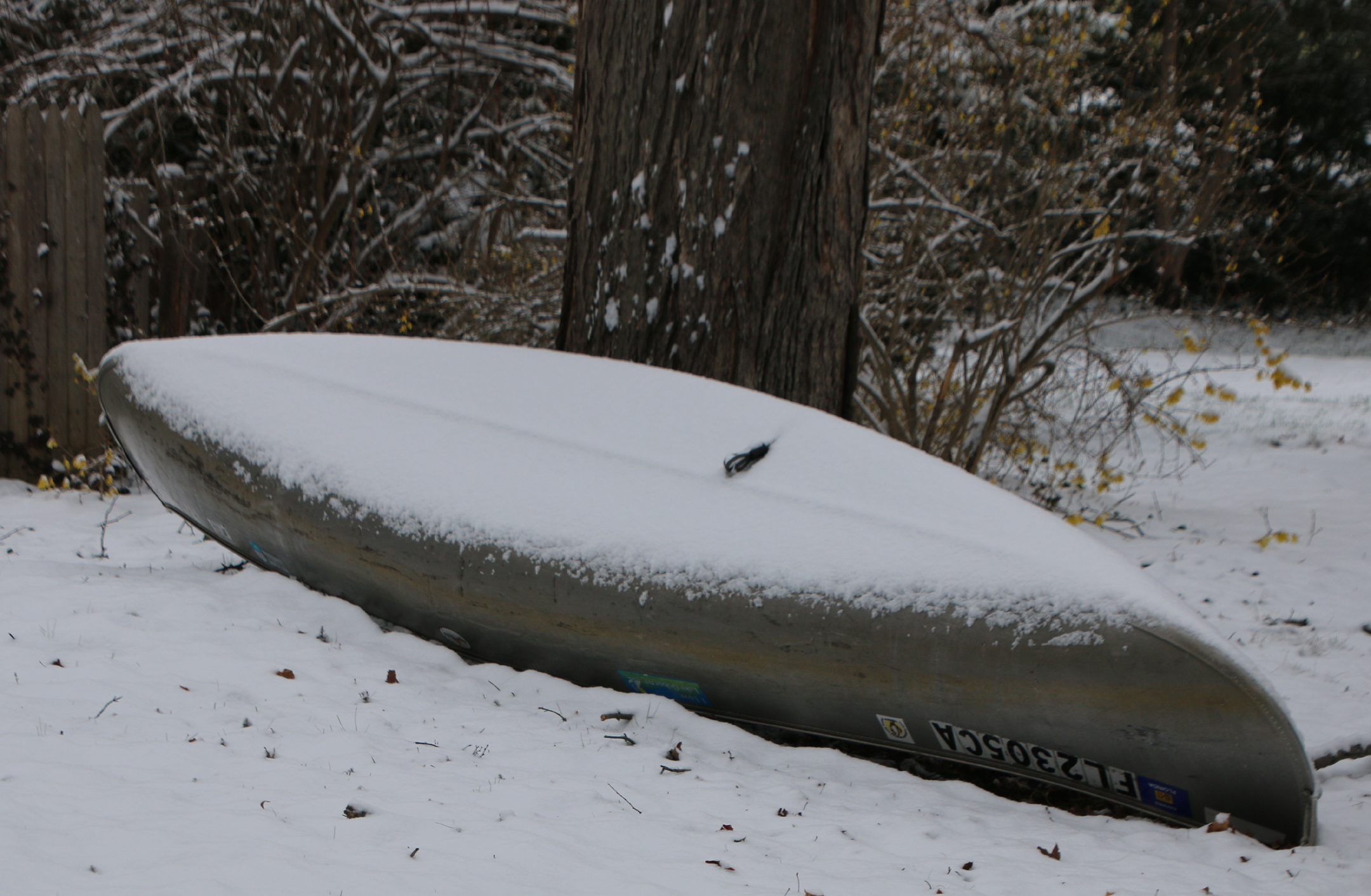
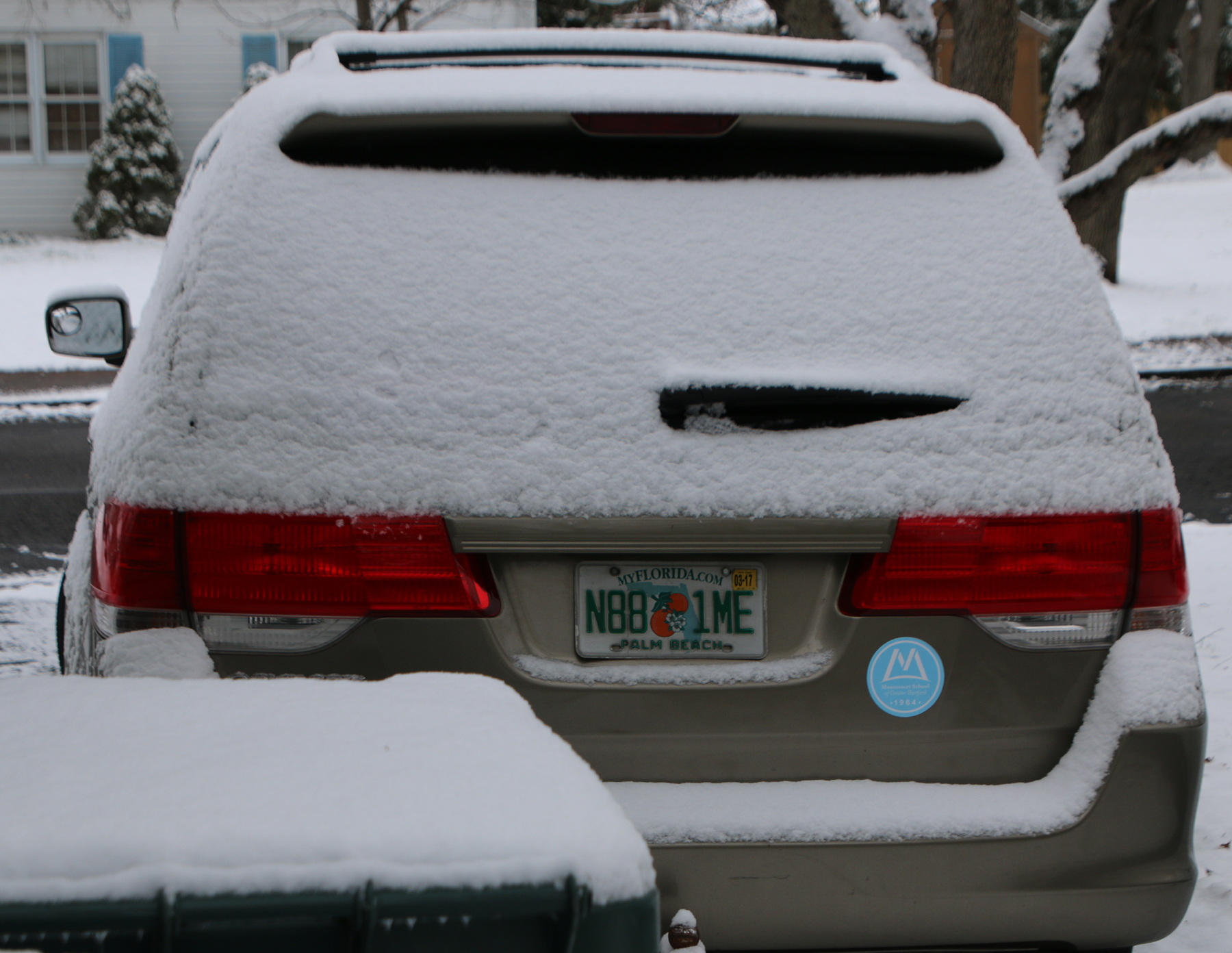
Arrived in Connecticut this past weekend.  Mother Nature has a nasty way of letting me know if I get here too early.  The new canoe is tucked away safely in the garage.  The old Grumman is under the snow.

IMG_3547c

IMG_3550c

Posted in Grumman canoe, Hornbeck canoe, Snow | 7 Comments

When you’ve got an itch…Part 4

When you’ve got an itch…Part 4

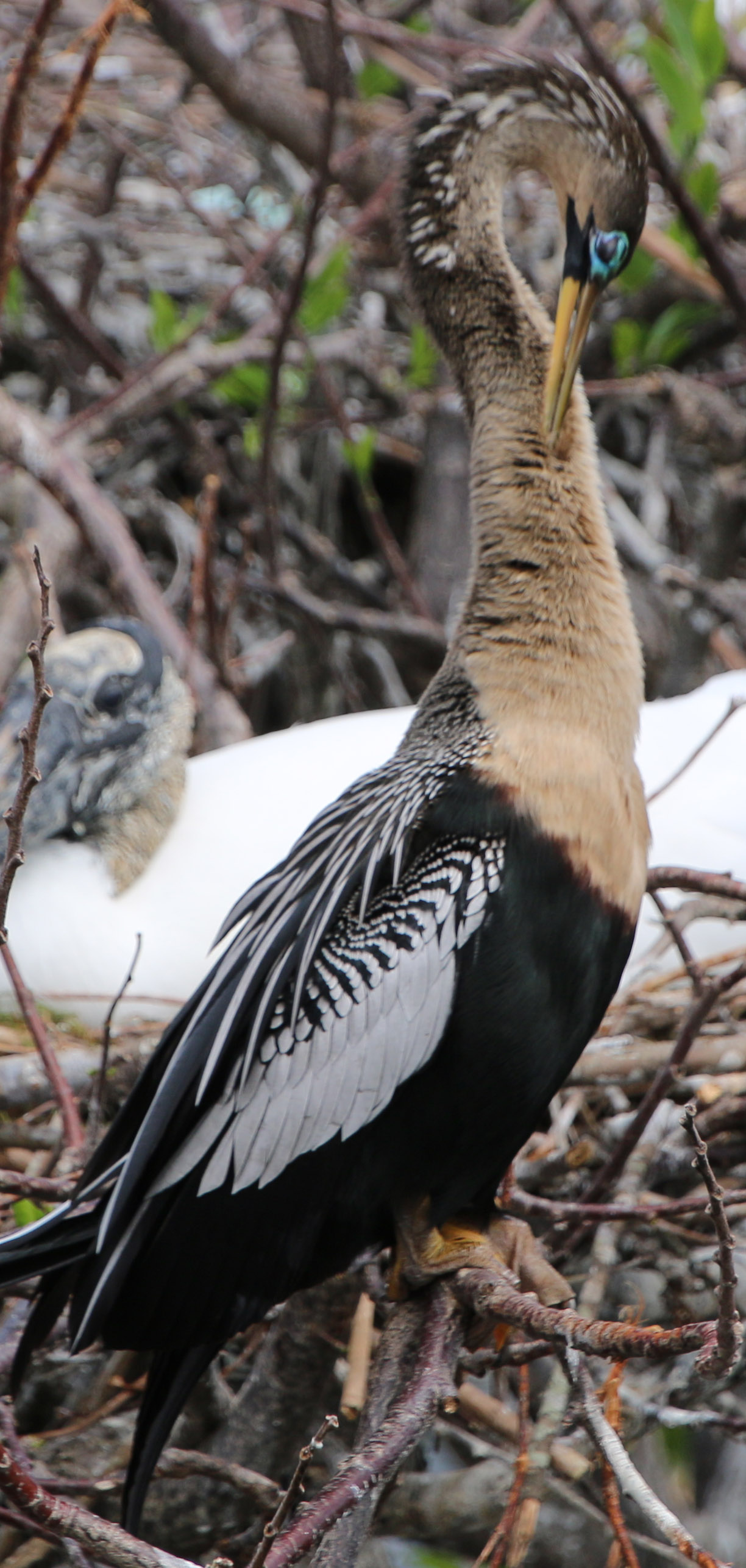
The urge to itch struck this female anhinga as I was watching her and I couldn’t resist the urge to click.

IMG_3386cc

Female anhinga at Wakodahatchee Wetlands, Jog Road west of Boynton Beach, FL. (Photo by Ron Haines)

To see the others of this ilk, go here, here and here.


Posted in Nature | Leave a comment

Wooing at Wakodahatchee

If you’re down my way a go-to spot for seeing Florida birds is the Wakodahatchee Wetlands, a man-made gathering, roosting and breeding spot for a variety of species.

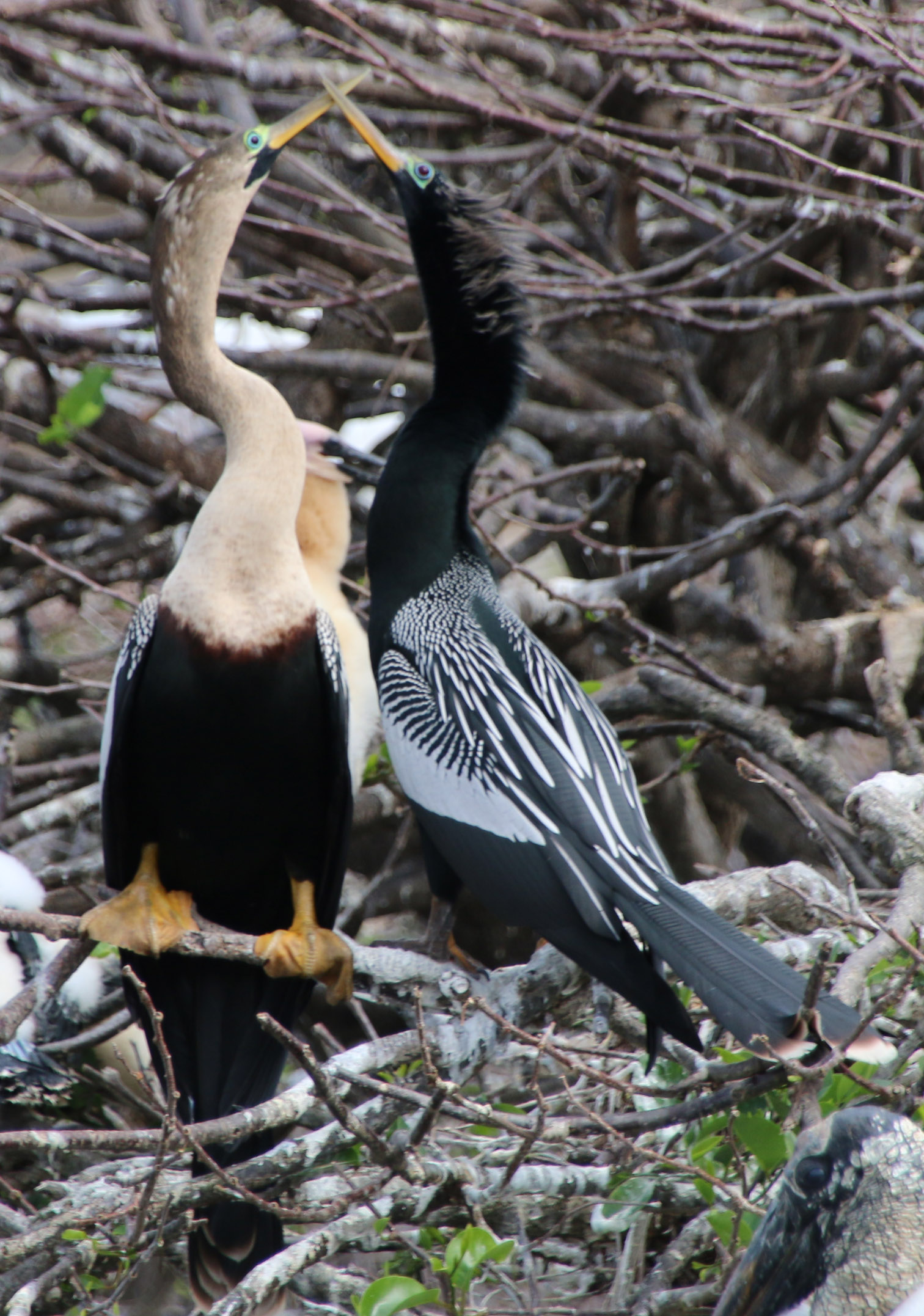
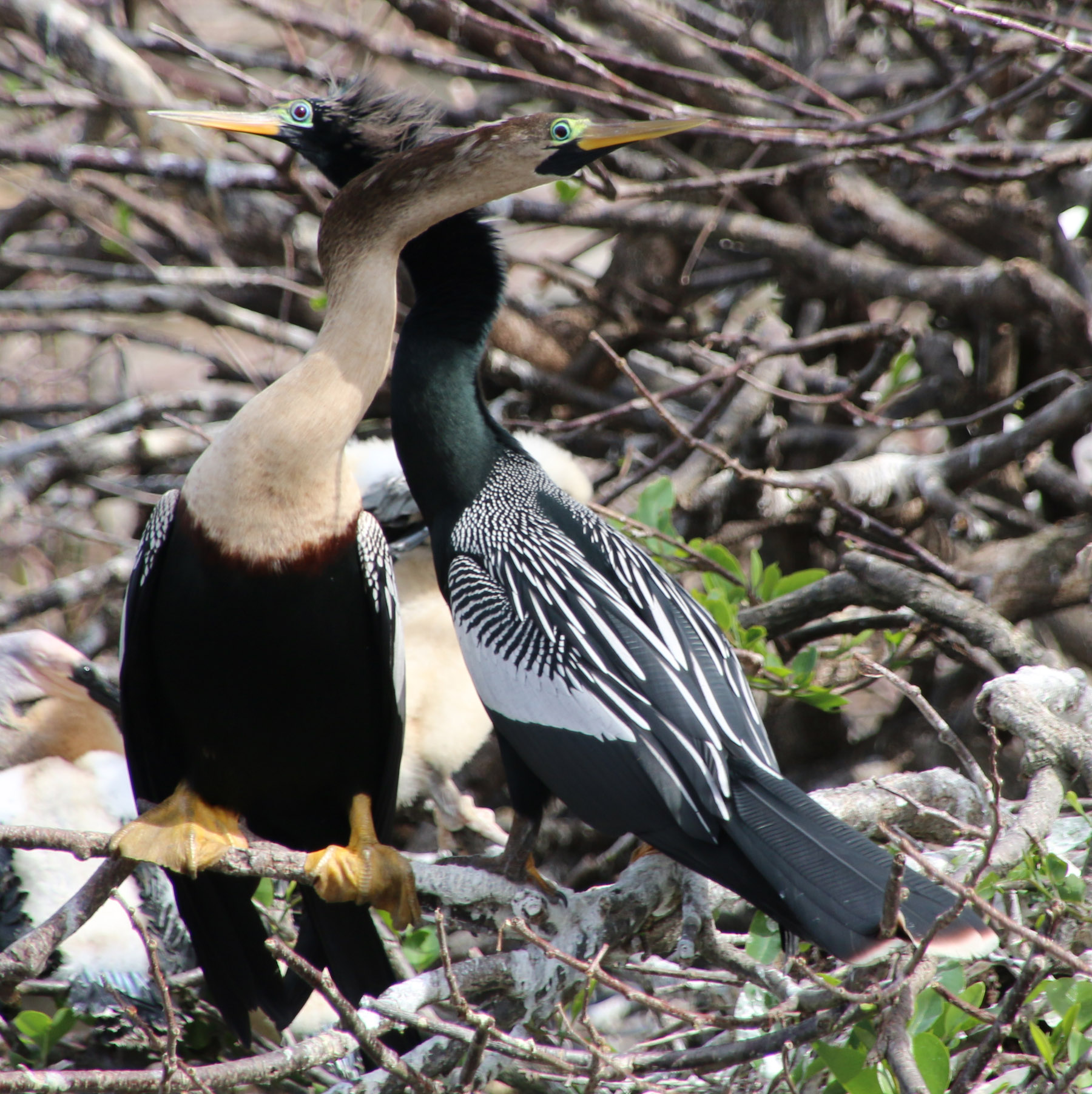
As this photo shows, nesting involves a bit of wooing.

IMG_3436c

A pair of anhingas (AKA snakebirds), female on left. (Photo by Ron Haines)

Derived from a Seminole Indian phrase meaning “created waters,” the area was constructed by the Palm Beach County Water Utilities Department next to an existing water treatment plant and about a mile from a regional water reclamation facility.

The project converted about 56 acres of former percolation ponds into a thriving wetlands habitat. Approximately two million gallons per day of highly treated reclaimed water is used to maintain the wetlands, which attracts an abundance of wildlife in a park-like setting.

It’s in western Boynton Beach on Jog Road.

IMG_3425c

Another wooing photo, and below the results of some earlier wooing.  (Photos by Ron Haines)

IMG_3404c

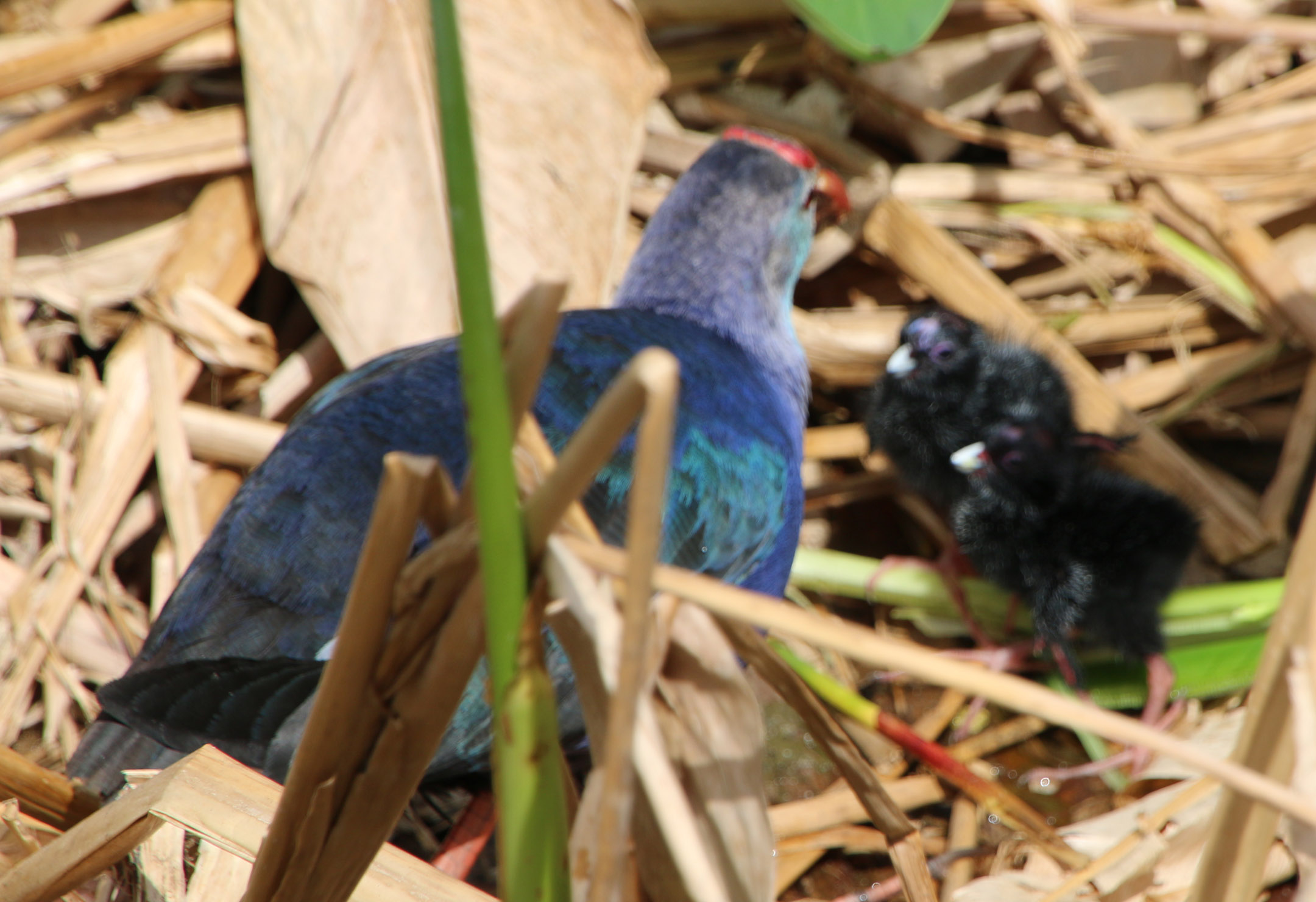
A very unusual sighting for me was this purple gallinule with a couple of chicks.  Sorry about the focus. (Photo by Ron Haines)

IMG_3376c

Saw lots of nesting wood storks, but it’s a bit too early for offspring.  I couldn’t see, but I am pretty sure there were eggs in the nests.  (Photo by Ron Haines)

IMG_3422c

IMG_3415c

IMG_3405c

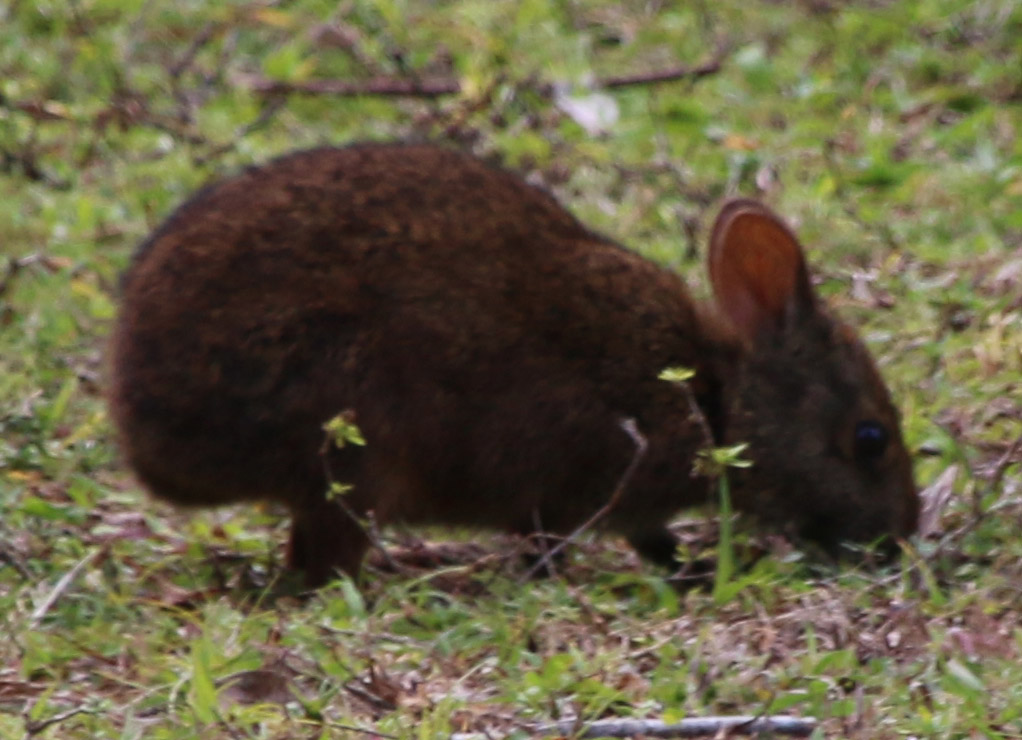
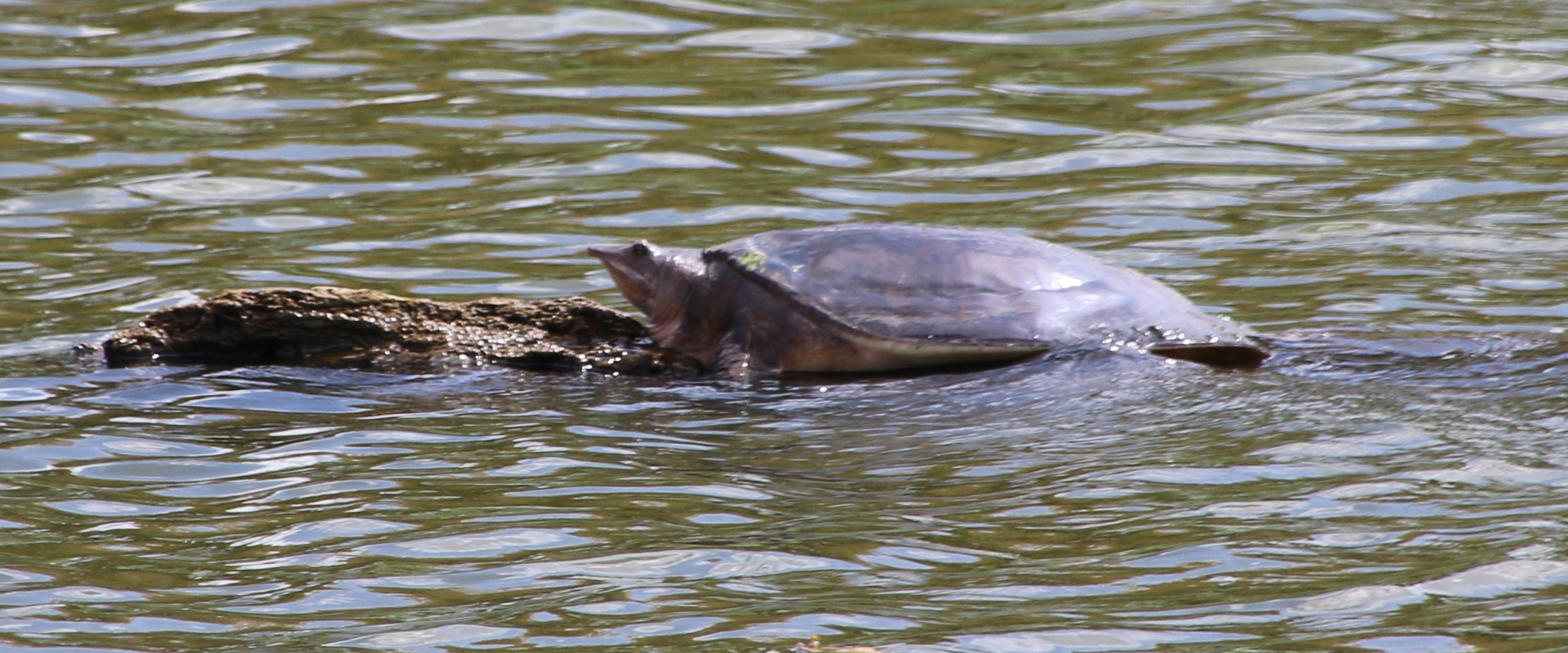
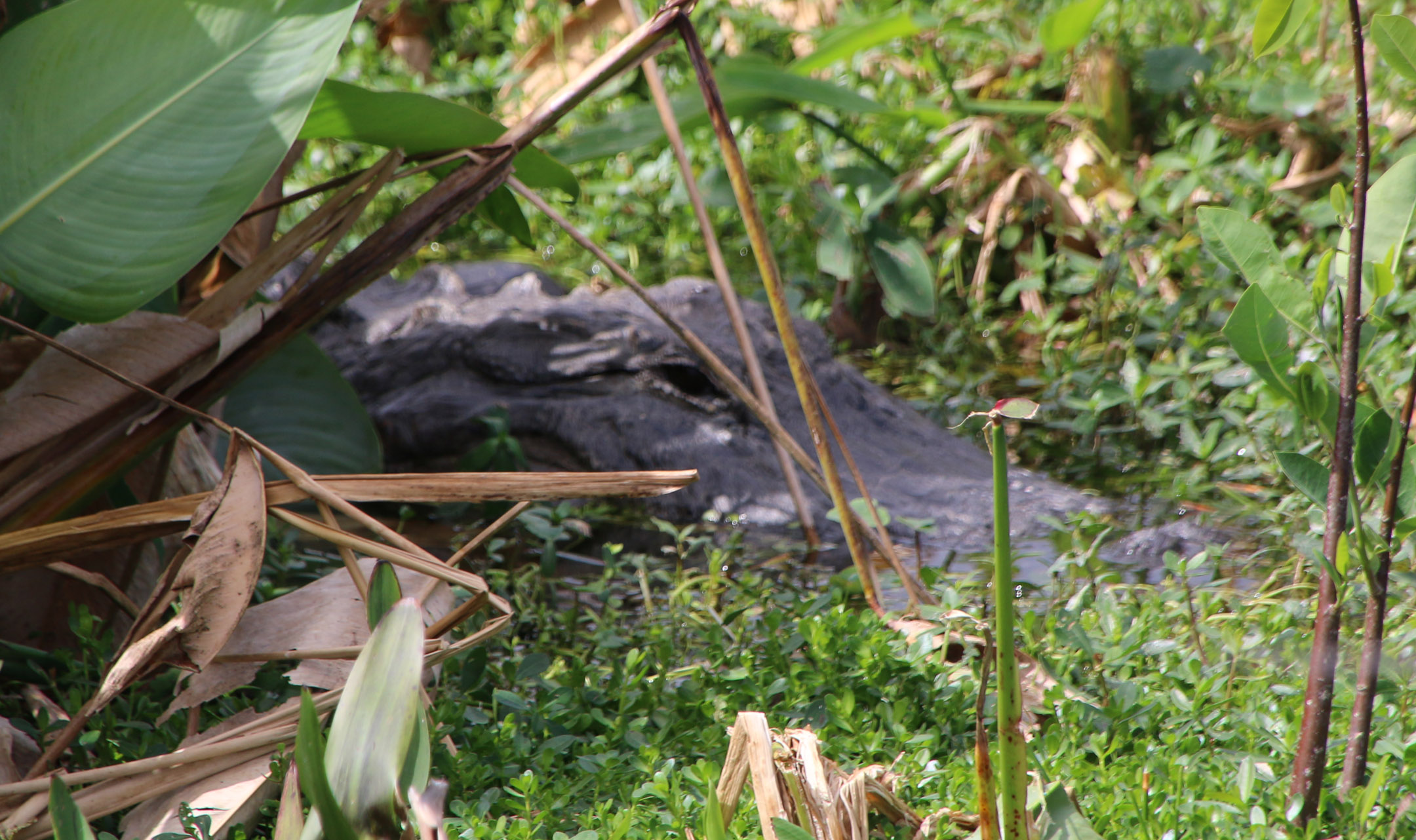
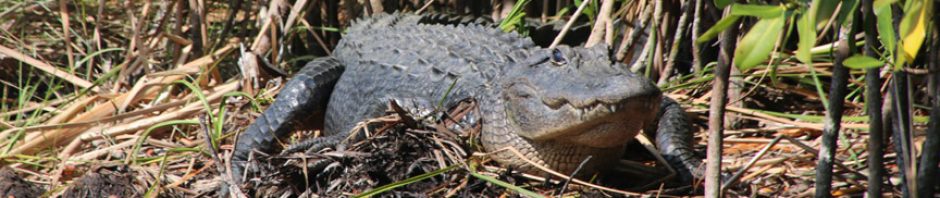
Above are a marsh rabbit, a turtle, and of course an alligator, keeping an eye on his menu.  (Photos by Ron Haines)

Posted in Nature, Photos mostly | 2 Comments

Yeehaw Junction and Elvis

Since my last post about Yeehaw Junction I’ve run across a few more interesting bits, and even found an Elvis connection just a few miles away.

The simple word ‘Yeehaw’ has always screamed out bluegrass to me.  I remember seeing signs there over the years for the annual Yeehaw Bluegrass Festival.  I never made it to one, but they were held for a lot of years on a vacant patch of land not far from the Desert Inn.  Stages were built and musicians played and festival goers camped out and had fun for the weekend.

That ended in 2016.  With the land no longer available, promoters moved the event to the Agriculture/Civic center in Okeechobee, some 30 miles south on US 441.  I suspect it will not make it back to the rural pasture in Yeehaw Junction.

And, probably unconnected, there was a short-lived YeeHaw UK country music festival in Great Britain.  Held at Rockingham Castle in Northhamptonshire, one of those stately places that’s been in the family forever and needs paid ‘events’ and ‘tours’ to survive, the festival lasted for one session, in 2014.  Probably the promised genuine American country food, drink, and products spelled its doom.  Or maybe it just didn’t measure up to the normal events held at the Castle, like jousting, dog agility, horse trials, Easter Egg Hunt, traditional fair, Victorian Christmas, and something called The Suffering Obstacle Race (10 miles of pain and suffering according to the description).

And while checking out all that I stumbled across a Bluegrass band in Charleston, SC , called, you guessed it, YeeHaw Junction.  Figuring it was more than coincidence, I asked where the name came from.  The answer came back: “I grew up in Florida and had seen many signs for YeeHaw Junction. I thought that it would be a name that was expressive of the type of music that we played.”

The odd bits add up fast:  Yeehaw Junction is at the terminus of the first and second longest stretches of limited access highway without an exit in the US.   It is at the southern end of the longest stretch (the next interchange to the north is 48.9 miles away at Kissimmee/St. Cloud) and at the northern end of the second longest stretch (the next exit to the south is 40.5 miles away at Fort Pierce).

I am keenly aware of the distance.  On a northbound jaunt one time I was in the middle of the 40.5-mile stretch when I noticed the gas gauge was on empty and the warning light was on.  I slowed to 50 mph, turned off the air conditioning, and made it to Yeehaw.

IMG_2745c

But on to the Elvis connection.  Here’s where it gets fun.  Just 14 miles north of Yeehaw Junction sits the tiny crossroads town of Kenansville, a late 1800’s cattle town on the now defunct Okeechobee spur of  Henry Flagler’s Florida East Coast Railroad. The railroad is long gone, but the name, given to the place in 1914 in honor of the former Mary Lily Kenan,  third wife of Henry Flagler, lives on.

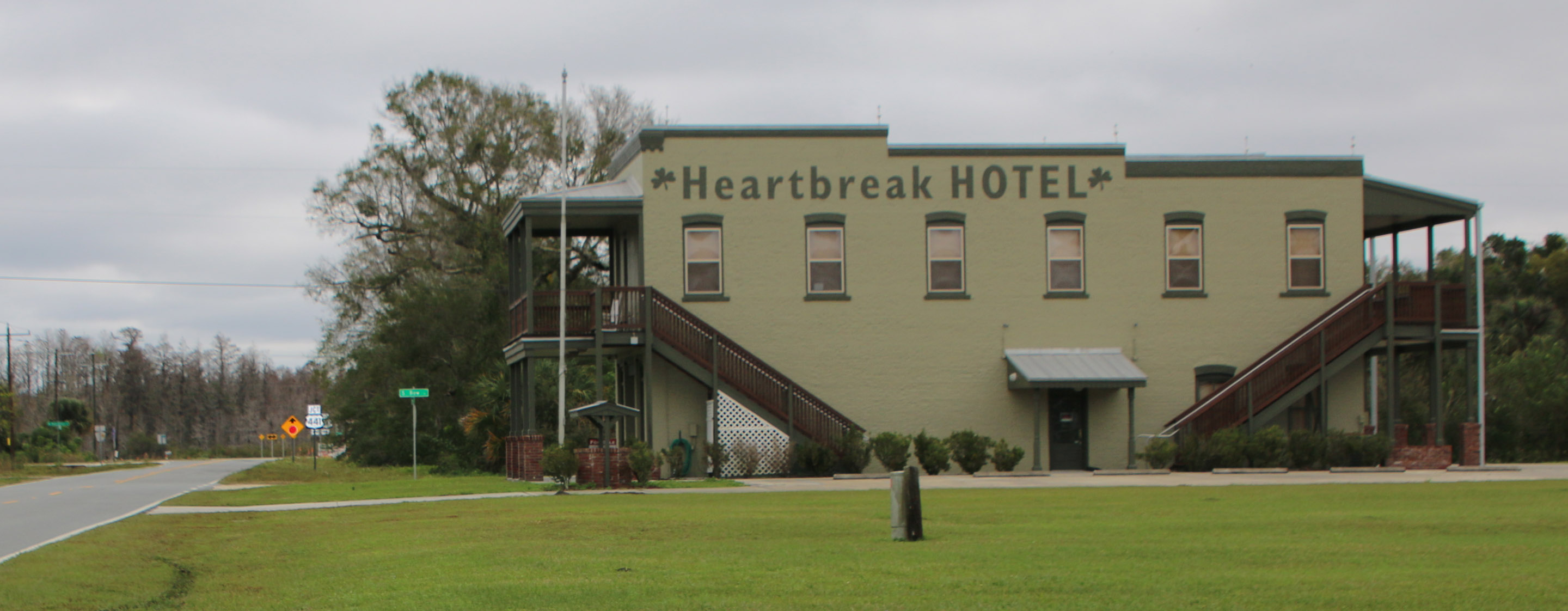
Prominent on Canoe Creek Road in Kenansville is the Heartbreak Hotel.  You can see it coming, can’t you:  YES. According to one account:  “Legend holds that the hotel is the hotel that inspired a young Elvis Presley to write his hit ‘Heartbreak Hotel.’”

The problem with that legend is that Elvis didn’t even write the song, much less wake up in his room at the Heartbreak Hotel one morning with the lyrics on his lips.  He got a piece of the song-writing credit because that was Col. Tom Parker’s way, back in the day, of giving the newcomer a bit of added income.

The true story is good though, and might even include the Heartbreak Hotel in Kenansville, but we’ll probably never know for sure.

One of the real songwriters was indeed from Florida.  Mae Axton (mother of Hoyt) was a teacher in Jacksonville, FL, who had long done some part-time promotional work for Col. Parker .  Another ‘legend’ has it that she saw the Heartbreak Hotel while touring the state prior to Elvis’ southern concert tour.  She’d promised Elvis she’d write him a song and she teamed up for that with songwriter Tommy Durden of Gainesville, FL.  It’s said he had seen a story in a Miami paper about a suicide who had left behind a note that stated “I walk a lonely street.”

And all that, according to the lore, got mashed together into a song about a Heartbreak Hotel down at the end of Lonely Street.  And a hit was born.  The missing bit, as you’ve probably noticed, is confirmation whether Mae Axton ever knew about or saw, the Heartbreak Hotel in Kenansville, but why let a missing bit get in the way of a good story?

Posted in Offbeat, Road trip | 2 Comments