A plethora

This is one of my favorite words.  I hardly ever get to use it in conversation and have never used it in a blog post, so what better way to break it in than in a blog post title.

But the word demands an “of” followed by a word to describe what there is an abundance of, doesn’t it?

Here’s my problem:  I wanted to say that I have a lot of new photos of repurposed gas stations that I took on my recent month-long road trip to Colorado and back.  To put that point across I wanted to use the word “plethora” in the title and I wanted to follow it with a lot of alliteration.

So I started off the title with  “A plethora of petrol….”   But then I got stuck.  I could not find any alliterative words to complete the thought.    Yes, I could have just settled for “A plethora of recycled gas stations,” but that would have been no fun at all.

So there’s a challenge while you’re looking through my latest package of repurposed gas stations:  Come up with a title for this post using the word “plethora” and a lot of alliteration.

And, by the way, plethora is pronounced with a slight accent on the first syllable, so don’t go putting the emphasis on the “or.”  It comes from a similar Greek word meaning abundance of blood, but has obviously evolved to mean a lot, even too much, of just about anything, including, in this instance, Previous Petrol Palaces.

There are photos below of some of my new finds.  These and all the other new ones will be added to my collection of photos of recycled stations.

This first one I was especially happy to see.  It’s in the small Mississippi River town of Ste. Genevieve, Missouri.  I didn’t stop there on my canoe trip down the river because I was then heading to Chester, just downsteam and on the Illinois side, where I hoped to meet up with a friend from Florida.

As it turns out, a river stop at Ste. Genevieve would have been very disappointing because it is separated from the river proper by farmland, wetlands and a levee.  By road, however, it’s a nice stop, with great residential areas and nice old downtown.St. Genevieve, MO CR: Ron Haines
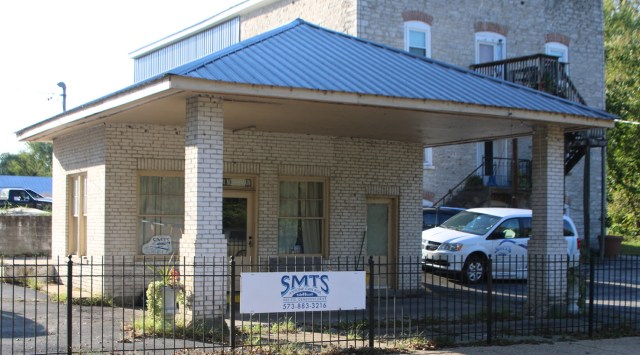
I was happy to see that this old gas station in the historic district (below), is now being used by the local non-profit public transportation service, because when I first encountered it in 2012 (inset on right) it was empty, for rent and in need of some repair.
IMG_8071c


Republic, MO.  Today this classic structure is an architect’s office.  It was a beauty salon previously and before that of course a gas station.


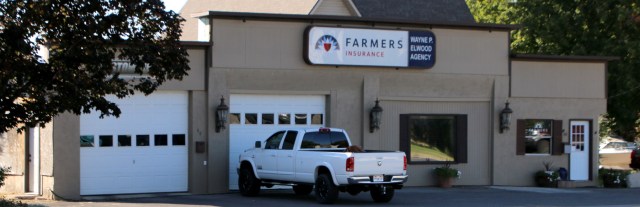
Smithfield, Utah.  A Farmers Insurance Company office.IMG_7111c
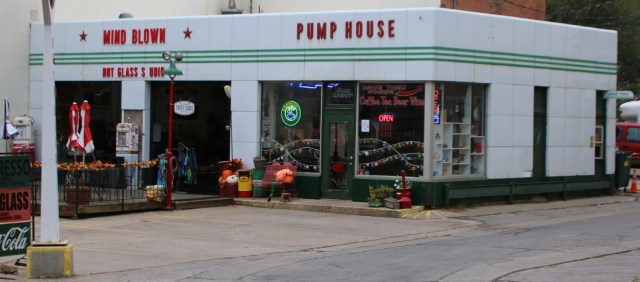
Deadwood, SD.  A glass blowing studio.IMG_6567c


Woodward, Oklahoma.  The downtown’s booster office uses this classic A-frame corner station.  Note that one can still see where the “P,’ standing for Phillips Petroleum, was mounted on the chimney.


Sudbury, Ontario, Canada. These rusted remains are all that’s left of an old gas station along the Trans-Canada Highway. 


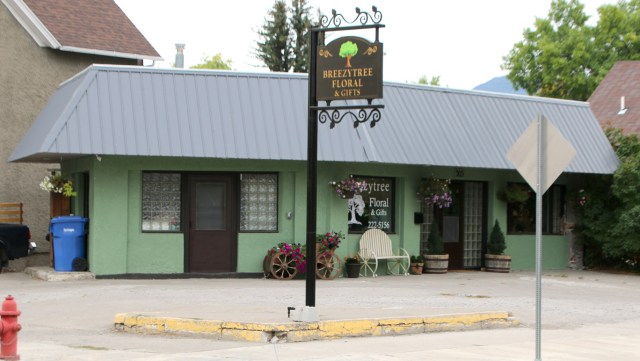
Livingstone, Montana.  Breezy Tree Floral and Gifts makes nice use of this old station, which is located on the edge of a residential area.IMG_6982c
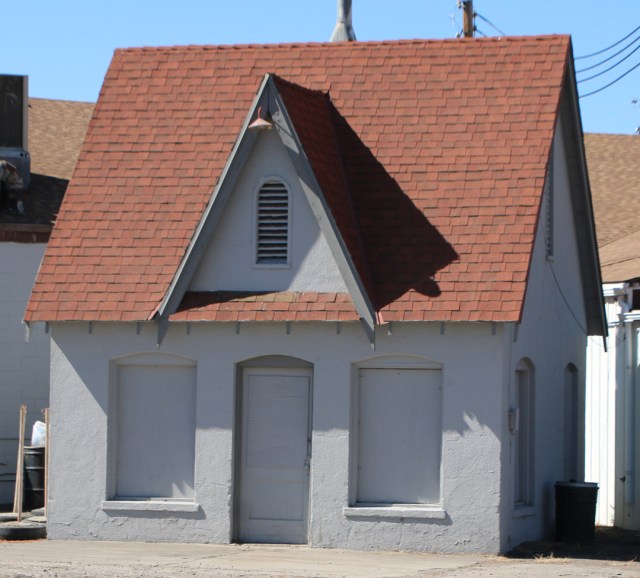
Blackfoot, Idaho.  This small A-frame is just waiting to be put to good use.IMG_7092c
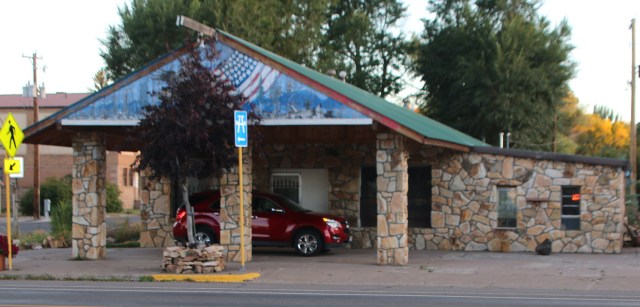
Del Norte, Colorado.  This nice stone classic makes a great residence.IMG_7230c
For more, go here.

Posted in Uncategorized | 2 Comments

End of the season

My 2018 paddling season in the Northeast has come to a close.  It hasn’t been one of the better years, that’s for sure. The weather has been just lousy.

I’m the organizer of two meetup paddling groups up here, one in Massachusetts and another in Connecticut, and we’ve had more weather cancellations this season than ever.

Last year we had so much great weather that I was running out of new and interesting places to go paddling.

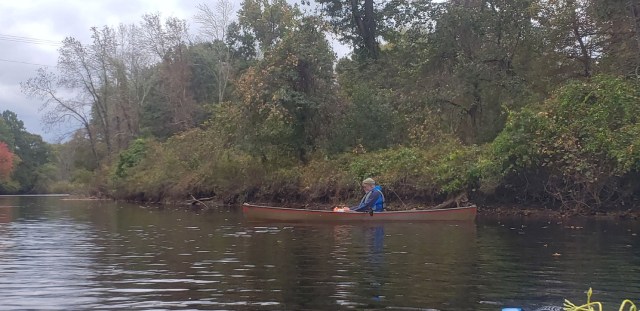
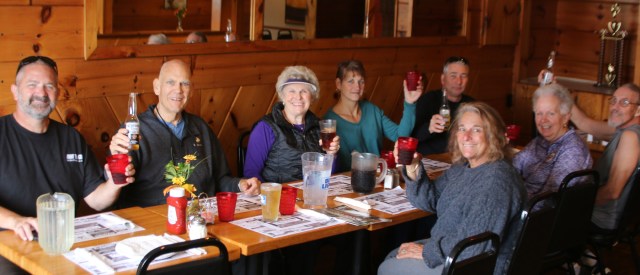
My last paddle, just this past Saturday, was a nice one despite the weather, however.  Sure, it was windy and cold with a constant threat of rain out on the Quinebaug River in Brooklyn, but it was nice and cozy at the pizza lunch with friends afterwards.

Here are some photos.

highres_475653134c

You can’t see it in this photo, but in addition to the upper body layers, I am wearing neoprene boots and long pants. Photo by Marian Buteau

IMG_8489c


IMG_8527c

Posted in Uncategorized | 5 Comments

More home-grown yard art

My recent road trip back to Connecticut from Denver led me to a made-in-the-USA yard art operation in New Mexico.  Sort of how my road trip TO Denver took me to a stained glass artist in Deep River, Ontario, Canada.

The bottom line is I don’t take direct routes to anywhere.

But on to the topic.  I like yard art.  I like yard art made in the USA, not the stuff stampedIMG_8483c out en masse from Mexico.  So I am on the lookout for it as I travel around.  Search my blogs for the category ‘yard art’ and you’ll see what I mean.
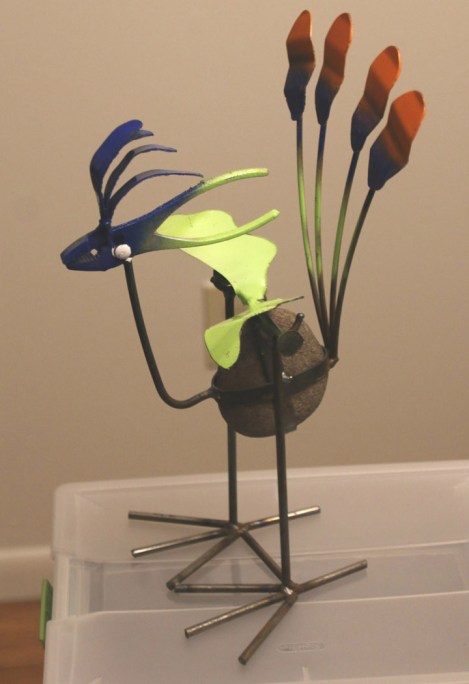
I picked up this fellow at an interesting looking shop in Moriarity, New Mexico, called Country Friends Antiques.  You can’t see it in a still photo, but if you give him a push, he swings happily back and forth. He’s made by a local family of artisans who turn scraps of metal and castoff metal tools and other implements into colorful pieces of art.

They’re called NM Metal Art and have a Facebook page if you’re interested in seeing what they do.

Posted in Uncategorized | 1 Comment

You cannot make this stuff up

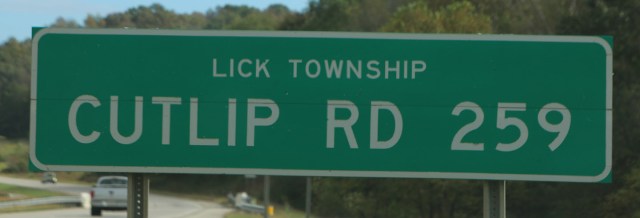
Yes there is a Cutlip Road and yes it is in Lick Township.  In southern Ohio.

IMG_8314c

Photo by Ron Haines

As far as I can tell, there is only one Lick Township in the country, but not so when it comes to Licking.  There are in fact TWO Licking townships in Ohio alone, one in Muskingum County and the other in, you guessed it, Licking County.

And there are also Licking townships in Indiana, Illinois and Pennsylvania.  The township office for the latter is in Sligo, PA, on Canoe Ripple Road, by the way.

And just where did all this licking come from you might ask.  Historically they were places with mineral deposits, usually salts, that attracted animals, much as a salt block does in modern times.  Hence all that licking.

Which brings me to French Lick, Indiana.  I passed through there on a recent road trip and saw nothing French about it, but when it was founded as a community it was a French trading post near a spring and a natural salt lick.

It was way later in its history that it became known as the birthplace of basketball player Larry Bird, “The Hick from French Lick.”


Posted in Uncategorized | 1 Comment

It’s been a while

I haven’t added to my collection of photos of recycled gas stations in a long while.  Mainly because I haven’t been to any new places lately.

I’ve pretty much picked Connecticut and Massachusetts clean of interesting recycled stations.  I realized this a couple weeks ago, when I took a meandering road trip from Hartford up through Massachusetts to Contoocook, New Hampshire, to visit brother Rick.  Just when I was feeling smug, driving along and thinking, wow here’s a road I haven’t been on before, I’d come to a crossroads, and there, sitting on one of the corners,  would be a recycled gas station I’d taken a photo of years ago.   Ah yes, I’ve been here.

In short, it’s getting harder to find places I haven’t been before.  Until yesterday,  that is.  I traveled to North Haven, Connecticut,  to paddle the tidal marshes  of the Quinnipiac  River with some folks from the Connecticut Chapter of the Appalachian Mountain Club.

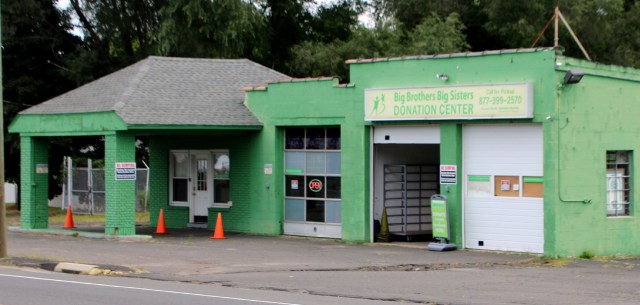
And I found this gem.  It’s now a Big Brothers Big Sisters donation center.

IMG_6025c

Below are some photos from the paddle.  It was a rainy, cloudy day and the birds didn’t want to be anywhere close to me unfortunately.

Posted in Uncategorized | 2 Comments

Thankful Arnold

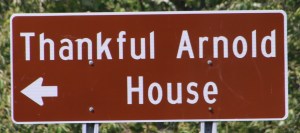
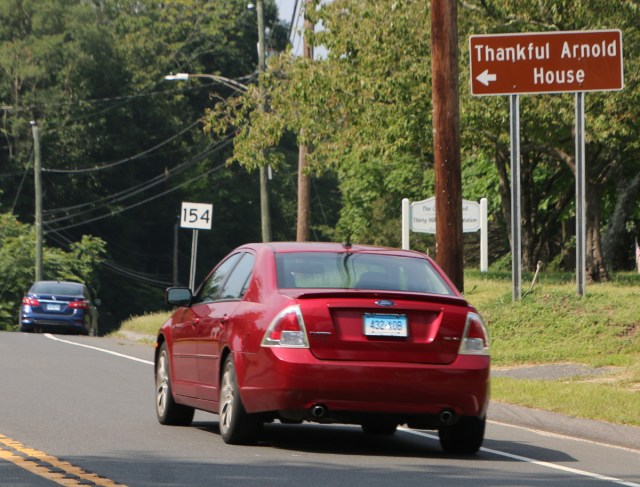
This sign along the road stopped me the other day as I drove through Haddam, CT.  I wasIMG_5709c on State Road 154, also known as the Middlesex Turnpike or Saybrook Road.
That’s what I like about Connecticut; if you don’t like the name of a thoroughfare, just consult another map and you’ll find a different moniker for it.

Anyway, “Thankful Arnold” was what made me slow down and make a U-turn back to Hayden Hill Road, the side street the arrow pointed to.

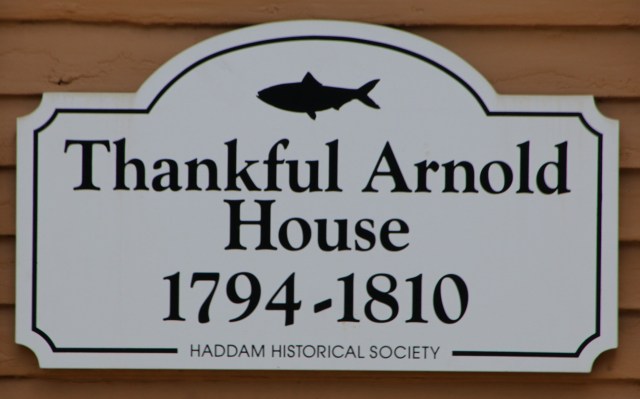
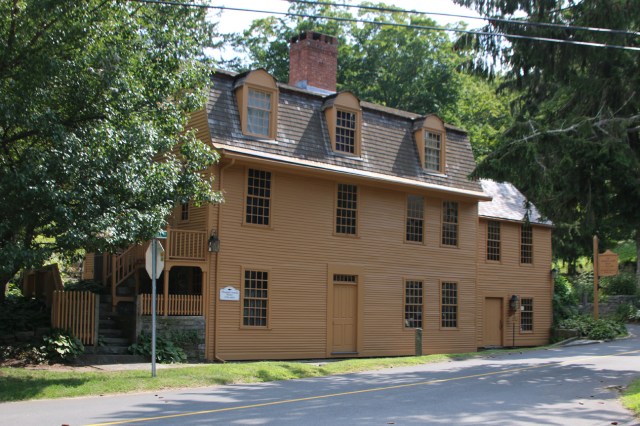
The house is a museum, but wasn’t open at the time.  As I continued the drive home I wondered about the story behind Thankful Arnold.

I figured the tale went something like this: A simple-minded itinerant named Arnold wandered into Haddam decades ago and decided to stay.  He survived on handouts and odd jobs, and eventually was given a room in the basement of this house to live in by its owner in exchange for doing a few chores.  Arnold earned his nickname Thankful because he bellowed out a huge THANKS in his incredibly deep voice whenever anybody helped him out or even just smiled at him.  Too frugal to spend much on himself, Arnold saved nearly everything he earned from his odd jobs.  He lived to a ripe old age and when he died townsfolk found a small fortune in cash stashed in his room and a note explaining how kindly the citizenry had treated him and saying he wanted the town to have his money.

Not even close!

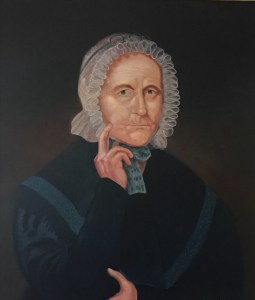
It all has to do with a woman named Thankful.  Yes, that was her name.  The colonialists, as it happens, liked to give their female offspring the names of the major virtues, or desireable character traits.  Have you ever met a Prudence?  I know a couple of them.

That’s another of the colonial names, along with Charity, Grace, and Constance, which

Thankful

Thankful Arnold

one encounters still today.  Others though, have pretty much faded:  Piety, Prosperity, Remember, Temperance, Prosperity, Deliverance, Mercy, and, tellingly, Truth.

Thankful, a descendant of John Alden and Priscilla Mullins of the Plymouth Colony, married a man named Joseph Arnold and became Thankful Arnold.  The couple were among the newest citizens of a new nation, having been born at the beginning of the War for Independence, Joseph in 1774 and Thankful in 1776.   Joseph was a direct descendant and namesake of one of the original founders of Haddam in the mid-1600s.

The Arnolds and their daughter moved into the house in 1798.  The dwelling remained in the Arnold family and occupied by descendents of Joseph and Thankful until 1962, when the last family occupant died and it was put up for sale.

Fortuitously, Haddam was just then turning 300 years old and the Haddam Historical Society had sought out descendants of the town’s early settlers as part of its fund-raising efforts for the celebration. Many ancestors responded generously, including Isaac Arnold of Houston, Texas, a great-great grandson of Thankful and Joseph.

Isaac Arnold purchased the house in March of 1963, promised funding for the restoration of the structure to its early nineteenth century appearance and said he wanted it to become the new home for the historical society, which became the owner when he died in 1973.

And, thankfully I suppose, that’s about all I have to say about my drive through Haddam.

IMG_5693cIMG_5715cIMG_5699c


Posted in Uncategorized | 4 Comments

Henry Hanger

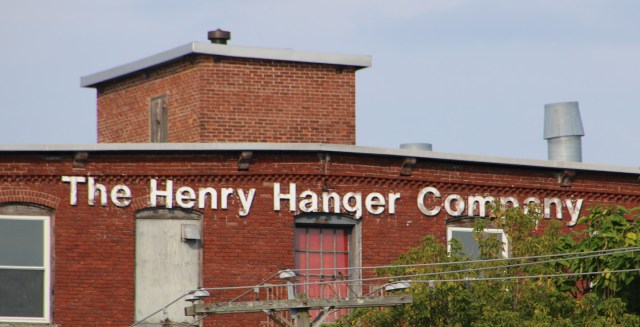
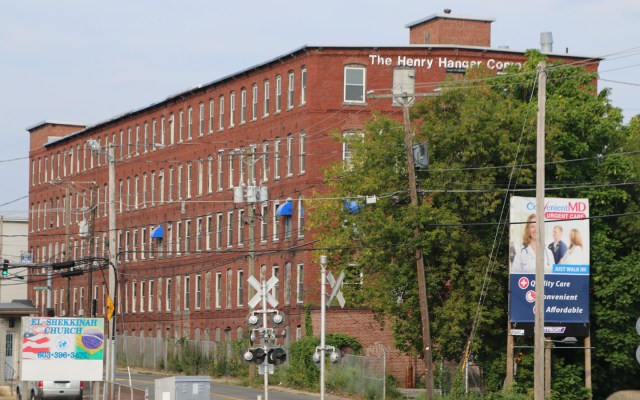
Well, his first name WAS Henry.  His last name, however,  wasn’t Hanger.  It was Spitz.  But in 1929 Henry Spitz had the alliterative good sense to name his Nashua New HampshireIMG_5567c enterprise the Henry Hanger Company.

And today it remains there, along gritty Hollis Street, headed up by his son, Bernard, who has crowned himself The Hanger King.  As the company website recounts, the senior Spitz had a simple premise; why hang personal or expensive garments on wire hangers that can cause wrinkling or damage clothing?   He also realized, when visiting retail stores, that the right hanger could actually make garments look better and even improve sales.

Bernard Spitz

The Hanger King

Today the company supplies clothiers large and small, hotels, resorts, and “A-List celebrities” with a wide assortment of hangers, with or without custom logos.

The line includes simple wire, wood, acrylic, padded, bamboo, and plastic hangers along with just about any hanger accessory one could think of.

Henry didn’t invent the hanger.  Some historians say President Thomas Jefferson came up with a forerunner of the wooden hanger.  Credit for today’s most-used hanger, the shoulder-shaped wire hanger, is spread among several people.  One account is that it was inspired by a coat hook that was invented in 1869 by O. A. North of New Britain, CT.  Another story says Albert J. Parkhouse arrived to work in 1903 at the Timberlake Wire and Novelty Company in Jackson, Michigan, to find that all the coat hooks were taken. Annoyed, he took a piece of wire, bent it into the shape we would recognize today, and hung up his coat.  Also credited is Christopher Cann, an engineering student at Boston University in 1876.  And in 1906 Meyer May, a men’s clothier in Grand Rapids, Michigan,  became the first retailer to display his wares on his wishbone-inspired hangers.

Some Henry Hanger Company products

For hangers in popular culture, who can forget the “No wire hangers, ever!” line from 1981’s Mommie Dearest,  when Faye Dunaway, portraying Joan Crawford, discovered her daughter using wire hangers for her expensive clothing instead of the fancy padded ones provided?  If you don’t remember the line I am sure the image of Ms. Dunaway’s cold-cream-slathered face as she screamed out the words is stuck in your brain.

As for me, I’m a pretty simple hanger soul.  For clothing I’ve moved from wire hangers to sturdy plastic over the years.

But for fixing something, nothing can replace the good old fashioned wire hanger.  I once had a badley rusted axel on my boat trailer.  I hit a small bump, and all of a sudden it bent an alarming 45 degrees about a foot inside the wheel.  Fortunately I was at the ramp so was able continue backing down to the water and get the boat off of it.  My neighbor and I used a steel bar and a half dozen or so wire coat hangers to splint and hold the axle straight enough to drive the trailer the four miles to the repair shop.

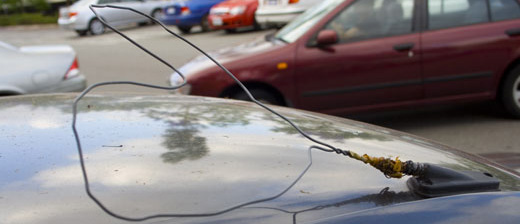
aerial1cAnd I suppose it’s a thing of the past, but I can never forget the wire hangers I have seen functioning quite well as car radio antennas.
For giggles someday, google How To Use A Coat Hanger To…    There’s a whole other universe out there.

IMG_5558c

IMG_5562c

The company also has facilities in two other states and abroad.

Posted in Uncategorized | 5 Comments

Did I just see what I think I saw?

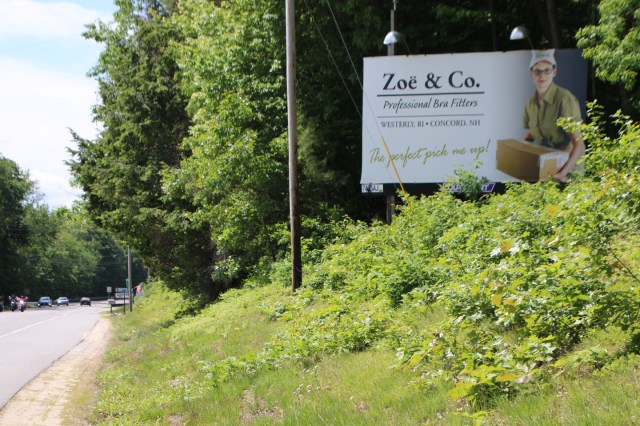
This billboard caught my eye as I flew past it on a busy two lane highway somewhere in New Hampshire.

IMG_3190c

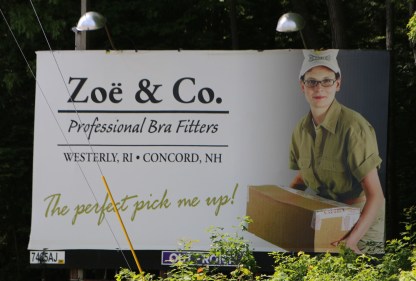
For the next half mile my mind replayed the scene, trying to figure out what that sign was all about.  I’ve probably seen nearly every billboard there is in my travels, but this one wasn’t ringing any bells.  Maybe a UPS advertisement, with the brown shirt and package?   A plumbing company perhaps, thinking it said pipe fitters?  But that word “Bra” stuck in my mind…wow, if it’s what I am thinking it is I want a photo of it!

So of course I turned around to go back for another look.IMG_3187c

And there it was plain as day:  My first time seeing a billboard for a professional  bra fitter.

There’s a whole world out there of bra fitters, certified and otherwise; foundation professionals, and undergarment gurus.

It’s a world, quite frankly, that I want to know nothing more about than what I had to learn to get this far along in this post.  And I don’t even want to imagine the discussions that took place before they chose a model for this ad that looks like she hardly needs the product…or maybe they did so because she’s an odd size so would need custom fitting?  Don’t know, don’t want to know.

So this’ll have to be a do-it-yourself research project if you want to know anything more.  You can start with this article if you wish…and please consider making a donation to the Guardian.

Posted in Uncategorized | 2 Comments

Farming’s tough on the equipment

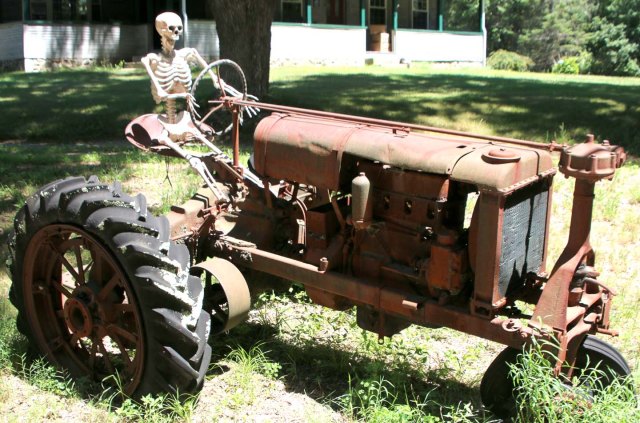
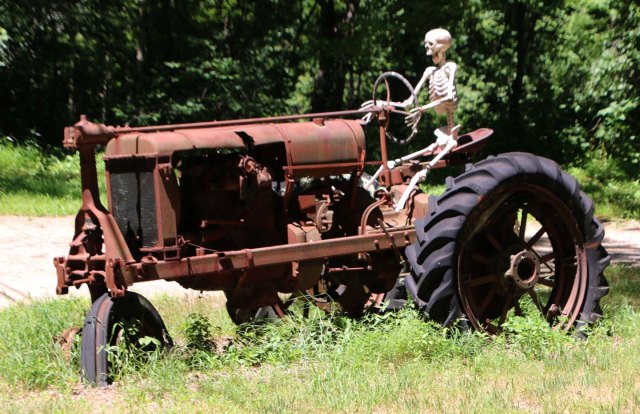
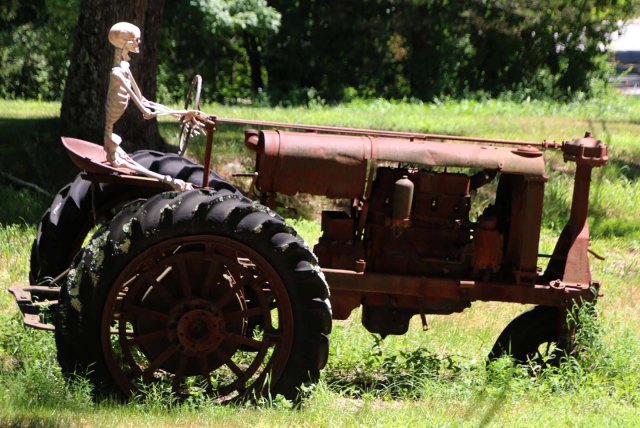
Farming’s tough on the equipment.  Spotted on Farm Town Road in rural Coventry, Rhode Island.  (Photos by Ron Haines)

IMG_4635c

IMG_4624c

IMG_4634c


Posted in Uncategorized | 1 Comment

Nope, not my hill

Nope, not my hill.

IMG_3186c

If it were, I’d be king of it.

But what in the Sam Hill am I saying?   I wasn’t worth a hill of beans at that game back when I was a kid.  In fact I hated it.   That’s what hill’s all about, after all, that and growing old, and getting away from it all.

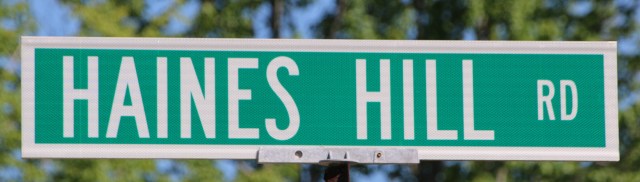
But let’s go briefly back to Haines Hill in Wolfeboro, New Hampshire.  According to local historians it was home to seven generations of Haines for about 200 years.

Unfortunately, none of them related to me, that I know of anyway.

There go the dreams of being king of the hill.

Remember that game?  Just find a spot, yes, it could be a hill, and dare anyone to knock you off of it.  That old school yard game has made it into the current video game world and also into the title of an animated TV show (never did understand the popularity of that one).  And the same meaning is found in warfare (‘taking the hill’) and dominant architecture (the castle on the hill, the house on the hill).

This is a political-free zone so we will not discuss The Hill in Washington.

“Over the hill” has some pretty negative connotations of course, especially when related to age, but it can also mean get out of jail.  And the simple  “it’s all downhill from here” can go either way too.  Things will either continue to get worse, or, on the bright side, things will be easier.  Take your pick.

Speaking of take your pick: the origin of Sam Hill, as in what the Sam Hill was that, using the phrase as a euphemism for Hell, has several possible beginnings:  H.L. Mencken suggested it came from the name of the devil in a German opera performed in 1825; another source says it came from the name of a store owner in Arizona with a diverse inventory;  New England Magazine speculated in 1889 that it came from a politician of that name in Connecticut; another report says it came from a Michigan surveyor  Samual W. Hill because of his legendary use of foul language,  and a final possible origin is attributed to a general by the name of Samuel Ewing Hill sent by the governor of Kentucky in 1887 to find out what was going on with the Hatfield and McCoy feuding.

Competing quoters:  “It is easier to go down a hill than up, but the view is from the top”—Arnold Bennet (English writer, died 1931) and “It’s easier to go down a hill than up it but the view is much better at the top”–Henry Ward Beecher (American clergyman who died in 1887).

And then there’s that depressing Nelson Mandella fellow:  “After climbing a great hill, one only finds that there are many more hills to climb.”

And I suppose you will find, as I did, that none of this is worth a hill of beans  (Beans aren’t worth much.  A hill of them is just the way they used to be planted, several seeds in a small mound of earth.)

Posted in Uncategorized | 1 Comment