
I’ve been flying in and out of Hartford, CT, for a decade now. Oddly enough it all began about the time my daughter moved to Connecticut from Florida.
From nearly day one I wondered about the cloth-covered growing fields and big red barns I see when taking off and landing. (The airport, called Bradley International Airport, is actually located in semi-rural Windsor Locks, some 13 miles north of Hartford)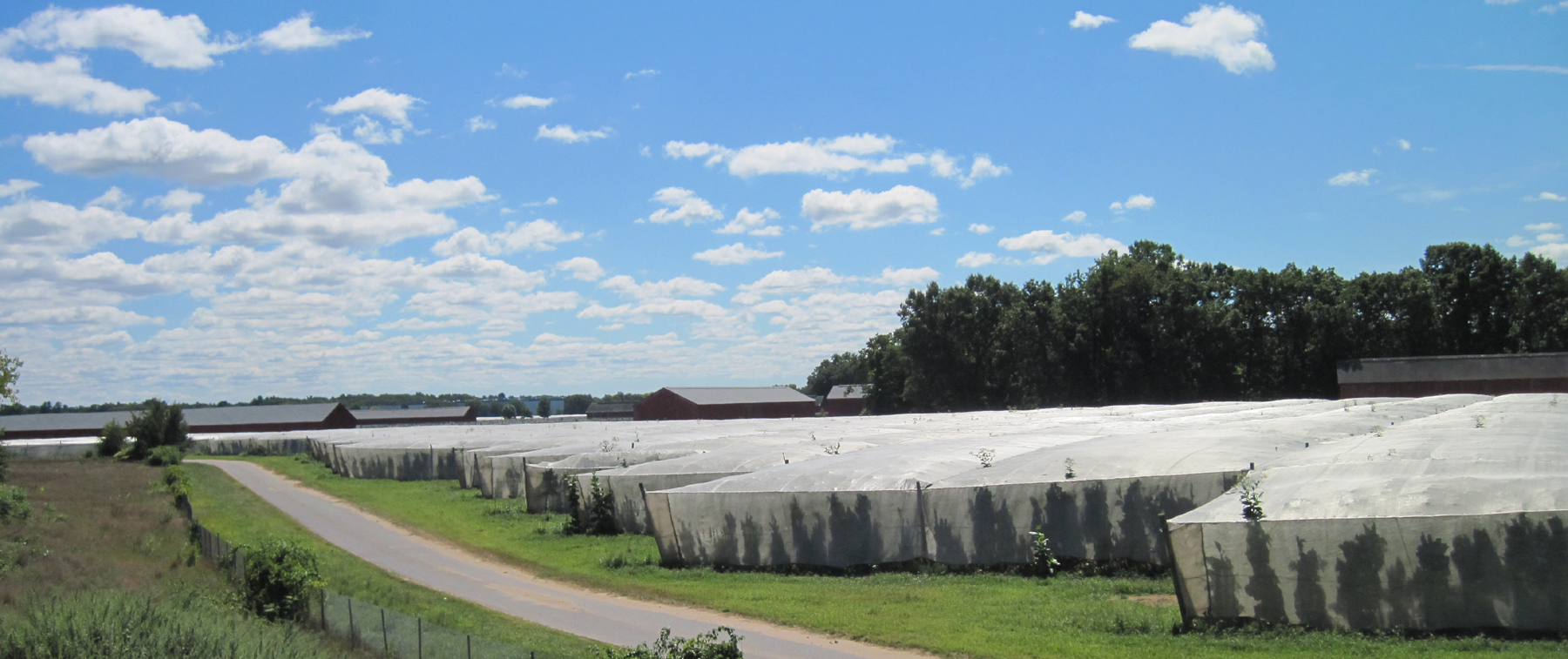 ‘It’s tobacco,’ someone told me, but that never made complete sense. Why would an unlikely region in the Connecticut River valley be growing tobacco on such a seemingly small scale when there surely must be huge fields in the southern US somewhere to feed the smoking habit?
So I finally took the time to hit a few internet buttons and found the answer: Connecticut Shade Tobacco.
It’s used for the two outside layers of cigars, the binder and the wrapper. The crop is grown in the shaded fields and cured in the red barns.
Blessed with desirable ‘Windsor Soil,’ the upper Connecticut River Valley (roughly from Hartford to Springfield, MA) was already being used by the native population to grow tobacco when settlers descended in the 1600’s, and by 1700 the crop was being exported to Europe.
Connecticut tobacco became popular for wrapping cigars in the 1820’s, but the ‘Shade’ part didn’t come into play until the late 1800’s, when a strain from Sumatra began replacing the Connecticut plant in the cigar industry. Using shade houses made of white cotton cloth, and later synthetic materials, to diffuse the sun and increase the temperature and humidity around the plants enabled Connecticut growers to match the quality of the fine-grained Sumatran leaf.
A process change in the 1950’s that resulted in using fewer broadleaf plants as filler and a decreasing demand for cigars has meant falling acreage given to shade tobacco in Connecticut, from a high of 30,000 acres in 1921 to some 2,000 now, and the big red drying barns and the shaded fields have been disappearing, giving way to suburban housing developments and industrial parks.
The industry is well on its way to museum status, and the Connecticut Valley Tobacco Historical Society is playing a huge role in that. This society became the beneficiary of a trust fund set up by John E. Luddy, who earned his money from selling shade cloth and other items needed by growers during the heyday of the shade tobacco industry. The society’s grant to the town of Windsor resulted in establishment of a tobacco museum at Northwest Park.
Not surprisingly, it is called the Luddy/Taylor Connecticut Valley Tobacco Museum. Gordon S. Taylor was a plant pathologist who was instrumental in saving the shade tobacco industry from weather fleck and other diseases in the mid-1900’s.
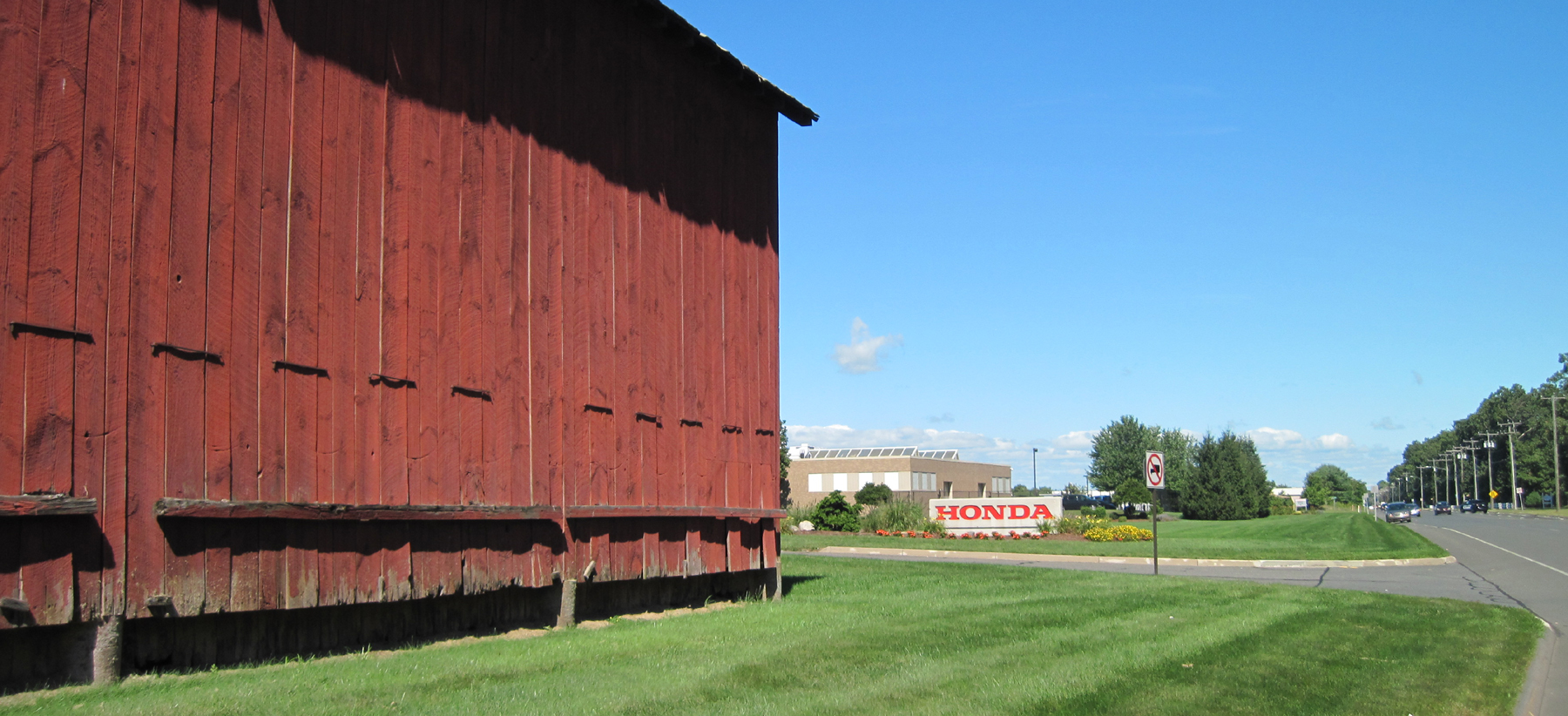
Above and below, the surviving barns and fields of a once-huge industry are now a part of suburban Hartford, taken over by traffic, houses and business parks. The one adjacent to the Honda plant even gets a finely-mowed lawn. (See 2017 update)
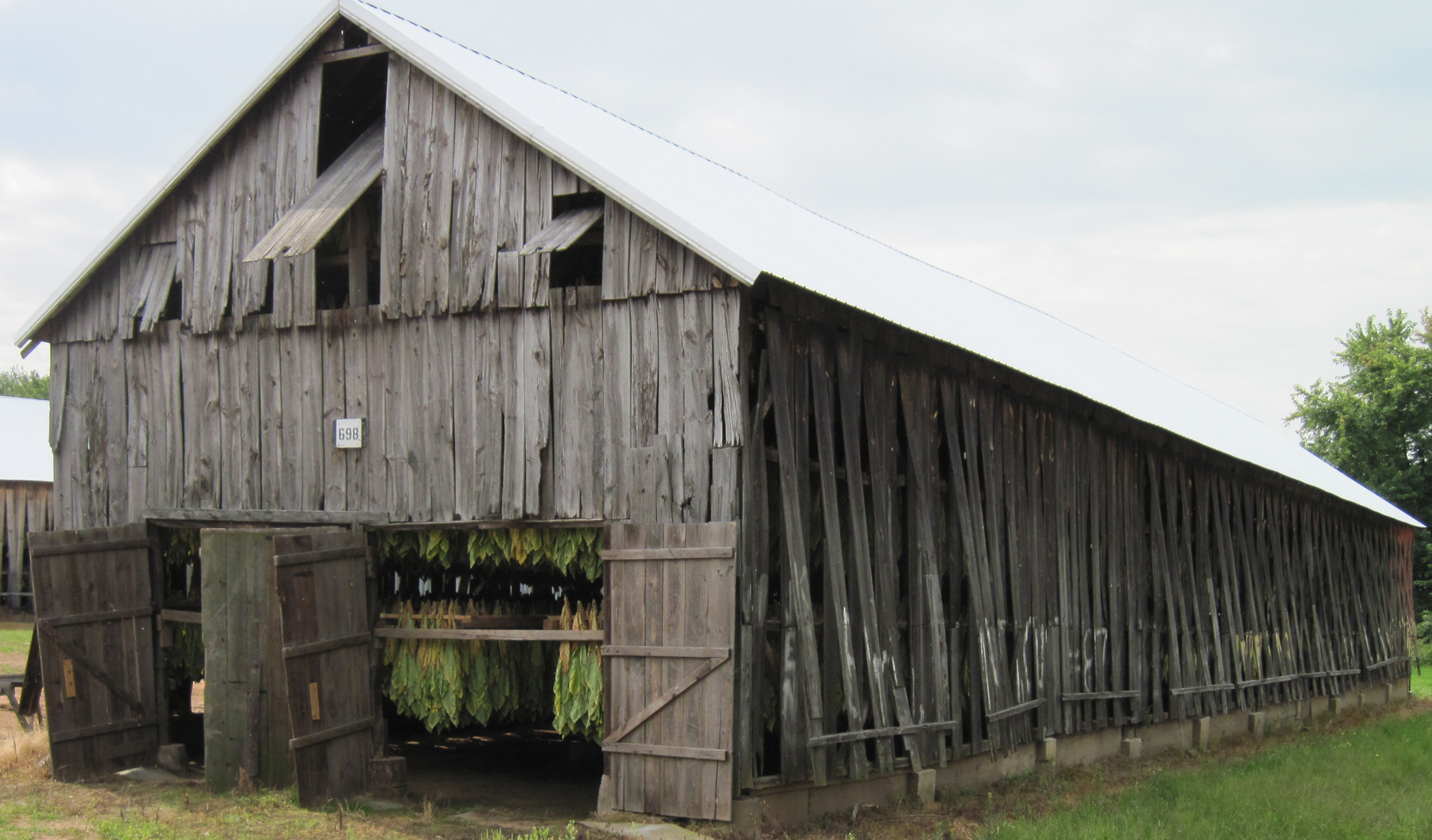
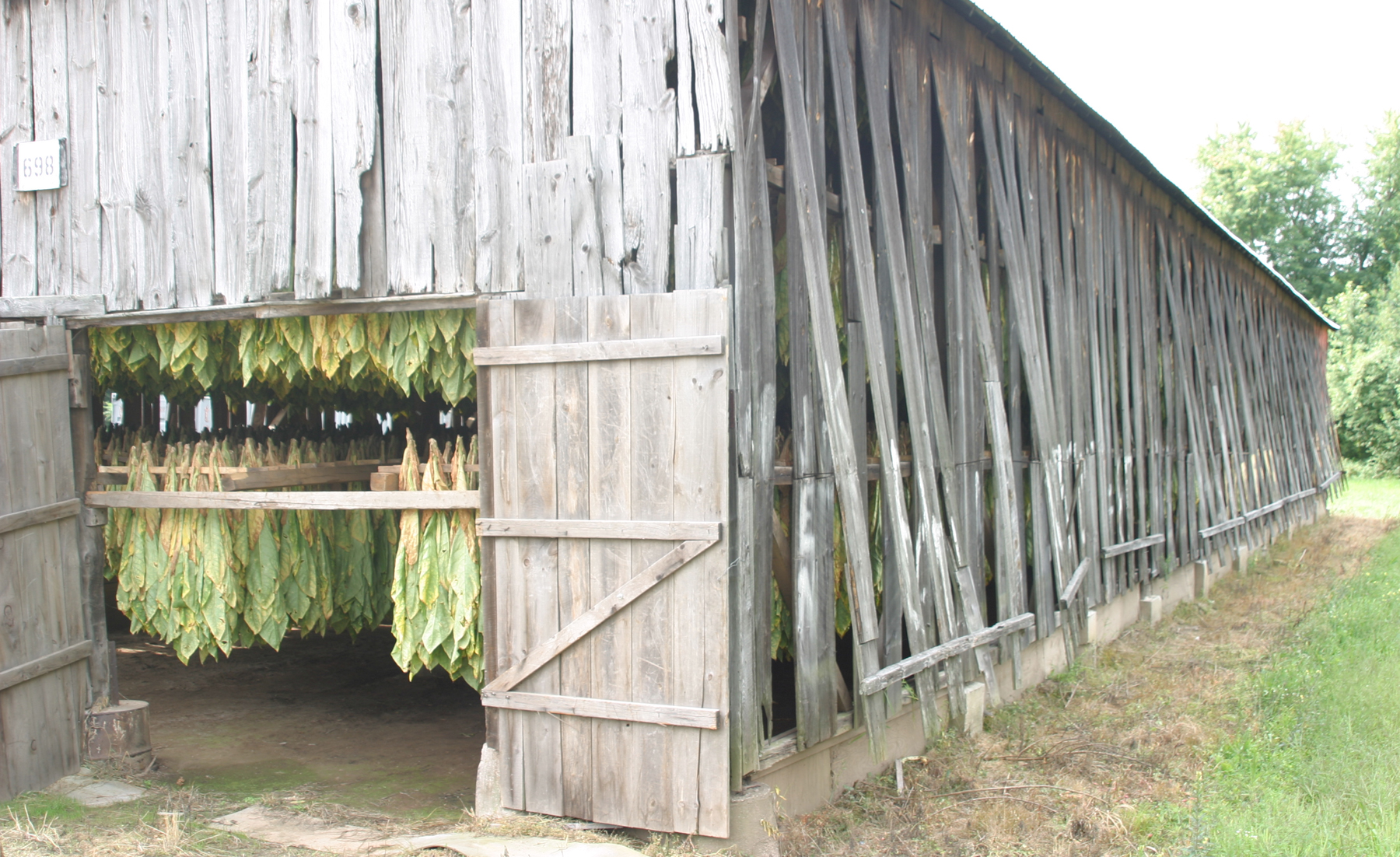
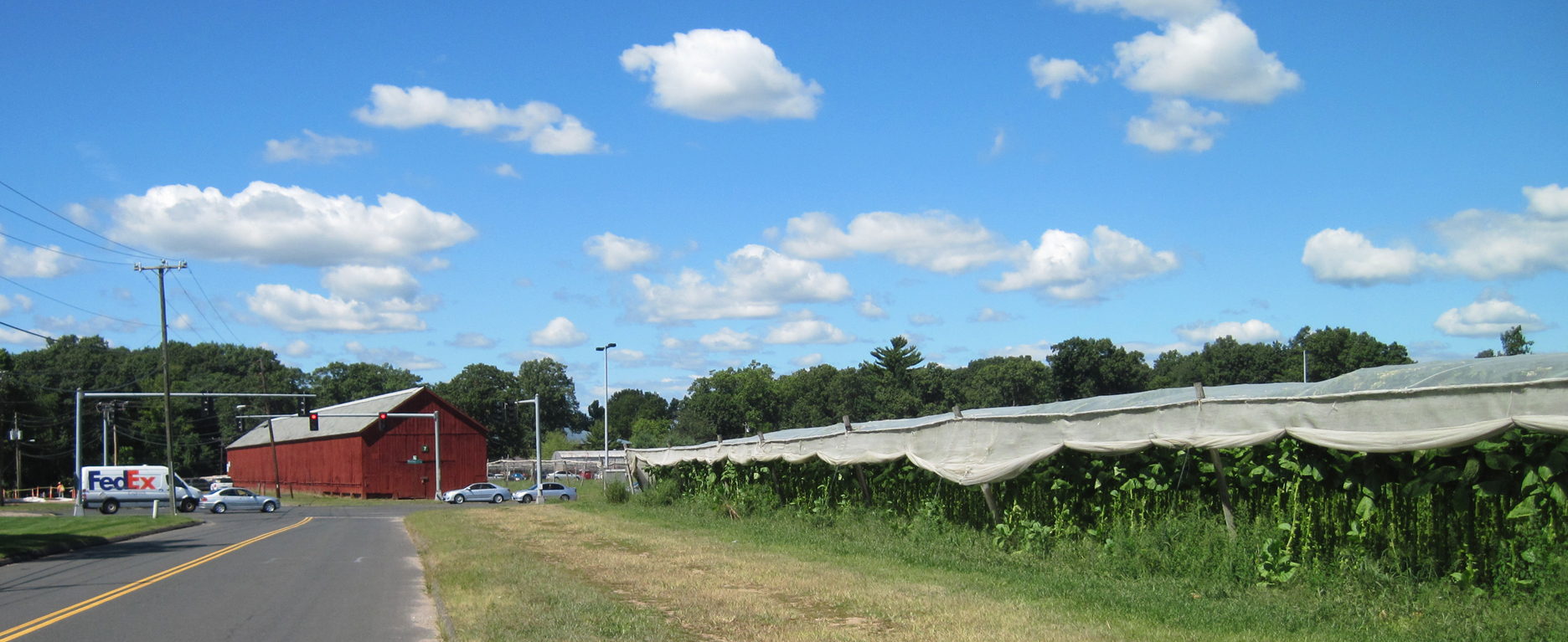 The curing barns, the one below a weathered grey, boast sides that open up.
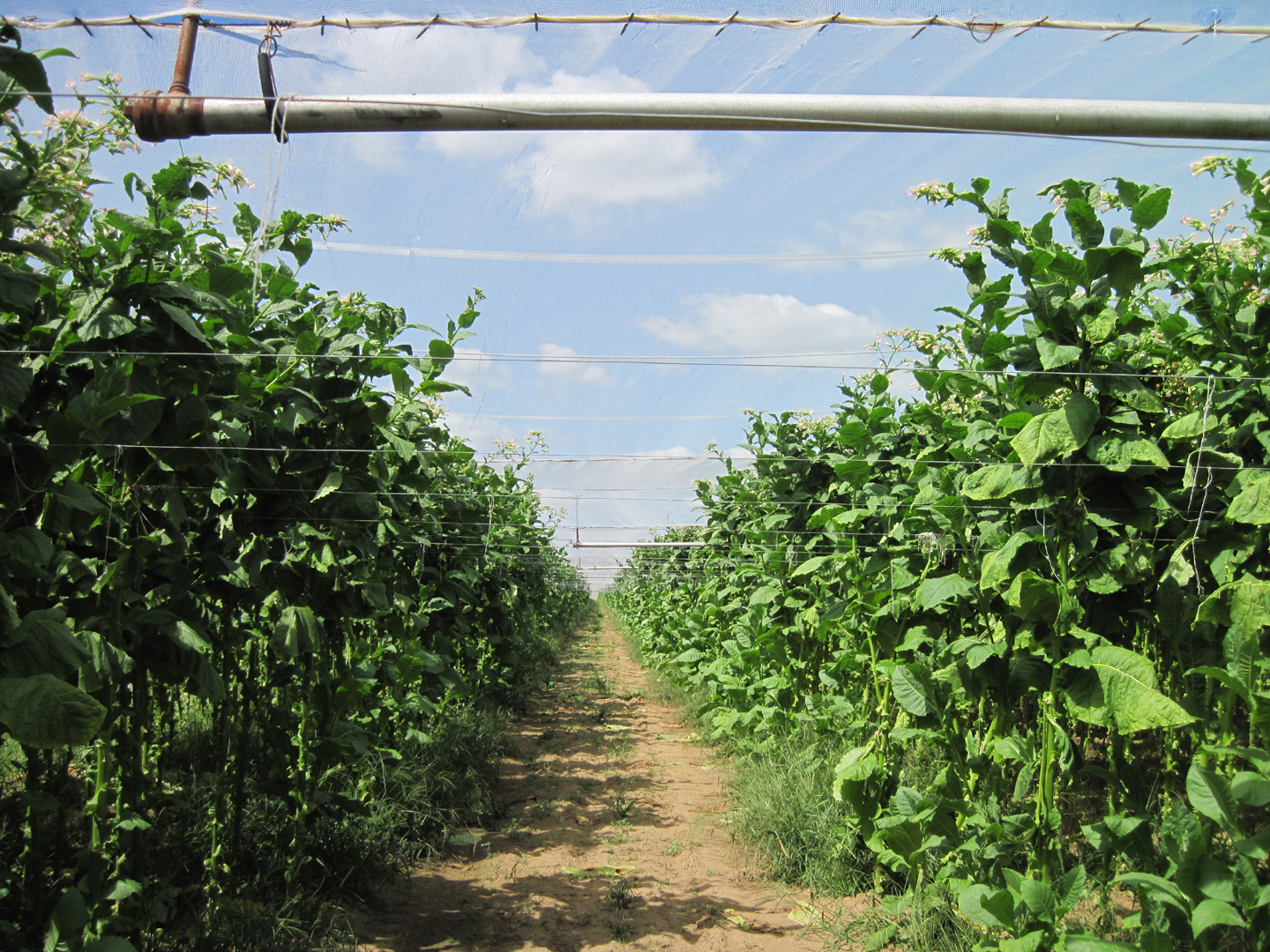
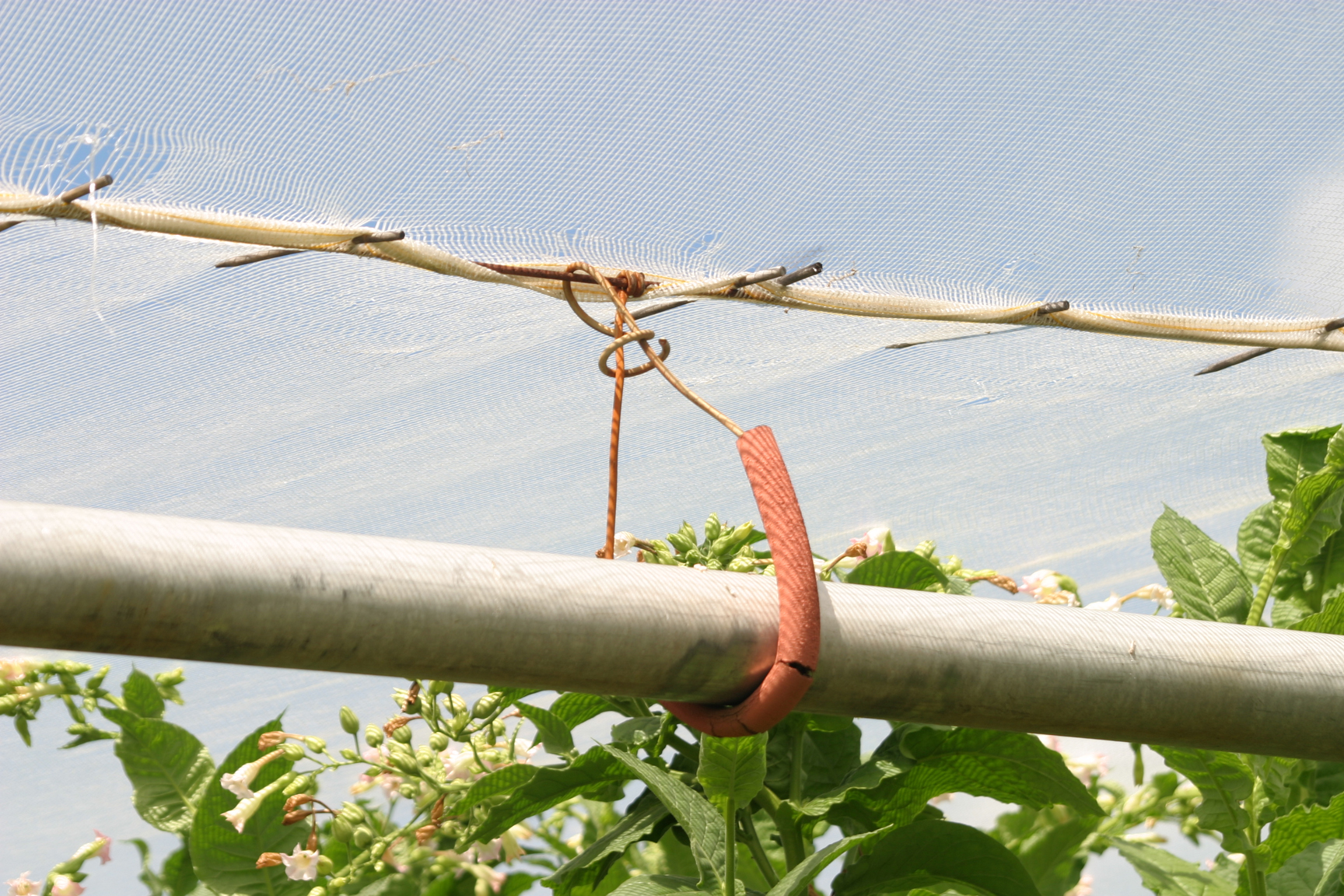
 Inside the white cloth, the ‘shade’ isn’t as dense as it would appear to be from the outside.


 The Urge to be Someplace Else
Years ago, when Suzi and I lived in Glastonbury, CT., we were across the road from a shade tobacco farm. The leaves are really large!
LikeLike
Wow…..What new & fascinating information, Ron!!!! Enquiring minds Never Stop, n’est-ce pas? No. And they shouldn’t. And it’s all so very interesting. Thank you, Ron.
I was in Lenox the first week of June. You might not have been too far away! A kiss. A hug. Remembering the good ‘ole days, DJ
LikeLike
How interesting!
LikeLike