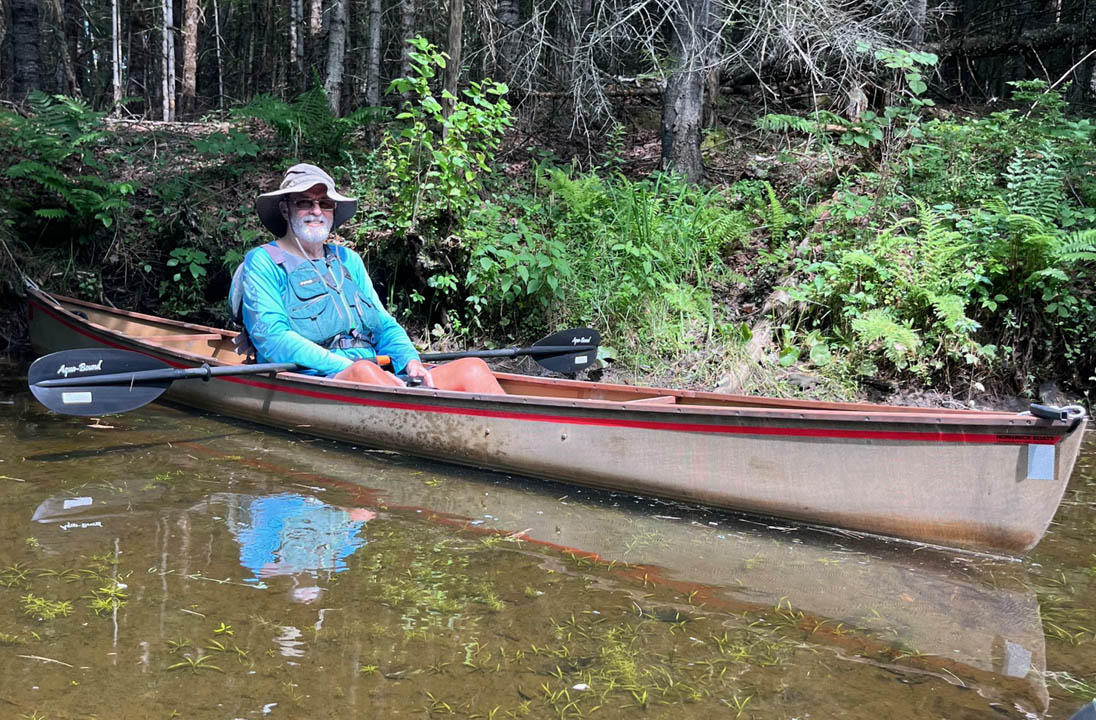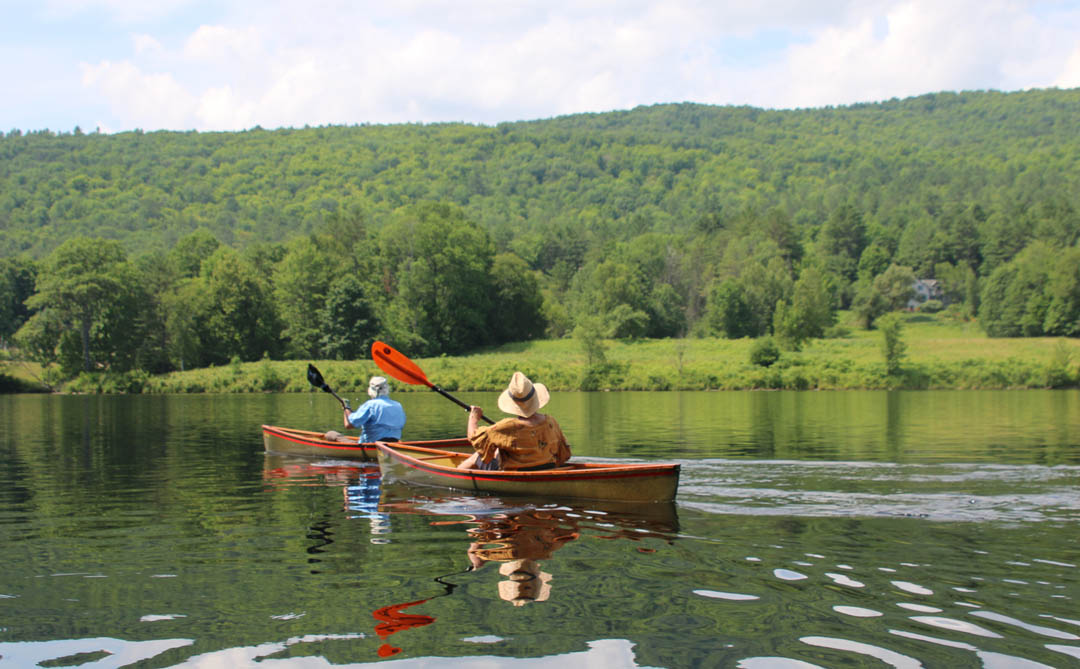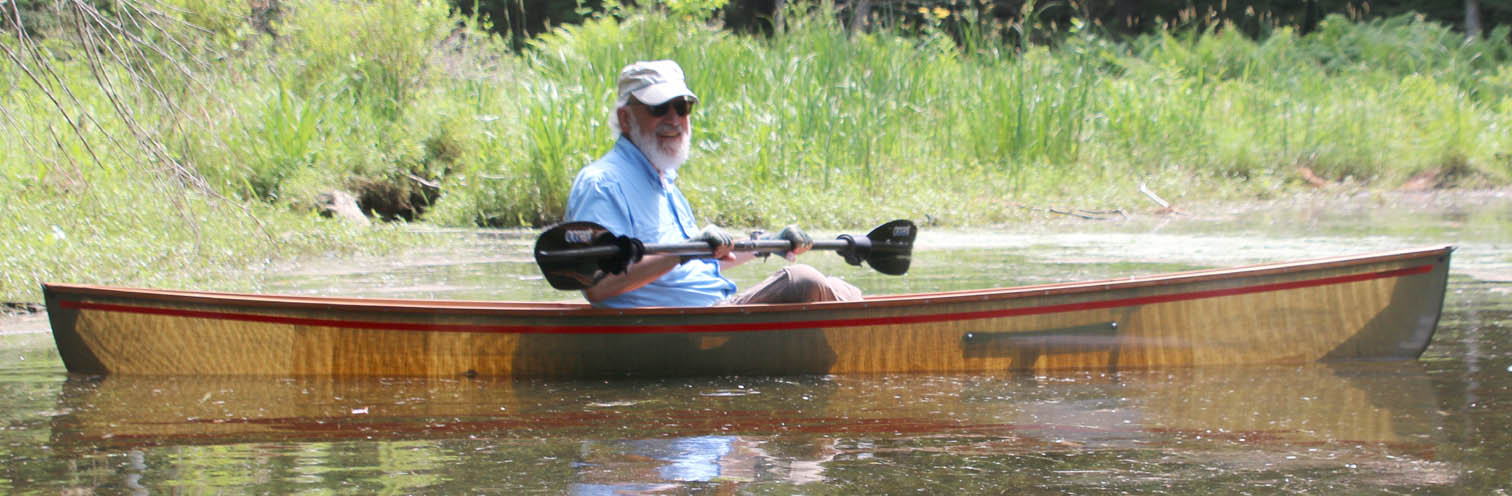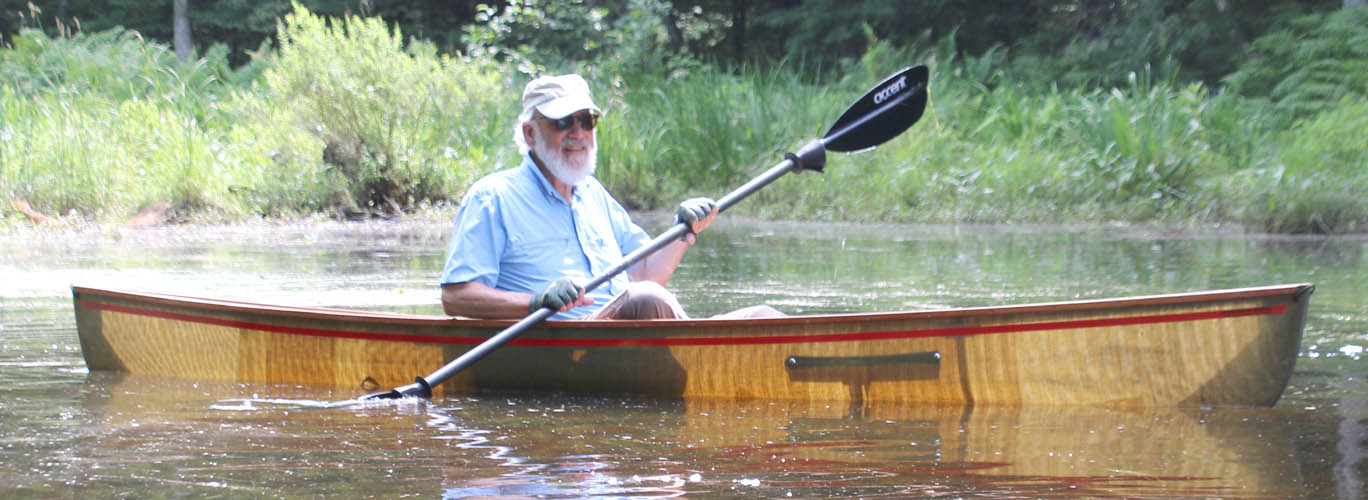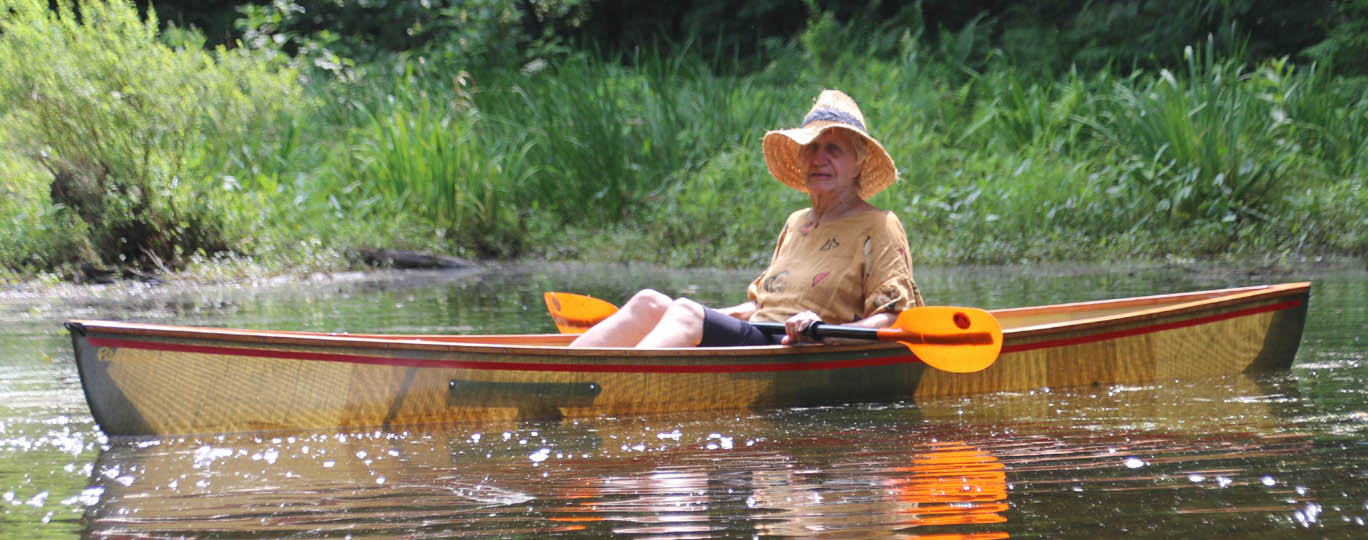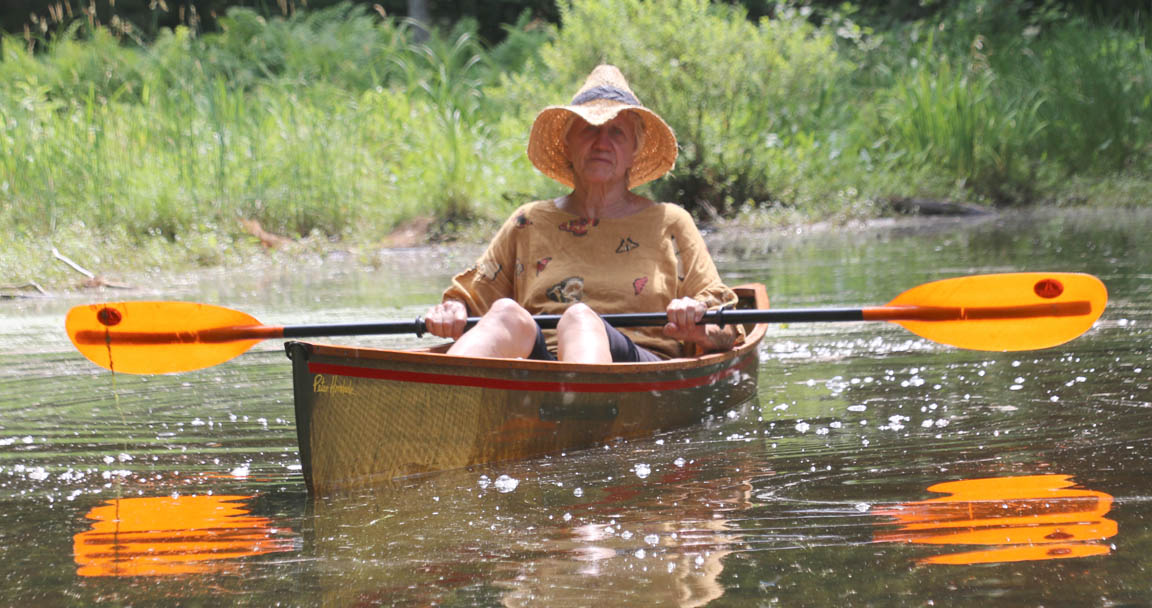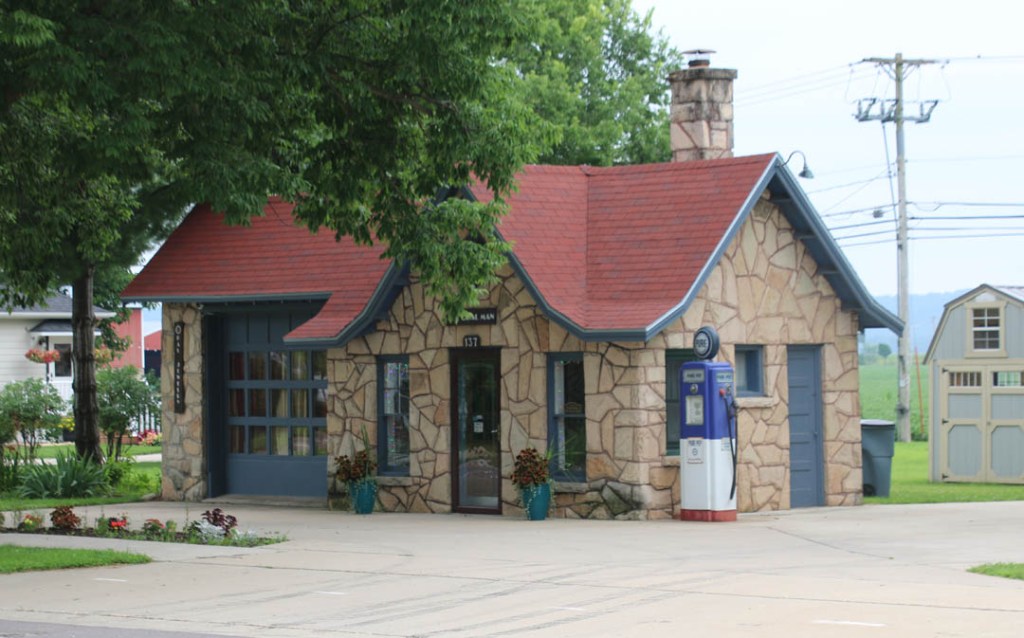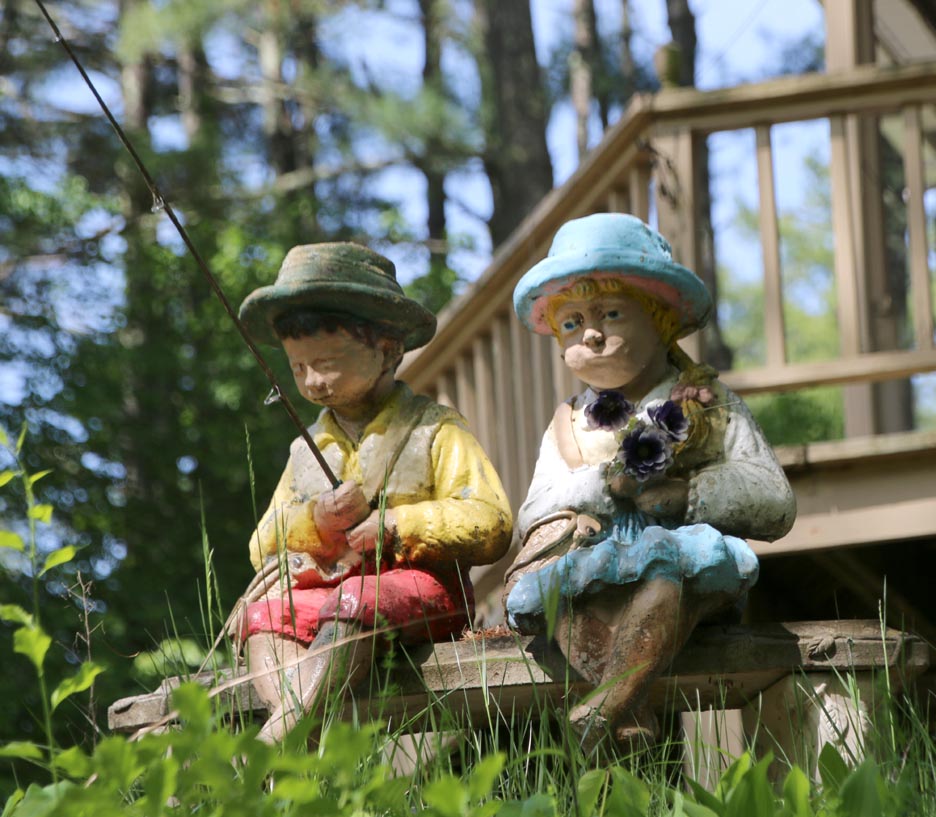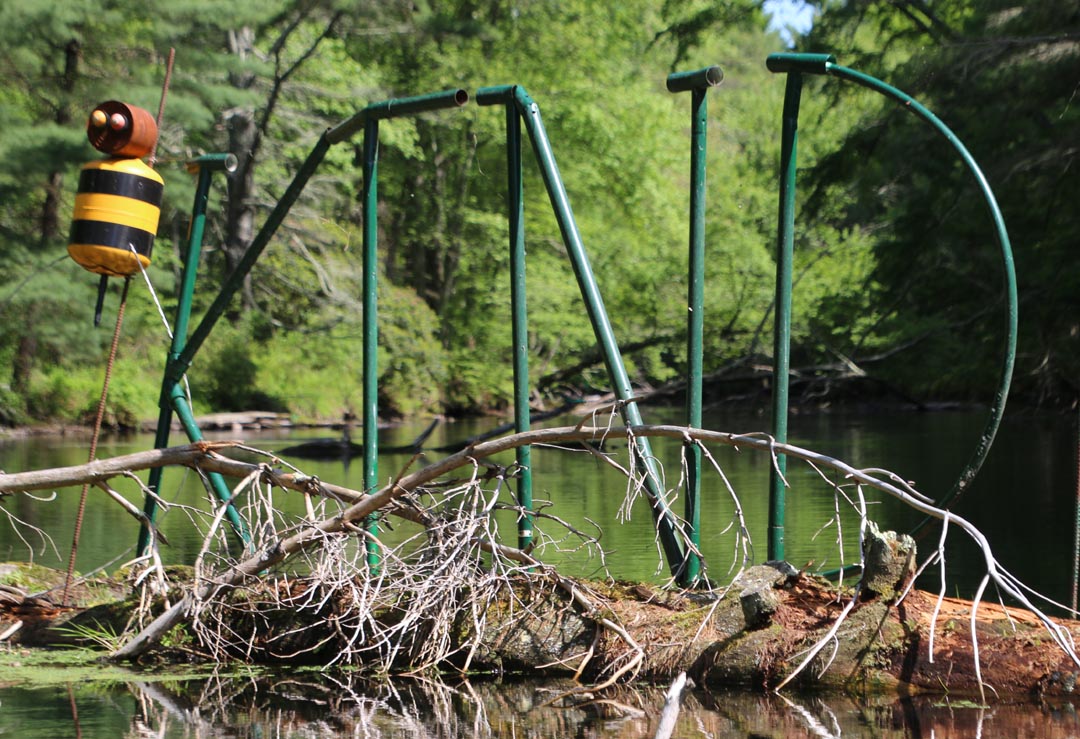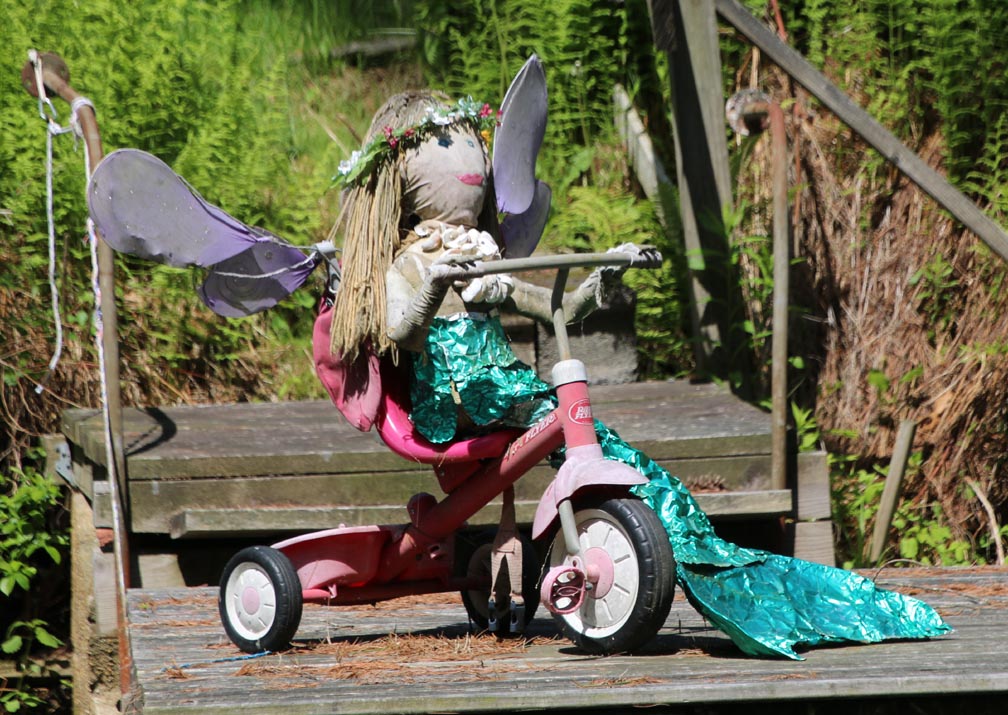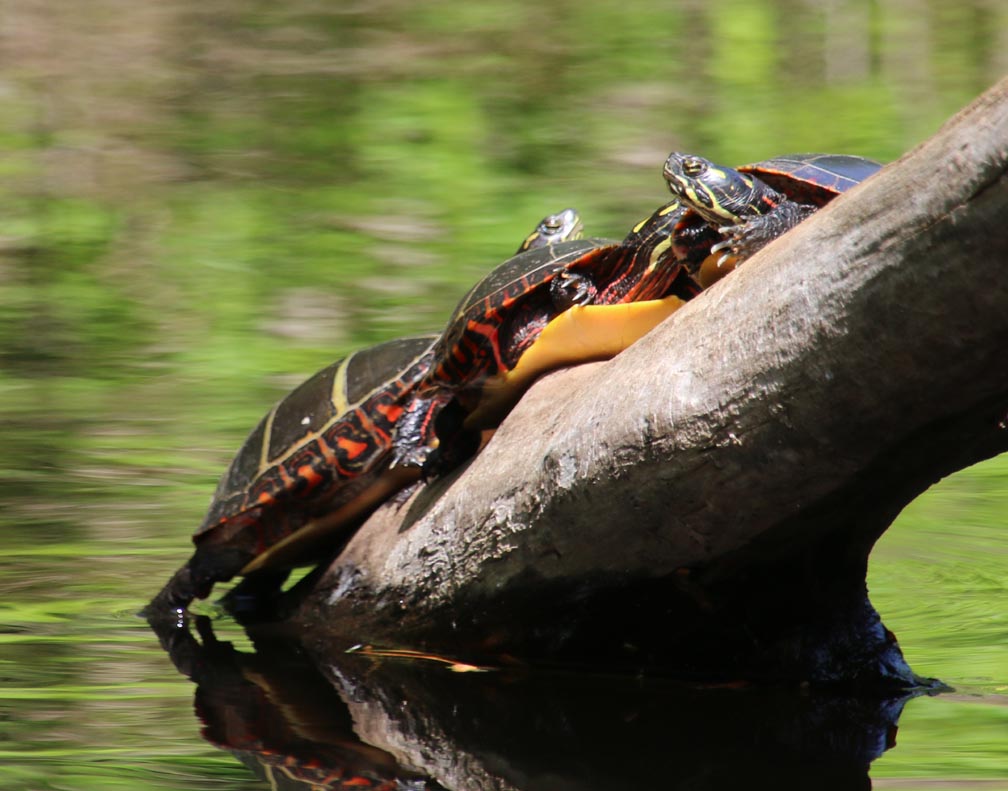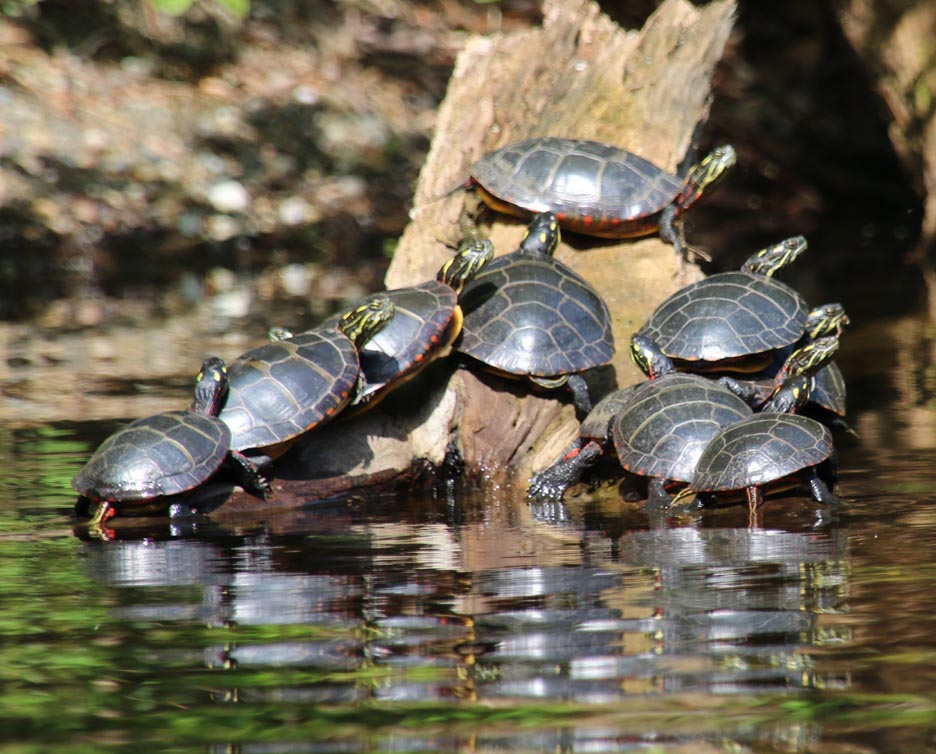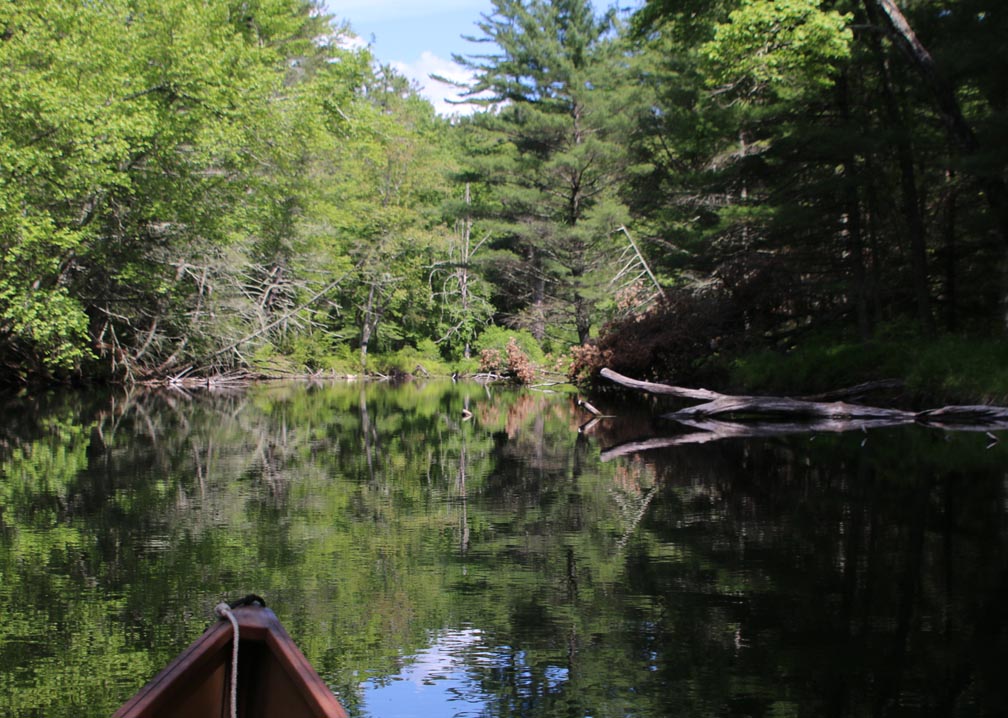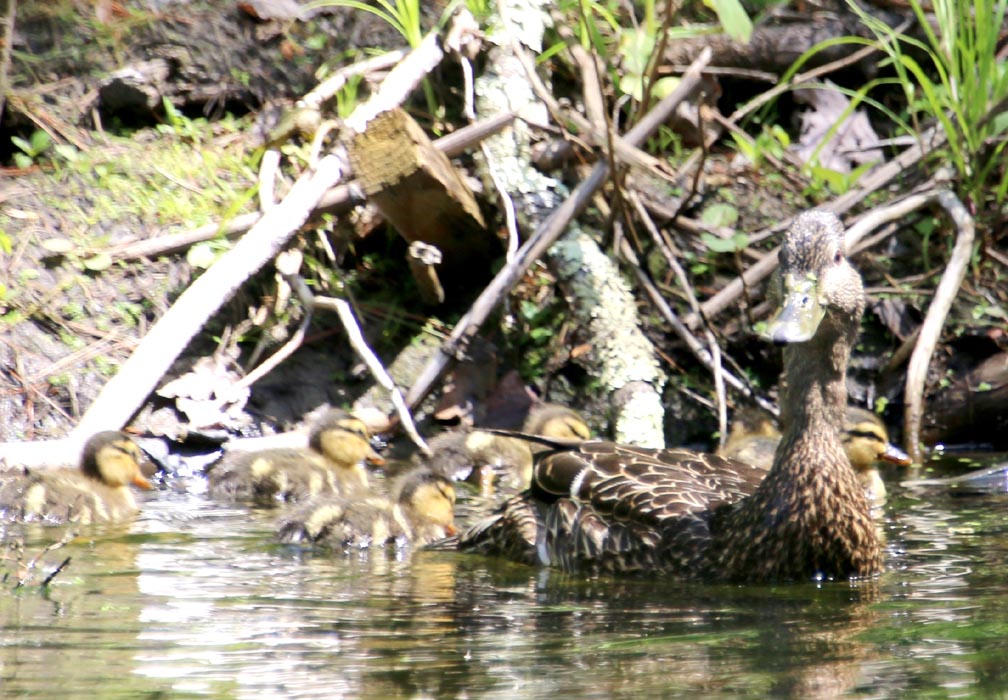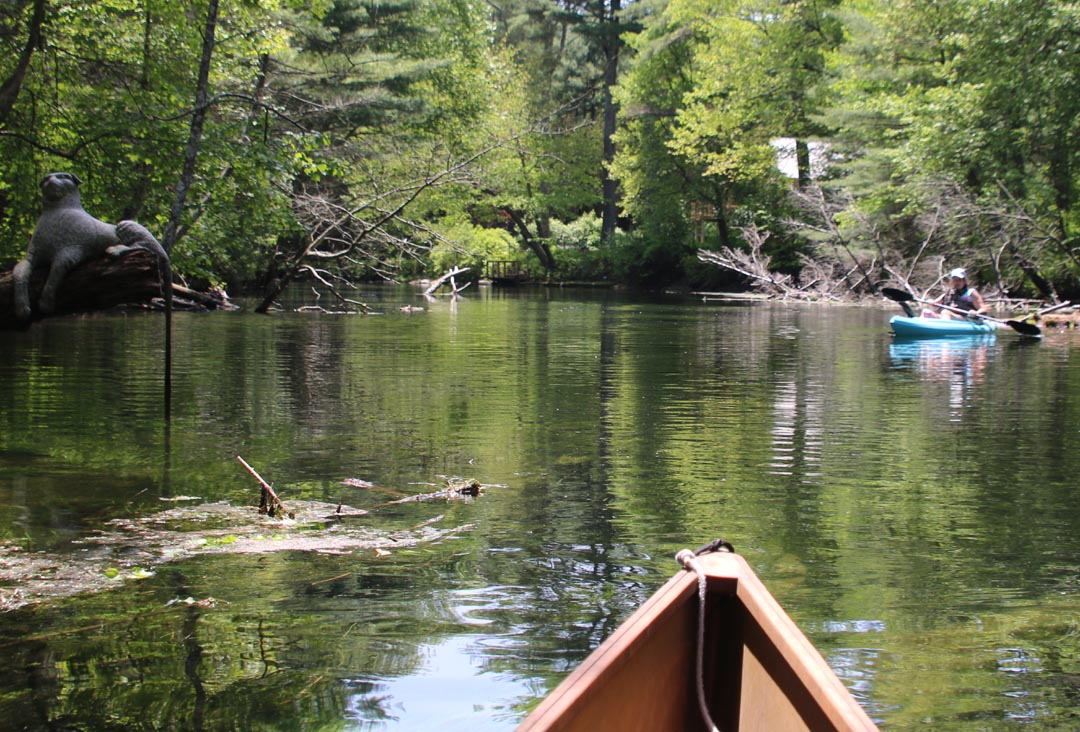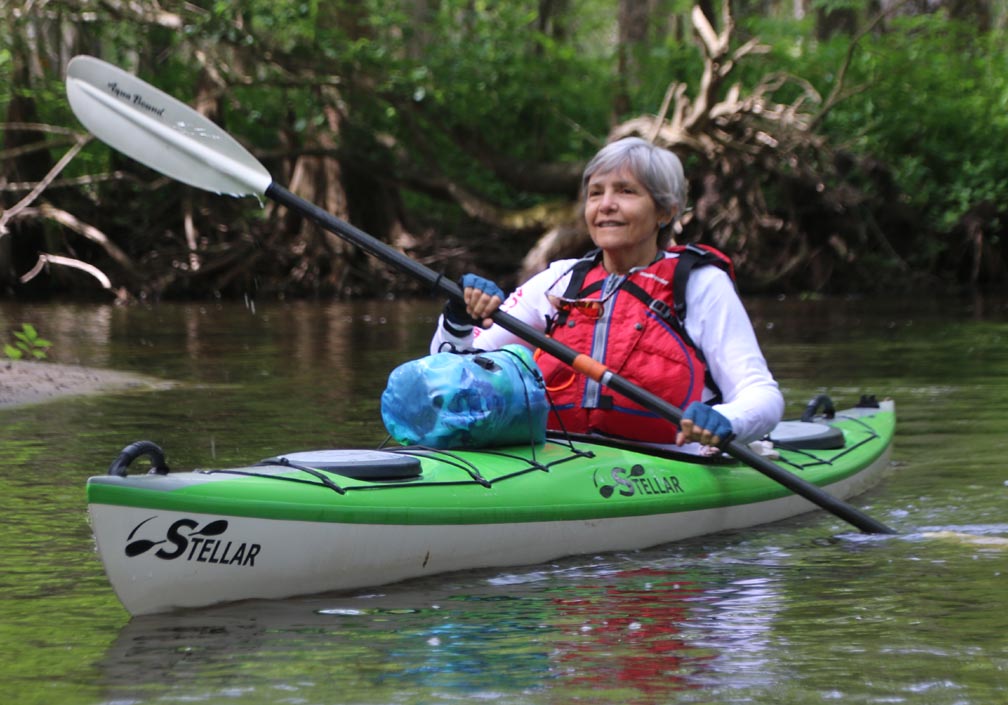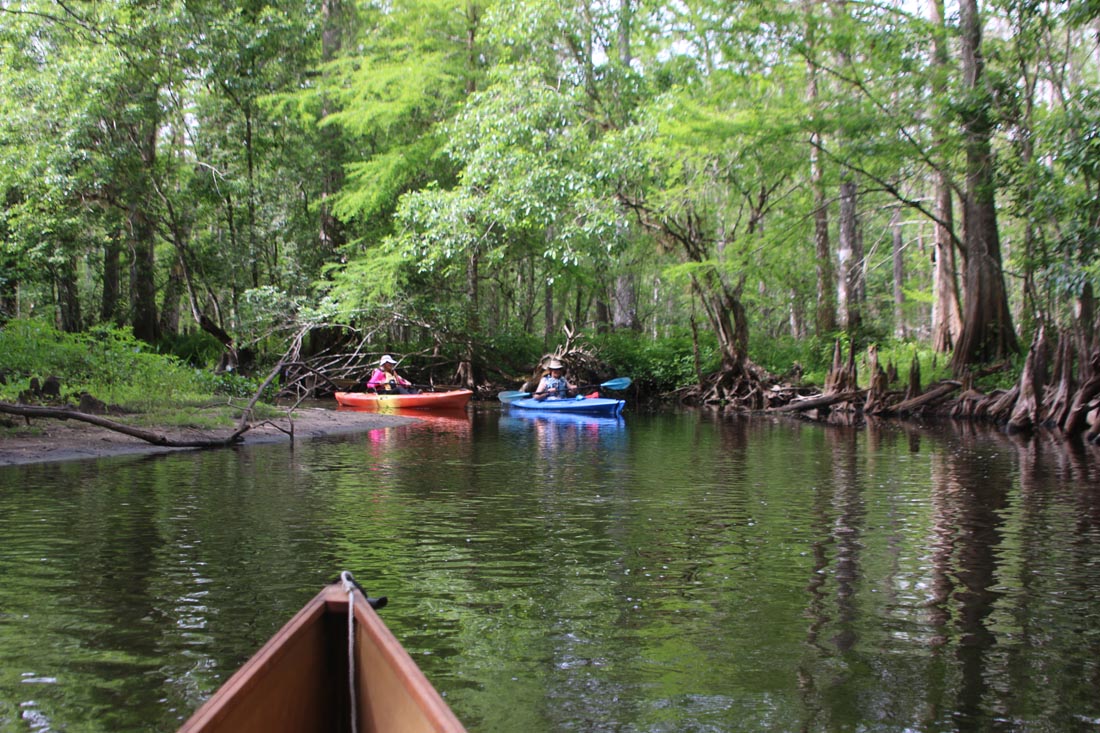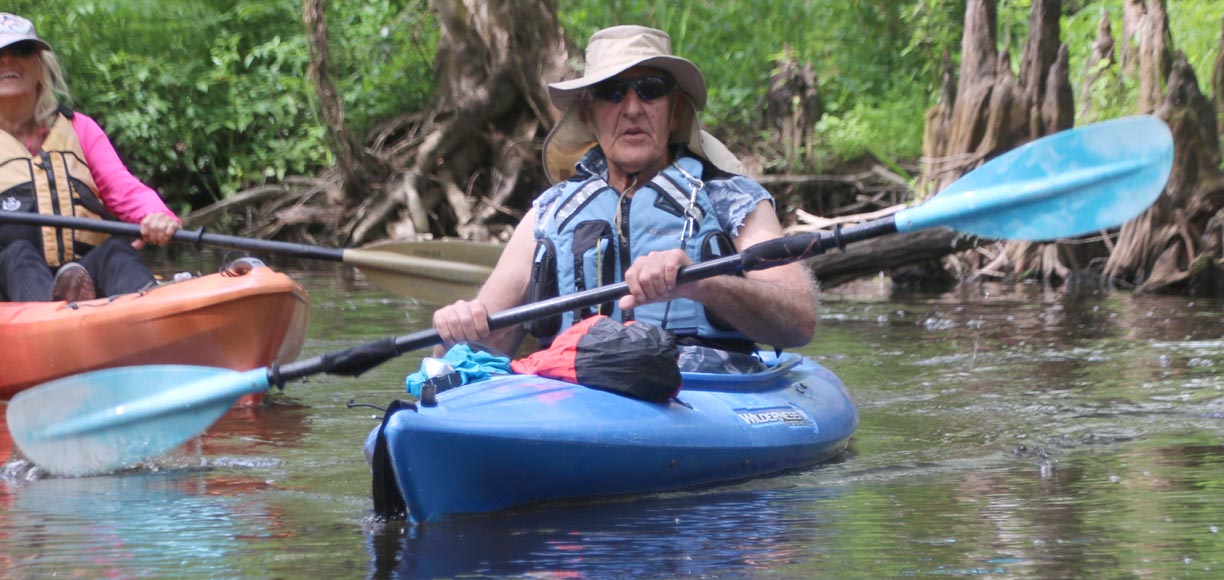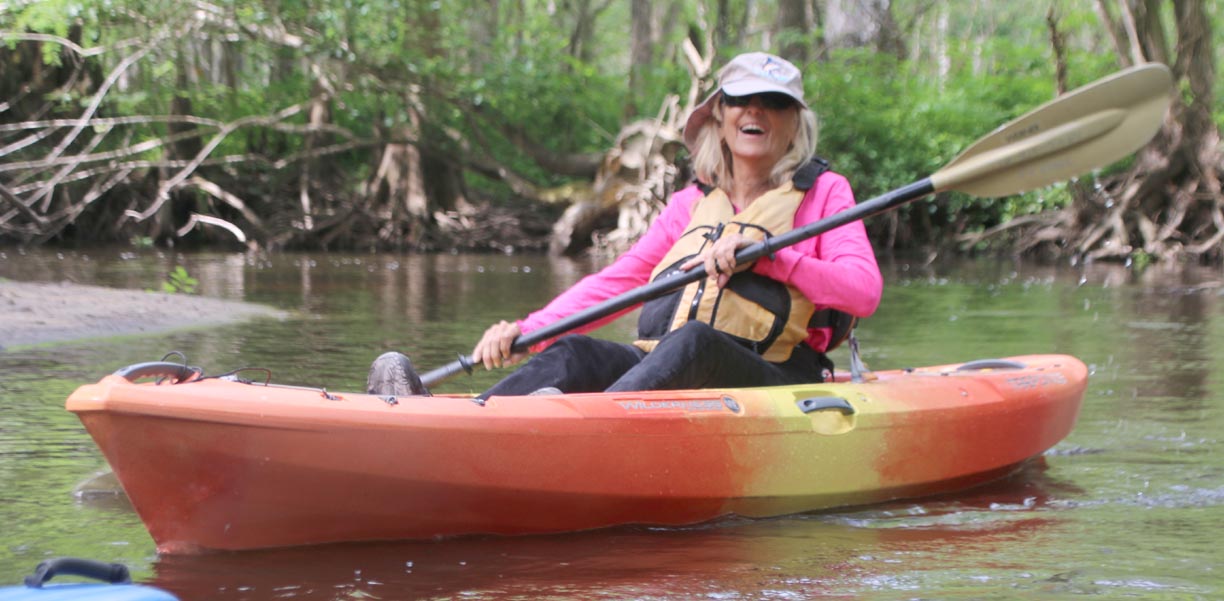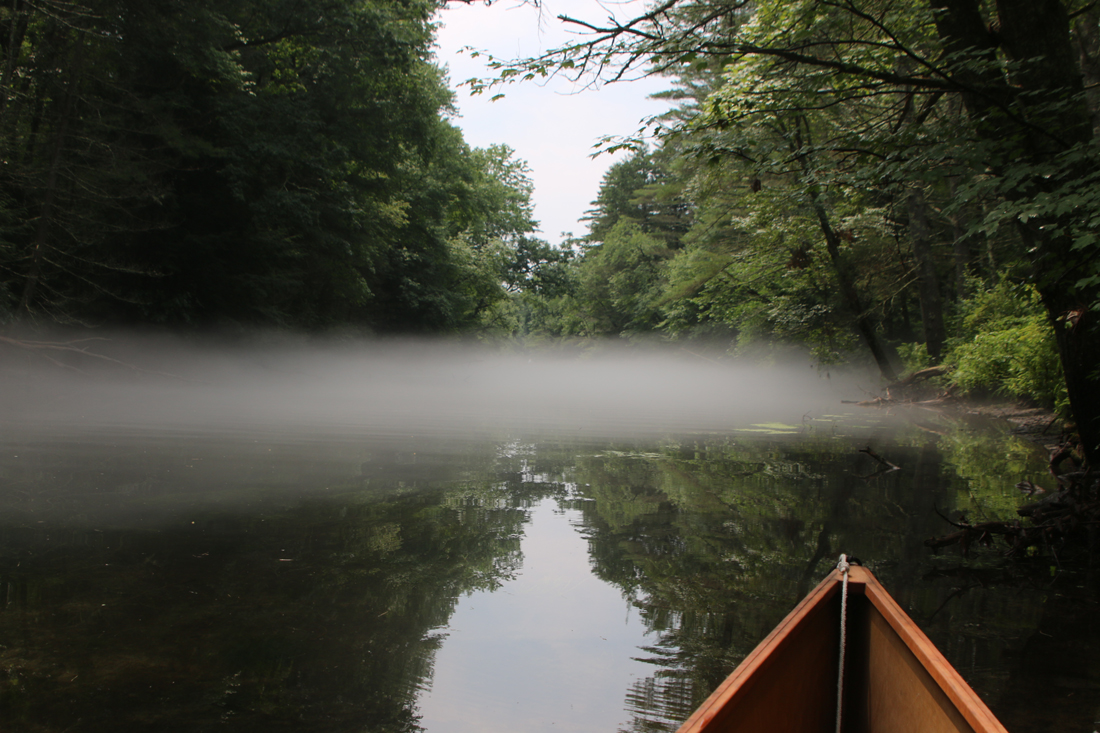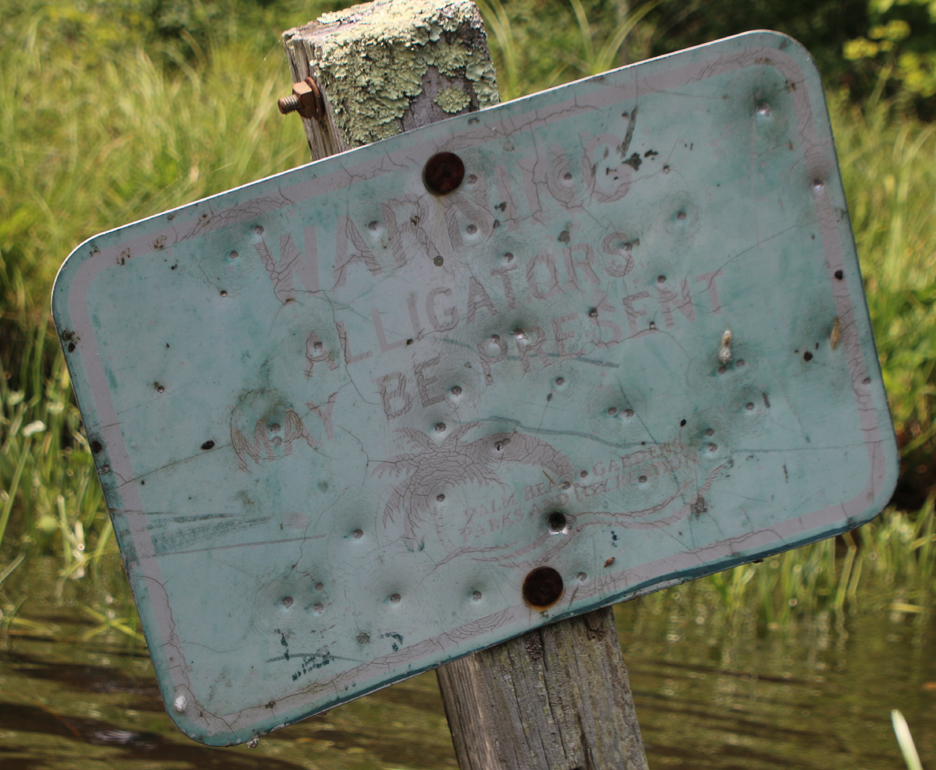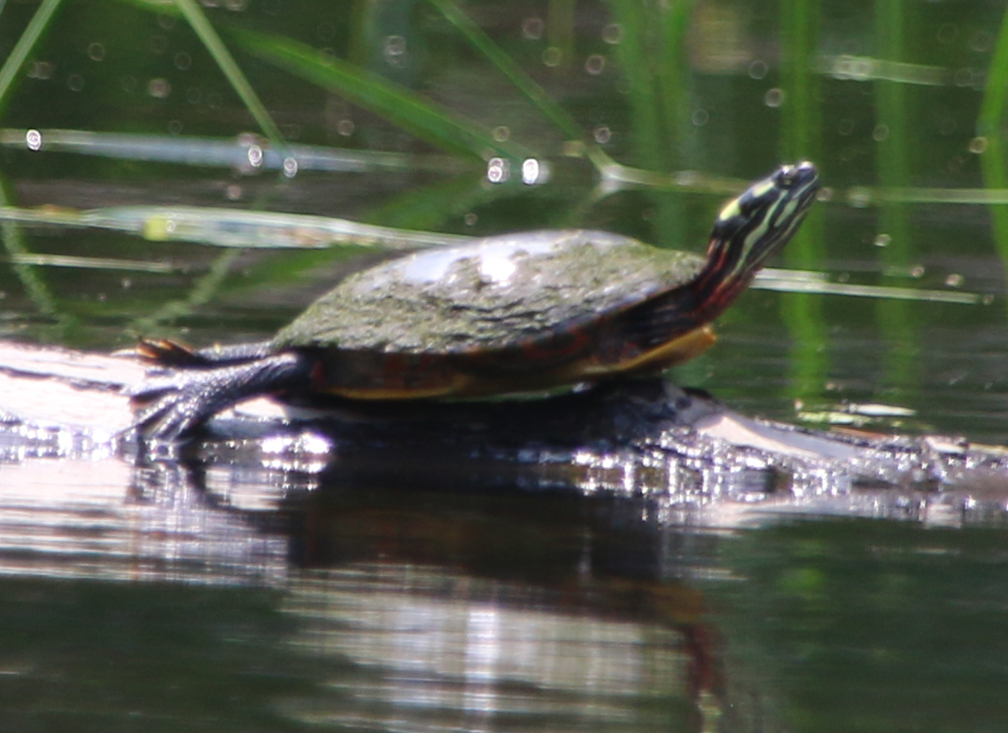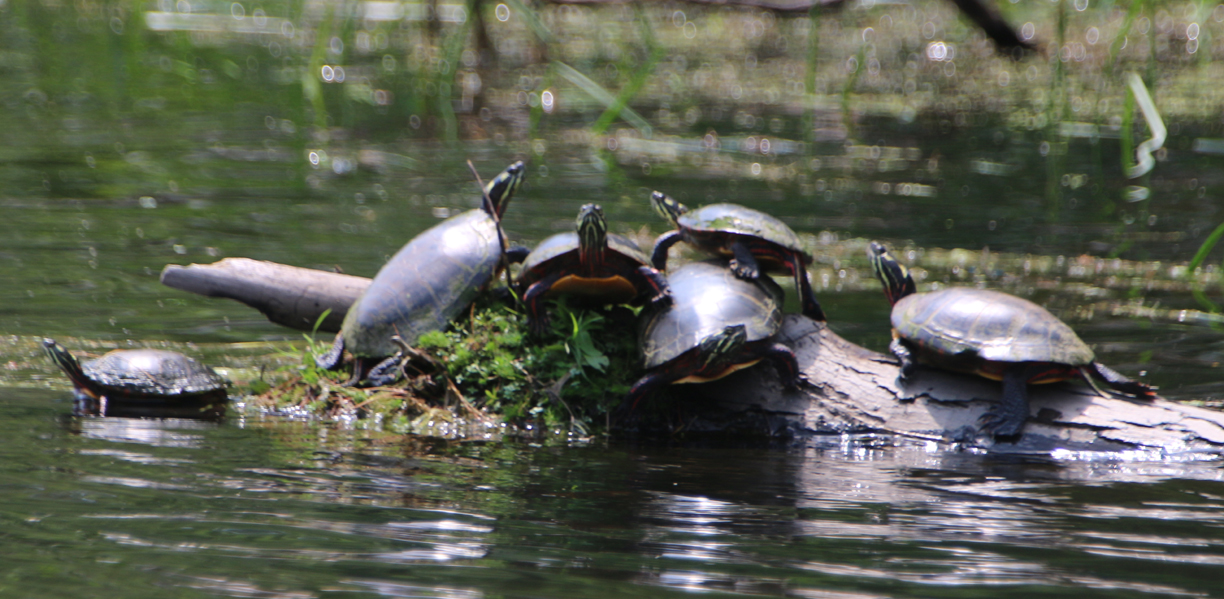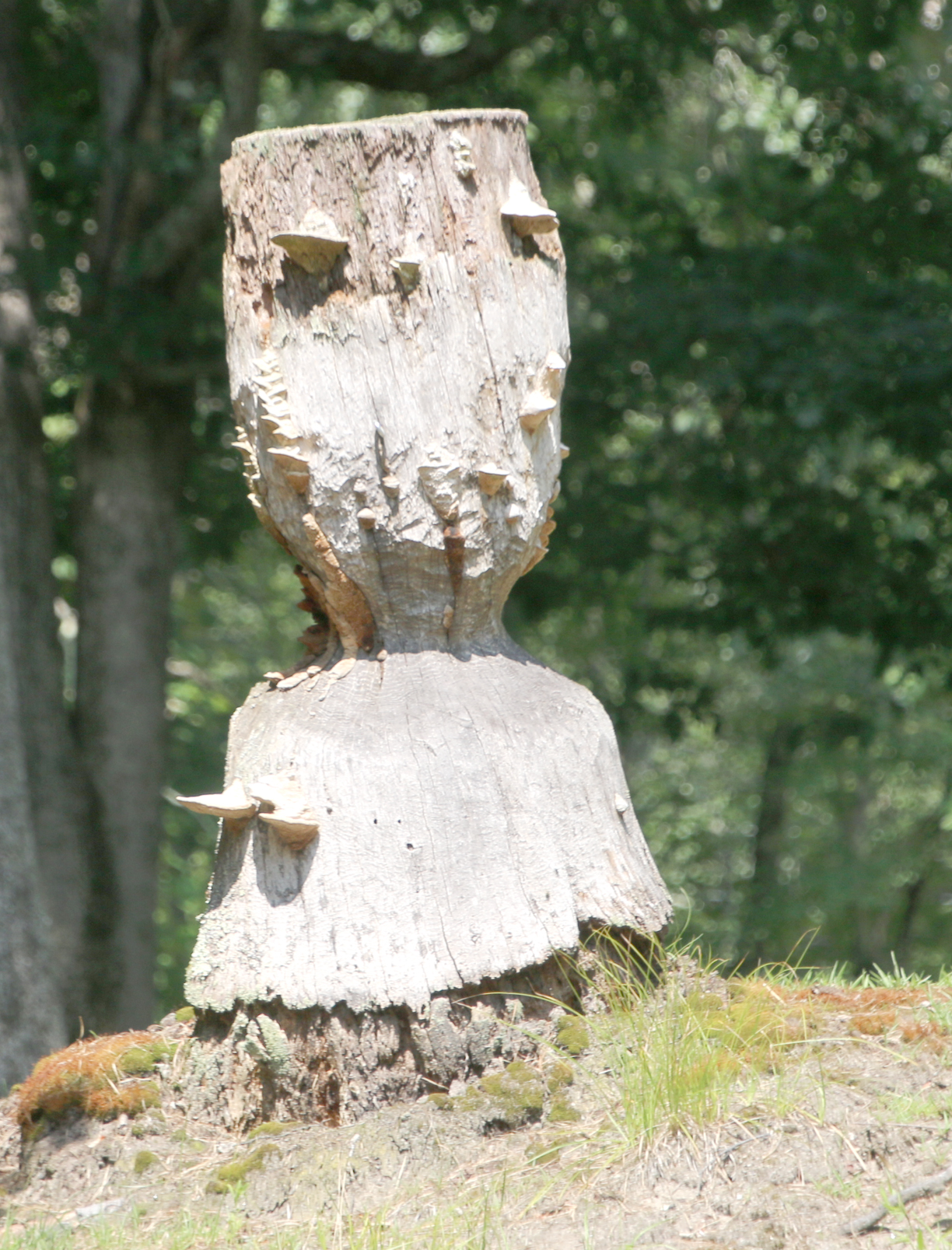
After many days of cold and rain this month the sun finally came out and the temps hit 70 and I boldly ventured out on my first paddle this season in the northeast. Years ago I gave up trying to paddle here in April. This year even May has been dicey.
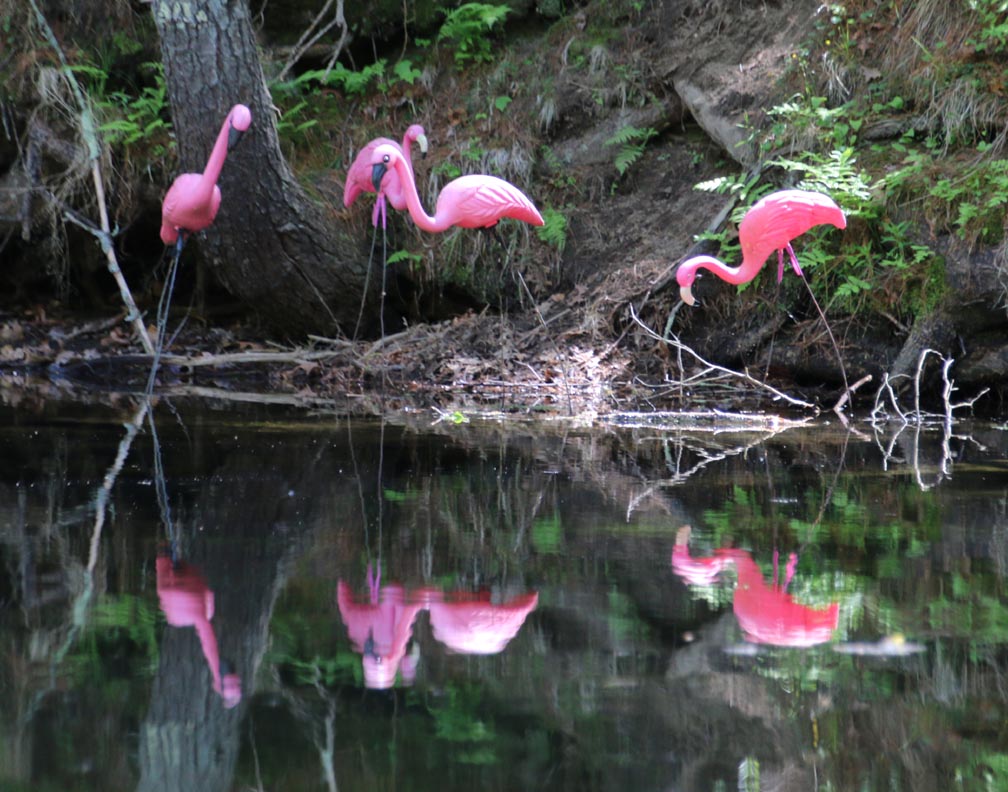
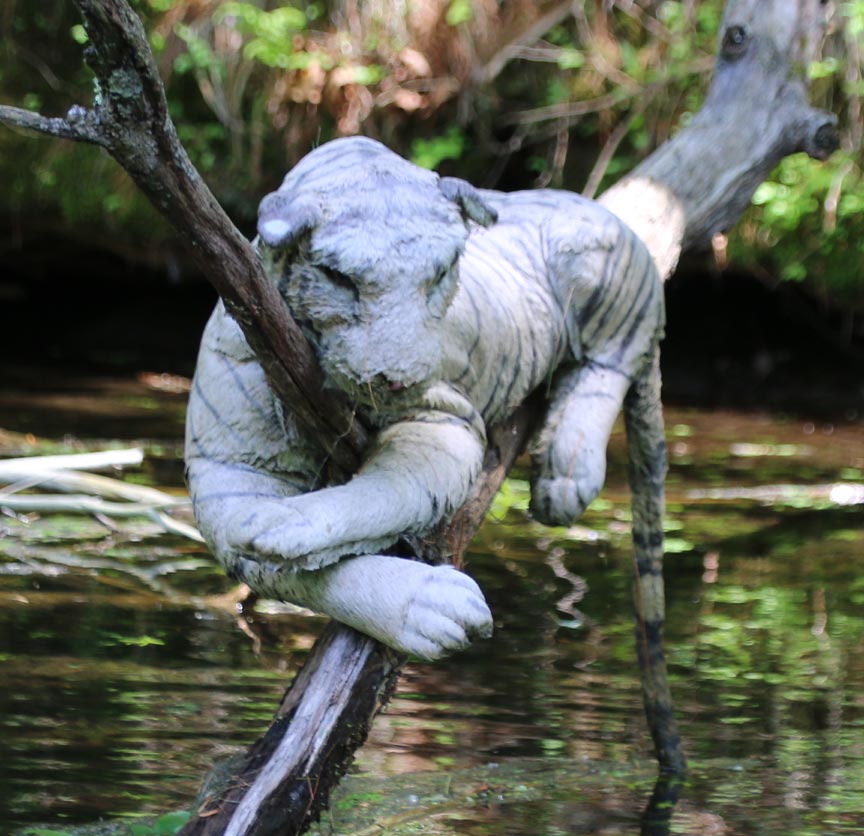
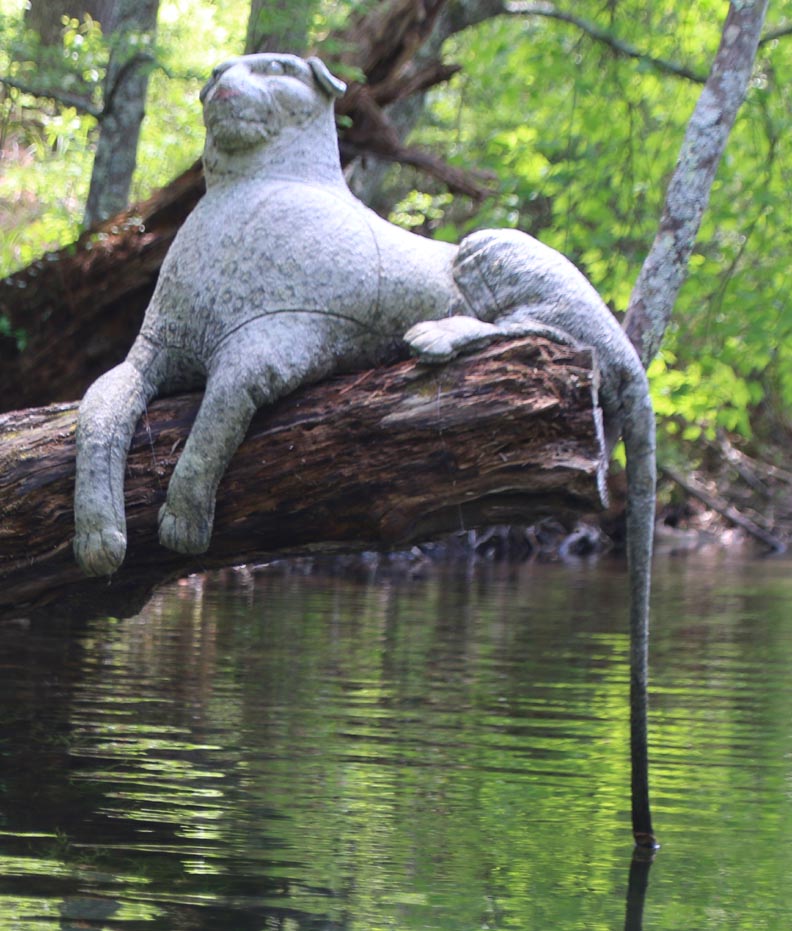
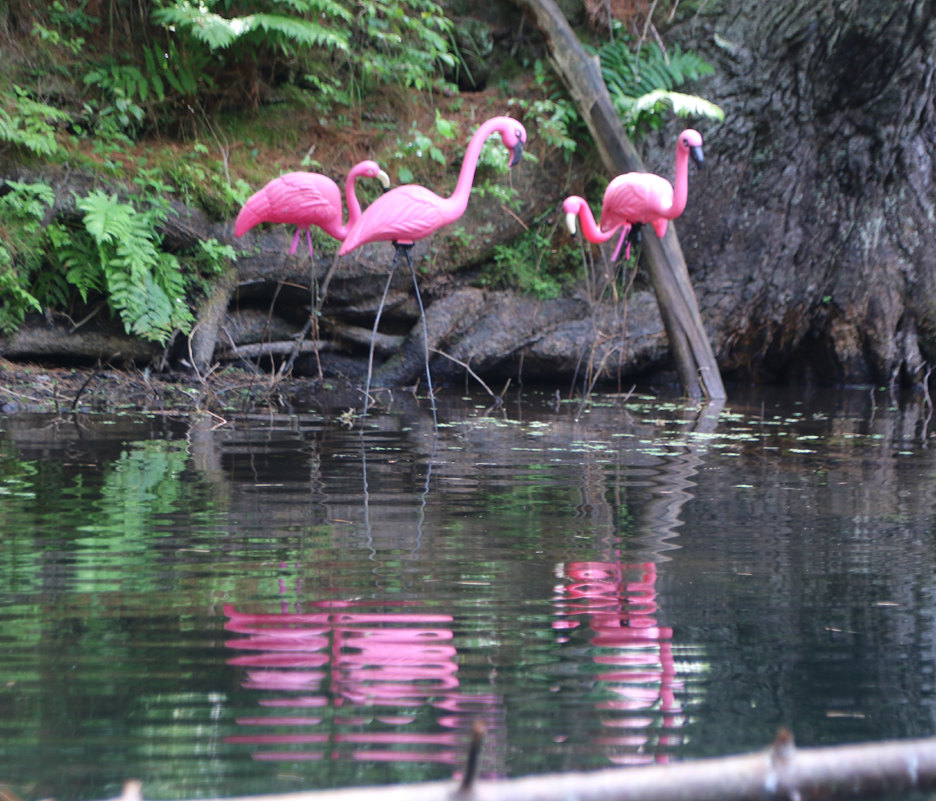
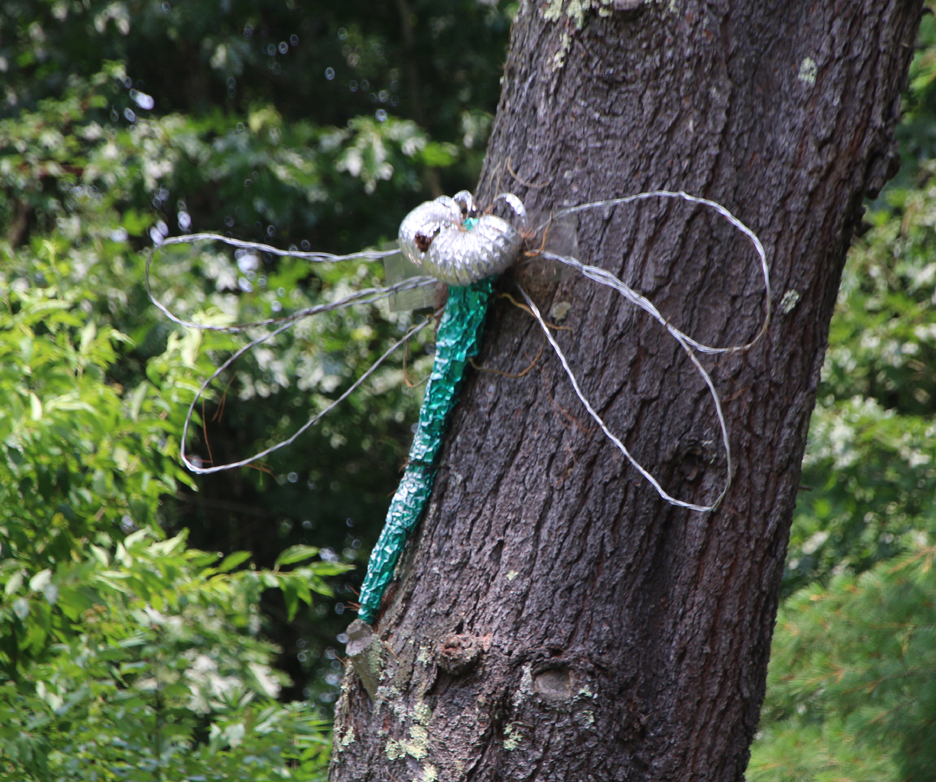
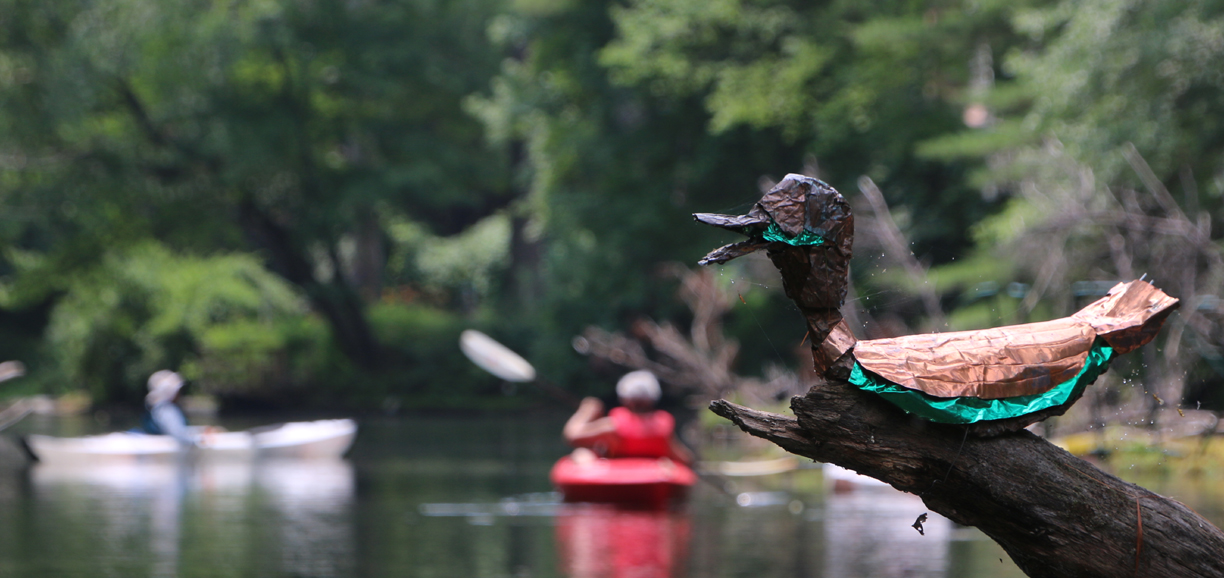
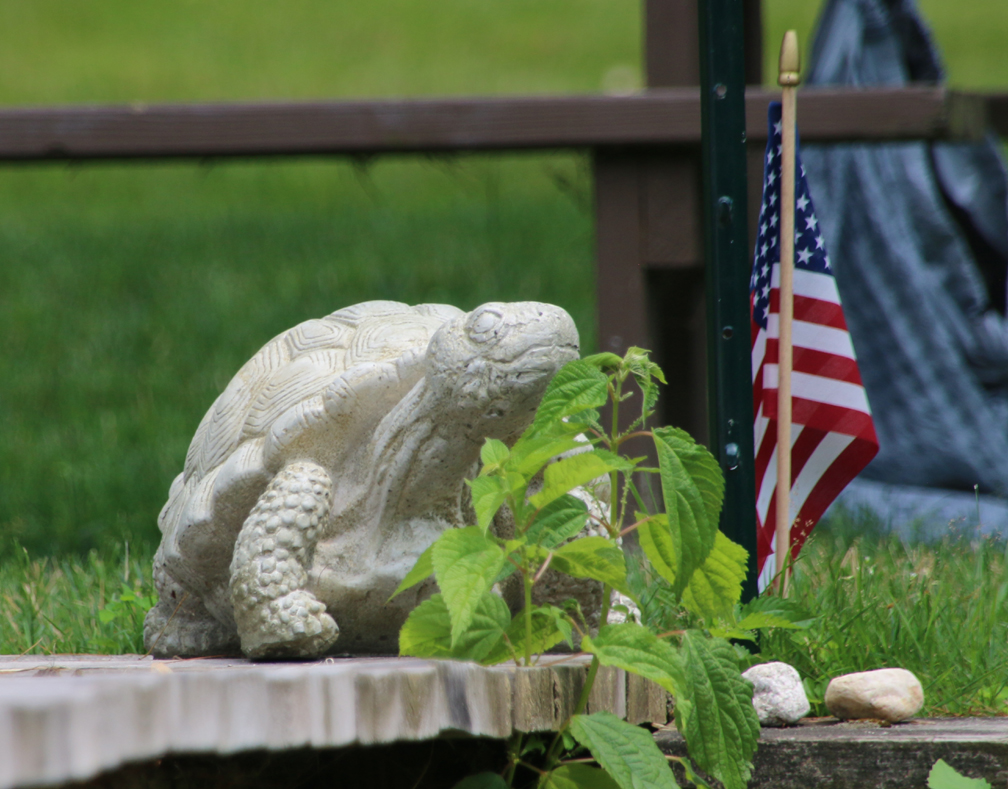
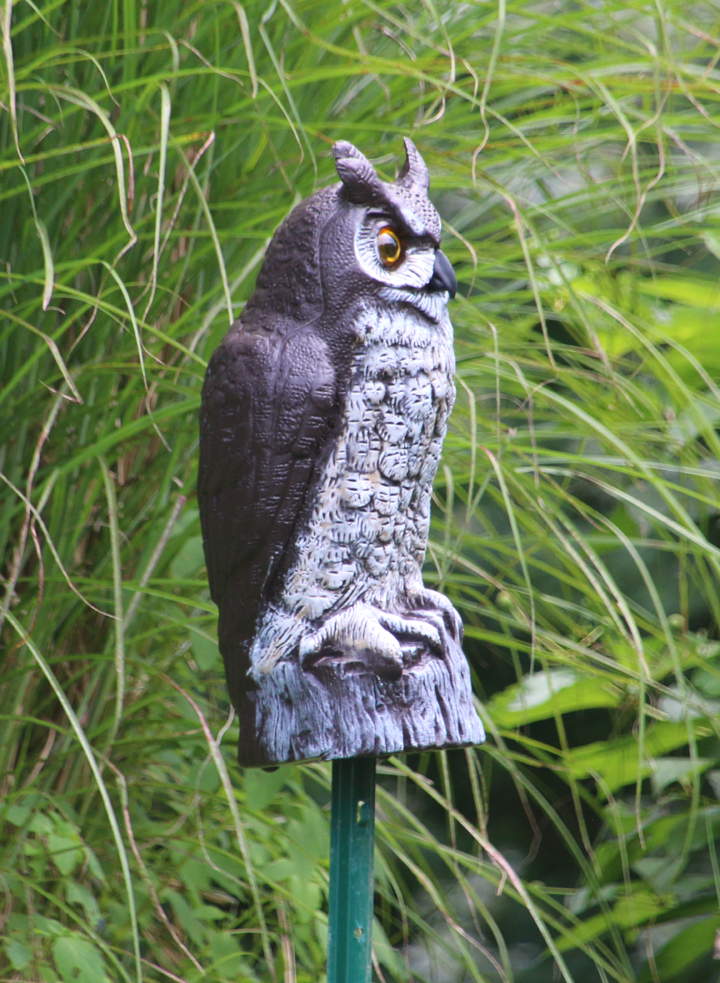
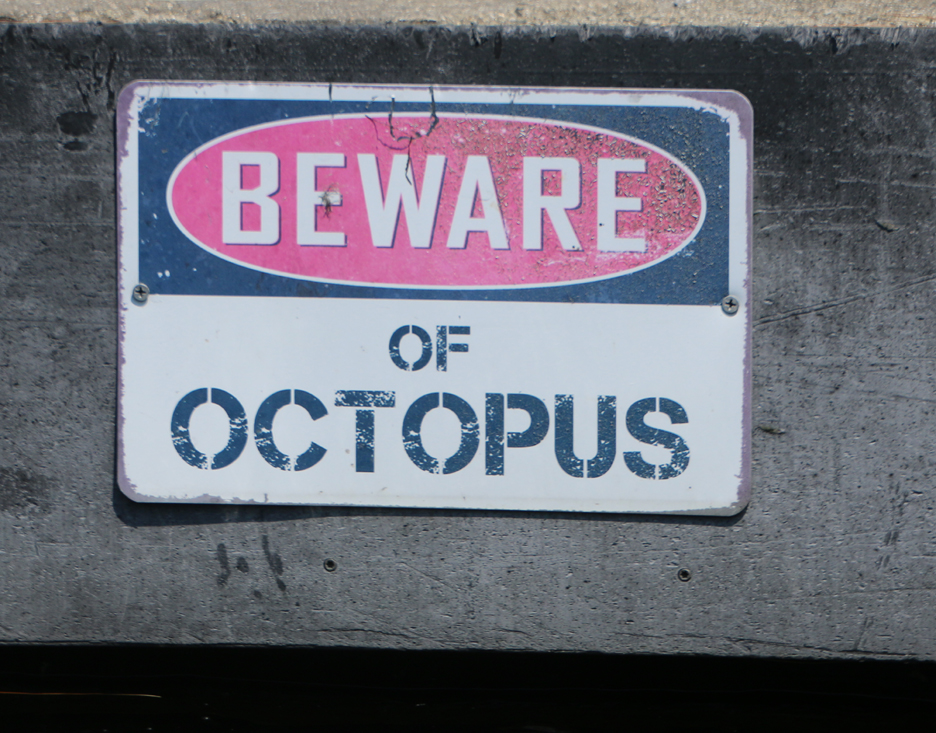
I went to my favorite place, the Swift River near Belchertown, MA. As I have said before, it doesn’t disappoint. The yard art is still on display, the trout were biting, and the always cold water set up some condensation on the inside of my canoe because the sun was bright and heating things up.
Enjoy the photos. To see my previous visits to this place, start here.
For decades I have received a Mother’s Day telephone call from a fellow late-60s Peace Corps Ethiopia volunteer.
“Ding-a-ling you Mother,” was the greeting from Jim Gregory when I picked up the phone every second Sunday in the month of May.
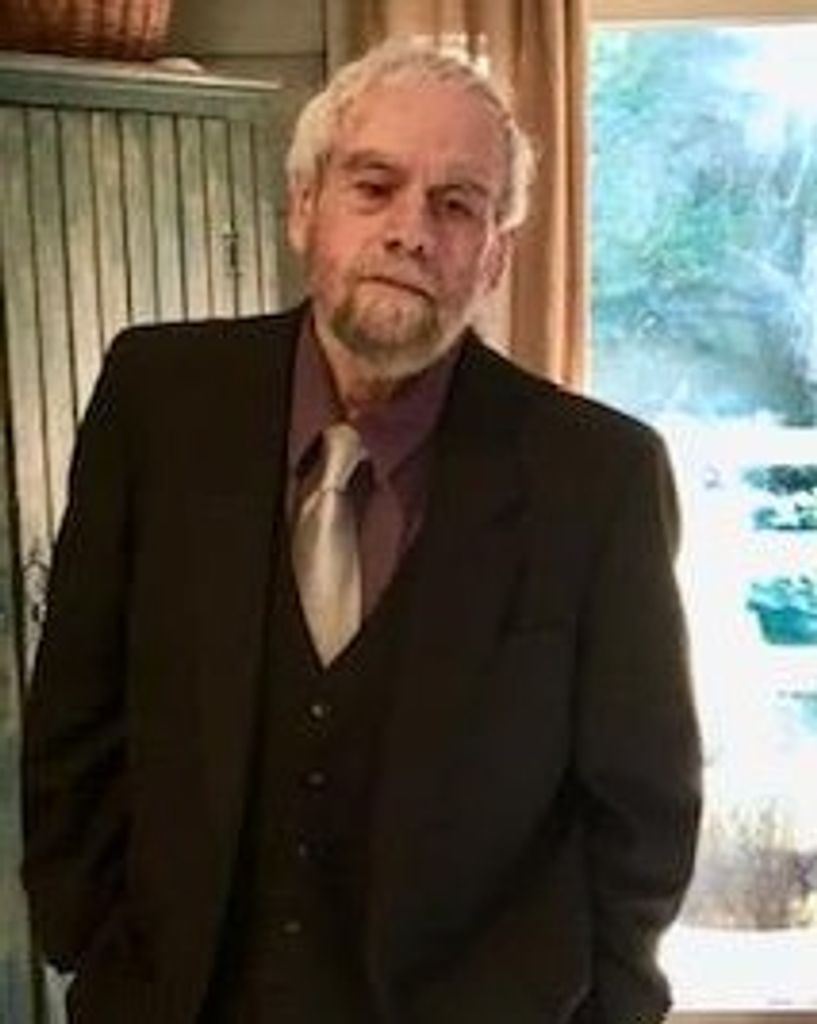
I won’t get any more calls from Ato Jim (we used the Ethiopian honorifics when addressing each other). His long battle with cancer ended April 27. He is survived by wife Suzanne and their daughter, Membere Gregory, who they adopted from Ethiopia as an infant.
Jim’s Mother’s Day greeting was a very loose modification of an Ethiopia word for “hello.” He had started using it among close friends almost from day one in the country. And it wasn’t because he couldn’t handle the language. Compared to me he was practically fluent. It was just Jim having some fun.
The actual word is pronounced roughly Ten-ASS-ta-ling, and starts with an explosive T that we don’t even use in English. Jim grabbed the ing sound and went from there, obviously.
At some point after our return to the US, Jim started calling several of us every Mother’s day.
It was his way of staying in touch and the greeting had a nice ring to it, drawing me, and I suspect the other recipients also, right back to those fascinating, frustrating and constantly interesting days in the kingdom of Haile Salassie. We’d get to not only catch up to what he was doing, but he also filled us in on each other.
I was never privy to his entire list of callees, but I know that among them were Bob Hazlett, a good friend to this day; Mimi Hanson Logan, who we lost to cancer several years ago; Frank Zahour, who was fun to travel with internationally because he was the spitting image of Omar Shariff, and Mike Roddy, who I envied because he lived in one of those great circular tukuls in Emdibir, a small village in the Gurage region. Here’s a photo of one of them, taken by Charlie Ipcar.
When I started living in Connecticut in the summers a decade or so ago, it became tradition for Sue and I to meet up with Ato Jim, who lived on Long Island; Wayzero Mimi, who lived in coastal Clinton, CT, and occasionally Ato Bob, who came up from DC, at the Lalibela restaurant in New Haven for a leisurely buffet lunch. Daughter Jennifer and family, Mimi’s husband and daughter and the spouses of Jim and Bob were usually in attendance as well.
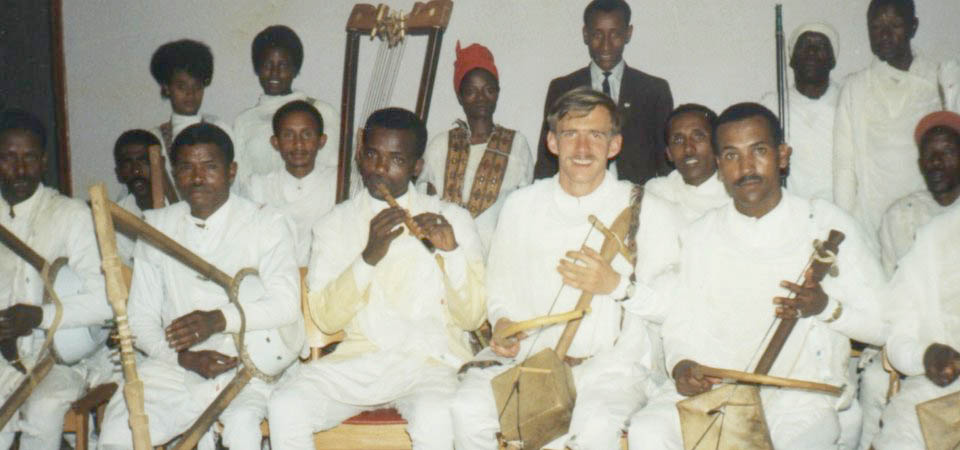
For any former Ethiopia volunteers reading this, I believe Charlie Sutton still plays jazz every Saturday night at the Lalibela. Charlie was a couple of years ahead of me in his service in Ethiopia and had become a member of Orchestra Ethiopia. He and the Peace Corps helped the Orchestra arrange a US tour in 1969 and in March of that year they appeared on the Ed Sullivan show. Below is a photo of Charlie with the orchestra.
Ato Jim was stationed in Dilla, a full day’s bus ride south of Addis Ababa, the capitol. I was stationed in Addis. Feeling guilty about living in a place with plumbing and 24-hour electricity, I made it a point to get out into the boondocks to visit my friends from training who were living in far flung places. Ato Bob was in Sheno, only a few hours from Addis, so I went out there several times. Mimi was in Hosanna, which required a plane trip or a day-long bus ride and a day-long mule ride, because there was no road all the way to the village. I visited her once. I took the plane out and she and I came back to Addis via the mule and the bus. My butt hurt after that trip.
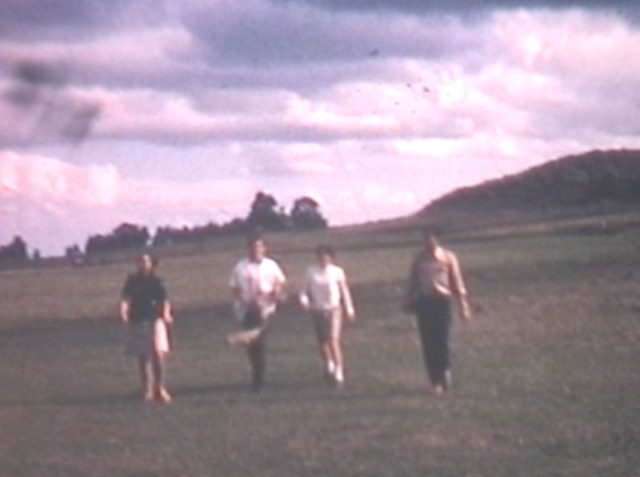
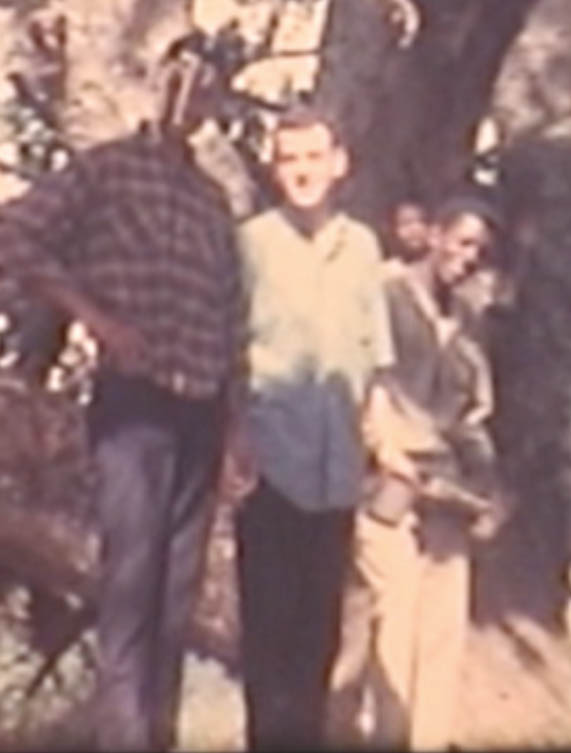
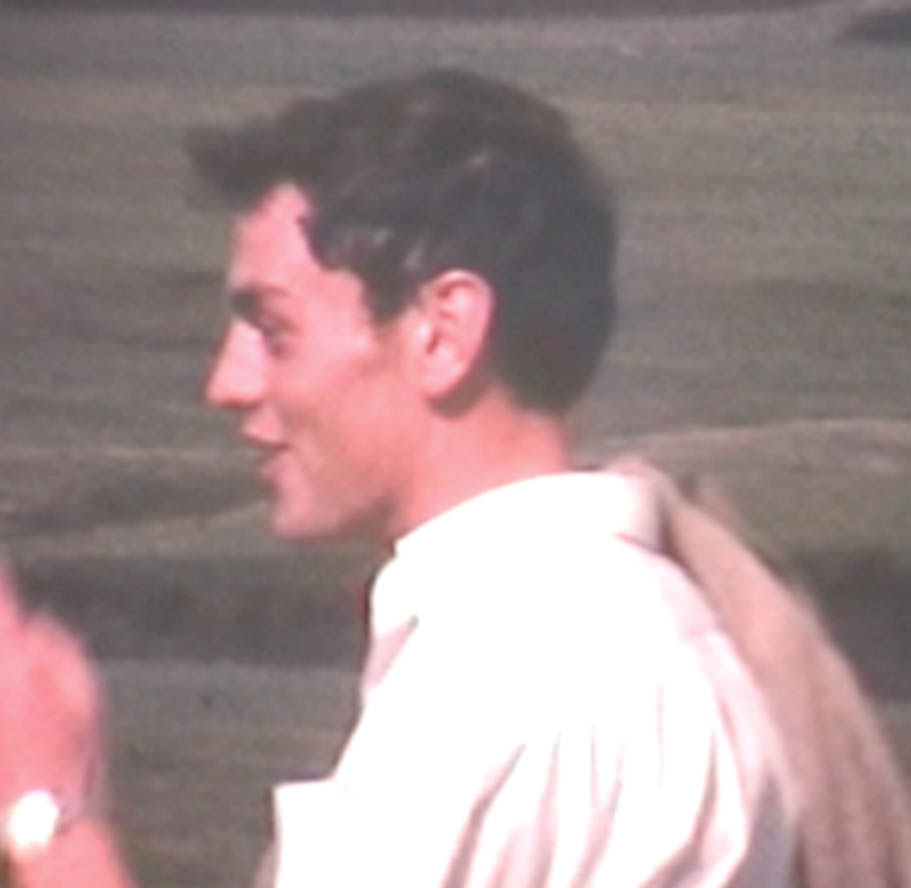
Here are some grabs from movies I took back then.
Jim, Bob and Mimi at the University of Utah during training the summer of 1967.
Mimi, Jim, Kathleen Yordi, and Bob in the countryside outside of Sheno, Ethiopia.
Ato Jim, way out in Dila, a day away on a dusty uncomfortable bus, also got just one visit from me. He was a trooper I have to say. Gastro-intestinal issues were nearly constant, and the teaching assignment was tough, but he stuck it out for a year. He learned the language well, made a lot of friends in town and kept his sense of humor intact.
I visited him over a Western holiday, Christmas I think, and we’d been invited to dinner by an American missionary family living in a nearby village. We both had visions of a great meal, maybe not traditional turkey and all the fixings, but something fabulous, compared to our normal fare.
The main course was lentil soup, followed by chocolate pudding for dessert! Jim and I could not look each other in the eye over dinner!
Below are a couple movie grabs from when I visited him in Dilla. We had hiked a ways out of town with a few of his students. Note the roll of toilet paper in his hand! I could not fathom having to be armed with toilet paper every waking minute, but that’s what he was going through.
I remember Jim’s battle with the Peace Corps office to get stationed in Addis Ababa his second year. As he retold it, they actually advised hm to just shut up and go back to Dilla or they’d send him home and let the draft take him. He recounted laughing and pointing out that if they took a look at his file they’d see he only had sight in one eye (a childhood thing as I recall) and was hardly Army-bait. They relented and he ended up at a high school in Addis his second year, much happier. Mimi also got herself reassigned to Addis her second year.
Jim was one of the good ones and I will miss knowing he’s on the planet, his yearly ding-a-ling and the good times we had sharing memories on the too seldom occasions we saw each other.
I aimed for the same motel where I experienced two magnificent rainbows in 2020, the Alpine Motel. Alas no rainbow appeared this time but it was a nice stop anyway.
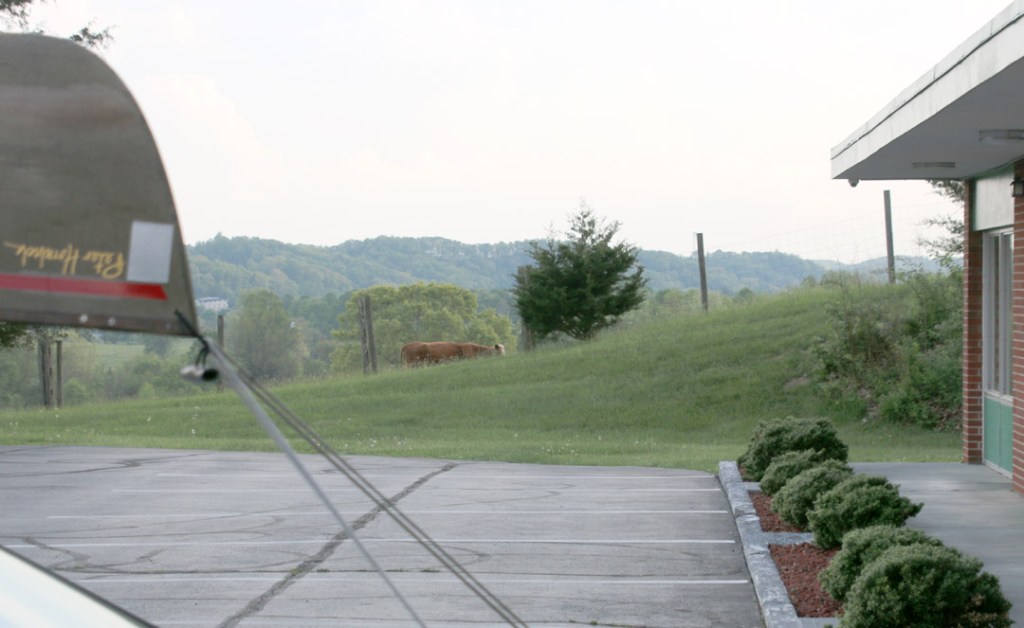
The Alpine is barely a half mile off the interstate, but up on a hill, with the road out of sight and sound down in a valley. On the west end of town, the place has a rural feel, and even a cow next door. The rooms have been rehabbed and the management changed since my last stay, but the price was up only $20 a night from five years ago.
The cow nextdoor stood still long enough for me to get one frame.
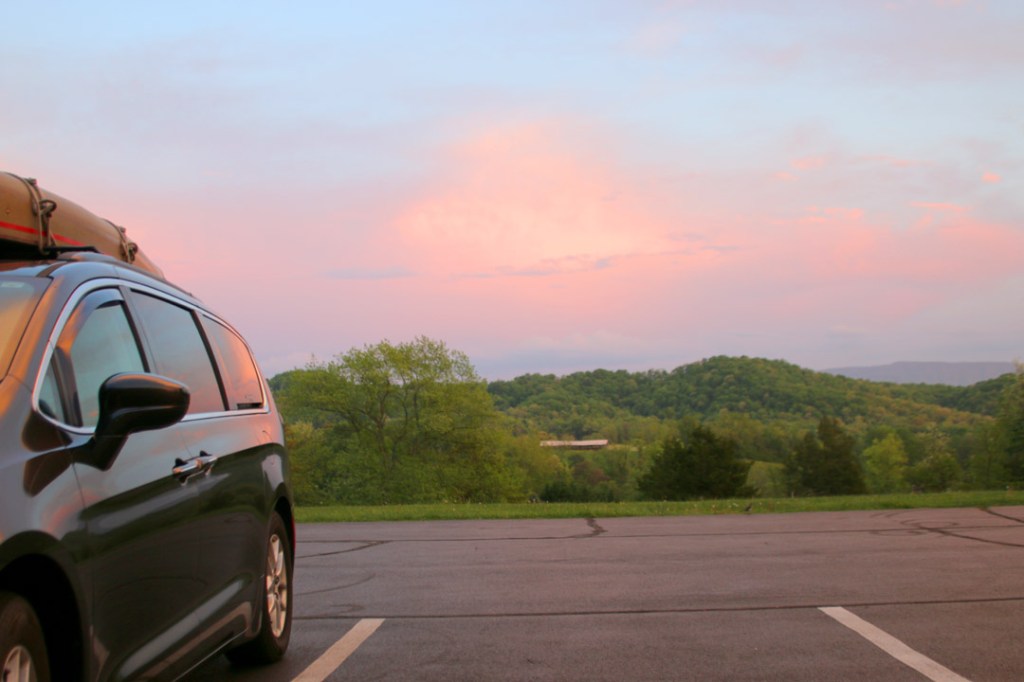
There was no rainbow but the evening view from the chair outside my room was pretty sweet.
I took a drive through downtown of course and found a nice place to chill and have dinner. Drove past the Barter Theatre, where Rod Gibson, the friend I visited in Georgia, used to interview celebrities when he worked for the paper in nearby Kingsport TN.
The theatre is the longest running professional Equity theatre in the US. When it opened in 1933 the price of admission was 35 cents or an equivalent amount of produce. Four out of five theatregoers paid their way with vegetables, dairy products and livestock.
Even today it offers at least one performance a year for which admission is with a donation to Feeding America Southwest Virginia. It is now the State Theatre of Virginia.
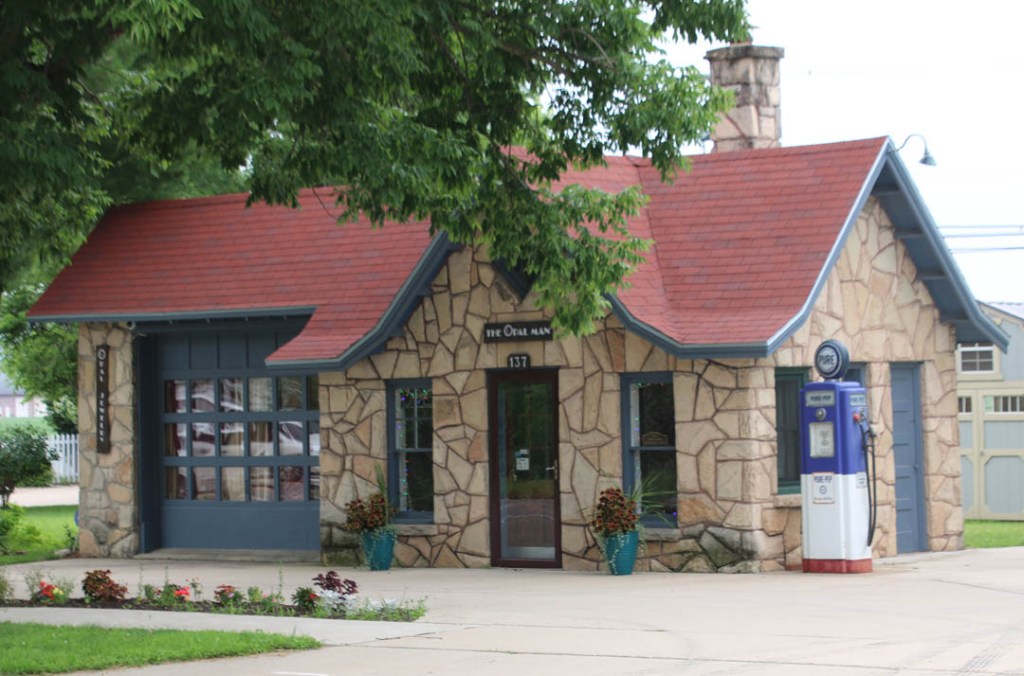
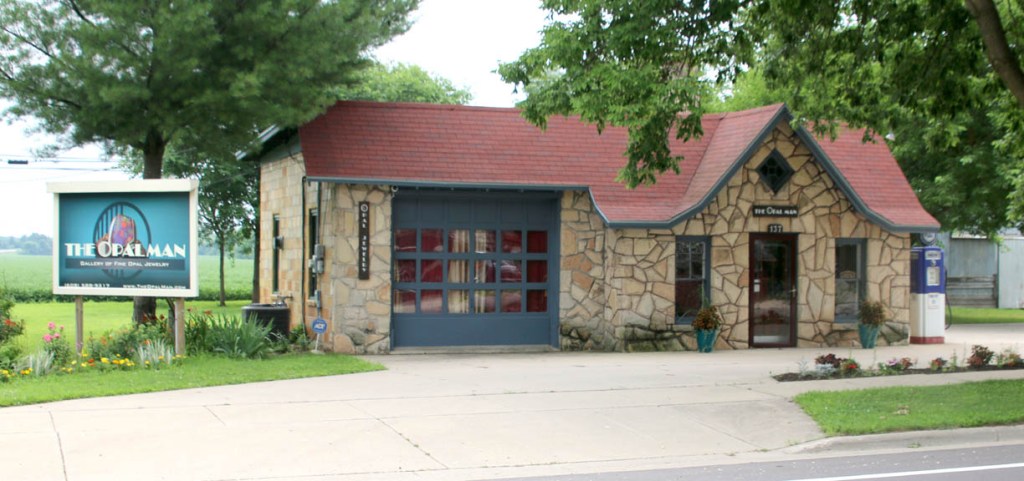
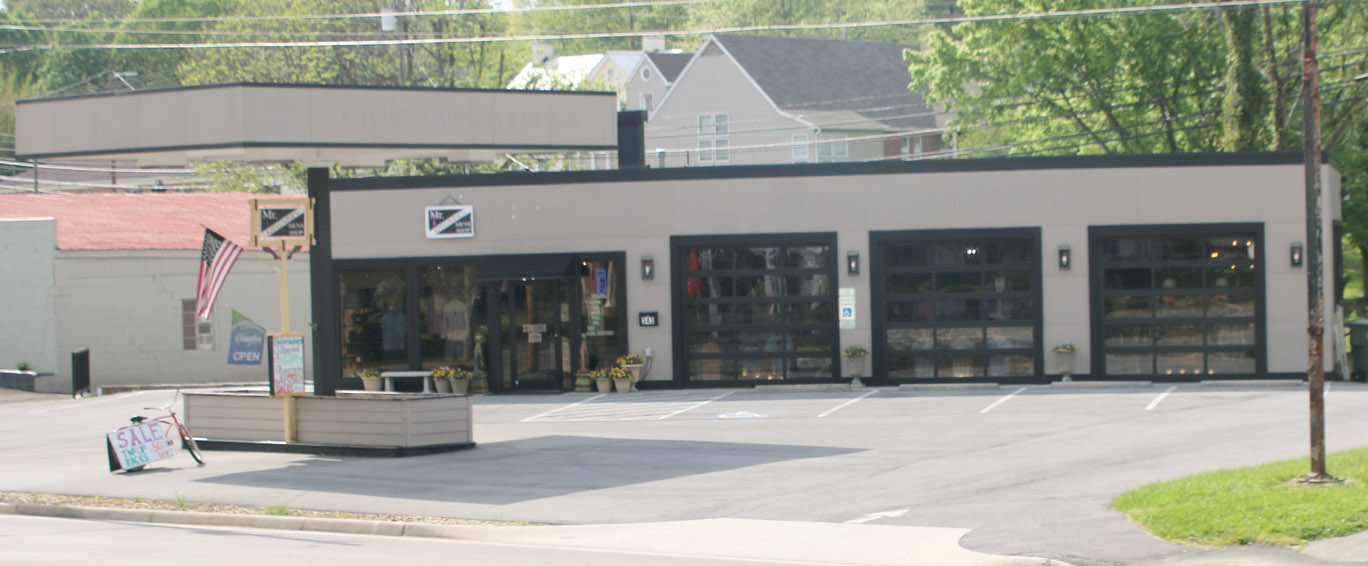
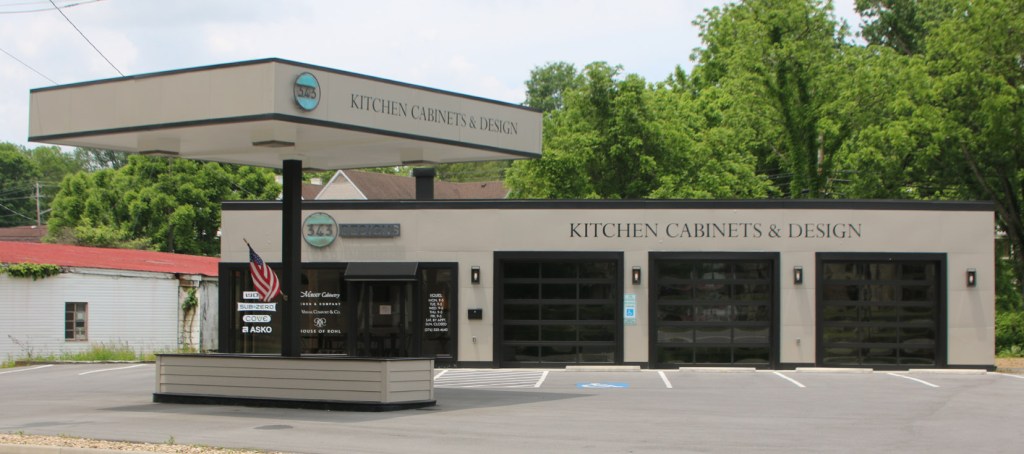
On my drive through town I also stumbled across a recycled gas station that I photographed five years ago. Back then it was occupied by a kitchen design firm.
I labeled this place “Picture Perfect” when I saw it in 2020.
These days it’s a men’s shop, as you can see below, but I think it better get a bigger sign if it’s going to succeed. I glanced at it as I drove past only because I recognized the building.
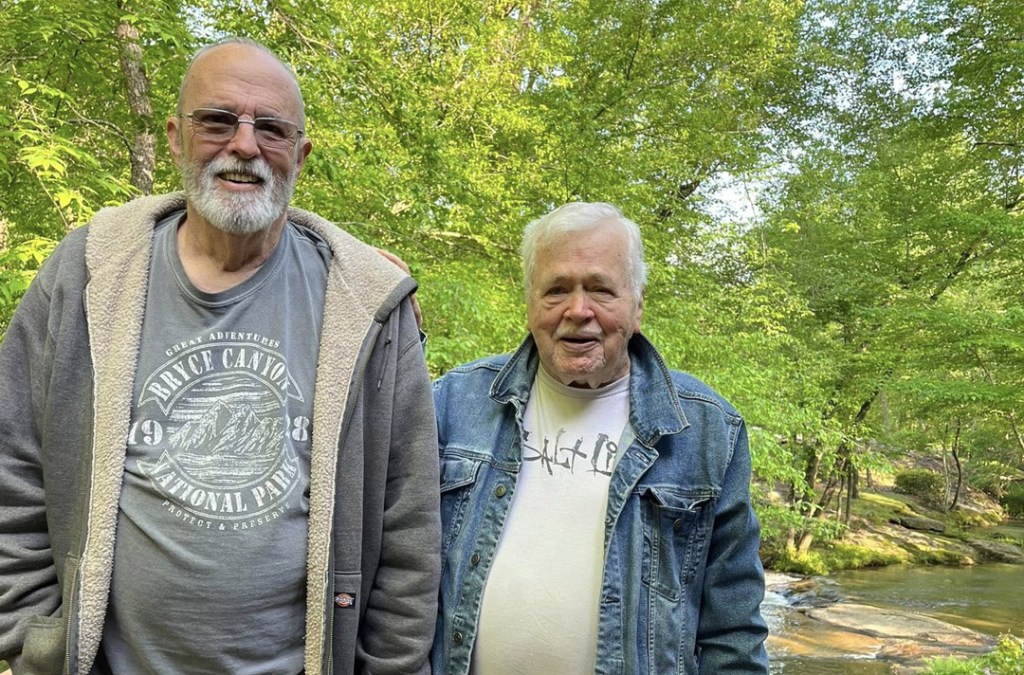
And just in case any tab vets are reading this, here’s what Mr. Gibson and I look like these days. That’s the creek at Rod’s place in Georgia in the background.
And on my way up to Rod’s I found this nicely recycled gas station just south of Clermont GA.
I am very happy I own a car that will not let me lock it when the keys are inside of it.
It not only refuses to lock. It beeps at me…thrice!
Color me lucky I guess, but I can recall only three times in my life, with previous cars, when that feature would have been handy.
The first time, the keys were not only locked inside, the engine was running. And no break-in-artist/car-thief in sight! Fortunately my wife was home and she drove to me with a spare key.
The second time it happened, she wasn’t home. But I fortunately had my bike with me and it was unlocked on the carrier. By the time I pedaled home, she had returned so she gave me a ride back to my car with the spare key.
The third time was also “convenient,” if I’m allowed to use that word for these instances. I was up in CT and had organized a paddle on the Farmington River, not far from my daughter’s house. I’d unloaded the boat and equipment.
The instant I closed the car door I realized the key was still in it. After a moment of panic, and some thoughts about just cancelling the event, a calm settled over me. I have what I need to float the river for a few hours, I thought, and my daughter lives close. I called her up and arranged for her to bring the spare and leave it on top of a rear tire. And I set off on the water with my friends.
I’ve owned my present car for five years now and have had more than three instances already when this feature has saved me some bother. I think the increase in frequency is because I’ve taken to using a man-purse to carry wallet and keys instead of carrying things in my pockets.
And in these days of car fobs, not a key that one needs to hold in one’s hand at some time during the turning-it-off, exiting-the-car process, I am very lucky indeed that it has this feature.
Getting scolded by three shrill beeps once in a while sure beats having a spare fob surgically implanted in my body, I guess.
Ramadan, the nineth month of the Islamic calendar, is a fasting period for Muslims, from dawn to dusk. This year it will end tomorrow. It lasts twenty-nine to thirty days, from one sighting of the crescent moon to the next.
I’m not Muslim, not even religious at all, just another agnostic, but Ramadan has always rung a bell with me. It goes back to my trip from India back to Europe by land many years ago.
It was 1970 and I had left Ethiopia after three years. I traveled in India for a month with three other Peace Corps volunteers. They had to go back to Ethiopia after 30 days to finish their terms, and we parted company in Katmandu. They scooted back to Bombay and a return flight to Addis Ababa.
My plan was to make my way back to Europe by land, taking as long as I could.
Ramadan in 1970 was roughly the month of November. My recollection is that I spent most of that month traveling across northern Pakistan, following the route through Lahore, Rawalpindi, Islamabad, and Peshawar. I stayed a few days in most towns I hit. In Rawalpindi I stayed with an American USAID employee I’d met in Ethiopia.
I was traveling in basic mode. I took the same buses that the folks in the country took. I stayed at the same hotels that the folks in the country stayed in. When I wanted to splurge I ate at local restaurants, but otherwise just ate street food or bought bread at the local stores. (I made it a point to learn the going price for bread wherever I traveled so I would not get ripped off)
In short, I was nowhere near a tourist hotel or a tourist restaurant, where food would be served around the clock to cater to visitors.
On the streets where I lived and the neighborhoods I hung out in, there was no food during Ramadan during daylight. The street food places were all closed. No one ate during the day, period.
I quickly and easily picked up the routine and came to really enjoy it, all religious beliefs aside. For me it became a matter of feeling like I was a part of the places I was in, as silly as that sounds, because in reality I always knew I wasn’t. I took to getting up really early, before light, and joining in the communal eating fest that happened every day before the sun came up. And I thoroughly enjoyed the party that happened when the sun went down.
No, I did not know the language. I couldn’t talk to anyone. But I could smile and laugh and eat, happy to be among folks who were living their lives, observing their religion and having fun. And I was happy that folks smiled back at me and waved and welcomed me to their celebration.
Welcome to a compilation of several of my recent Sweet Spots.
Cousins
The first is a recent visit to Fort Myers, FL, to touch base with my snowbird cousin, Peggy Peterson and her husband Roger. Joining us were my brother Roger and wife Beth, from Gainesville. It’s always a fun time when the six of us get together and I usually come away learning something I never knew about the family, even after all these years.
Gone
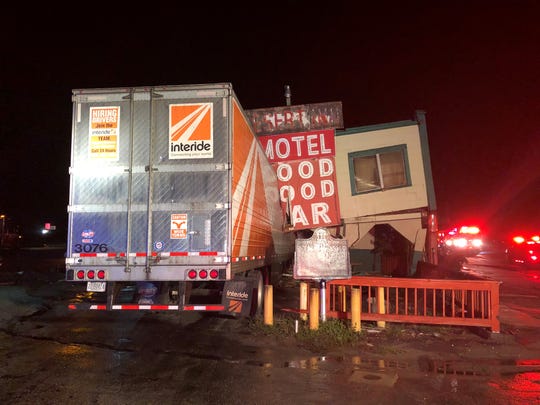
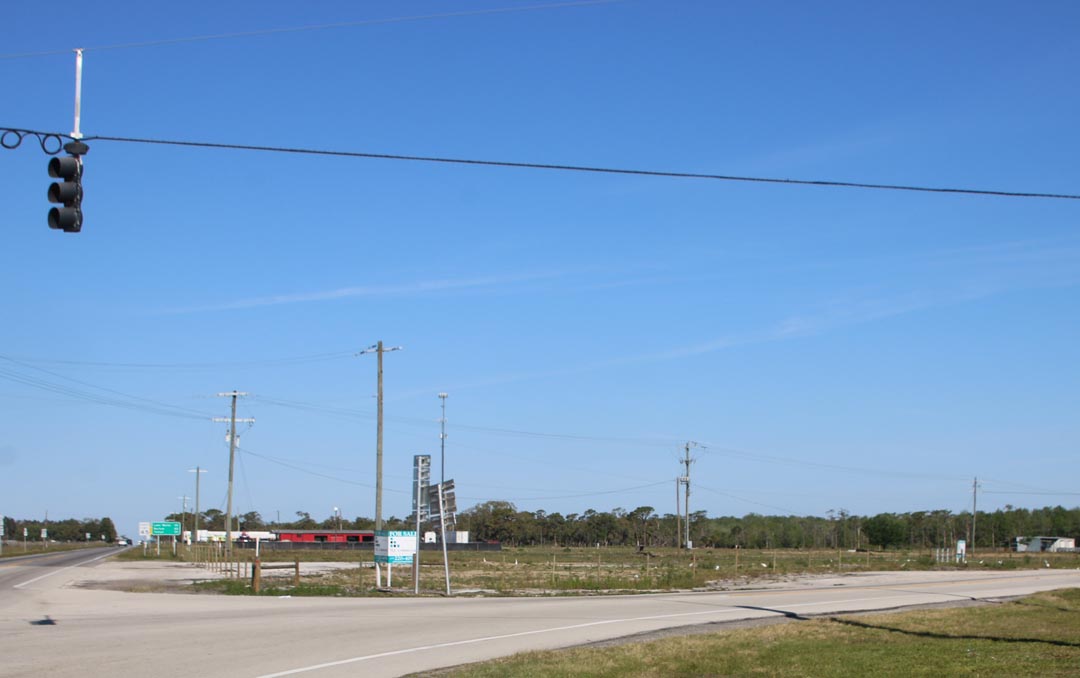
One of my favorite pit stops in my rambles around Florida is now gone forever. That’s right, the famed Desert Inn at Yeehaw Junction, just 90 minutes north of me, is now a vacant piece of land up for sale. The demolition job started five years ago by a wayward semi was finished recently by a wrecking ball and a parade of dump trucks.
High School Classmates
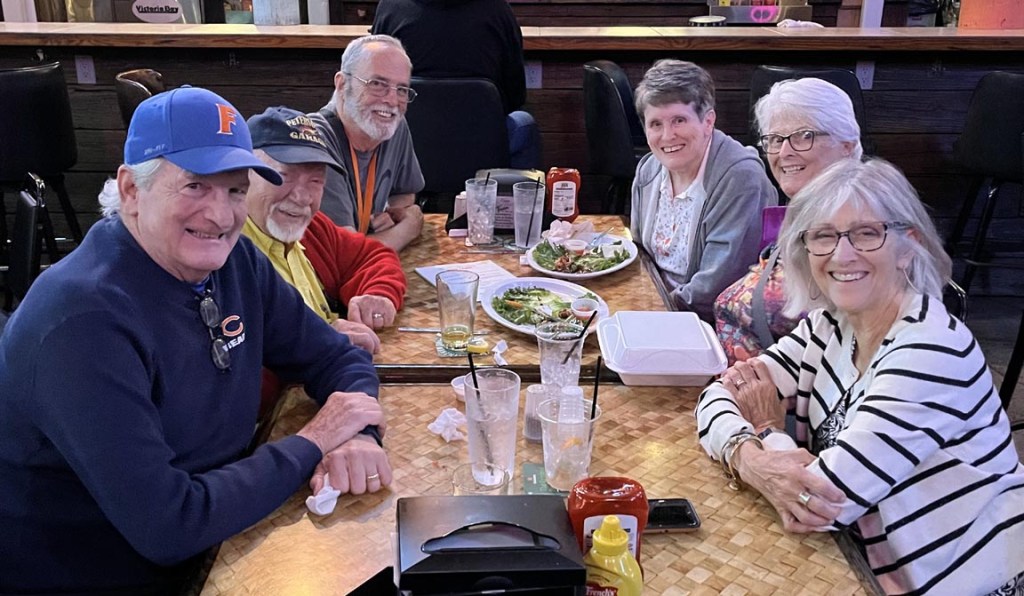
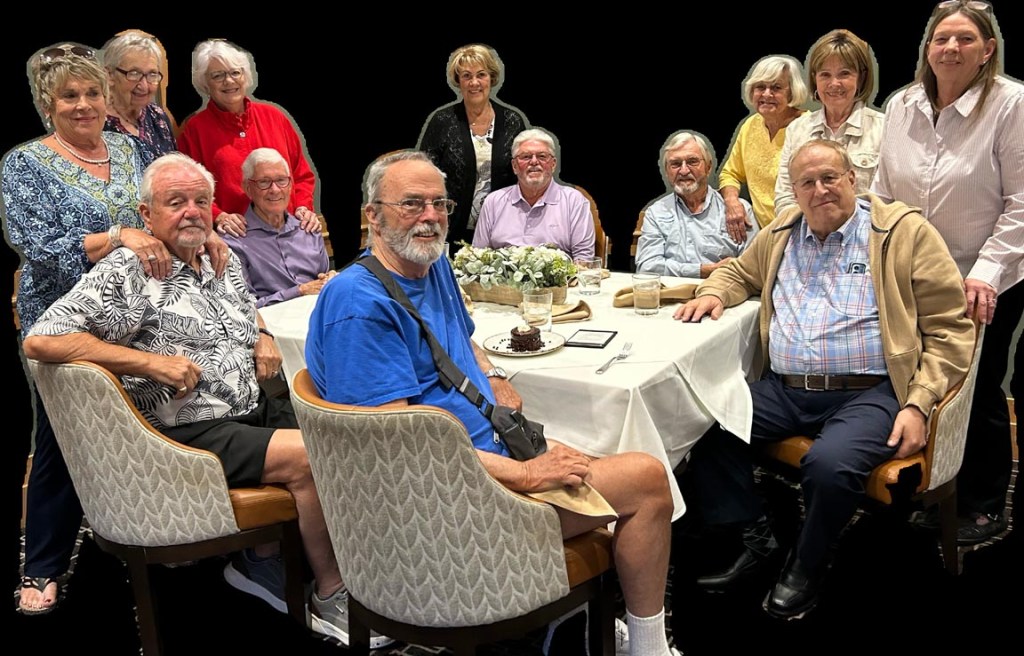
A handful of the alumni from my high school class in Bradley, Illinois, get together in Florida in the spring for a lunch, an afternoon of visiting, and dinner up in The Villages, that mega-complex about sixty miles northwest of Orlando. I got some special treatment this year because it fell on my birthday. I got serenaded twice, once upon arrival for lunch and then again at dinner, when the restaurant presented me with a small cake with one candle on it. These mini-reunions are always a pleasant occasion with some nice folks.
Arbuckle Creek
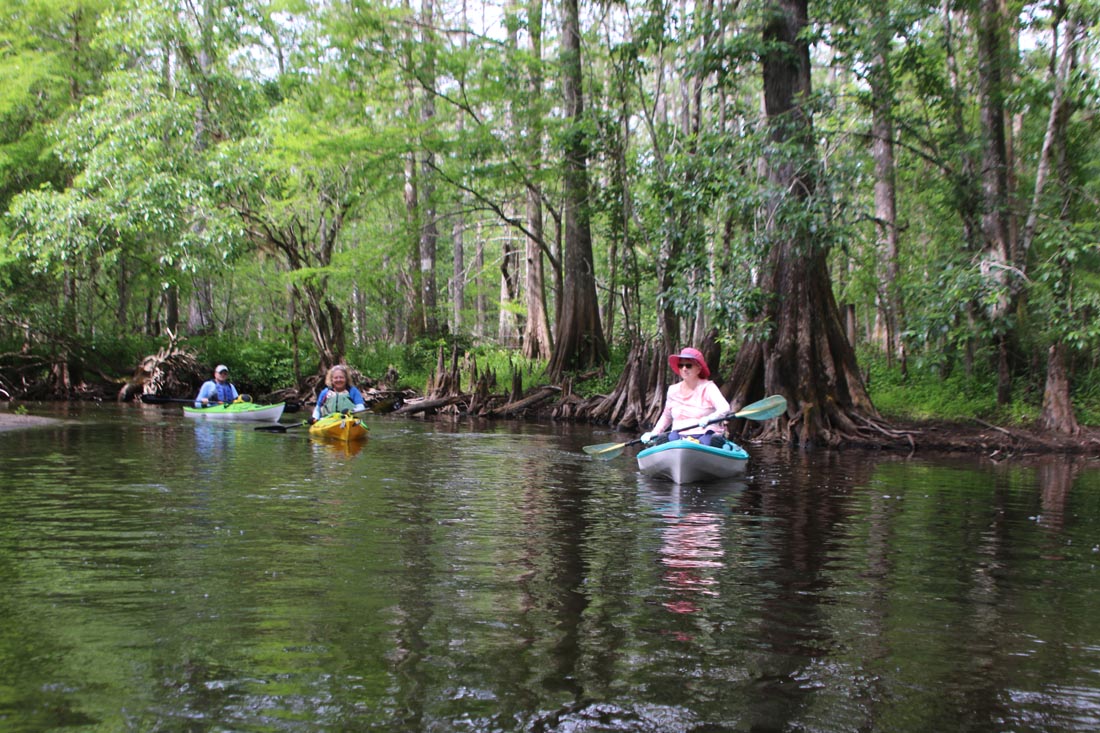
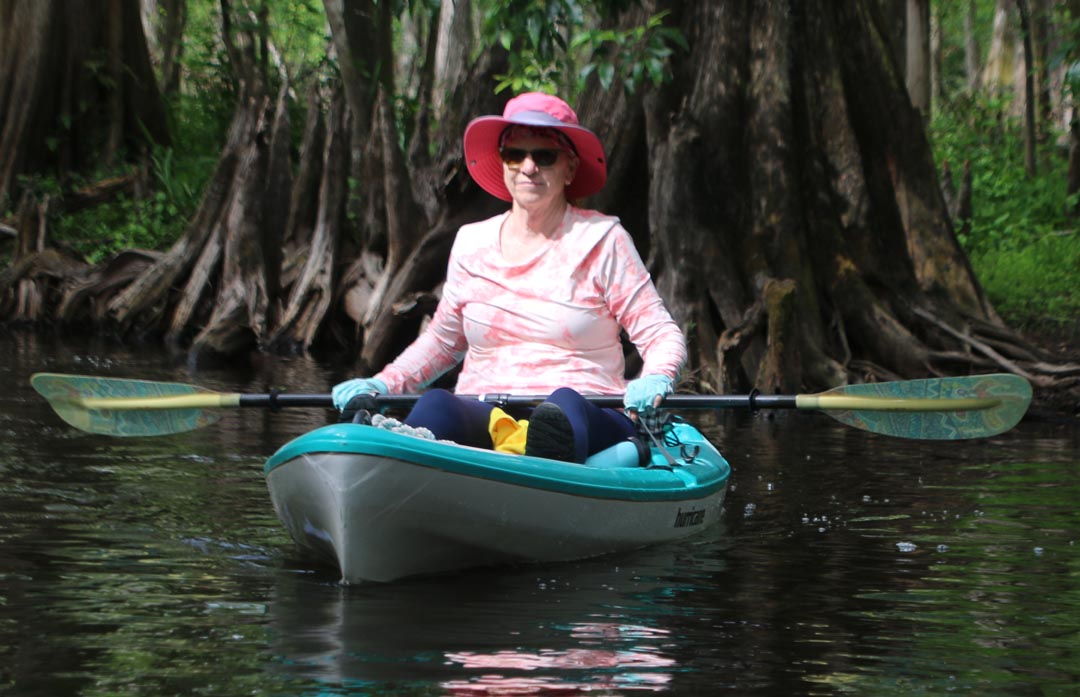
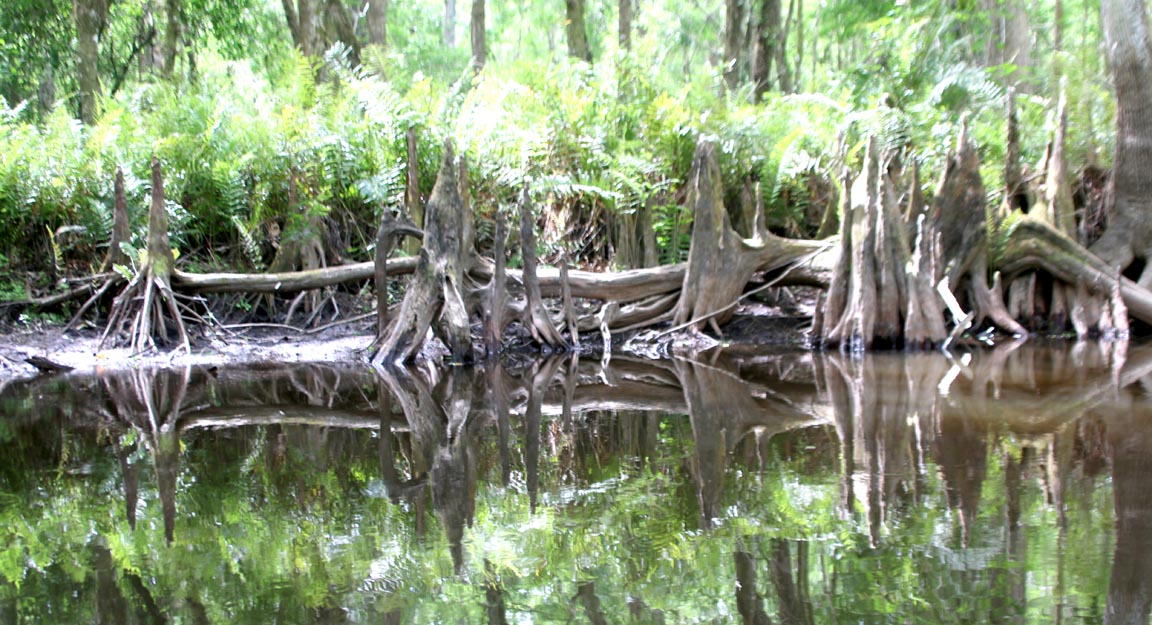
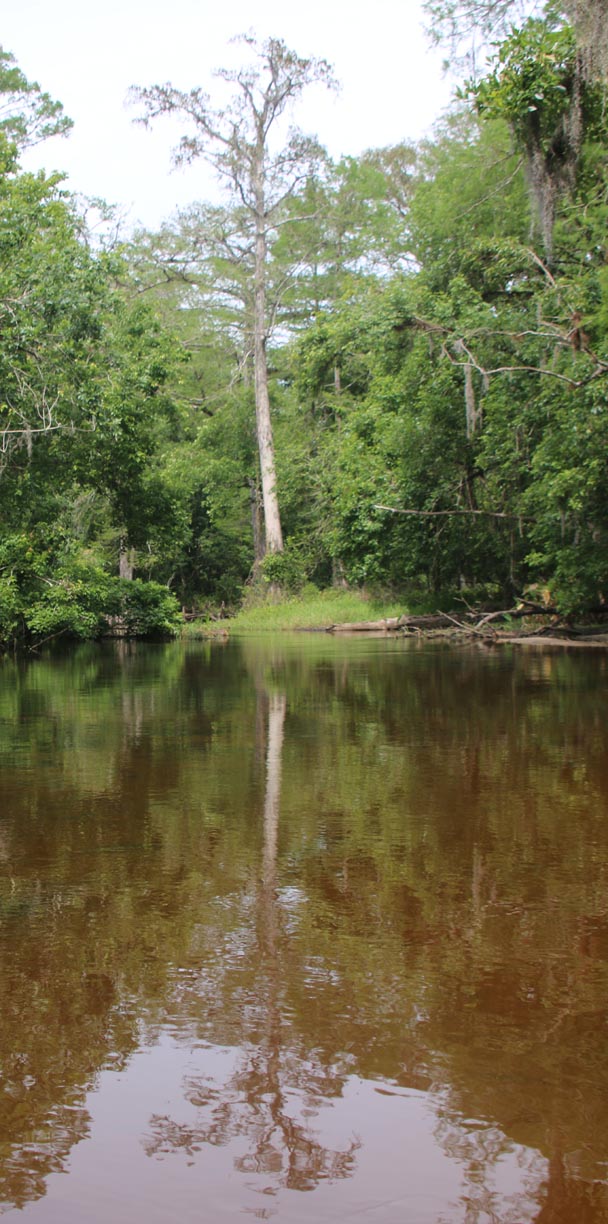
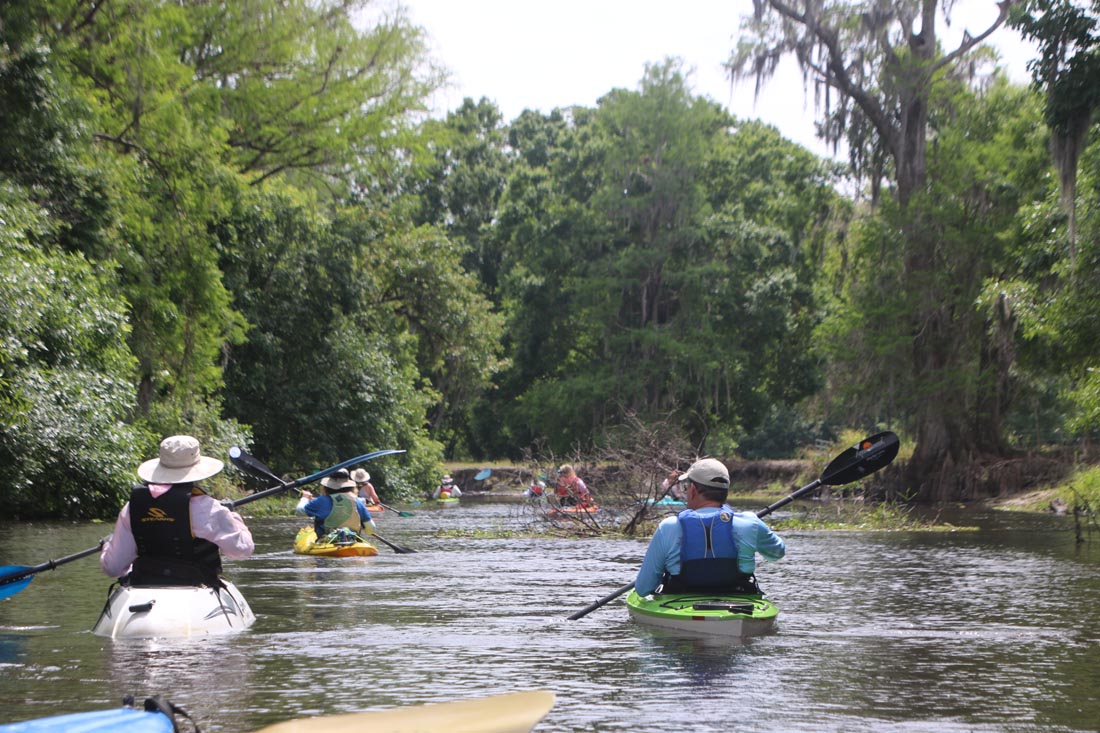
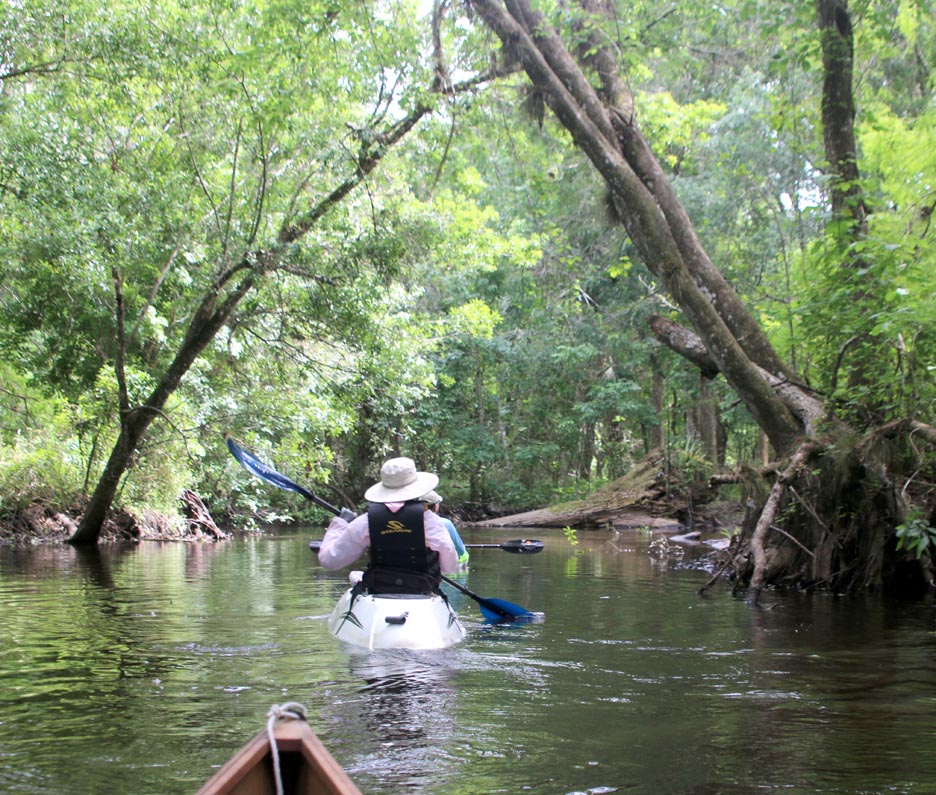
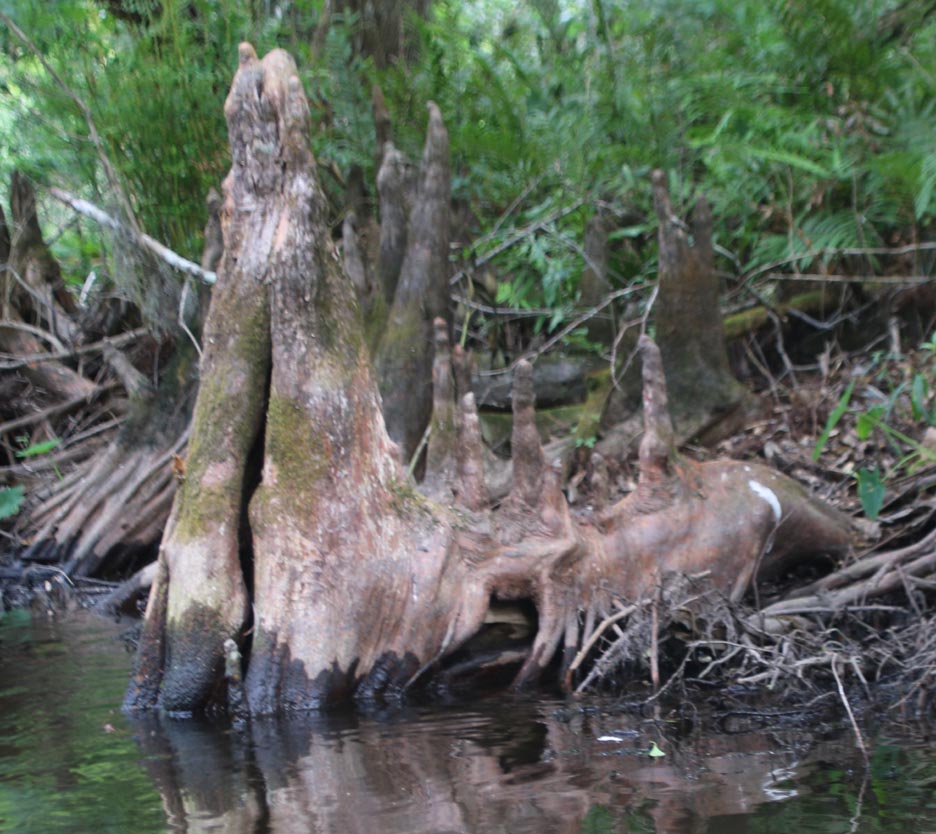
This is a pleasant narrow waterway lined with massive old cypress trees and passing through undeveloped rural Florida just east of Avon Park, which is a couple hours south of Orlando. I like to go there but it’s a haul to do it one day from Lantana so I combined it with the visit to The Villages and filled out the weekend. Tap any photo and you can scroll through the larger versions.
I watched the end of an era last weekend and didn’t even know it.
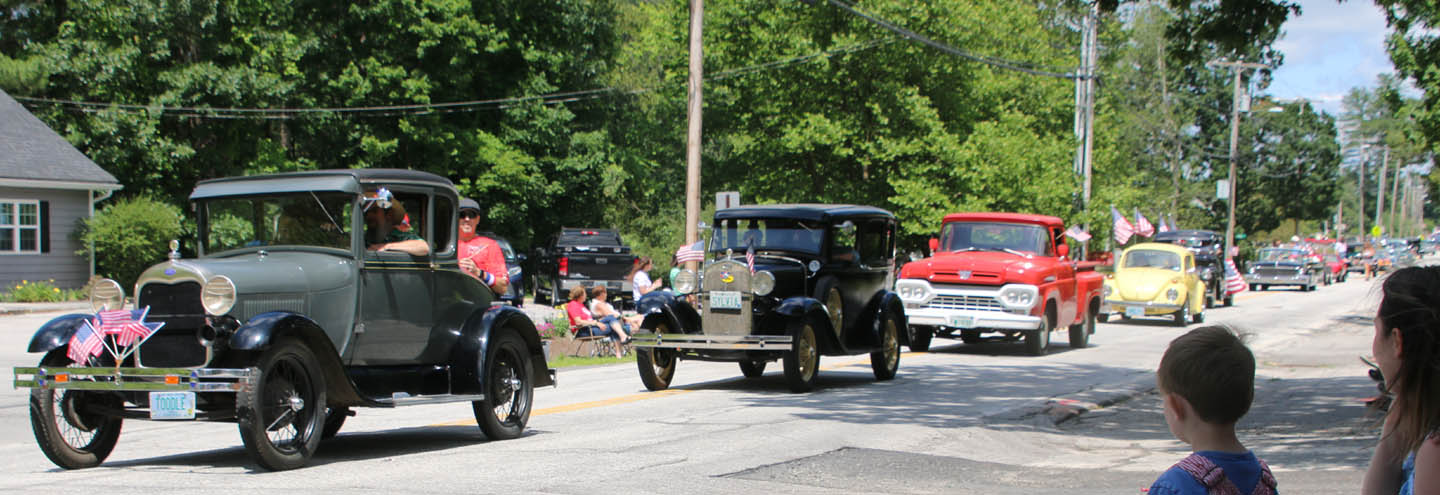
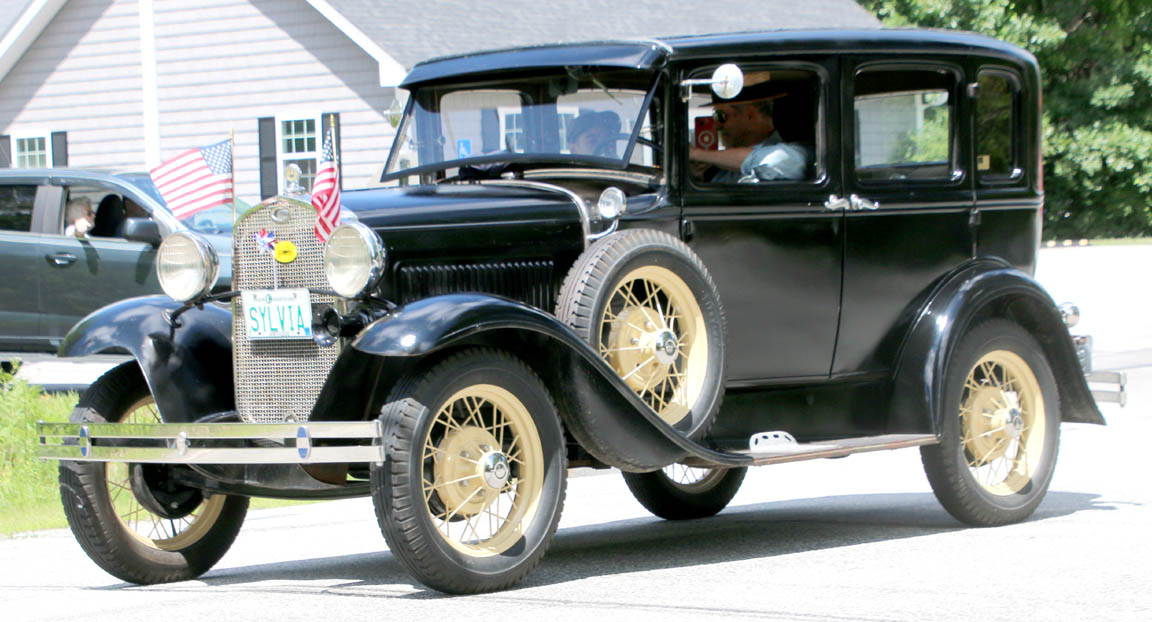
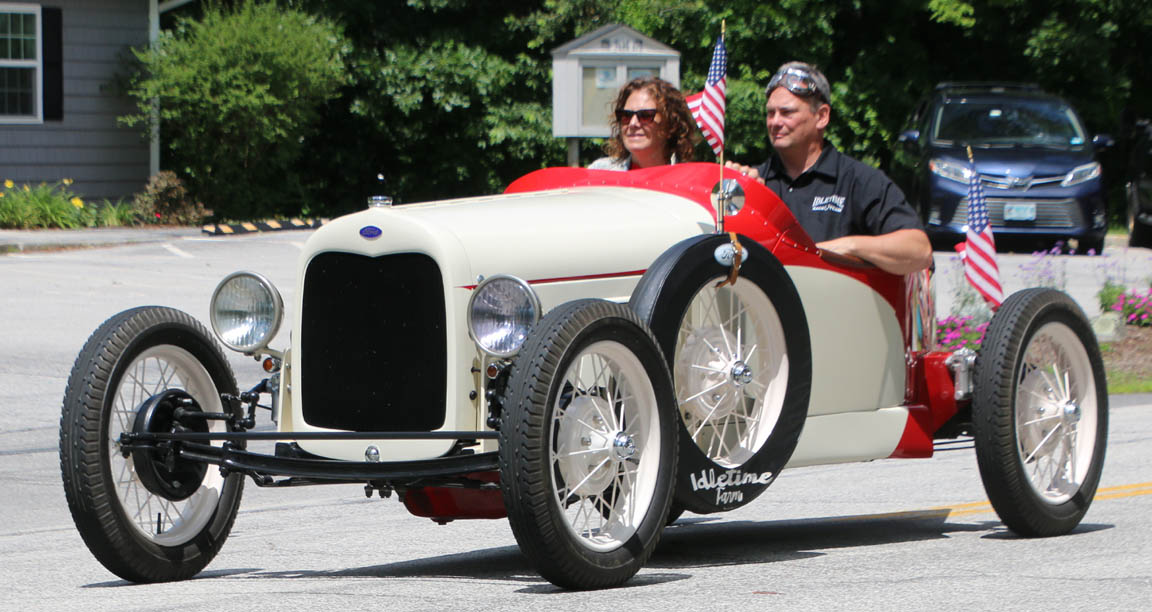
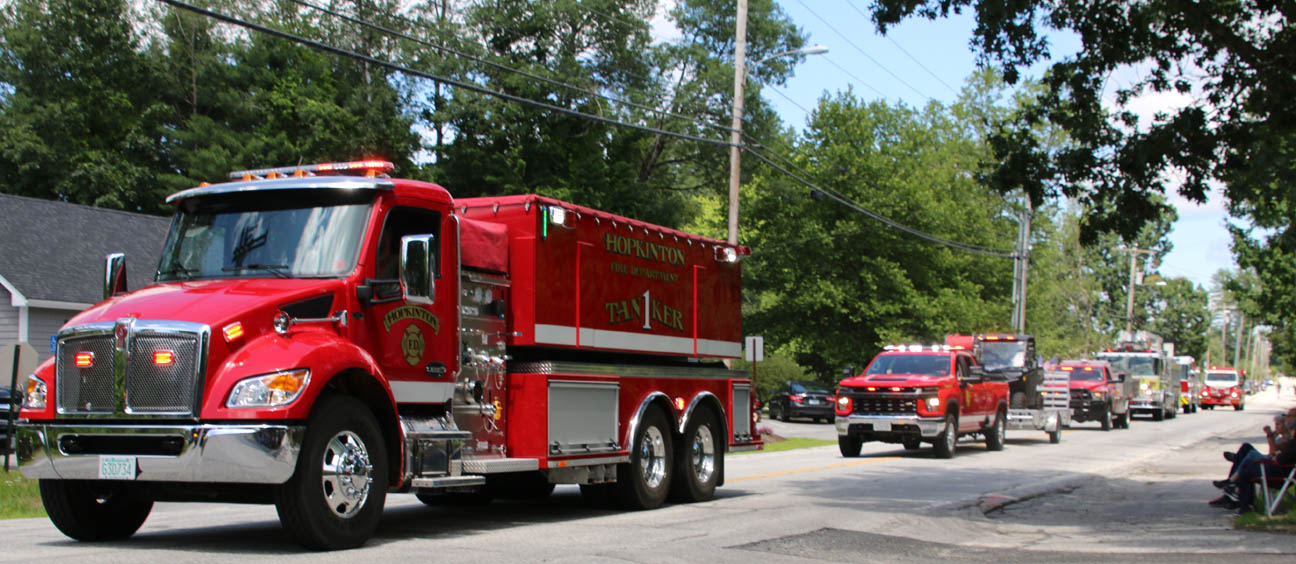
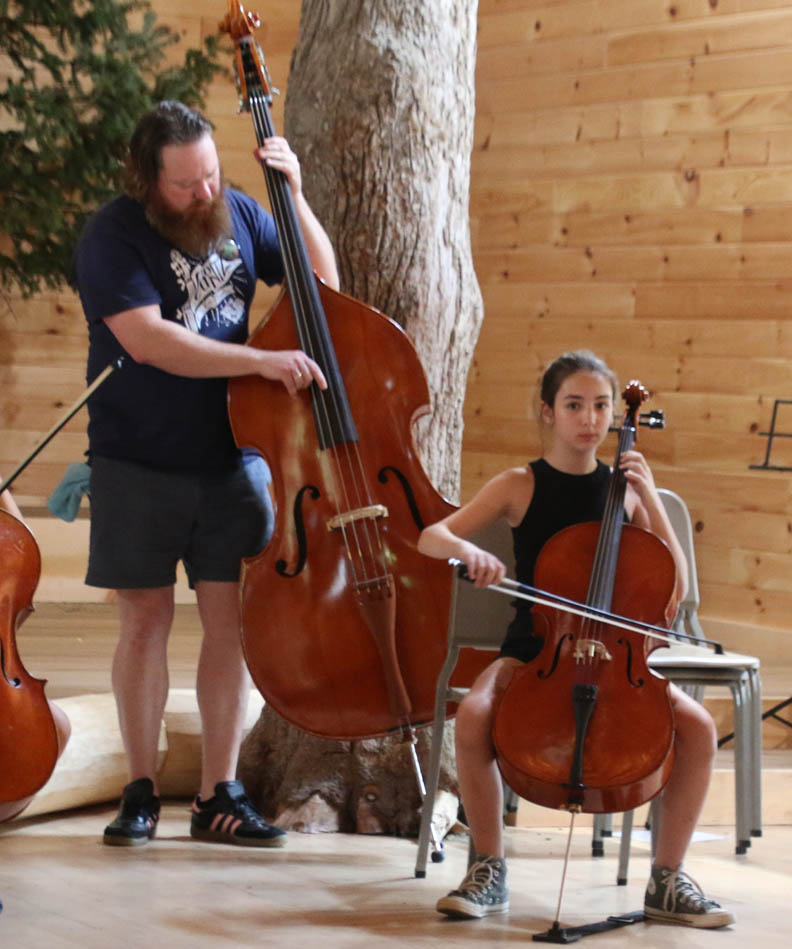
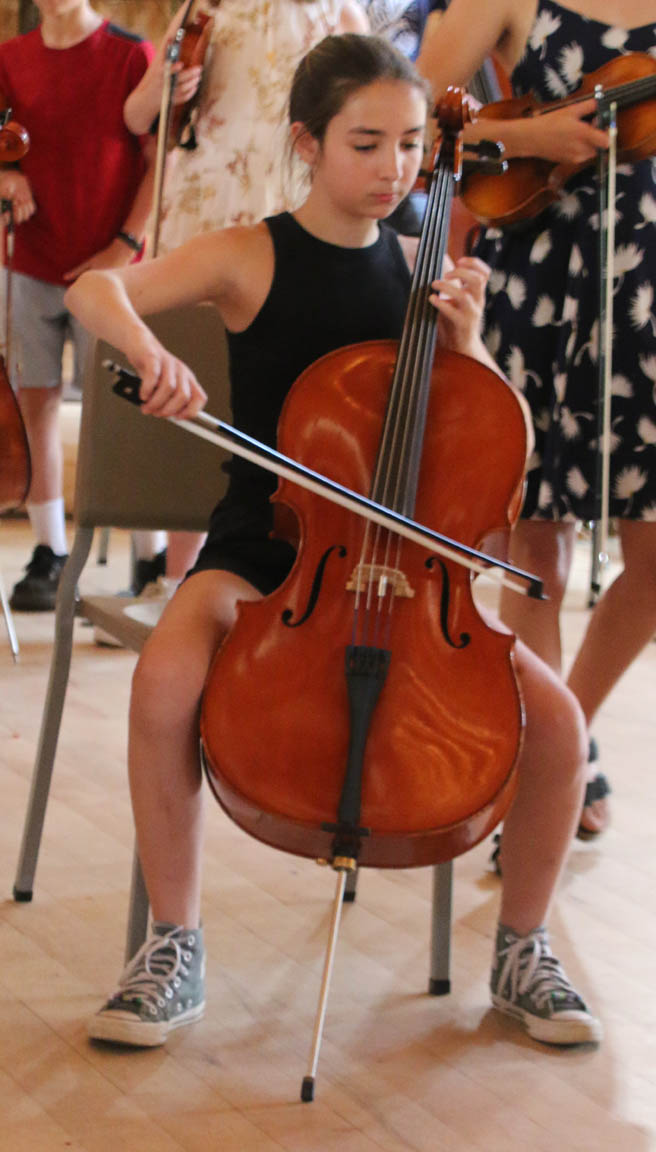
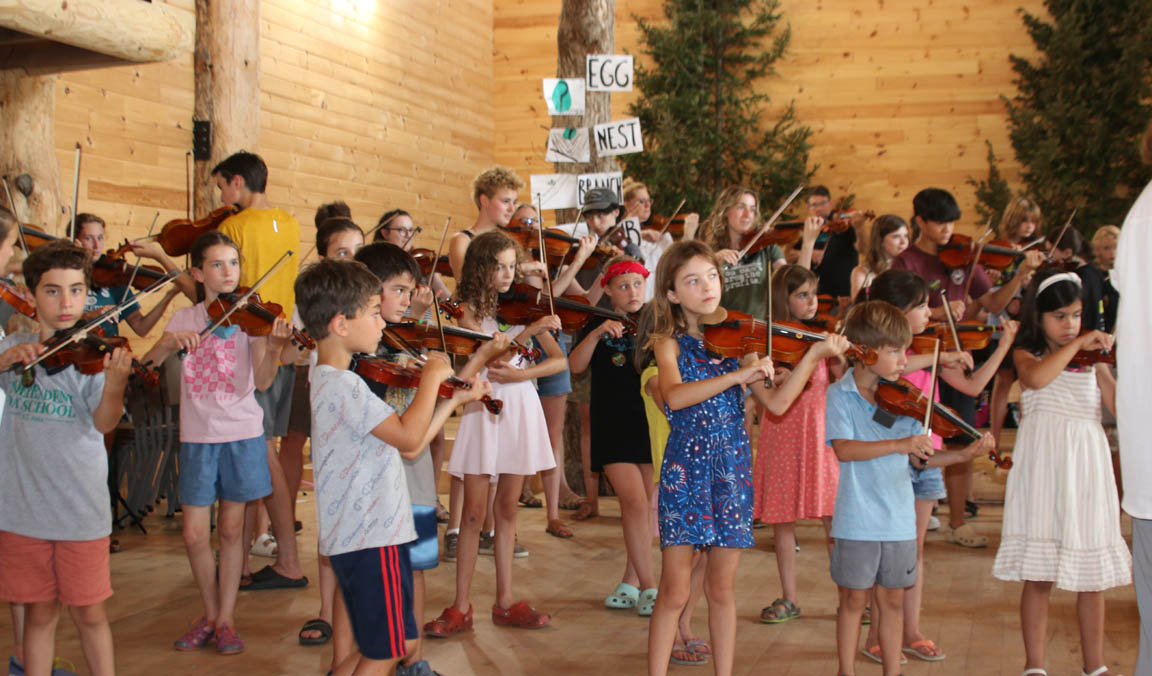
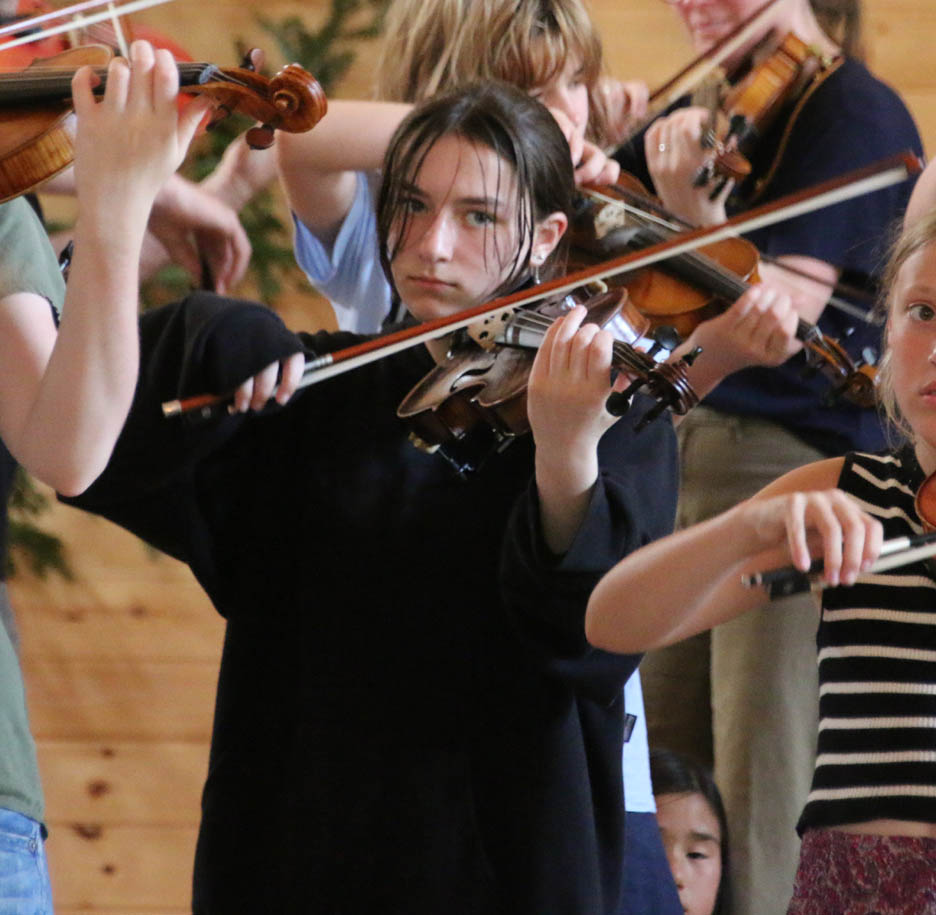
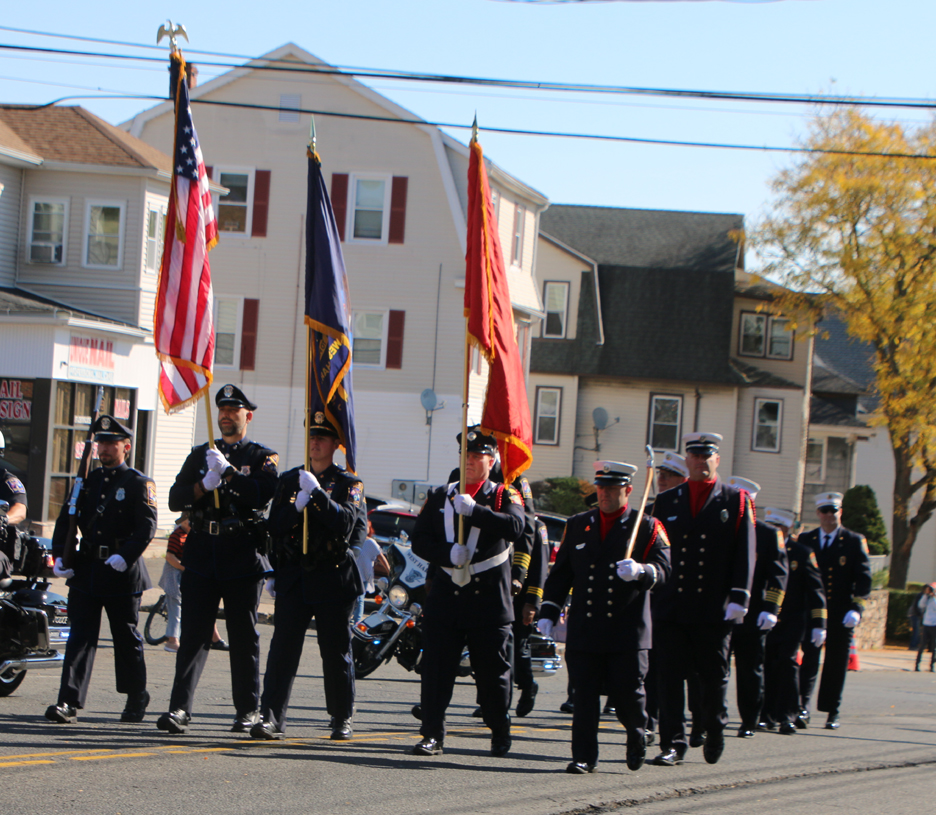
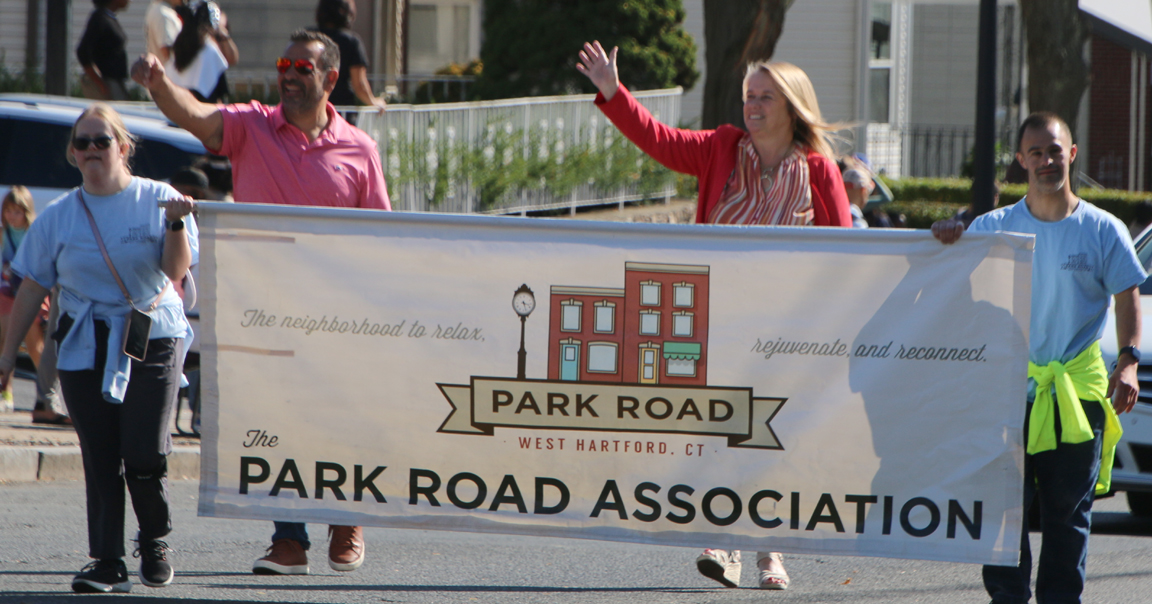
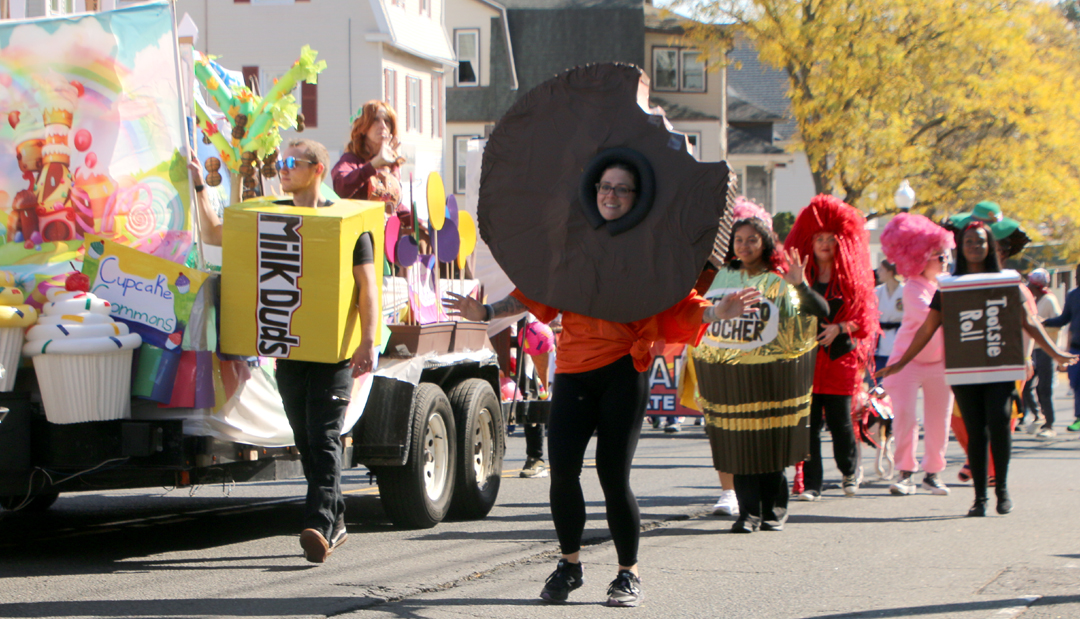
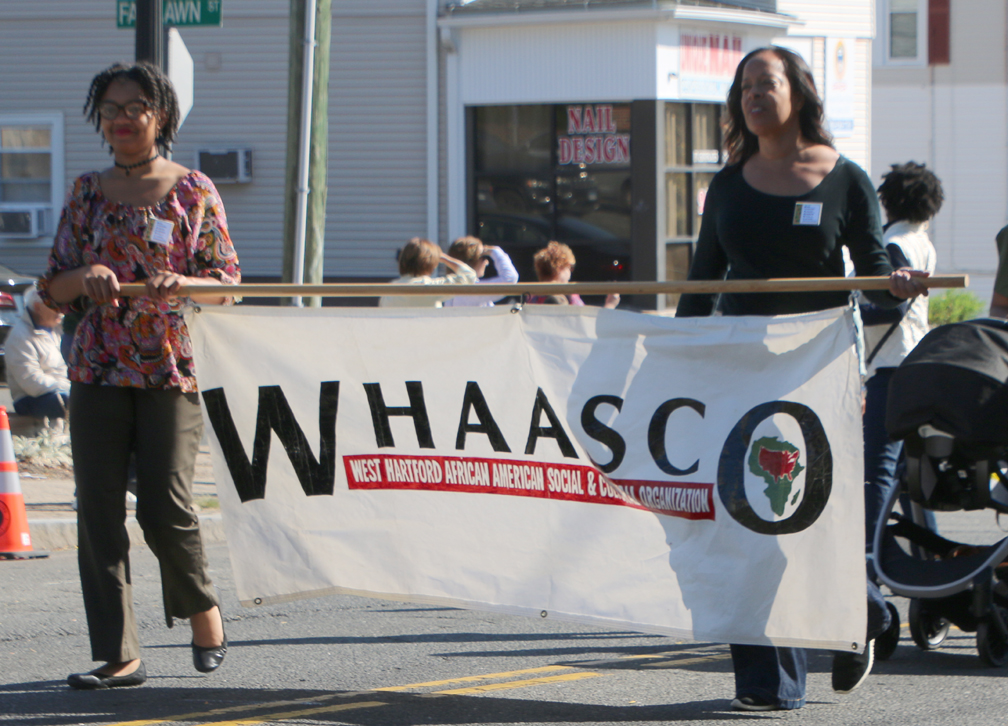
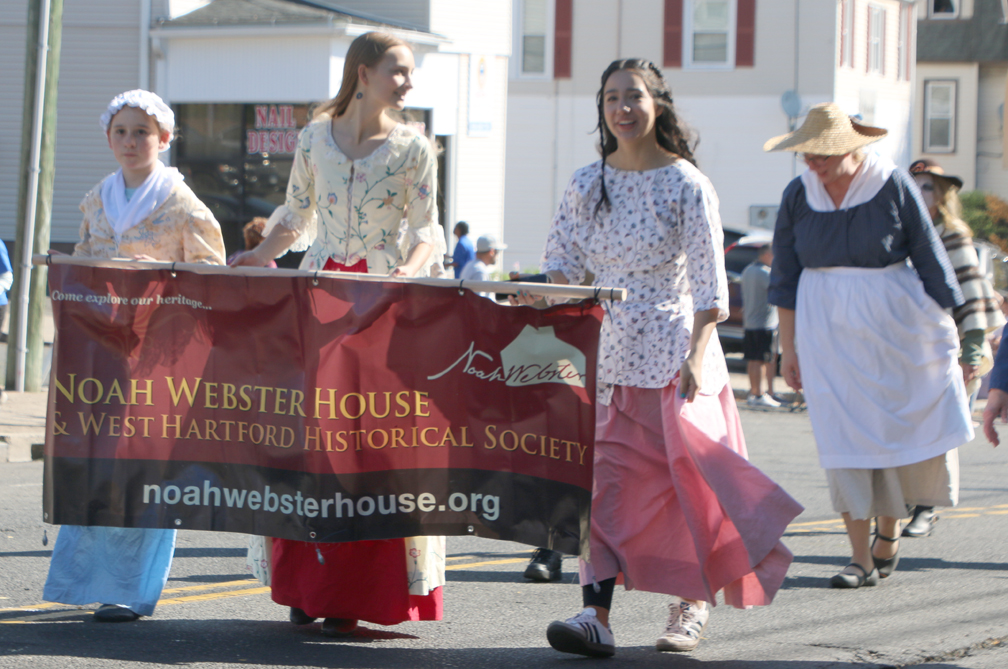
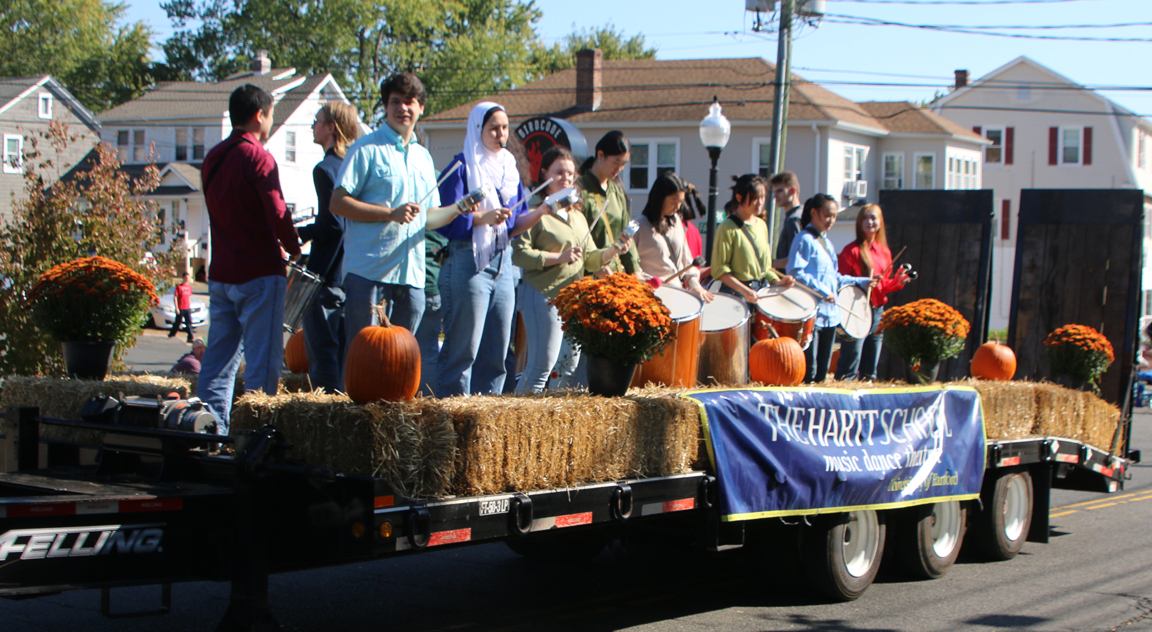
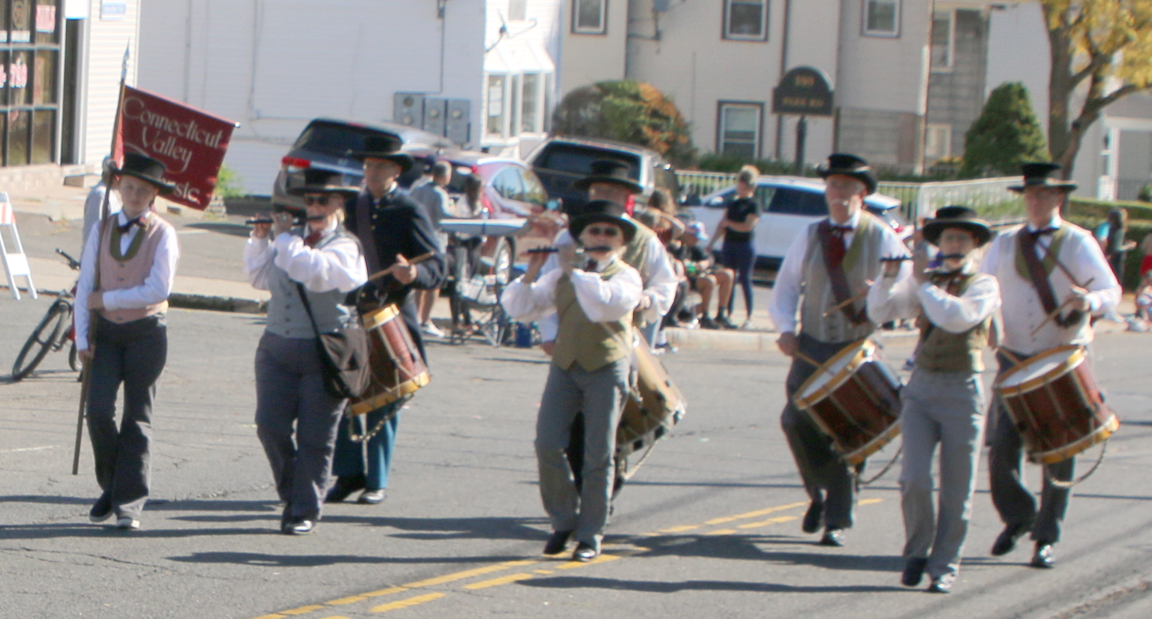
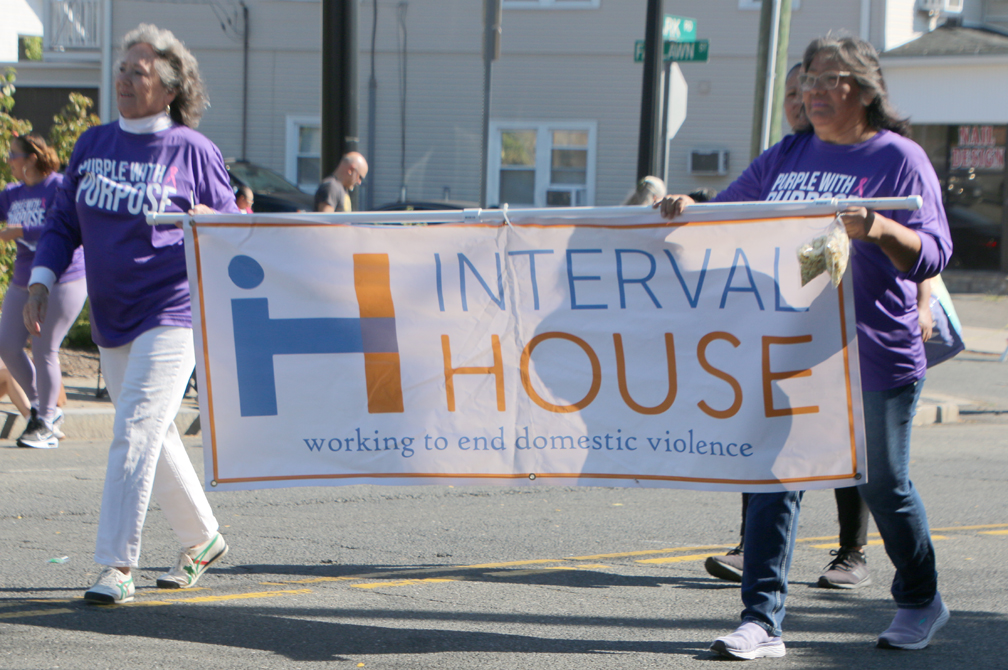
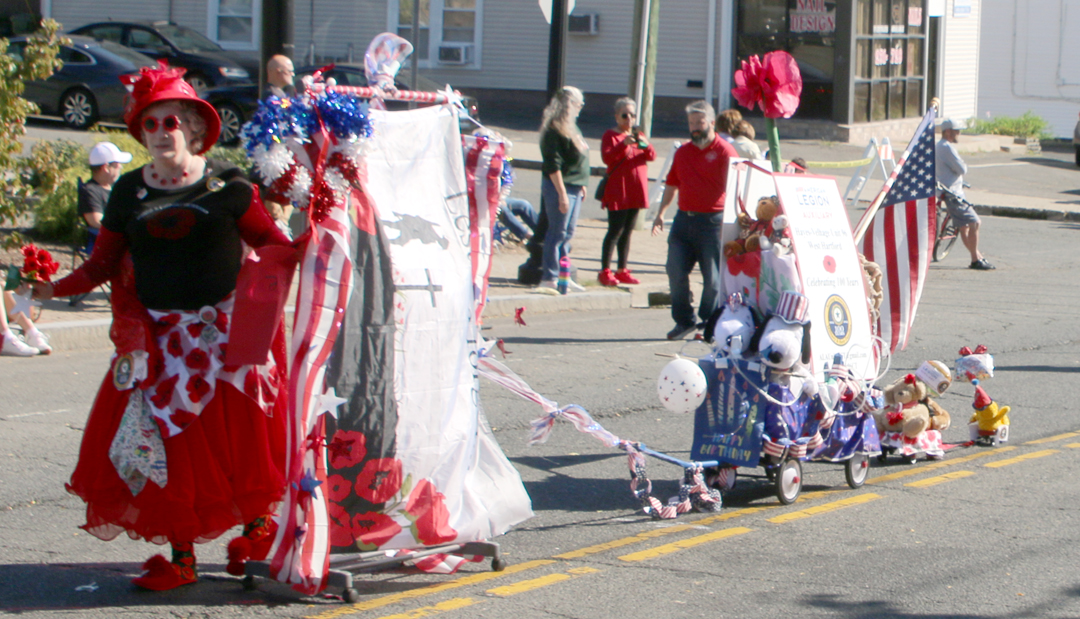
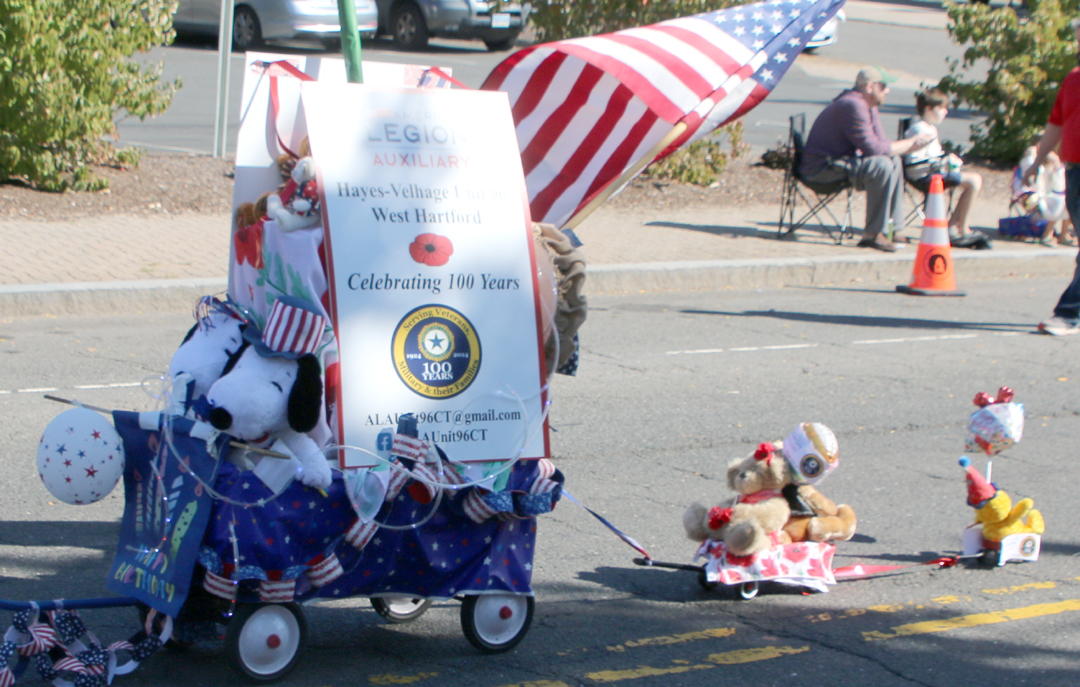
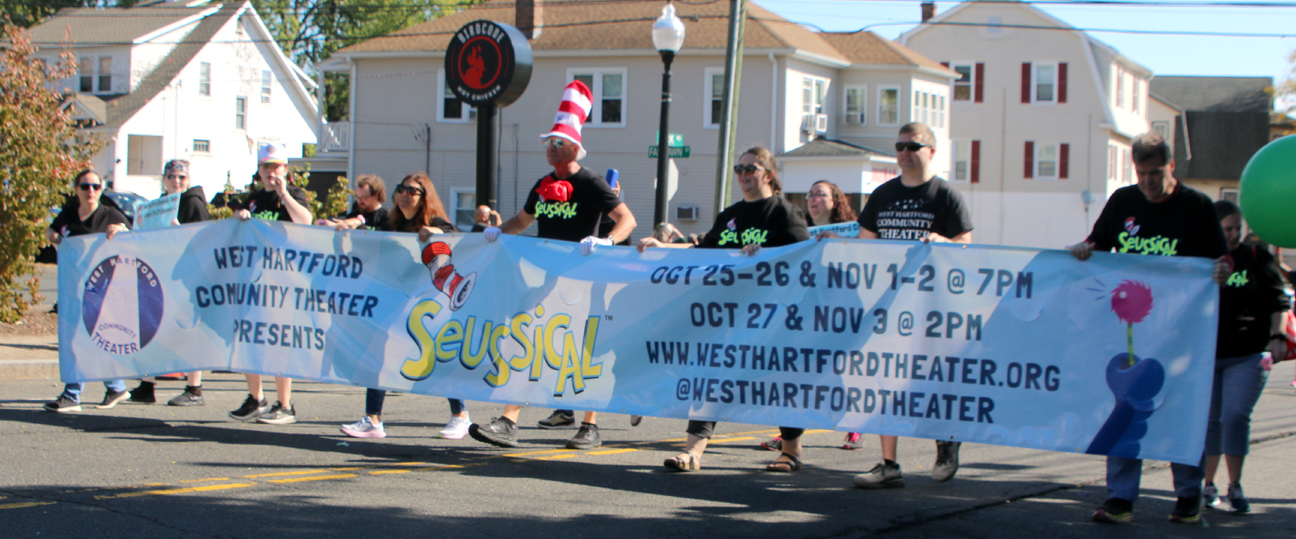
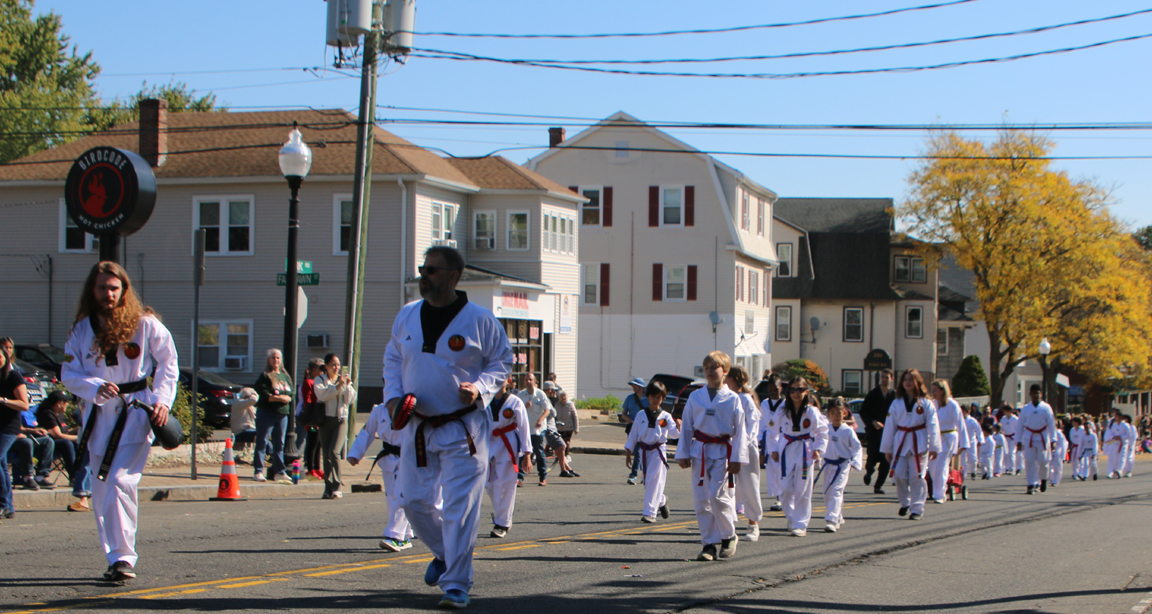
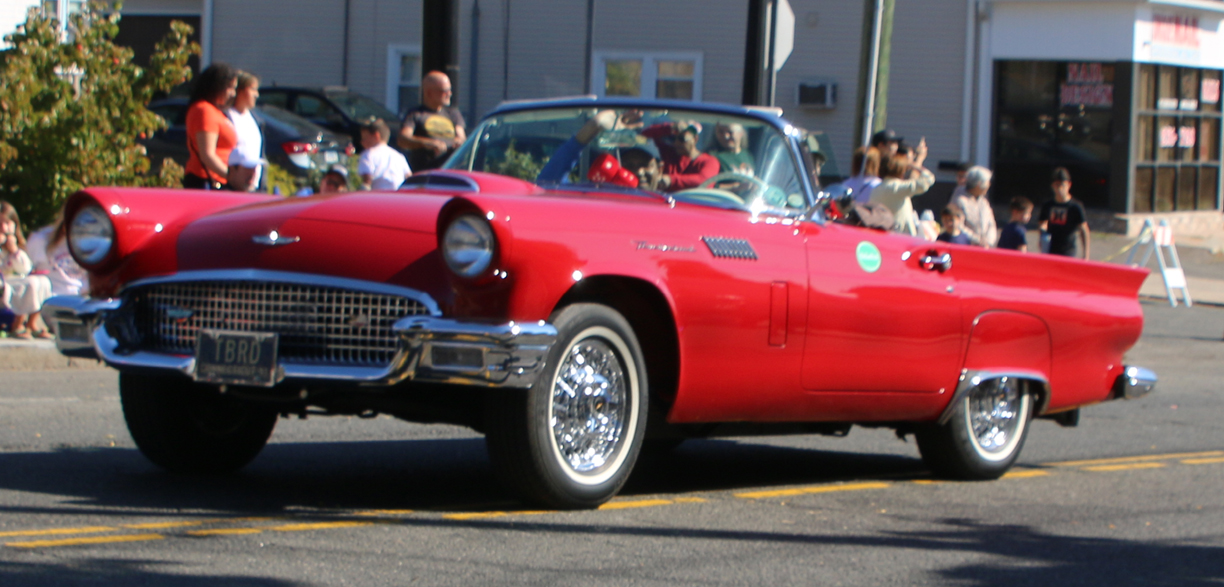
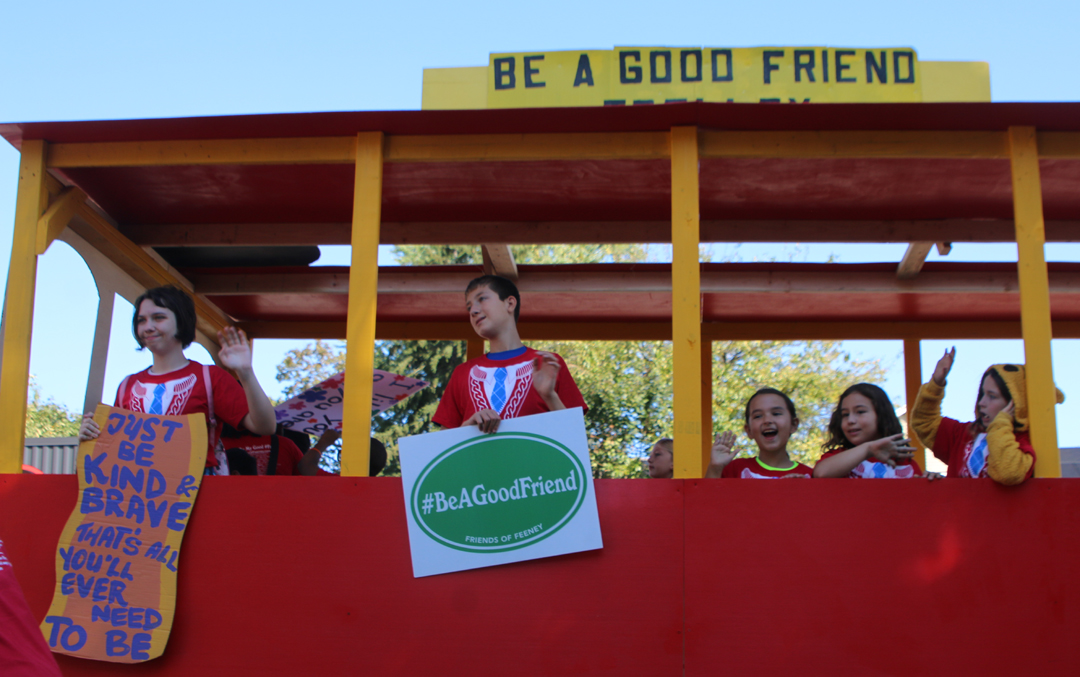
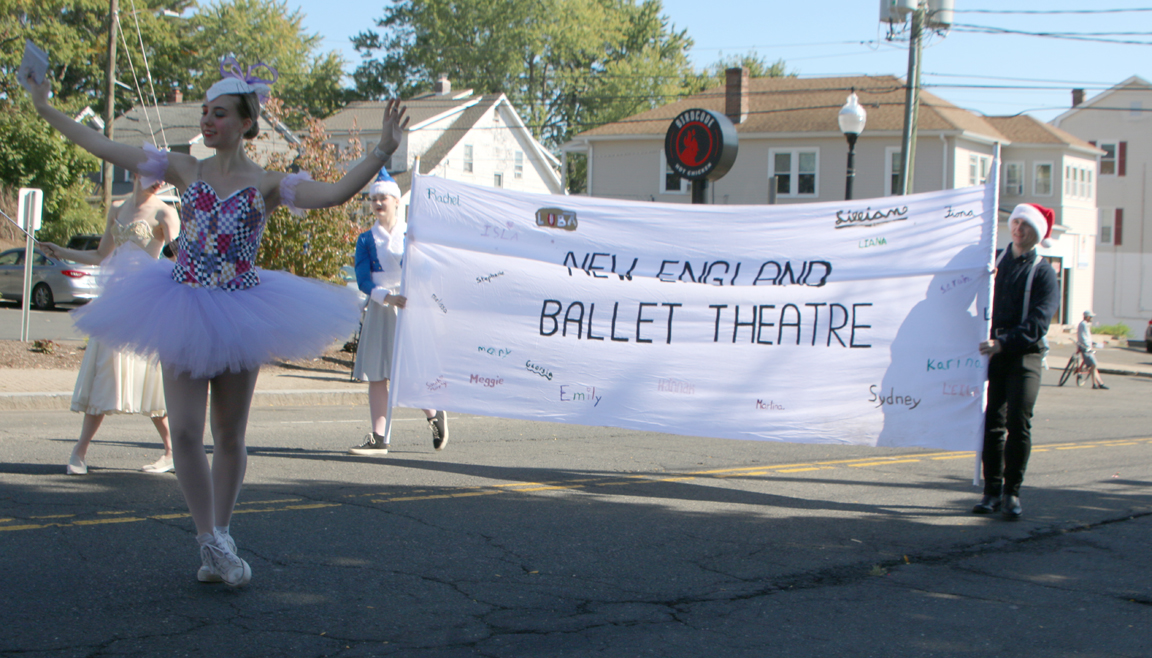
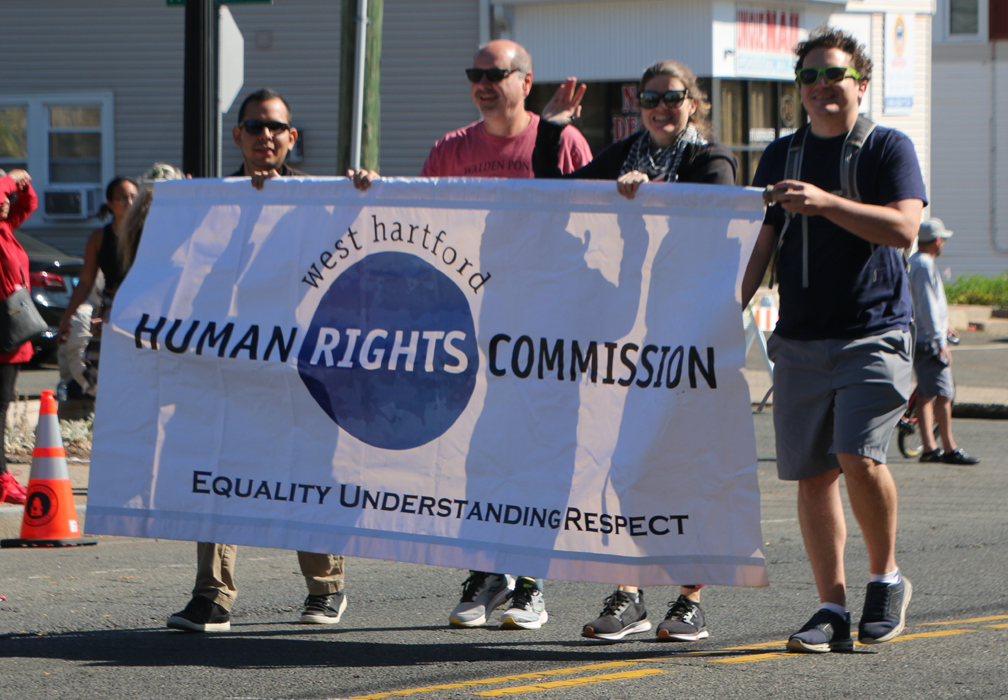
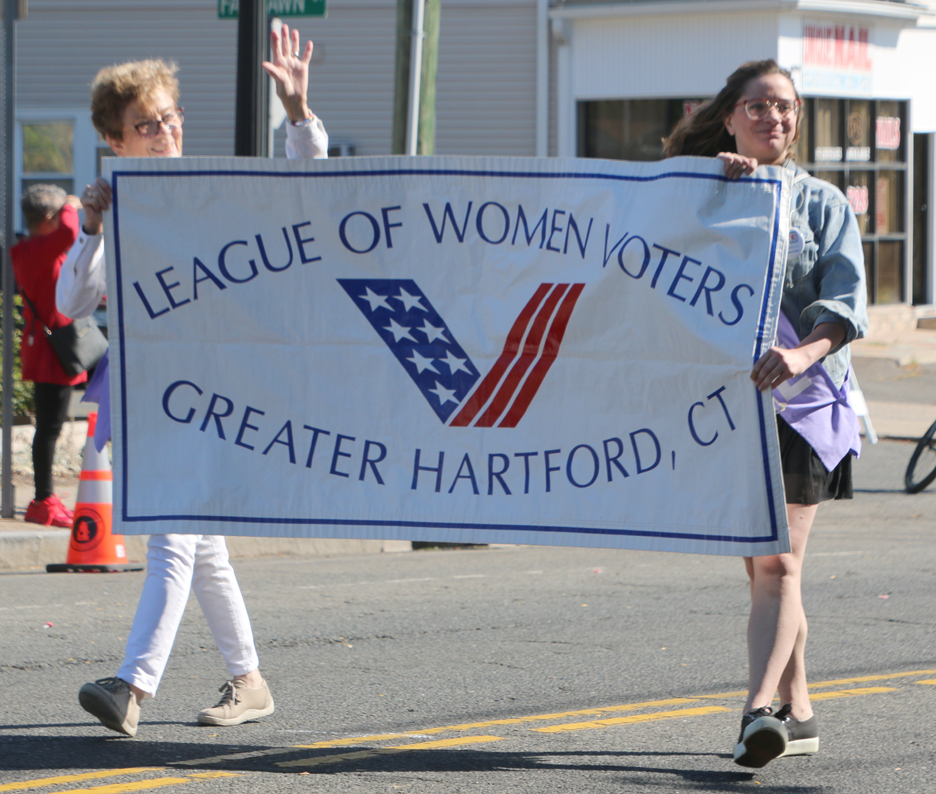
It was the final Park Road Parade in West Hartford, CT, after 25 years. I don’t make going to parades a habit, except for July 4 in Contoocook, New Hampshire, of course, but I went along to this one because granddaughter Margeaux was marching in it with fellow musicians from the Hartt School Community Division of the University of Hartford.
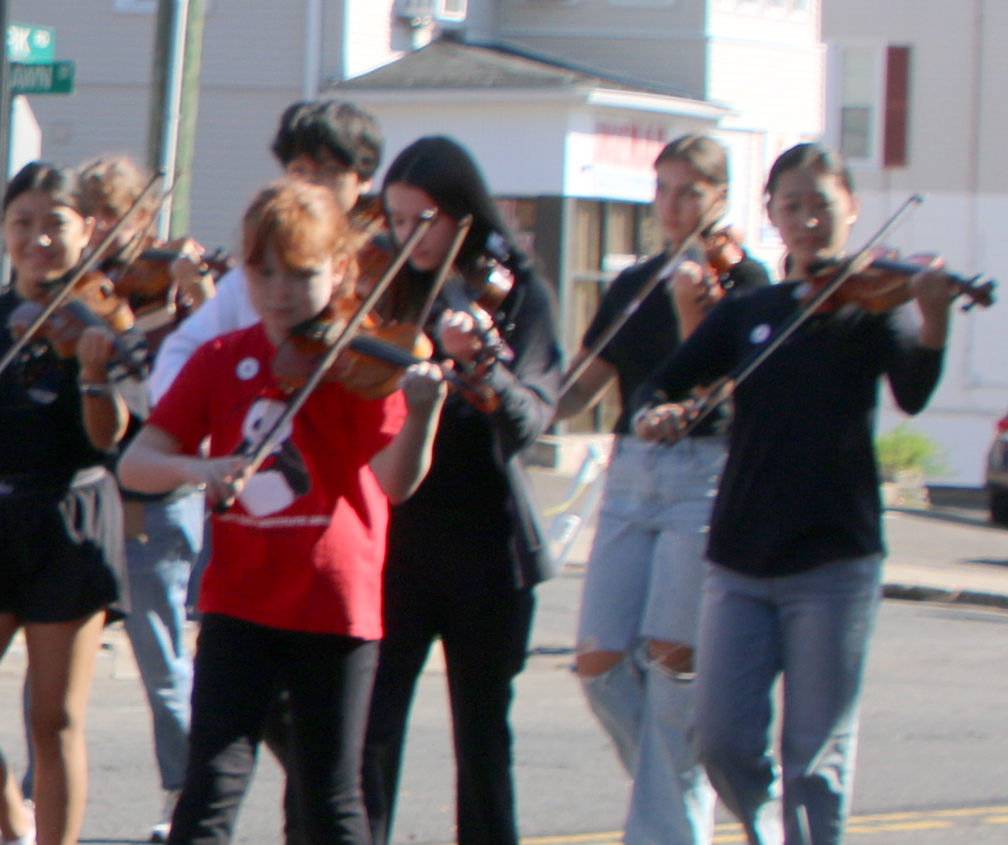
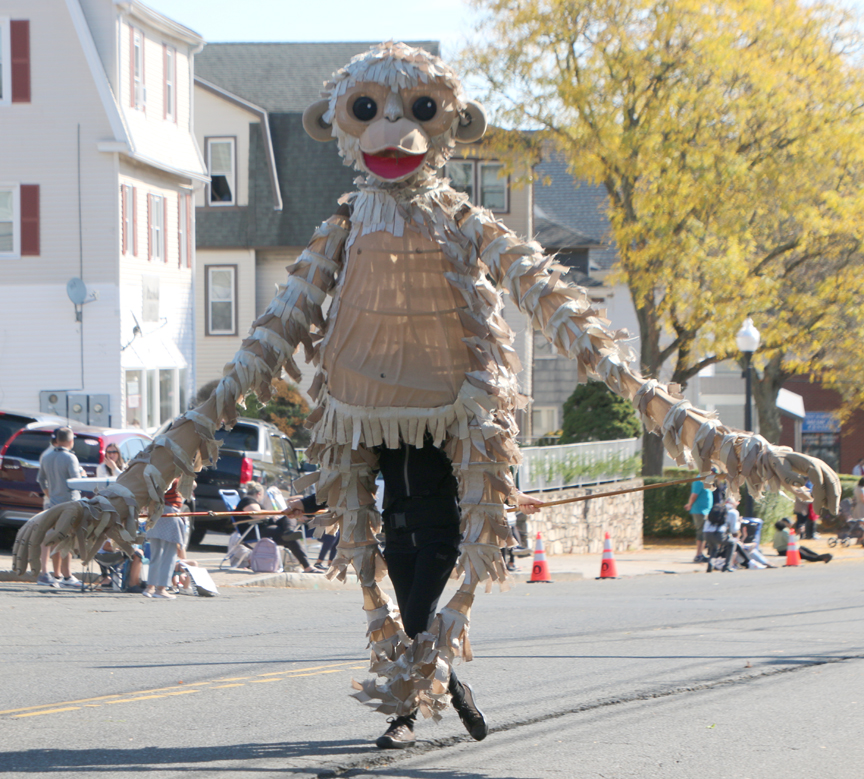
Truth be told, the parade was pretty interesting and diverse, and I thoroughly enjoyed it. In fact, I got so wrapped up in watching the karate school students performing that I almost missed Margeaux’ appearance. Hence the not-so-great photos of her. She’s behind and to the left of the red-haired violinist in the last photo below.
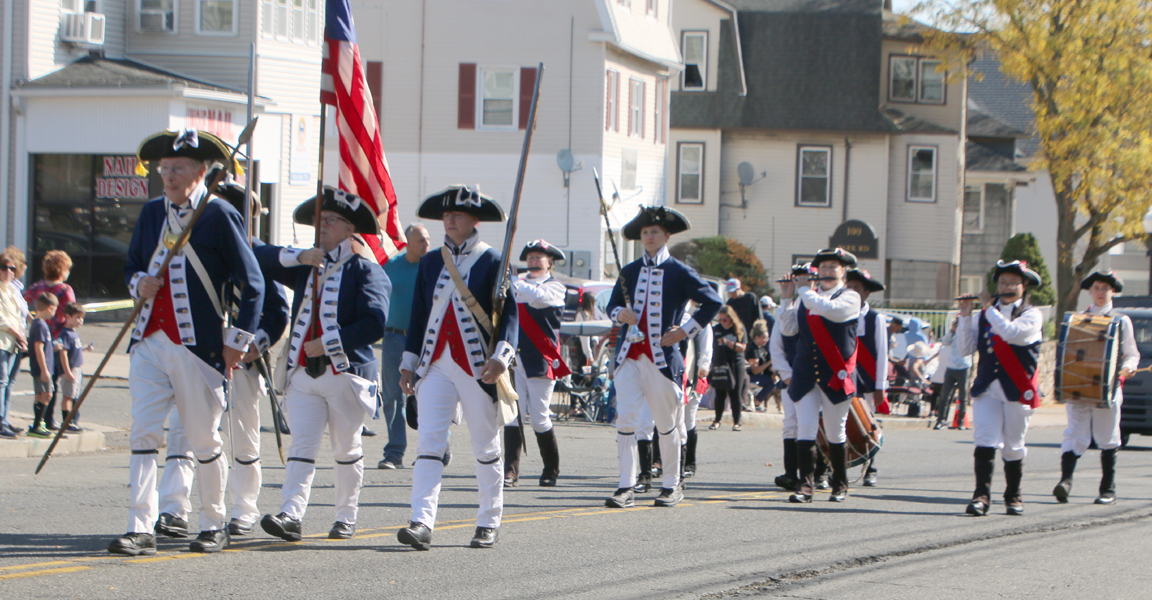
Another highlight of the event for me was the four fife and drum corps from various parts of the region. For my Florida friends: it’s a northeast thing, something about an event a long time ago.
The Park Road Parade started in 1999 as a fun way for business owners along the blocks-long commercial strip to celebrate completion of a two-year road construction and neighborhood beautification project. The mile-long pageant quickly became a popular West Hartford event.
But it’s not easy planning a parade in a state where, according to the local public radio station meteorologist, “the weather changes every minute.” Just organizing the thing is a year-long volunteer effort and there are too many moving parts to just cancel and reschedule it at the last minute if the weather turns sour.
Covid killed it in 2020 and rain drowned it out in 2022 and 2023, so this was only the second parade in the last four years. This final year allowed the planners to complete two goals that have been put off by the rains: The long-delayed honoring of the parade’s founder, Rob Rowlson, then West Hartford Director of Community Services, who died in 2022, and showcasing longtime TV and radio personality Renée DiNino as Grand Marshall, a role she was first cast in back in 2022.
Plans were made long ago for this to be the final year and in future to have several, smaller events for the Park Road community.
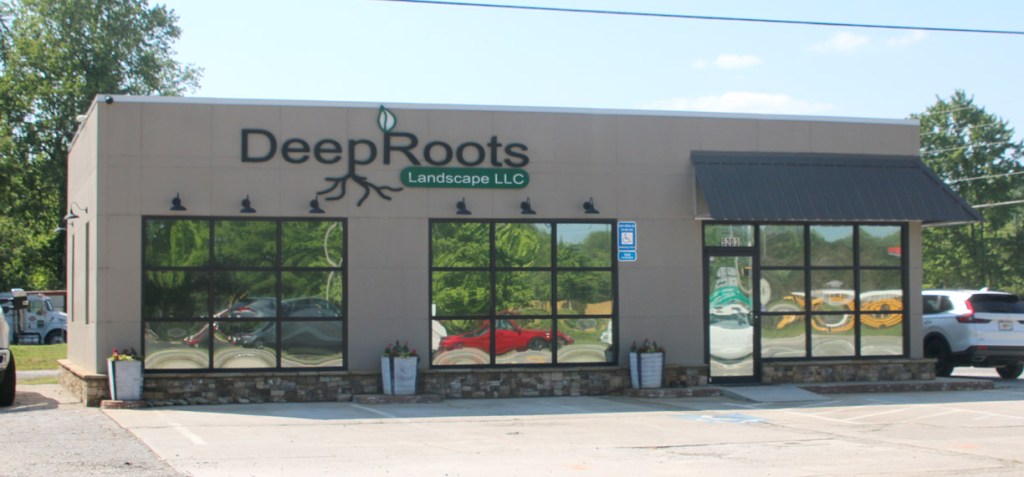
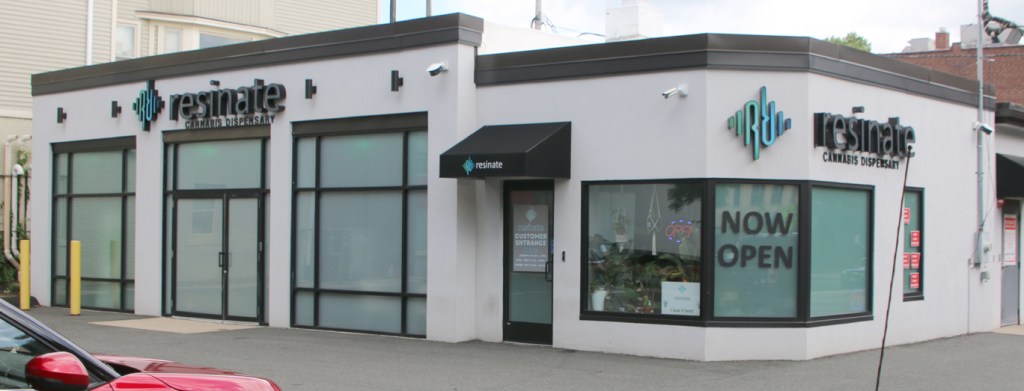
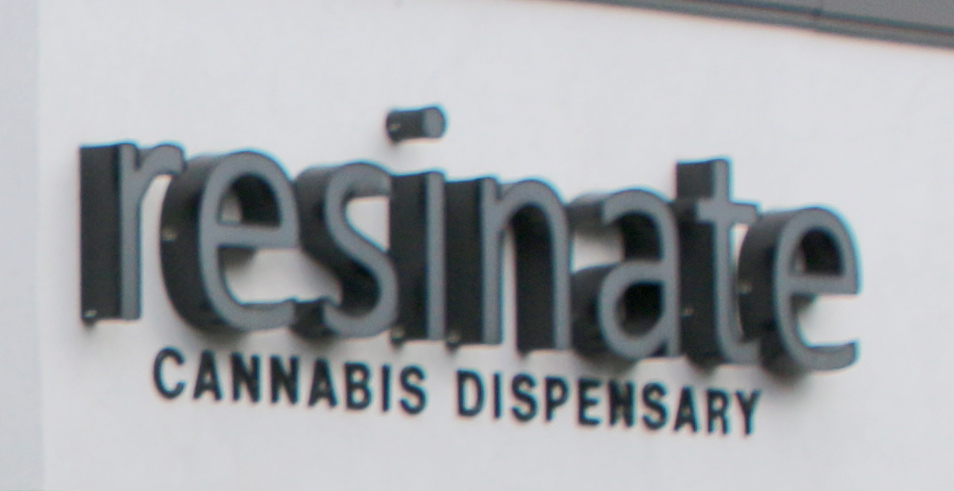
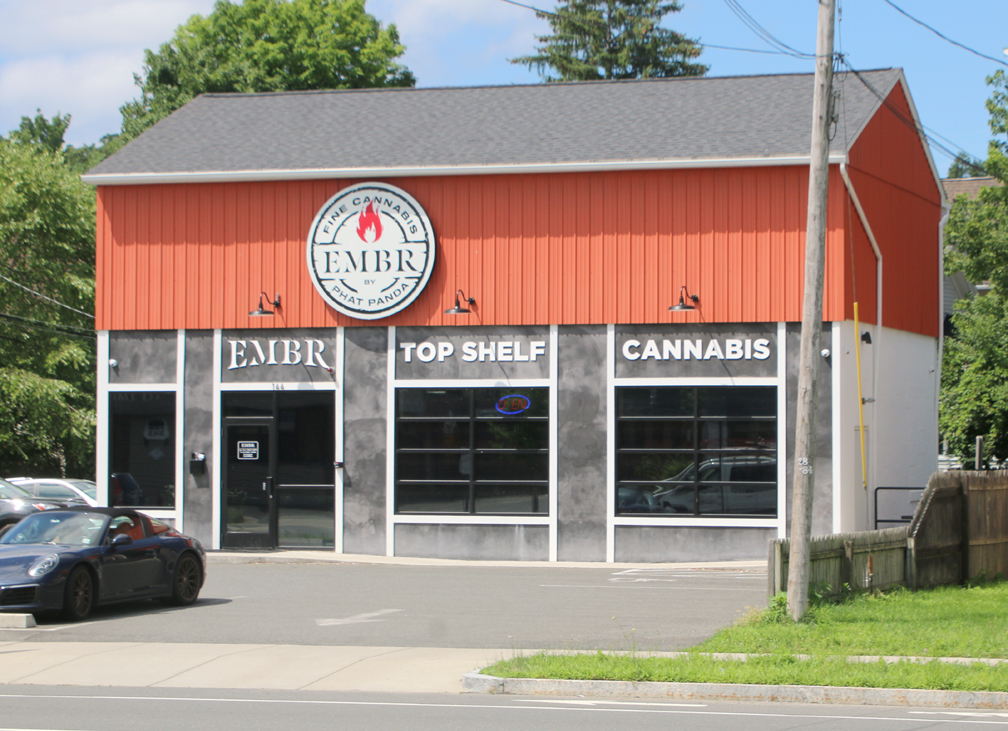
I drove through Northampton, Massachusetts, the other day on my way up to Ogontz in New Hampshire and came across a pair of cannabis dispensaries located just blocks from each other.
The photos below tell you where this is going: Each of them is in a former gas station!
For my complete collection of repurposed gas stations, go here.
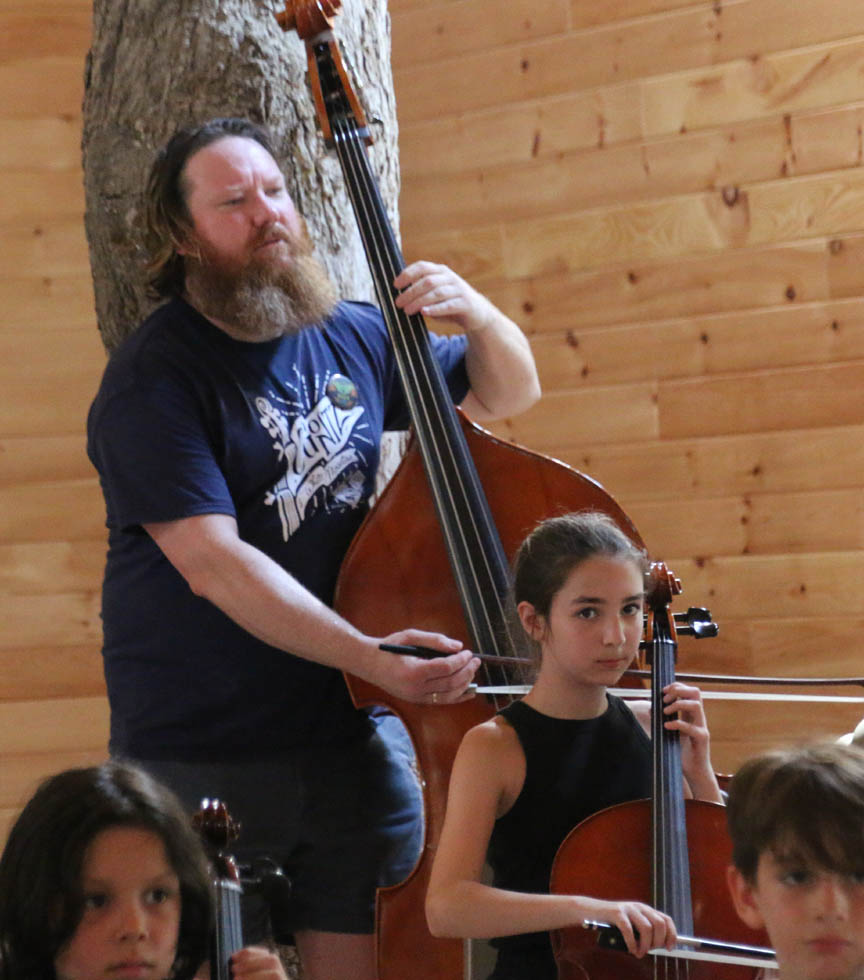
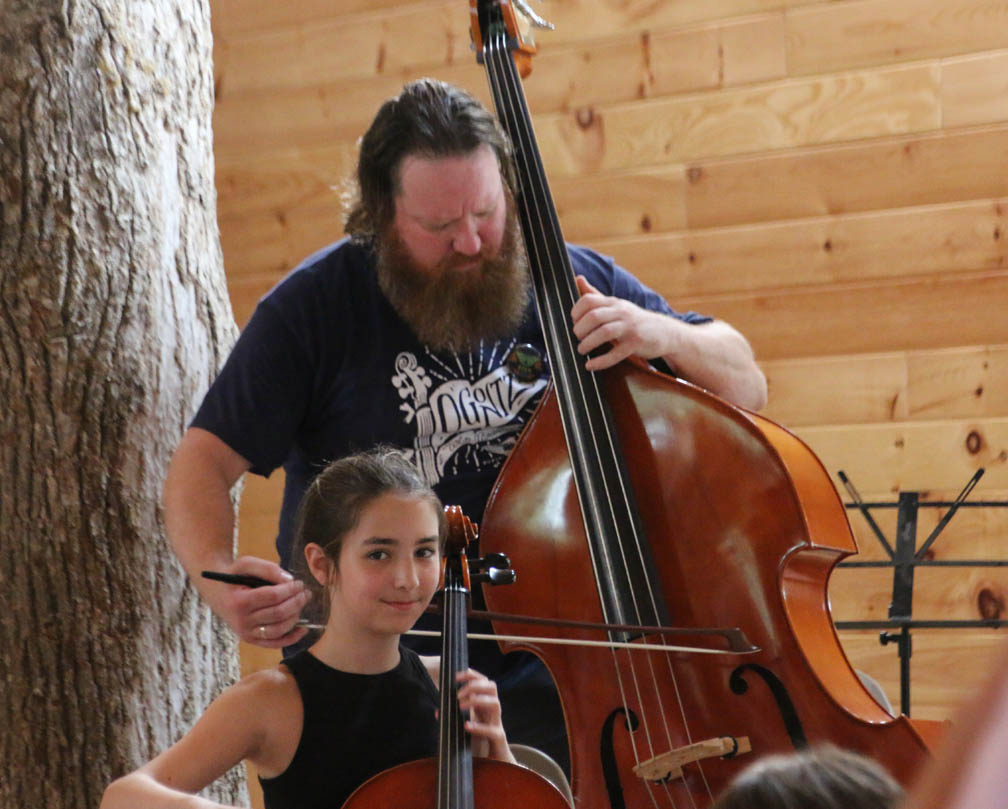
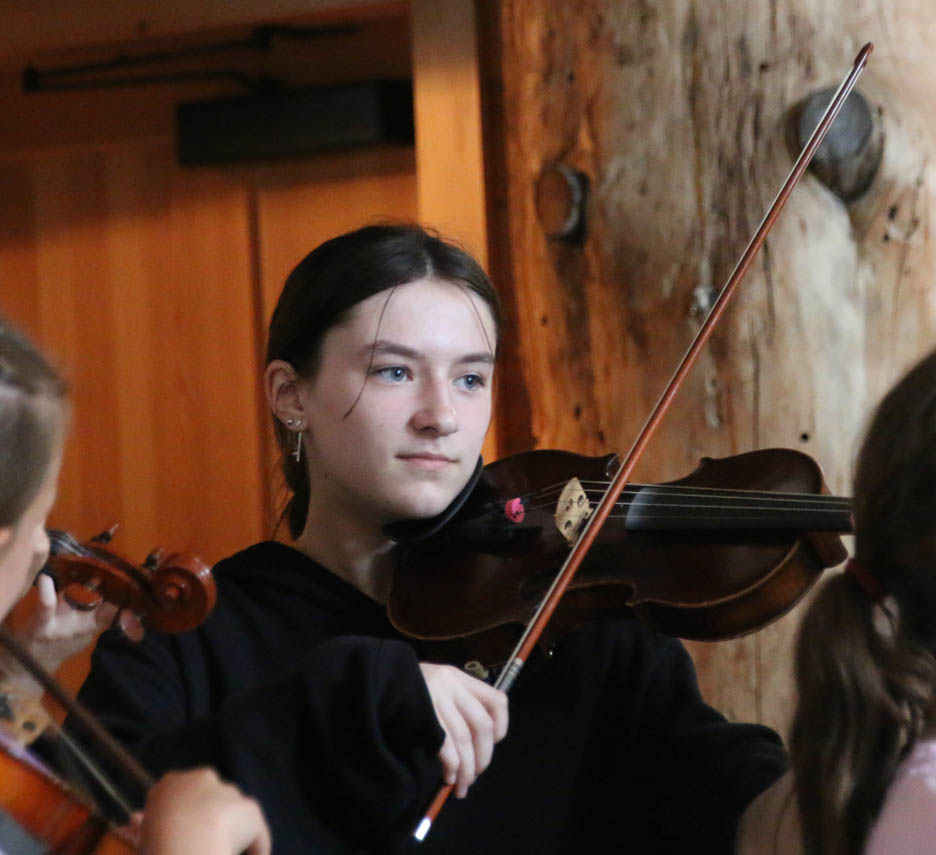
I didn’t take any photos of my visit to Ogontz this year. It was pretty similar to last year’s visit, except the grandkids are a year older and better musicians. I even got in a paddle with friend Leslie Dreier again while in his neighborhood.
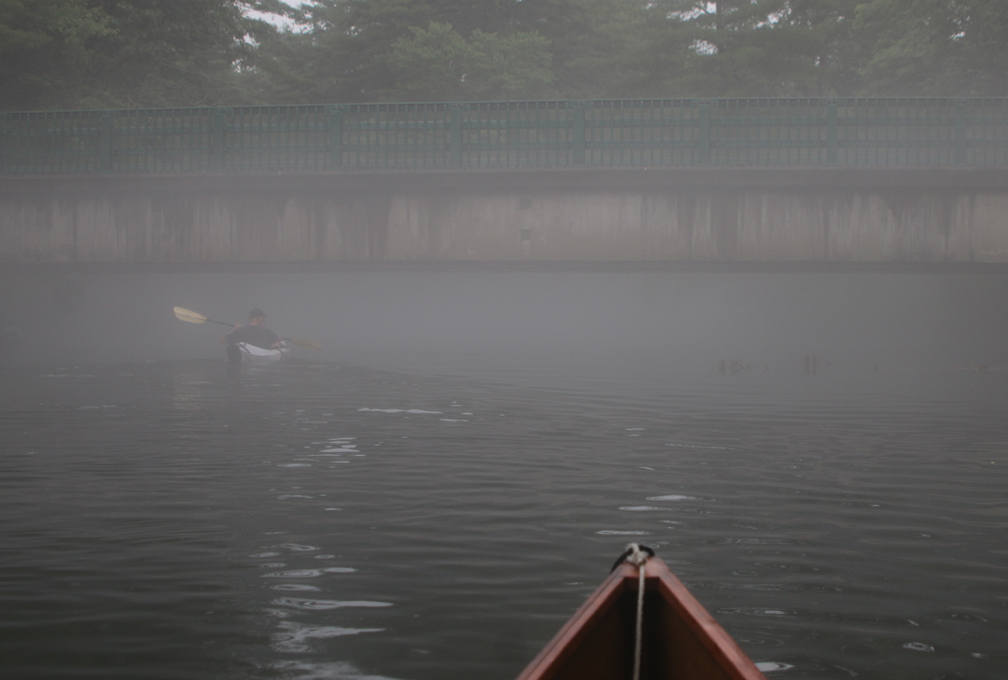
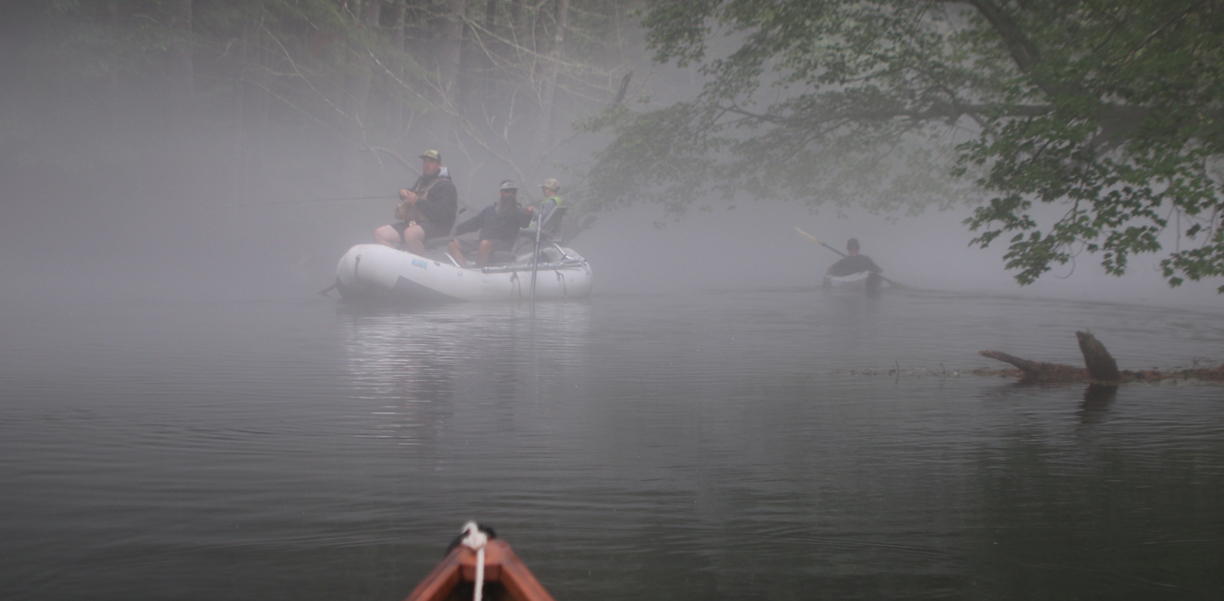
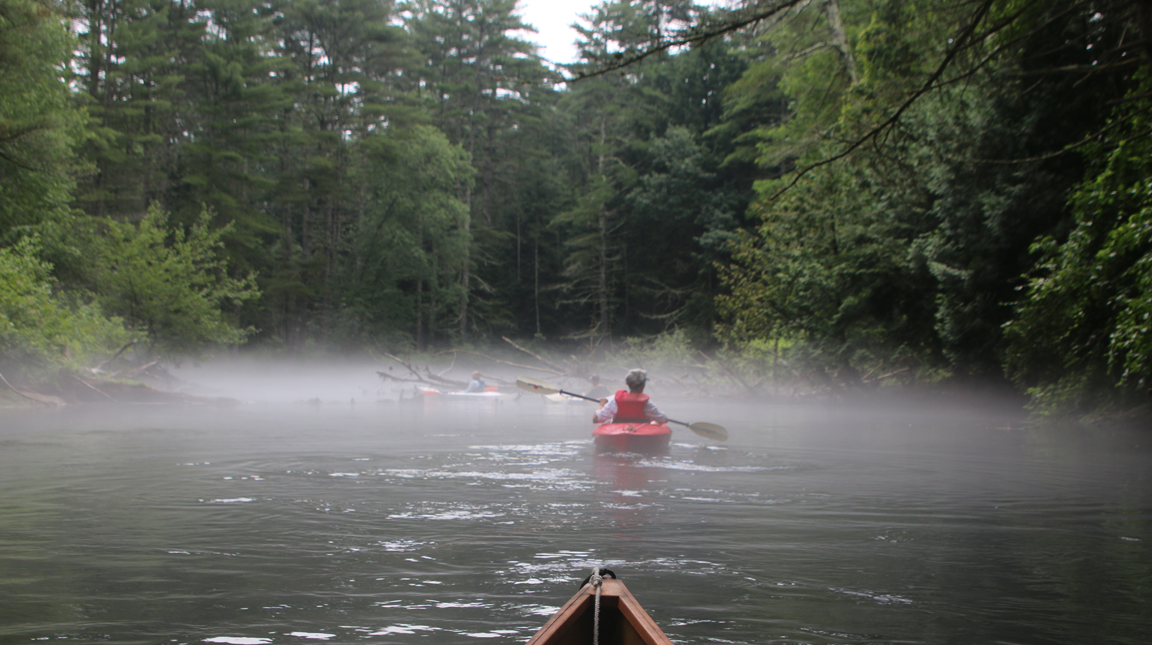
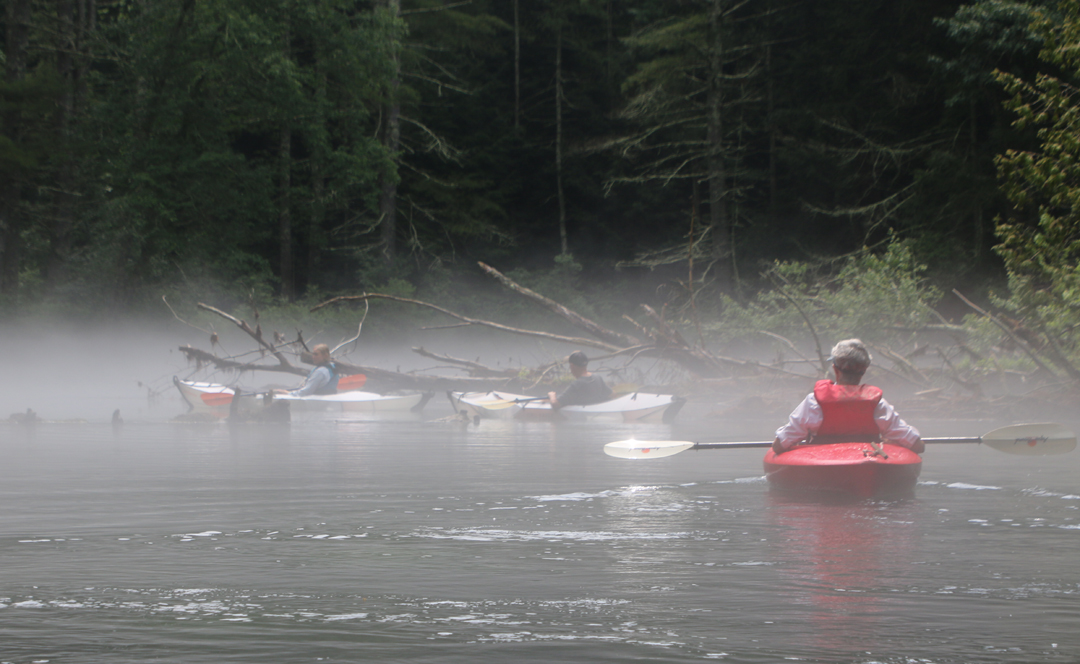
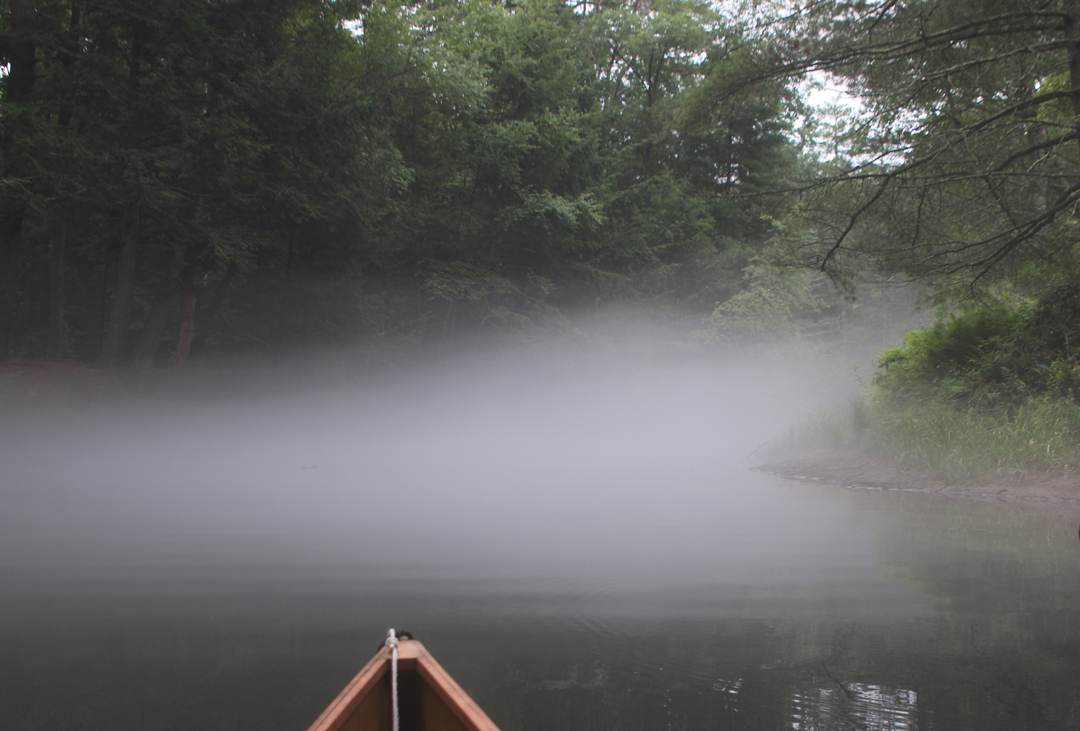
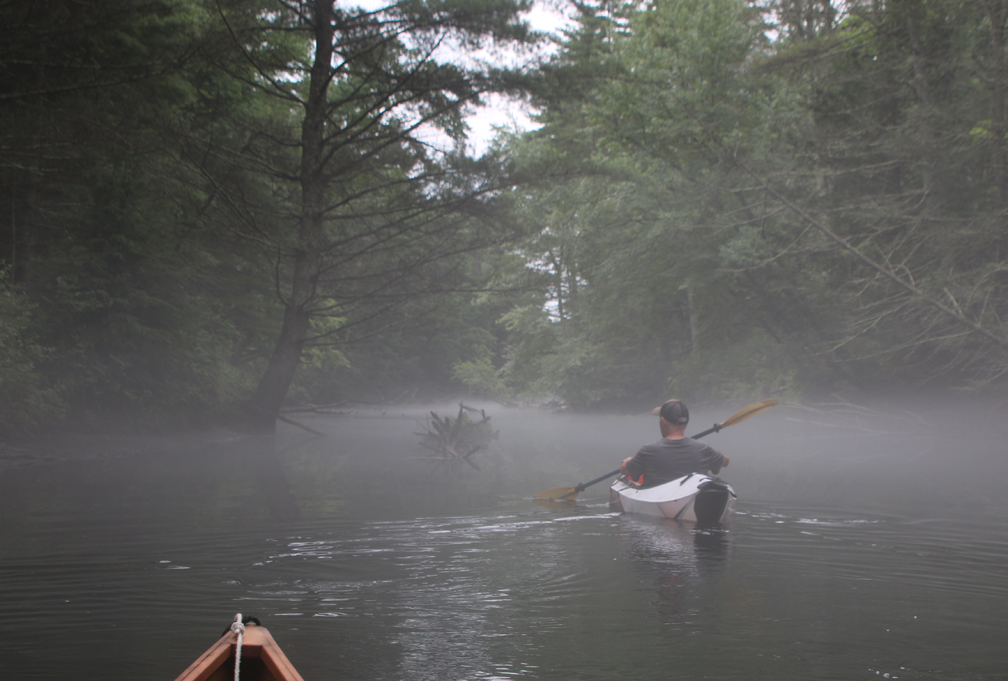
My delightfully foggy paddle on the Swift River in Belchertown, Massachusetts, began with a downpour that started right when I drove into the launch site parking lot and ended fifteen minutes later.
It added enough mugginess and cloudiness to the already-warm day to set things up nicely for a thick bank of fog to form over the river’s icy cold water. In years past I had seen only very faint patches of fog here and there, never a blanket like this time.
To understand why the Swift water is so cold one needs to go back nearly a century.
Three branches of the Swift used to run through the Swift River Valley north of our launch site, but in the late 1800s, Boston was looking for a water source. Work took decades, but by 1946 the new Windsor dam stopped the flow of all three branches. Towns were flooded and the valley became the Quabbin Reservoir, with water piped 65 miles east to Boston.
What remained of the Swift trickled south out of the bottom of the dam, the coldest water of the very deep reservoir. It joins the Ware River at the town of Three Rivers, about 18 miles south.
The very cold water not only means great fog on a hot summer day, but it also makes the Swift a premier trout fishing spot in Massachusetts, especially the short section between the dam and Route 9, where fly fishing only is permitted.
Our launch spot is further south, at Cold Spring Road. Downed trees kept us from getting up to Route 9 but we were able to paddle far enough north to see my favorite things on the Swift: the yard art at a couple of the riverside residences.
All the photos from the trip are below. Click on any one to see a slide show of large images. You’ll notice that I waited until the fog lifted to get decent shots of the yard art. To see Swift River photos from previous visits, go here and here.
I don’t do historical tours very often, but when I do I make sure I go to genuine places. This one’s from a road trip in 2015 that took me through Long Lake, New York.