A couple of sizeable mountain carvings caught my interest during a western road trip a few years ago but it wasn’t until I did some research recently that I found out just how intertwined they are.
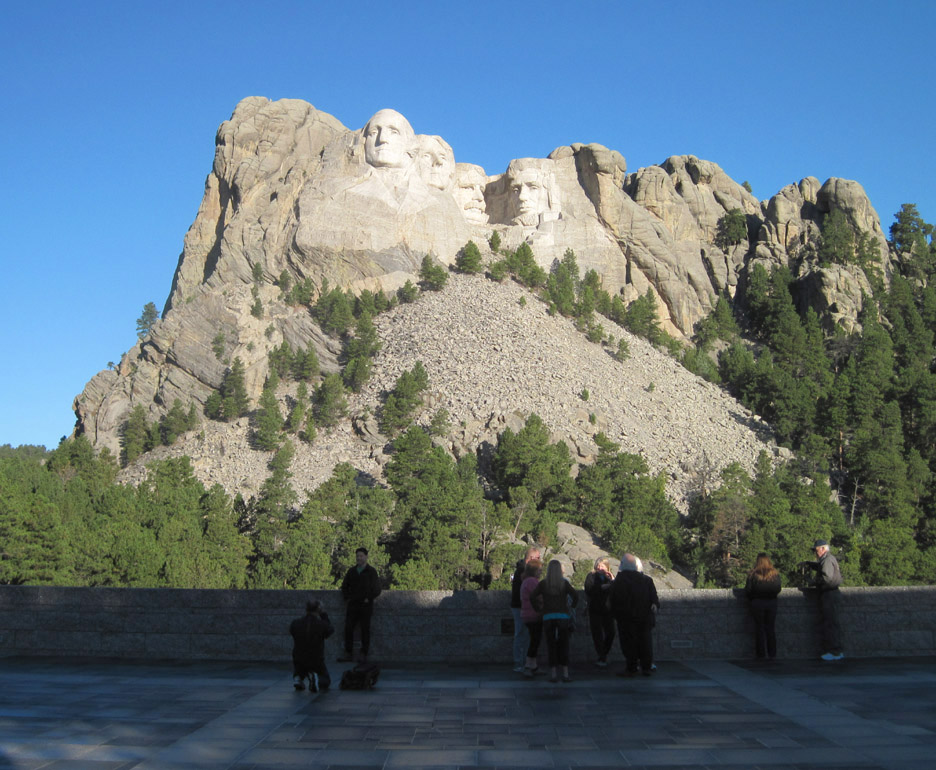
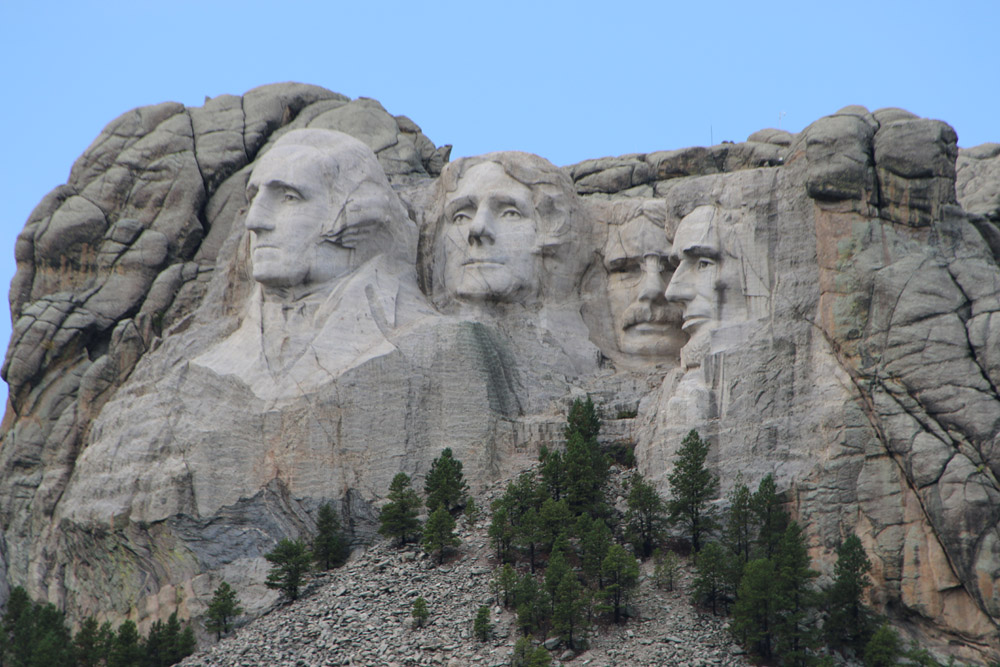
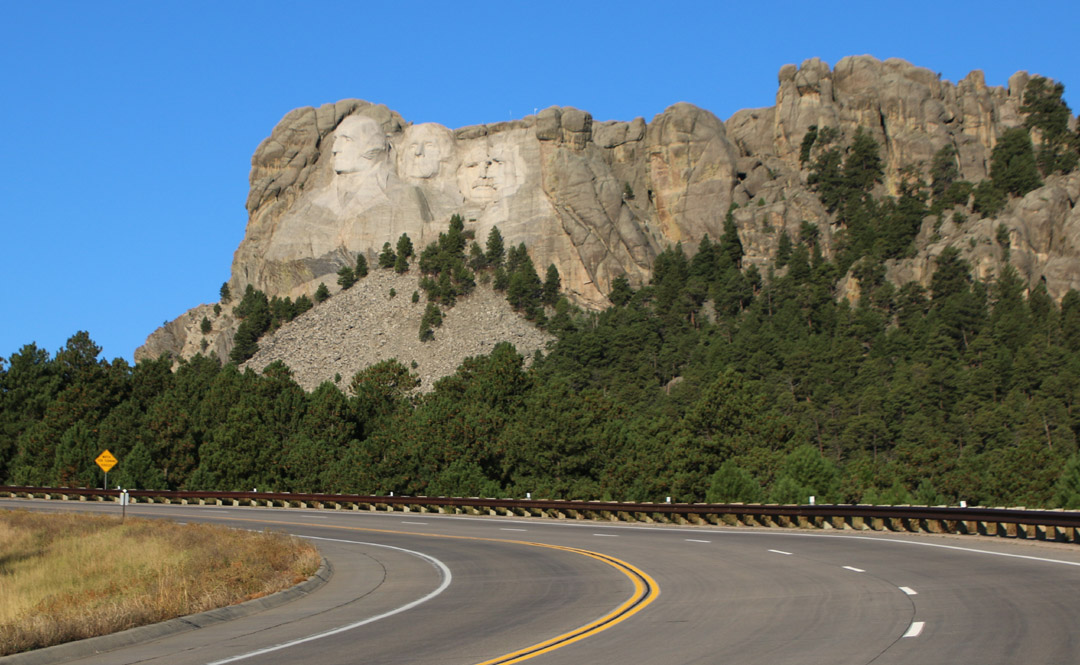
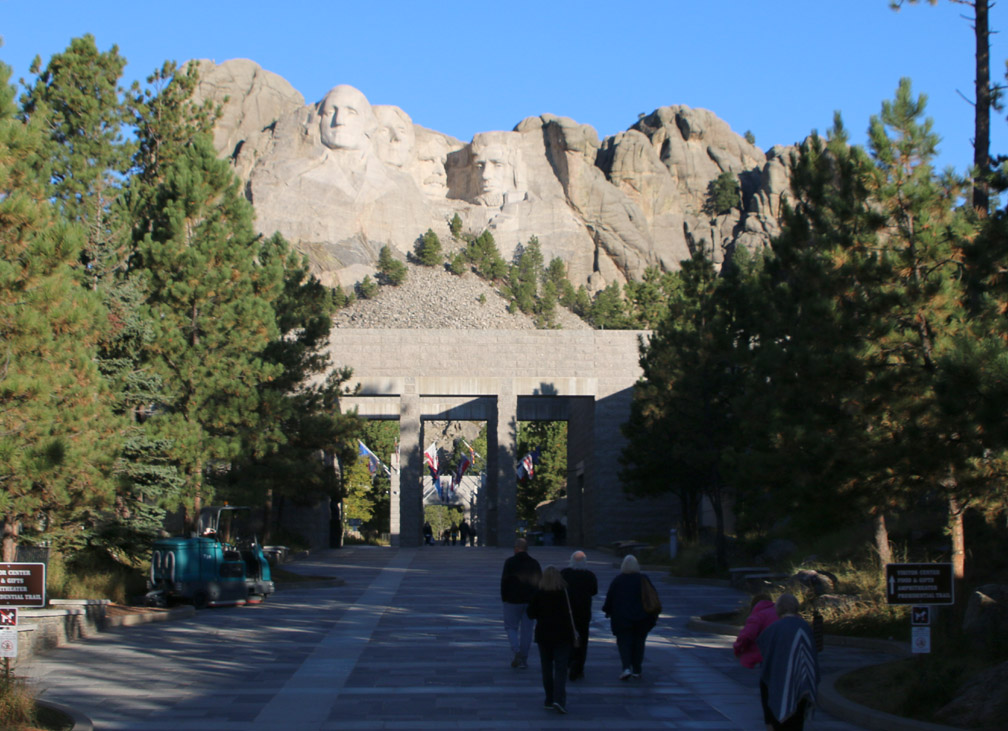
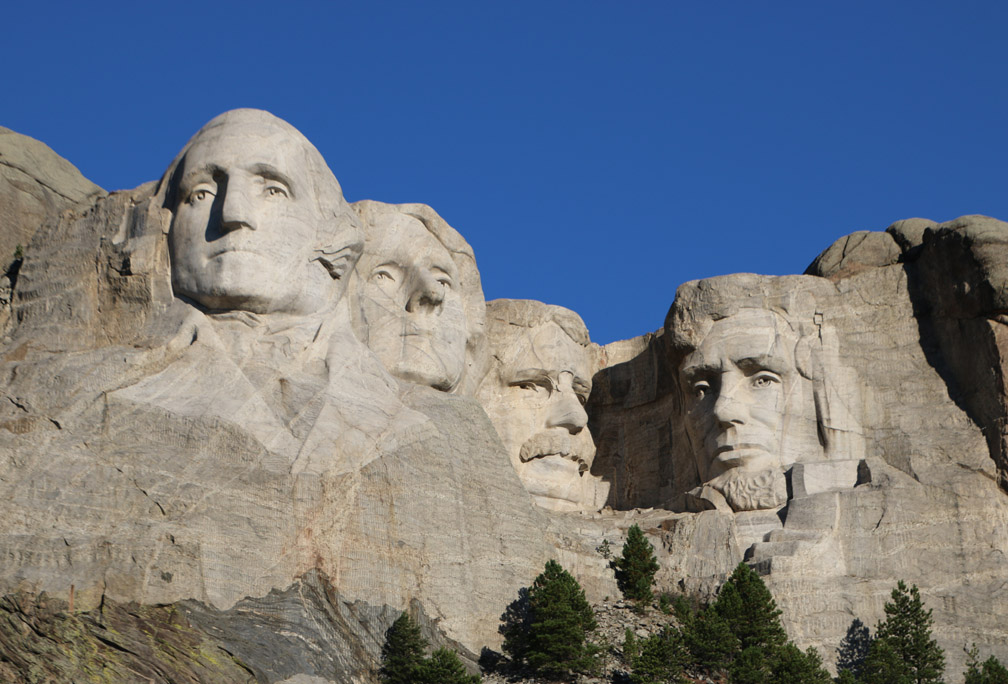
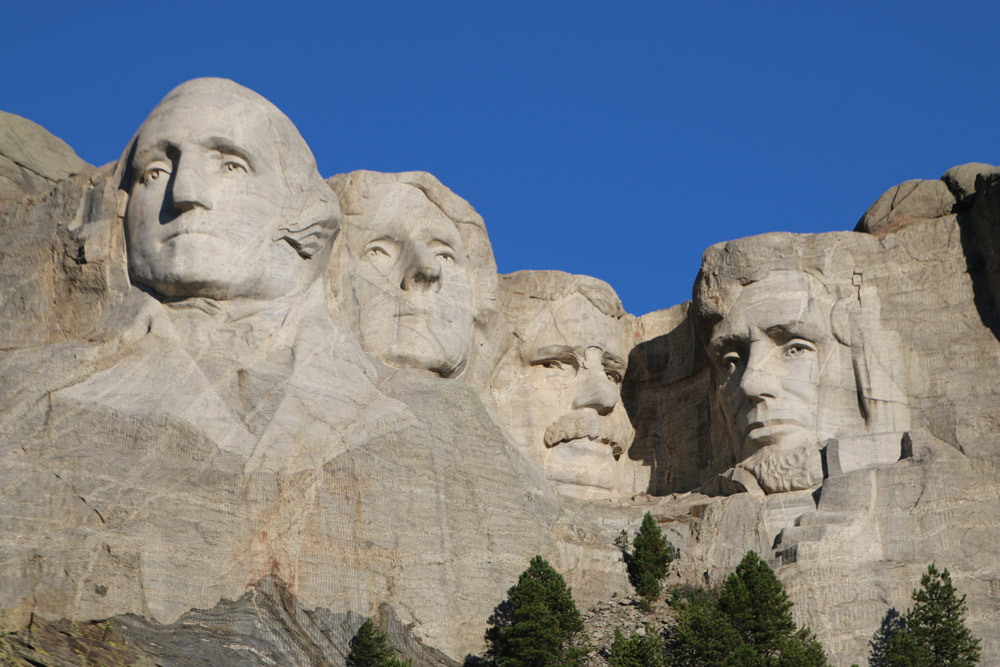
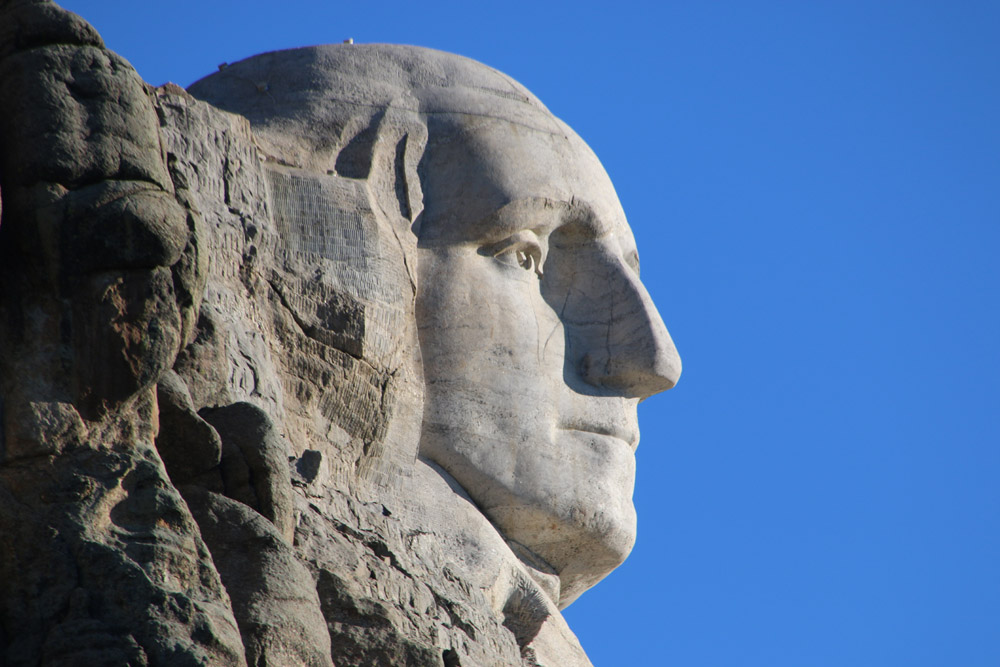
One of them, of course, is Mount Rushmore, the huge iconic stone carving of four former presidents in the Black Hills of South Dakota. It’s just outside the town of Keystone, a settlement of some 300 persons that serves the traveling needs of the millions of tourists a year the site attracts. Work on the monument started in 1927 and it was completed in 1941.
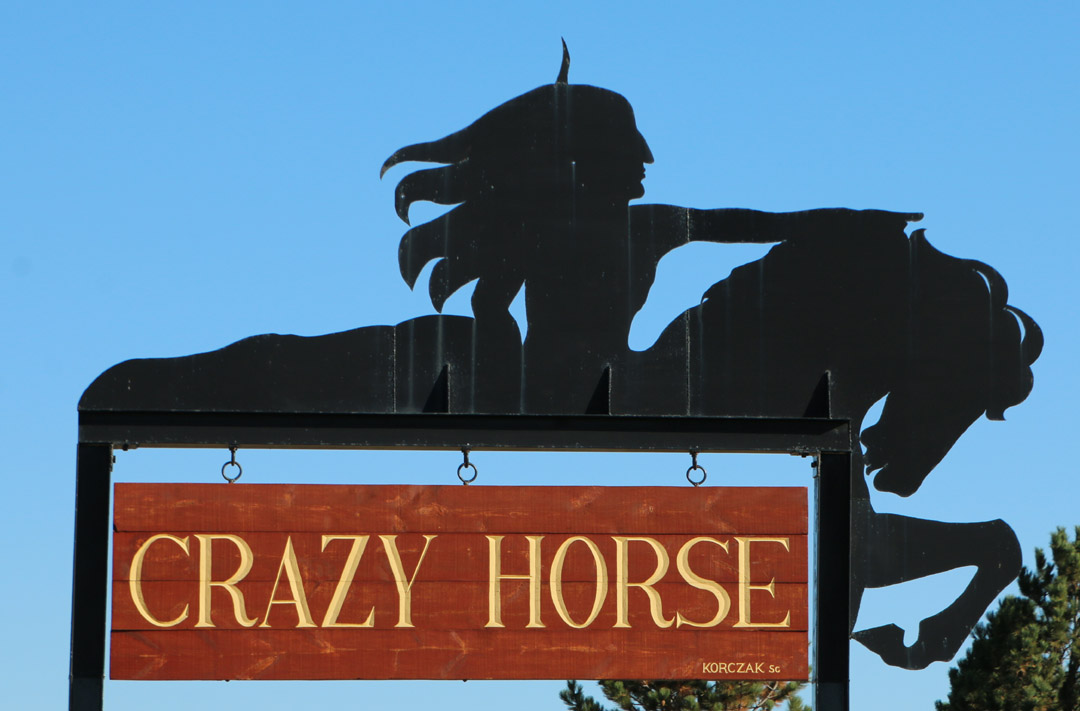
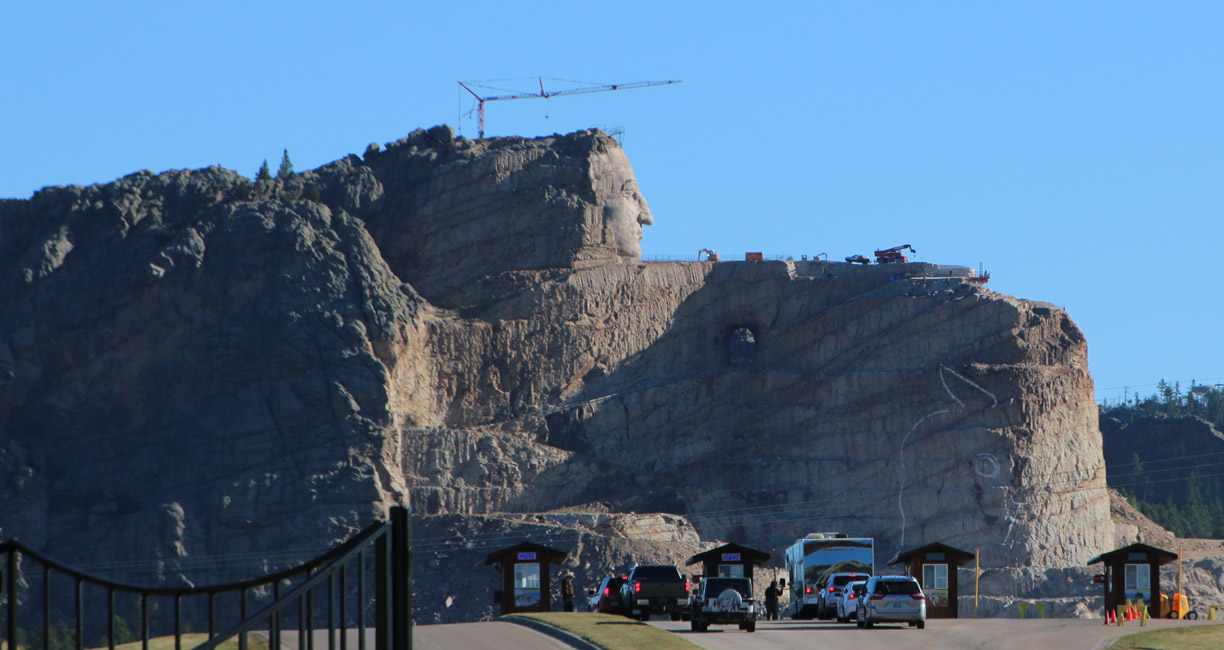
The second is just 17 miles away, also in the Black Hills, and is called the Crazy Horse Memorial. It will depict the Oglala Lakota warrior Crazy Horse, riding a horse and pointing to his tribal land. Work there started in 1948 and is far from finished. Only Crazy Horse’s head and face have been completed and dedicated.
When finished, the Crazy Horse Memorial will dwarf Mount Rushmore; Crazy Horse’s head alone is bigger than the four presidential heads combined.
Here’s where the intertwining begins: If the person who had come up with the concept of Mount Rushmore had had his way back in the early 1900s, the face of Crazy Horse would be among those looking at us from Mount Rushmore today instead of slowly taking shape over on Thunderhead Mountain.
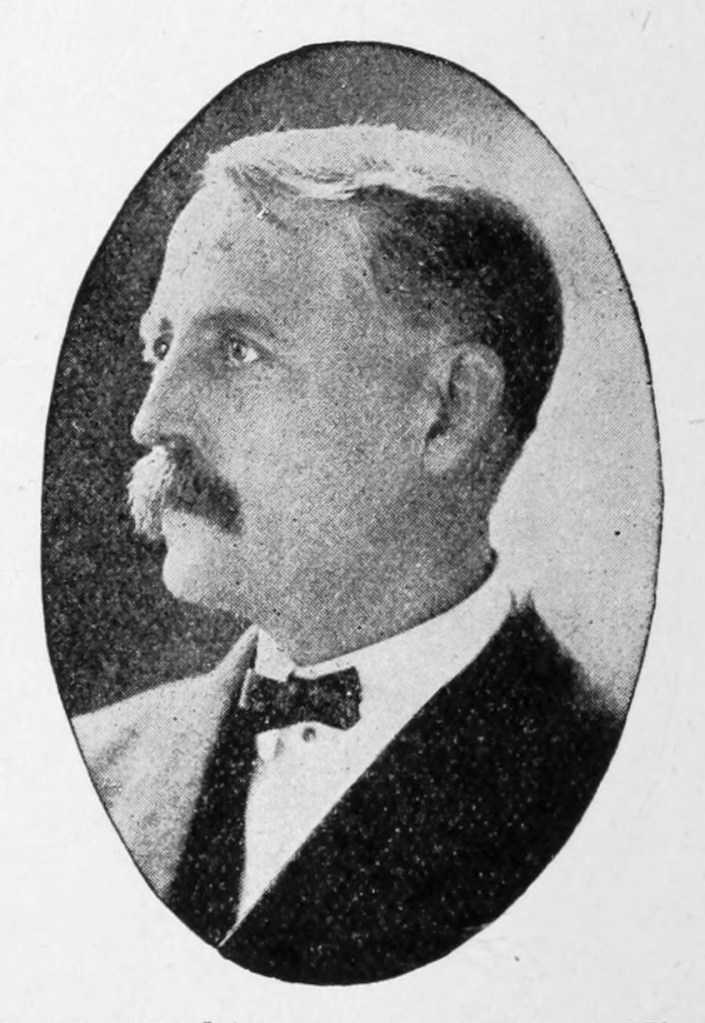
Yes, South Dakota state historian Doane Robinson had American West heroes in mind when he conceived of carving figures into a Black Hills mountain to attract tourists. He was thinking along the lines of explorers Lewis and Clark and their guide Sacagawea, Buffalo Bill Cody, and a couple of Oglala Lakota chiefs, Red Cloud and Crazy Horse.
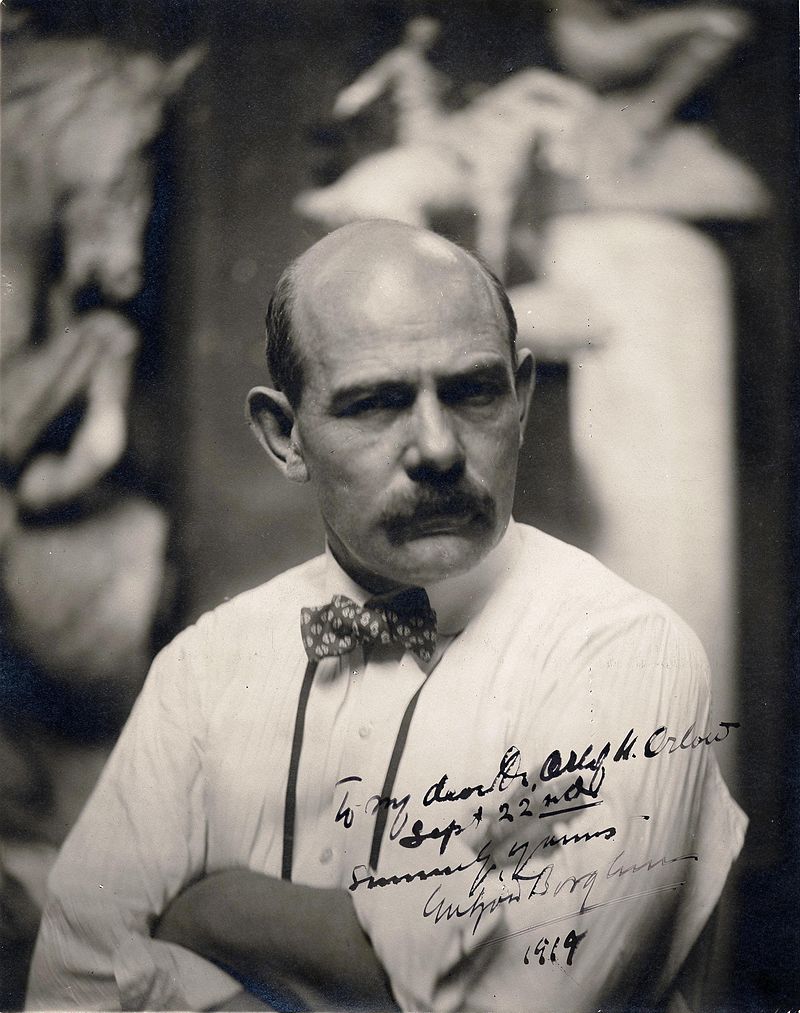
Robinson’s notion of a mountainside carving gained traction, but when noted American sculptor Gutzon Borglum got involved the subjects changed. He was fascinated with gigantic scale and themes of heroic nationalism and his pieces around the country were increasing his popularity.
Borglum’s opinions mattered. He thought the western heroes appeal was limited and that the subjects of the sculpture should have broader interest. He chose the four presidents, George Washington, Thomas Jefferson, Theodore Roosevelt and Abraham Lincoln. That’s the plan that got approved and national funding followed.
Efforts to get Crazy Horse up there continued, however. Henry Standing Bear, an Oglala Lakota chief and well-known statesman and elder in the Native American community, and his brother, Luther Standing Bear, continued to press for the inclusion of Crazy Horse.
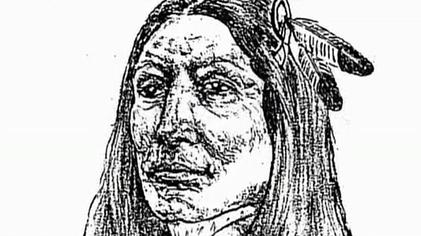
In 1931 Luther wrote asking sculptor Borglum to include the Lakota chief. He got no reply. The brothers’ campaign to authorities to force Borglum to include Crazy Horse went nowhere.
In 1939, Henry Standing Bear wrote the Department of the Interior proposing the trade of some farmland he owned for the use of the barren Thunderhead Mountain as a place to memorialize Crazy Horse. The government agreed. Henry Standing Bear, who did not want to use any federal funds for the project, started looking for private funding and a sculptor.
Conveniently, a Polish-American sculptor, Korczak Ziolkowski, whose national reputation was on the rise, was available. He’d been hired by Borglum to work on Rushmore, but they had a falling out when Ziolkowski realized he wouldn’t be the primary assistant. That job went to Borglum’s son, Lincoln.
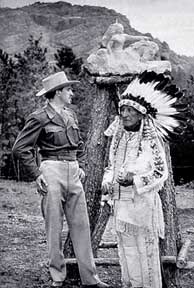
Henry Standing Bear wrote to
Ziolkowski, saying, “My fellow
chiefs and I would like the white
man to know the red man has
great heroes, too.”
Ziolkowski met with the leaders shortly afterward and began planning a monument. Everything got put on hold during WWII, in which Ziolkowski served from 1943 until 1945, but in 1948 work began.
From the beginning the memorial seemed to become a Ziolkowski project. Ziolkowski moved to the area at the outset and married and raised a family there and lived there until his death in 1982. Through the years, his 10 children and several grandchildren have been involved. Even today his widow and a daughter hold two of the three executive positions of the Crazy Horse Memorial Foundation, the non-profit that controls the project.
Some controversy has shadowed the monument. Naysayers have touched on several points: Henry Standing Bear commissioning the work without consulting family members; the fact that Crazy Horse himself didn’t even allow himself to be photographed, much less would want to be so memorialized; the amount of control Ziolkowski and his family have had over the project, and the mere idea of altering sacred lands with a sculpture.
The Mount Rushmore project was not without some friction also. Under the Lakota Sioux it was known as Six Grandfathers and was included in the Black Hills territory confirmed to belong to the Indians in an 1868 Treaty.
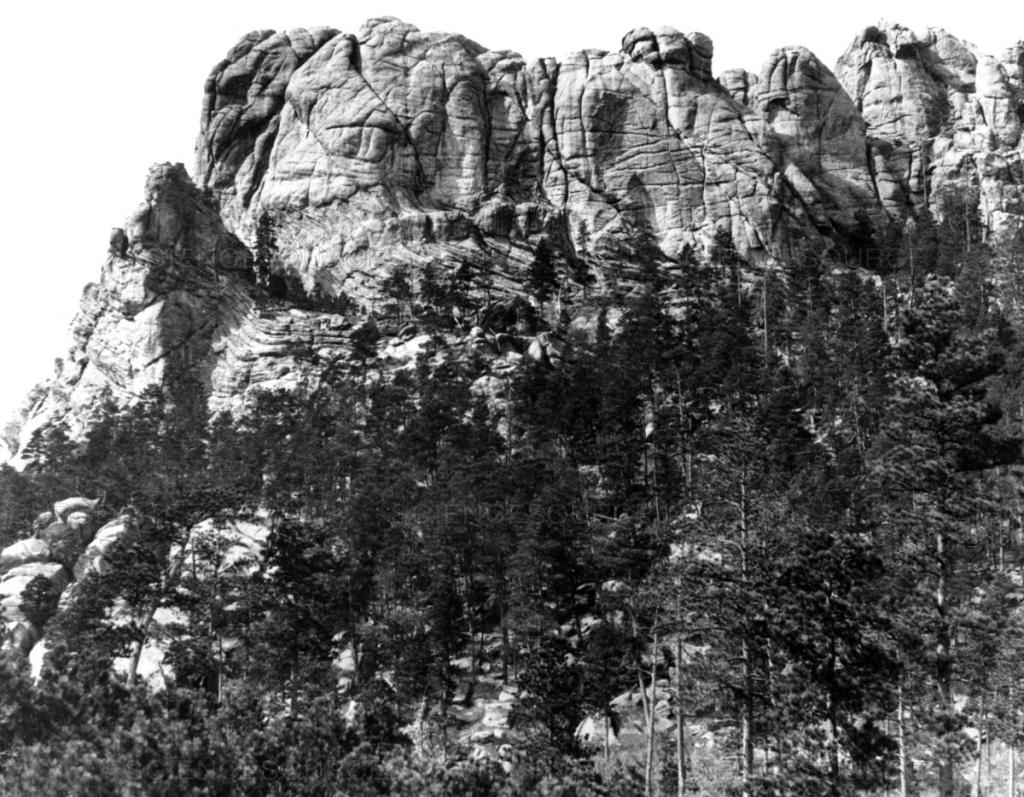
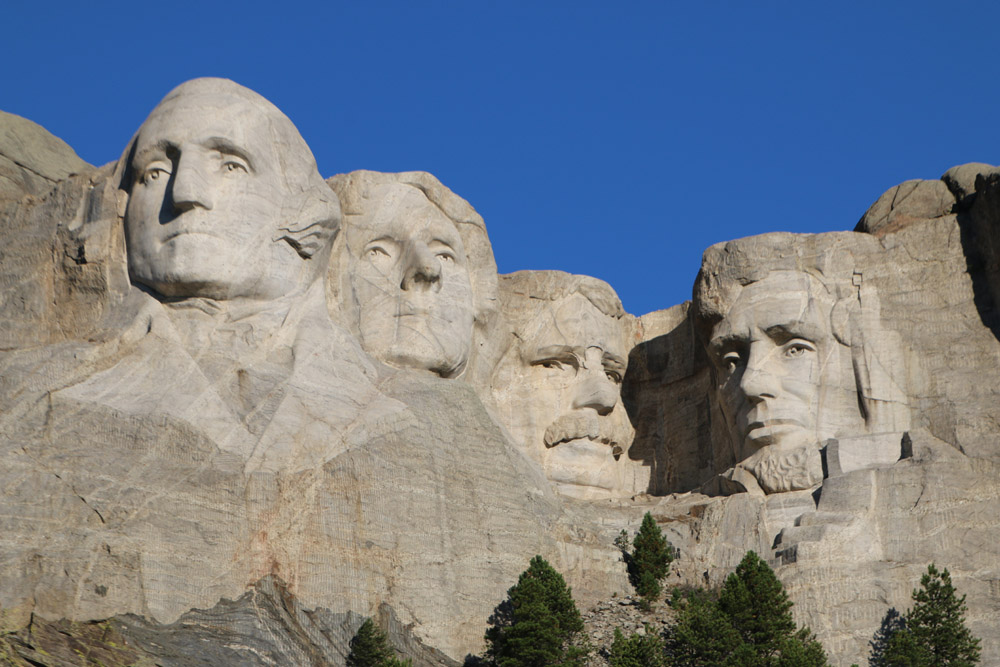
The discovery of gold and the push of western settlers resulted in a series of military campaigns from 1876 to 1878 and the United States claimed control of the Black Hills portion of the reservation, a claim that is still disputed under the terms of the 1868 treaty.
The mountain went by a variety of names– Cougar Mountain, Sugarloaf Mountain, Slaughterhouse Mountain and Keystone Cliffs.
Lore has it that Charles Rushmore, a wealthy investor who frequented the mountain on hunting and prospecting trips in the late 1800s repeatedly joked with colleagues that the mountain should be named after him.
But it’s also true that Rushmore donated $5,000 to the sculpture project just five years before the United States Board of Geographic names recognized the place as Mount Rushmore in 1930.
And the question of who was going to be depicted on it continued. In addition to the campaign to include Crazy Horse, there was a failed bill in Congress to include the likeness of Susan B. Anthony. Other proposed additions have been JFK and Ronald Reagan. Barack Obama was asked about being included one time, but said he thought his ears were too big.
An engineering study in 1989 confirmed a 1941 opinion that there is not enough stable rock on the mountain to add another figure.
There goes my chance to be up there, I guess.
Below are photos of Mount Rushmore and of the Crazy Horse Memorial. Click on any image to scroll through larger versions.




 The Urge to be Someplace Else